Phone:
+86-0769-87561578Aaron: +86-18129983931
Max: +86-18922922459



 Micro Screws
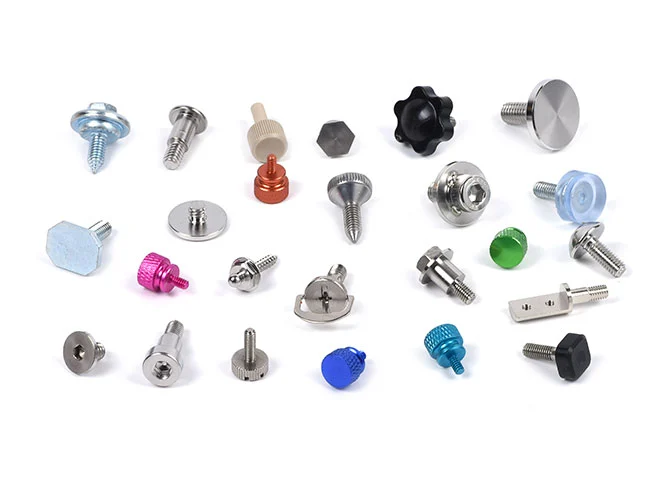 Big Head Screws
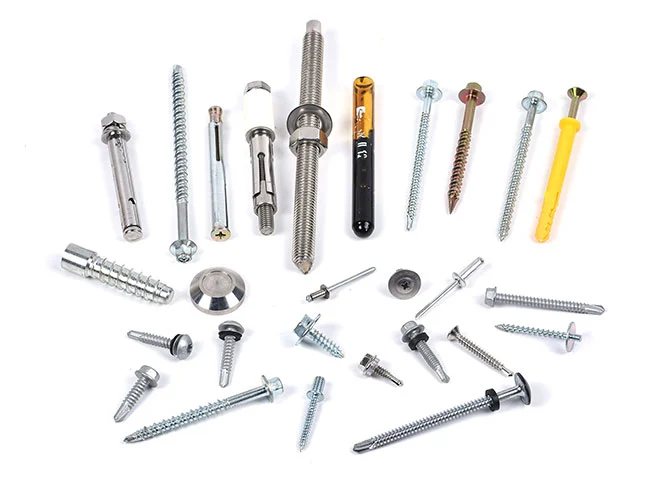 Construction Screws
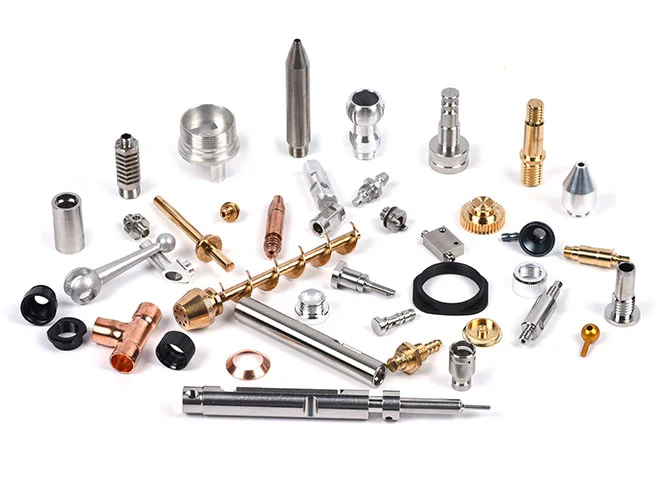 CNC Lathe Machining Parts
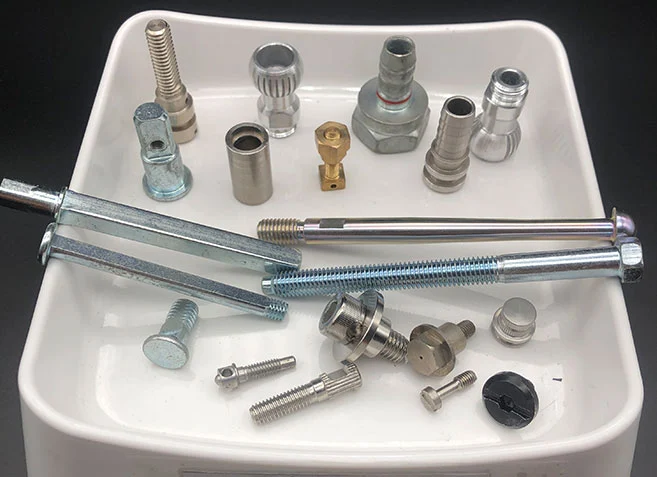 Cold Forged and Undergo Secondary Processing Products
 Multi Station Cold Heading Screws
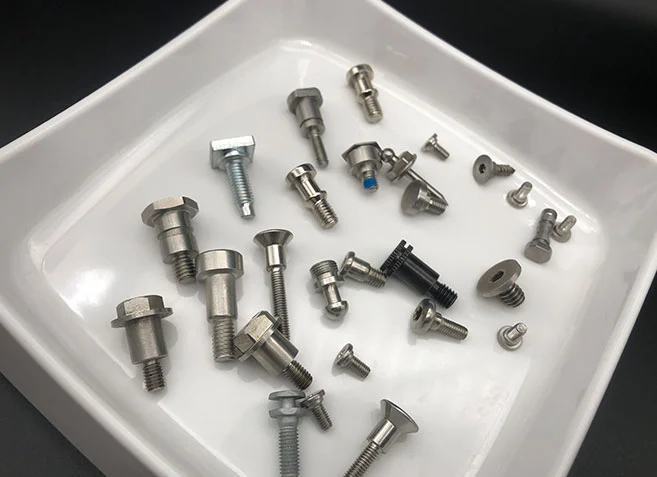 Step Screw
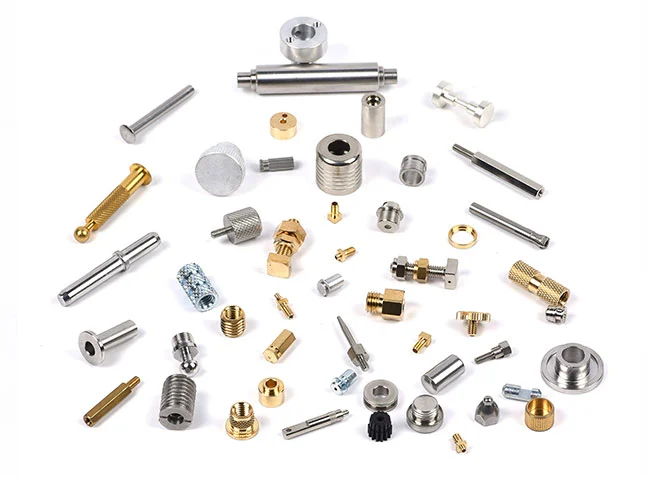 Automatic Lathe Machining Parts
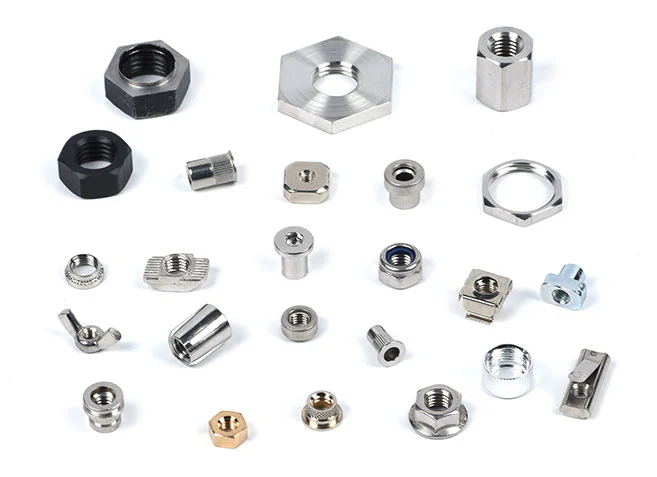 High Difficulty Challenge Cold Heading Fasteners
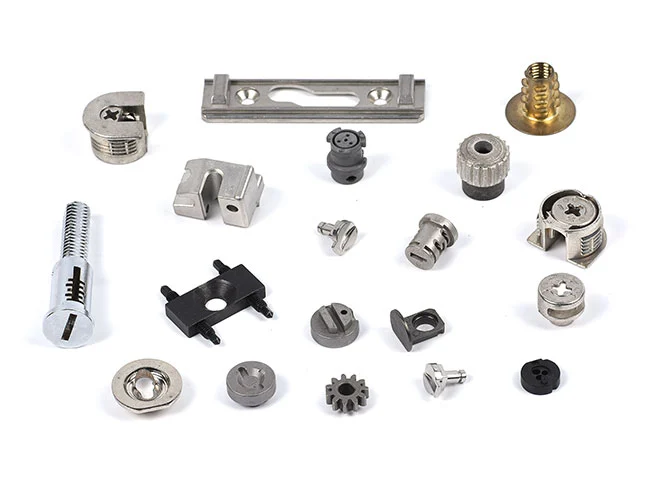 New Tech Fasteners
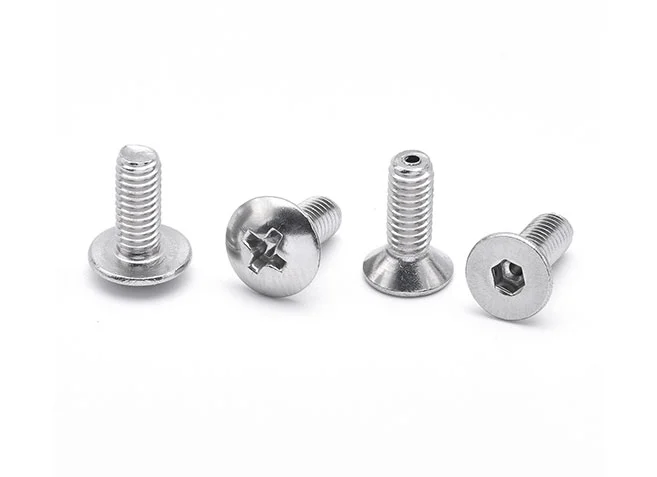 Machine Screws
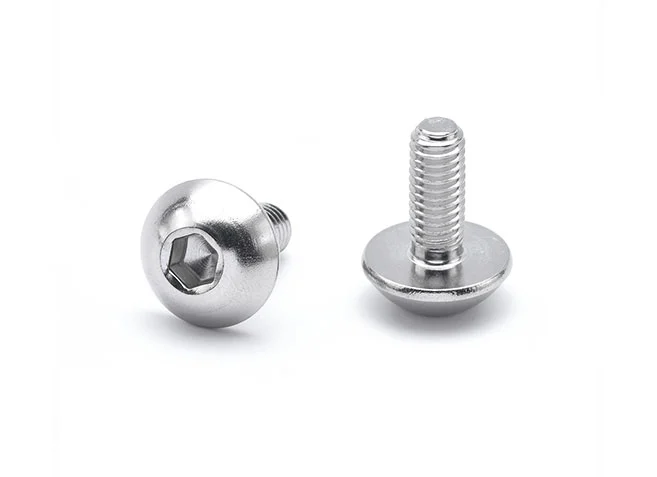 Socket Cap Screws
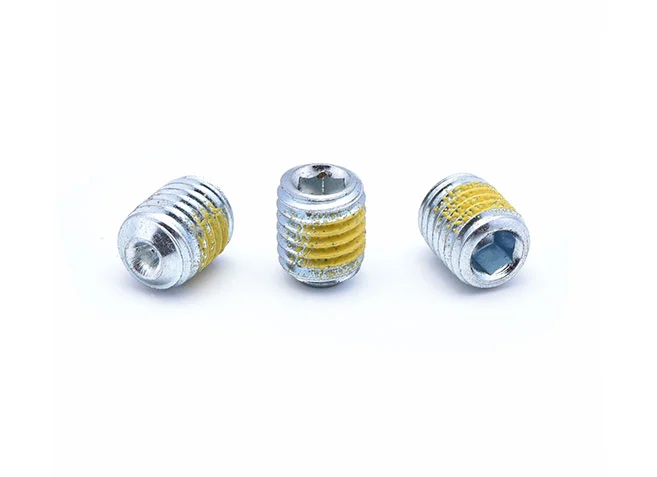 Hexagon Socket Set Screws
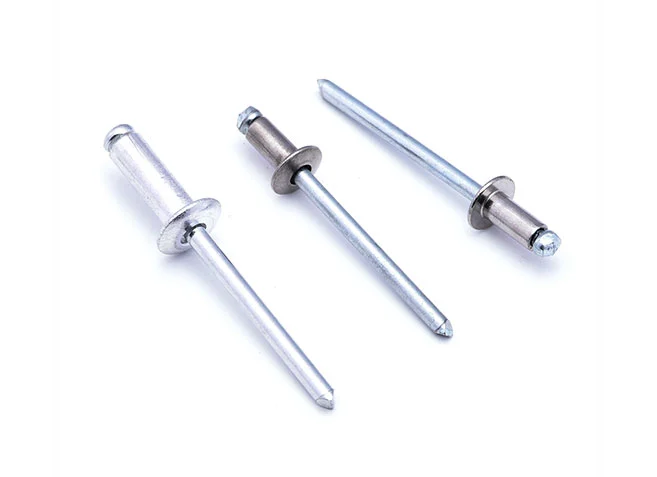 Pull Out Rivet
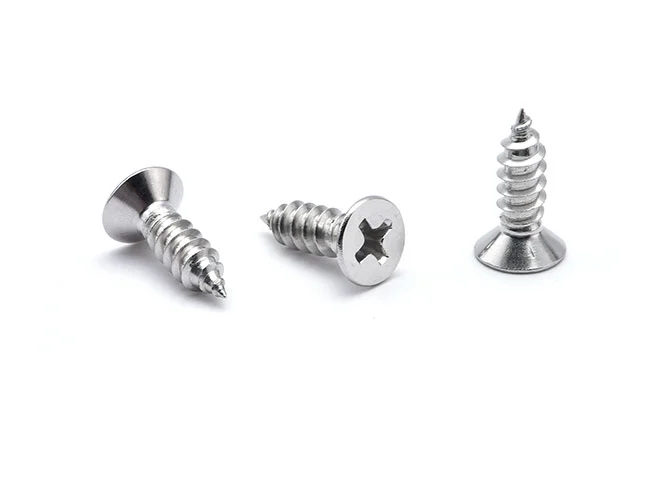 Self Tapping Screws
 Hex Bolts
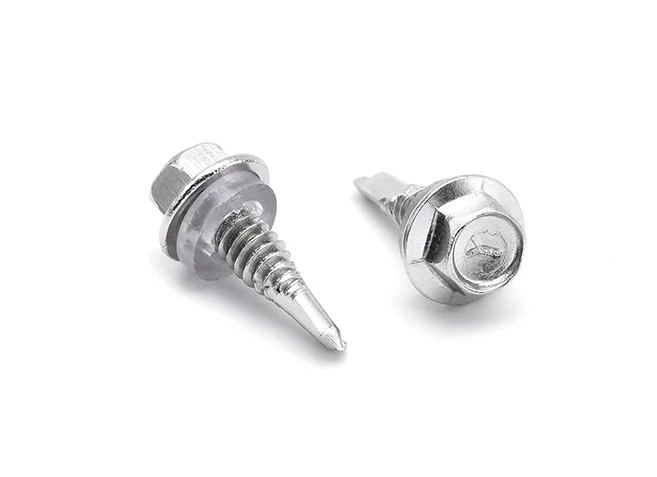 Self Drilling Screws
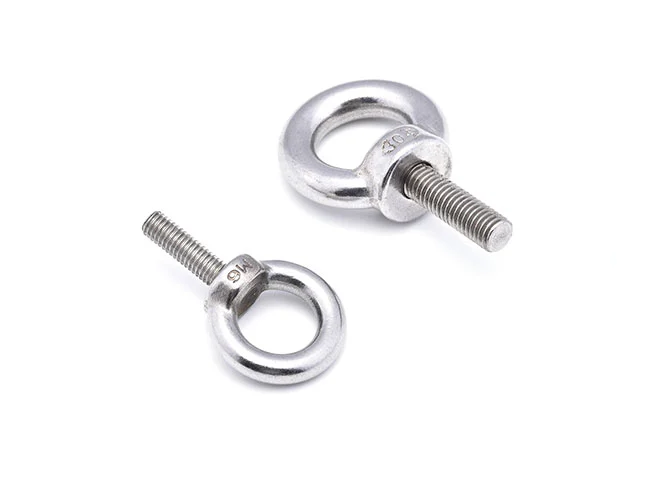 Eye Bolts
 U-bolts
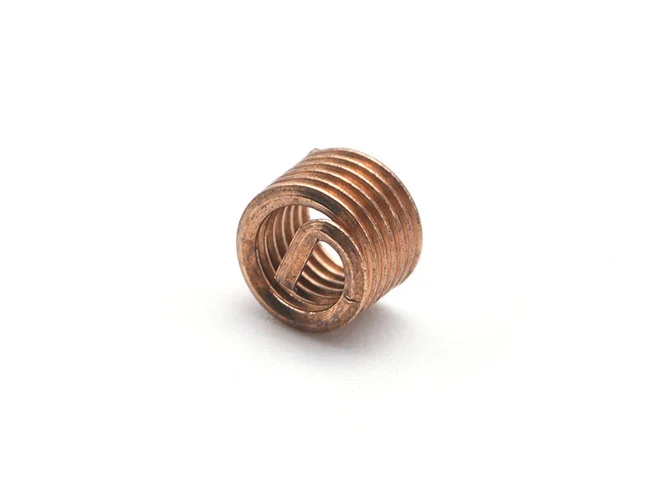 Threaded Sheath
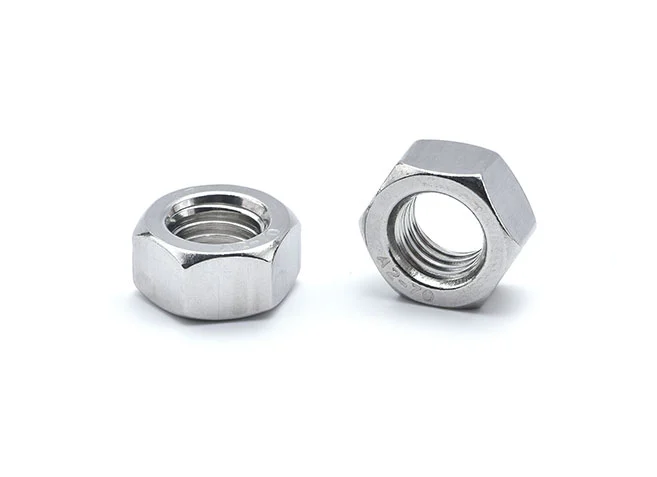 Hex Nut
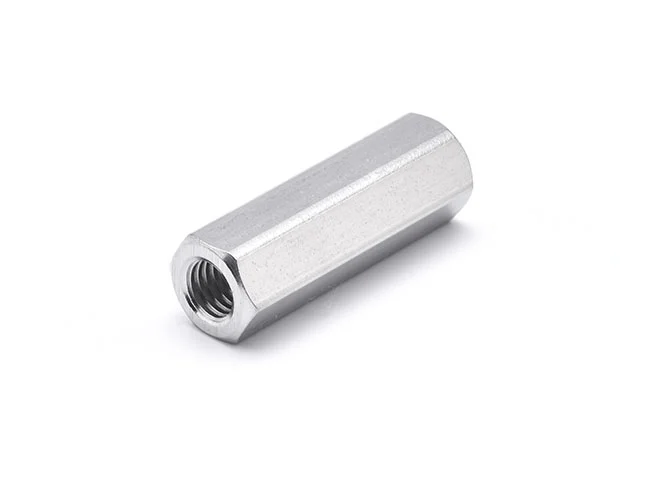 Hex Long Nut
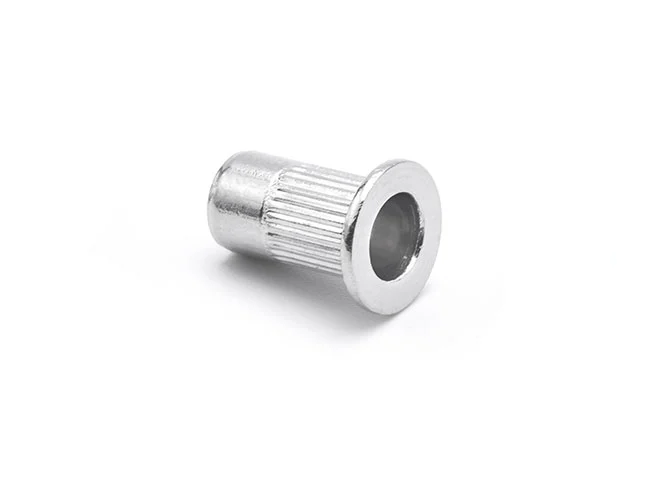 Pull Rivet Nut
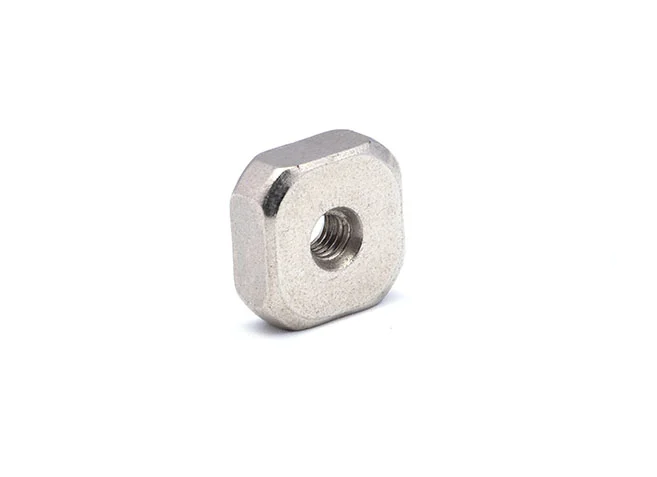 Square Nuts
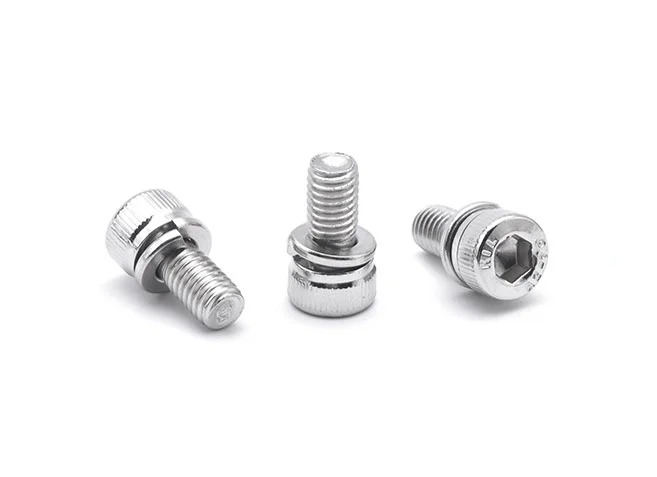 Combination Screws
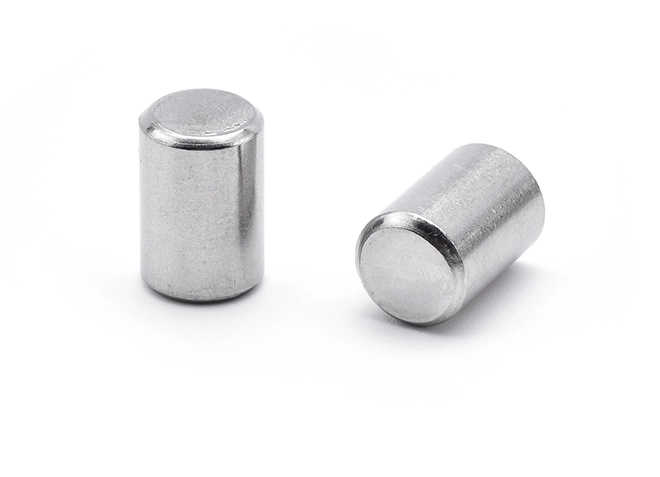 Pin
Pin
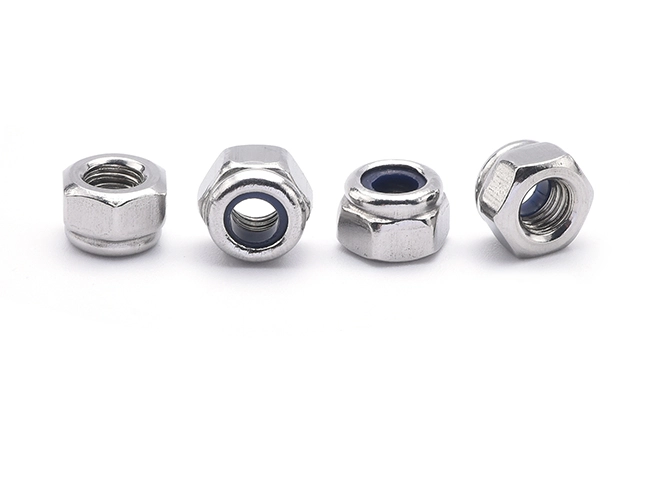 Nylon Locking Nuts
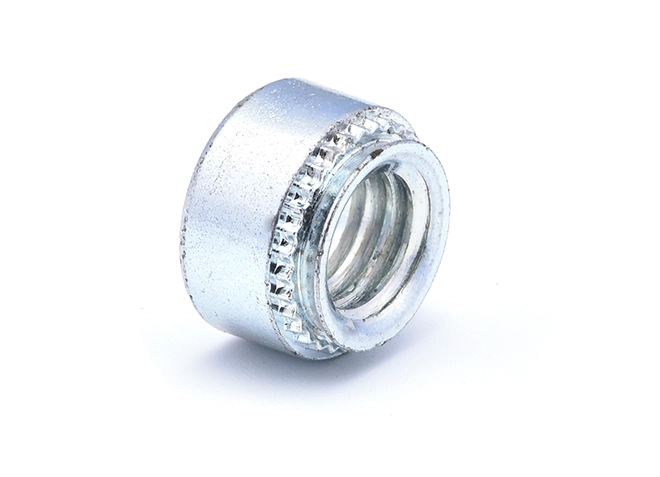 Pressure Rivet Nuts
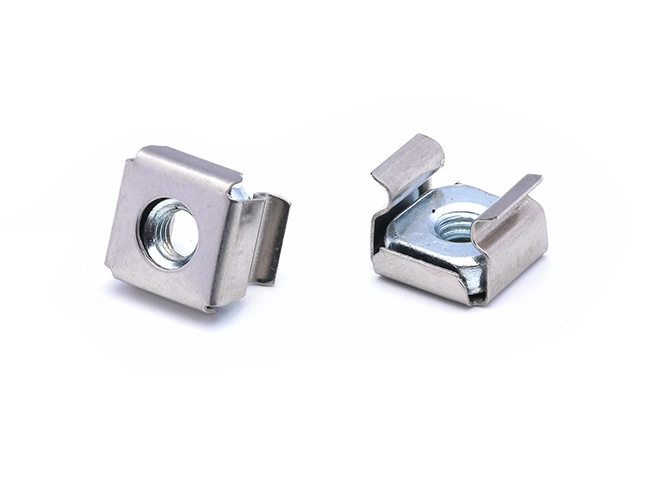 Cage Nut
 Welding Screws
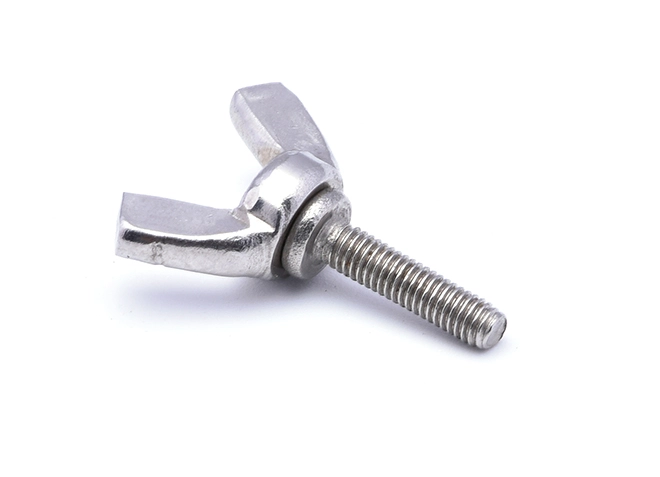 Butterfly Screw
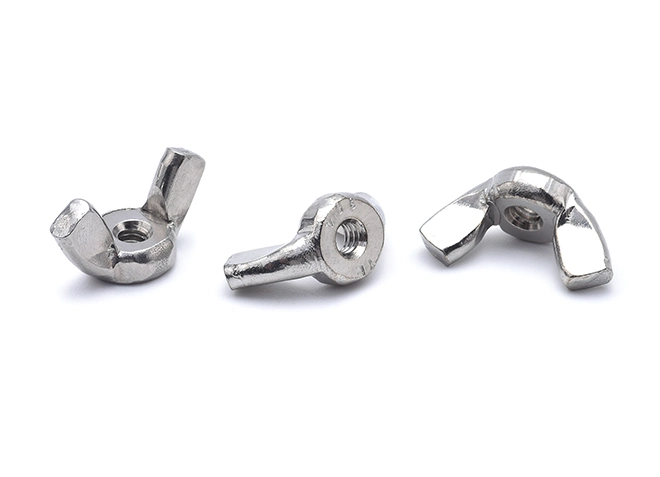 American Standard Butterfly Nut
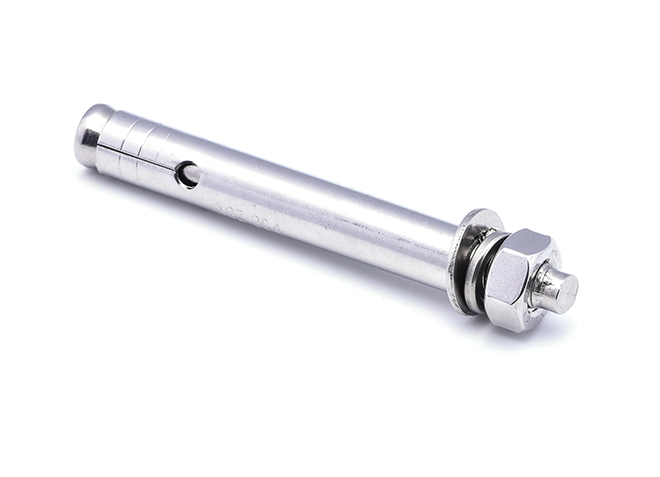 Expansion Screw
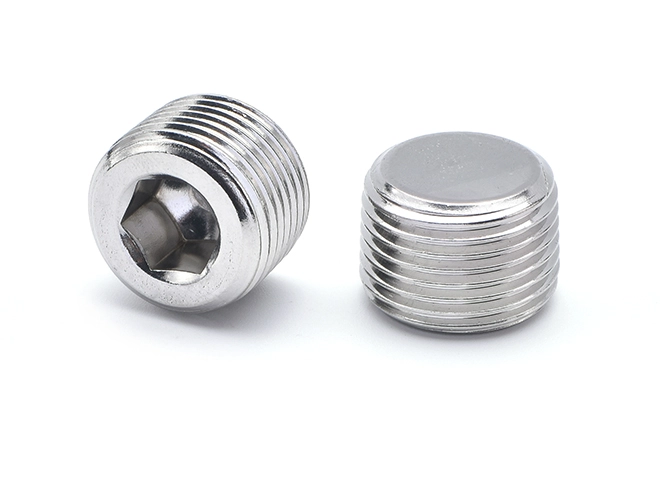 Plug Screw
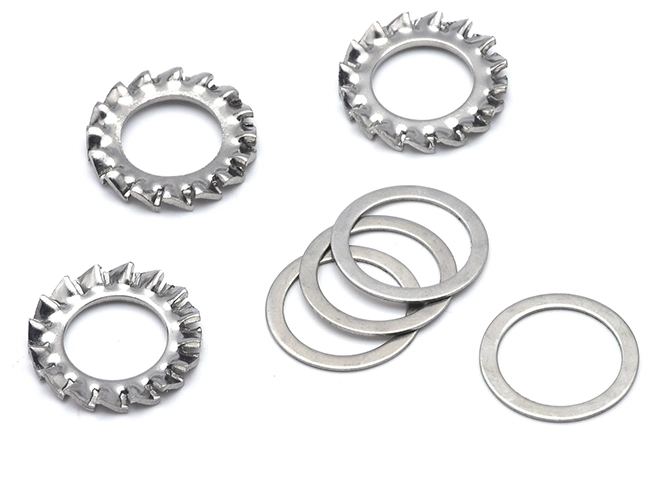 Stainless Steel Washer
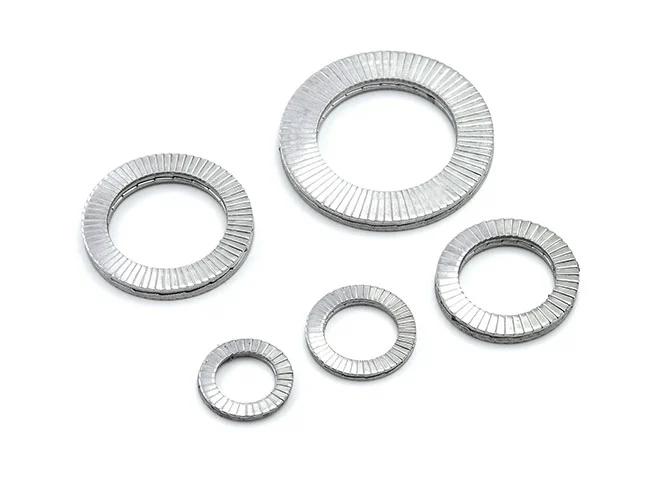 Double Overlap Anti-Loosening Washers
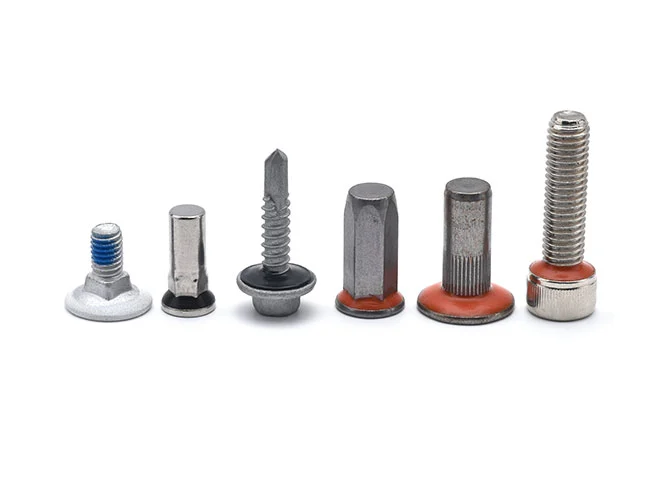 Waterproof and Anti-Drop Screws
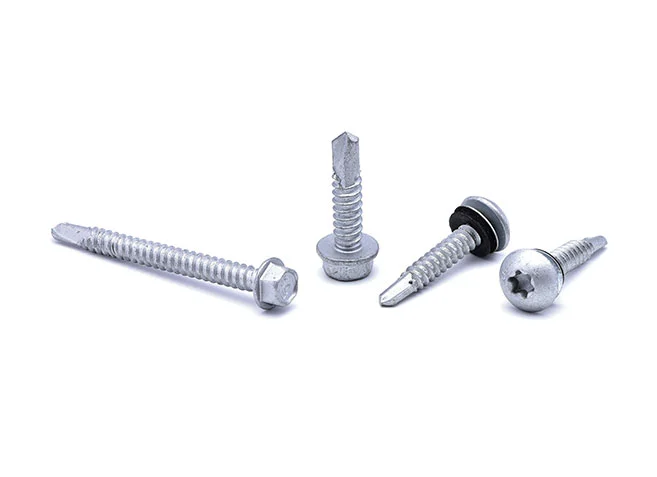 Super Corrosion-Resistant Screws
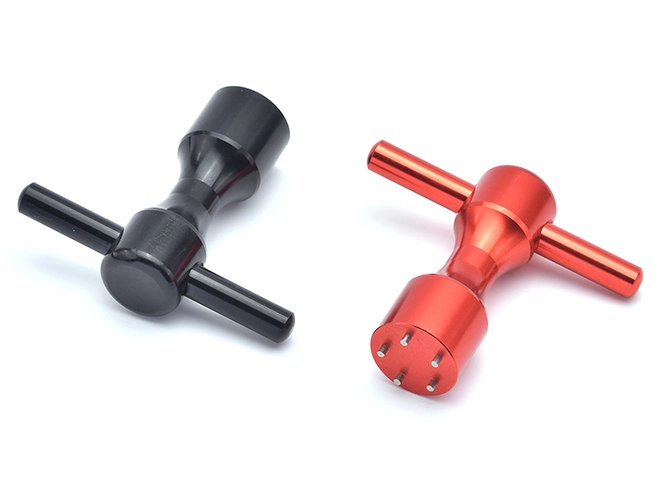 New Type Switchgear
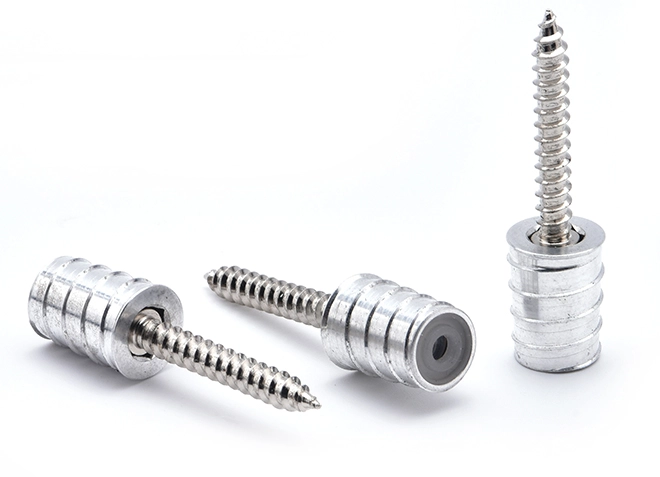 Anti-loose Easy Disassembly Nut Pillar (New Furniture Connector)
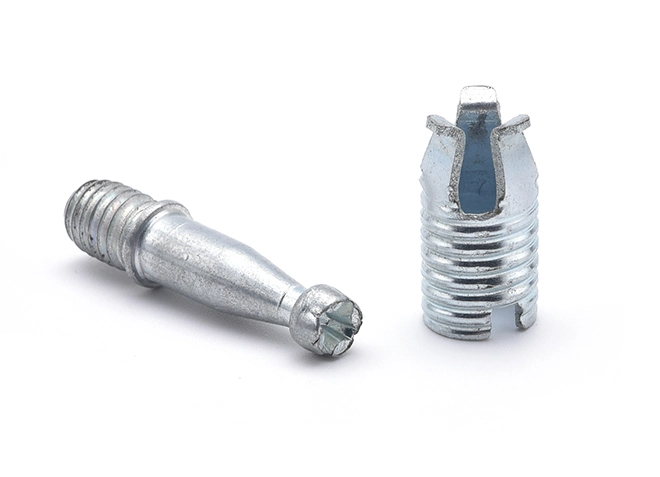 Furniture Simple Assembly and Disassembly Connector
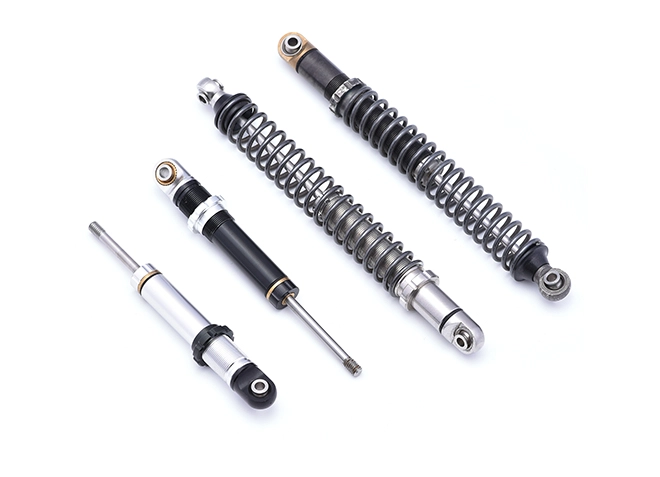 Micro Vibration Absorber
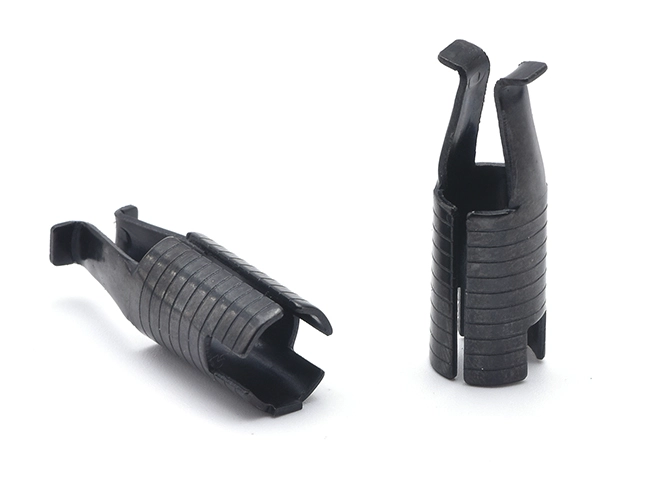 65Mn Material Furniture Connector
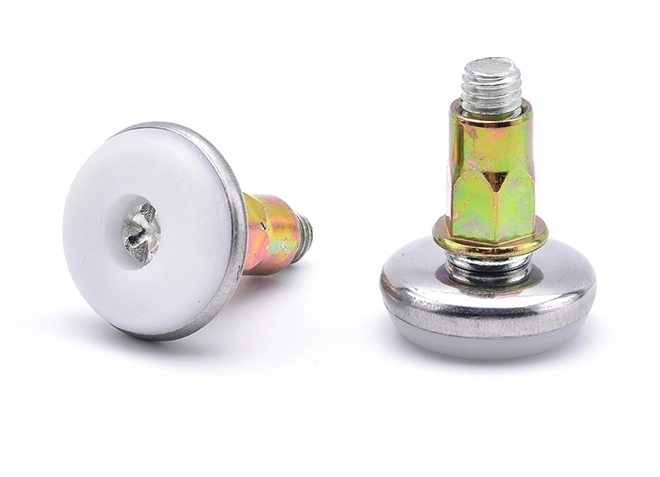 Counter Table Base
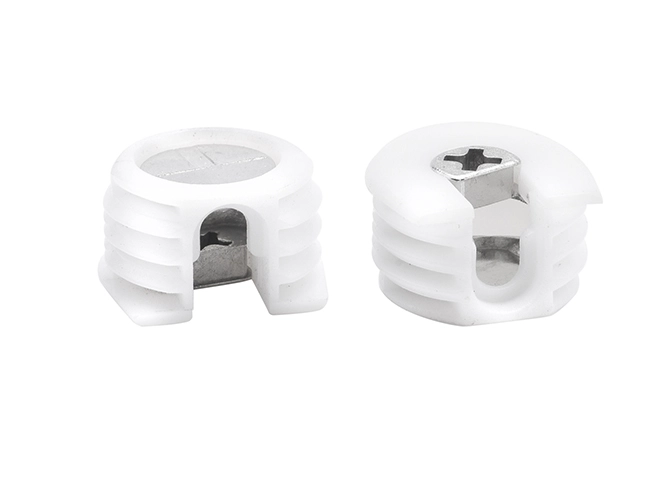 Furniture Connector Nut with Plastic Sleeve
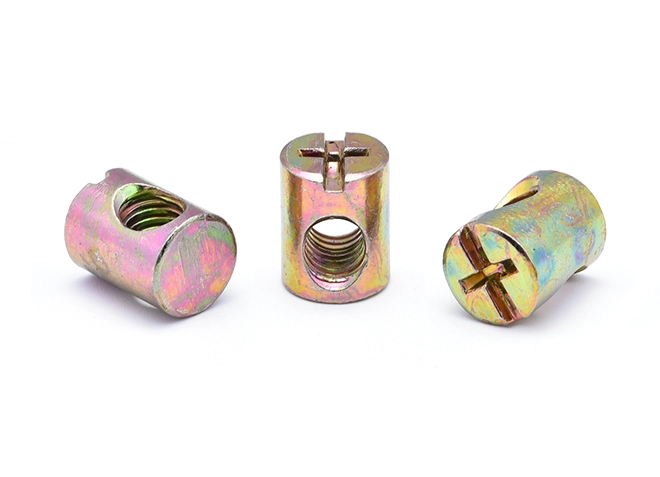 Furniture Horizontal Hole Nut
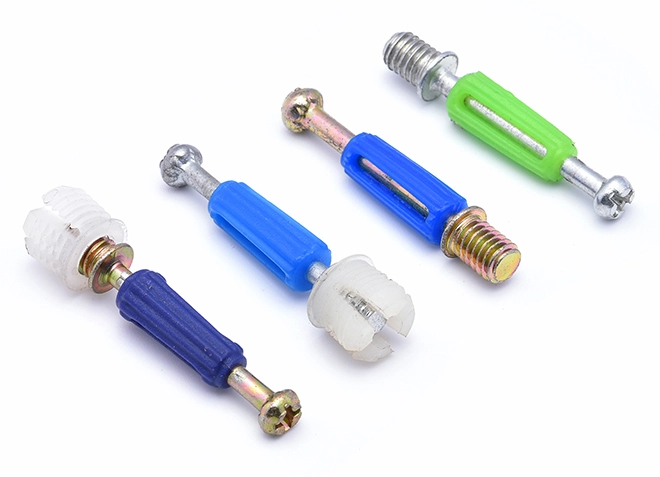 Furniture Connecting Screw
 Furniture Connecting Nut Seat
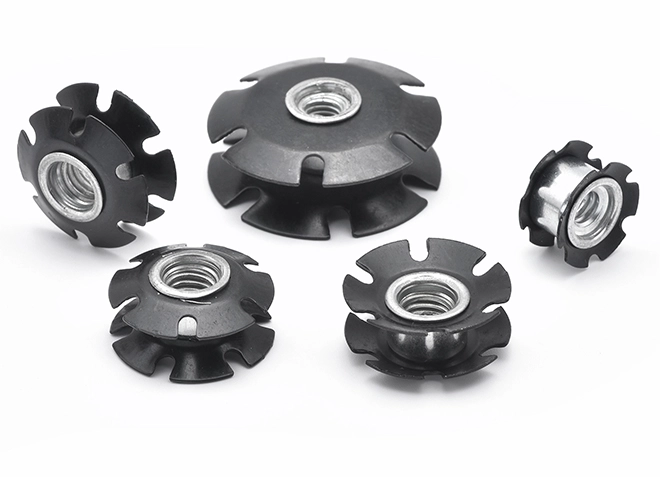 Double Stack Wheels Used On Furniture
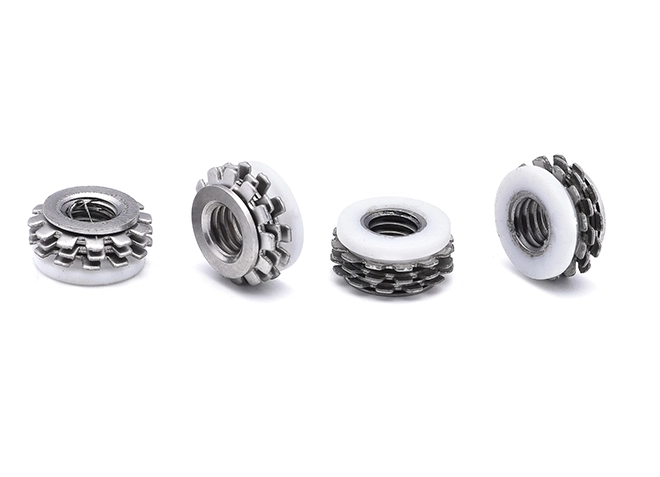 Components Used On Furniture
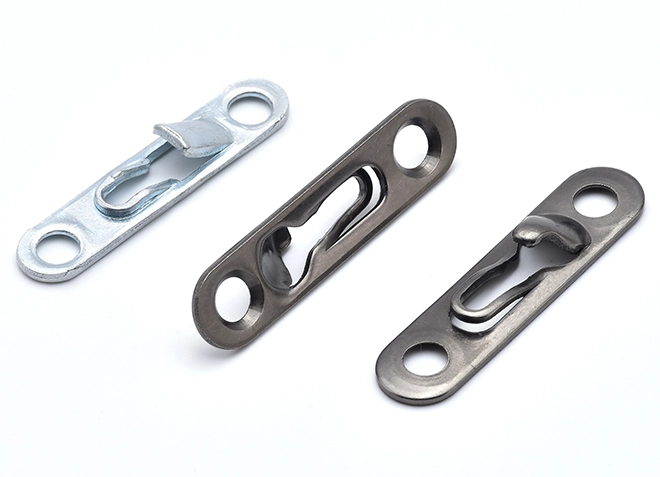 Connection Buckle
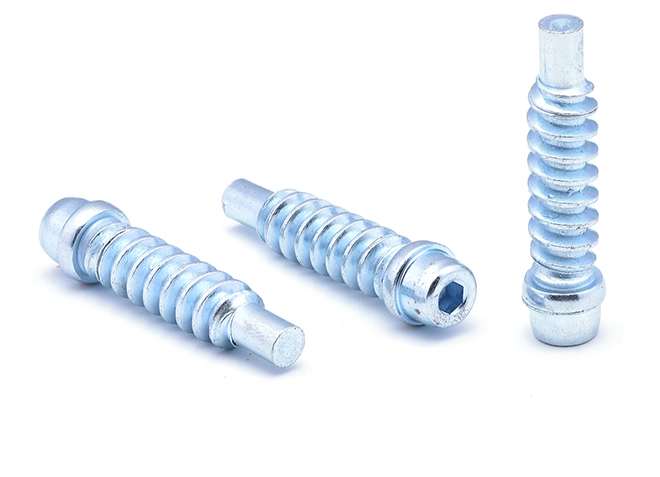 Internal Hexagonal Spiral Screw
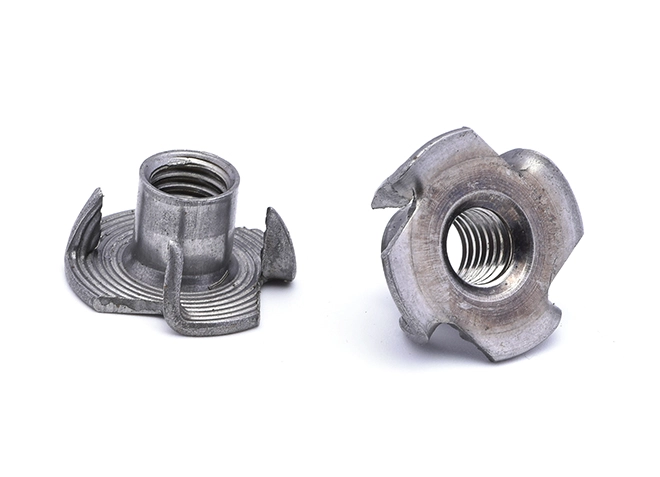 Iron Colored Carbon Steel Four Claw Nut
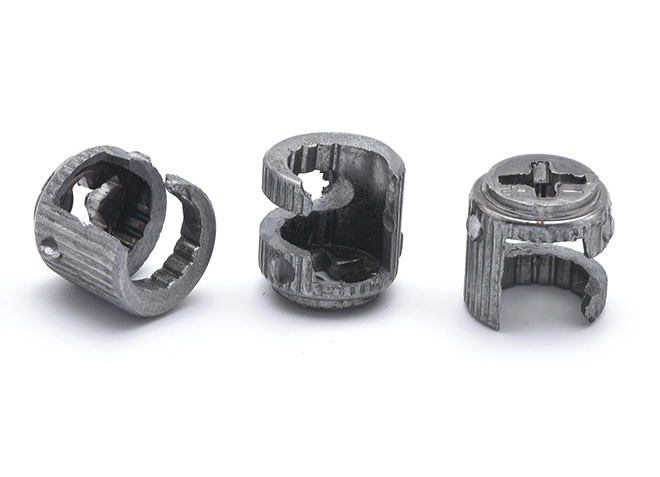 Iron Furniture Three Combination Nut Seat
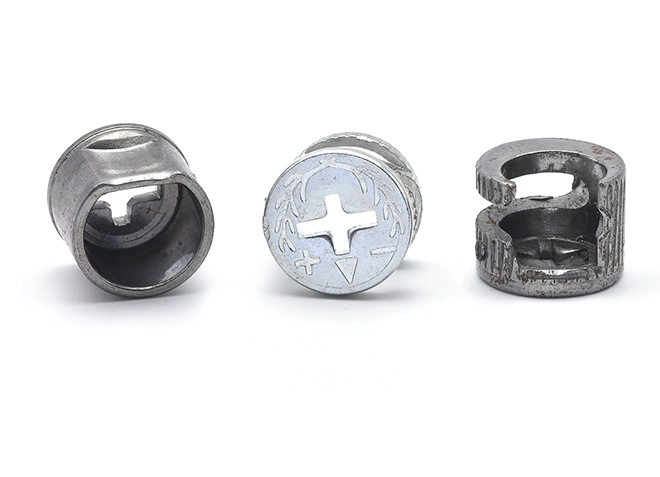 Iron and Zinc Alloy Furniture Three Combination Nut Seat
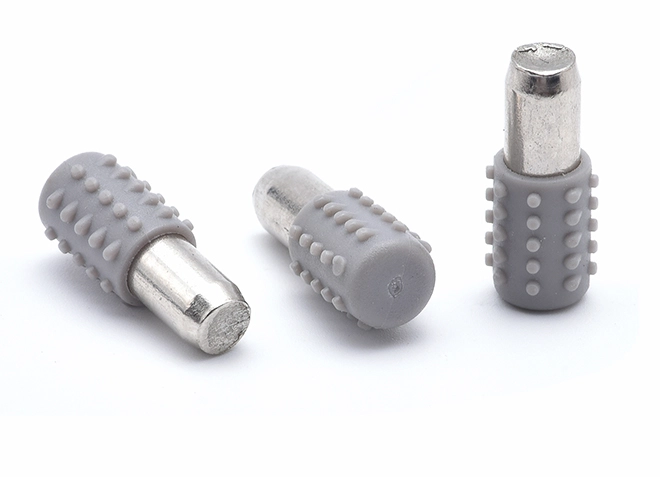 Dowel Pin+ Gray Elephant Rubber Sleeve
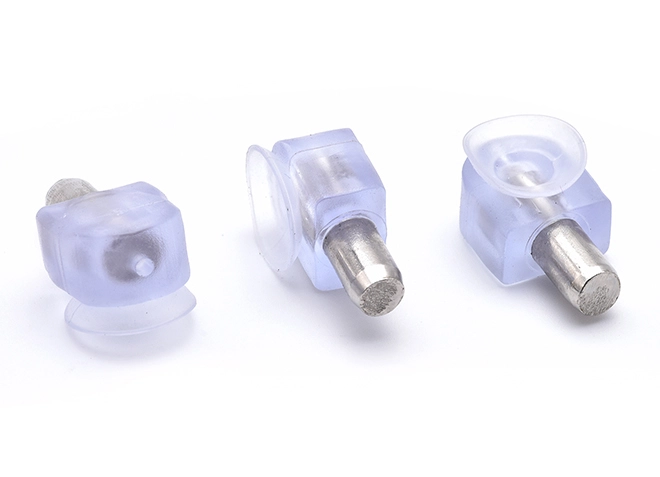 Dowel Pin+ Transparent Elephant Rubber Sleeve
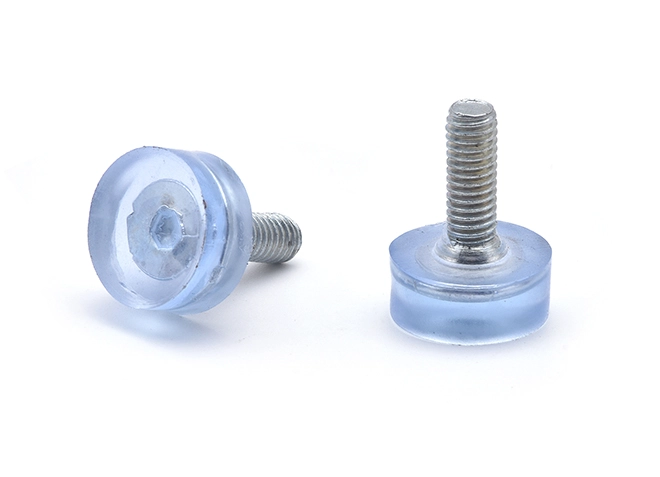 Injection Molded Furniture Foot Pad Screw
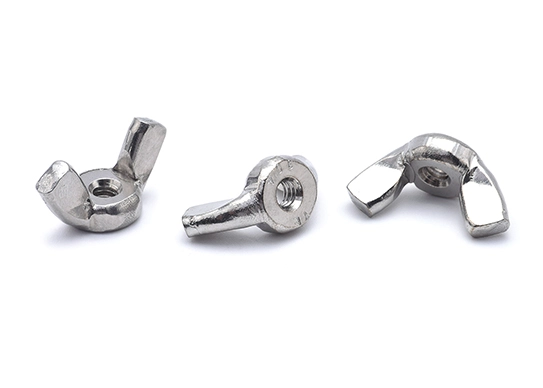
A 304 American Standard Butterfly Nut, also known as a wing nut, is crafted from 304-grade stainless steel, known for its excellent resistance to corrosion and oxidation. This type of nut is distinguished by its two large, wing-like projections that allow it to be tightened and loosened by hand without the need for tools. This feature makes butterfly nuts particularly useful in applications where fast, frequent adjustments or disassembly is required.
Material Strength
304 Stainless Steel: Known for its good mechanical properties and corrosion resistance, 304 stainless steel has a tensile strength of approximately 70,000 psi (480 MPa). This makes it suitable for various applications where moderate strength and resistance to environmental factors are required.
Design and Dimensions
Dimensions: The load capacity of a butterfly nut is directly related to its size and thread dimensions. For American Standard threads, common sizes include 1/4"-20, 5/16"-18, and 3/8"-16, among others. Larger dimensions generally provide higher load capacities.
Design Features: The design of a butterfly nut, which includes wings for manual tightening, impacts its ability to handle loads. The load capacity is also affected by the thickness and overall design of the nut.
Load Capacity
General Capacity: While exact load capacities can vary based on specific dimensions and design, a general rule of thumb for standard 304 stainless steel nuts (not specifically butterfly nuts) is that they can handle a load proportional to their size and thread type. For instance, a 1/4"-20 304 stainless steel nut might handle around 500 to 800 pounds of axial load, but this can vary.
Butterfly Nut Specifics: Butterfly nuts are generally used for applications requiring frequent adjustments or where manual tightening is needed. They are not typically designed for heavy-load applications compared to other types of nuts and fasteners.
Factors Affecting Strength
Installation Conditions: Proper installation and torque application are crucial. Over-tightening can lead to damage, while under-tightening may result in a loose connection.
Environmental Conditions: Although 304 stainless steel is corrosion-resistant, extreme environments or conditions could affect its performance. For critical applications, consider using nuts specifically designed for high-strength or high-corrosion environments.
For precise load capacity and strength values, consulting manufacturer specifications or engineering guidelines specific to the butterfly nut's size and design is essential.
Thread specification (d) | |
| P | Coarse pitch |
| dk | Maximum value |
| Minimum value | |
| ds | Maximum value |
| Minimum value | |
| L | Maximum value |
| Minimum value | |
| y | Maximum value |
| Minimum value | |
| y1 | Maximum value |
| Minimum value | |
| k | Maximum value |
| Minimum value | |
| m | Maximum value |
| Minimum value | |
| r | ≈ |
| R | ≈ |
①, Material: a) Forgeable cast iron GT: GTS or GTW is determined by the manufacturer; b) Steel St: Forging or cold working is determined by the manufacturer; c) Copper-zinc alloy CuZn: Forgeable alloy or cast alloy is determined by the manufacturer; d) Austenitic stainless steel A: Grade is determined by the manufacturer | |
| M4 | M5 | M6 | M8 | M10 | M12 | M16 | M20 | M24 |
| 0.7 | 0.8 | 1 | 1.25 | 1.5 | 1.75 | 2 | 2.5 | 3 |
| 8 | 11 | 13 | 16 | 20 | 23 | 29 | 35 | 44 |
| 6 | 8 | 10 | 13 | 17 | 20 | 26 | 32 | 41 |
| 7 | 9 | 11 | 12.5 | 16.5 | 19.5 | 23 | 29 | 37.5 |
| 5.5 | 7.5 | 9 | 10.5 | 14.5 | 17.5 | 21 | 27 | 35 |
| 20 | 26 | 33 | 39 | 51 | 65 | 73 | 90 | 110 |
| 18 | 24 | 30 | 36 | 48 | 62 | 70 | 86 | 106 |
| 1.9 | 2.3 | 2.3 | 2.8 | 4.4 | 4.9 | 6.4 | 6.9 | 9.4 |
| 1.1 | 1.5 | 1.5 | 2 | 3.6 | 4.1 | 5.6 | 6.1 | 8.6 |
| 2.3 | 2.8 | 3.3 | 4.4 | 5.4 | 6.4 | 7.5 | 8 | 10.5 |
| 1.7 | 2.3 | 2.7 | 3.6 | 4.6 | 5.6 | 6.5 | 7 | 9.5 |
| 10.5 | 13 | 17 | 20 | 25 | 33.5 | 37.5 | 46.5 | 56.5 |
| 8.5 | 11 | 15 | 18 | 23 | 31 | 35 | 44 | 53.5 |
| 4.6 | 6.5 | 8 | 10 | 12 | 14 | 17 | 21 | 25 |
| 3.2 | 4 | 5 | 6.5 | 8 | 10 | 13 | 16 | 20 |
| 2 | 2.5 | 3 | 3 | 5 | 6 | 7 | 8 | 9 |
| 3 | 4 | 5 | 6 | 8 | 10 | 11 | 14 | 18 |
aaron18129983931@gmail.com