English
  日本語
日本語  한국어
한국어  français
  Deutsch
  Español
  italiano
  русский
  português
  العربية
Phone:
+86-0769-87561578Aaron: +86-18129983931
Max: +86-18922922459



 New Type Switchgear
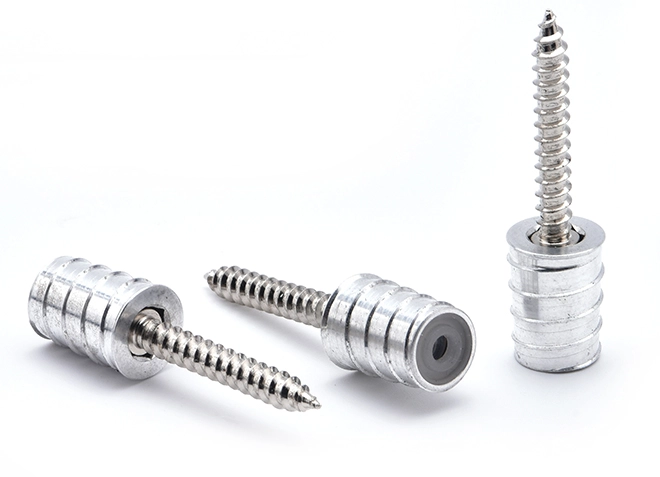 Anti-loose Easy Disassembly Nut Pillar (New Furniture Connector)
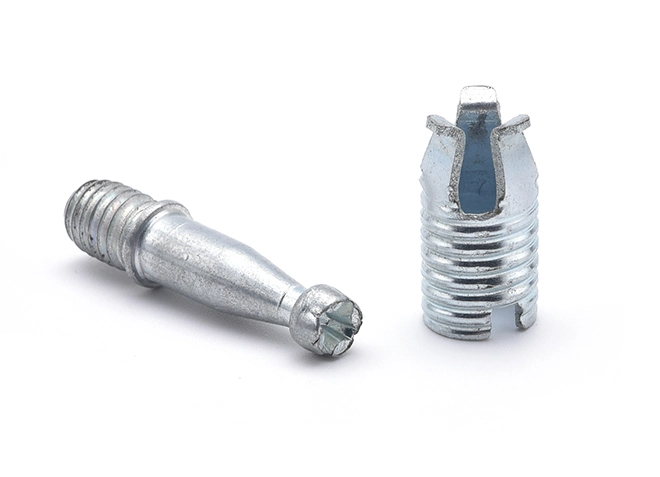 Furniture Simple Assembly and Disassembly Connector
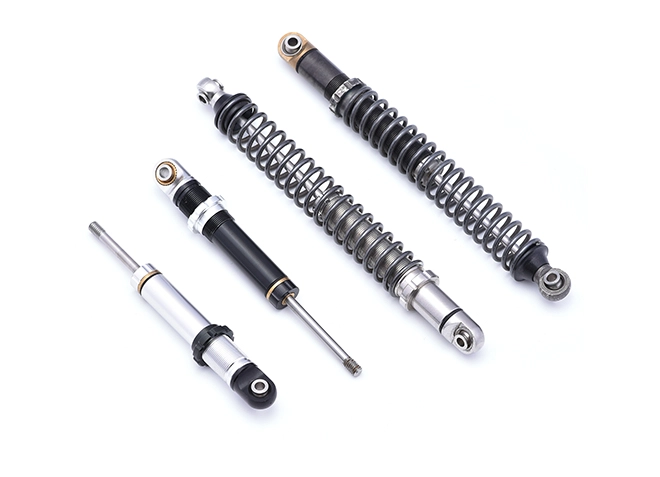 Micro Vibration Absorber
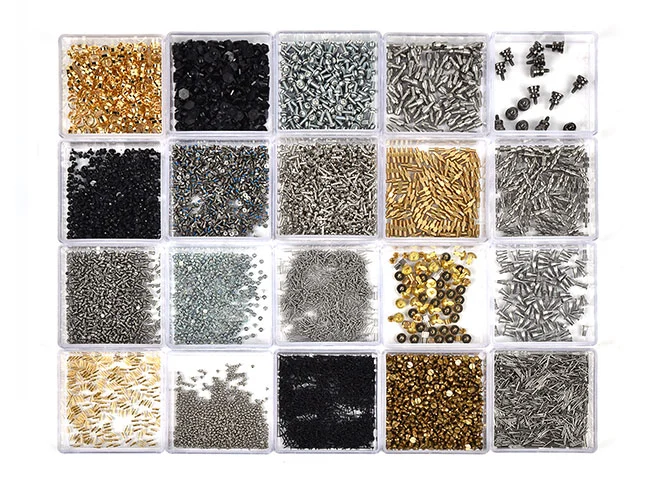 Micro Screws
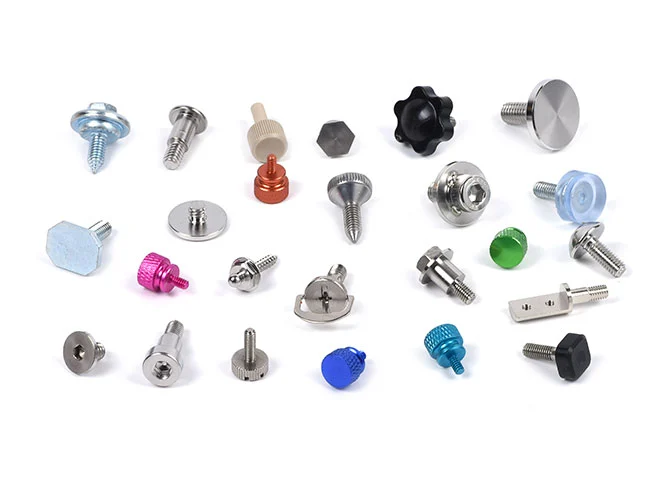 Big Head Screws
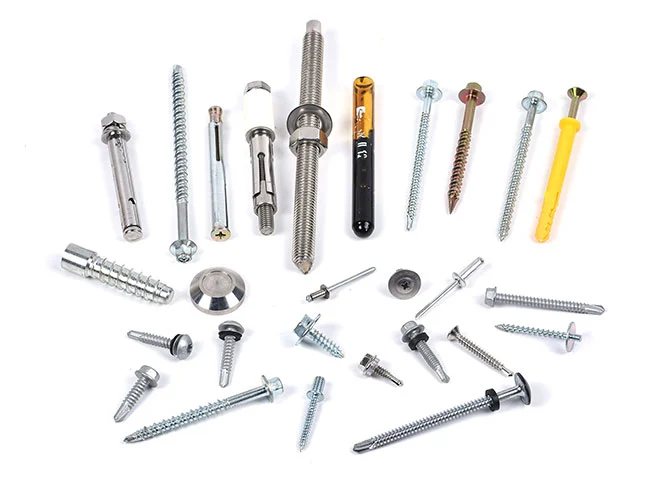 Construction Screws
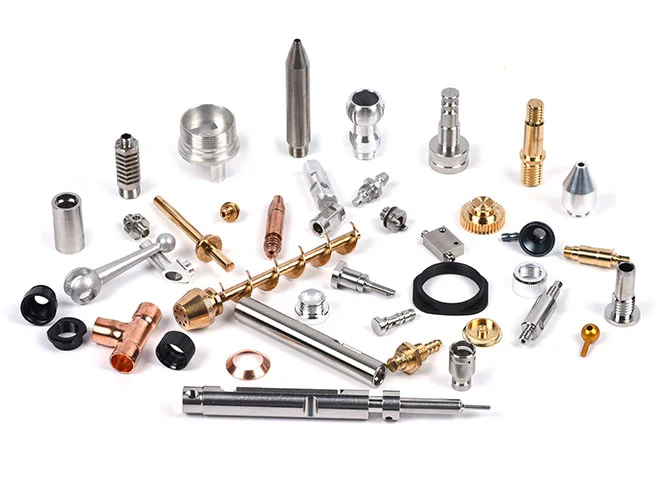 CNC Lathe Machining Parts
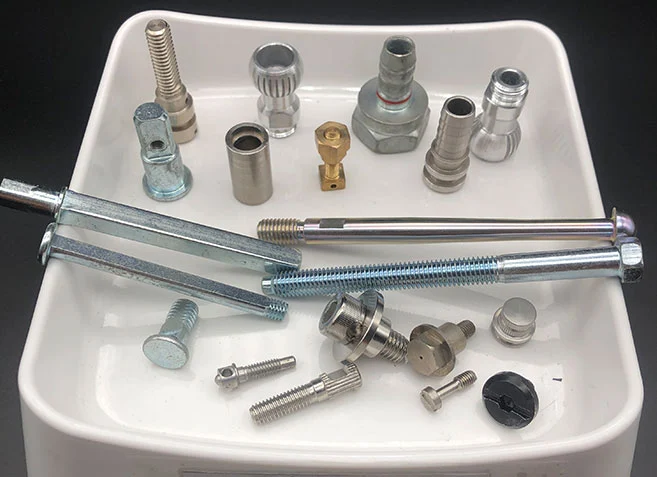 Cold Forged and Undergo Secondary Processing Products
 Multi Station Cold Heading Screws
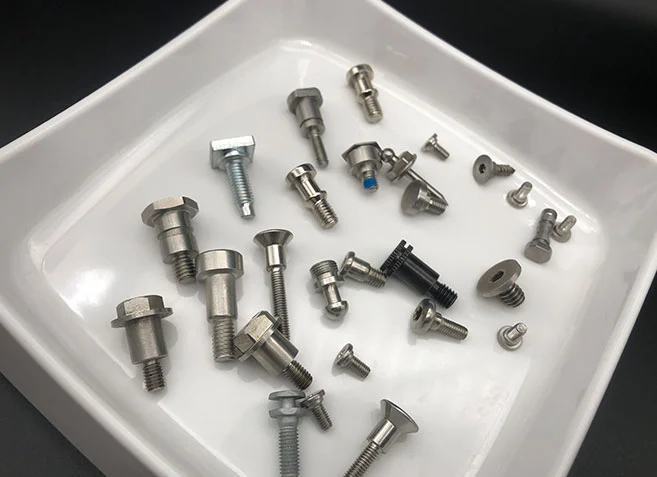 Step Screw
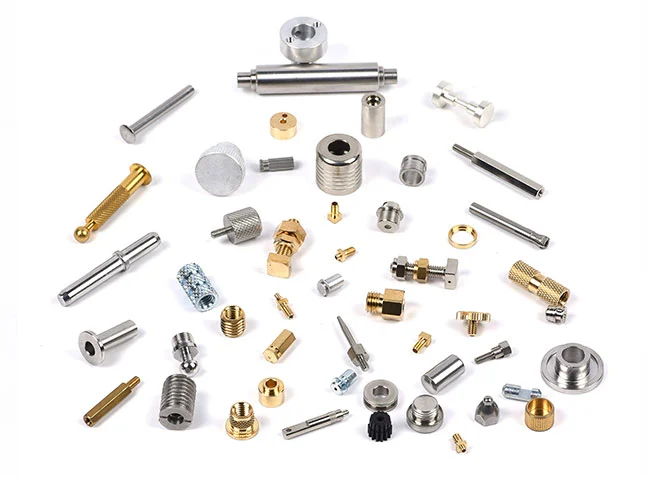 Automatic Lathe Machining Parts
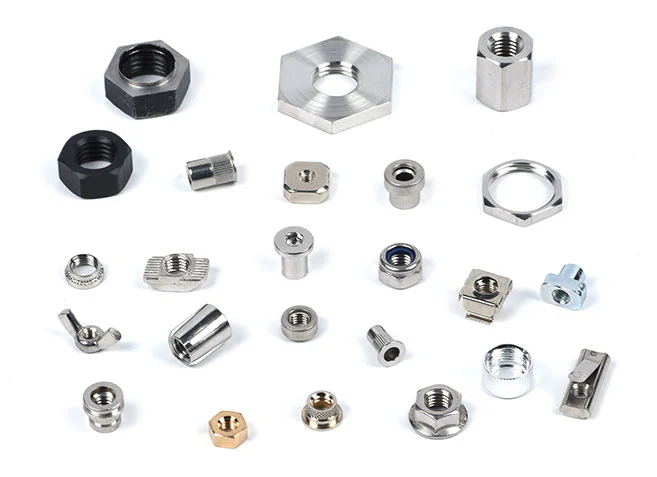 High Difficulty Challenge Cold Heading Fasteners
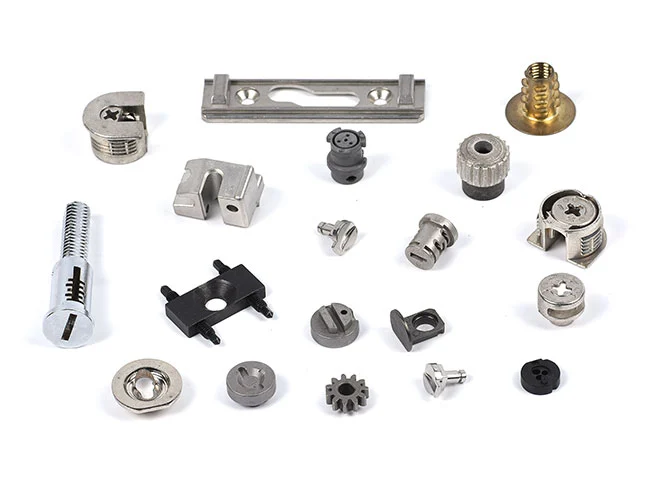 New Tech Fasteners
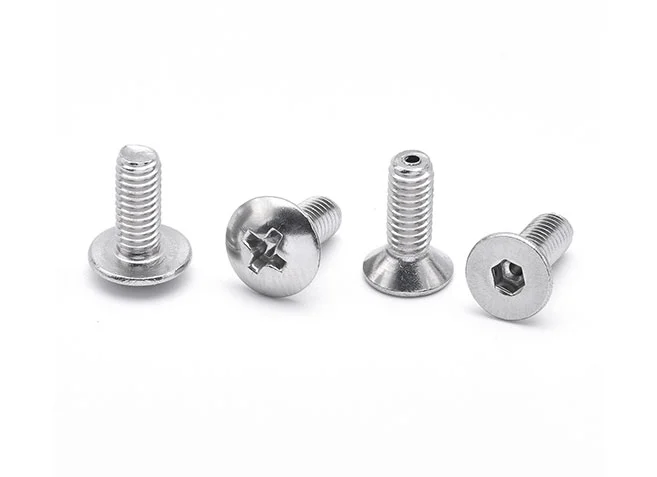 Machine Screws
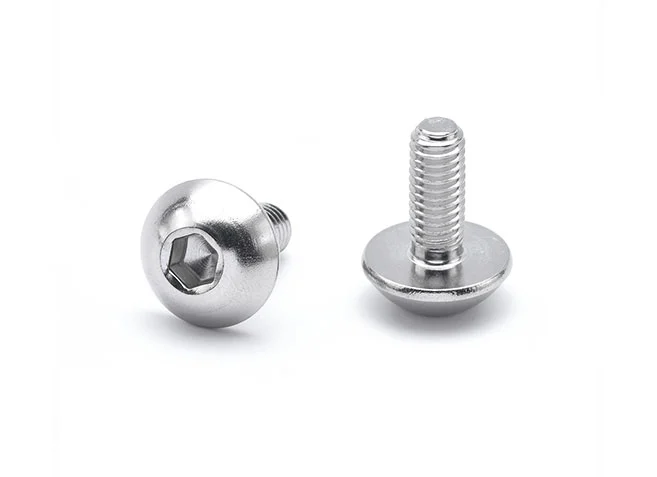 Socket Cap Screws
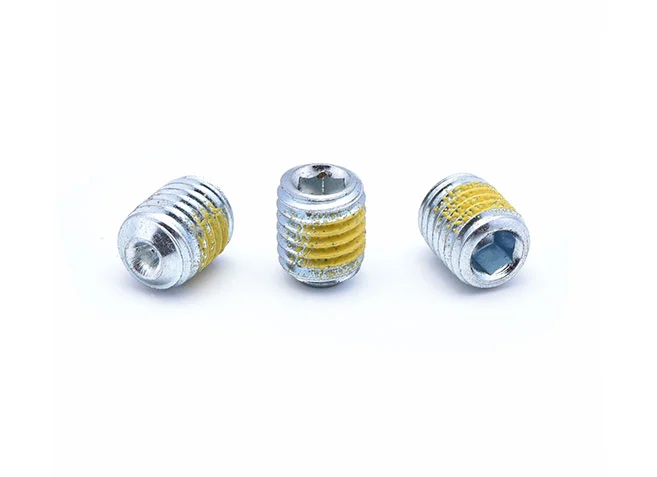 Hexagon Socket Set Screws
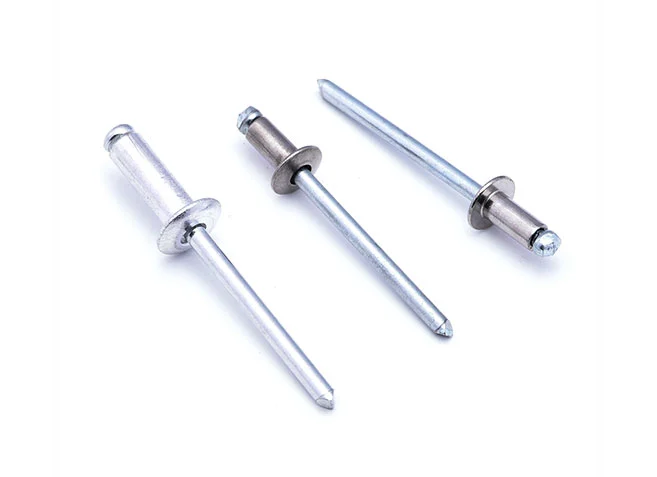 Pull Out Rivet
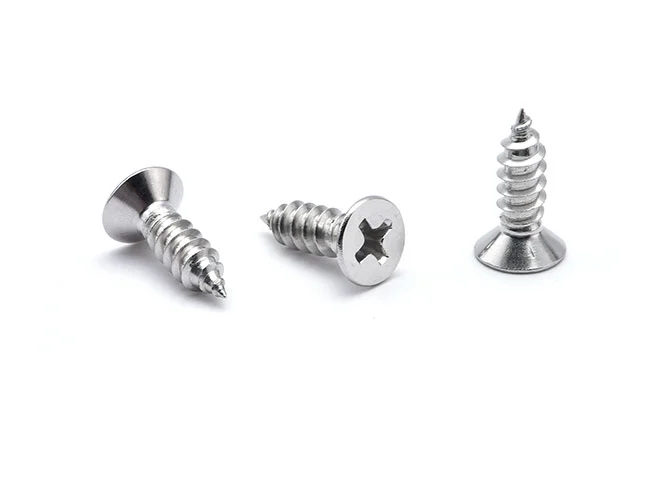 Self Tapping Screws
 Hex Bolts
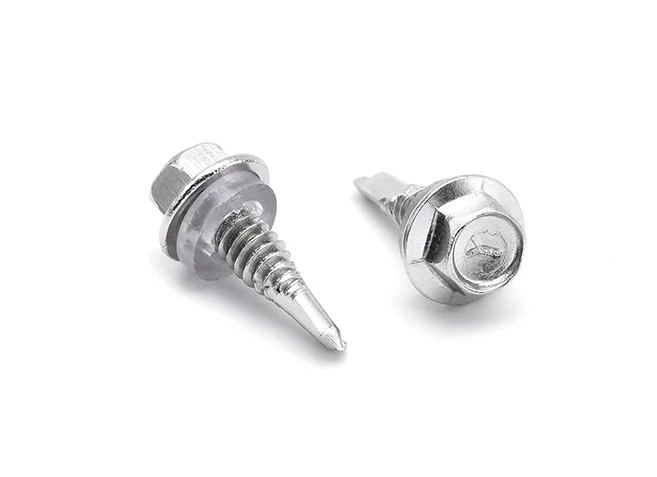 Self Drilling Screws
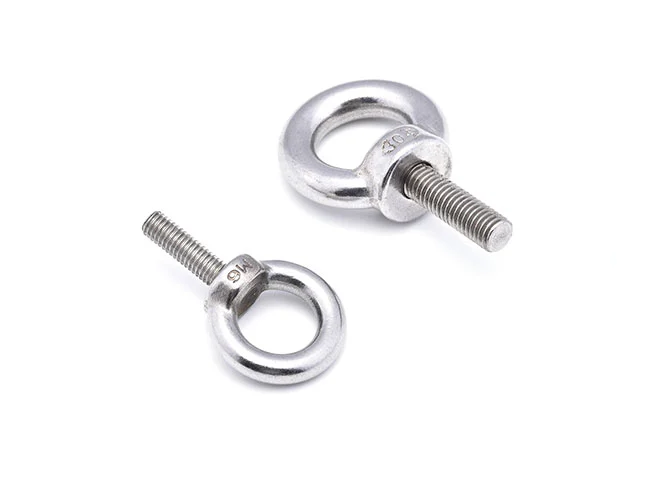 Eye Bolts
 U-bolts
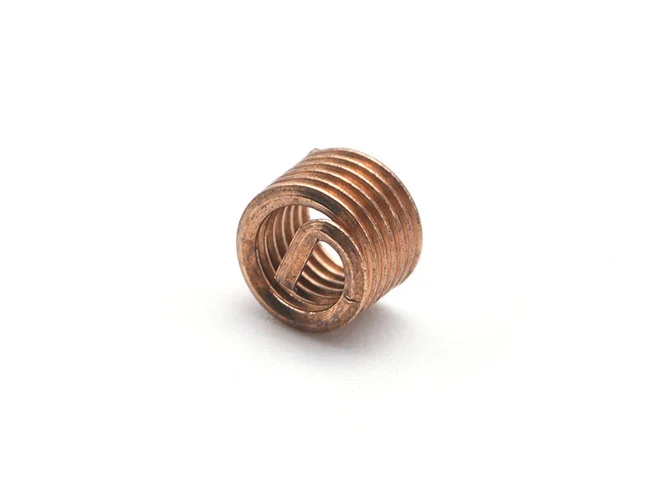 Threaded Sheath
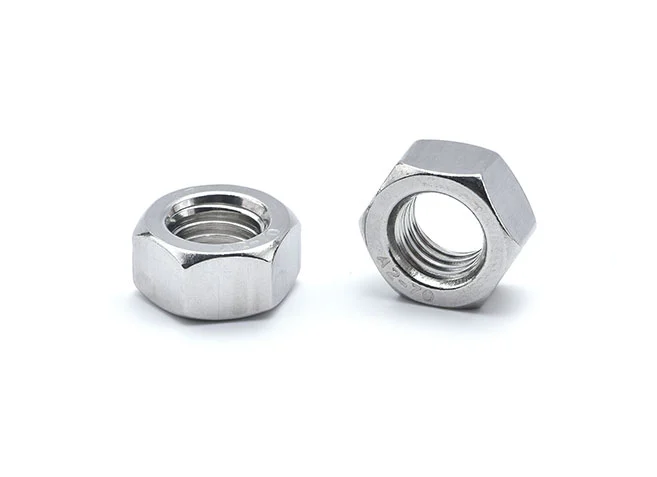 Hex Nut
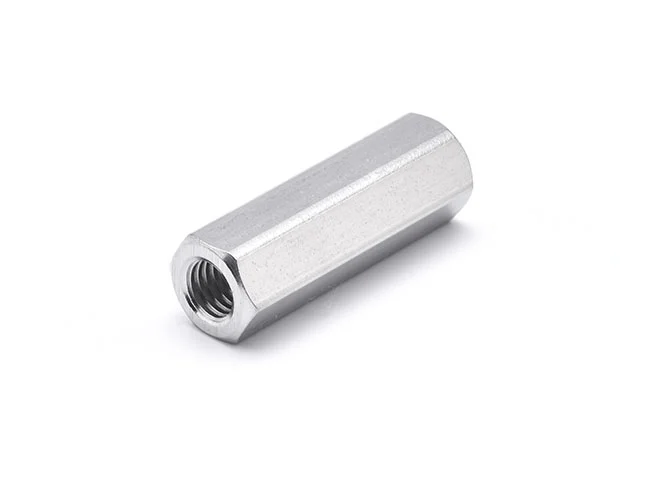 Hex Long Nut
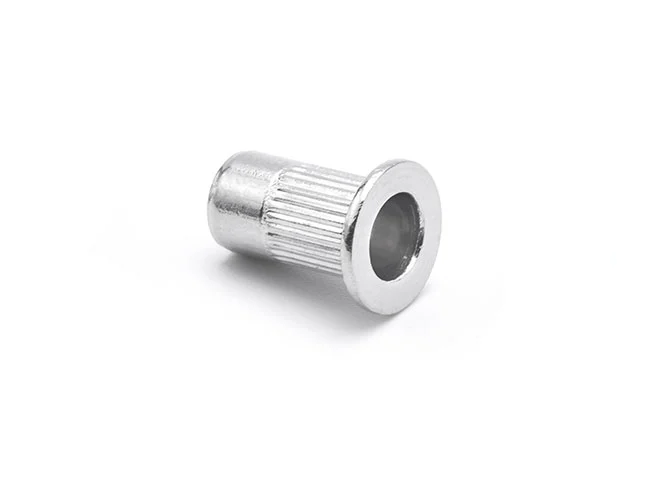 Pull Rivet Nut
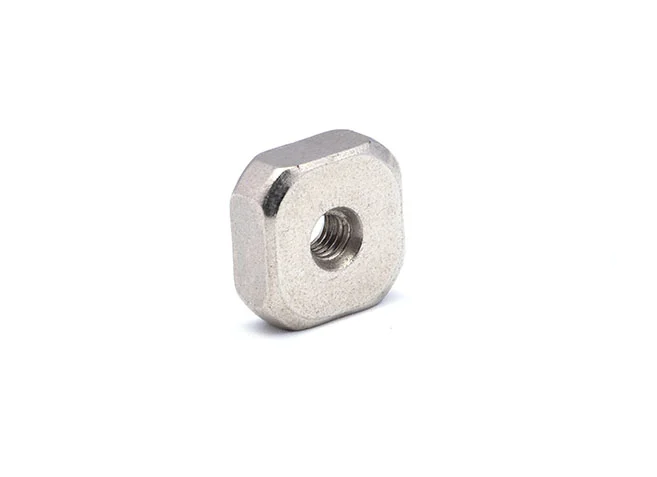 Square Nuts
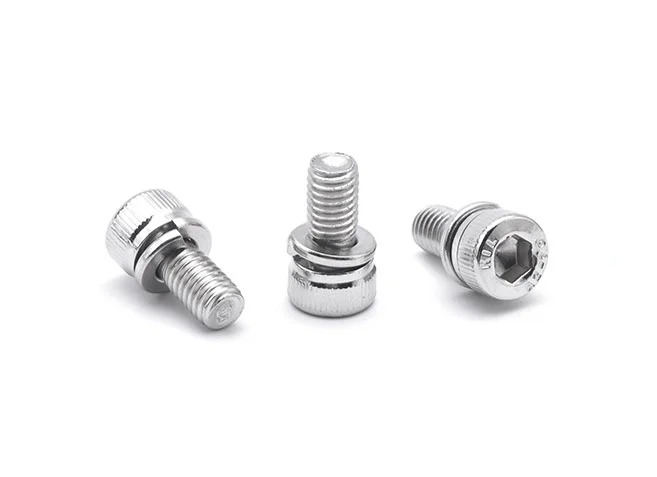 Combination Screws
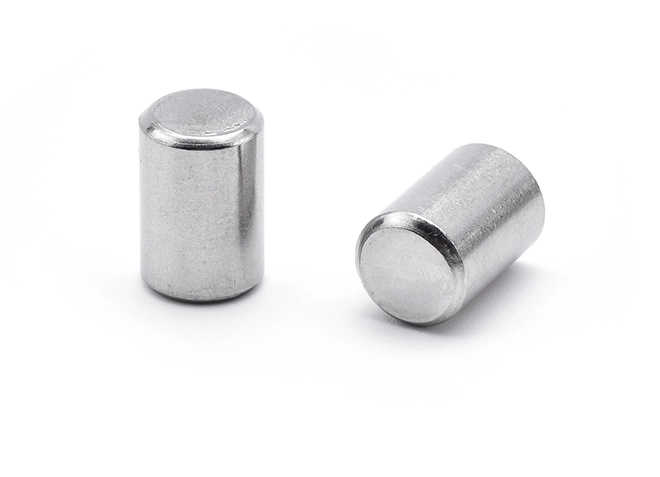 Pin
Pin
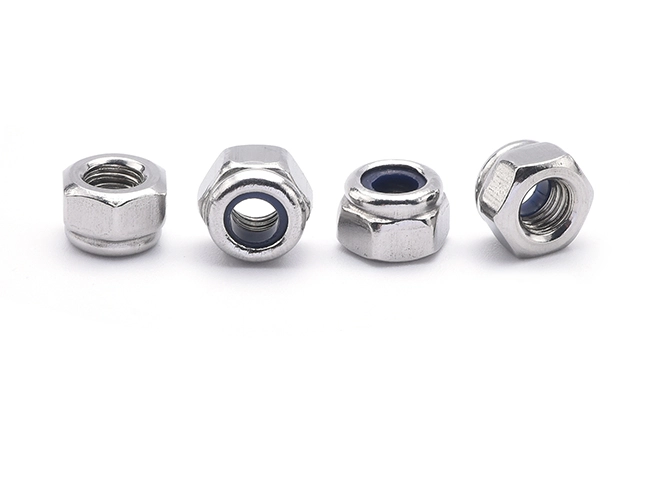 Nylon Locking Nuts
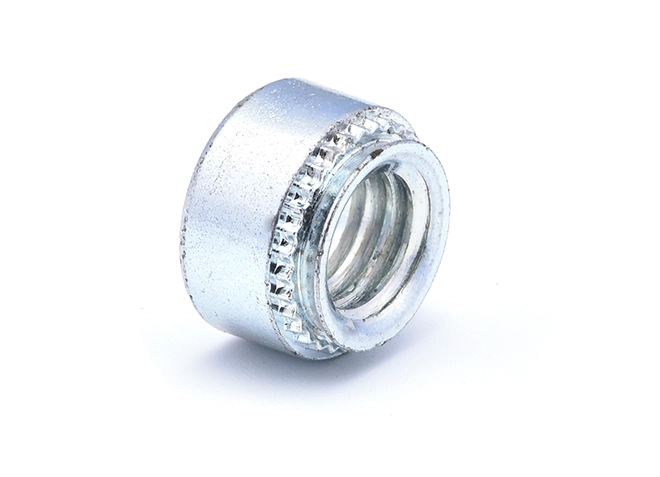 Pressure Rivet Nuts
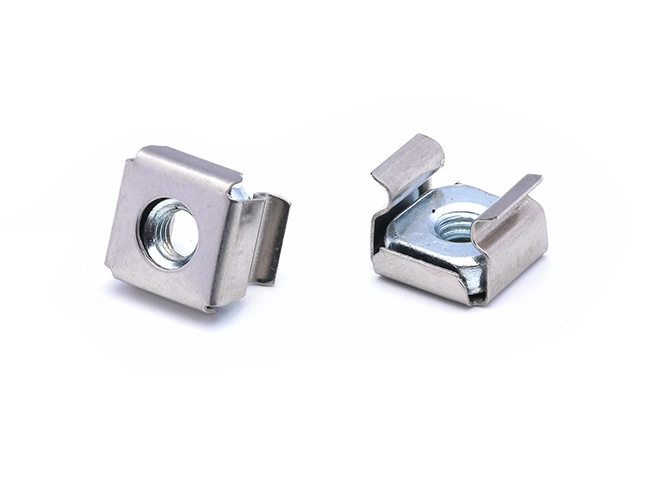 Cage Nut
 Welding Screws
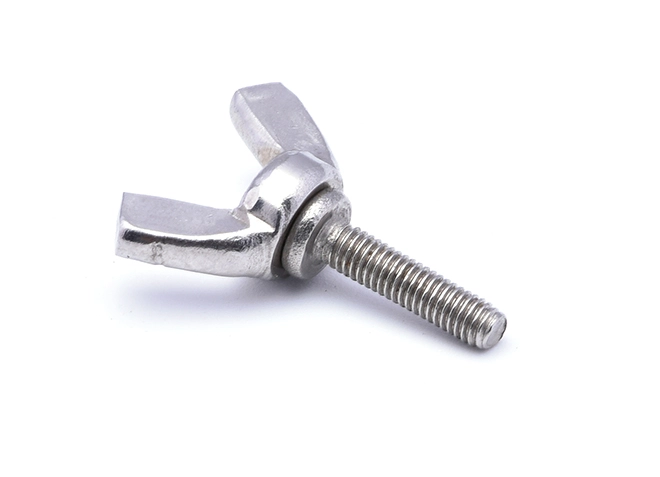 Butterfly Screw
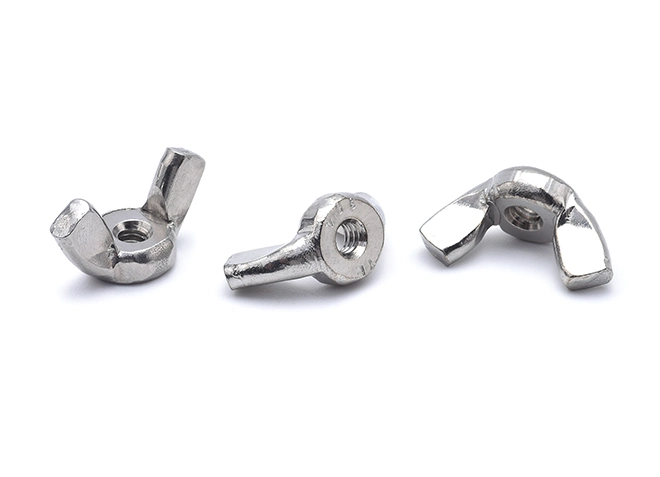 American Standard Butterfly Nut
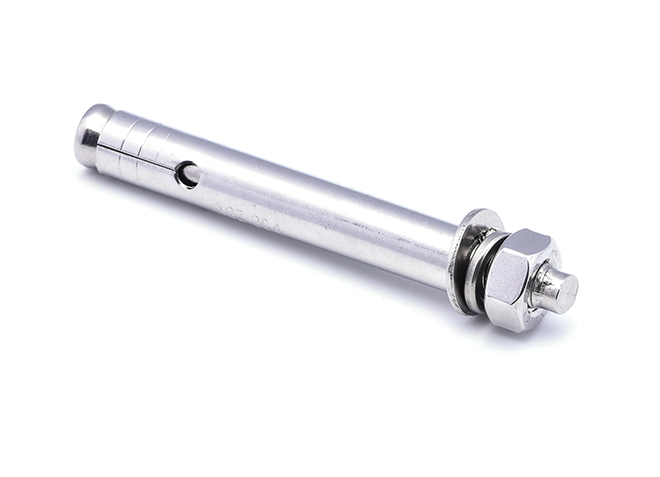 Expansion Screw
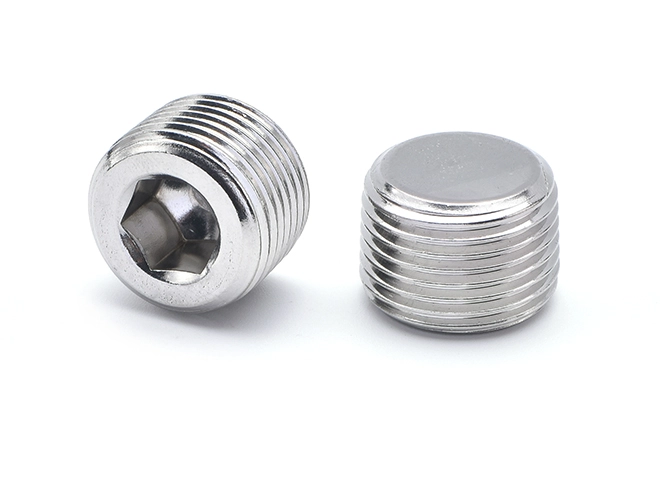 Plug Screw
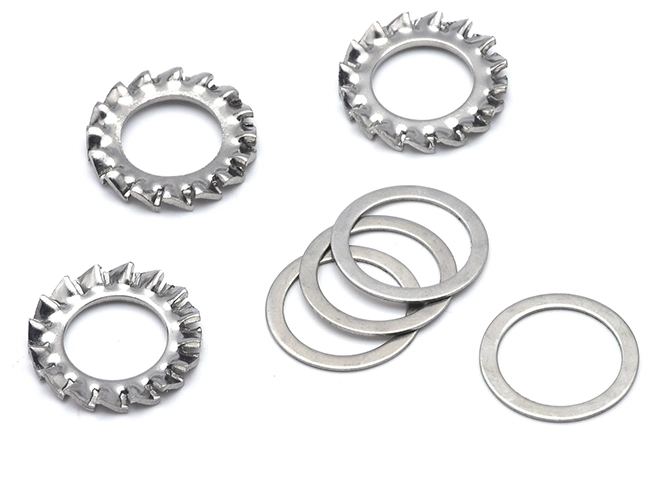 Stainless Steel Washer
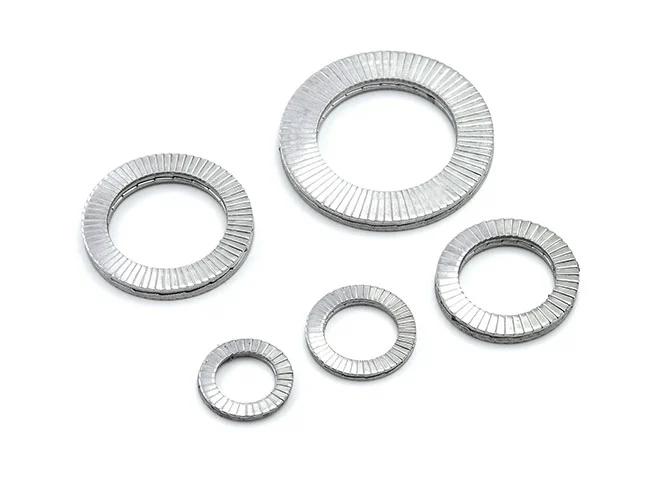 Double Overlap Anti-Loosening Washers
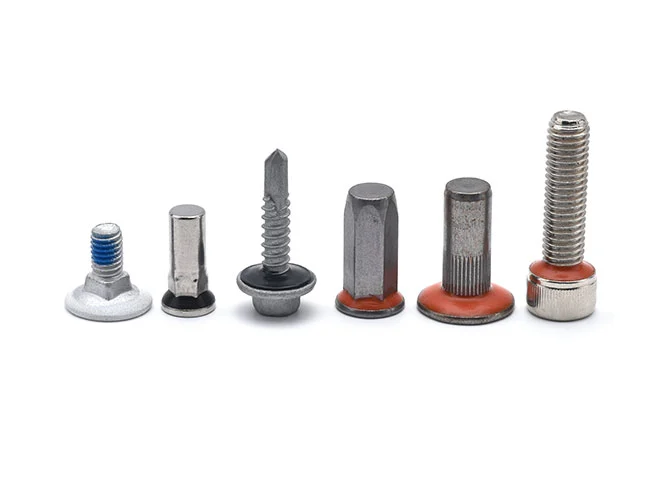 Waterproof and Anti-Drop Screws
 Super Corrosion-Resistant Screws
 65Mn Material Furniture Connector
 Counter Table Base
 Furniture Connector Nut with Plastic Sleeve
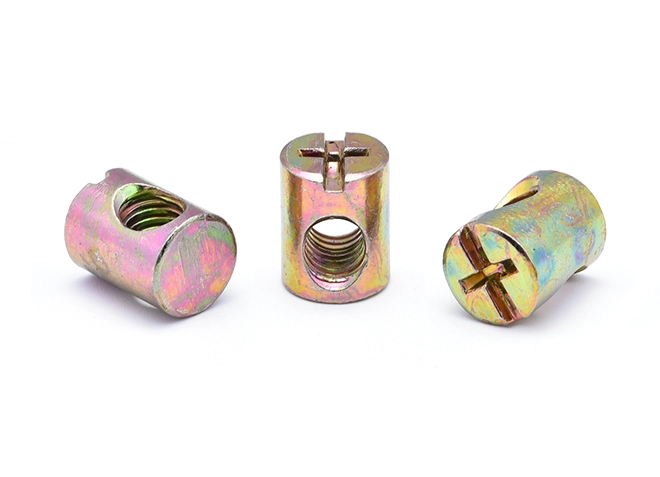 Furniture Horizontal Hole Nut
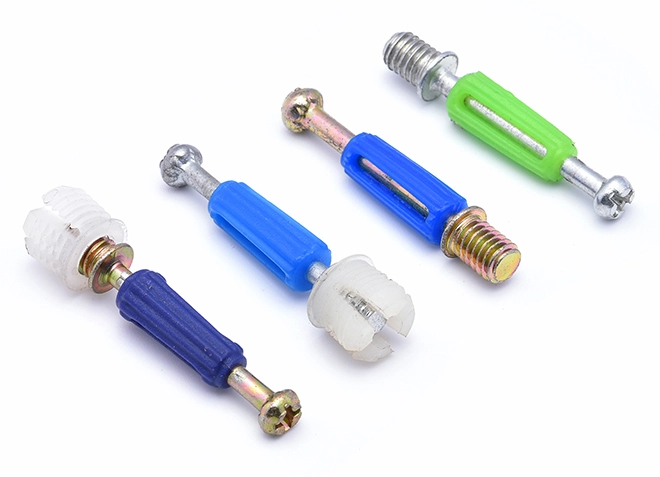 Furniture Connecting Screw
 Furniture Connecting Nut Seat
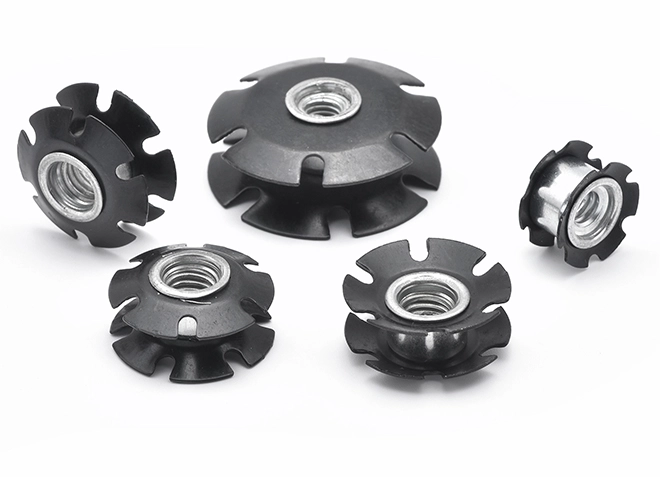 Double Stack Wheels Used On Furniture
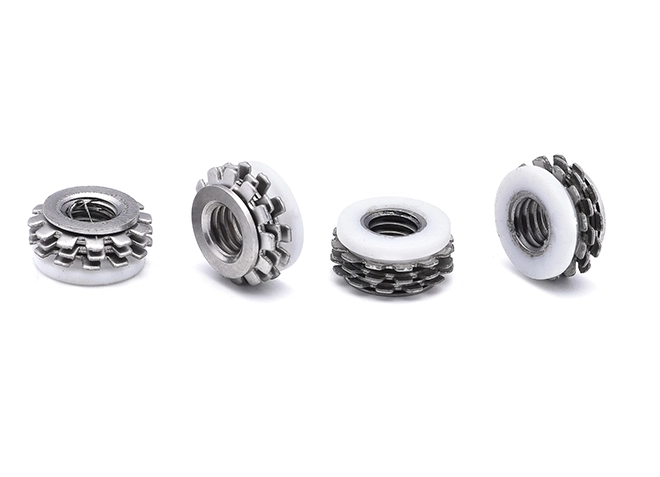 Components Used On Furniture
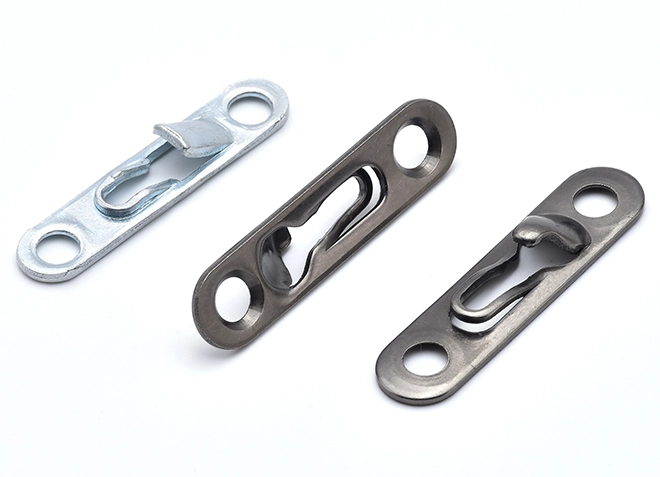 Connection Buckle
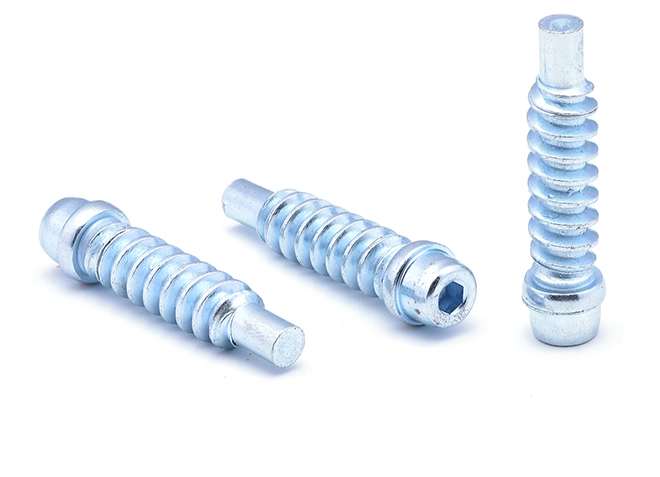 Internal Hexagonal Spiral Screw
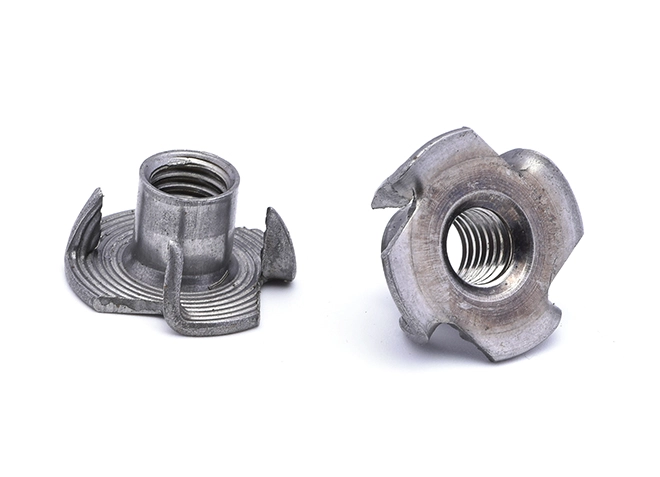 Iron Colored Carbon Steel Four Claw Nut
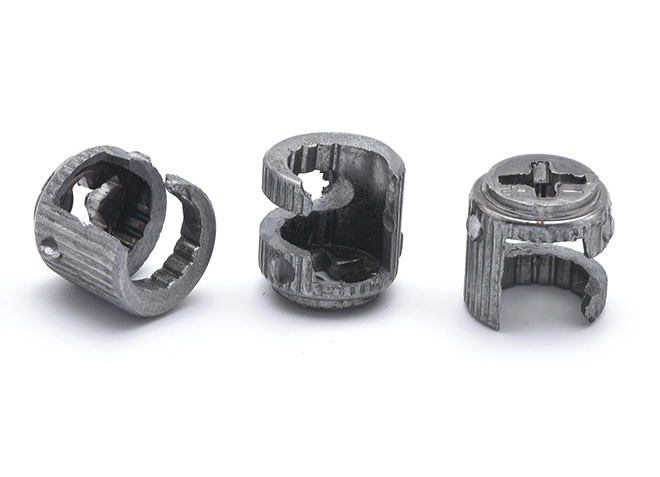 Iron Furniture Three Combination Nut Seat
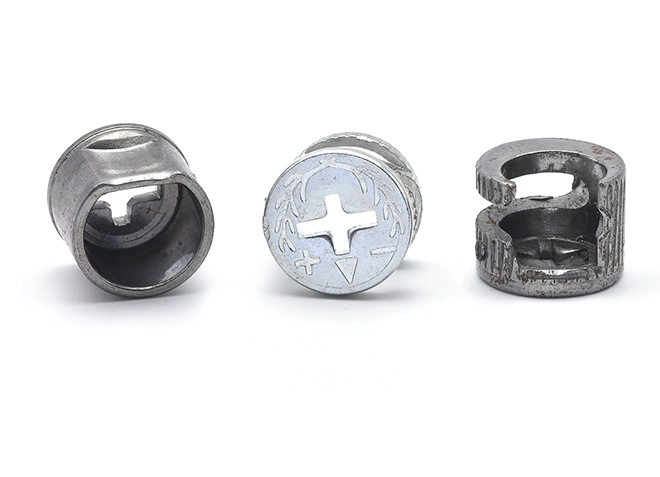 Iron and Zinc Alloy Furniture Three Combination Nut Seat
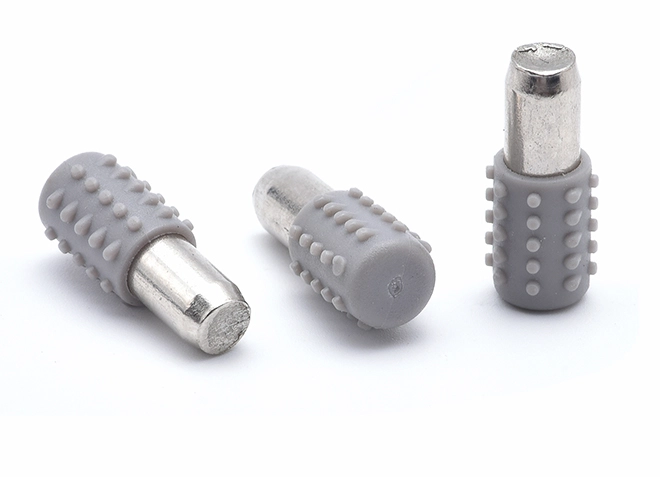 Dowel Pin+ Gray Elephant Rubber Sleeve
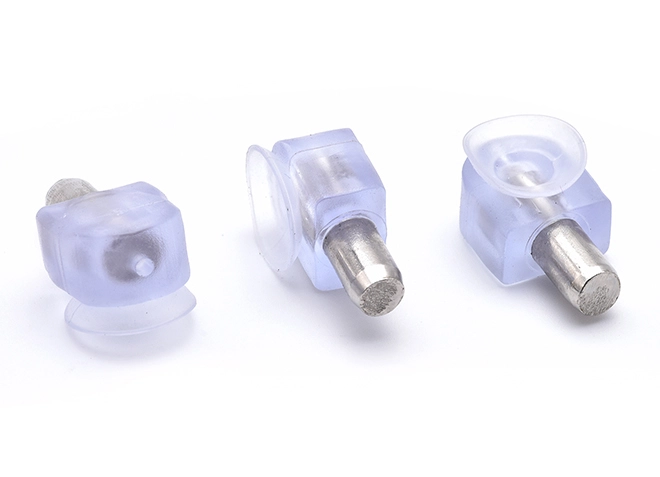 Dowel Pin+ Transparent Elephant Rubber Sleeve
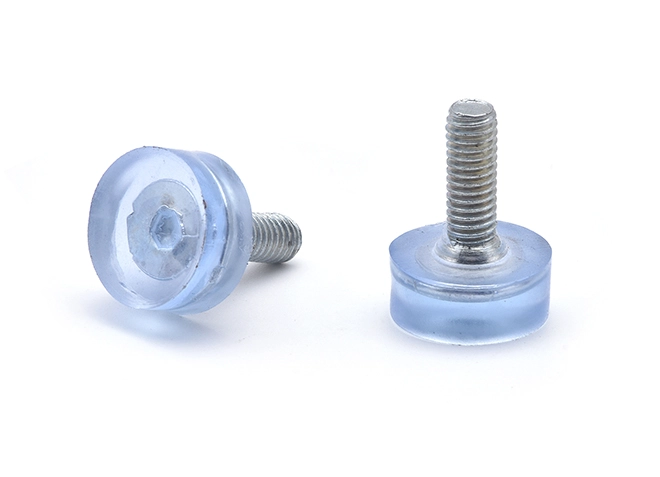 Injection Molded Furniture Foot Pad Screw
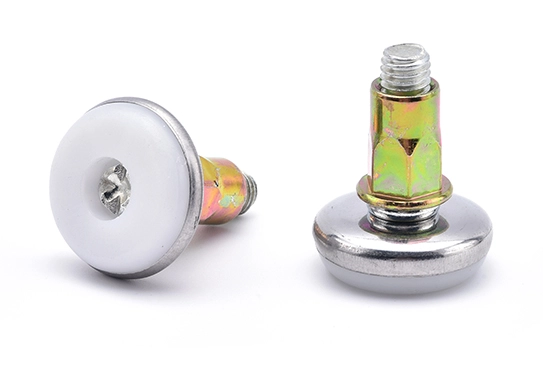
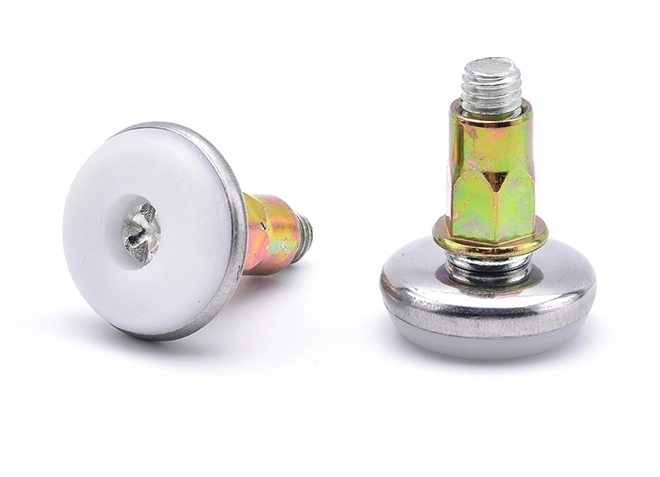
A counter table base is the structural component that supports the countertop or tabletop of a counter table. It provides stability and ensures that the table can bear the weight of items placed on it. Counter table bases come in various designs and materials to match different styles and functionalities.
Determine the Load Requirements
Assess the Load: Consider the weight and load the counter table will bear. Heavier tables or those supporting significant weight require larger and stronger screws to ensure stability.
Check the Material of the Table Base
Material Compatibility: Match the screw size to the material of the table base. For example, wood, metal, and composite materials each have different requirements for screw sizes and types.
Measure the Screw Length
Screw Length: Choose a screw length that is sufficient to penetrate the table base material securely but not too long to cause damage. A good rule of thumb is to ensure the screw penetrates at least half the thickness of the material it's being screwed into.
Choose the Correct Diameter
Diameter: Select a screw with an appropriate diameter to handle the load without stripping or breaking. Larger diameters generally provide better support but may require pre-drilling.
Consider Screw Type and Thread
Thread Type: Choose screws with the correct thread type for your material. For wood, use wood screws with coarse threads; for metal, use machine screws with fine threads.
Head Type: Consider the head type (e.g., flat head, pan head) based on whether you need a flush finish or if a raised head is acceptable.
Use Pilot Holes
Pre-Drill Holes: For harder materials, drilling pilot holes before inserting screws helps prevent splitting or damage and ensures a secure fit.
Match with Connectors and Fasteners
Connector Compatibility: Ensure that the screw size matches the specifications of any connectors or fasteners used with the table base. Misalignment can lead to instability.
Follow Manufacturer Recommendations
Consult Specifications: Refer to any manufacturer recommendations for screw sizes and types to ensure compatibility with the table base and design.
Test for Stability
Check Fit: After installation, test the stability of the table. If there's any wobbling or movement, reassess the screw size and installation method.
aaron18129983931@gmail.com