English
  日本語
日本語  한국어
한국어  français
  Deutsch
  Español
  italiano
  русский
  português
  العربية
Phone:
+86-0769-87561578Aaron: +86-18129983931
Max: +86-18922922459



 New Type Switchgear
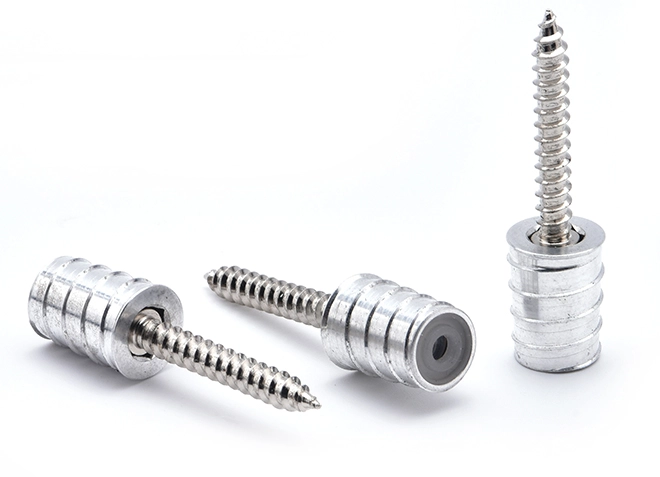 Anti-loose Easy Disassembly Nut Pillar (New Furniture Connector)
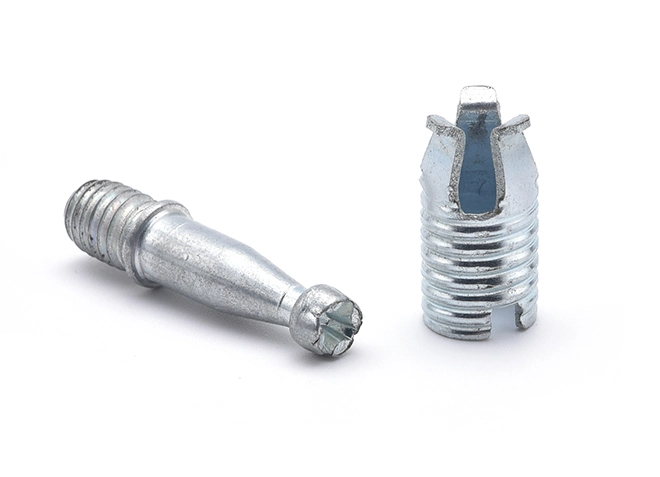 Furniture Simple Assembly and Disassembly Connector
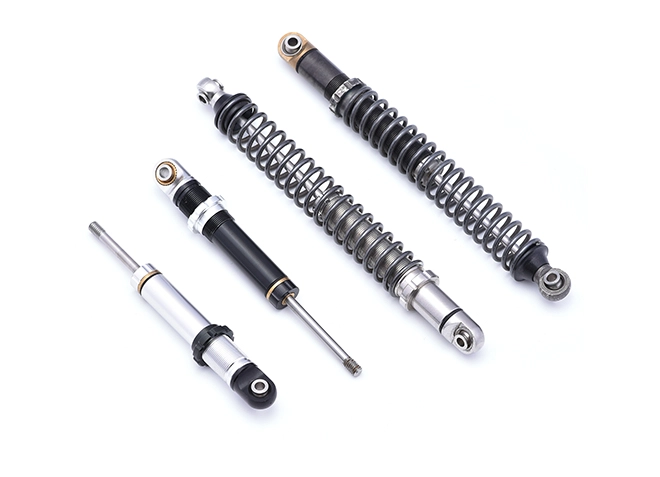 Micro Vibration Absorber
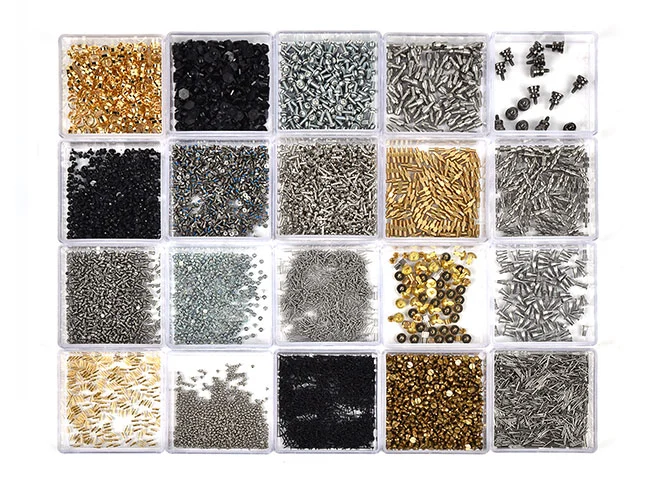 Micro Screws
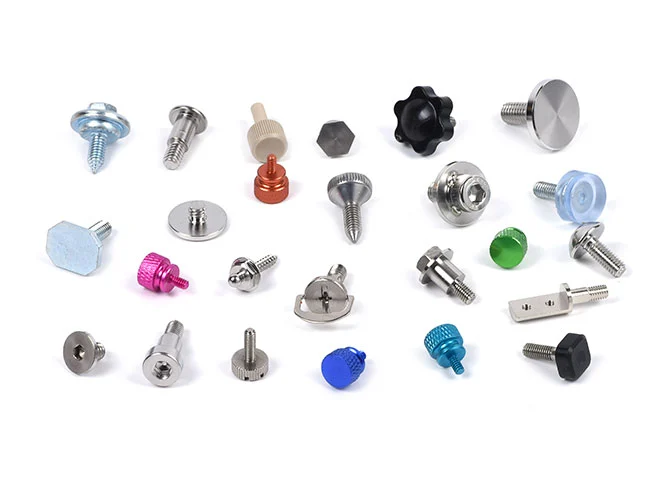 Big Head Screws
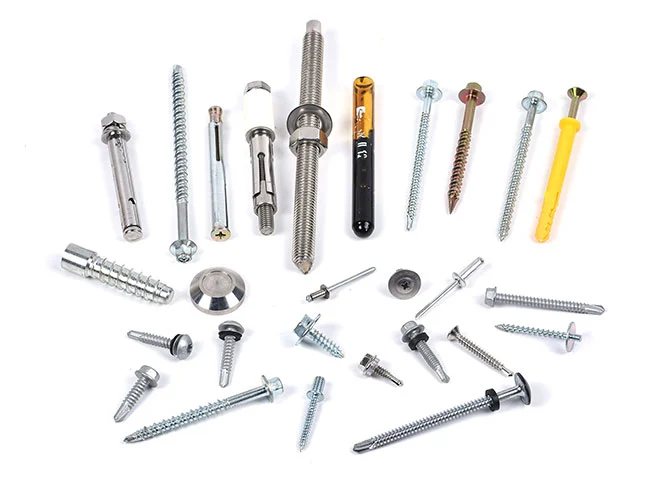 Construction Screws
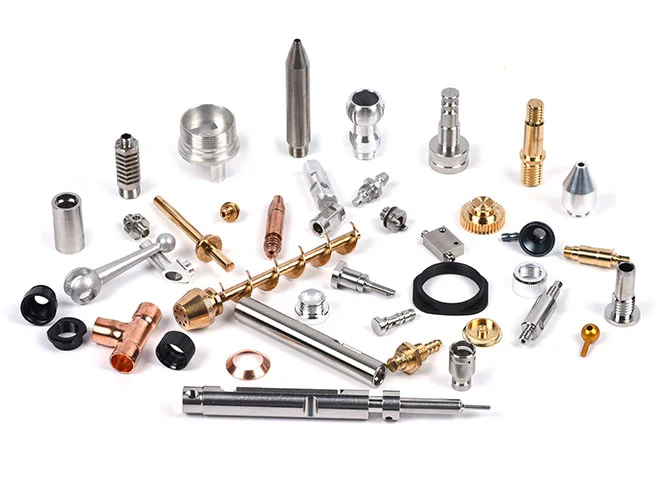 CNC Lathe Machining Parts
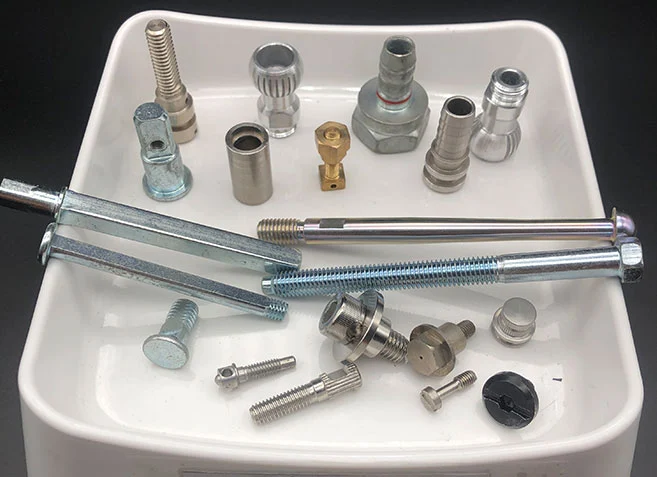 Cold Forged and Undergo Secondary Processing Products
 Multi Station Cold Heading Screws
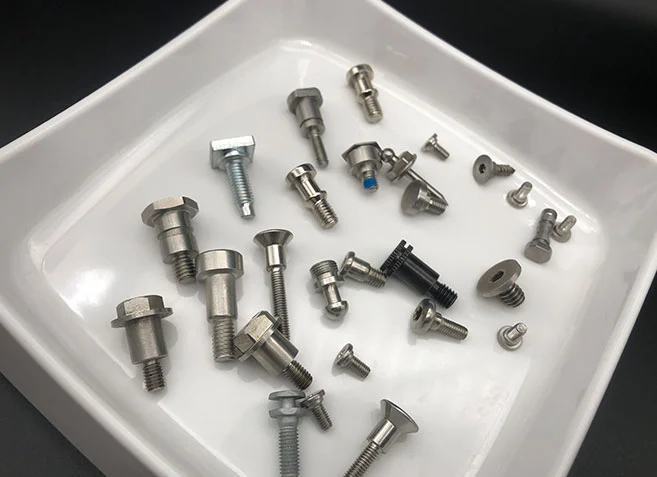 Step Screw
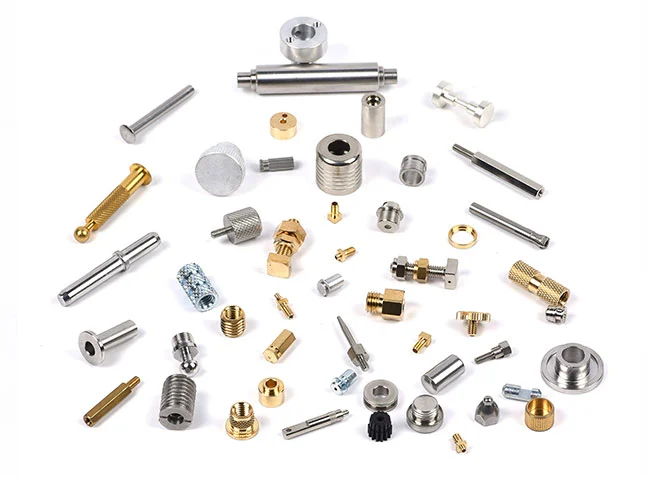 Automatic Lathe Machining Parts
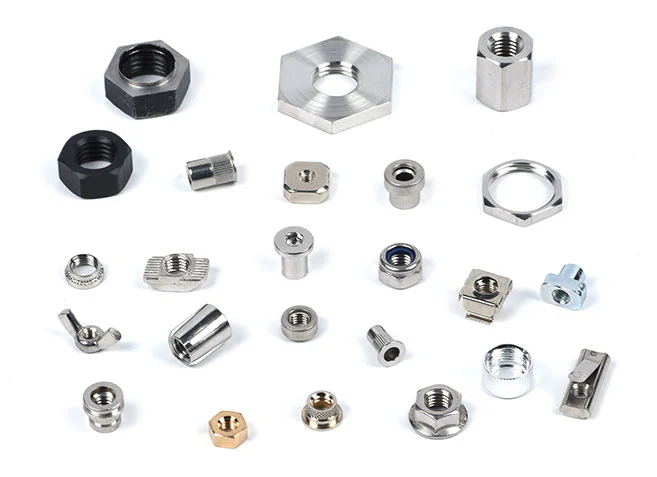 High Difficulty Challenge Cold Heading Fasteners
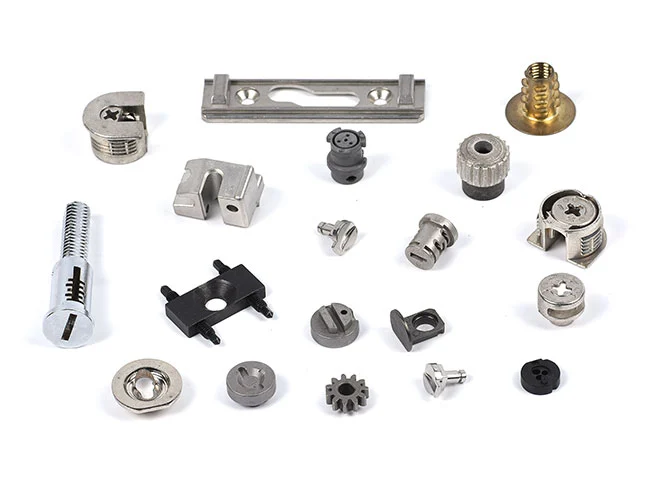 New Tech Fasteners
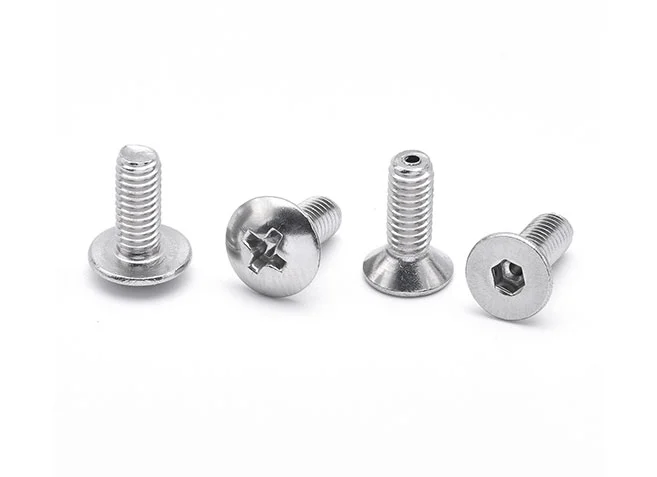 Machine Screws
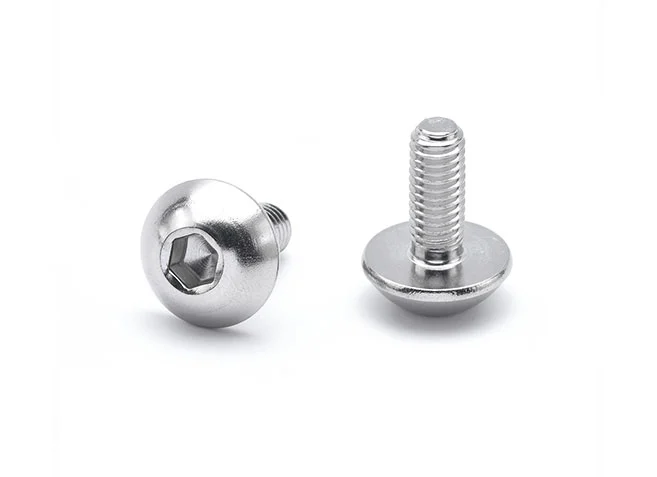 Socket Cap Screws
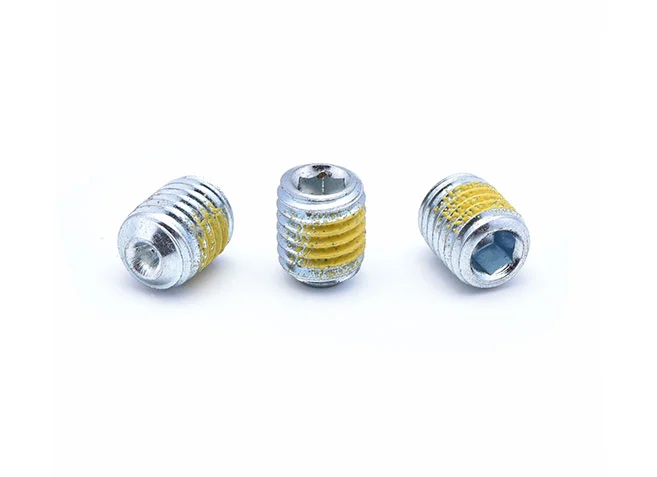 Hexagon Socket Set Screws
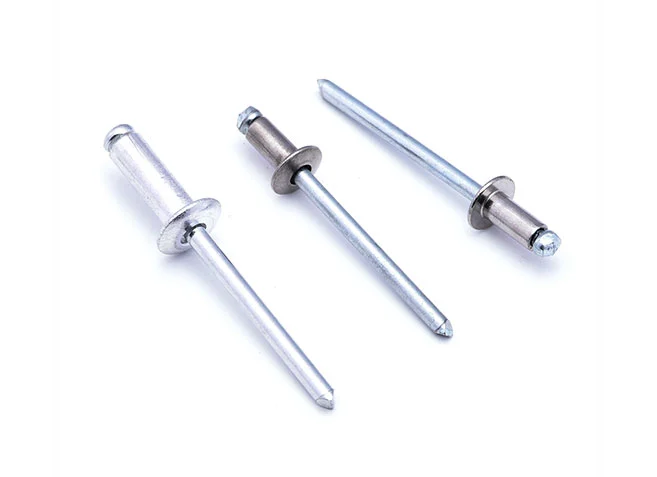 Pull Out Rivet
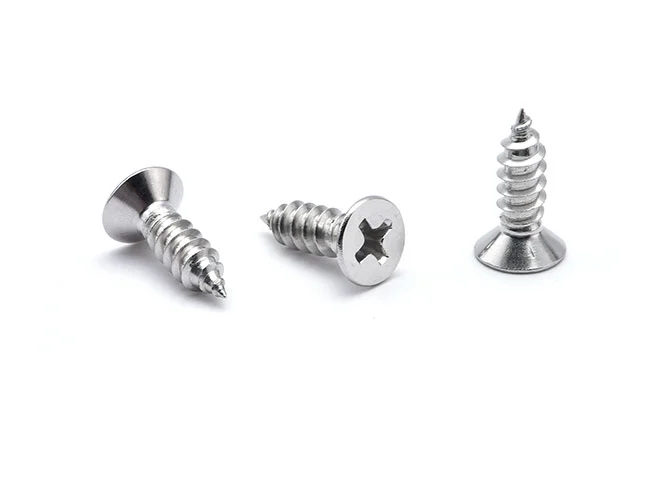 Self Tapping Screws
 Hex Bolts
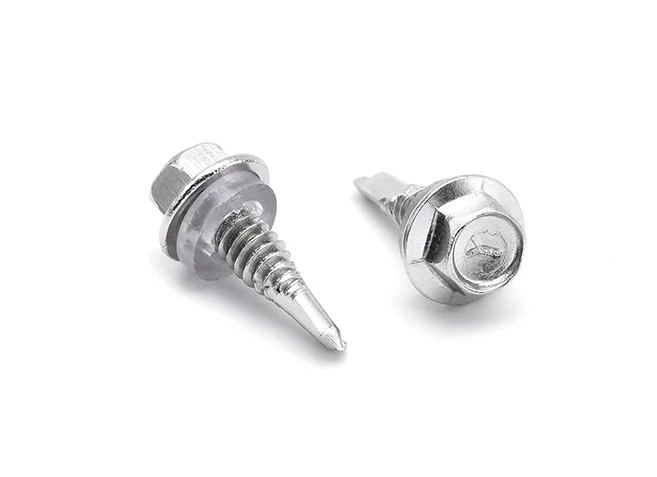 Self Drilling Screws
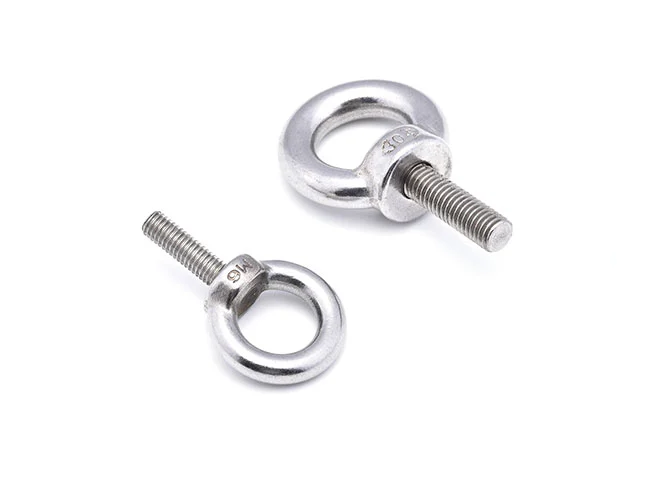 Eye Bolts
 U-bolts
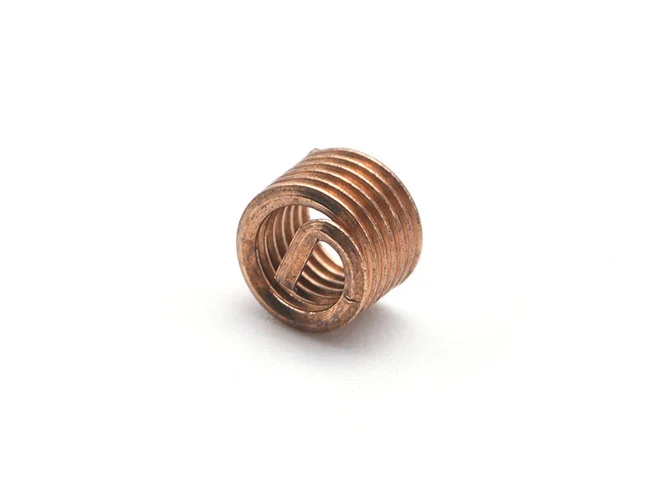 Threaded Sheath
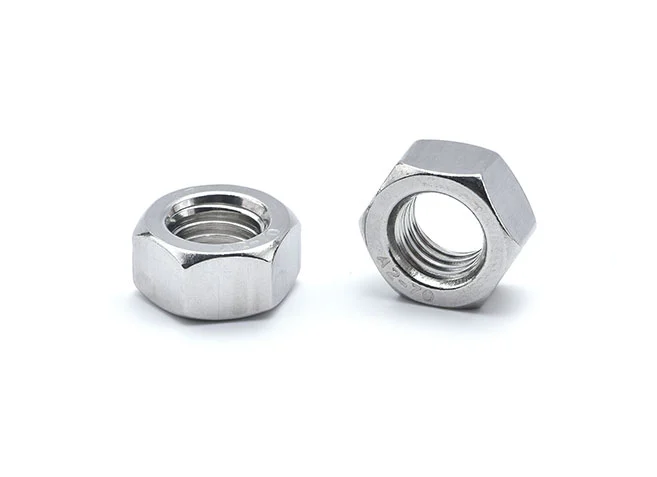 Hex Nut
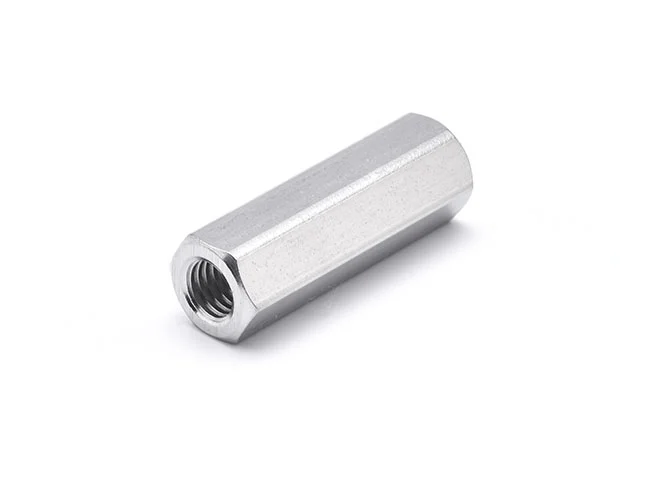 Hex Long Nut
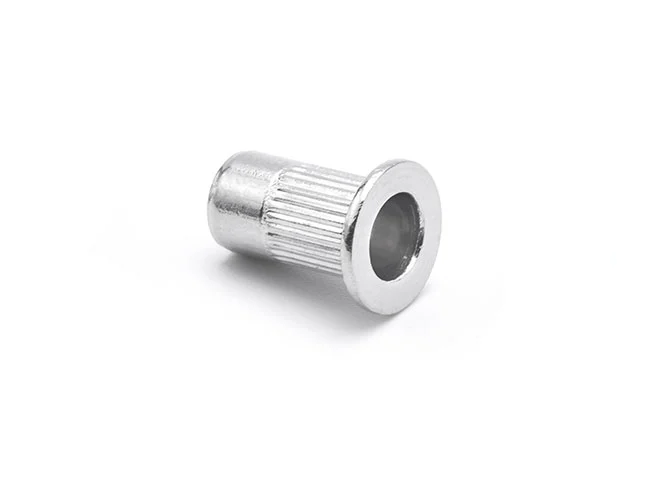 Pull Rivet Nut
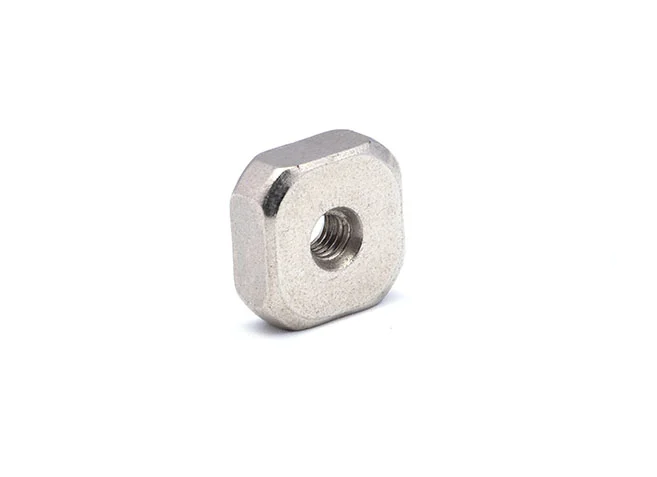 Square Nuts
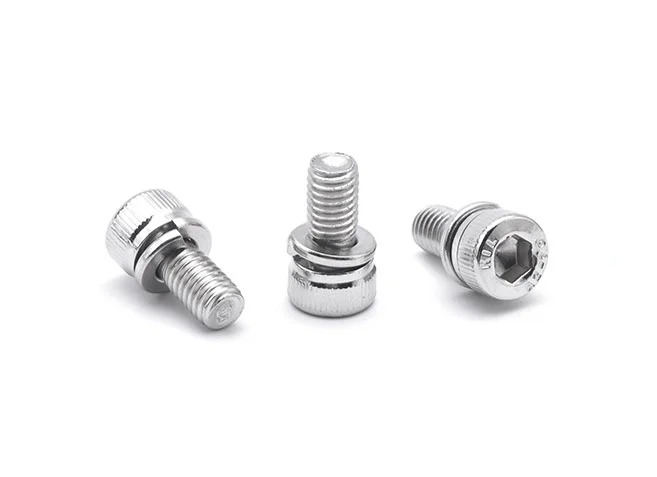 Combination Screws
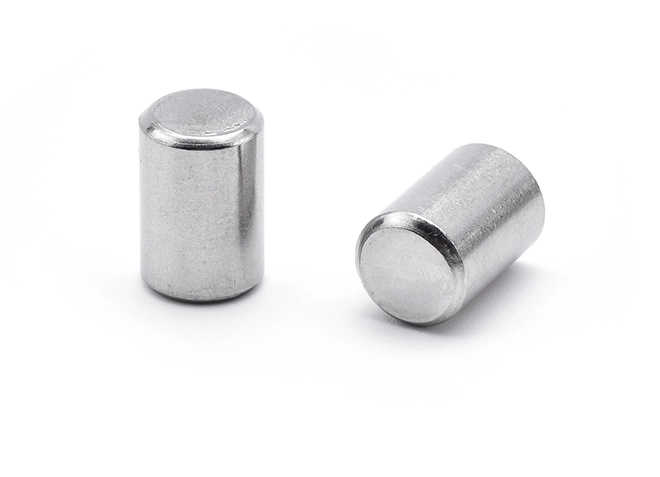 Pin
Pin
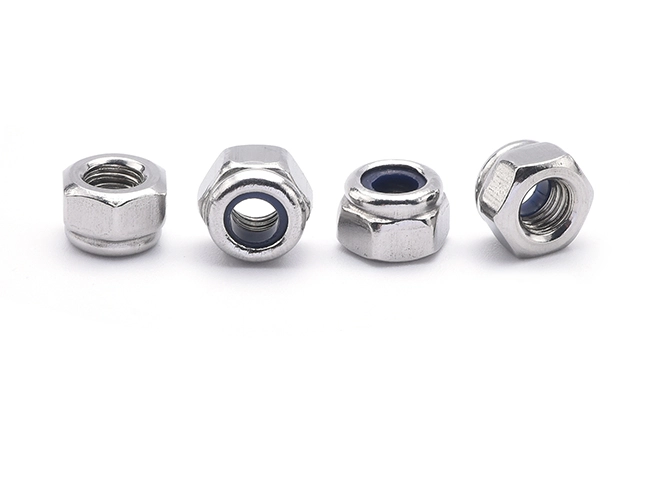 Nylon Locking Nuts
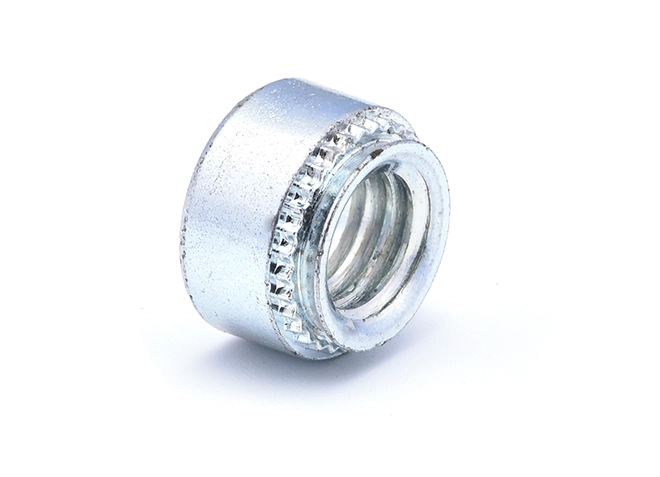 Pressure Rivet Nuts
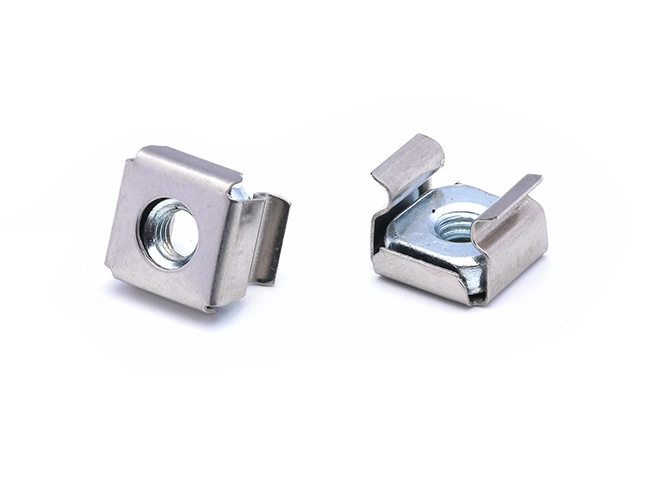 Cage Nut
 Welding Screws
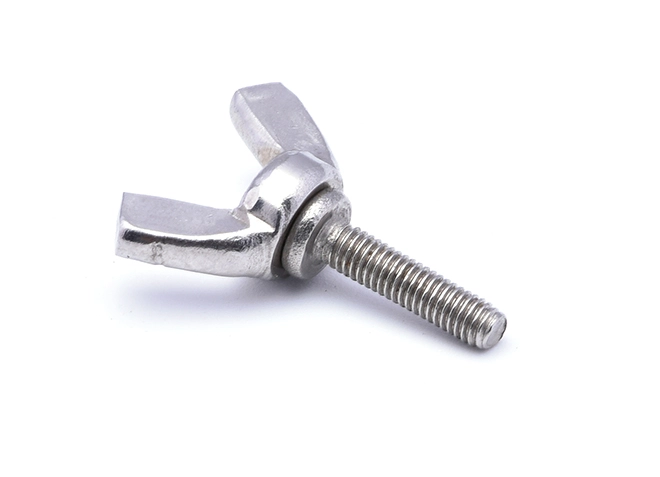 Butterfly Screw
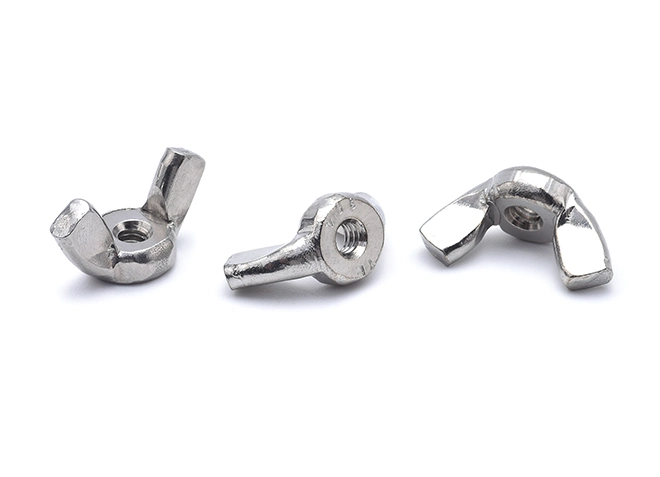 American Standard Butterfly Nut
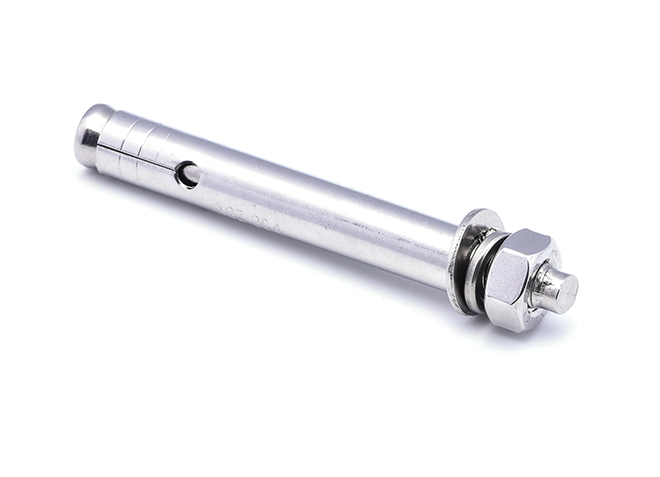 Expansion Screw
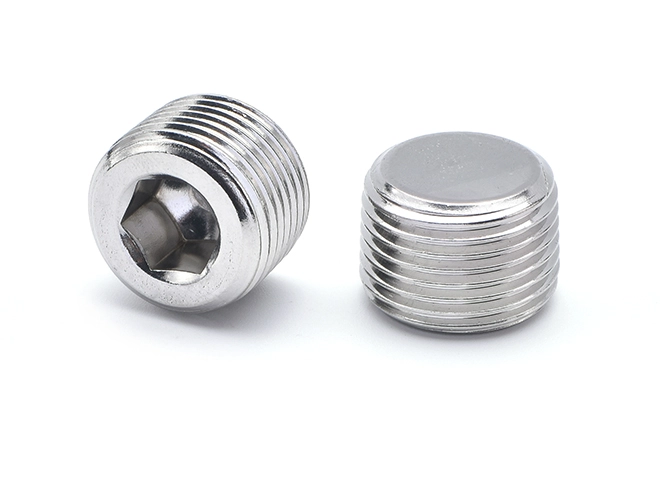 Plug Screw
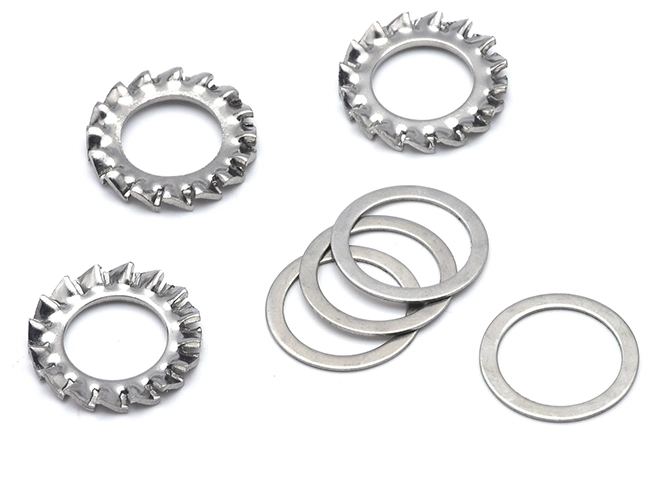 Stainless Steel Washer
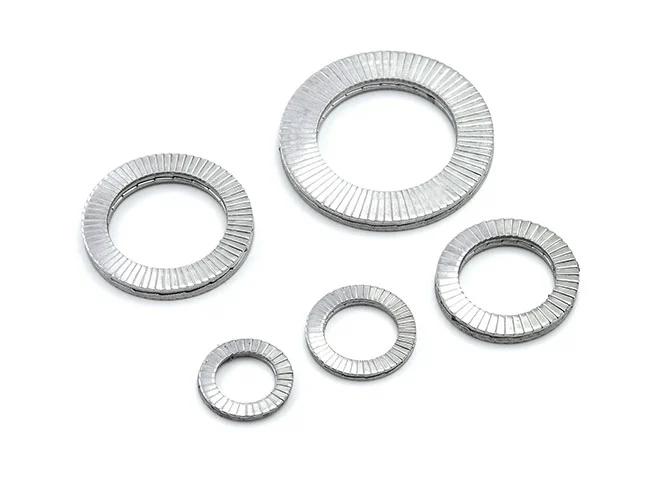 Double Overlap Anti-Loosening Washers
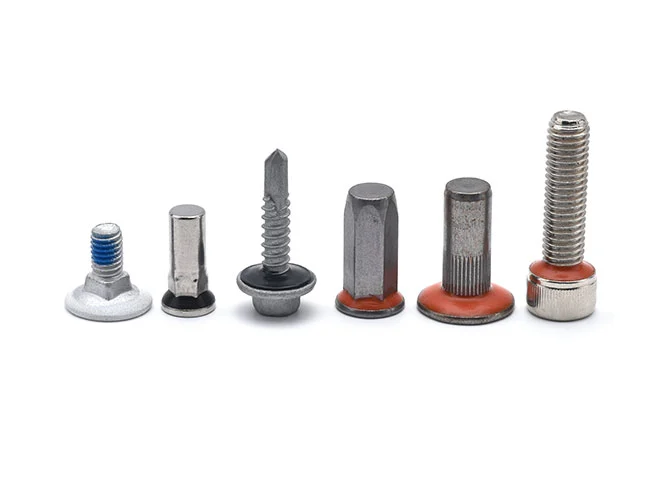 Waterproof and Anti-Drop Screws
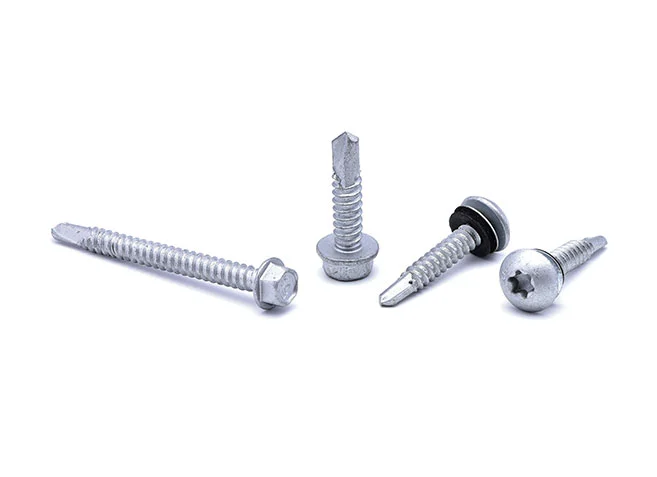 Super Corrosion-Resistant Screws
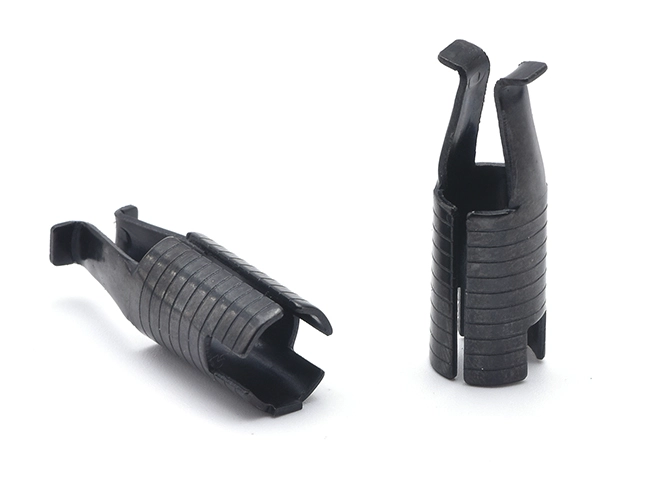 65Mn Material Furniture Connector
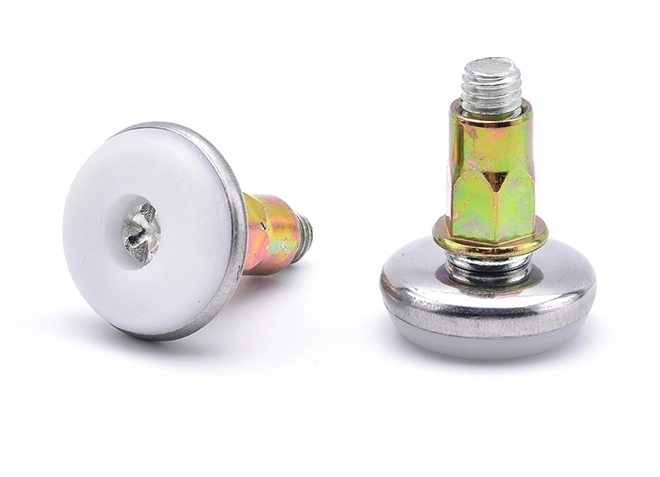 Counter Table Base
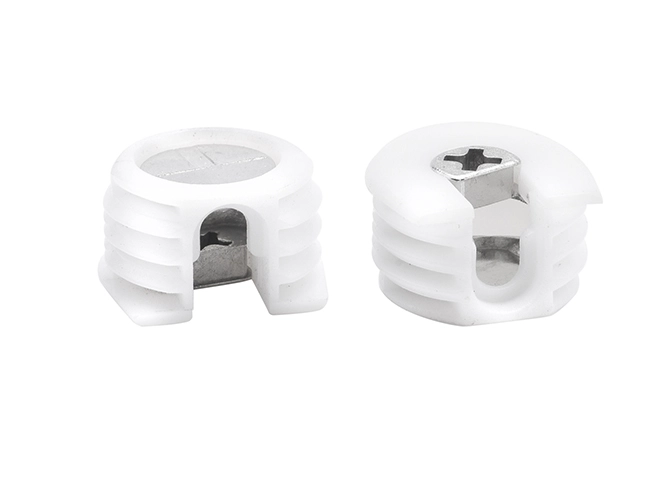 Furniture Connector Nut with Plastic Sleeve
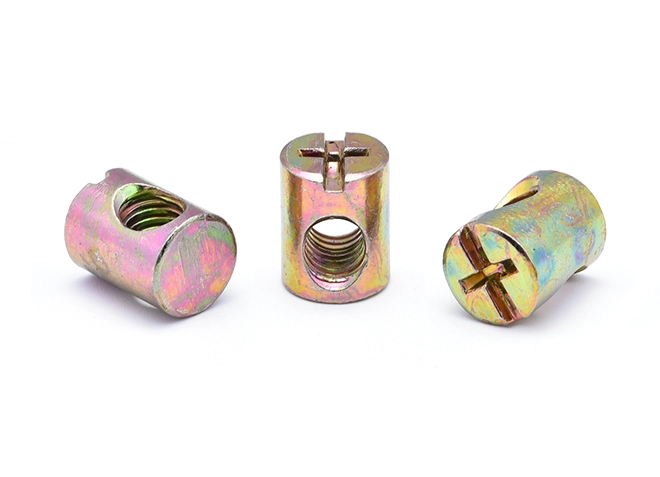 Furniture Horizontal Hole Nut
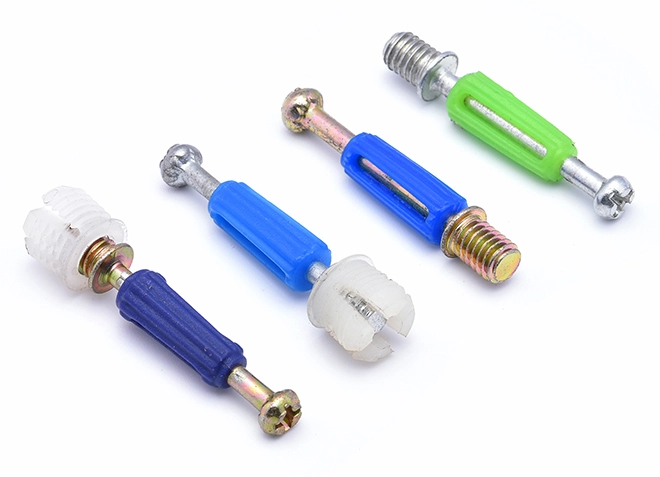 Furniture Connecting Screw
 Furniture Connecting Nut Seat
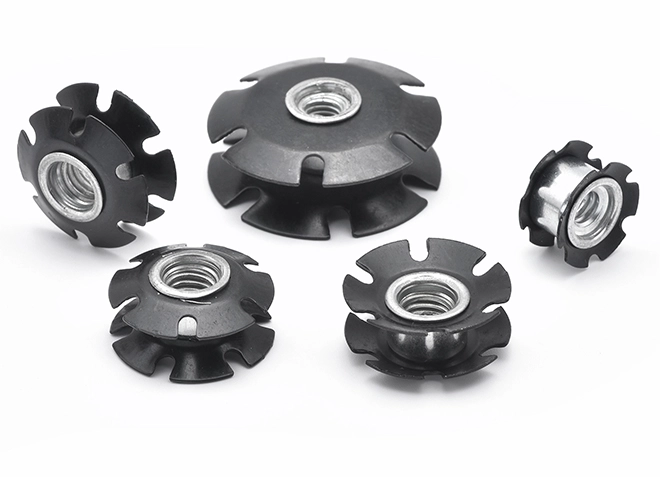 Double Stack Wheels Used On Furniture
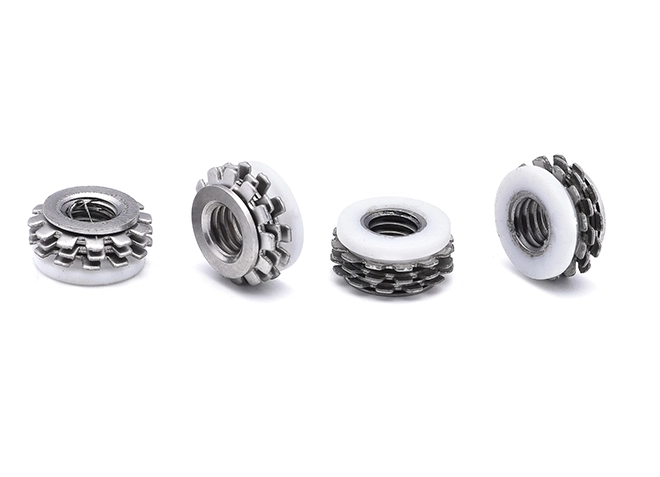 Components Used On Furniture
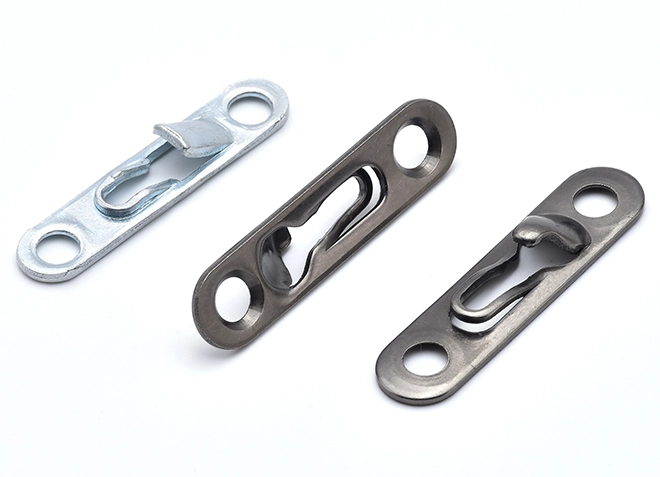 Connection Buckle
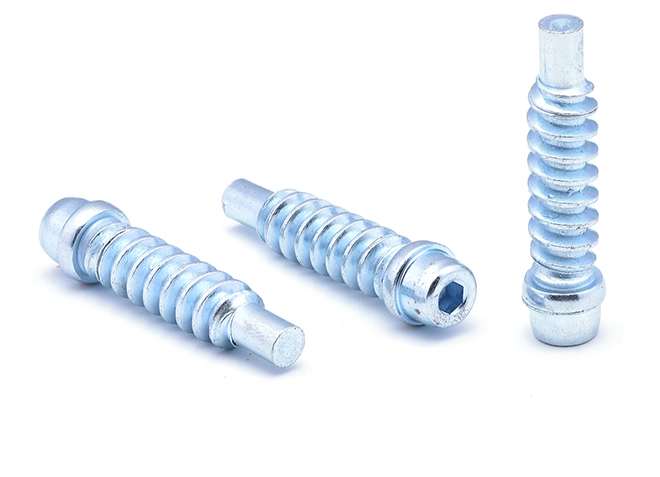 Internal Hexagonal Spiral Screw
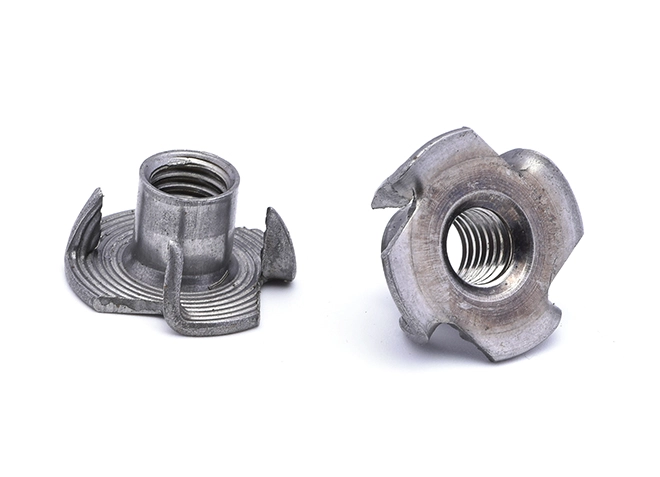 Iron Colored Carbon Steel Four Claw Nut
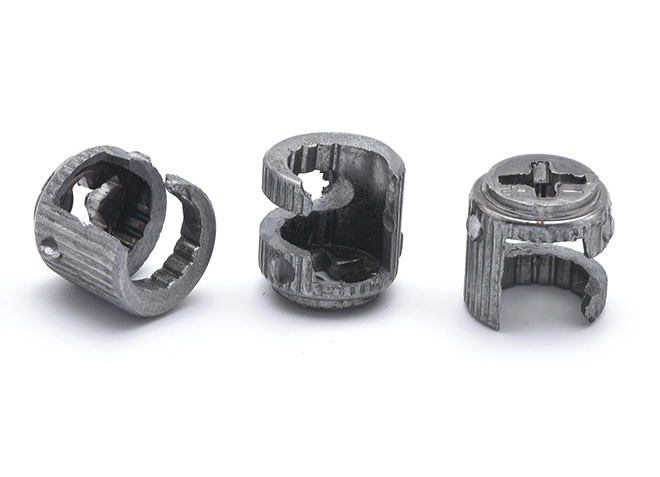 Iron Furniture Three Combination Nut Seat
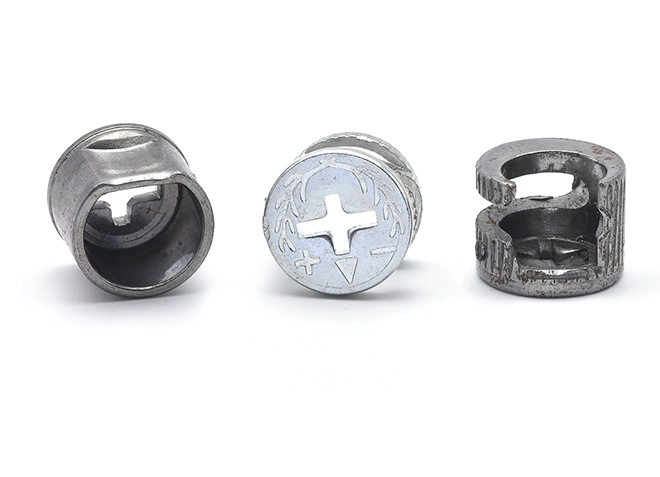 Iron and Zinc Alloy Furniture Three Combination Nut Seat
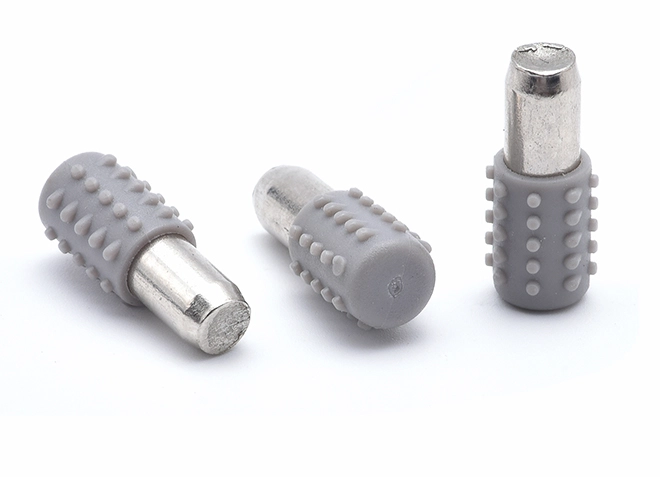 Dowel Pin+ Gray Elephant Rubber Sleeve
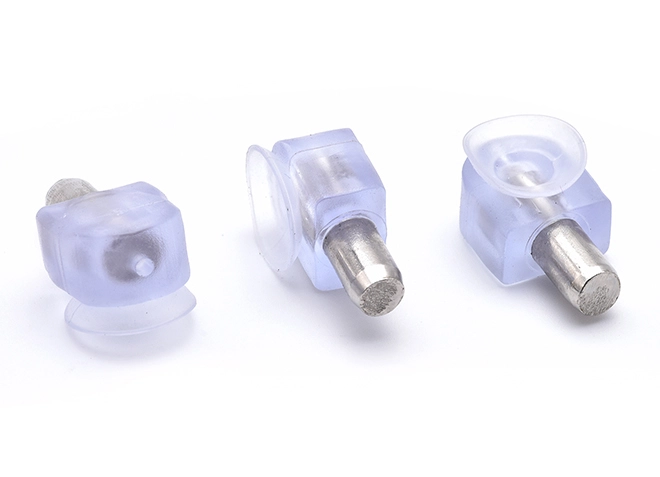 Dowel Pin+ Transparent Elephant Rubber Sleeve
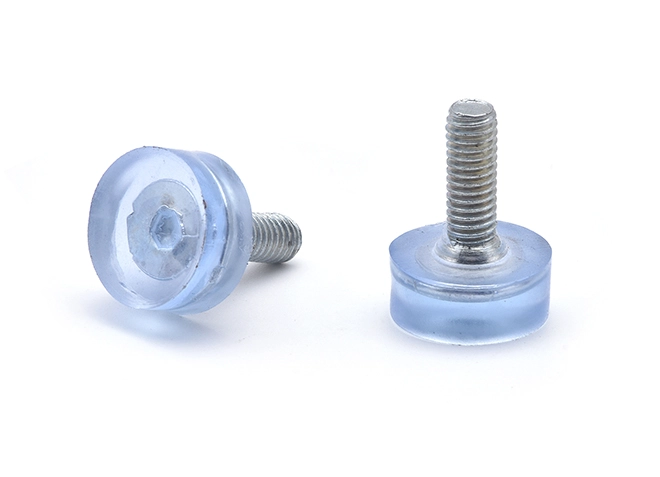 Injection Molded Furniture Foot Pad Screw
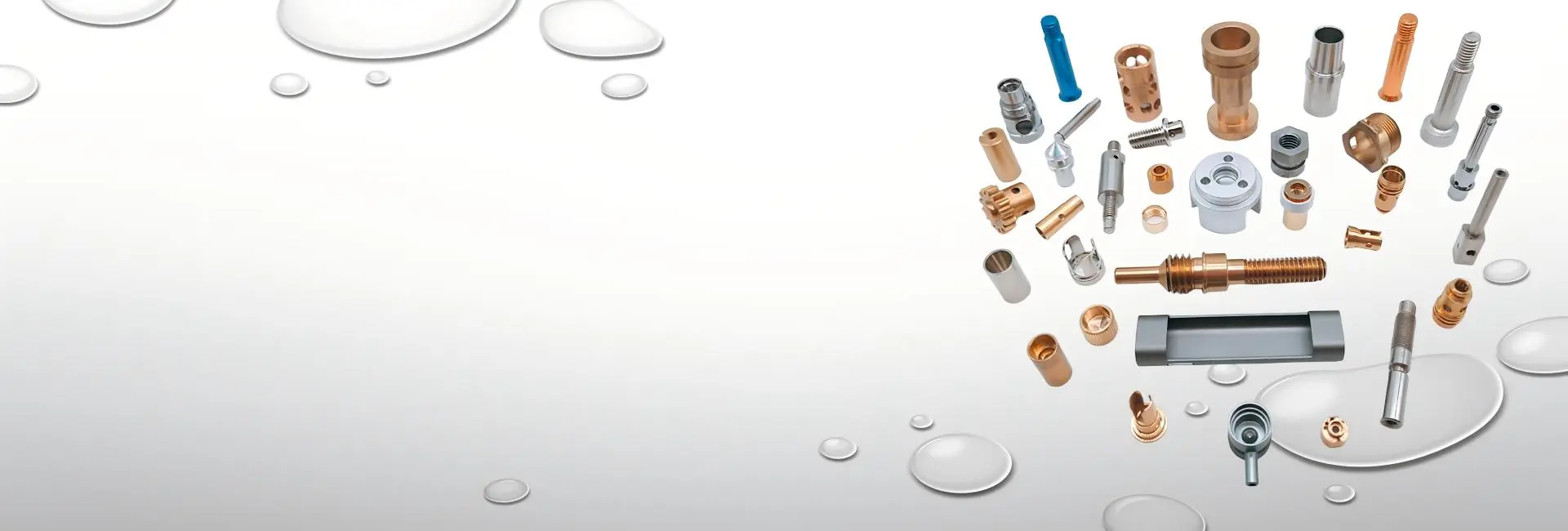
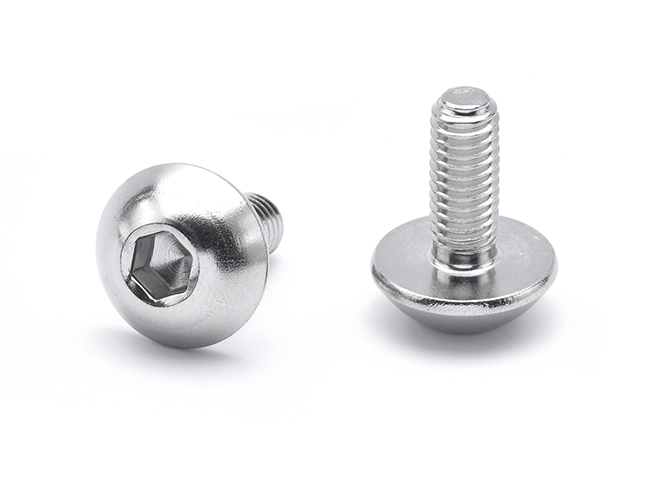
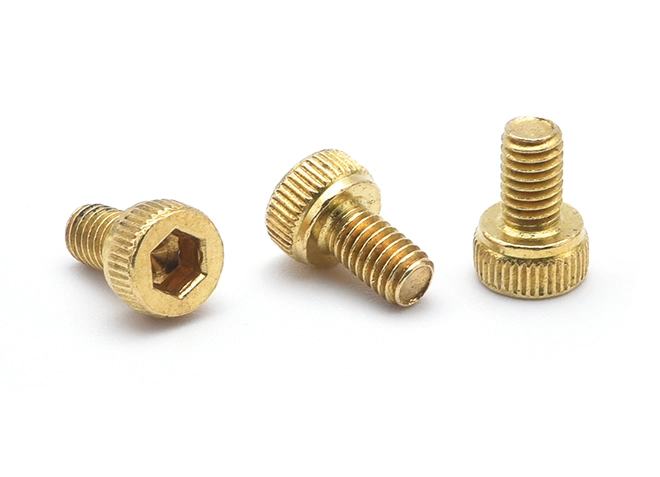
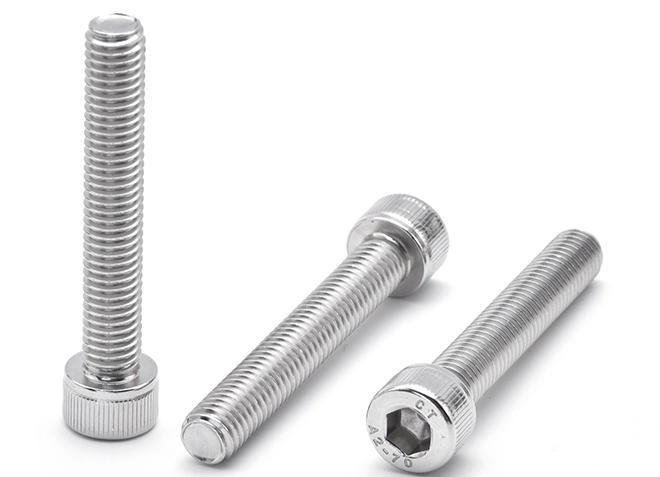
Socket cap screws are a type of fastener that is commonly used in applications requiring a high degree of strength and precision. They are easily recognized by their cylindrical head and internal hexagonal drive, which allows for tighter fastening with a hex key (also known as an Allen key). Socket cap screws are designed to fit into a recessed area, making them ideal for applications where space is limited or where a smooth surface finish is required.
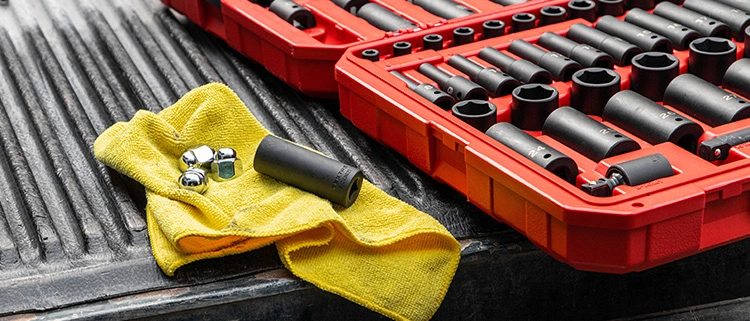
Choose the Right Screw: Ensure correct size, length, and material.
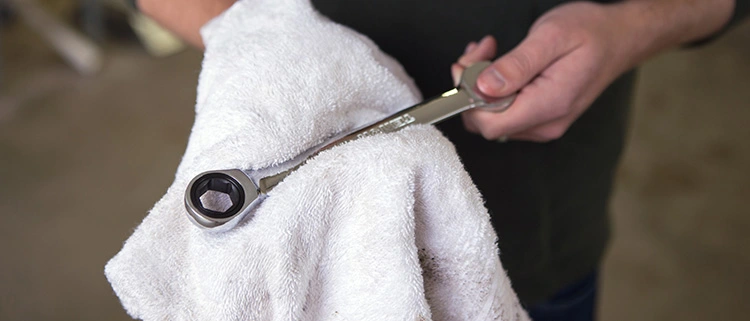
Use Proper Tools: Use a fitting Allen wrench or hex key and a torque wrench for precision.
Prepare: Clean threads and ensure proper alignment.
Tighten: Hand-tighten first, then use a torque wrench to apply the recommended torque. Tighten gradually in a crisscross pattern if multiple screws are used.
Check for Loosening: Recheck torque after initial use and consider thread-locking compounds for vibration-prone areas.
Maintain: Regularly inspect and replace any damaged screws.
aaron18129983931@gmail.com