English
  日本語
日本語  한국어
한국어  français
  Deutsch
  Español
  italiano
  русский
  português
  العربية
Phone:
+86-0769-87561578Aaron: +86-18129983931
Max: +86-18922922459



 New Type Switchgear
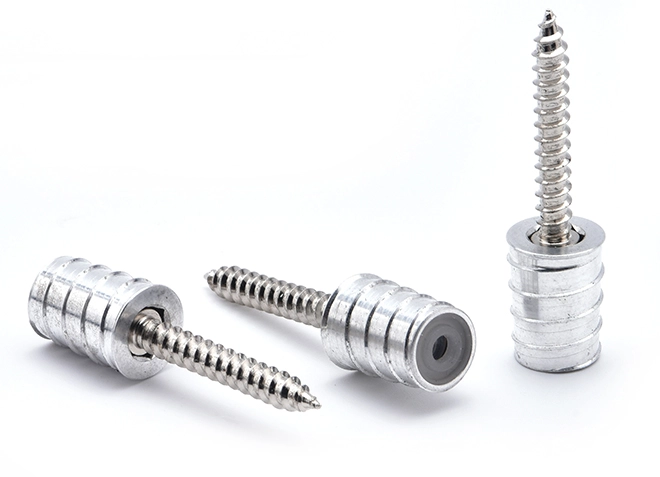 Anti-loose Easy Disassembly Nut Pillar (New Furniture Connector)
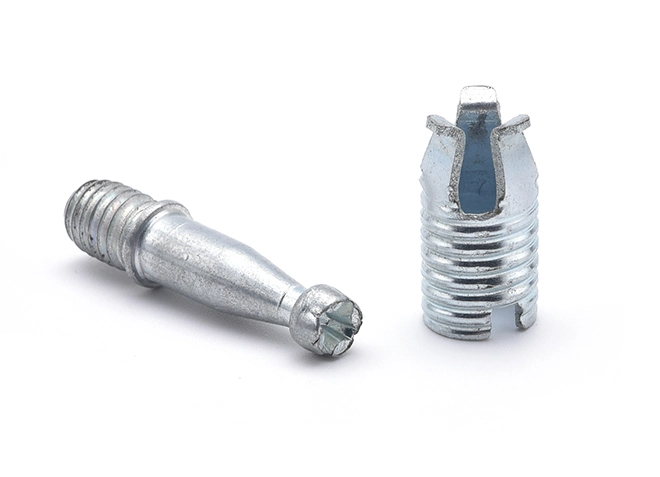 Furniture Simple Assembly and Disassembly Connector
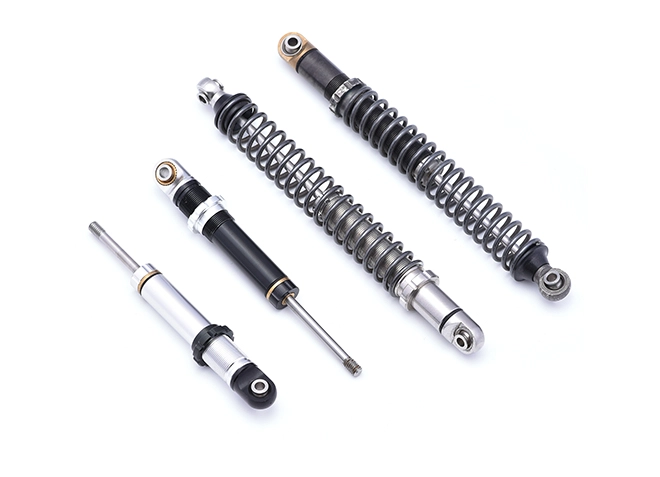 Micro Vibration Absorber
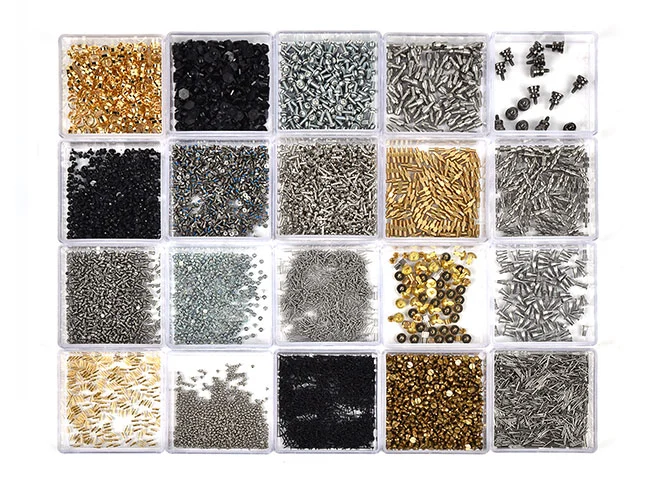 Micro Screws
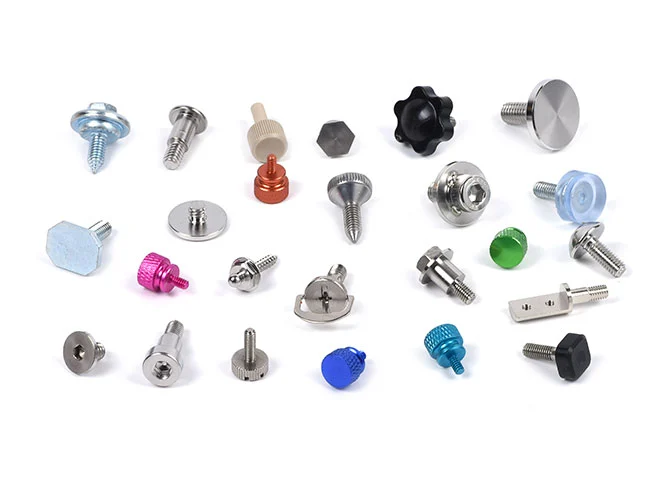 Big Head Screws
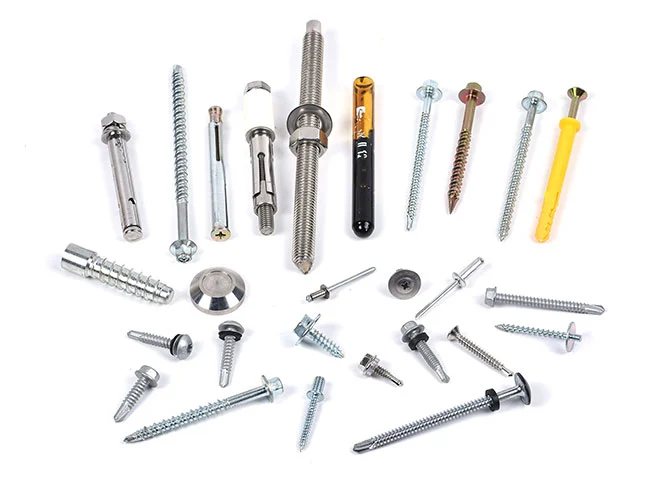 Construction Screws
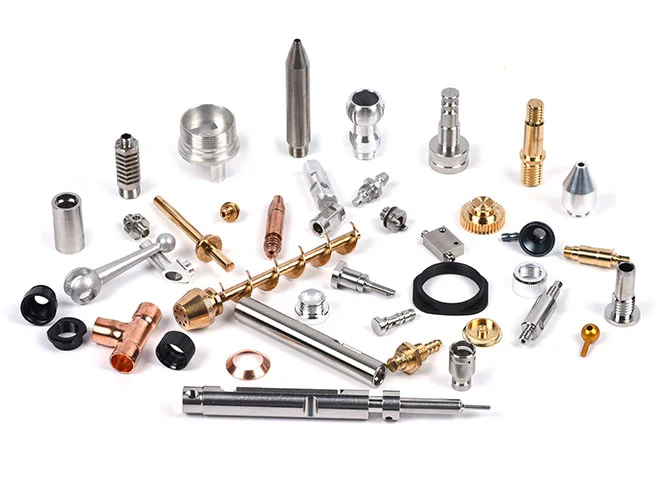 CNC Lathe Machining Parts
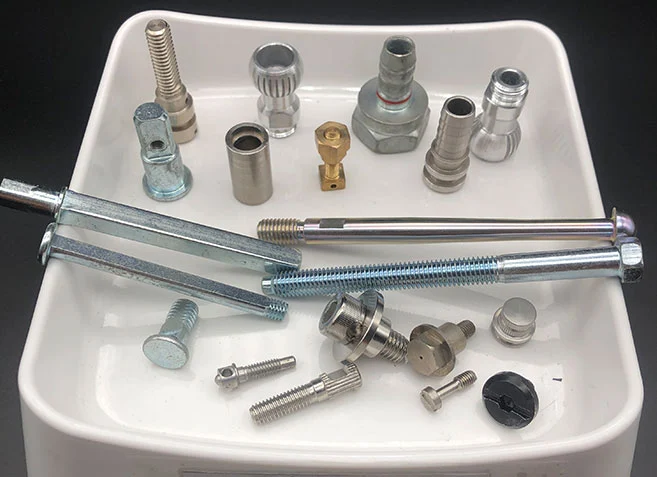 Cold Forged and Undergo Secondary Processing Products
 Multi Station Cold Heading Screws
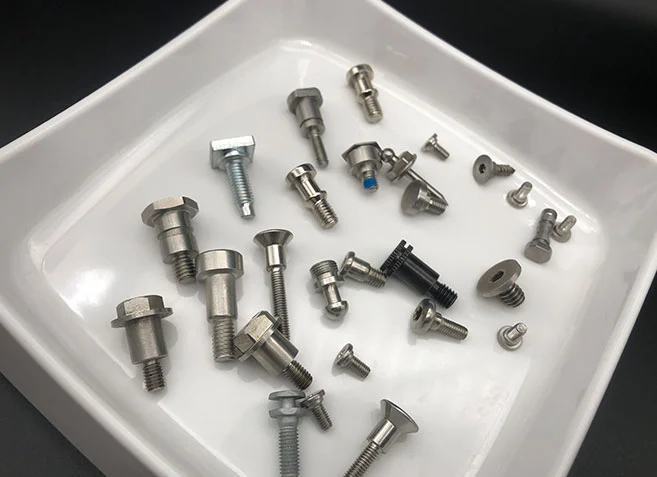 Step Screw
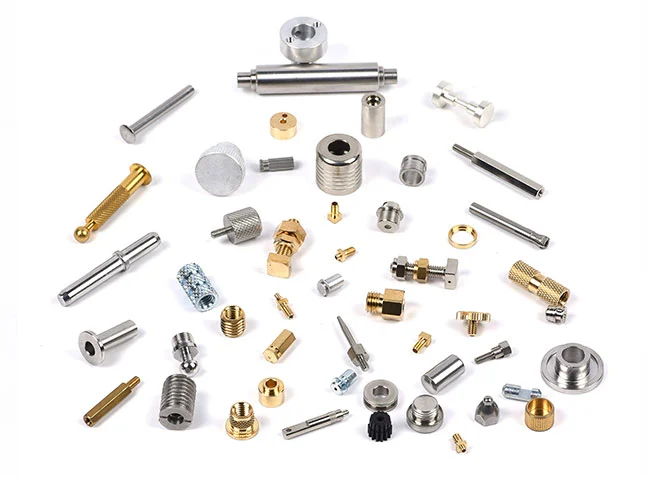 Automatic Lathe Machining Parts
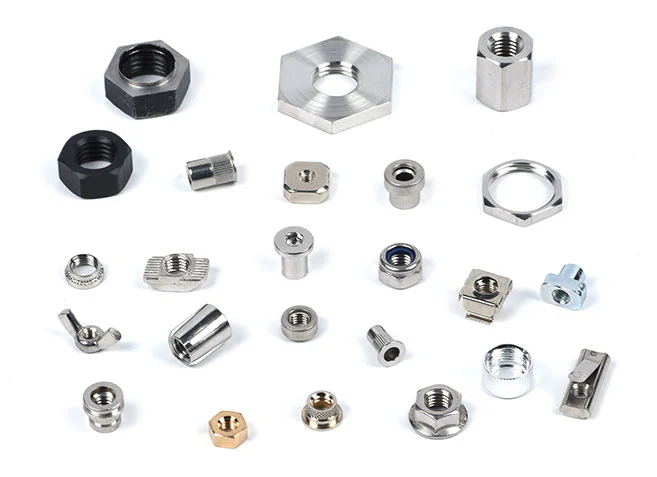 High Difficulty Challenge Cold Heading Fasteners
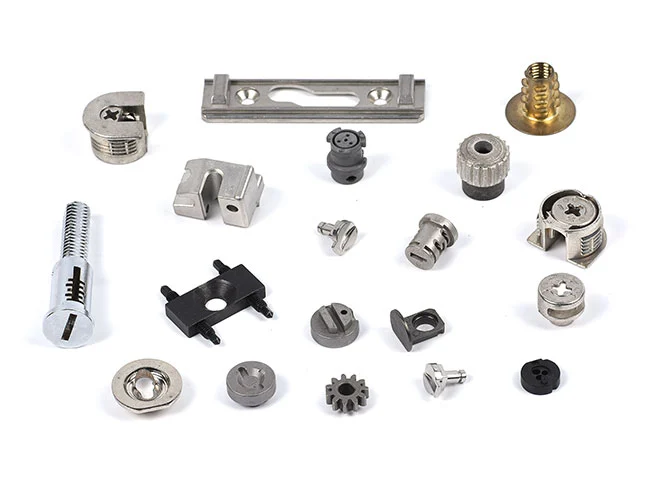 New Tech Fasteners
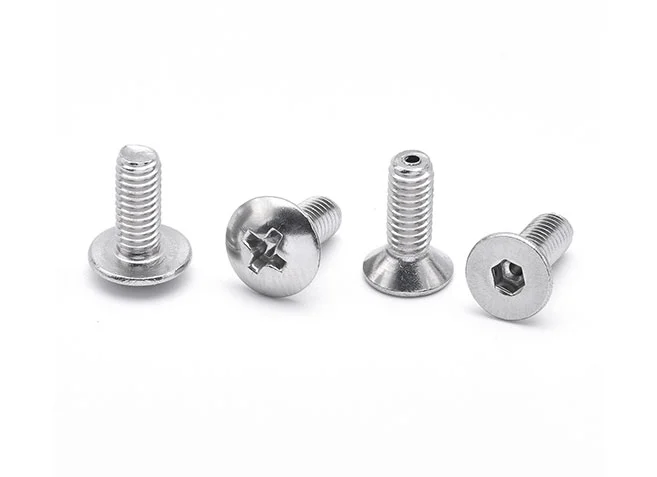 Machine Screws
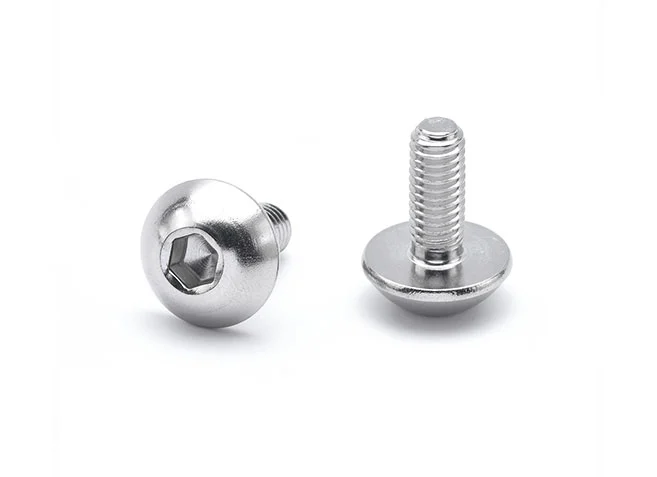 Socket Cap Screws
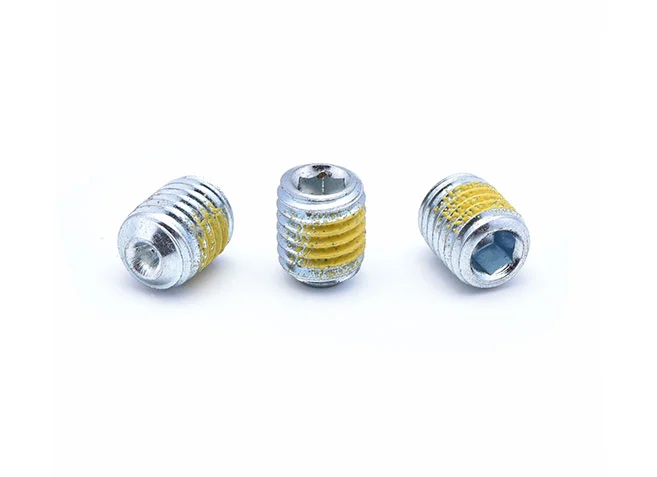 Hexagon Socket Set Screws
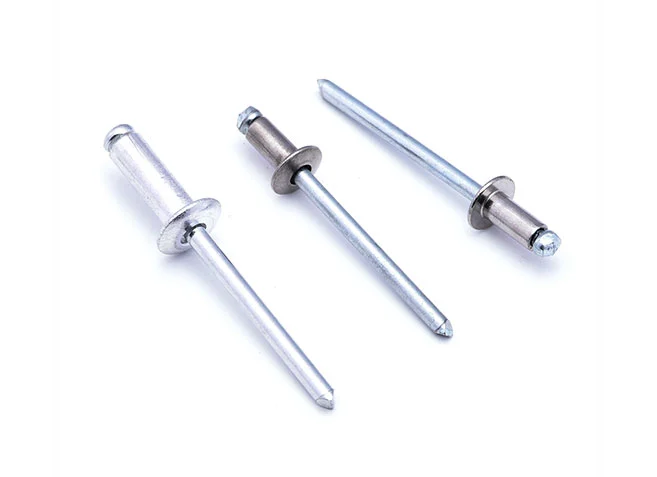 Pull Out Rivet
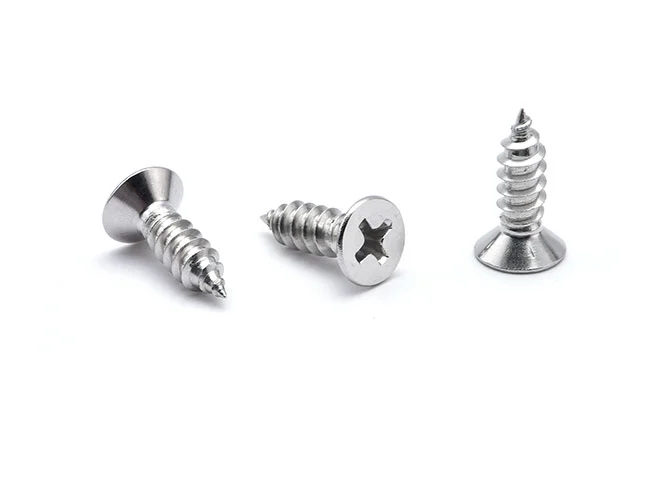 Self Tapping Screws
 Hex Bolts
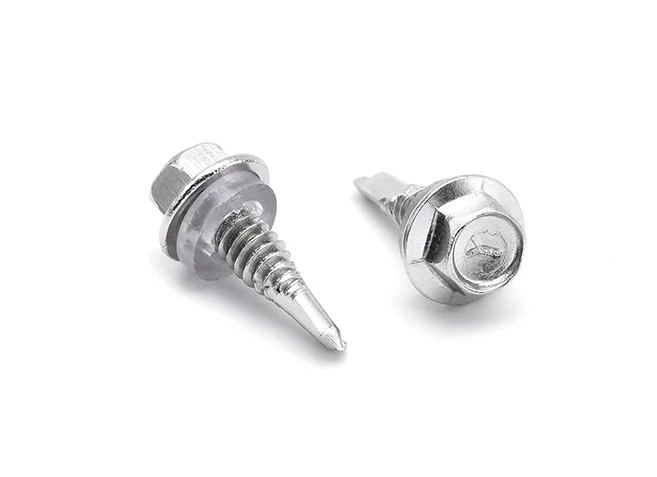 Self Drilling Screws
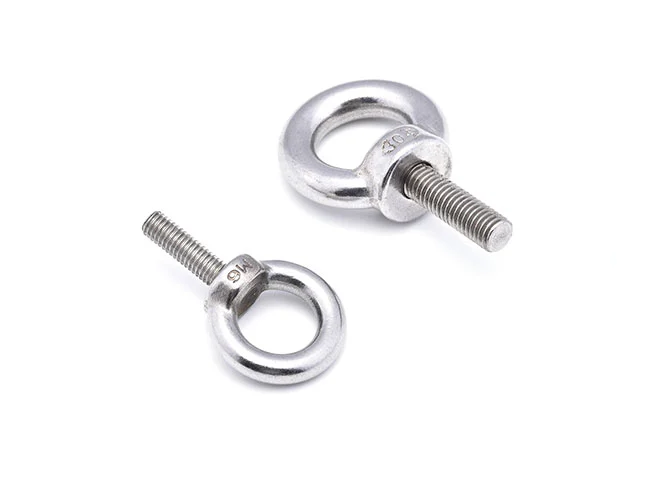 Eye Bolts
 U-bolts
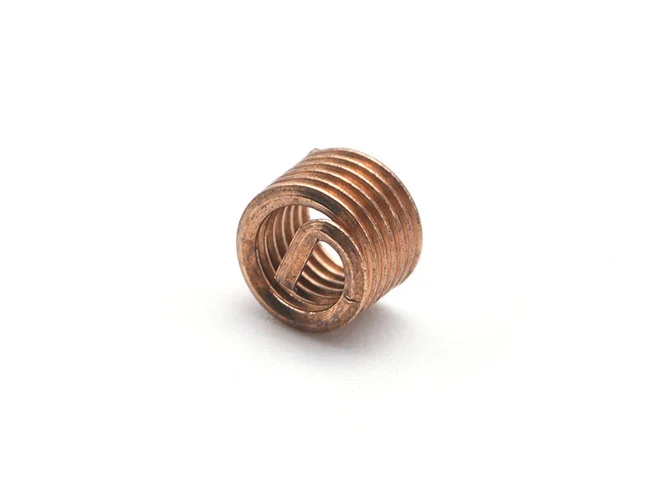 Threaded Sheath
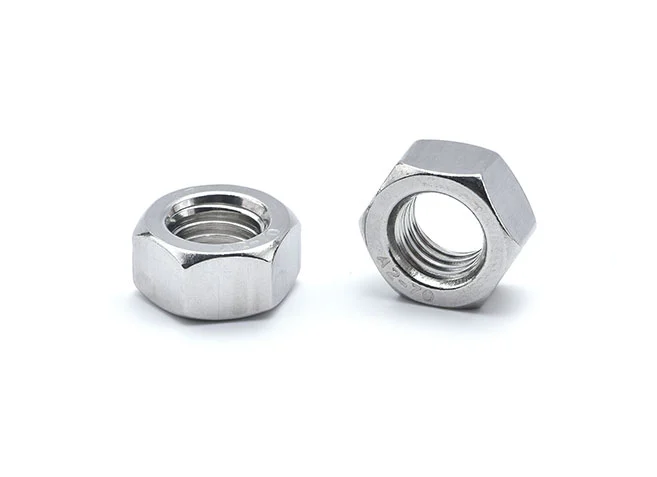 Hex Nut
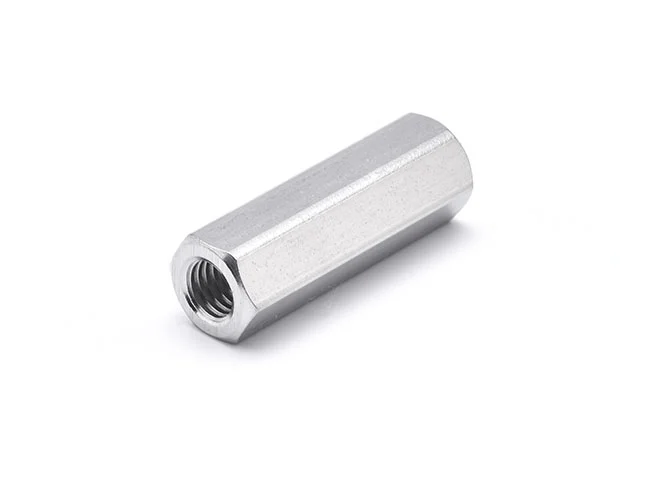 Hex Long Nut
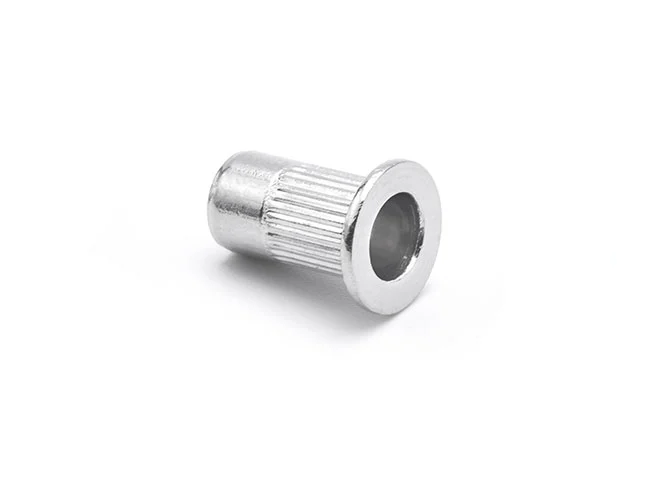 Pull Rivet Nut
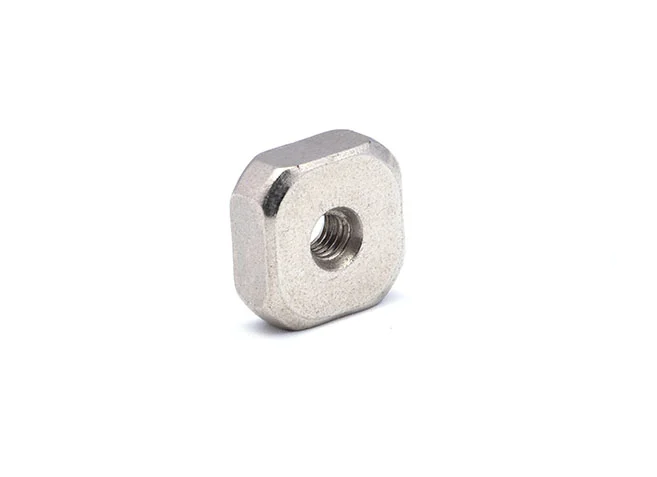 Square Nuts
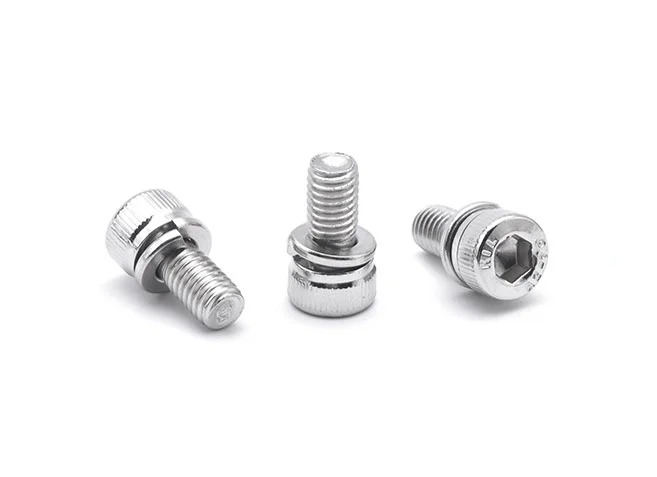 Combination Screws
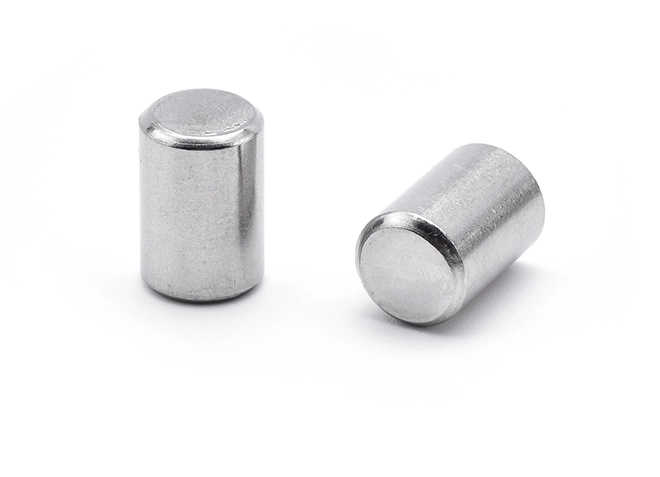 Pin
Pin
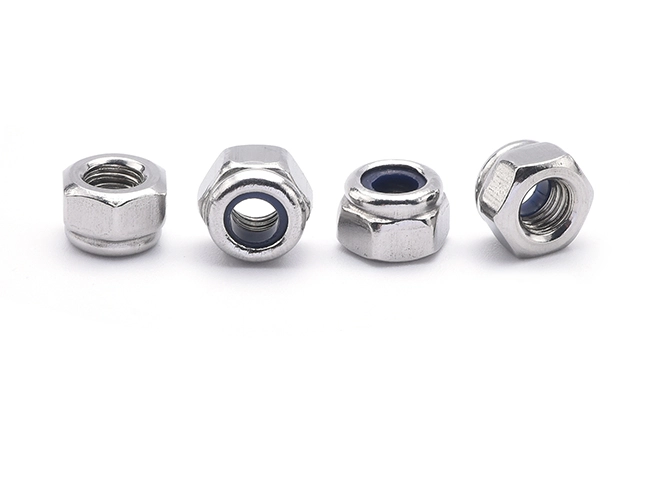 Nylon Locking Nuts
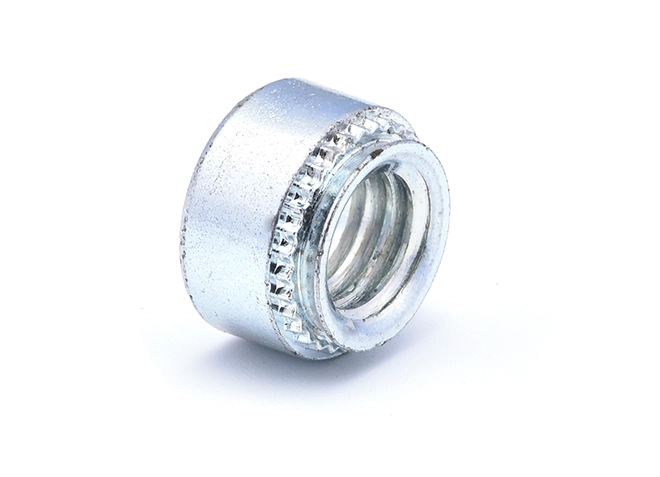 Pressure Rivet Nuts
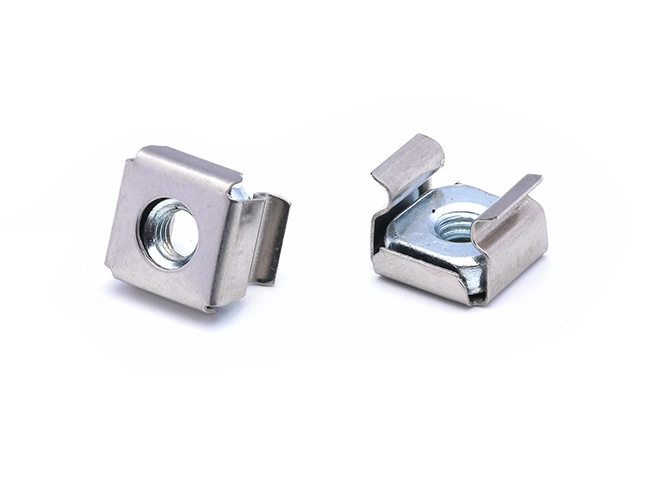 Cage Nut
 Welding Screws
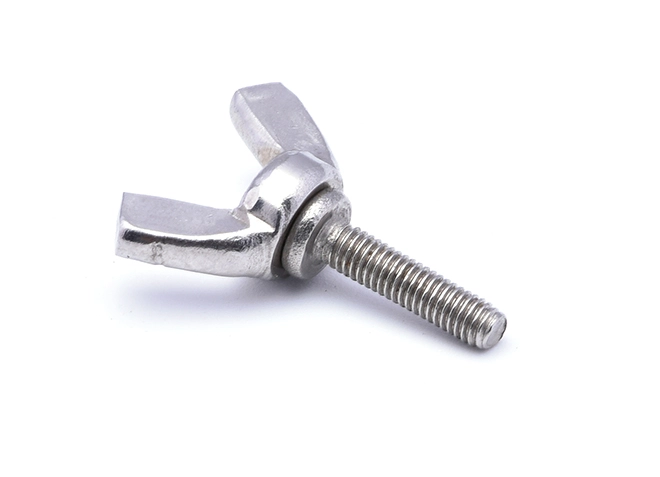 Butterfly Screw
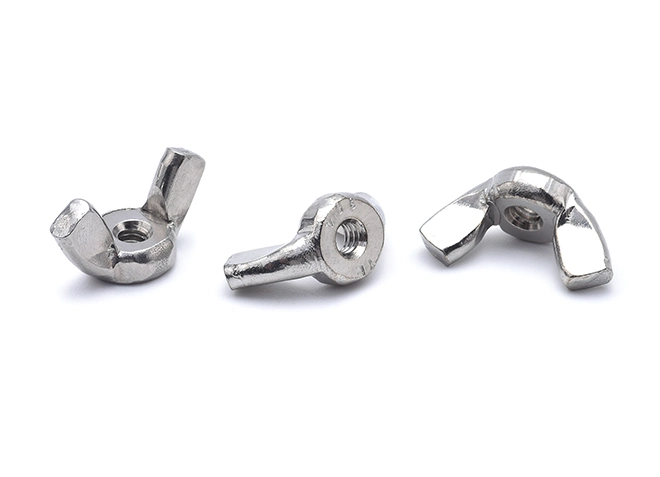 American Standard Butterfly Nut
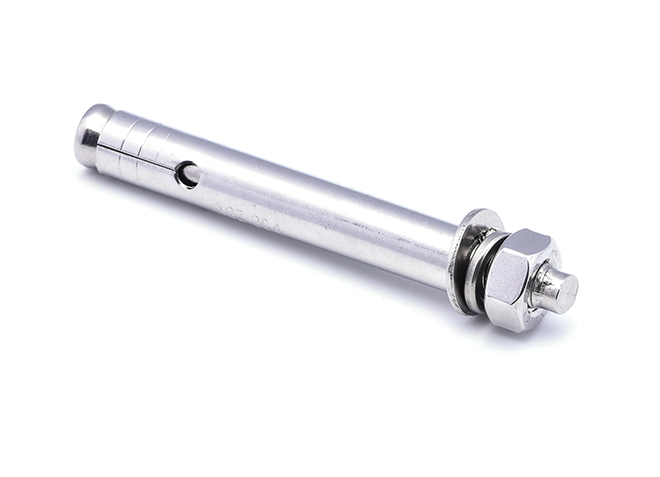 Expansion Screw
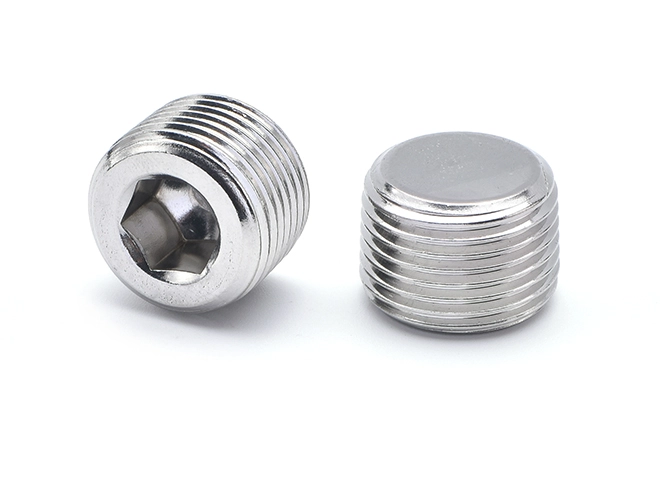 Plug Screw
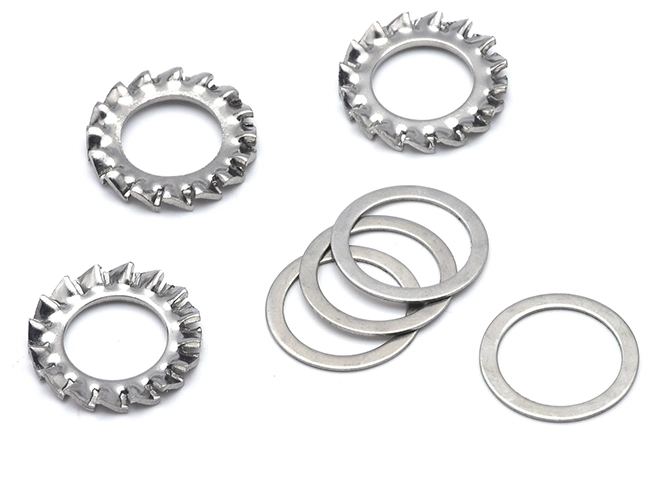 Stainless Steel Washer
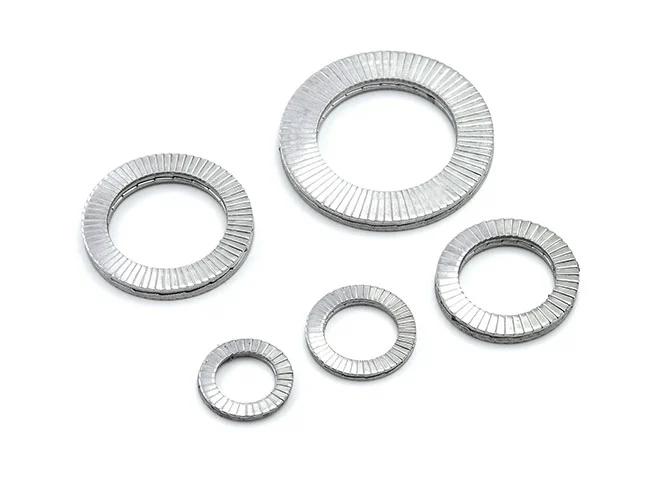 Double Overlap Anti-Loosening Washers
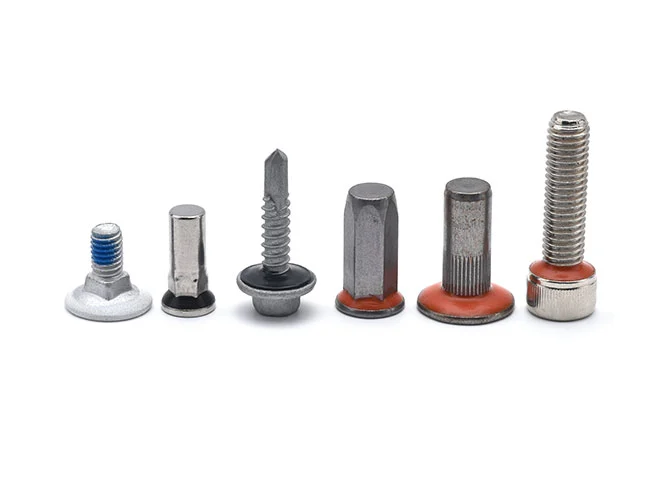 Waterproof and Anti-Drop Screws
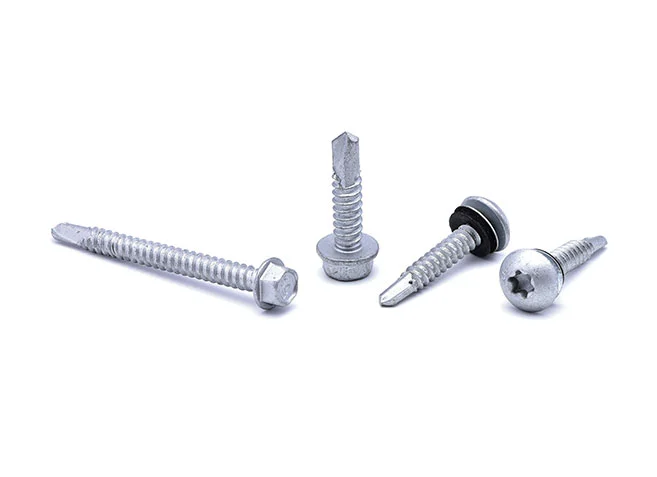 Super Corrosion-Resistant Screws
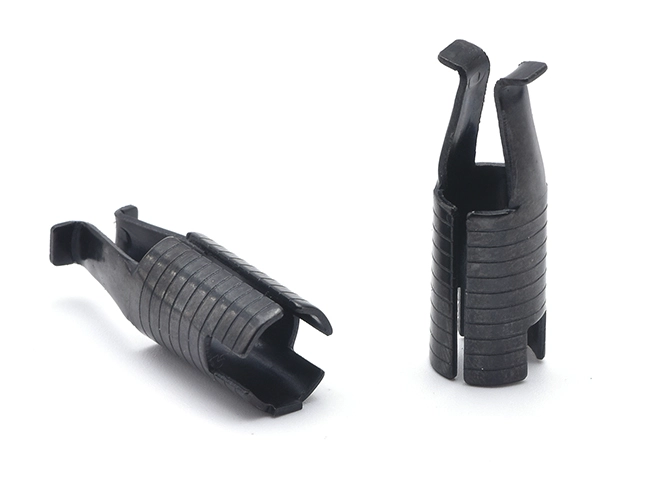 65Mn Material Furniture Connector
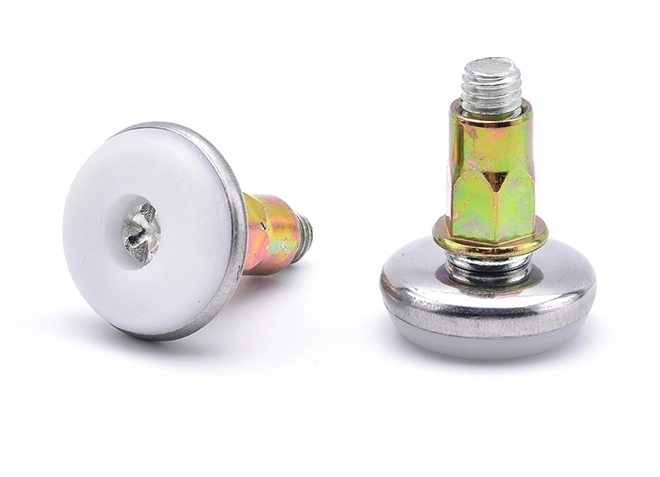 Counter Table Base
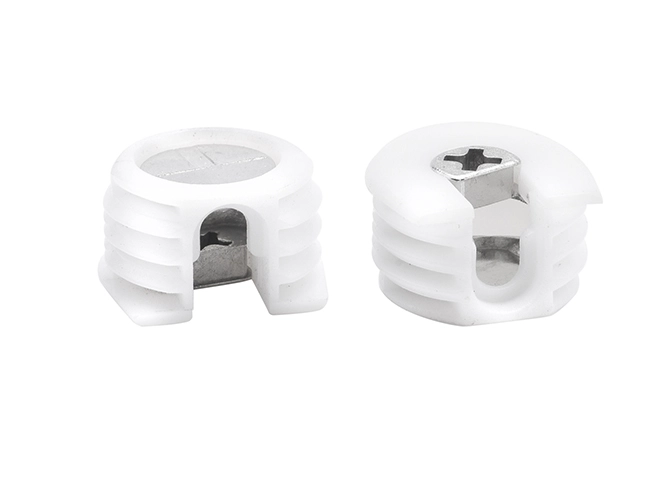 Furniture Connector Nut with Plastic Sleeve
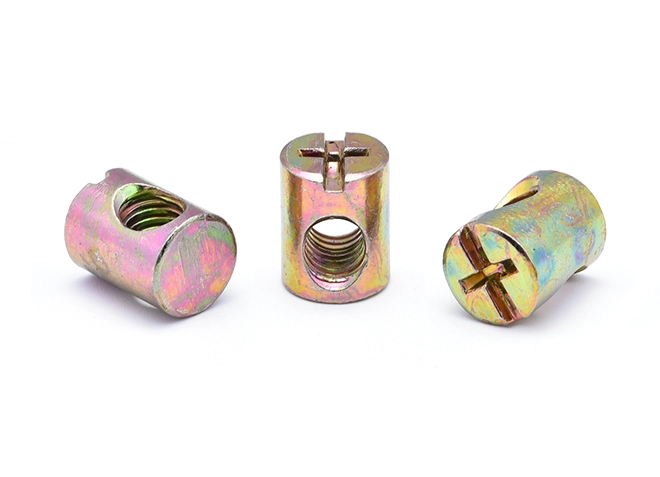 Furniture Horizontal Hole Nut
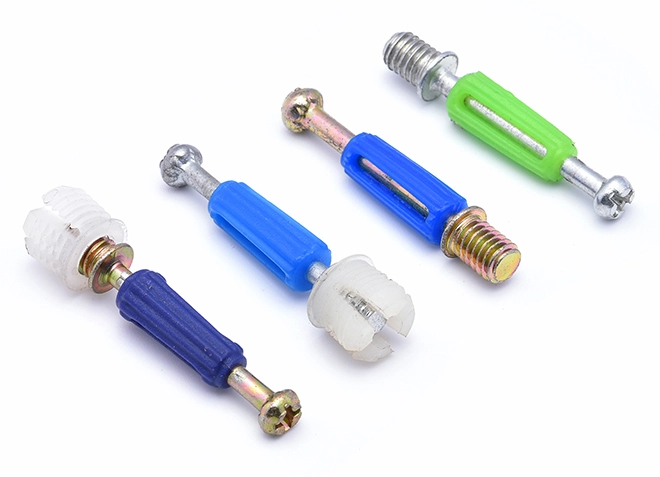 Furniture Connecting Screw
 Furniture Connecting Nut Seat
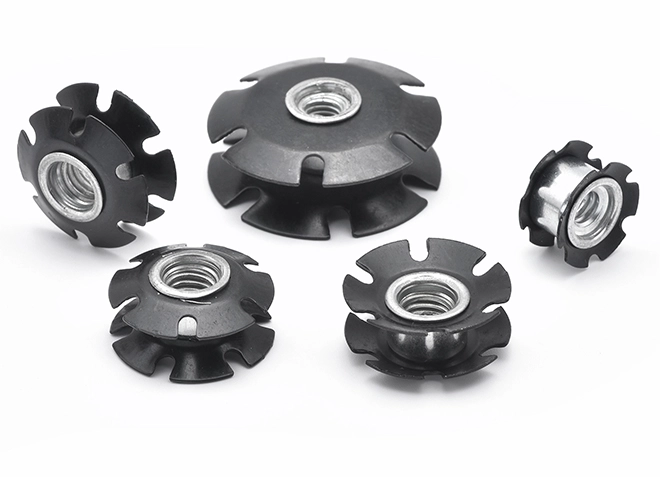 Double Stack Wheels Used On Furniture
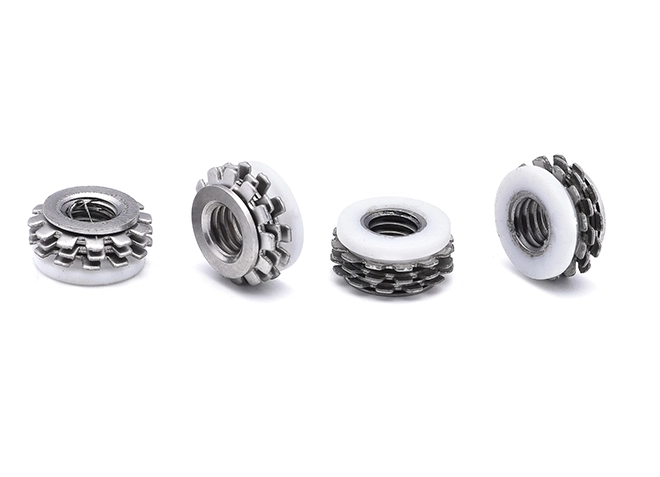 Components Used On Furniture
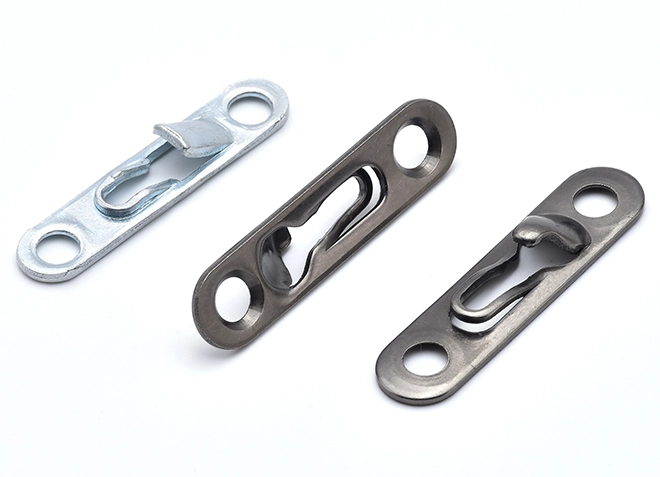 Connection Buckle
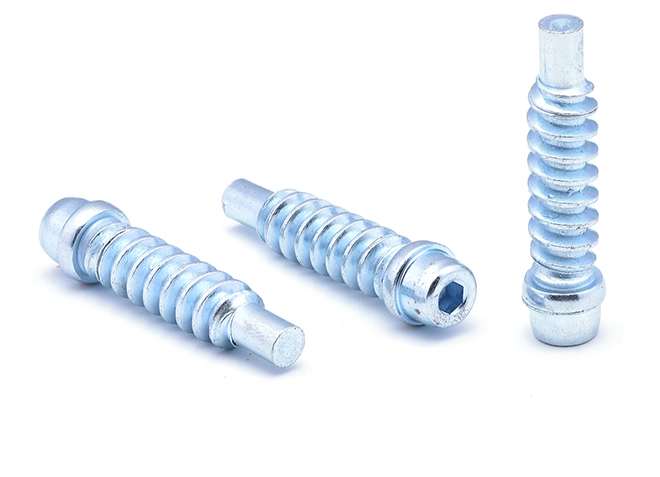 Internal Hexagonal Spiral Screw
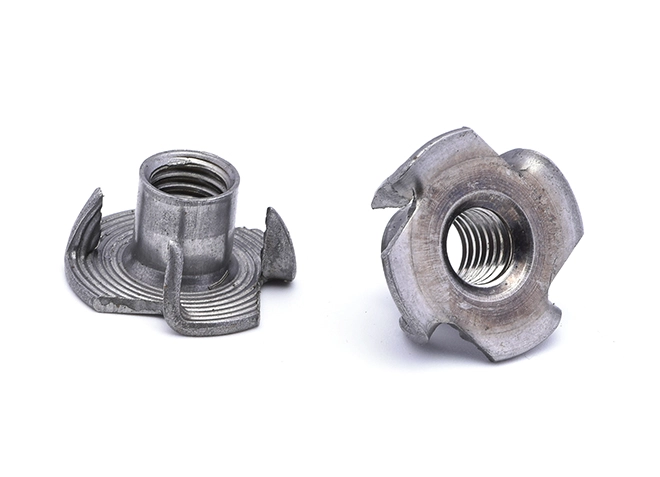 Iron Colored Carbon Steel Four Claw Nut
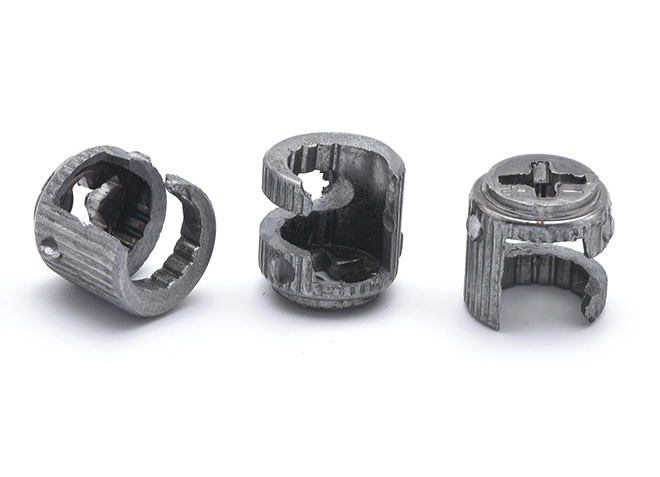 Iron Furniture Three Combination Nut Seat
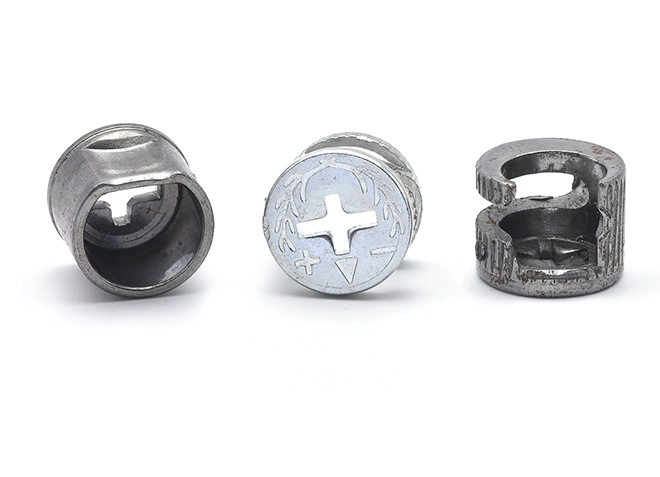 Iron and Zinc Alloy Furniture Three Combination Nut Seat
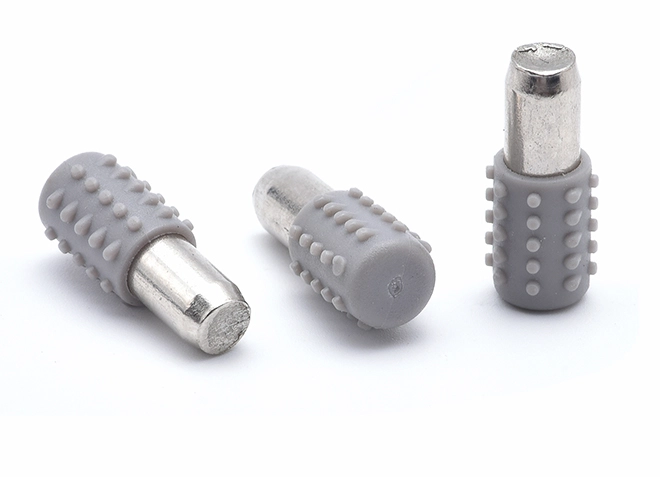 Dowel Pin+ Gray Elephant Rubber Sleeve
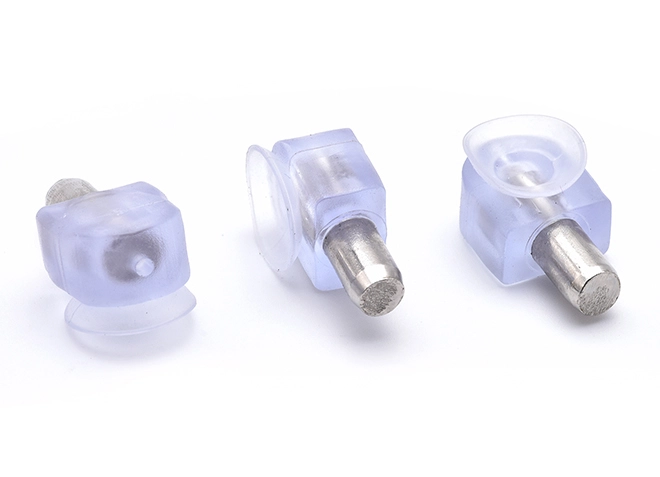 Dowel Pin+ Transparent Elephant Rubber Sleeve
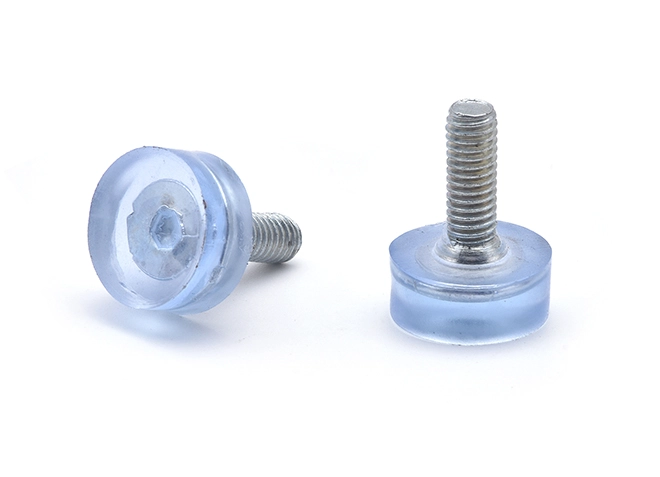 Injection Molded Furniture Foot Pad Screw
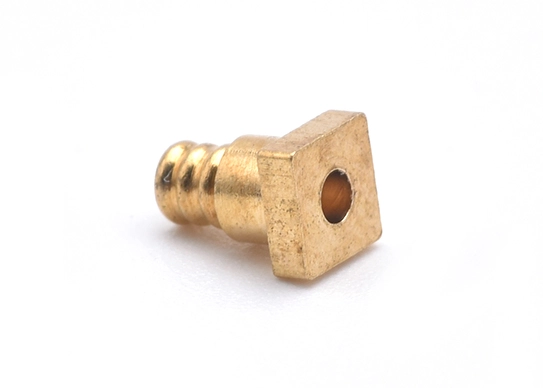
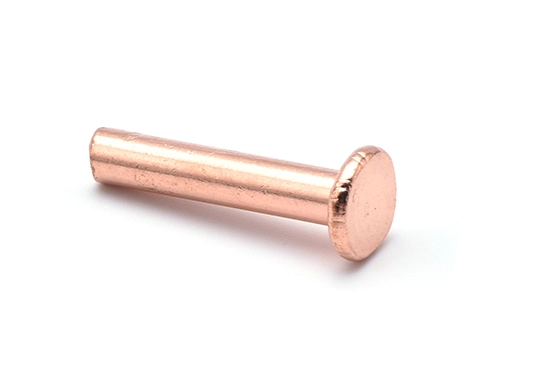
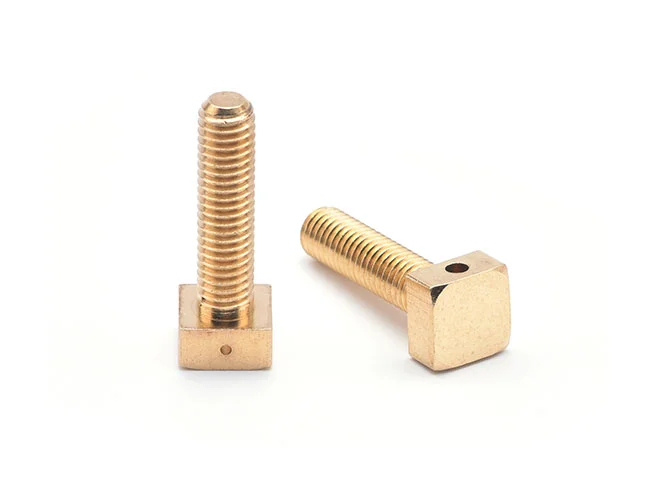
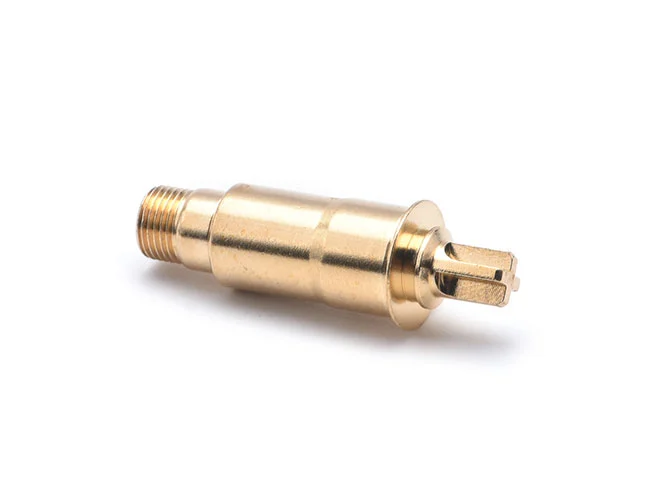
A small copper step screw on a medical device is a specialized fastener used in medical equipment or devices. These screws typically feature a small diameter and a step or shoulder on the shaft, allowing for precise insertion and secure fastening in delicate or compact assemblies.
Corrosion Resistance: Copper is naturally resistant to corrosion and oxidation, which is critical in medical devices exposed to bodily fluids or sterilization processes. This resistance helps maintain the integrity and performance of the screws over time, reducing the risk of device failure.
Biocompatibility: Copper is generally biocompatible, meaning it does not cause adverse reactions when in contact with body tissues. This property is essential for medical devices that come into direct or indirect contact with patients, ensuring that the screws do not trigger allergic reactions or other negative responses.
Precision and Reliability: Small copper step screws are manufactured to high precision, which ensures that they fit securely and function reliably in medical devices. Their precise design helps maintain the device's performance and safety by preventing loose or misaligned components.
Sterilization Compatibility: Copper can withstand various sterilization methods, such as autoclaving, without compromising its structural integrity. This compatibility ensures that the screws can be effectively sterilized before use, minimizing the risk of infection.
Durability: Copper's malleability and strength make it durable and able to withstand the mechanical stresses encountered in medical devices. This durability ensures that the screws remain securely fastened, which is crucial for the proper functioning of the device.
Low Magnetic Interference: Copper's non-magnetic properties are beneficial in medical devices that use magnetic imaging or require low magnetic interference, such as MRI-compatible devices. This helps prevent any disruption to diagnostic imaging or device functionality.
aaron18129983931@gmail.com