English
  日本語
日本語  한국어
한국어  français
  Deutsch
  Español
  italiano
  русский
  português
  العربية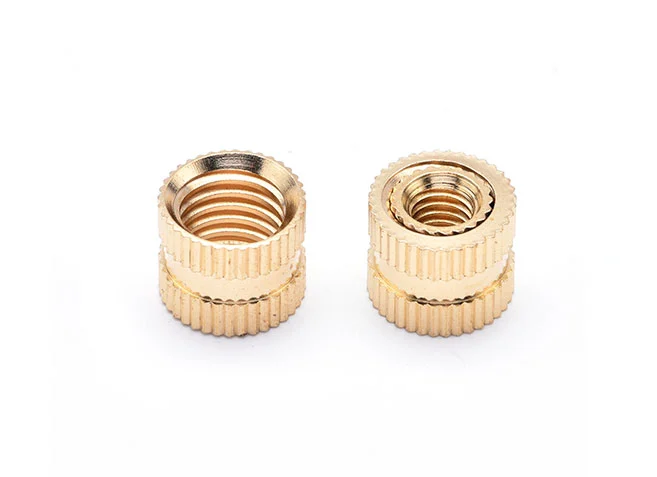
Phone:
+86-0769-87561578Aaron: +86-18129983931
Max: +86-18922922459


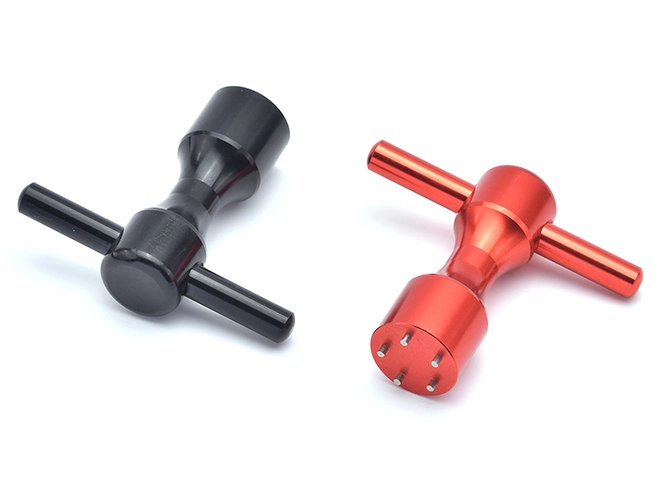 New Type Switchgear
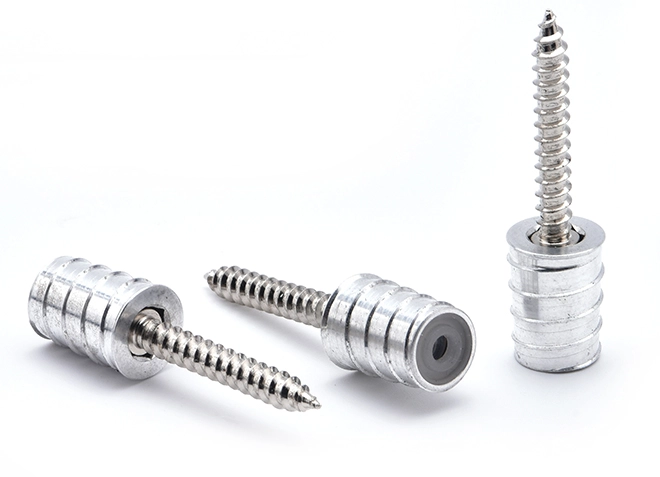 Anti-loose Easy Disassembly Nut Pillar (New Furniture Connector)
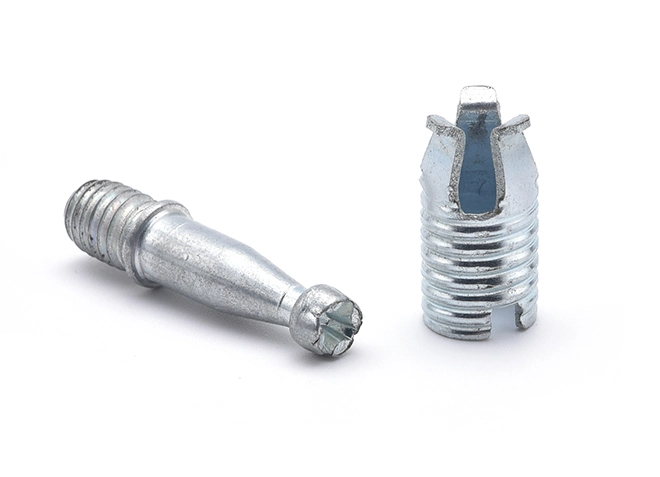 Furniture Simple Assembly and Disassembly Connector
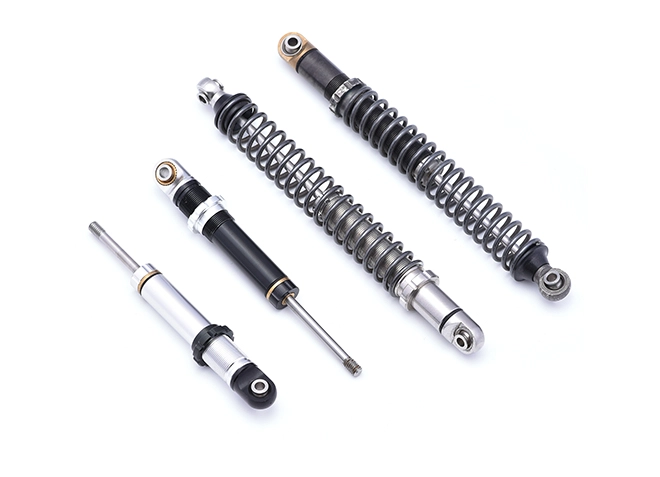 Micro Vibration Absorber
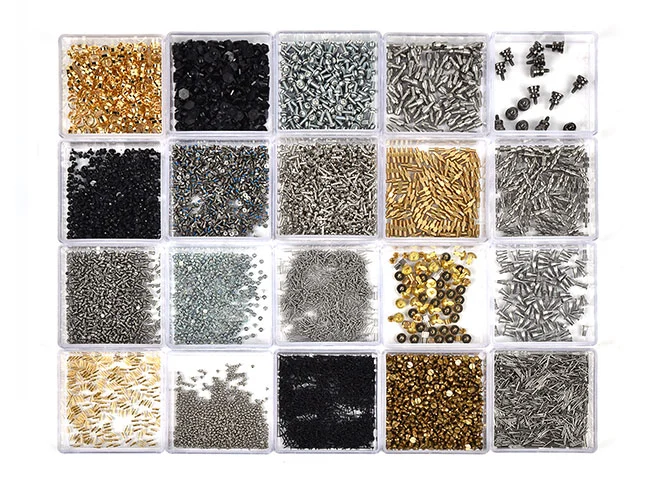 Micro Screws
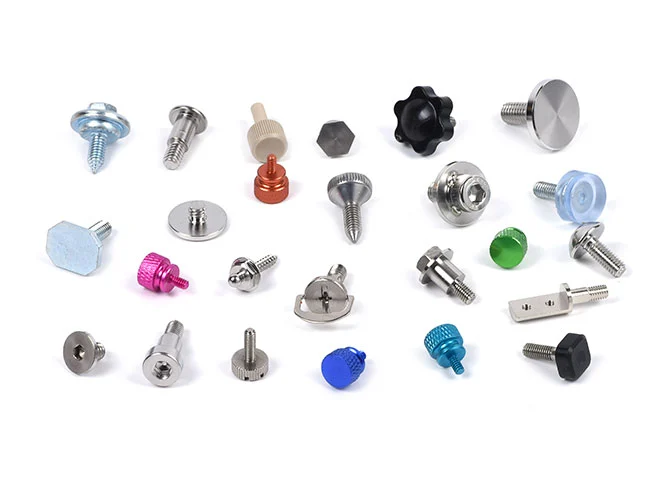 Big Head Screws
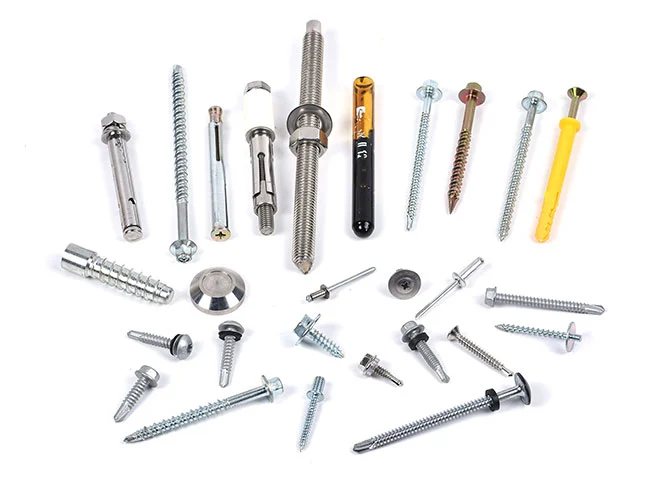 Construction Screws
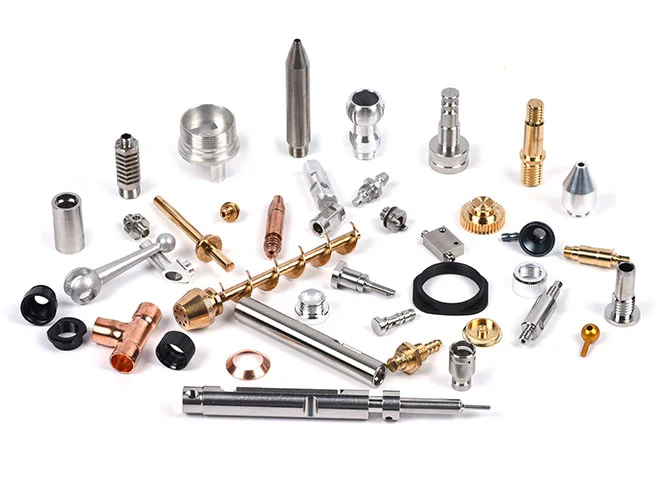 CNC Lathe Machining Parts
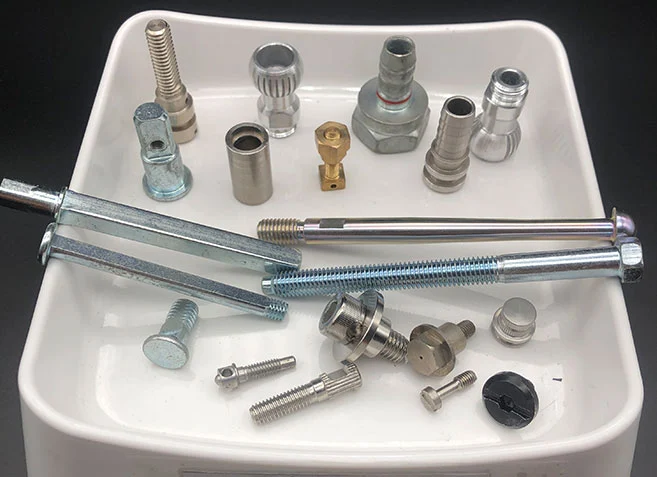 Cold Forged and Undergo Secondary Processing Products
 Multi Station Cold Heading Screws
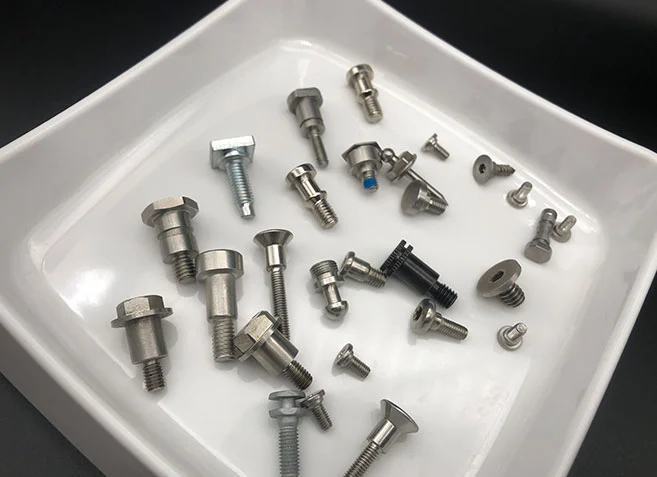 Step Screw
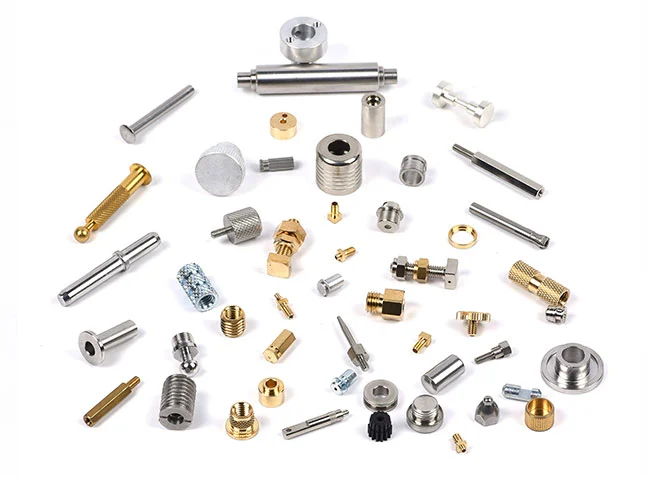 Automatic Lathe Machining Parts
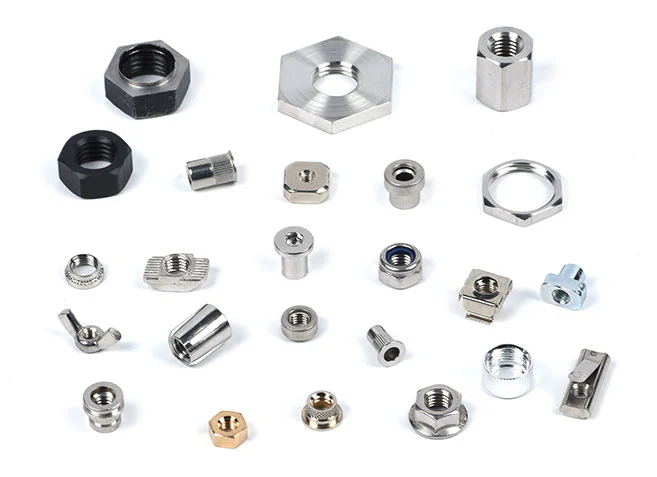 High Difficulty Challenge Cold Heading Fasteners
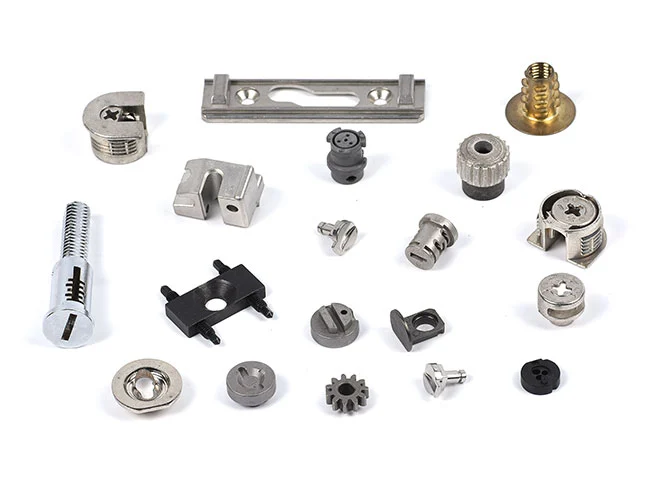 New Tech Fasteners
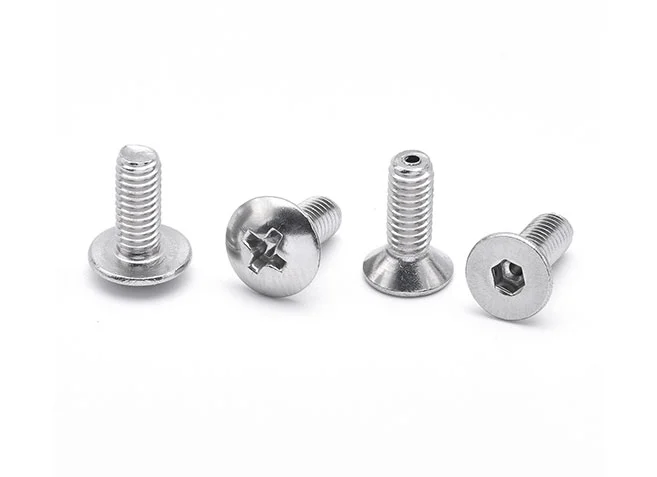 Machine Screws
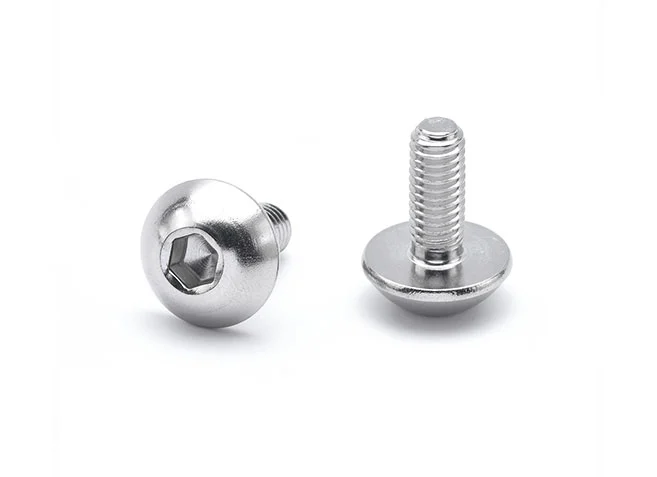 Socket Cap Screws
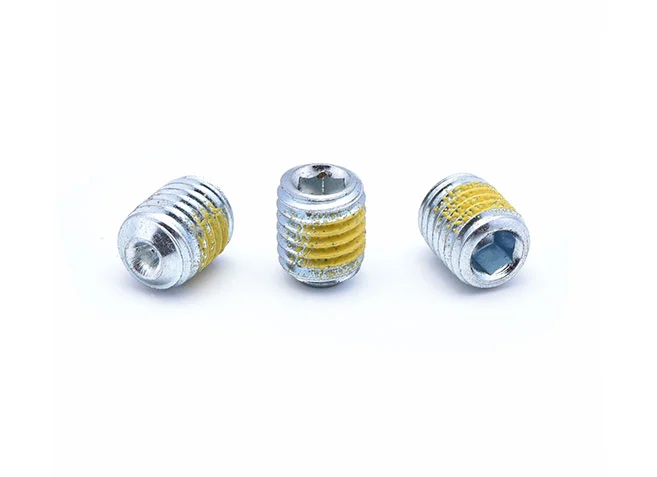 Hexagon Socket Set Screws
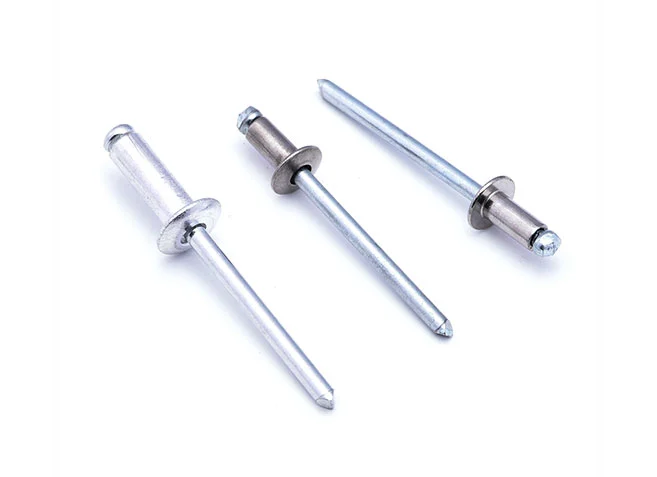 Pull Out Rivet
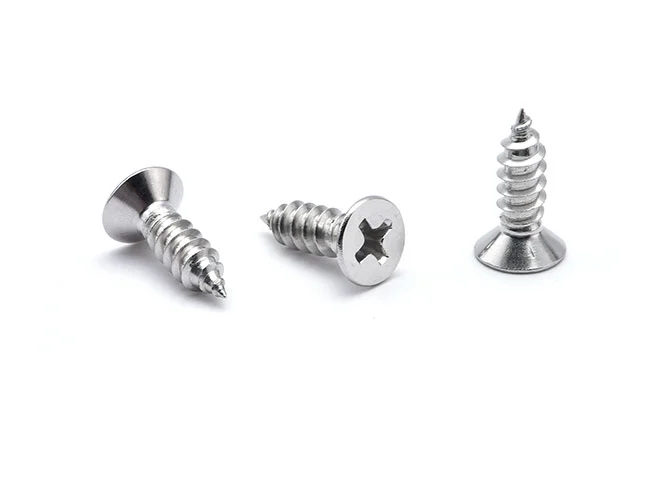 Self Tapping Screws
 Hex Bolts
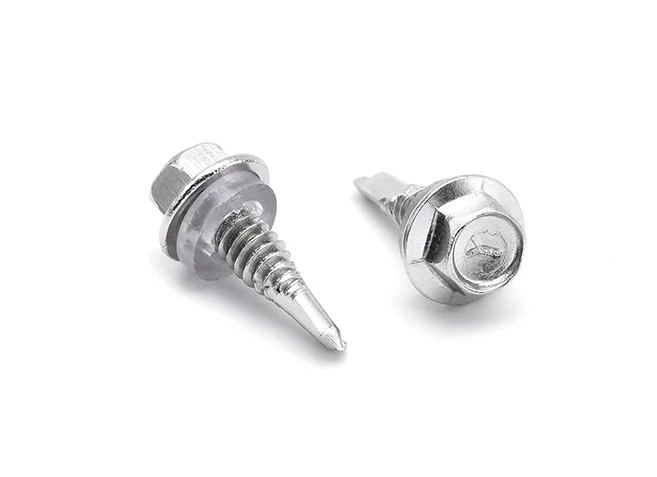 Self Drilling Screws
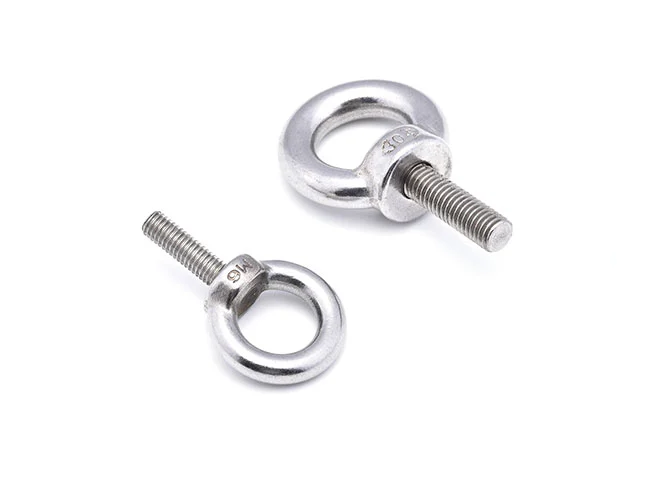 Eye Bolts
 U-bolts
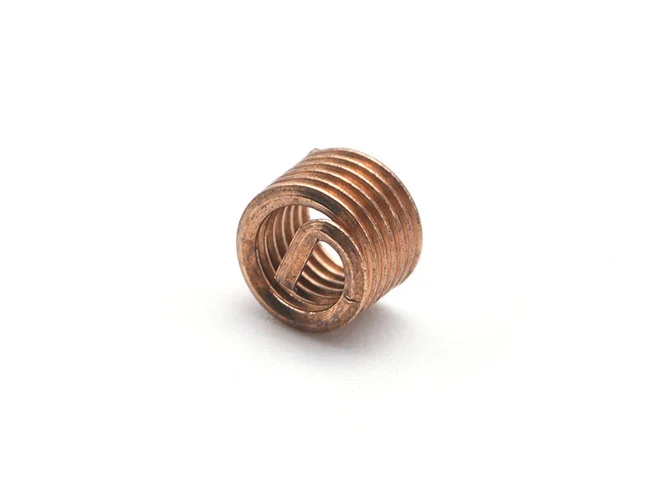 Threaded Sheath
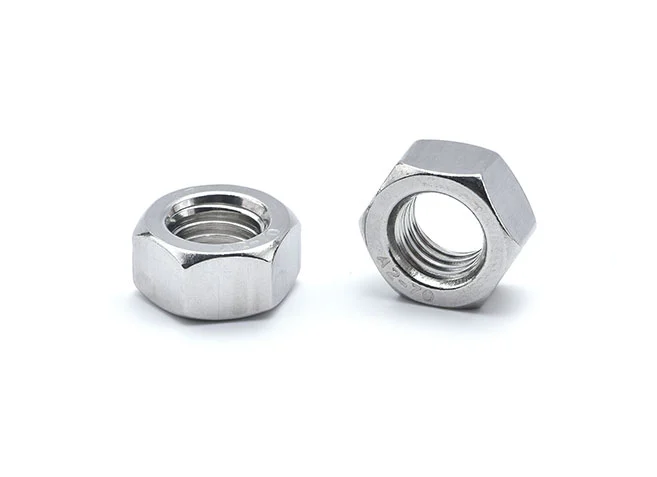 Hex Nut
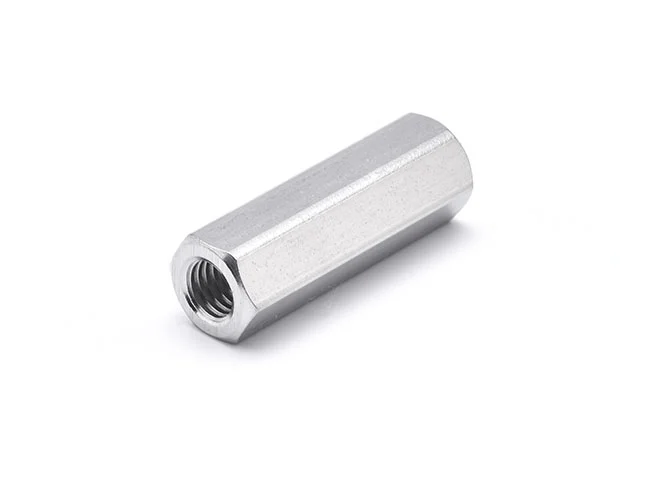 Hex Long Nut
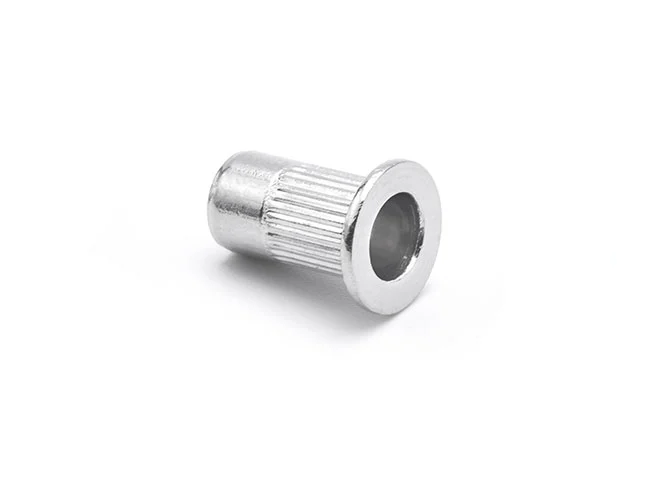 Pull Rivet Nut
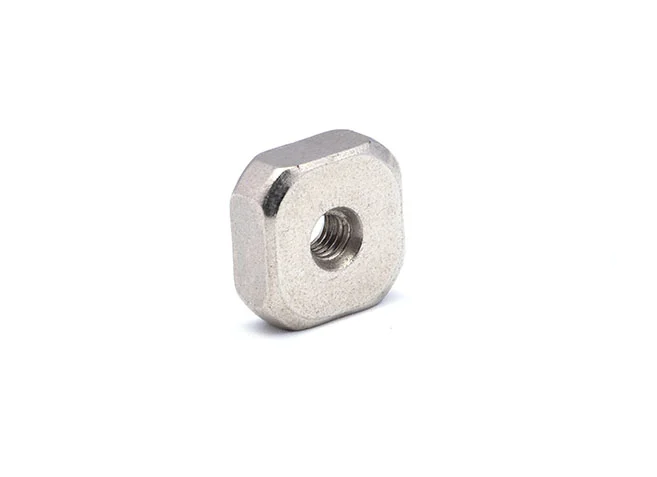 Square Nuts
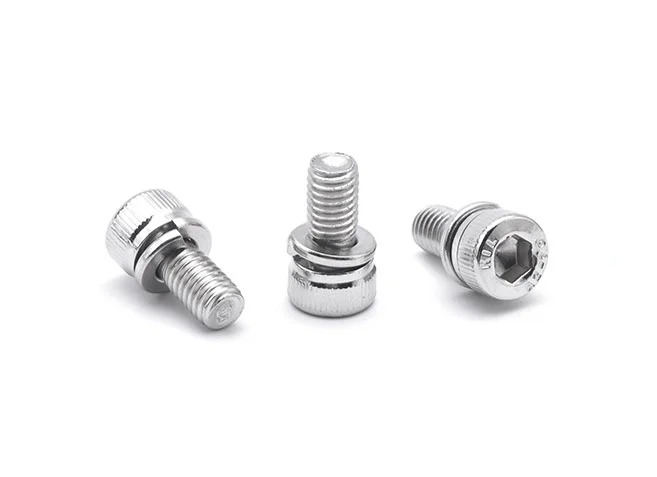 Combination Screws
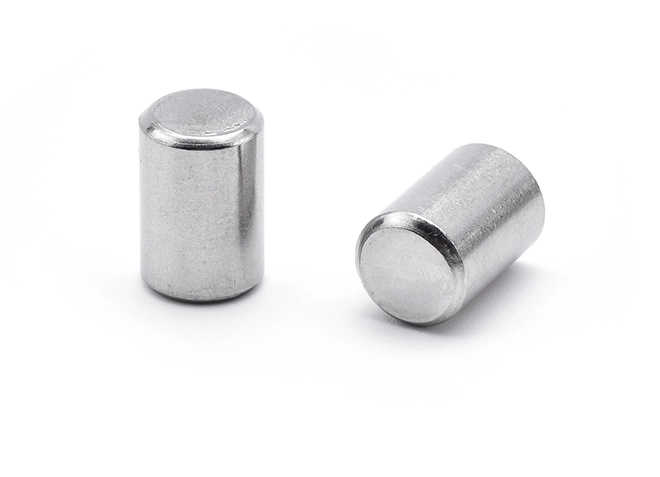 Pin
Pin
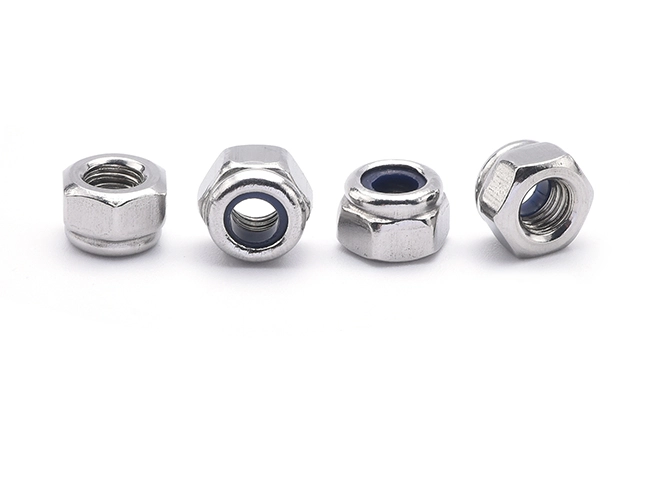 Nylon Locking Nuts
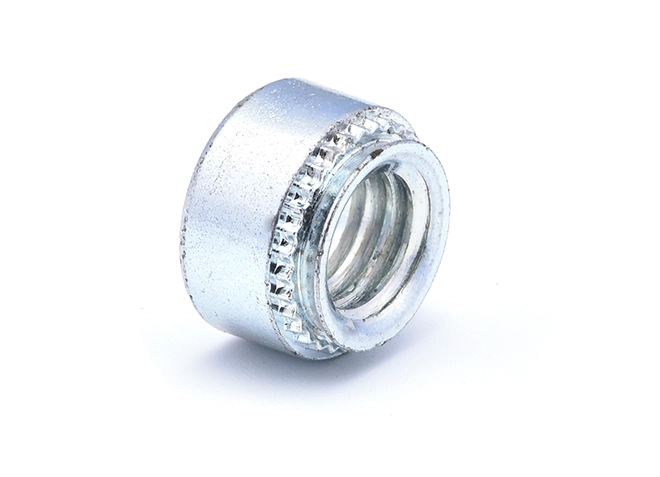 Pressure Rivet Nuts
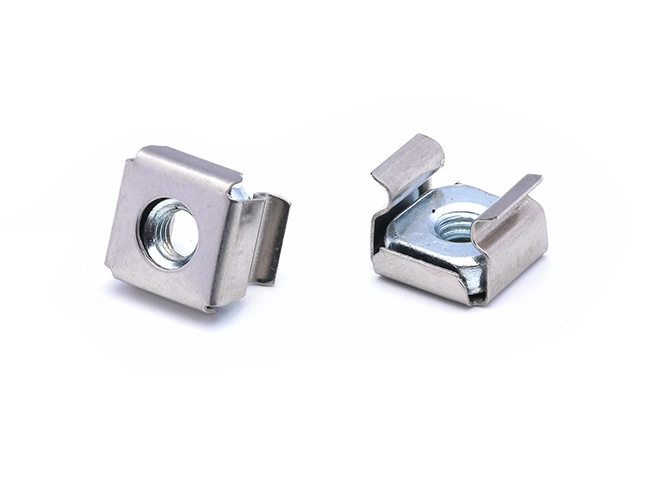 Cage Nut
 Welding Screws
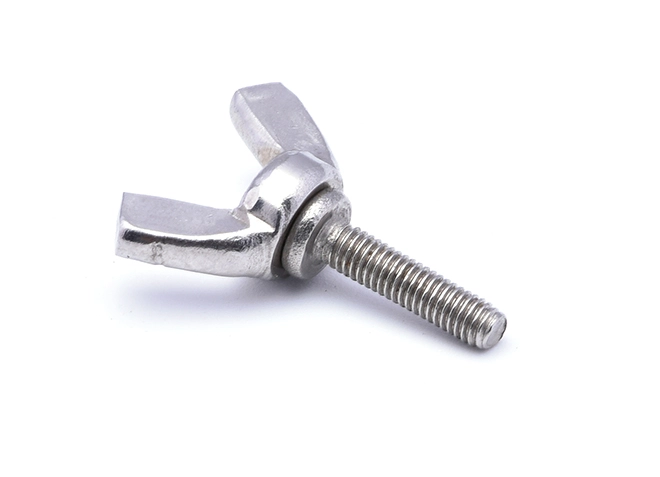 Butterfly Screw
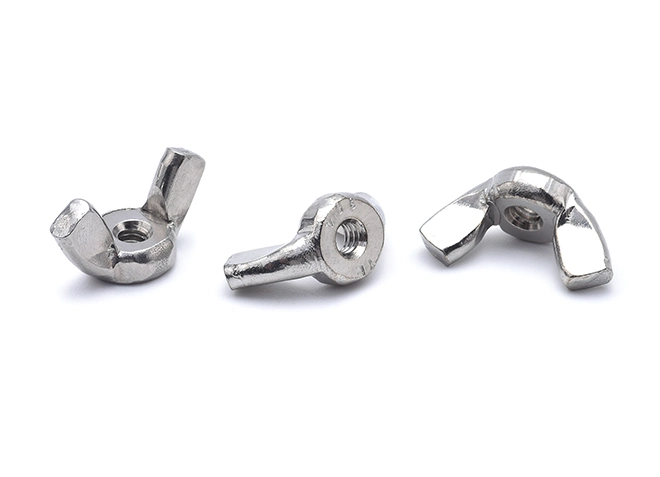 American Standard Butterfly Nut
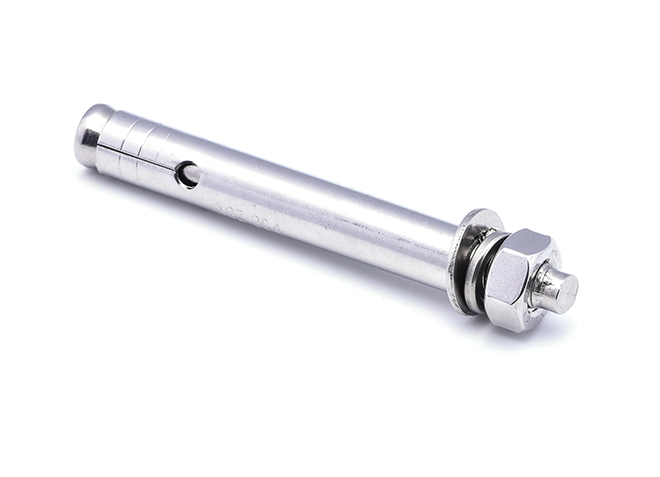 Expansion Screw
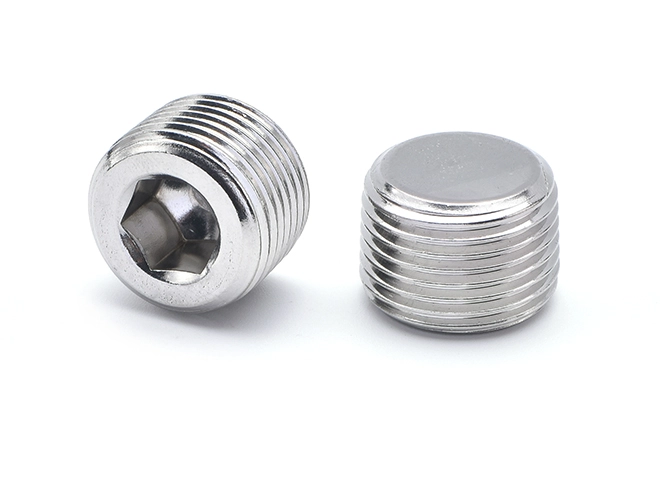 Plug Screw
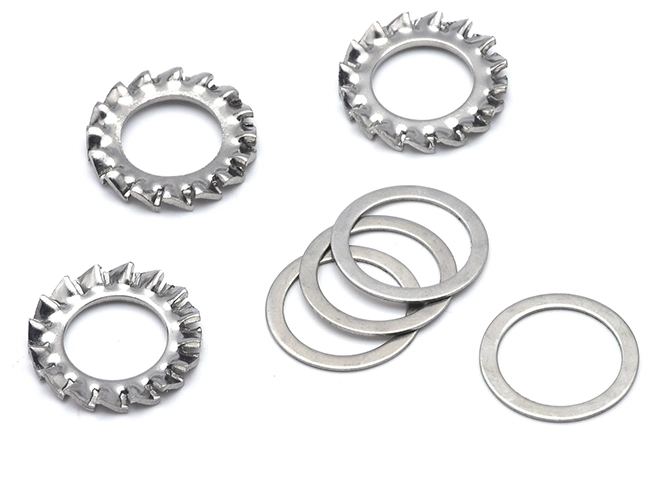 Stainless Steel Washer
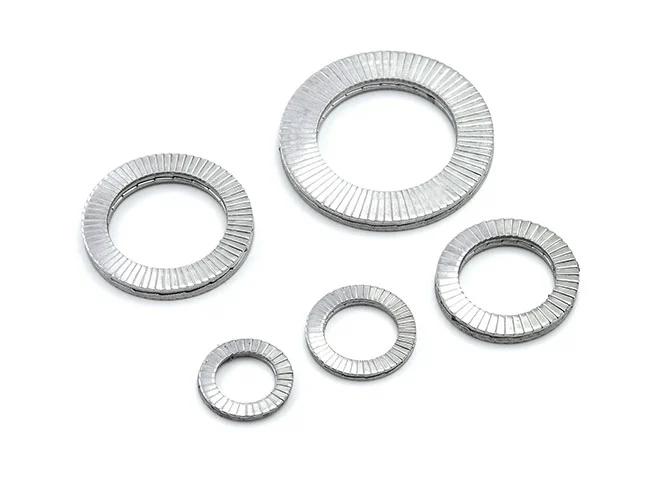 Double Overlap Anti-Loosening Washers
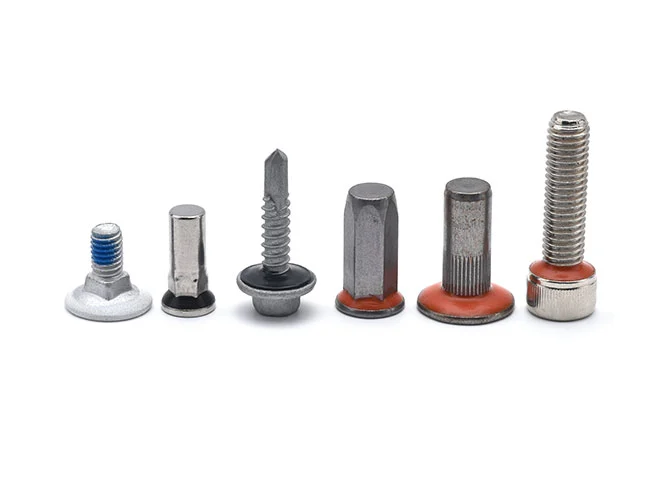 Waterproof and Anti-Drop Screws
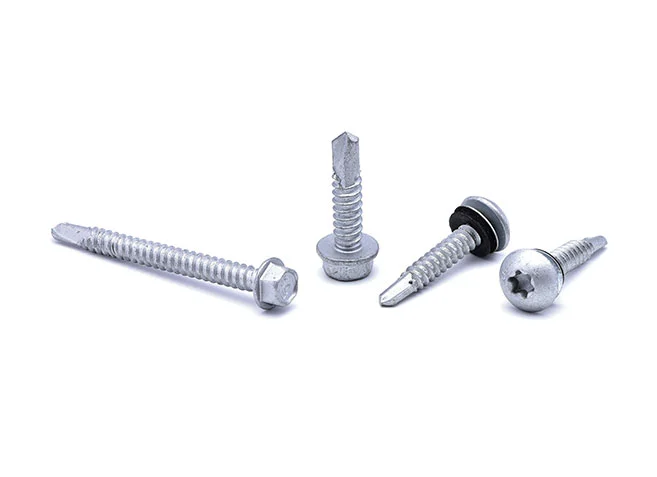 Super Corrosion-Resistant Screws
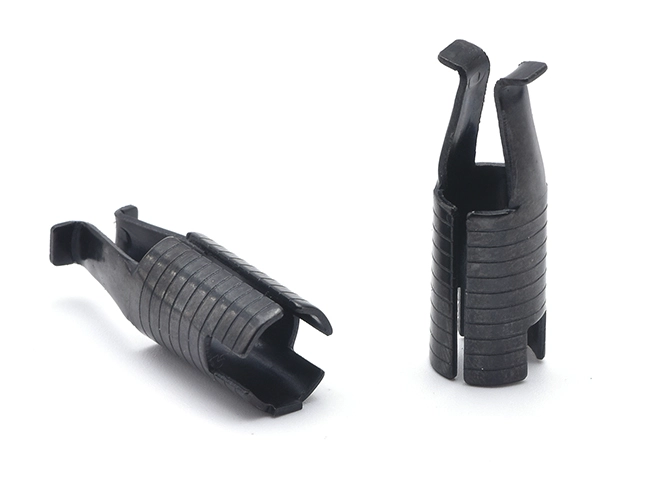 65Mn Material Furniture Connector
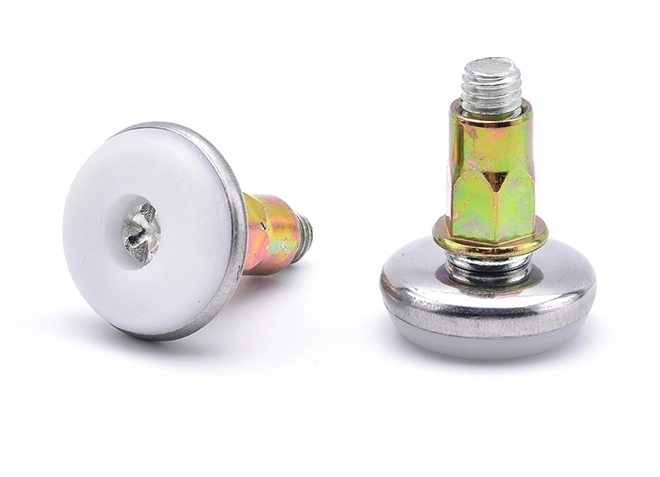 Counter Table Base
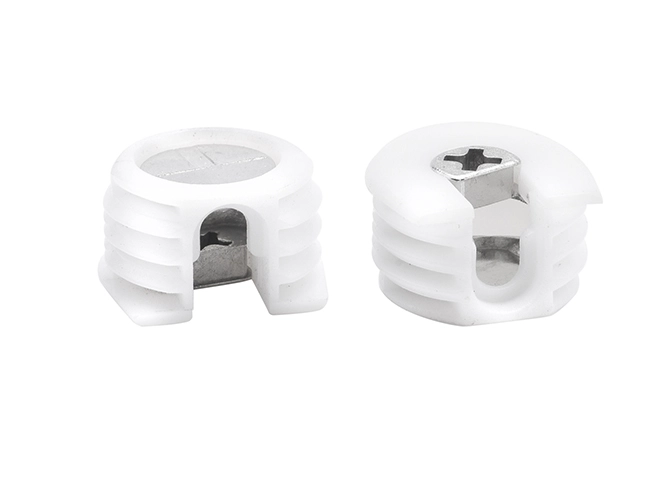 Furniture Connector Nut with Plastic Sleeve
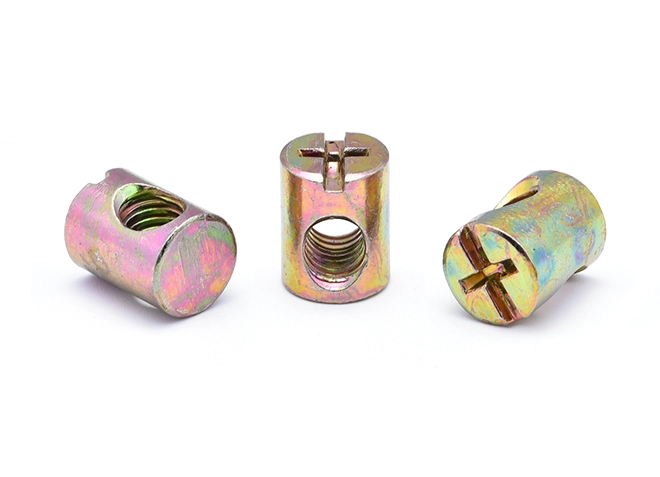 Furniture Horizontal Hole Nut
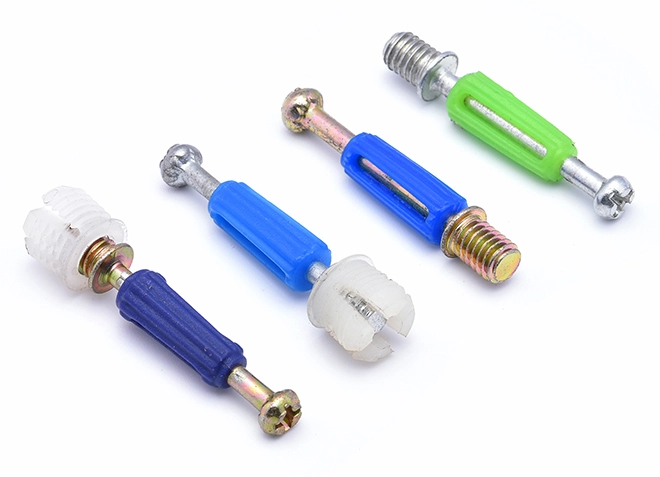 Furniture Connecting Screw
 Furniture Connecting Nut Seat
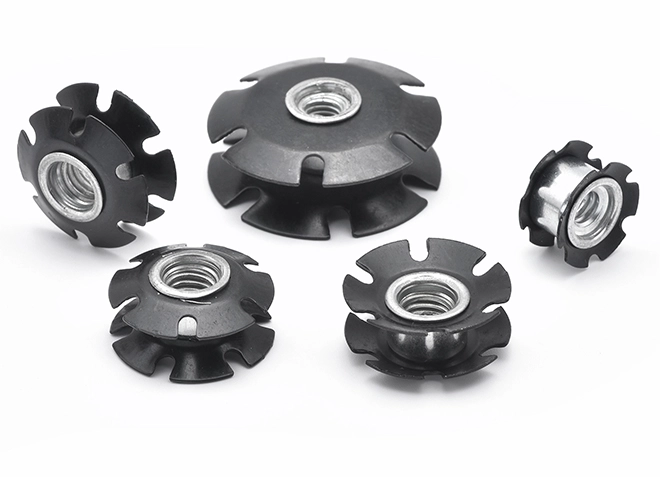 Double Stack Wheels Used On Furniture
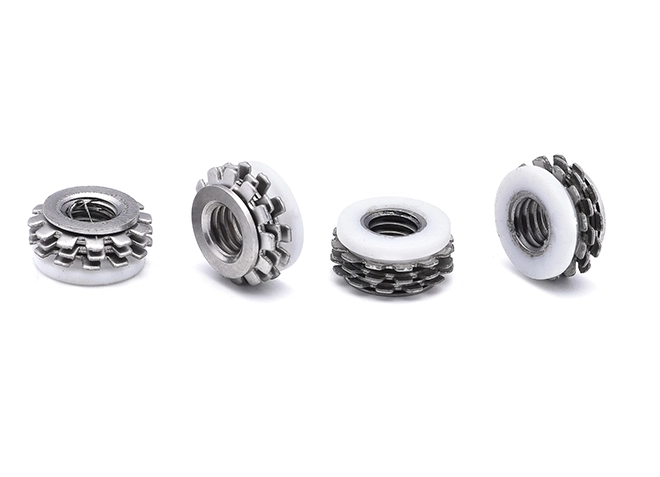 Components Used On Furniture
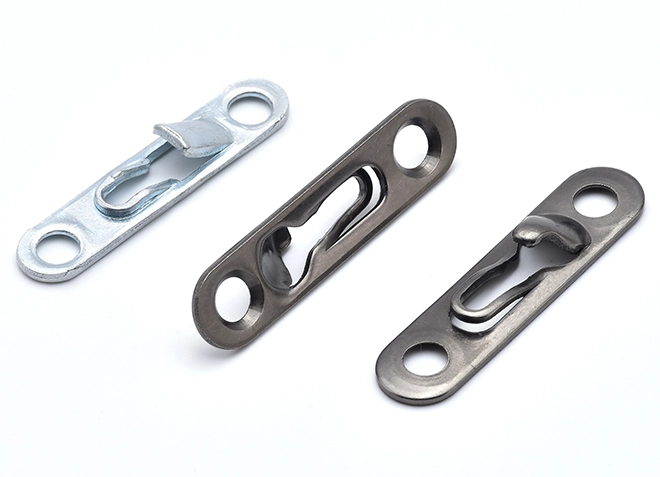 Connection Buckle
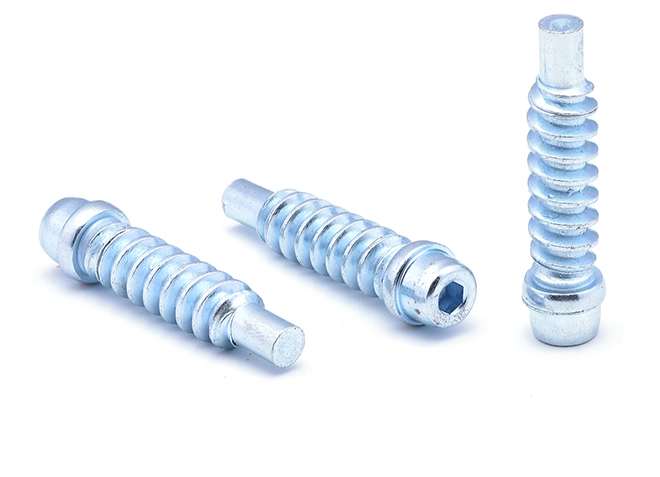 Internal Hexagonal Spiral Screw
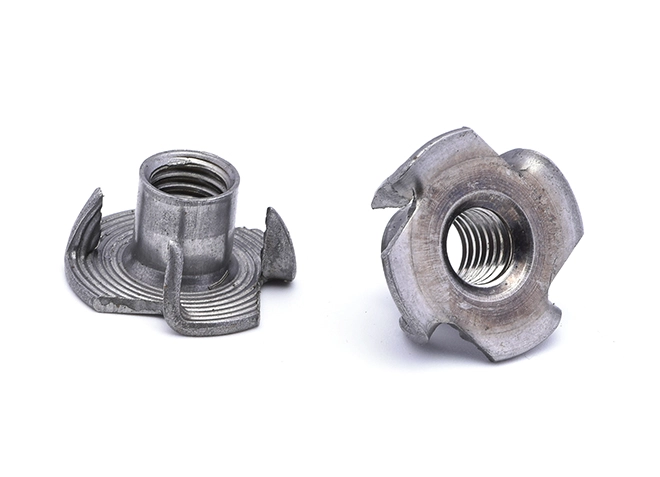 Iron Colored Carbon Steel Four Claw Nut
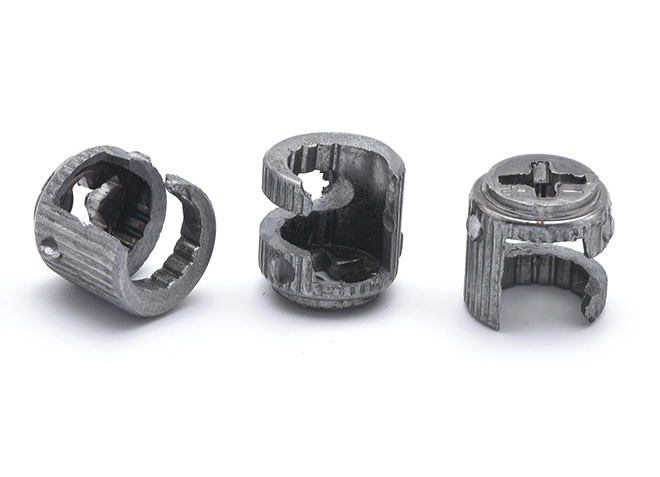 Iron Furniture Three Combination Nut Seat
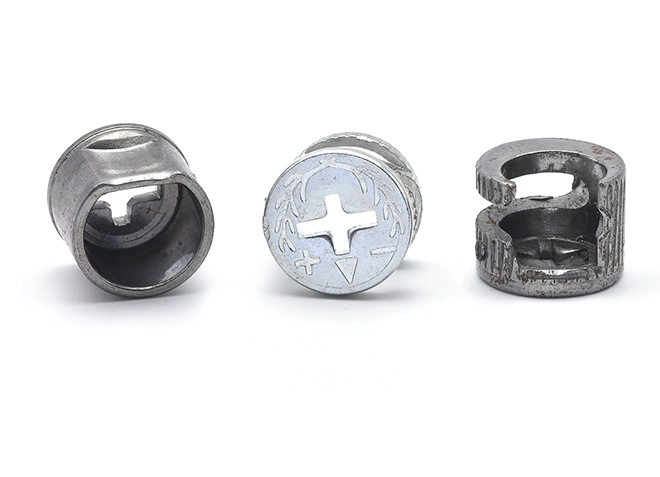 Iron and Zinc Alloy Furniture Three Combination Nut Seat
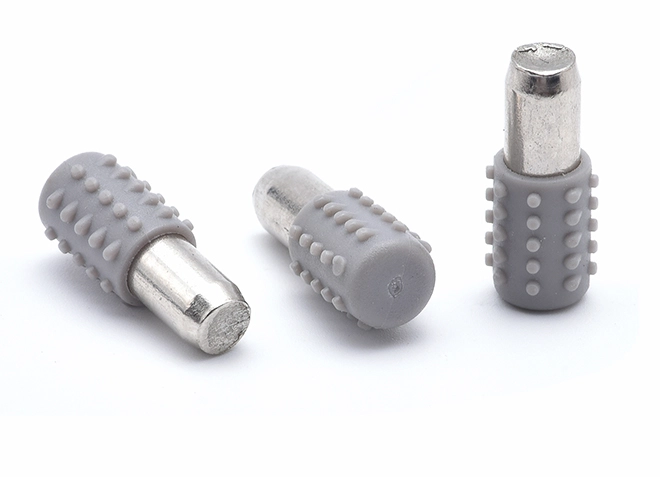 Dowel Pin+ Gray Elephant Rubber Sleeve
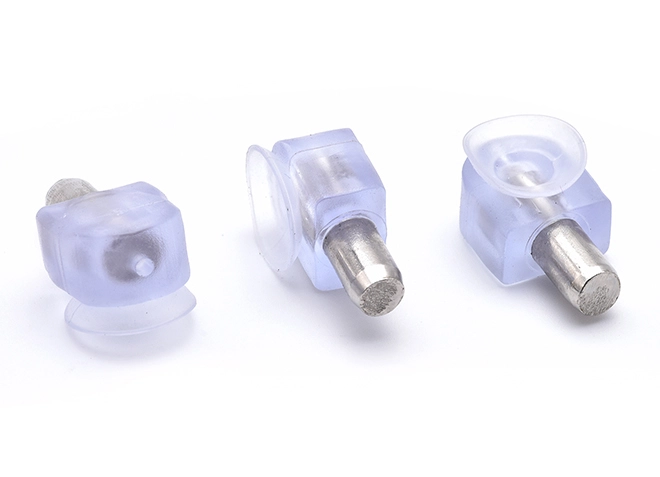 Dowel Pin+ Transparent Elephant Rubber Sleeve
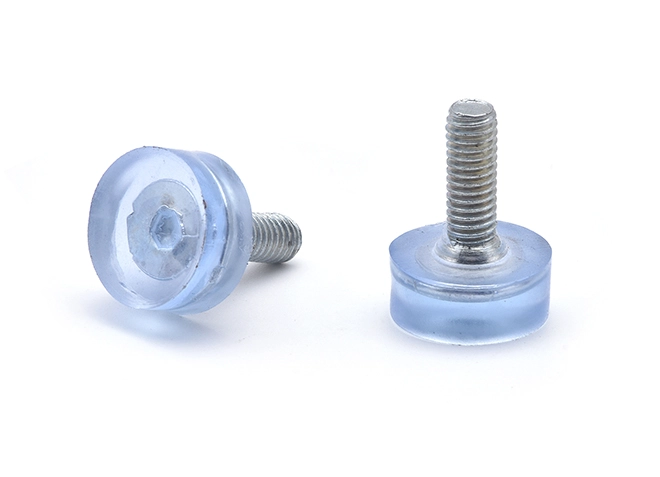 Injection Molded Furniture Foot Pad Screw
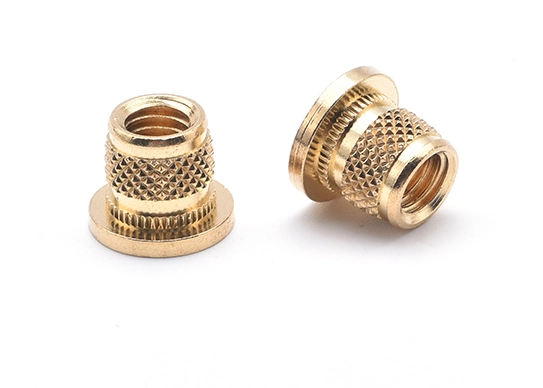
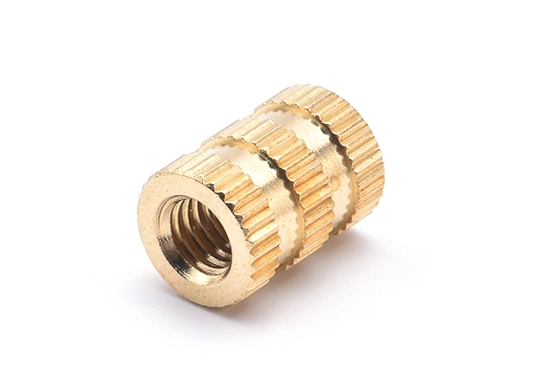
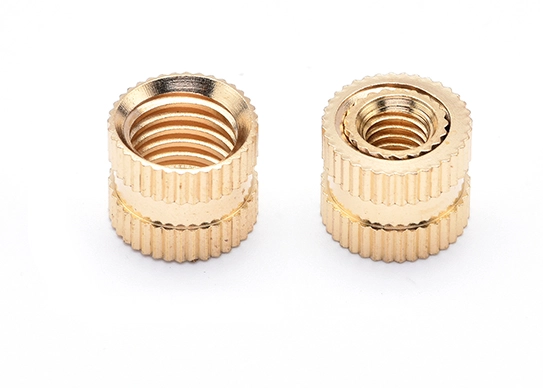
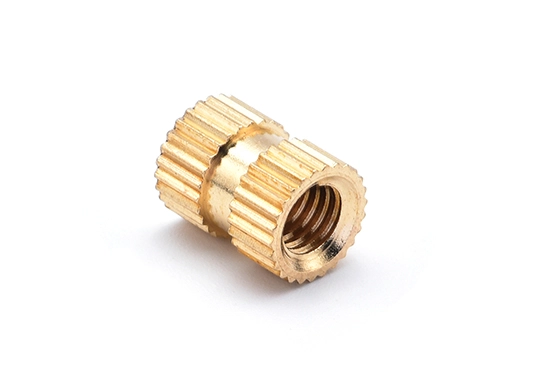
The T-shaped injection molding knurled nut is an innovative fastening component manufactured through injection molding, featuring a T-shaped design with knurled surfaces for enhanced grip. This nut is typically made from durable materials such as plastic or nylon, offering strength and resilience. The T-shaped profile allows for easy installation by hand or with simple tools, while the knurled texture provides additional friction to prevent loosening over time. Commonly used in applications where frequent assembly and disassembly are required, such as in furniture, electronics, or automotive industries, the T-shaped injection molding knurled nut offers a secure and reliable fastening solution with the convenience of tool-free installation.
Design and Prototyping: Develop detailed designs and prototypes using CAD software to ensure the T-shaped knurled nut meets specifications. Create sample parts through rapid prototyping to test fit and functionality before full-scale production.
Material Selection: Choose materials based on strength, durability, and corrosion resistance, such as steel, stainless steel, or aluminum. Conduct material testing to ensure suitability for the manufacturing process and end-use.
Tooling and Die Preparation: Design and fabricate precise tooling and dies for stamping, forging, or machining. High-quality tooling ensures accurate and consistent production of T-shaped knurled nuts.
Manufacturing Process: Use stamping or forging to shape the nuts. Stamping involves pressing metal sheets into shape, while forging involves heating and shaping metal using dies. CNC machining may be used for precise finishing.
Knurling: Apply a knurling process to create a textured grip on the nut’s surface. This involves pressing a pattern into the surface using a knurling tool to enhance grip and handling.
Heat Treatment (if required): Perform heat treatment processes like annealing or hardening to improve the mechanical properties of the nuts, such as strength and hardness, based on the material used.
Surface Finishing: Clean the nuts to remove burrs and residues. Apply surface treatments like plating, anodizing, or powder coating to enhance corrosion resistance and improve appearance.
Quality Control and Packaging: Inspect and test the finished nuts for dimensions, knurling quality, and overall performance. Package the nuts securely to protect them during transit and ensure they arrive in good condition.
aaron18129983931@gmail.com