English
  日本語
日本語  한국어
한국어  français
  Deutsch
  Español
  italiano
  русский
  português
  العربية
Phone:
+86-0769-87561578Aaron: +86-18129983931
Max: +86-18922922459



 New Type Switchgear
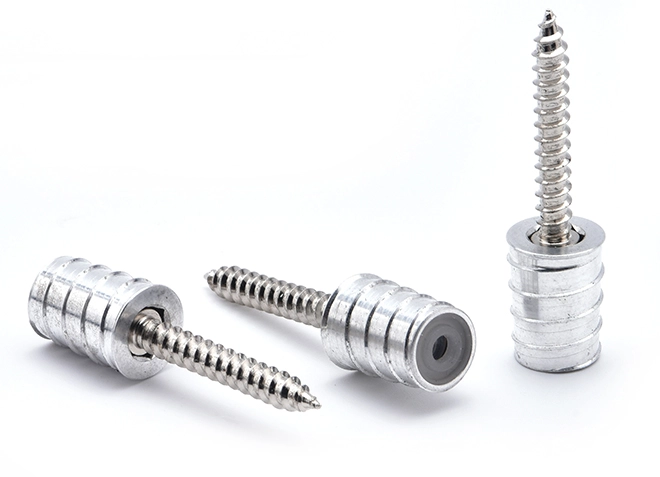 Anti-loose Easy Disassembly Nut Pillar (New Furniture Connector)
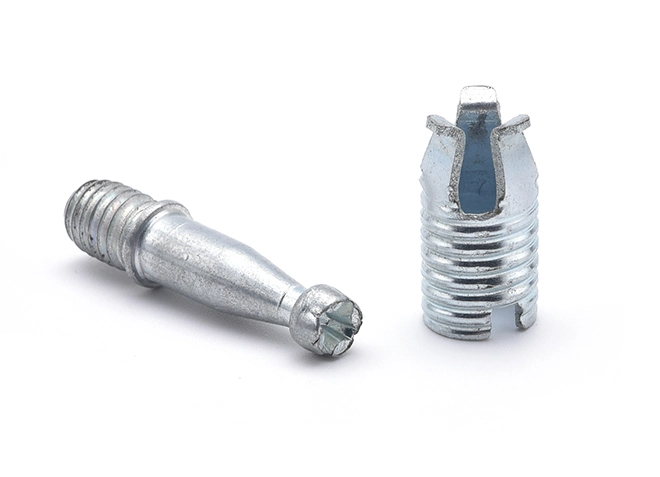 Furniture Simple Assembly and Disassembly Connector
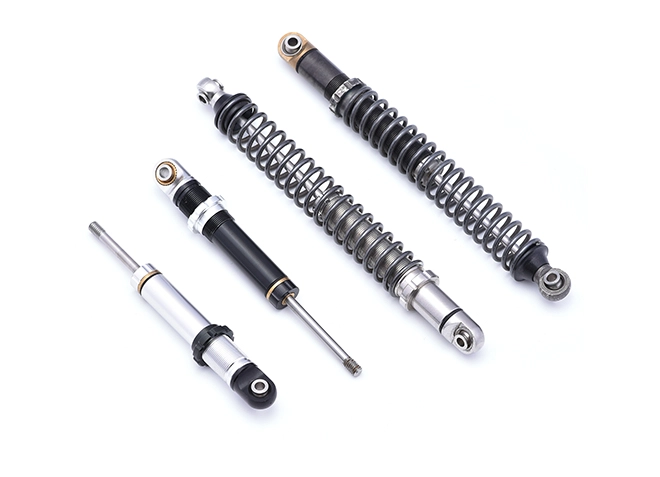 Micro Vibration Absorber
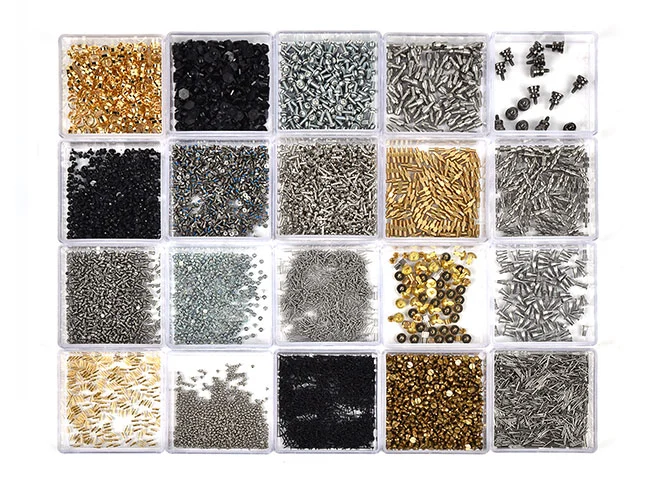 Micro Screws
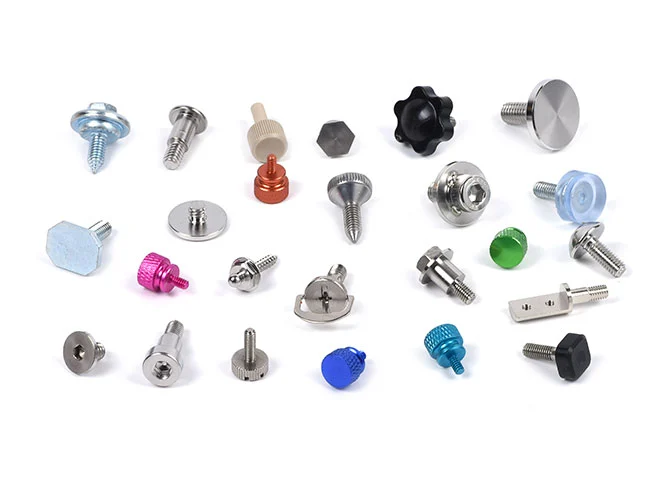 Big Head Screws
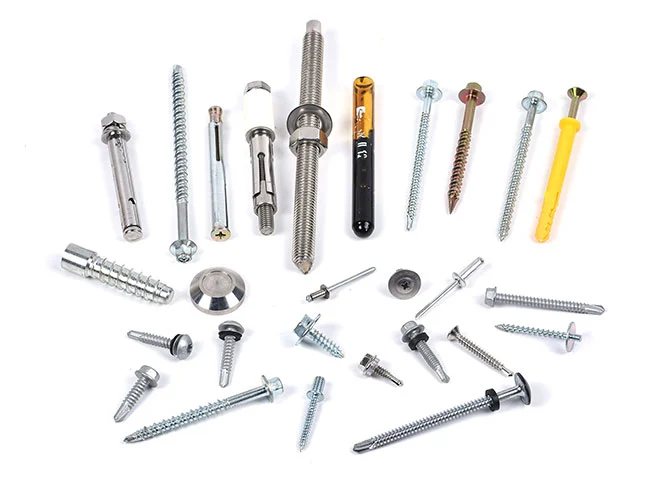 Construction Screws
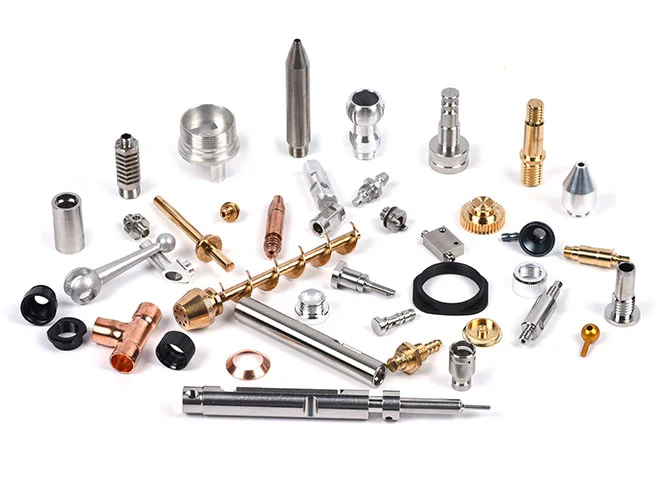 CNC Lathe Machining Parts
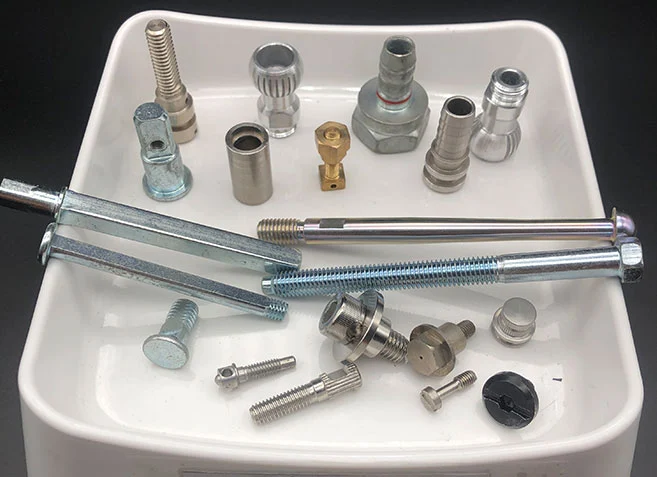 Cold Forged and Undergo Secondary Processing Products
 Multi Station Cold Heading Screws
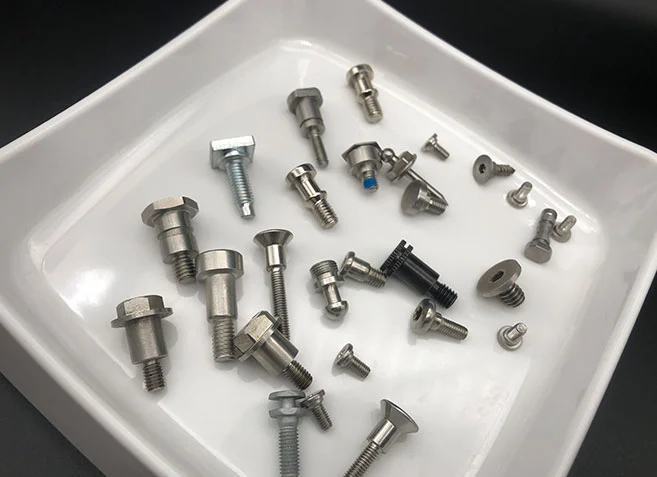 Step Screw
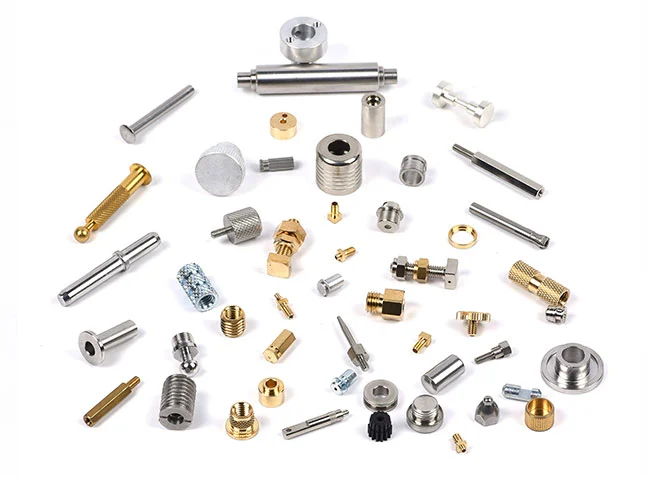 Automatic Lathe Machining Parts
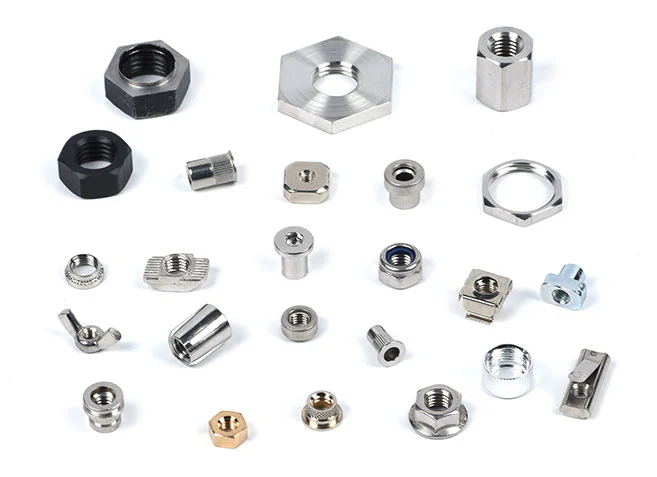 High Difficulty Challenge Cold Heading Fasteners
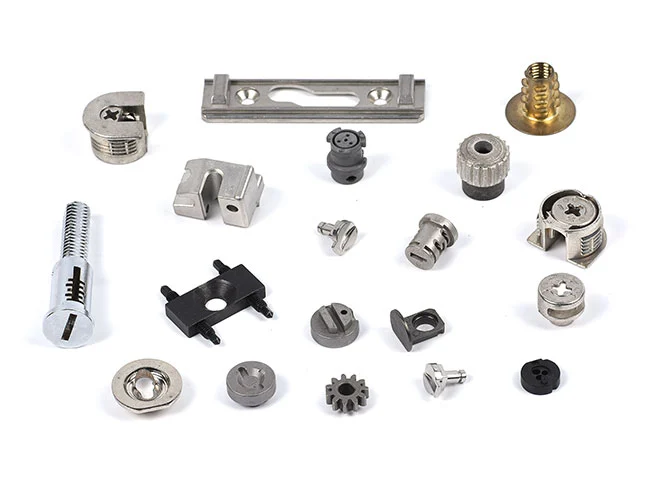 New Tech Fasteners
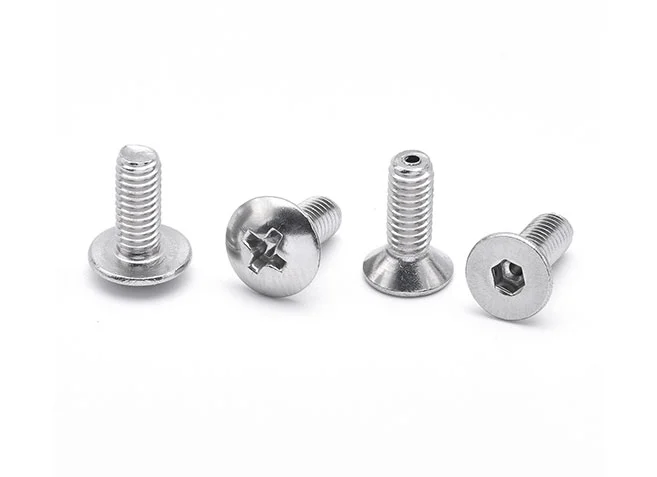 Machine Screws
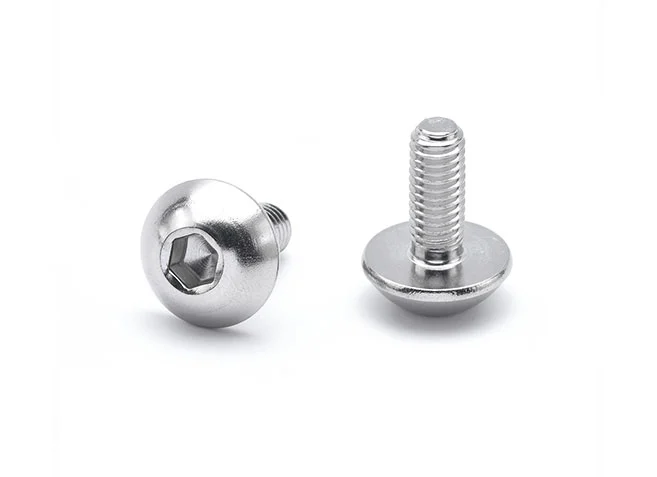 Socket Cap Screws
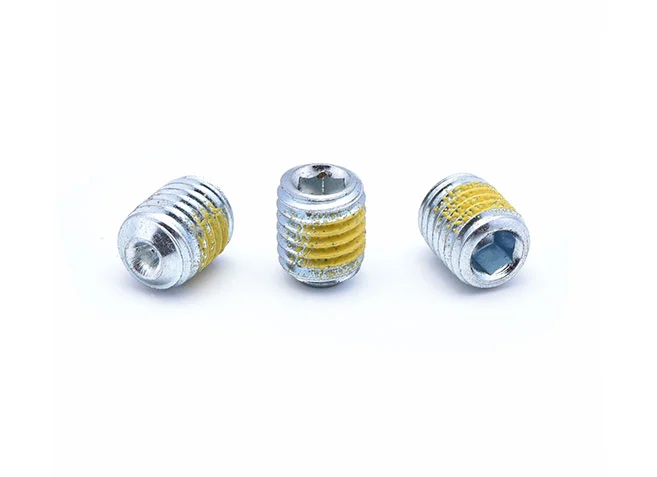 Hexagon Socket Set Screws
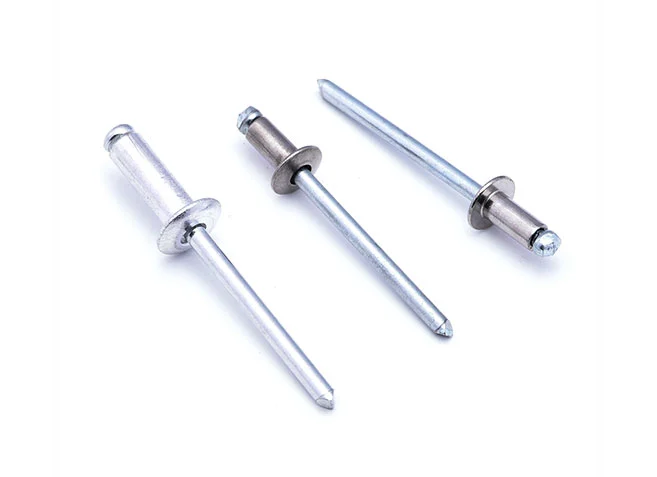 Pull Out Rivet
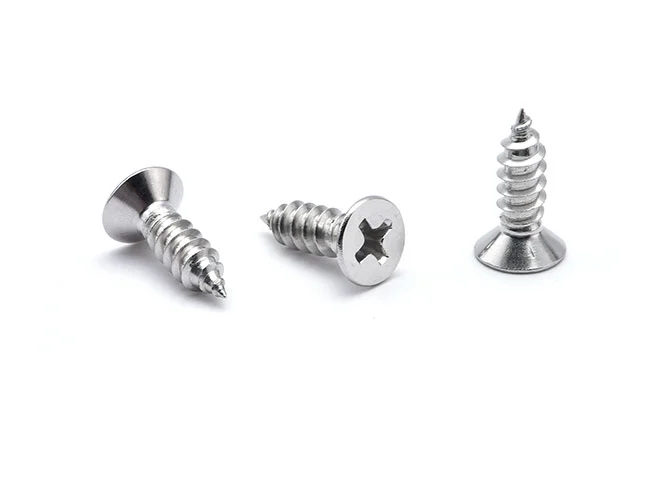 Self Tapping Screws
 Hex Bolts
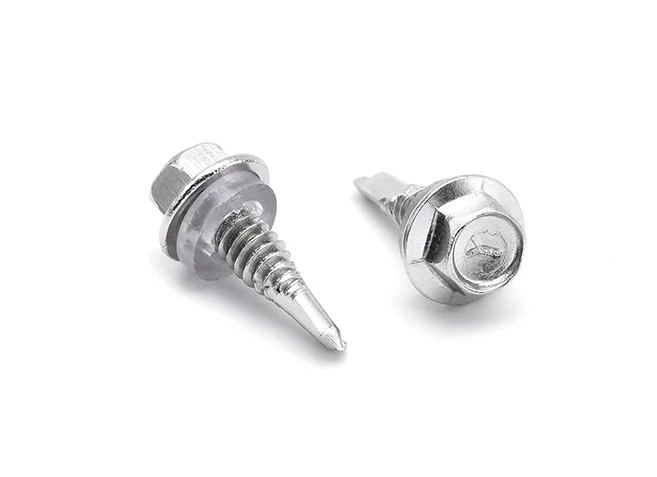 Self Drilling Screws
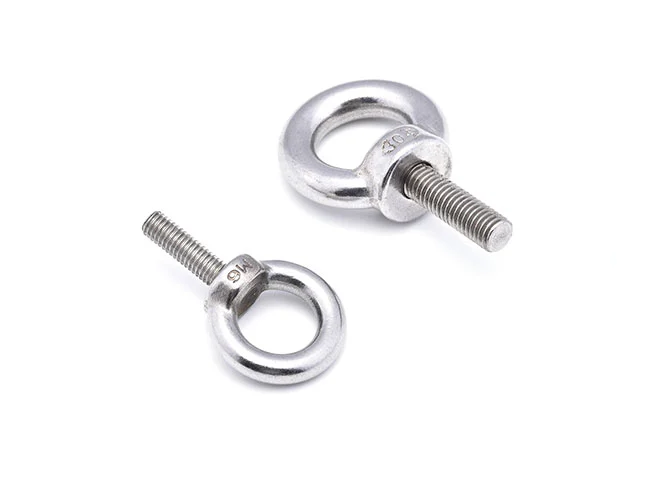 Eye Bolts
 U-bolts
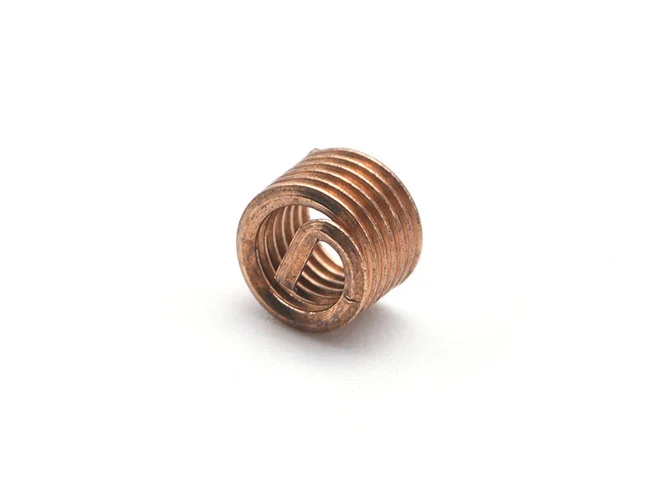 Threaded Sheath
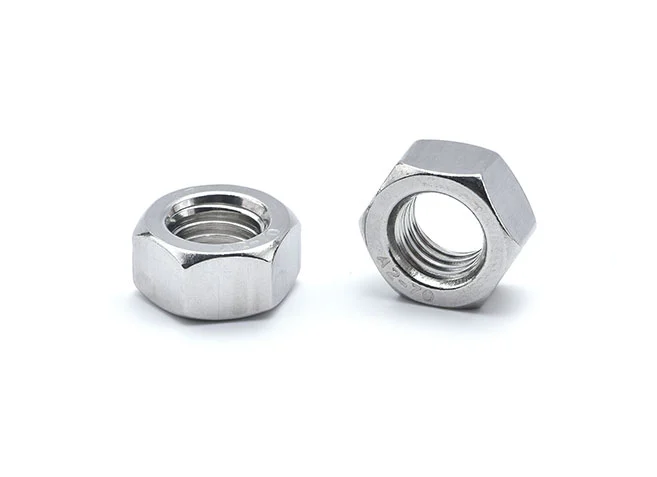 Hex Nut
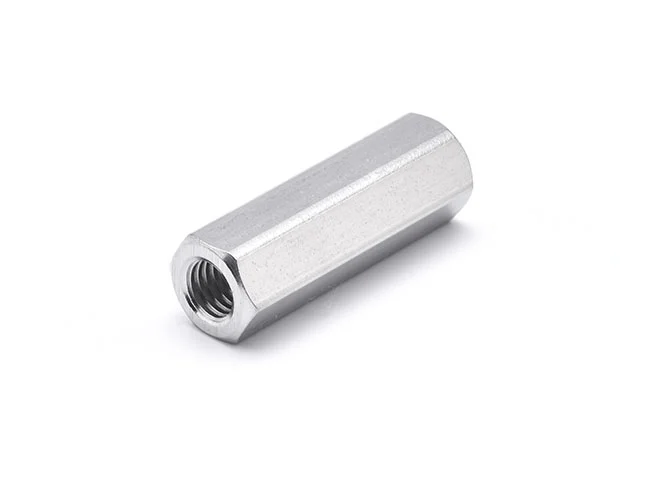 Hex Long Nut
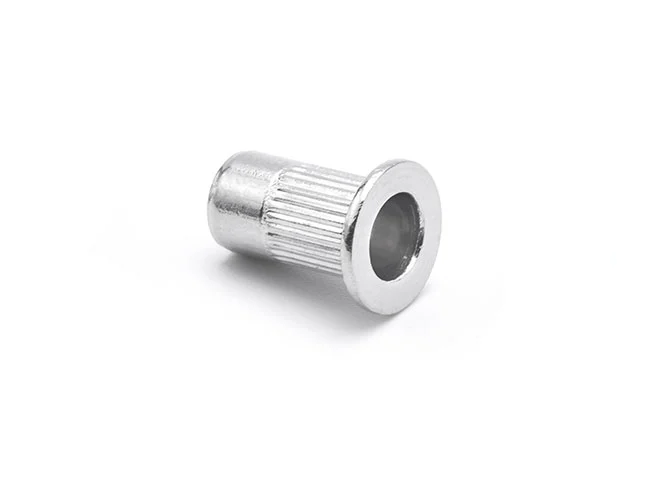 Pull Rivet Nut
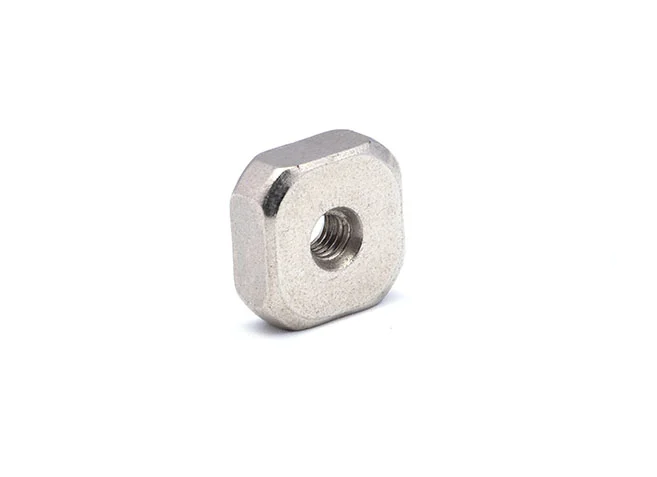 Square Nuts
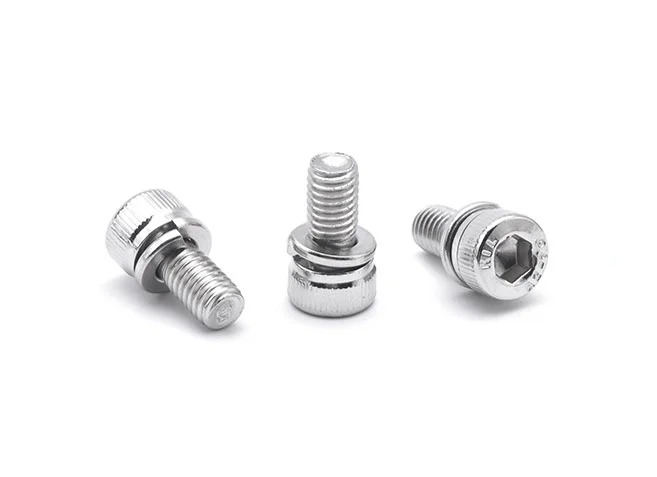 Combination Screws
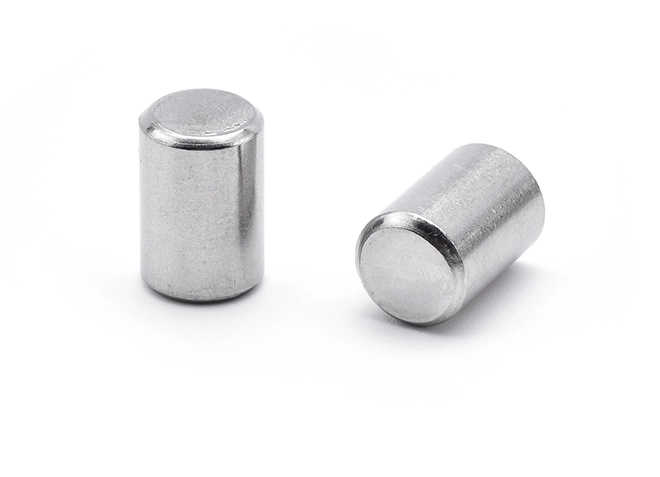 Pin
Pin
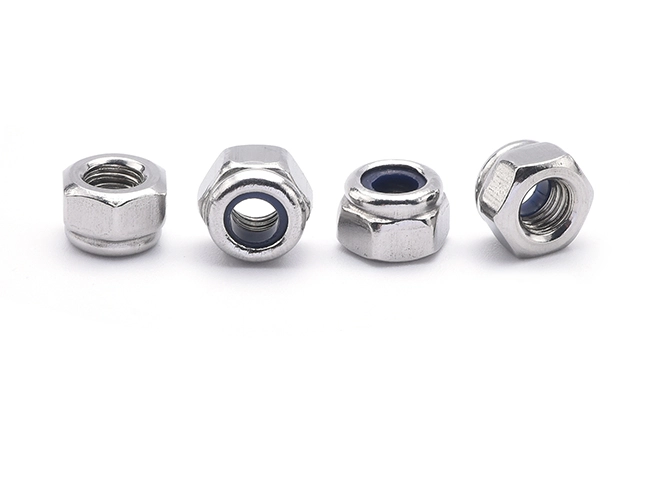 Nylon Locking Nuts
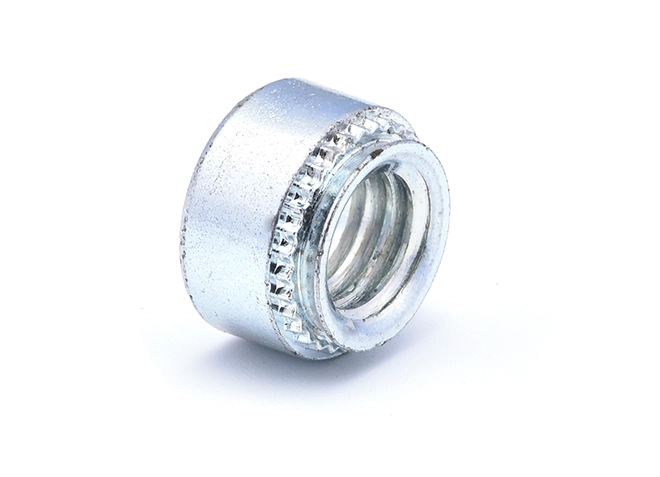 Pressure Rivet Nuts
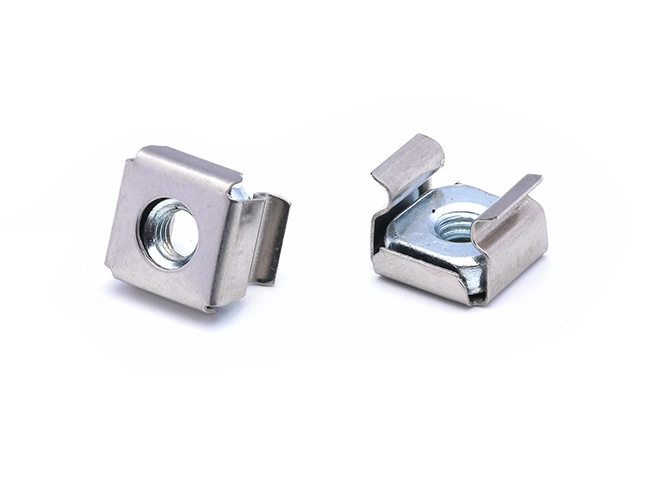 Cage Nut
 Welding Screws
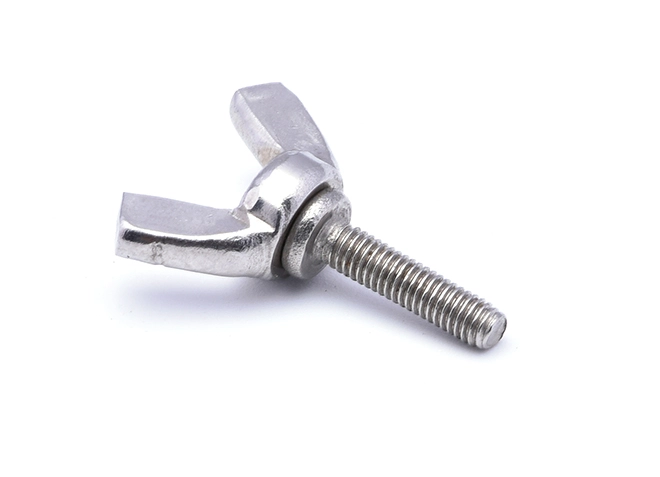 Butterfly Screw
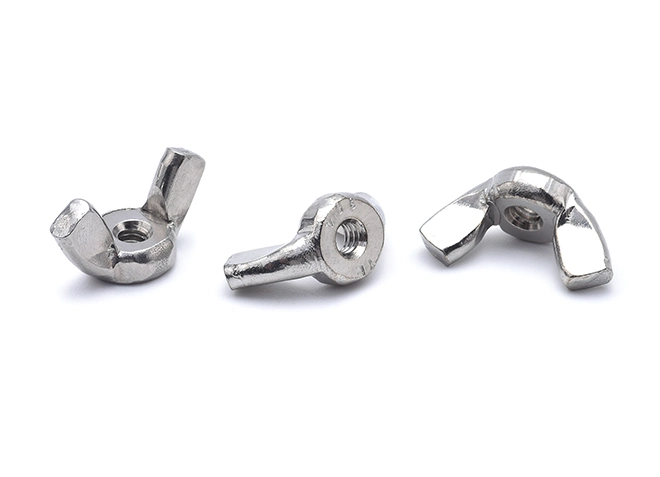 American Standard Butterfly Nut
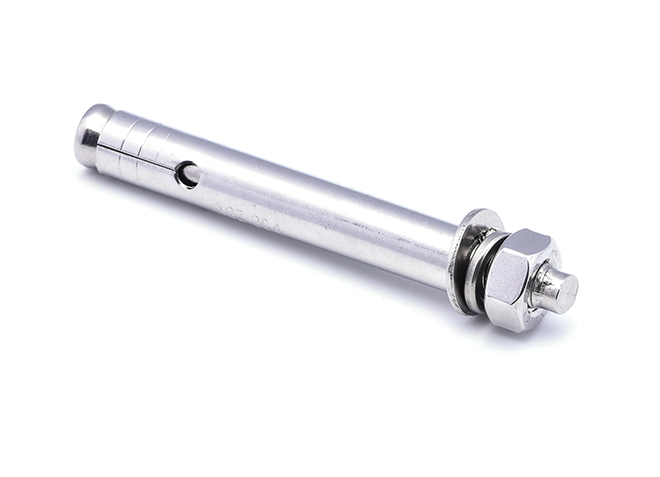 Expansion Screw
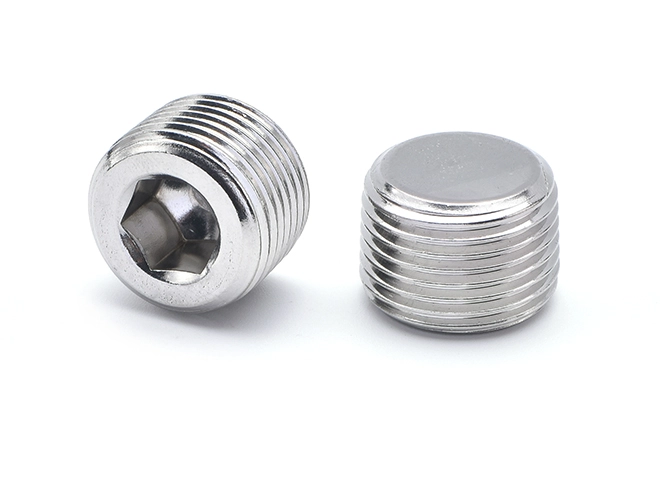 Plug Screw
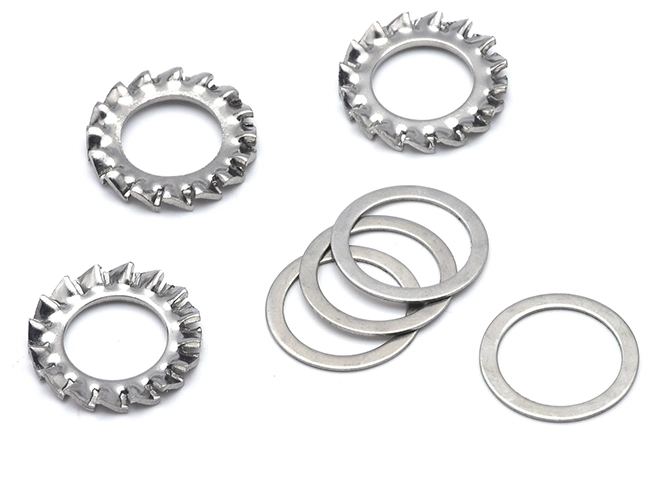 Stainless Steel Washer
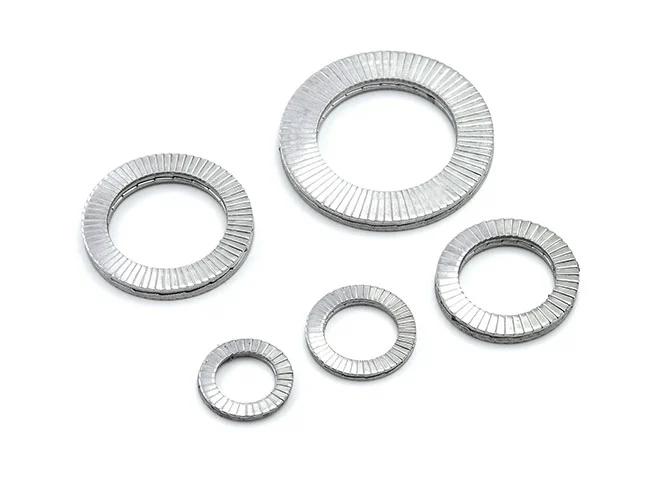 Double Overlap Anti-Loosening Washers
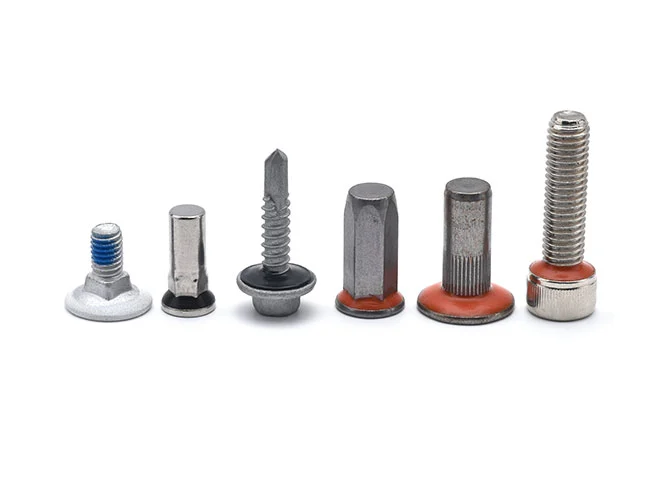 Waterproof and Anti-Drop Screws
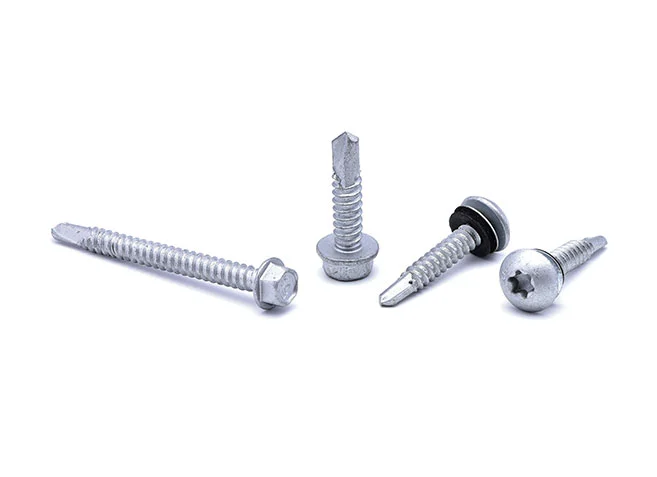 Super Corrosion-Resistant Screws
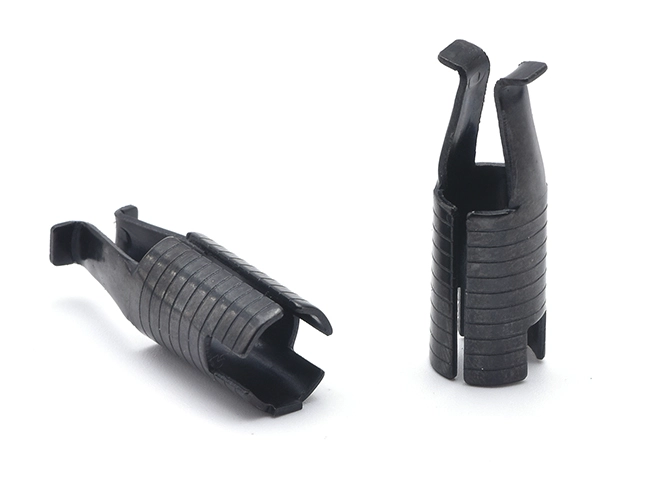 65Mn Material Furniture Connector
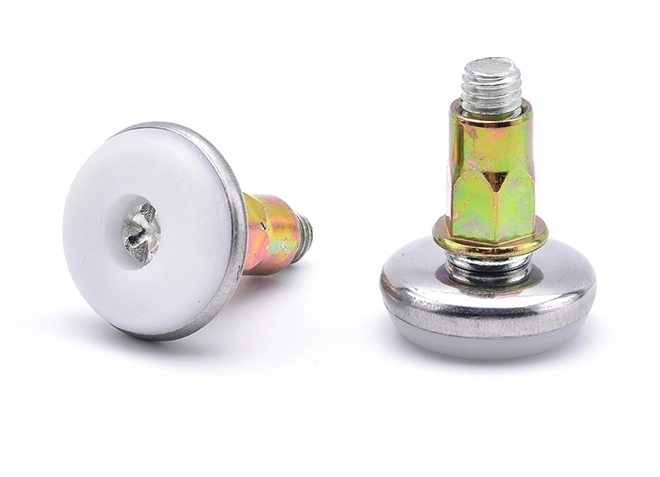 Counter Table Base
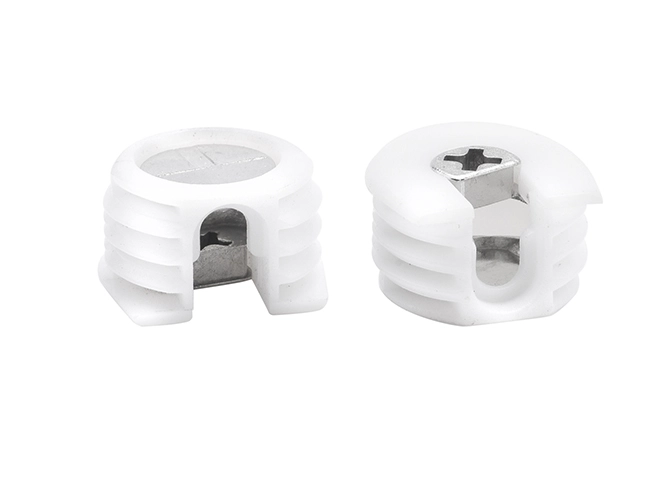 Furniture Connector Nut with Plastic Sleeve
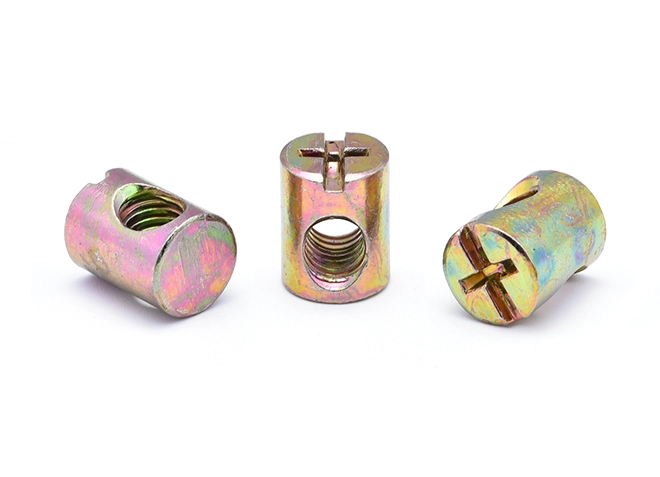 Furniture Horizontal Hole Nut
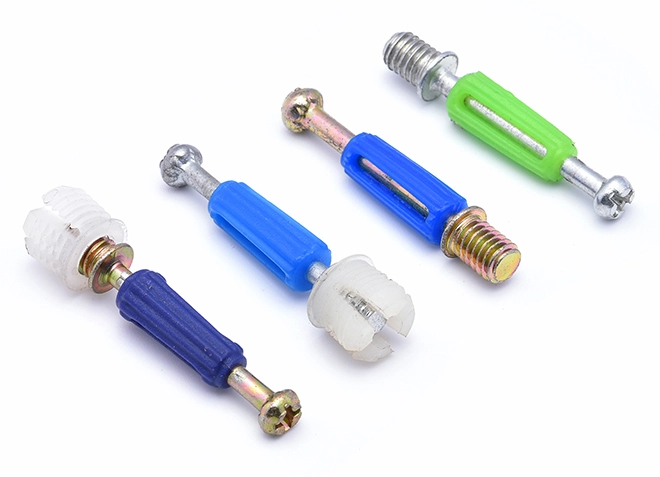 Furniture Connecting Screw
 Furniture Connecting Nut Seat
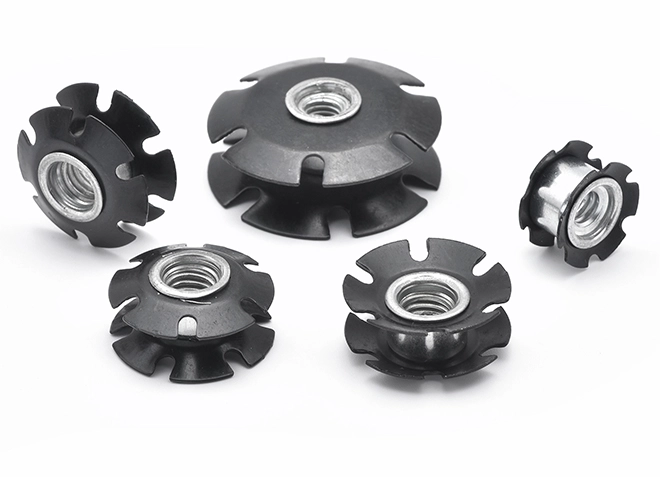 Double Stack Wheels Used On Furniture
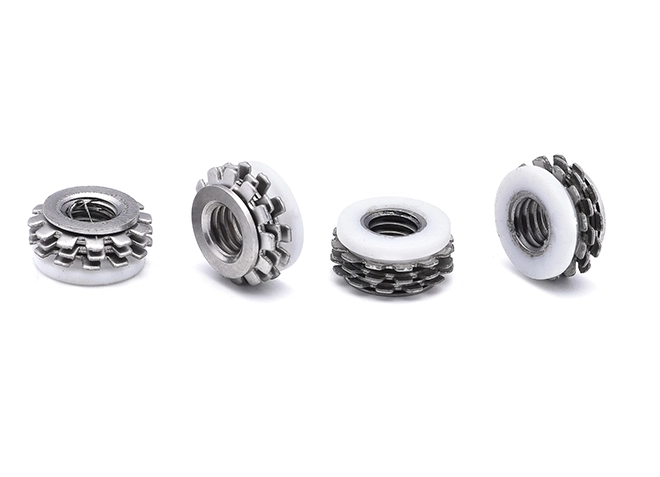 Components Used On Furniture
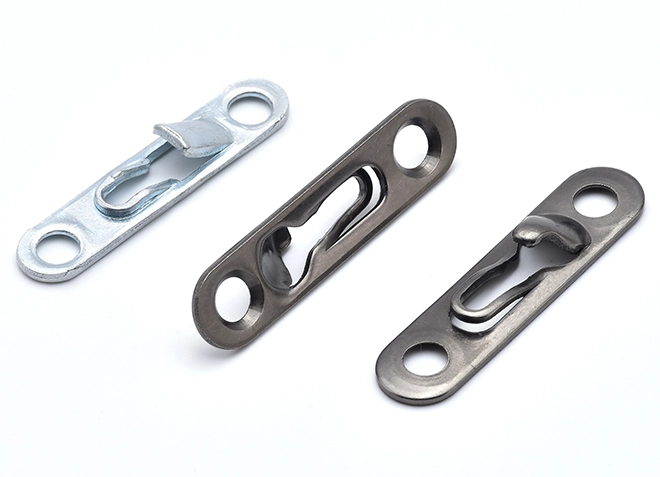 Connection Buckle
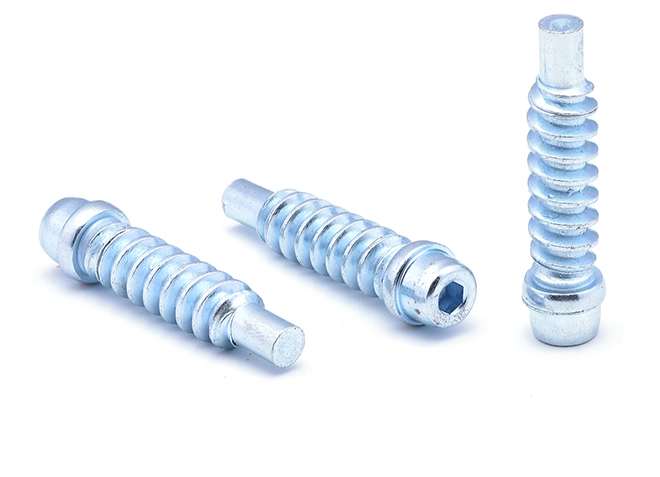 Internal Hexagonal Spiral Screw
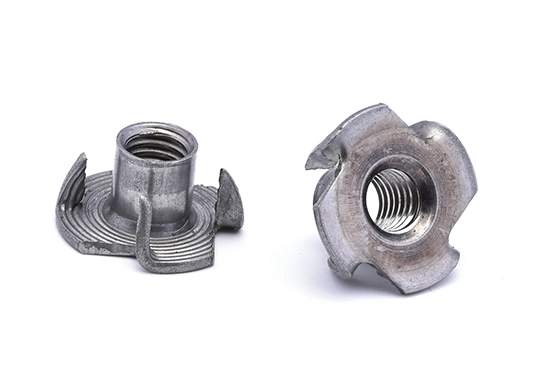
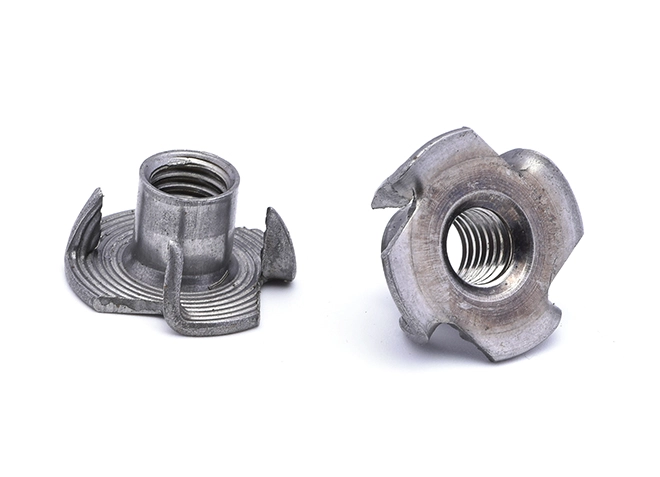 Iron Colored Carbon Steel Four Claw Nut
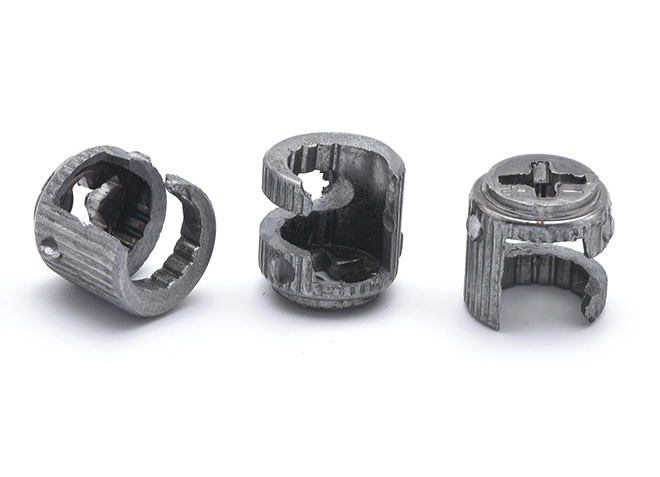 Iron Furniture Three Combination Nut Seat
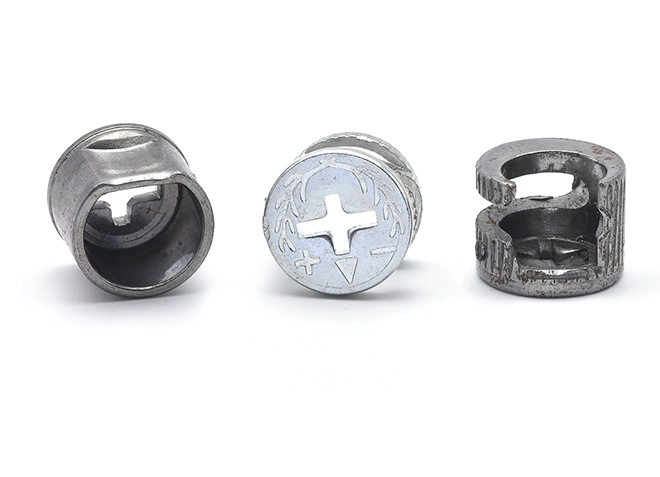 Iron and Zinc Alloy Furniture Three Combination Nut Seat
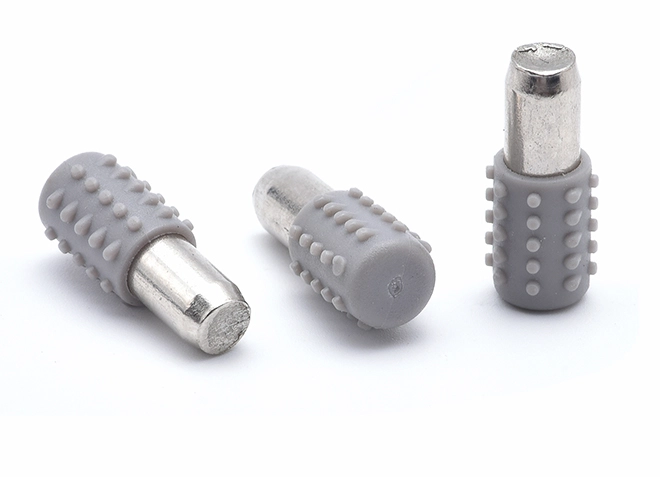 Dowel Pin+ Gray Elephant Rubber Sleeve
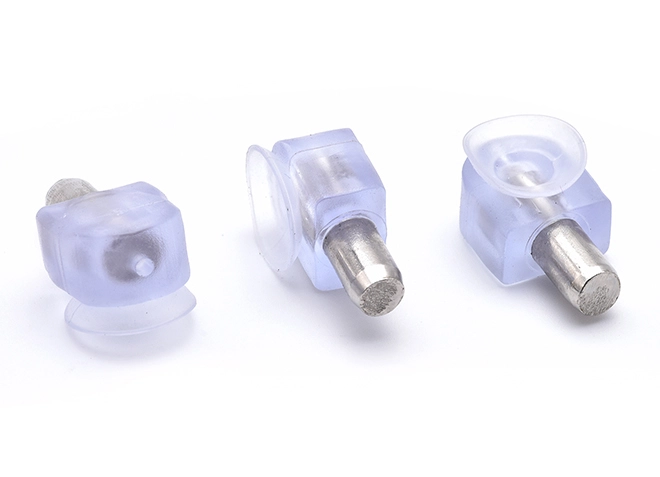 Dowel Pin+ Transparent Elephant Rubber Sleeve
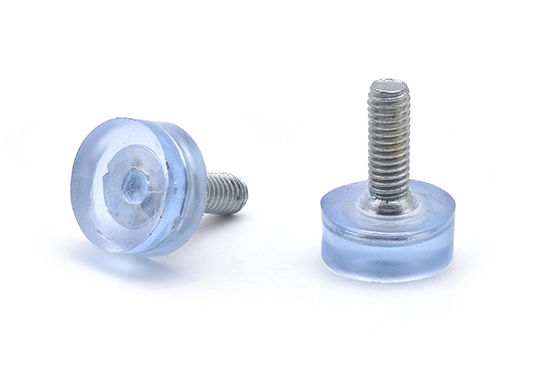
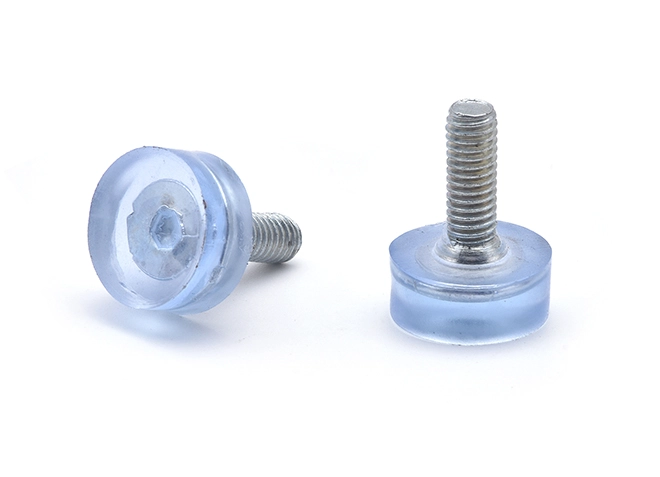 Injection Molded Furniture Foot Pad Screw
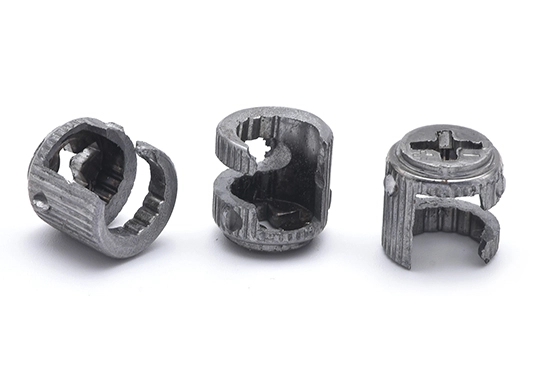
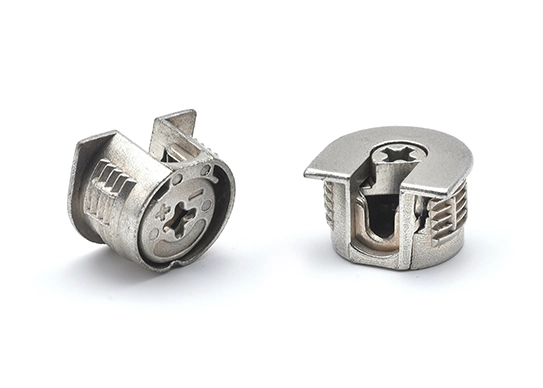
An iron furniture three combination nut seat is a specialized component used in furniture assembly to create sturdy and stable connections between different parts of a piece of furniture. Typically made of iron or steel, this nut seat features three receptacles or holes arranged in a triangular configuration. These receptacles are designed to accommodate nuts, bolts, or screws, allowing for multiple fasteners to be used simultaneously to secure adjacent furniture components. This design enhances the overall strength and stability of the furniture, making it suitable for applications where durability is essential.
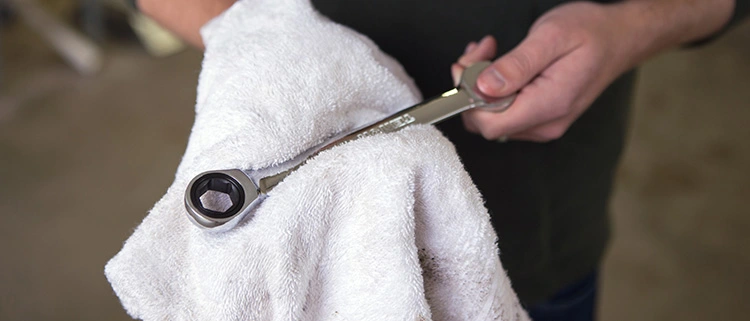
Regular Cleaning: Clean the nut seats regularly to remove dirt, dust, and debris that can accumulate and affect their performance. Use a mild detergent and water, followed by a thorough drying to prevent rust formation.
Inspect for Corrosion: Periodically check for signs of corrosion or rust on the iron components. If corrosion is detected, address it immediately by sanding the affected areas and applying a rust-inhibiting primer or paint.
Tighten Connections: Ensure that all nuts and bolts are tightened securely. Loose connections can lead to instability or damage over time. Use the appropriate tools to tighten them to the manufacturer's recommended torque specifications.
Lubricate Moving Parts: Apply a suitable lubricant to any moving parts associated with the nut seats. This helps reduce friction, prevents wear, and ensures smooth operation. Avoid over-lubricating, which can attract dust and grime.
Check Alignment: Verify that the nut seats are properly aligned with the corresponding components. Misalignment can cause undue stress on the fasteners and lead to premature failure.
aaron18129983931@gmail.com