English
  日本語
日本語  한국어
한국어  français
  Deutsch
  Español
  italiano
  русский
  português
  العربية
Phone:
+86-0769-87561578Aaron: +86-18129983931
Max: +86-18922922459



 New Type Switchgear
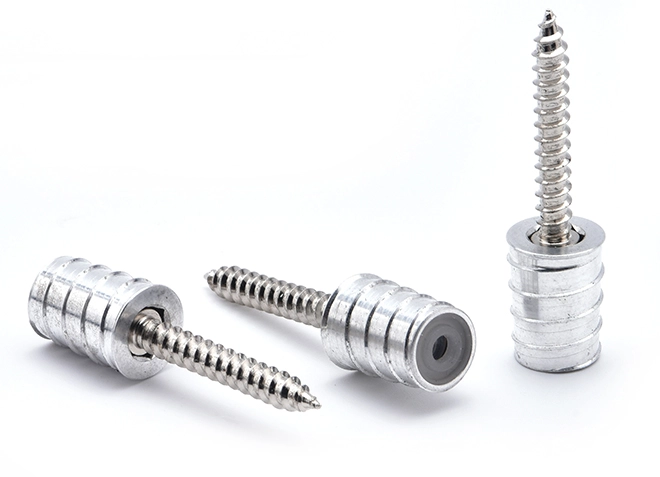 Anti-loose Easy Disassembly Nut Pillar (New Furniture Connector)
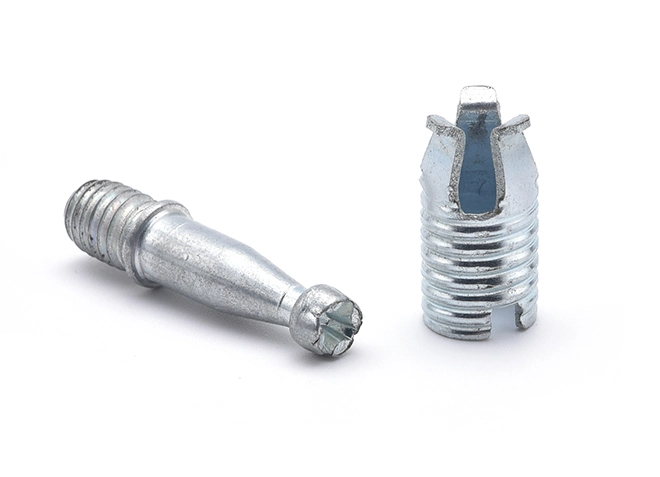 Furniture Simple Assembly and Disassembly Connector
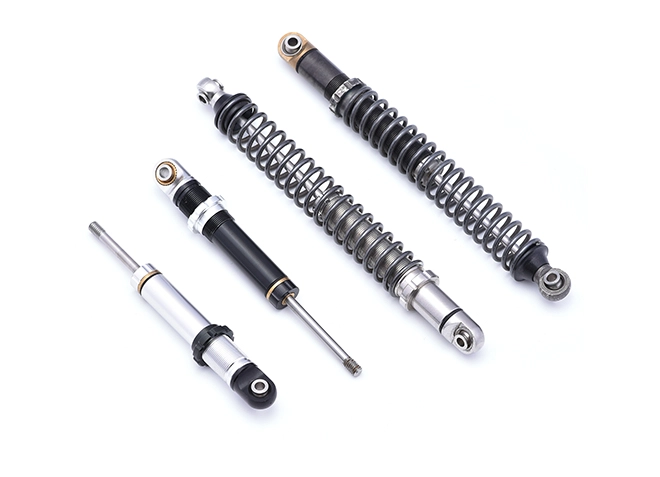 Micro Vibration Absorber
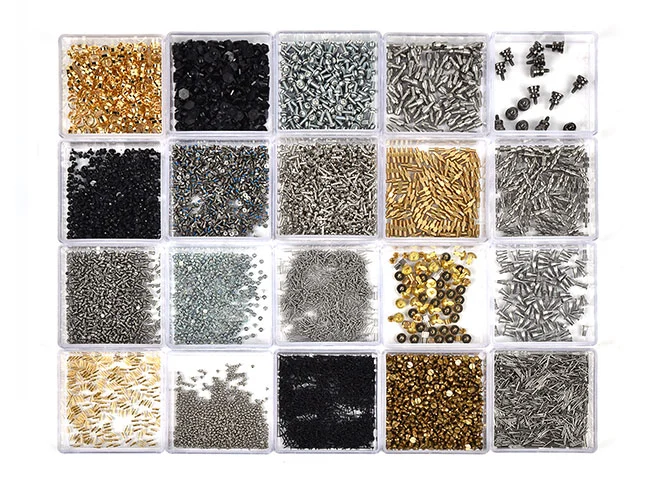 Micro Screws
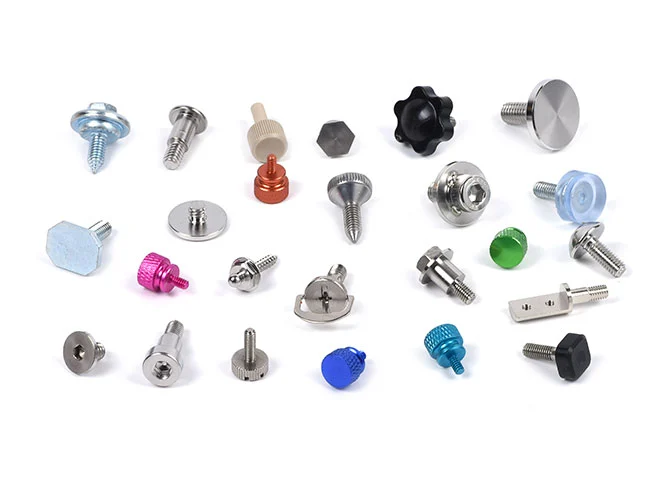 Big Head Screws
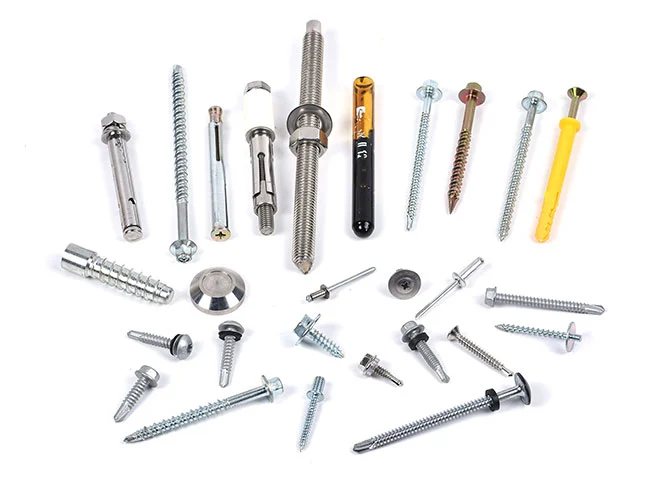 Construction Screws
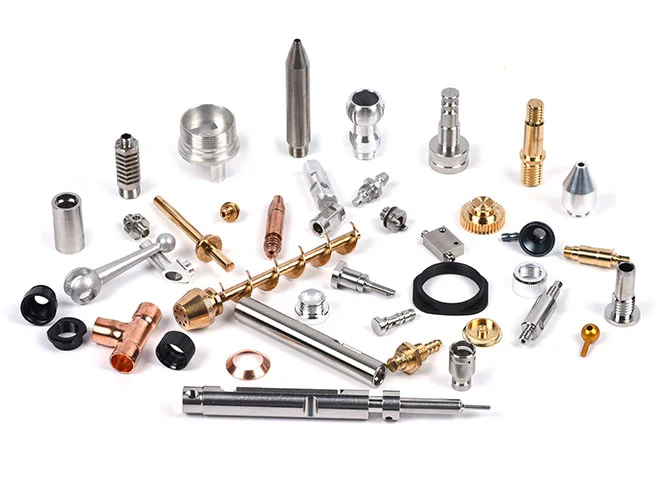 CNC Lathe Machining Parts
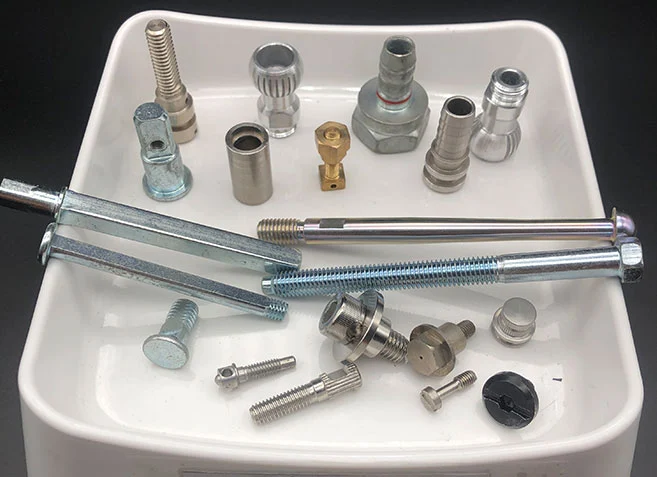 Cold Forged and Undergo Secondary Processing Products
 Multi Station Cold Heading Screws
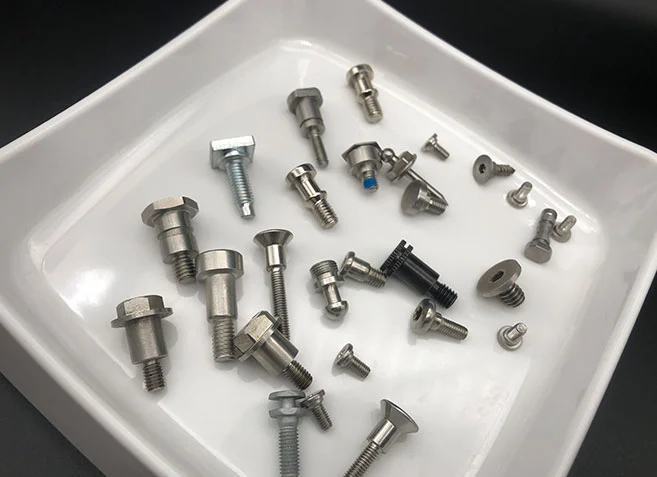 Step Screw
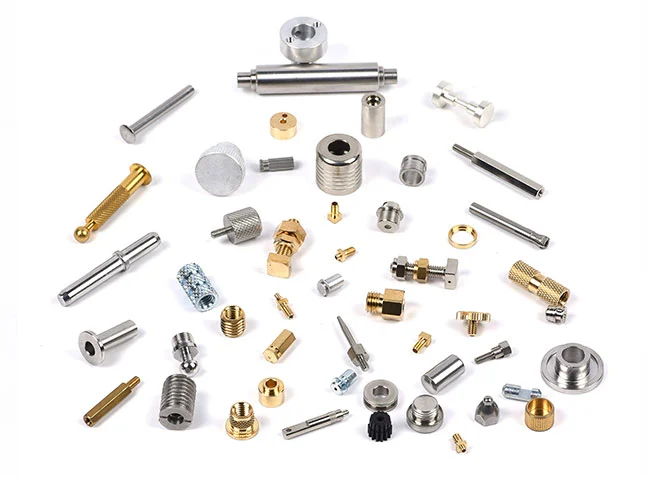 Automatic Lathe Machining Parts
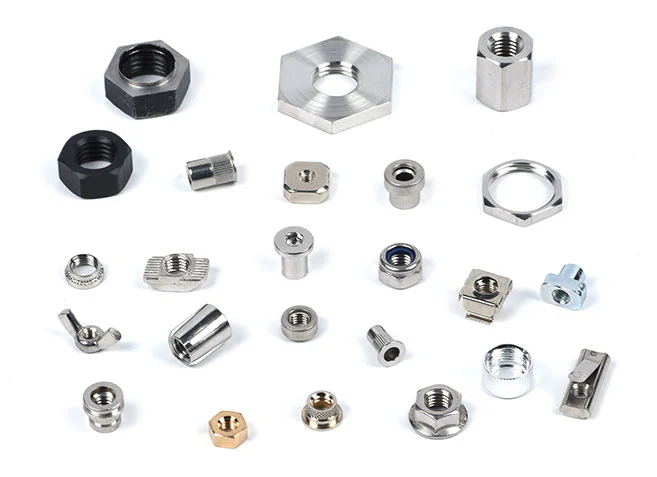 High Difficulty Challenge Cold Heading Fasteners
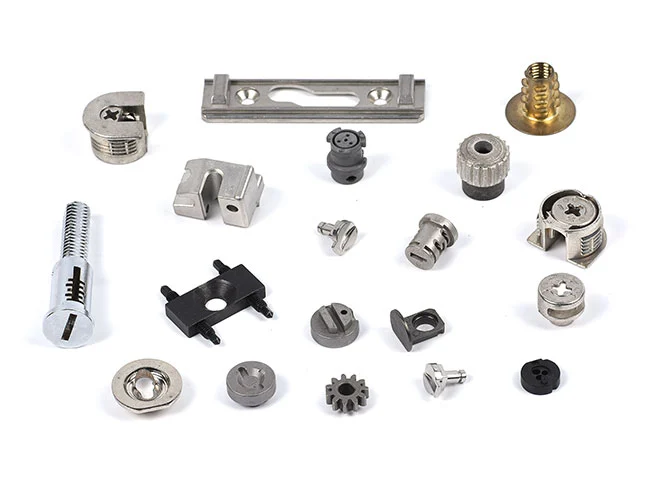 New Tech Fasteners
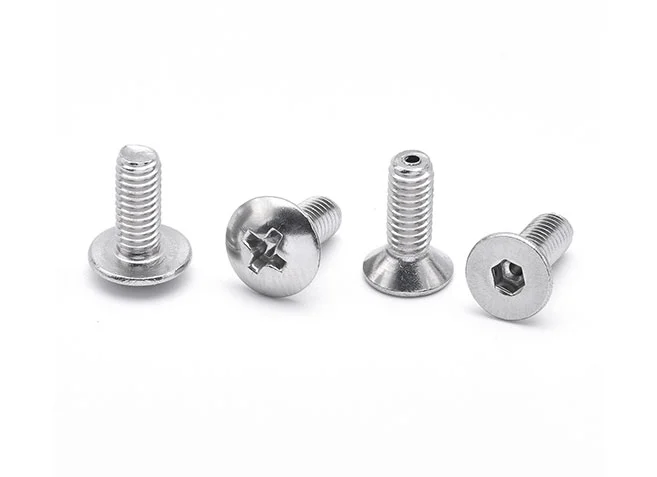 Machine Screws
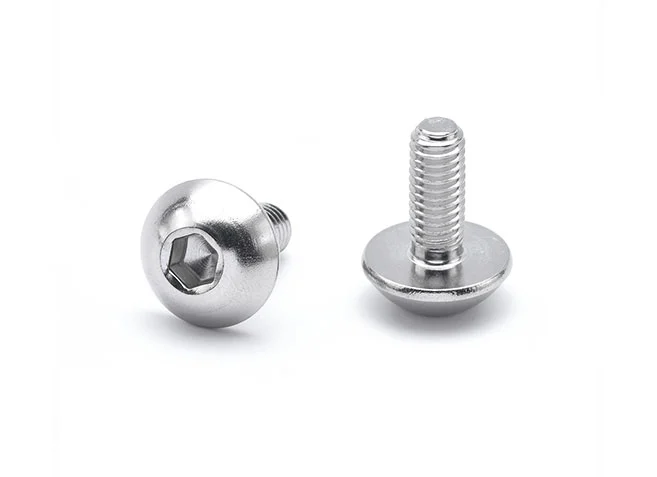 Socket Cap Screws
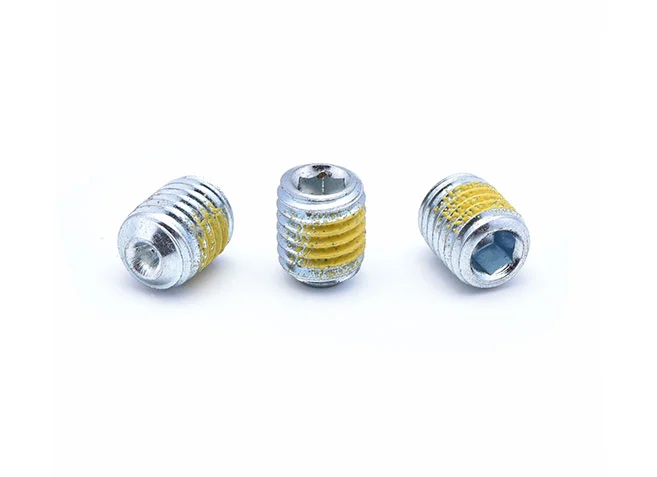 Hexagon Socket Set Screws
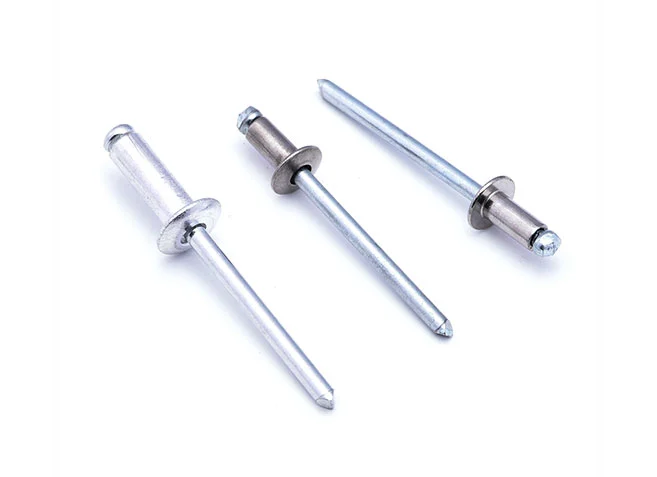 Pull Out Rivet
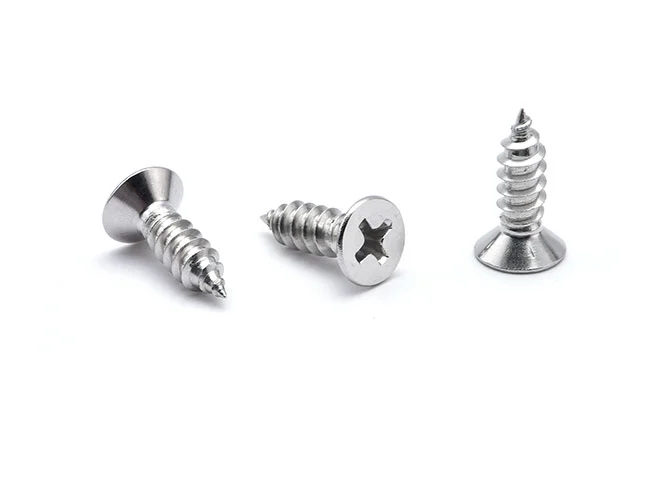 Self Tapping Screws
 Hex Bolts
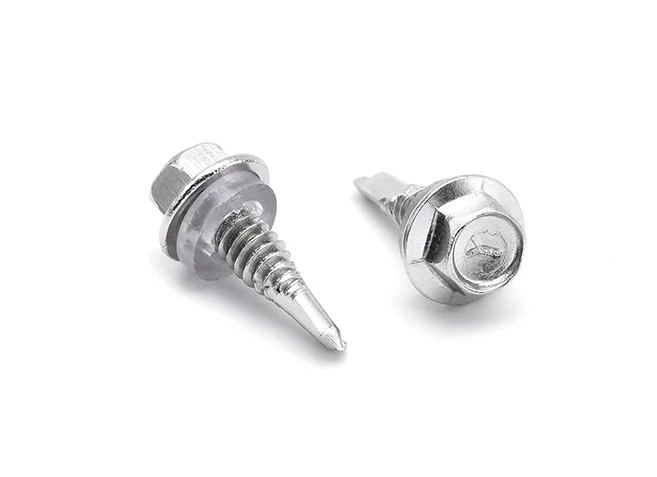 Self Drilling Screws
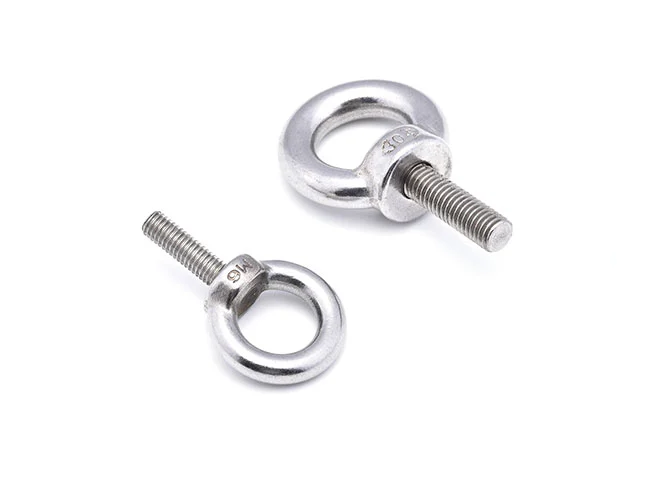 Eye Bolts
 U-bolts
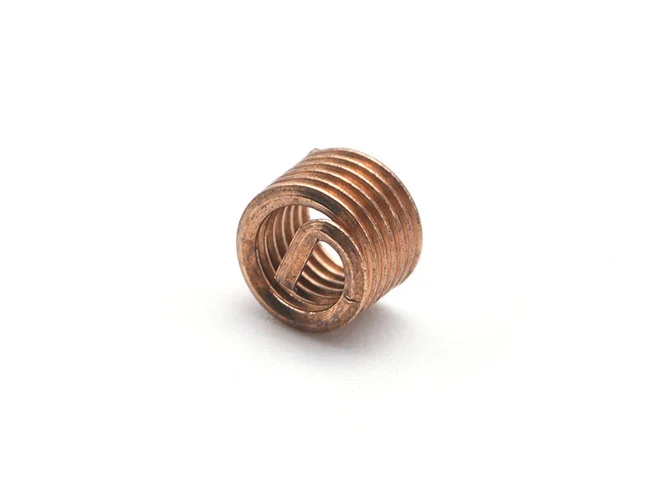 Threaded Sheath
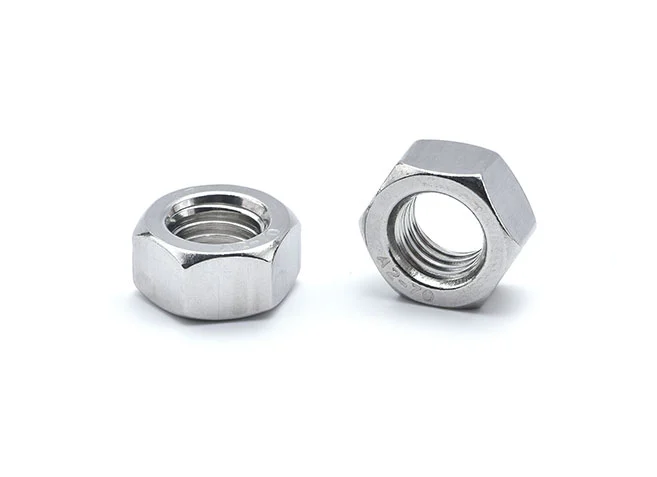 Hex Nut
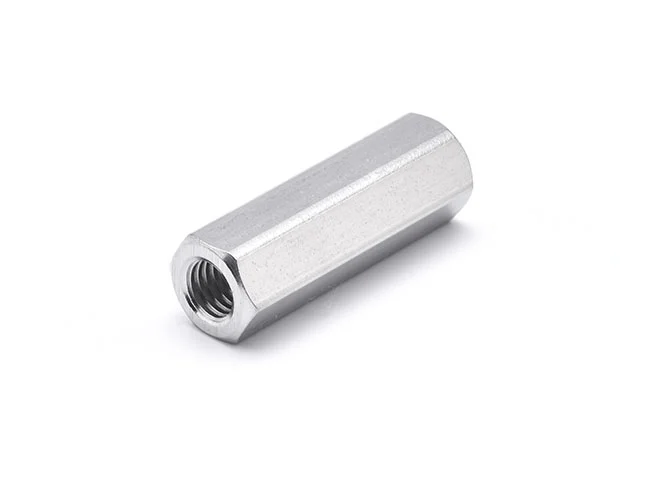 Hex Long Nut
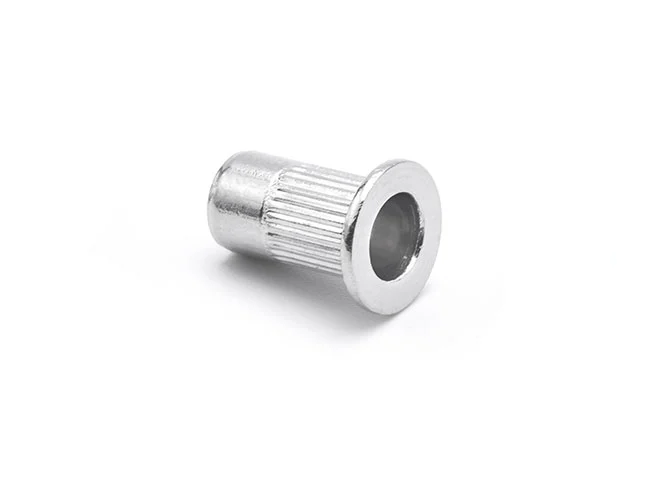 Pull Rivet Nut
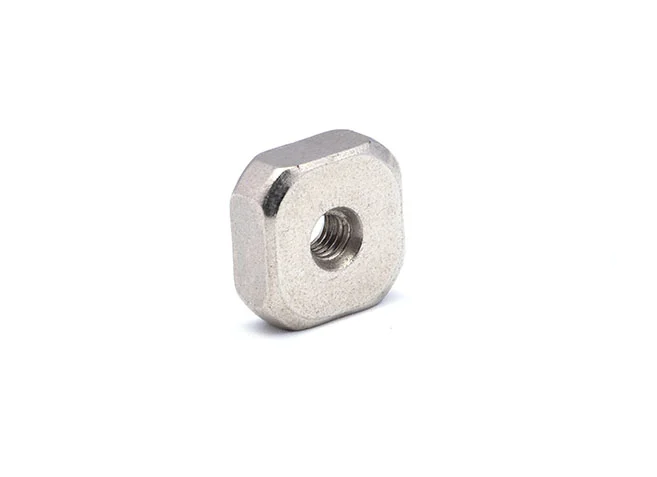 Square Nuts
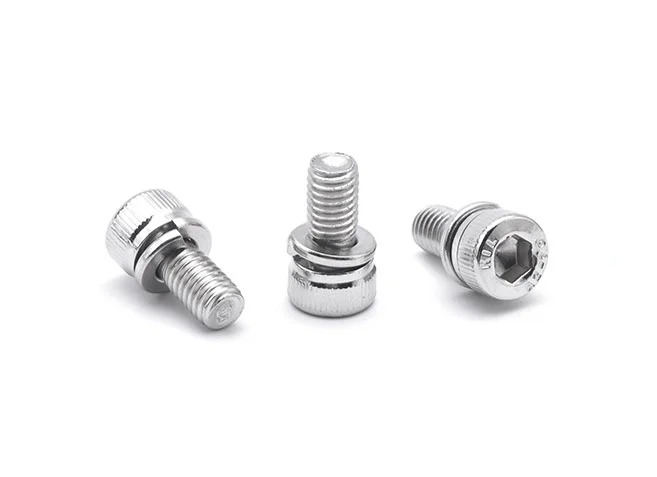 Combination Screws
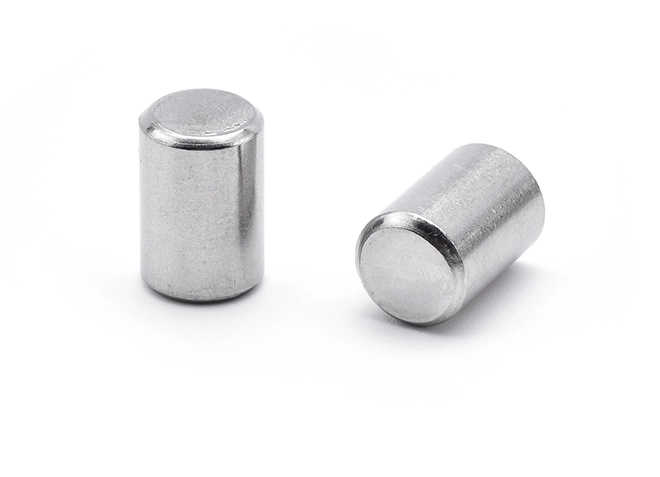 Pin
Pin
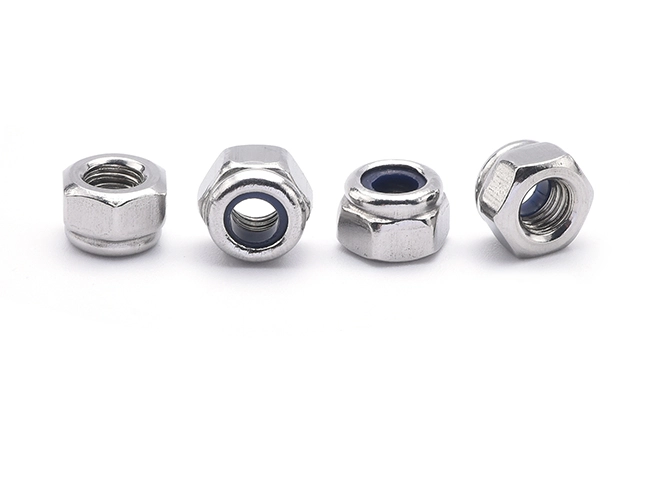 Nylon Locking Nuts
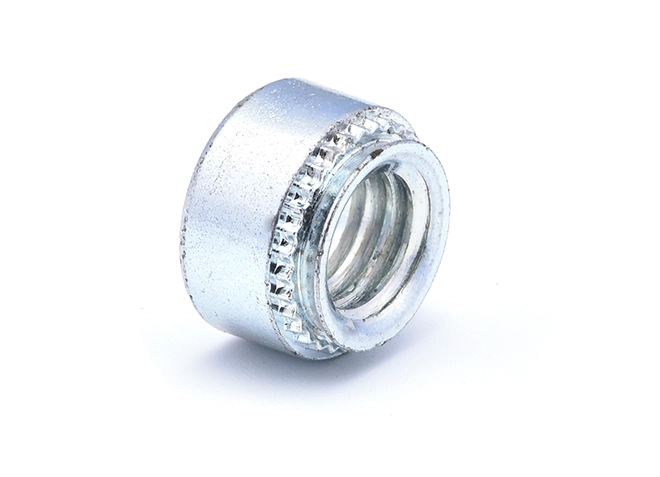 Pressure Rivet Nuts
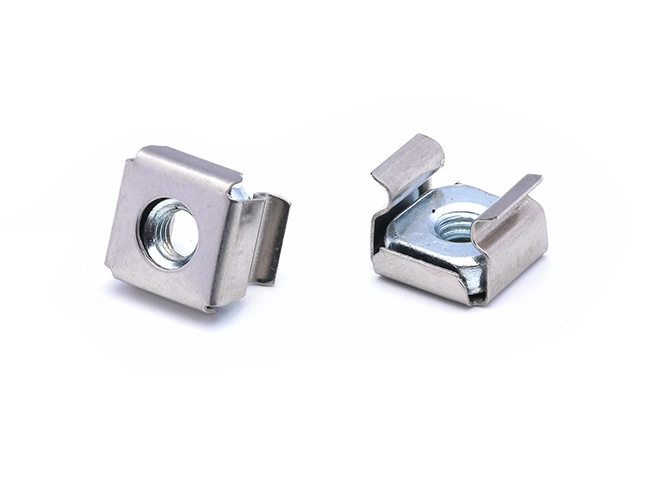 Cage Nut
 Welding Screws
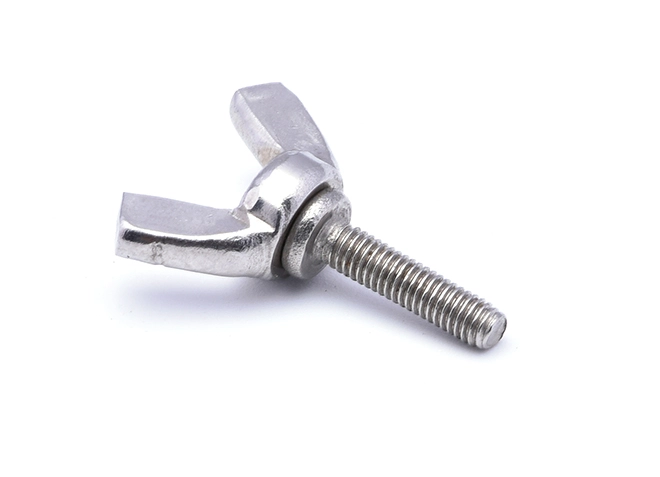 Butterfly Screw
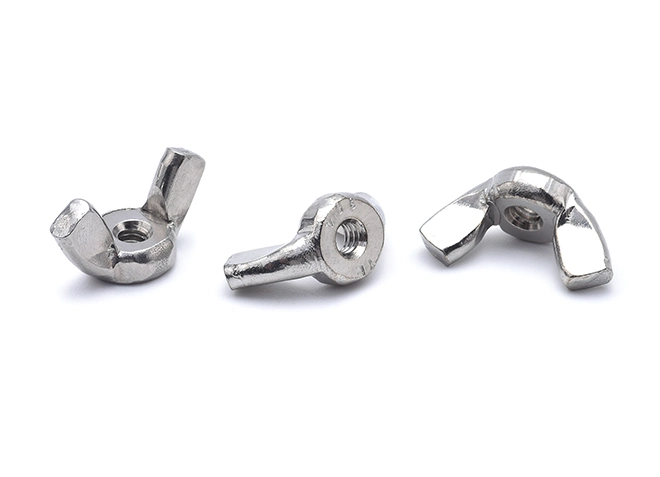 American Standard Butterfly Nut
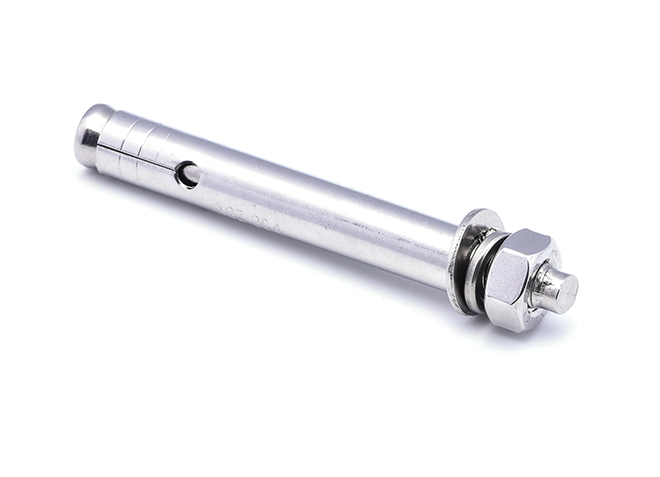 Expansion Screw
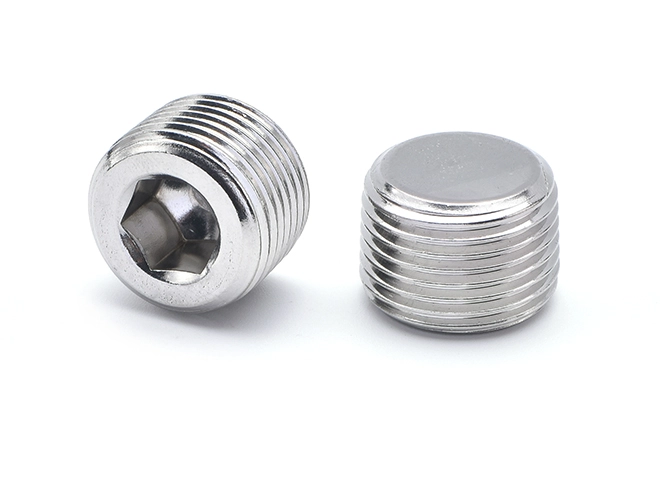 Plug Screw
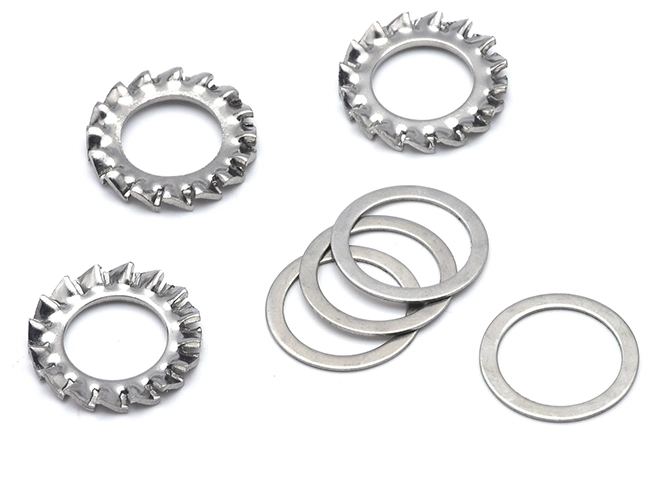 Stainless Steel Washer
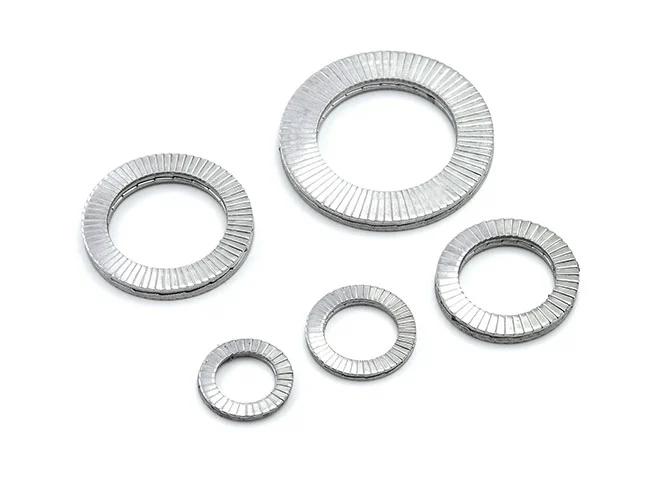 Double Overlap Anti-Loosening Washers
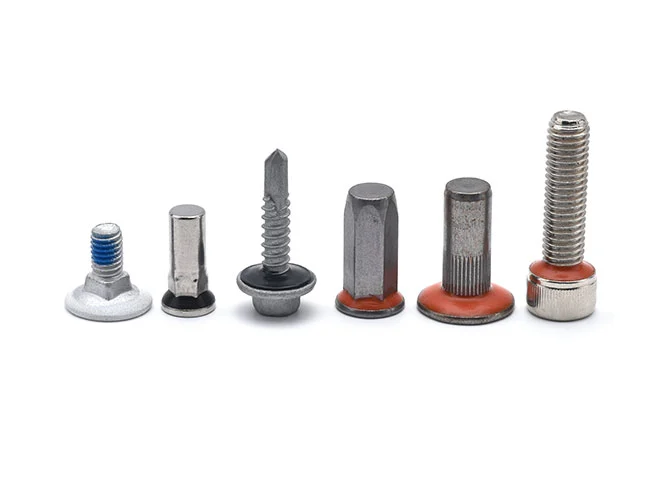 Waterproof and Anti-Drop Screws
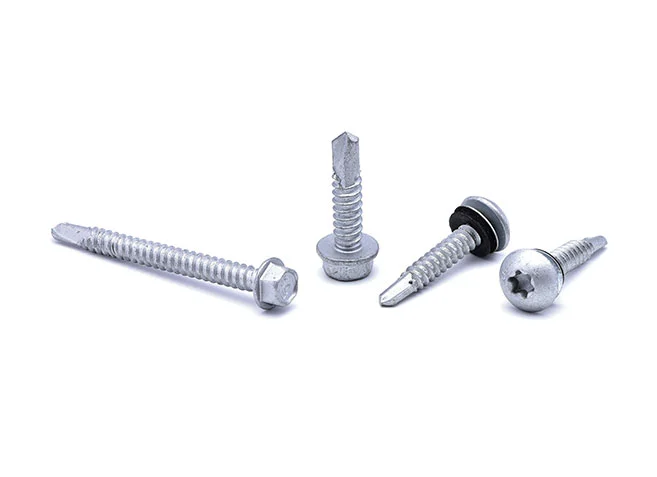 Super Corrosion-Resistant Screws
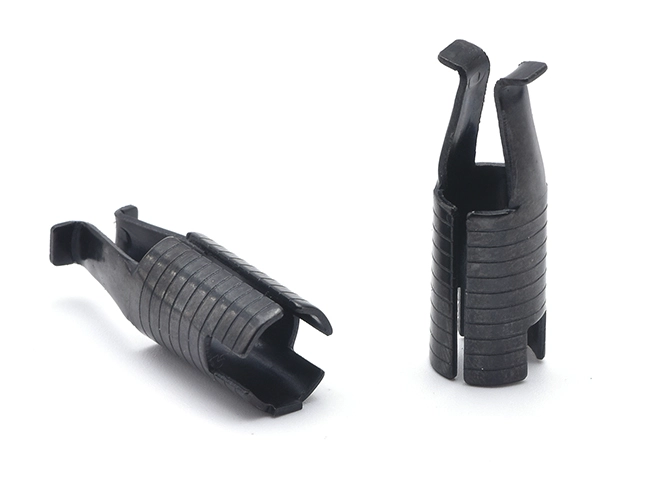 65Mn Material Furniture Connector
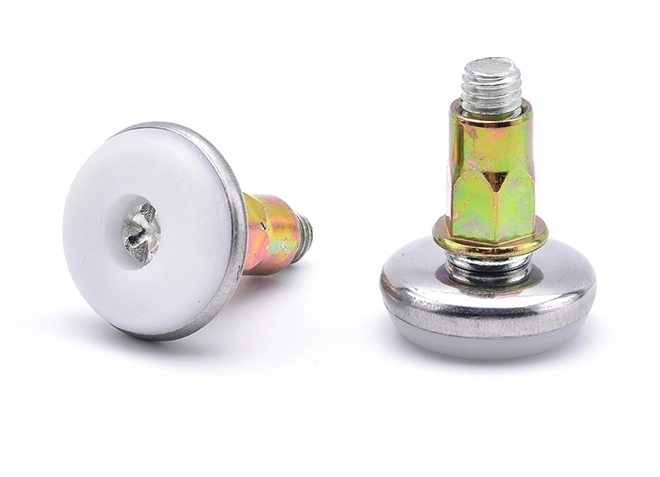 Counter Table Base
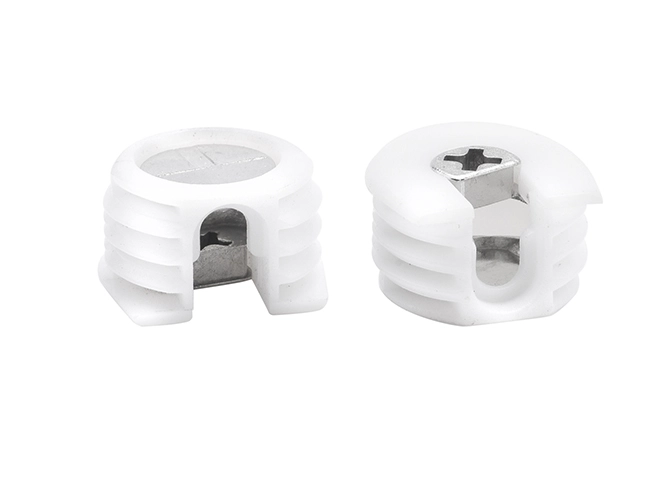 Furniture Connector Nut with Plastic Sleeve
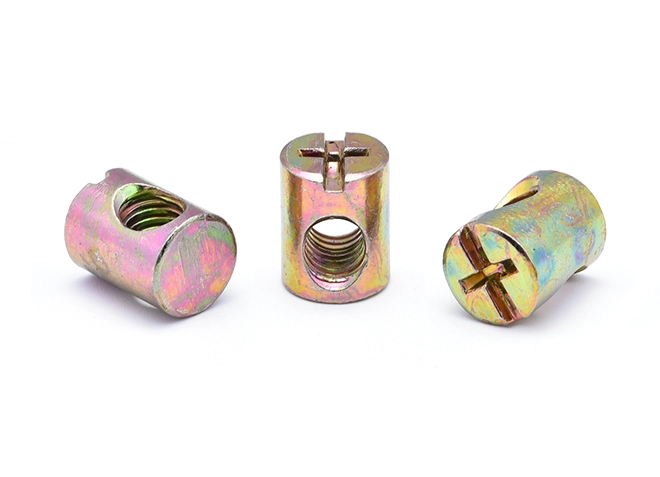 Furniture Horizontal Hole Nut
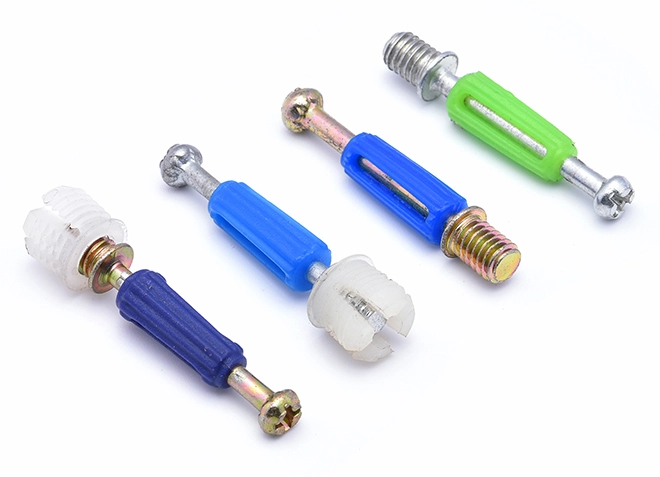 Furniture Connecting Screw
 Furniture Connecting Nut Seat
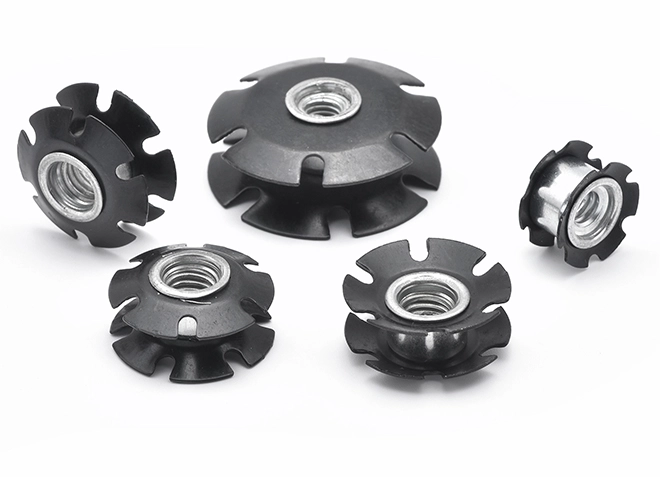 Double Stack Wheels Used On Furniture
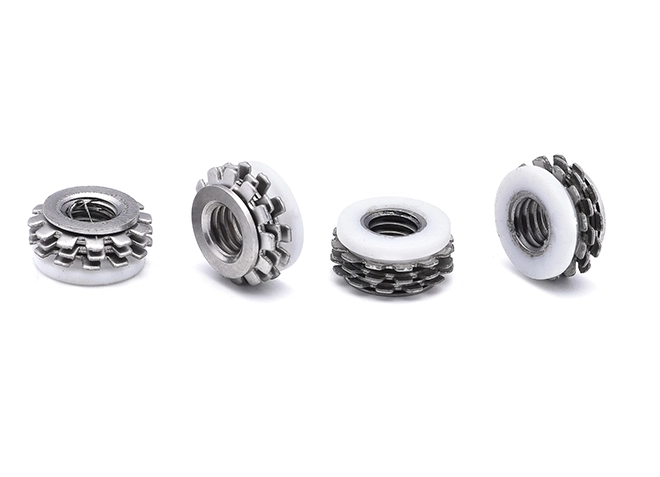 Components Used On Furniture
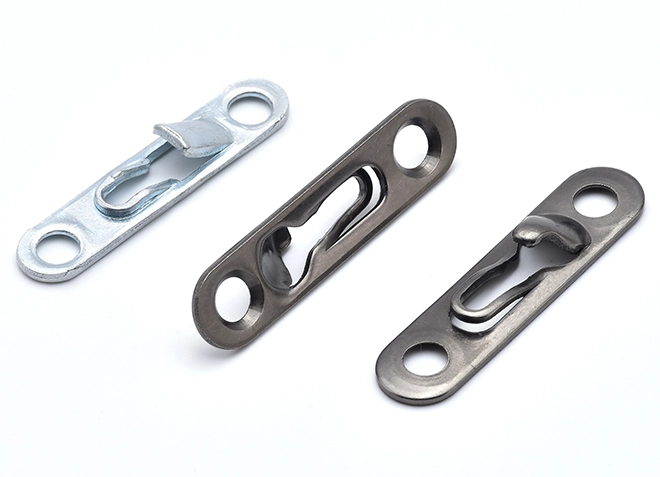 Connection Buckle
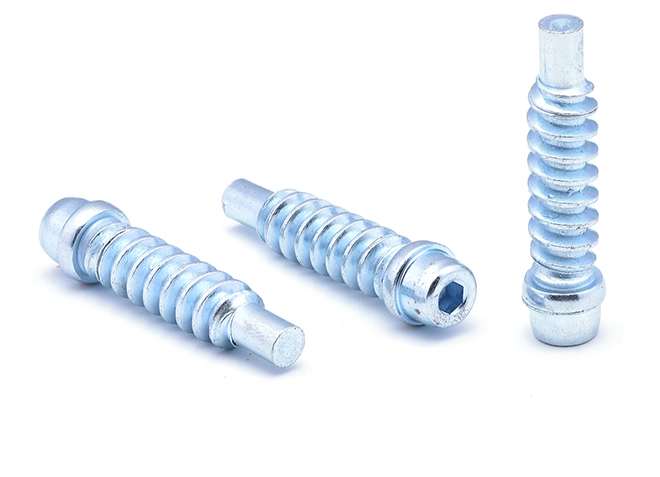 Internal Hexagonal Spiral Screw
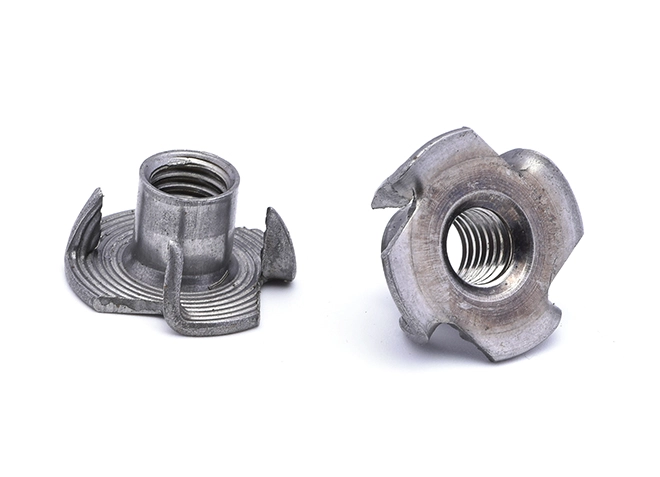 Iron Colored Carbon Steel Four Claw Nut
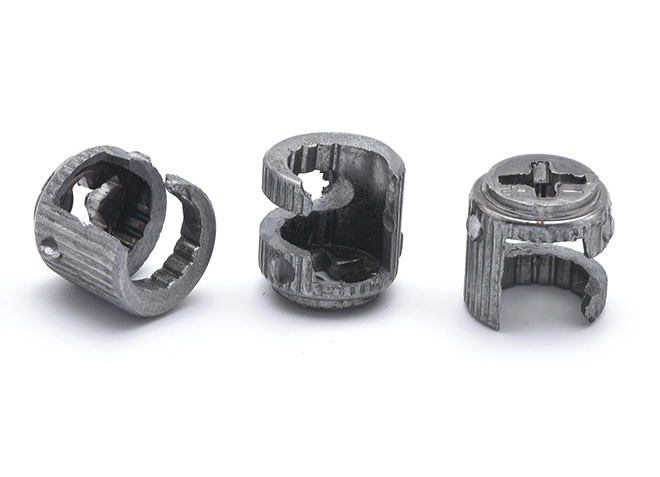 Iron Furniture Three Combination Nut Seat
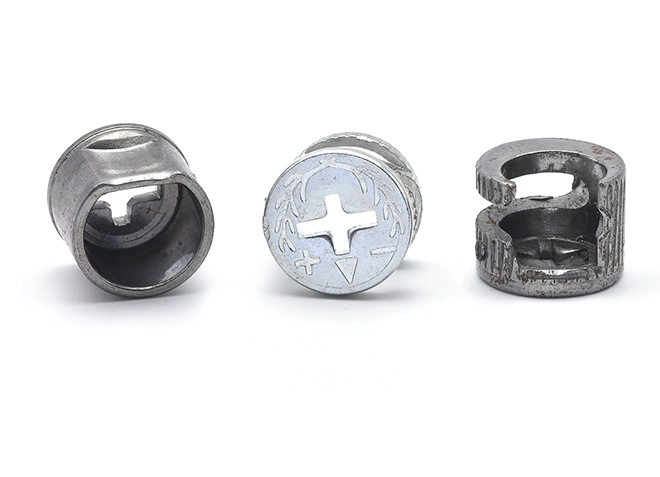 Iron and Zinc Alloy Furniture Three Combination Nut Seat
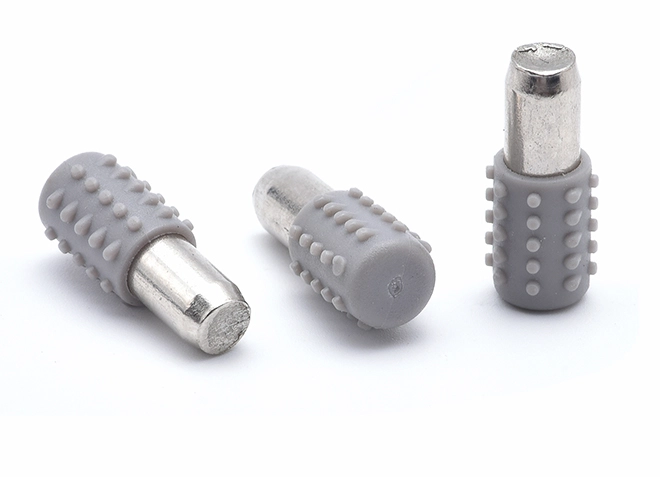 Dowel Pin+ Gray Elephant Rubber Sleeve
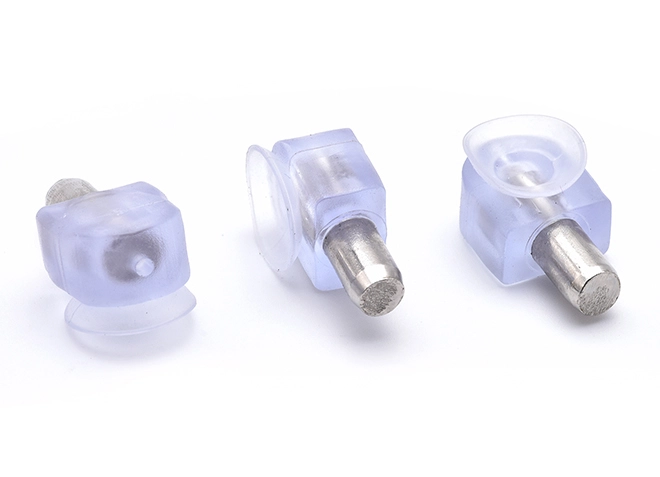 Dowel Pin+ Transparent Elephant Rubber Sleeve
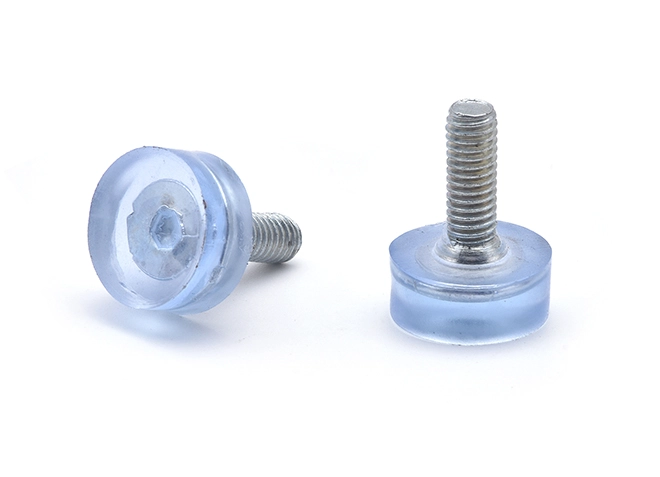 Injection Molded Furniture Foot Pad Screw
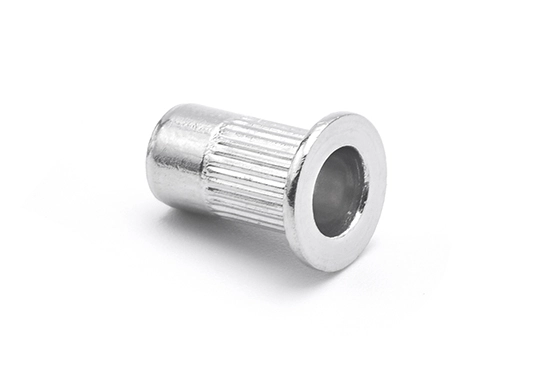
The 304 pull rivet nut is a versatile and durable fastener designed for creating strong threads in thin metal sheet applications. Made from stainless steel, it is highly resistant to corrosion, making it suitable for use in harsh environments. This type of rivet nut features a unique design that allows it to be installed from one side of the workpiece, providing a dependable and permanent thread for screws and bolts. Ideal for assembly lines where speed and efficiency are crucial, the 304 pull rivet nut is commonly used in automotive, aerospace, and electronic industries, ensuring robust and maintenance-free joints.
Material and Construction: The strength of a pull rivet nut largely depends on its material. Common materials include steel, stainless steel, and aluminum. Steel rivet nuts offer high load-bearing capacities, while stainless steel provides corrosion resistance with slightly lower strength compared to steel. Aluminum rivet nuts are lighter but typically have lower load-bearing capabilities.
Size and Thread Type: The load-bearing capacity increases with the size and thread diameter of the rivet nut. Larger diameter rivet nuts and those with coarse threads generally handle higher loads. The type of thread (e.g., metric or UNC) can also influence the strength and application.
Installation: Proper installation is crucial for optimal load-bearing performance. Rivet nuts must be installed to the correct torque specifications to ensure they are securely embedded in the material. Over-tightening can damage the rivet nut or the material, while under-tightening can lead to insufficient load support.
Material Thickness and Quality: The thickness and type of the material into which the rivet nut is installed affect its load-bearing capacity. Thicker materials generally support higher loads, and high-quality materials provide better performance.
aaron18129983931@gmail.com