English
  日本語
日本語  한국어
한국어  français
  Deutsch
  Español
  italiano
  русский
  português
  العربية
Phone:
+86-0769-87561578Aaron: +86-18129983931
Max: +86-18922922459



 New Type Switchgear
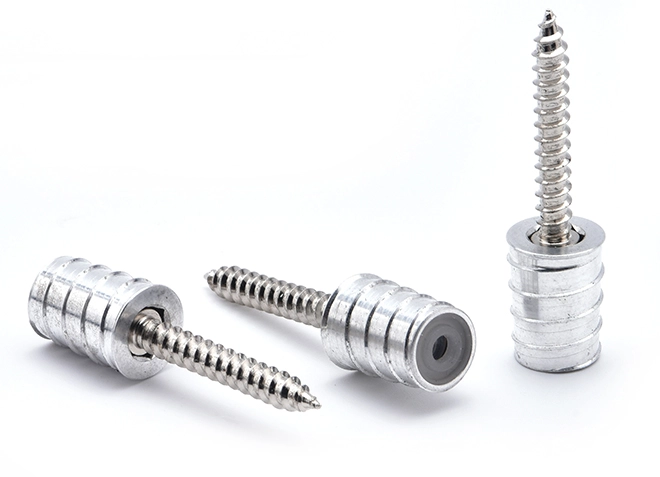 Anti-loose Easy Disassembly Nut Pillar (New Furniture Connector)
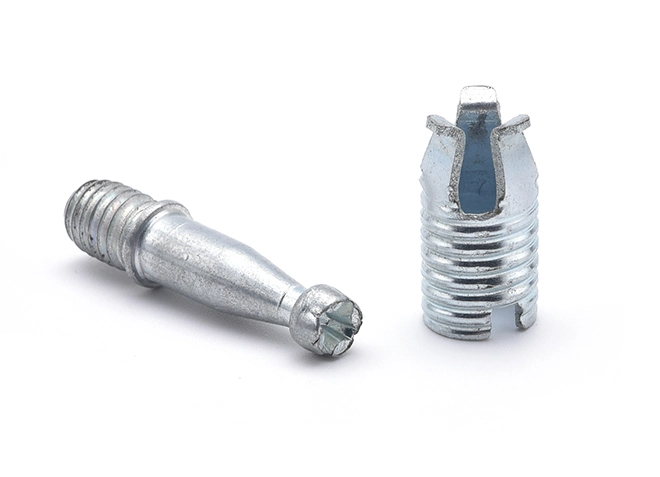 Furniture Simple Assembly and Disassembly Connector
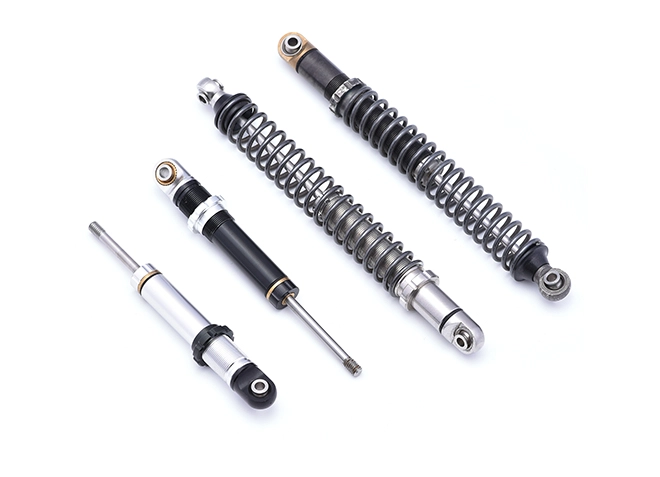 Micro Vibration Absorber
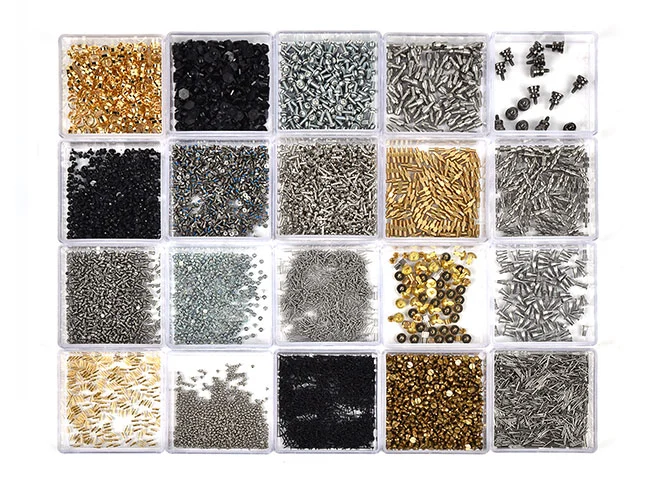 Micro Screws
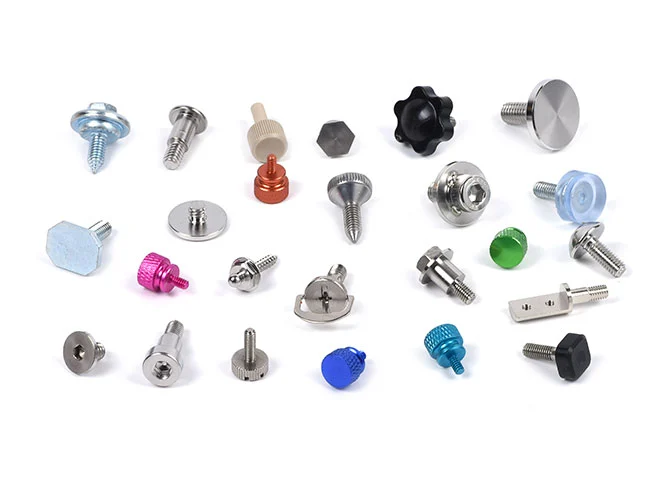 Big Head Screws
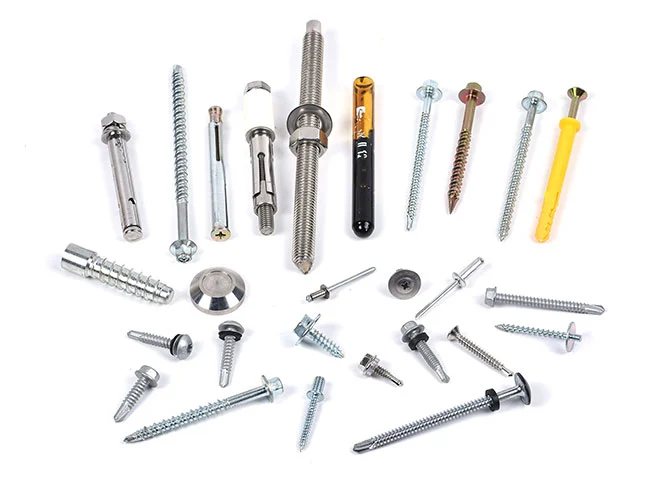 Construction Screws
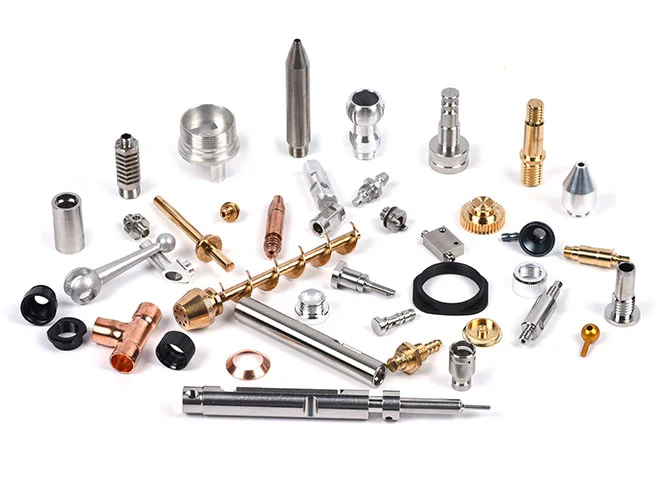 CNC Lathe Machining Parts
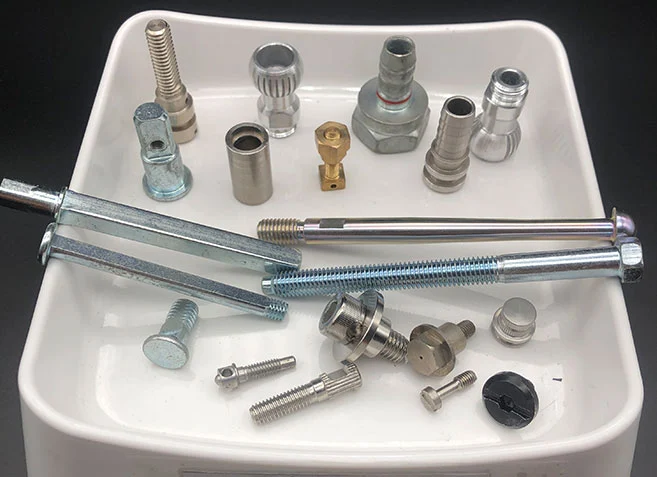 Cold Forged and Undergo Secondary Processing Products
 Multi Station Cold Heading Screws
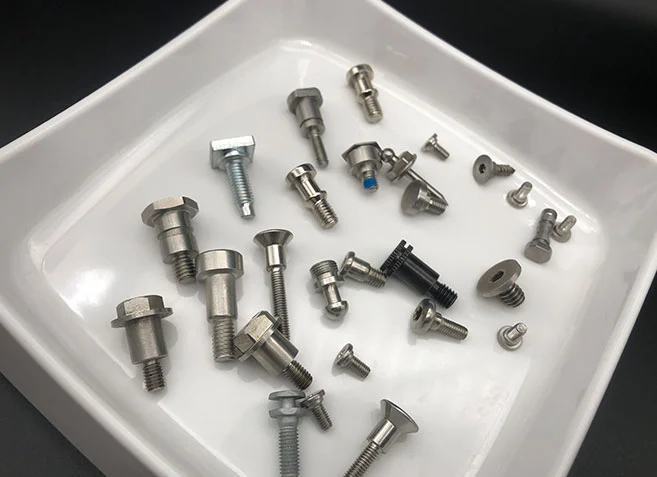 Step Screw
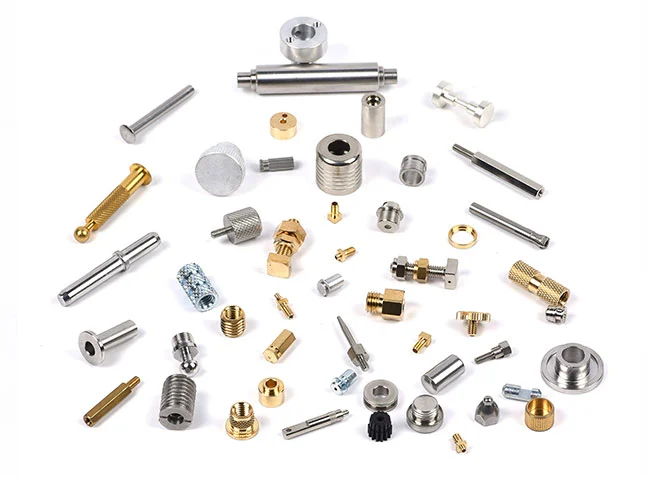 Automatic Lathe Machining Parts
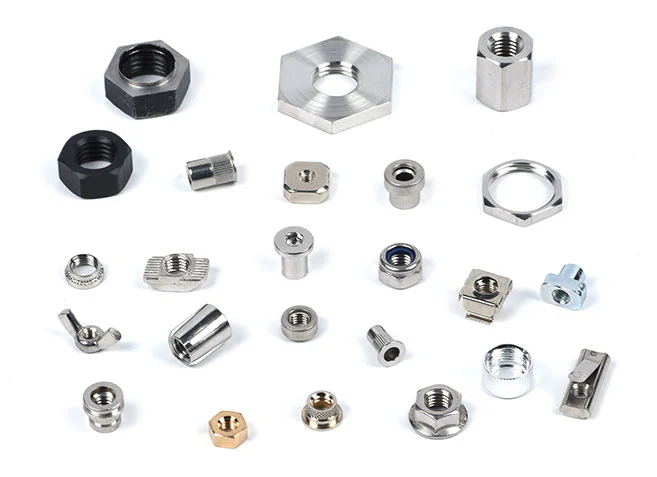 High Difficulty Challenge Cold Heading Fasteners
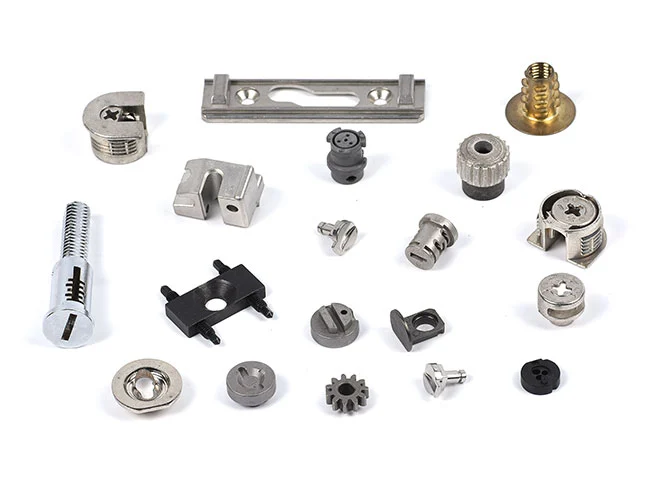 New Tech Fasteners
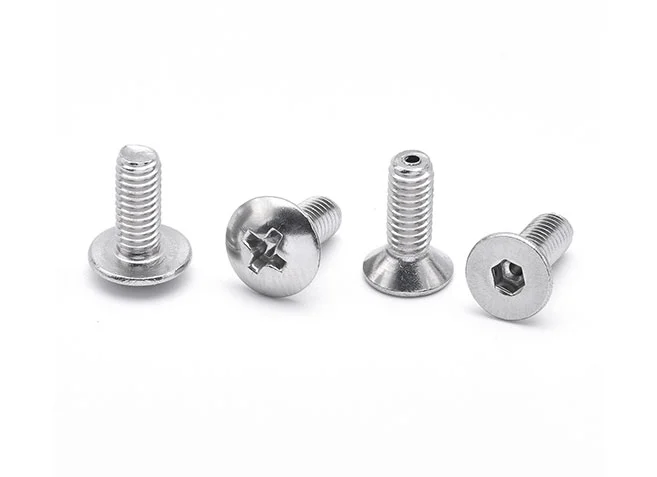 Machine Screws
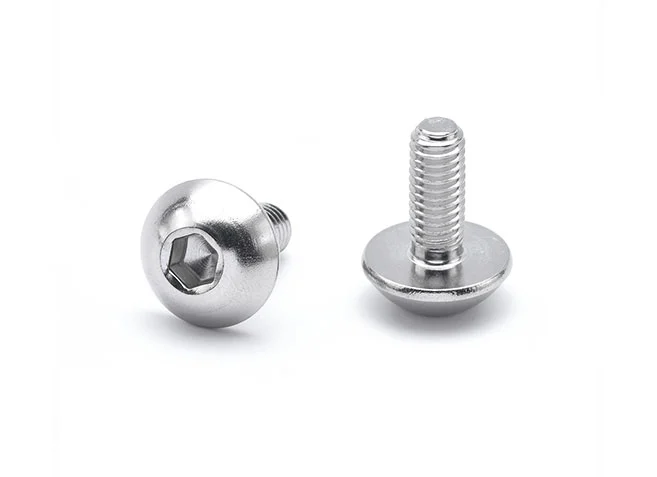 Socket Cap Screws
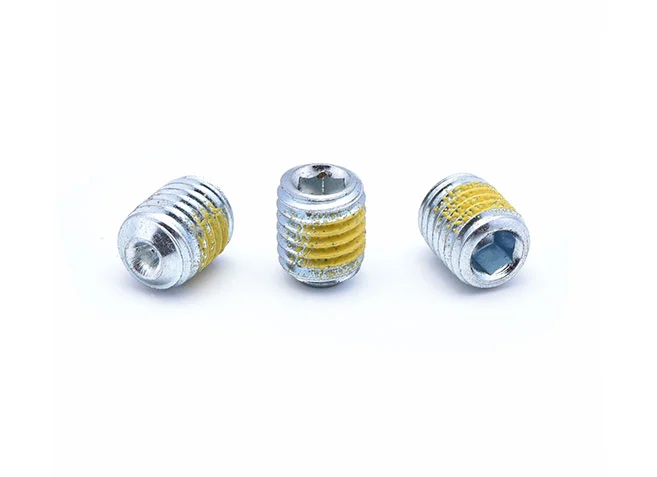 Hexagon Socket Set Screws
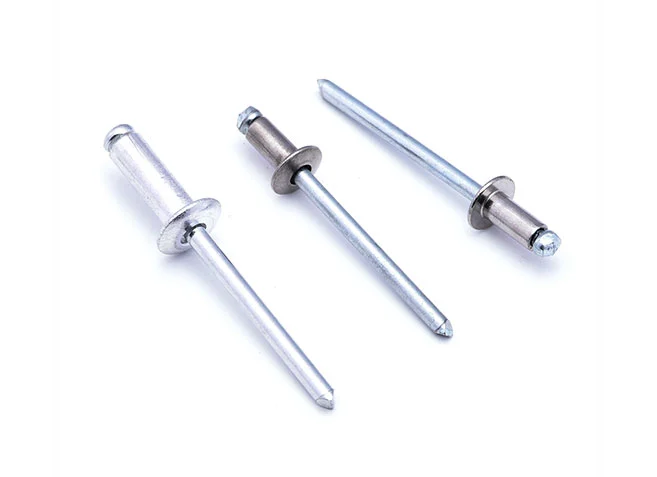 Pull Out Rivet
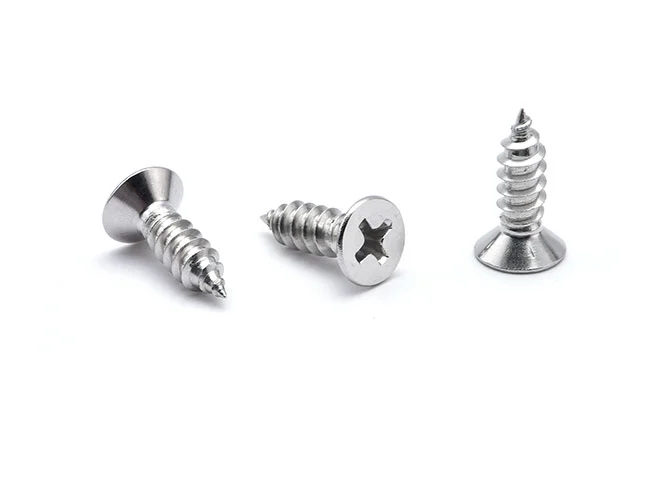 Self Tapping Screws
 Hex Bolts
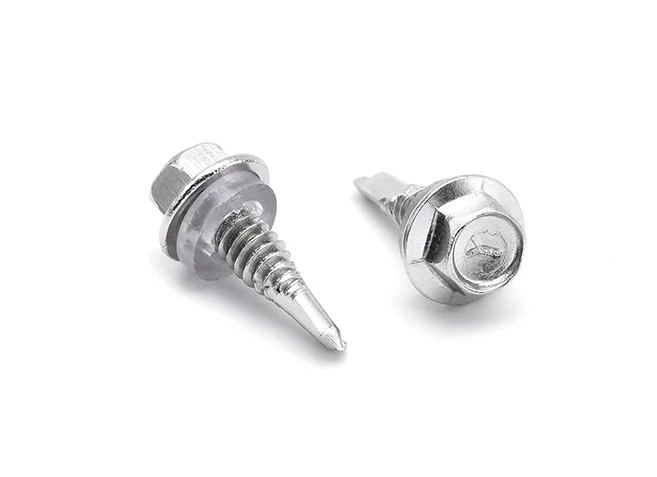 Self Drilling Screws
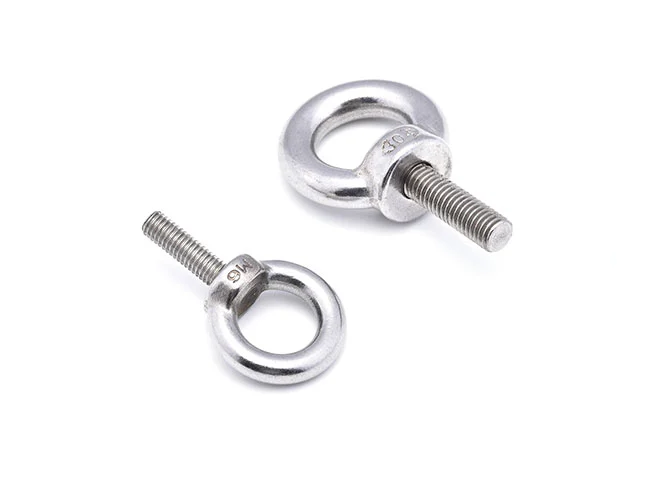 Eye Bolts
 U-bolts
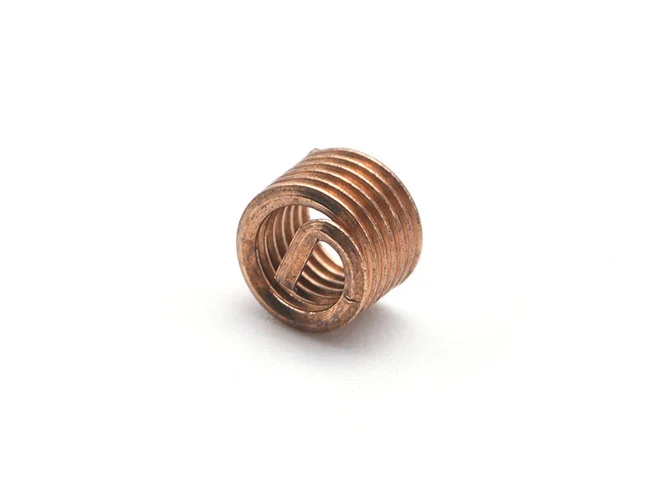 Threaded Sheath
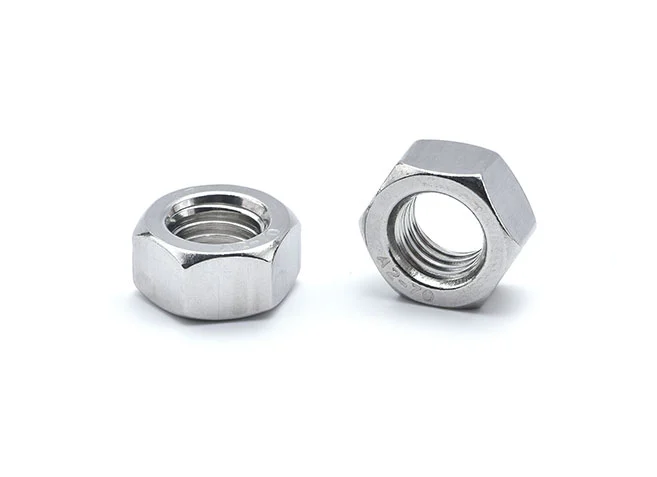 Hex Nut
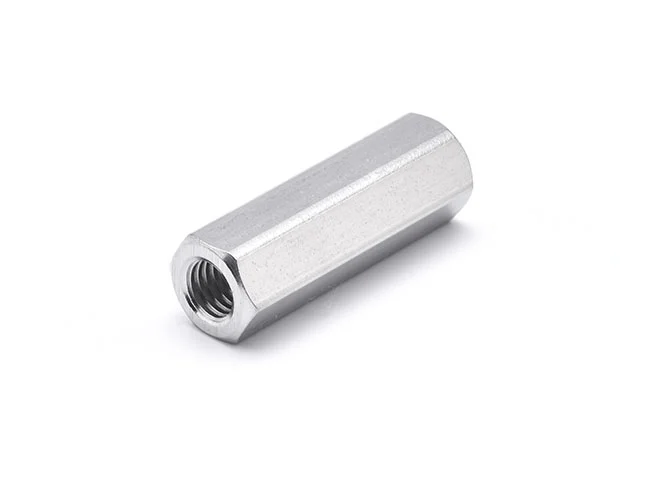 Hex Long Nut
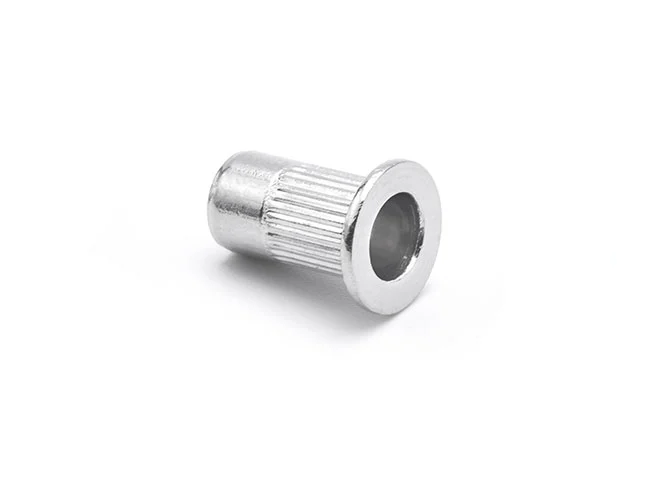 Pull Rivet Nut
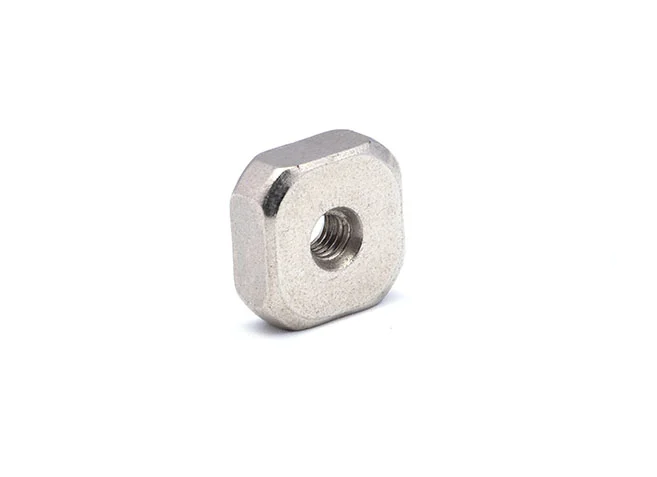 Square Nuts
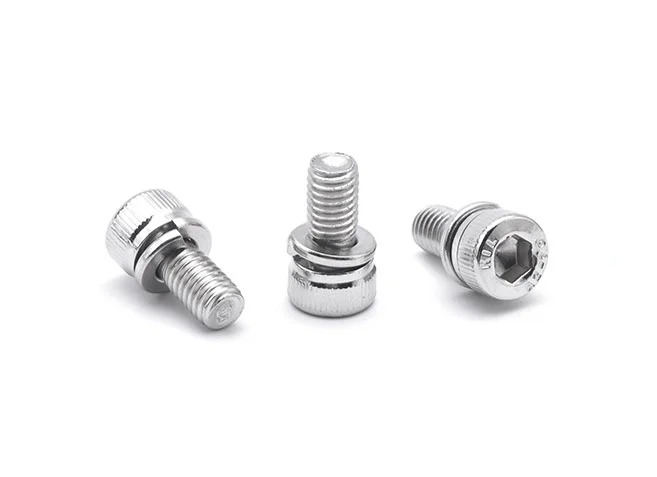 Combination Screws
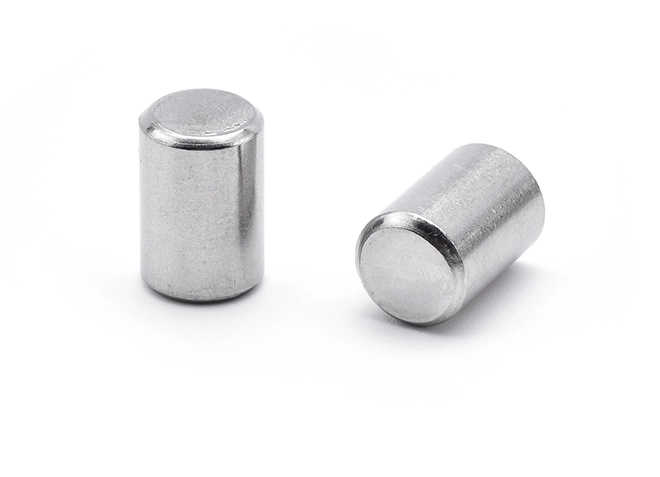 Pin
Pin
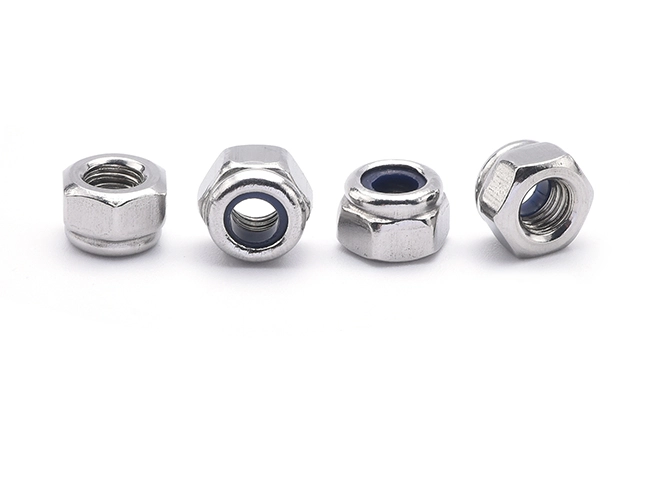 Nylon Locking Nuts
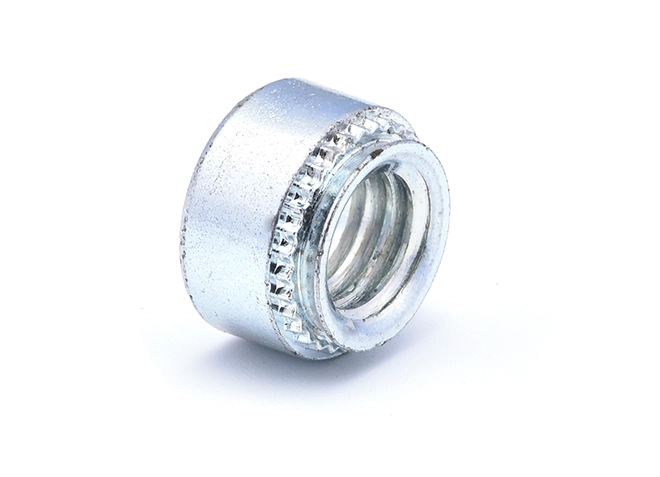 Pressure Rivet Nuts
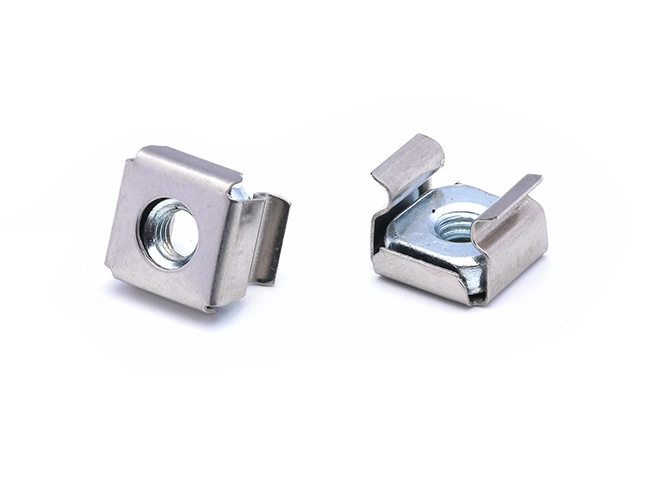 Cage Nut
 Welding Screws
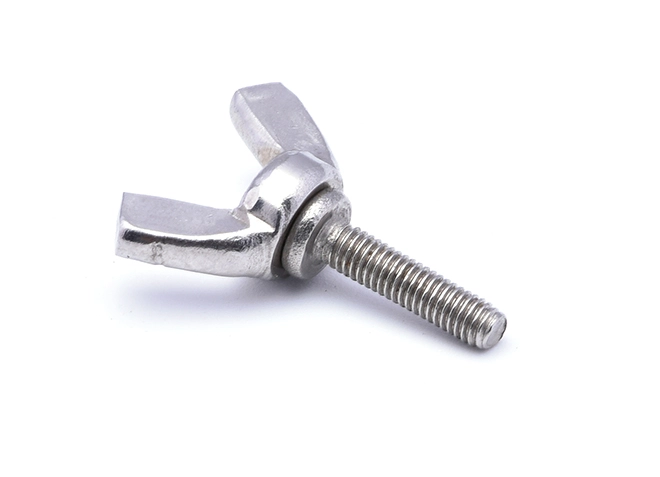 Butterfly Screw
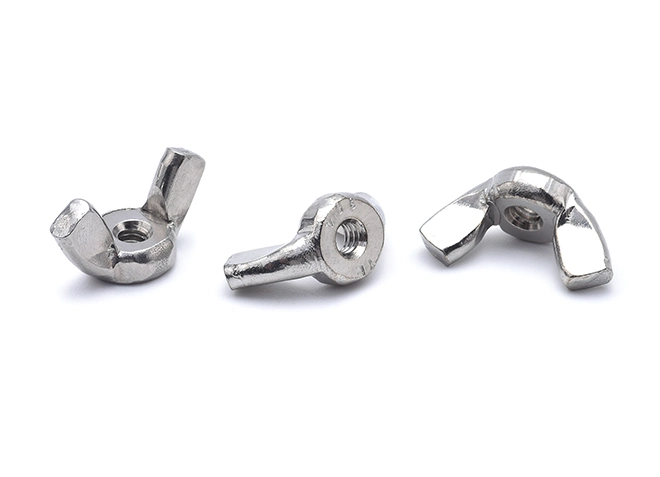 American Standard Butterfly Nut
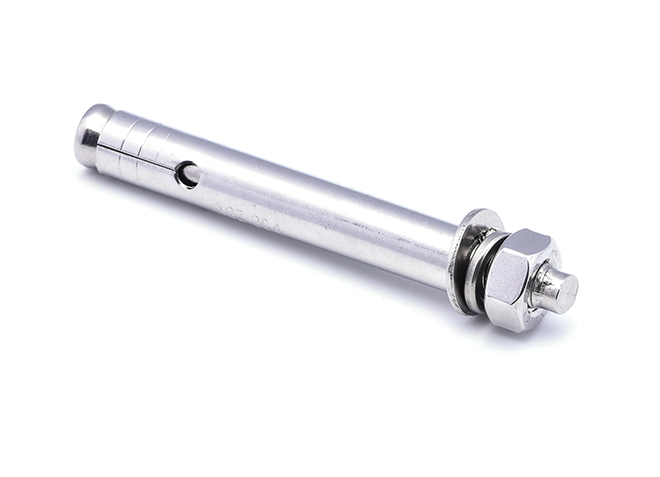 Expansion Screw
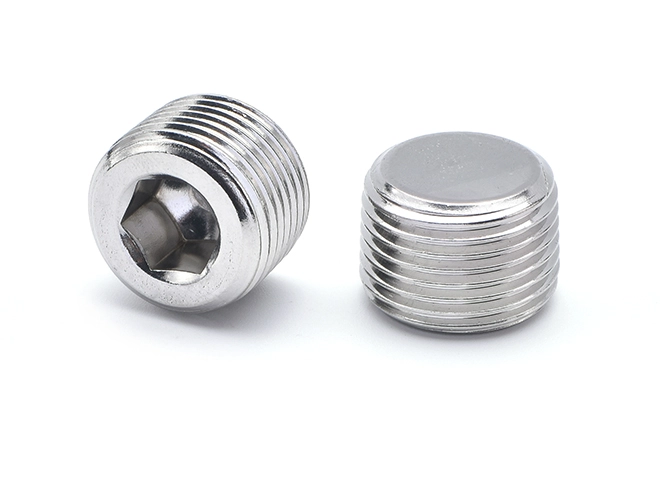 Plug Screw
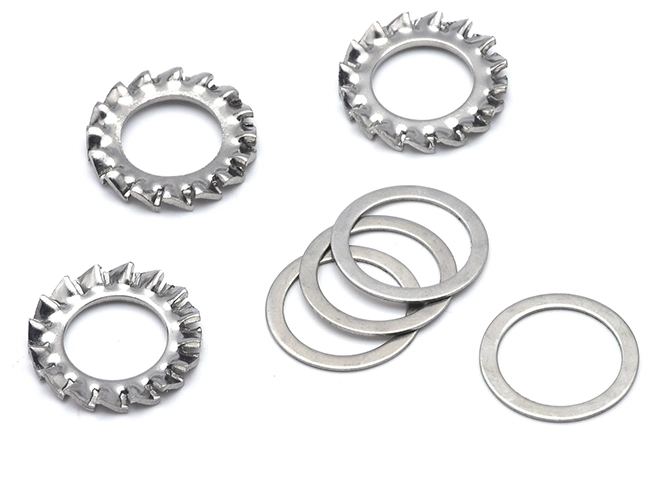 Stainless Steel Washer
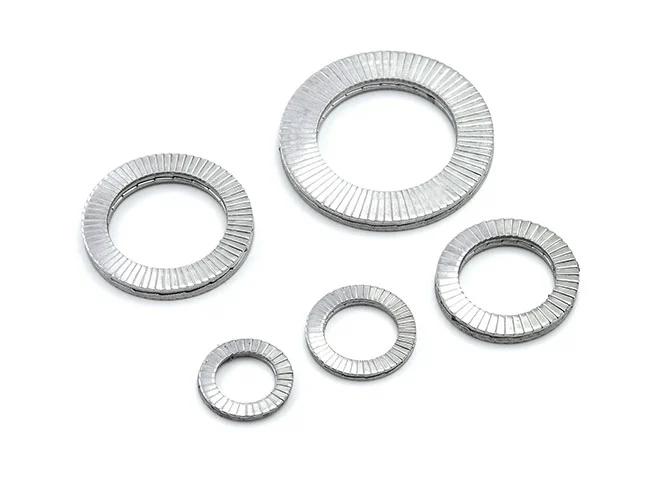 Double Overlap Anti-Loosening Washers
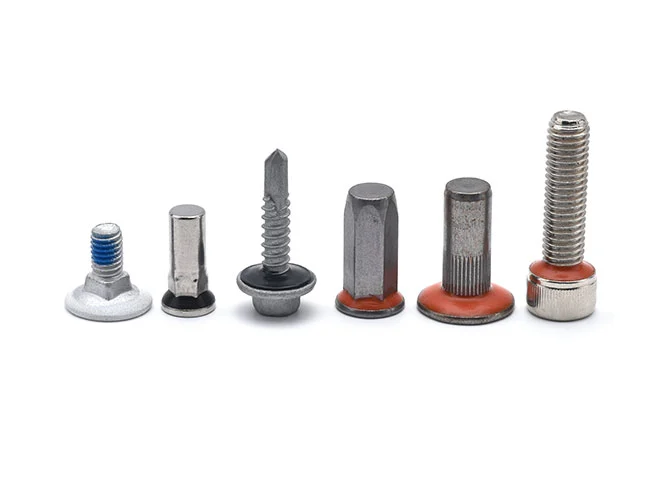 Waterproof and Anti-Drop Screws
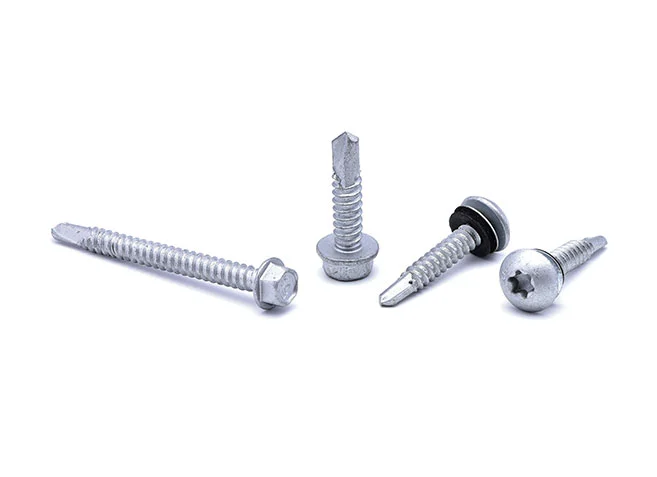 Super Corrosion-Resistant Screws
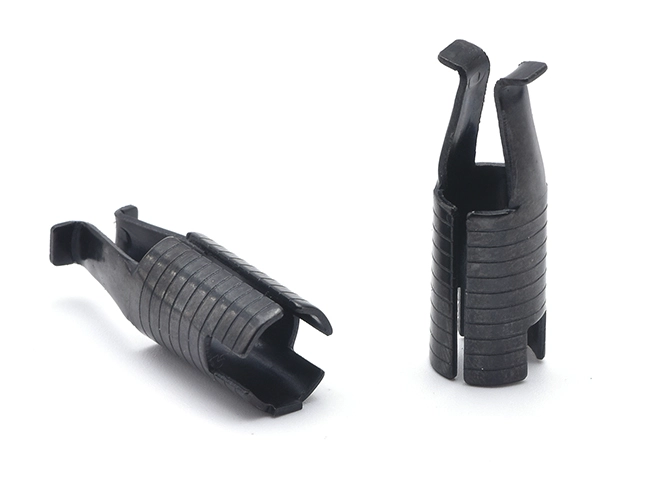 65Mn Material Furniture Connector
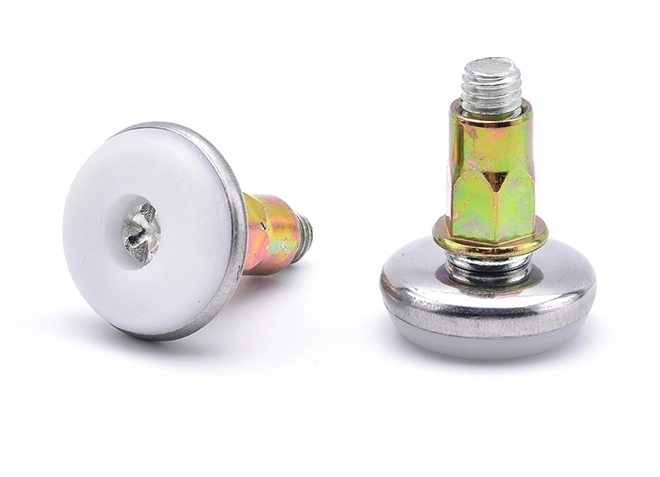 Counter Table Base
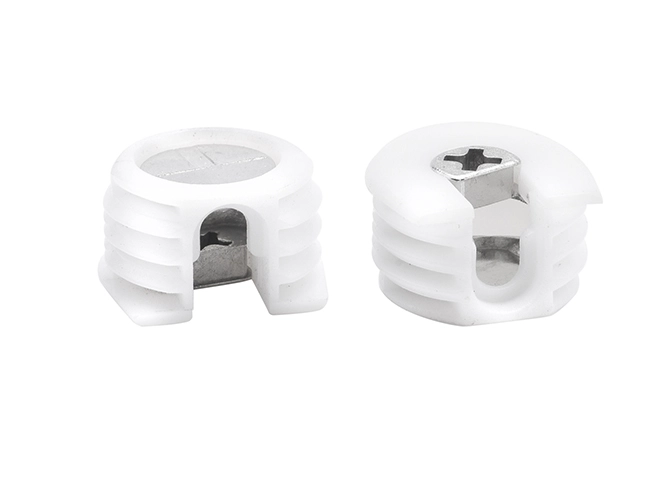 Furniture Connector Nut with Plastic Sleeve
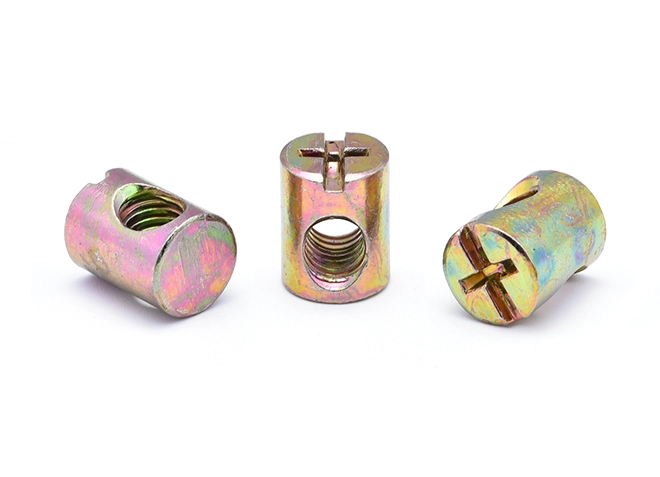 Furniture Horizontal Hole Nut
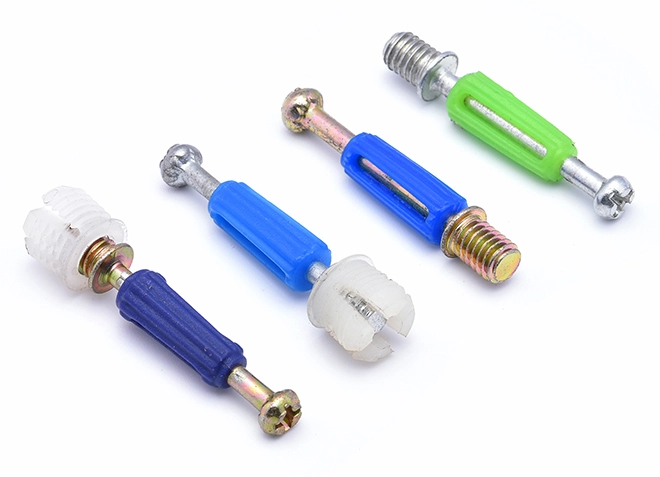 Furniture Connecting Screw
 Furniture Connecting Nut Seat
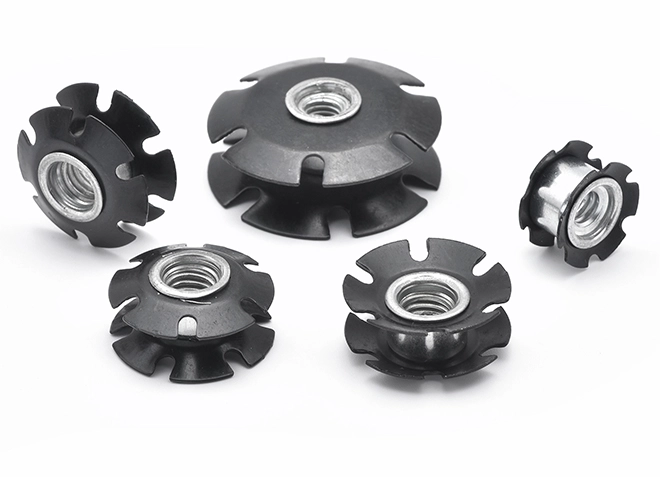 Double Stack Wheels Used On Furniture
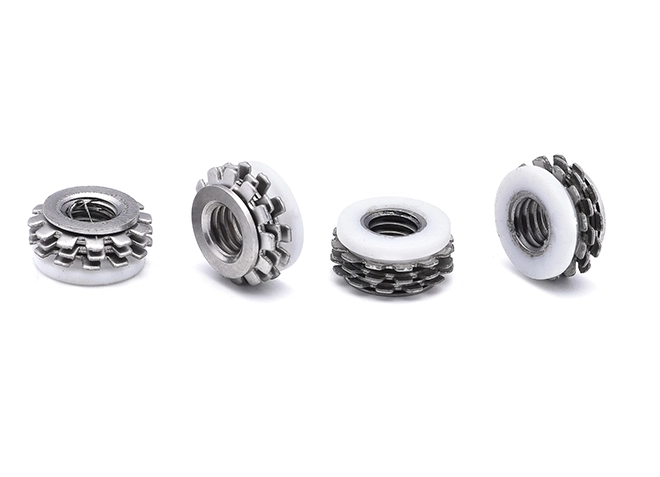 Components Used On Furniture
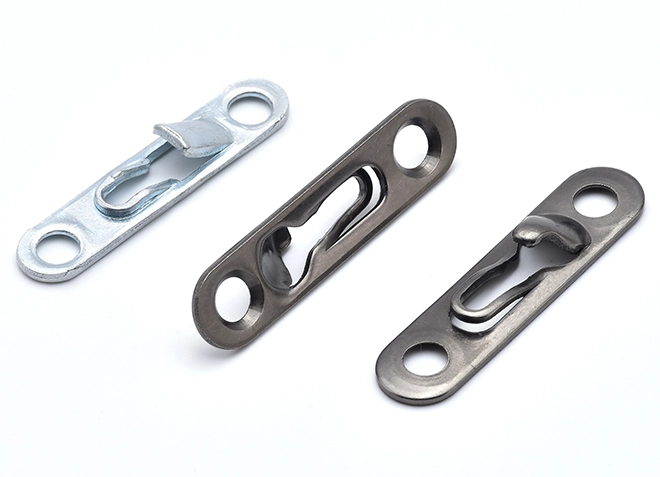 Connection Buckle
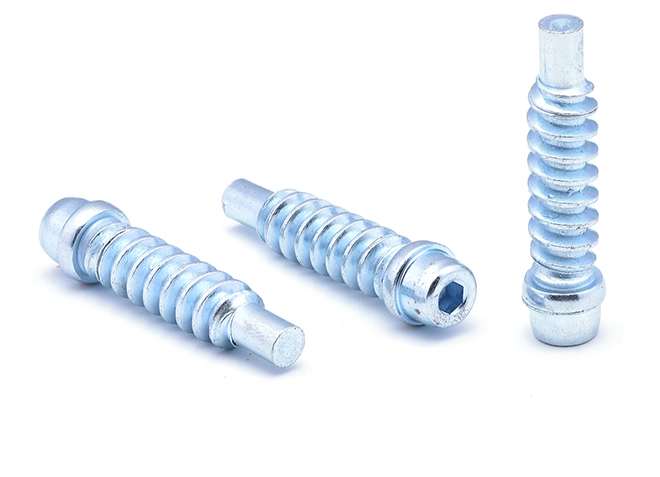 Internal Hexagonal Spiral Screw
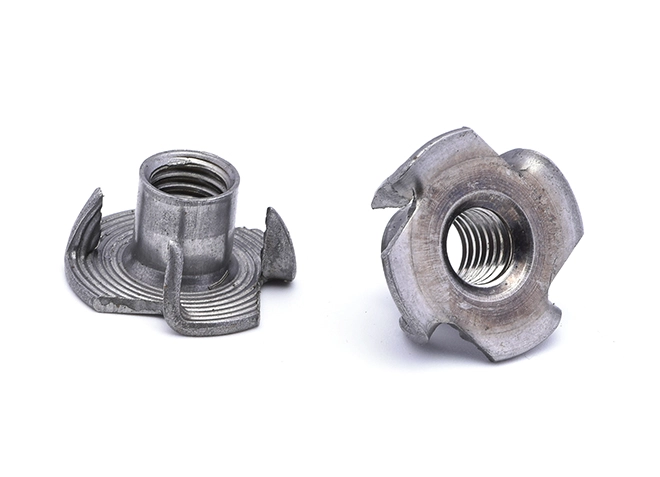 Iron Colored Carbon Steel Four Claw Nut
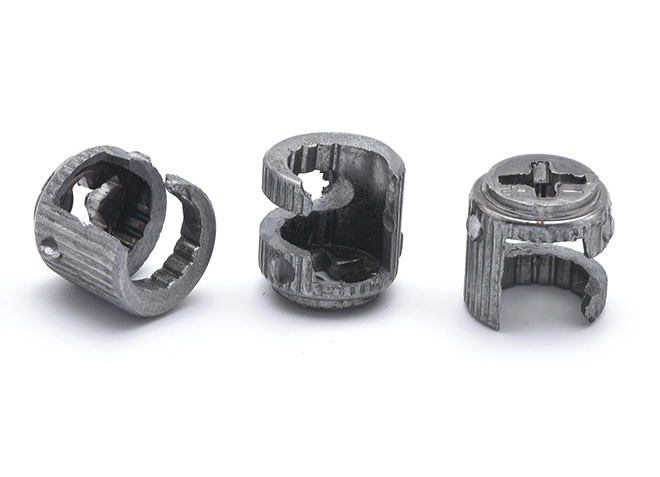 Iron Furniture Three Combination Nut Seat
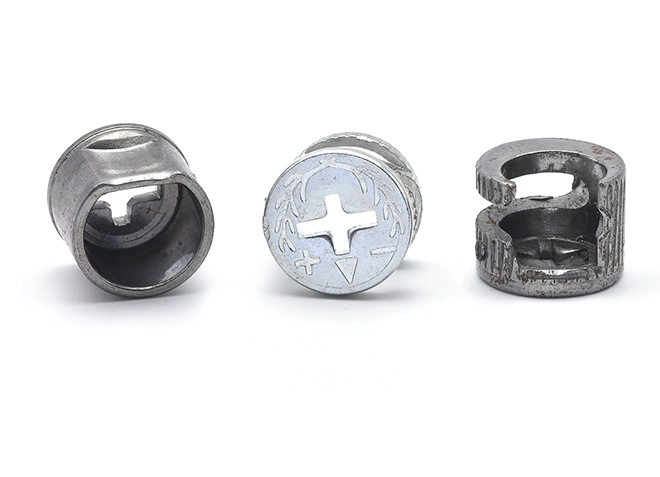 Iron and Zinc Alloy Furniture Three Combination Nut Seat
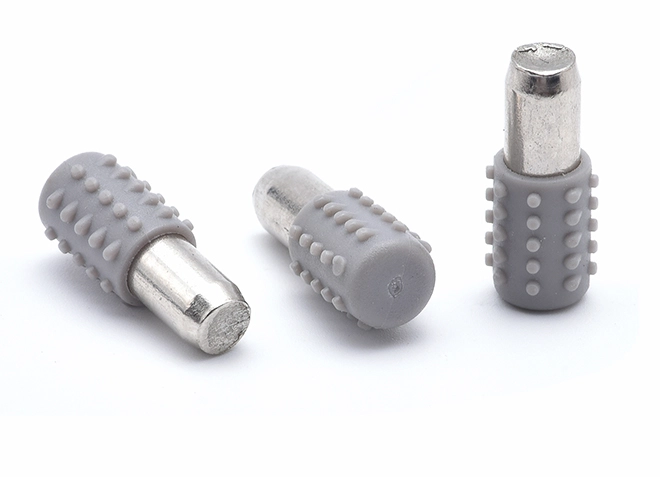 Dowel Pin+ Gray Elephant Rubber Sleeve
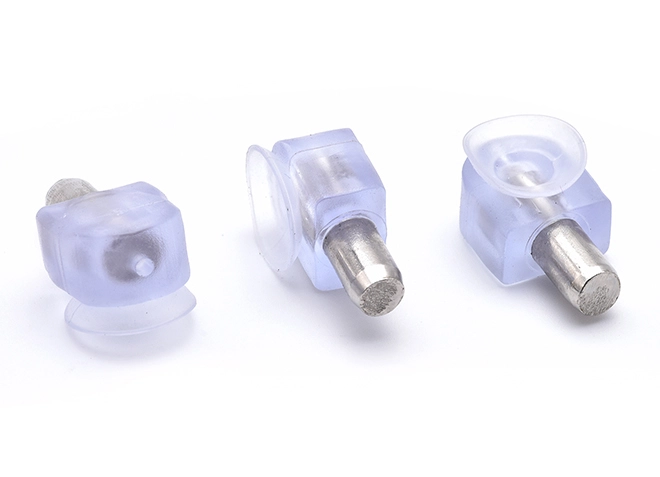 Dowel Pin+ Transparent Elephant Rubber Sleeve
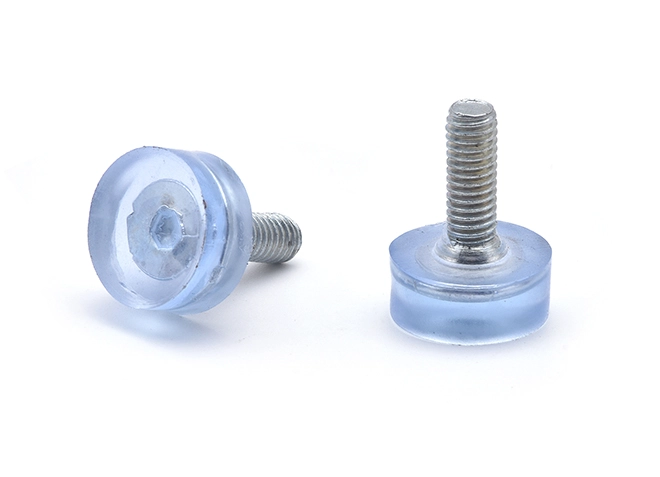 Injection Molded Furniture Foot Pad Screw
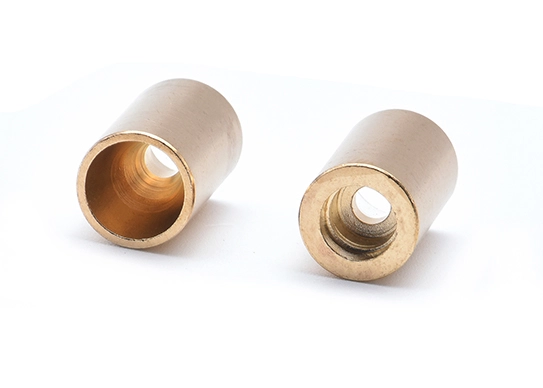
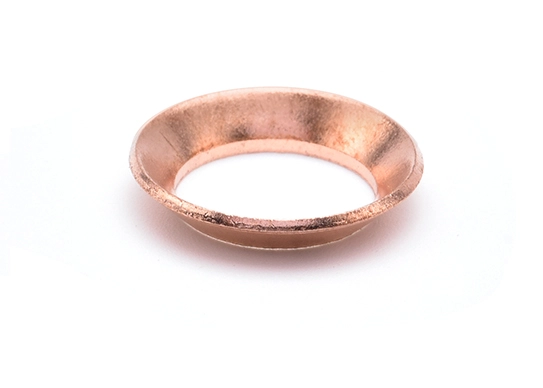
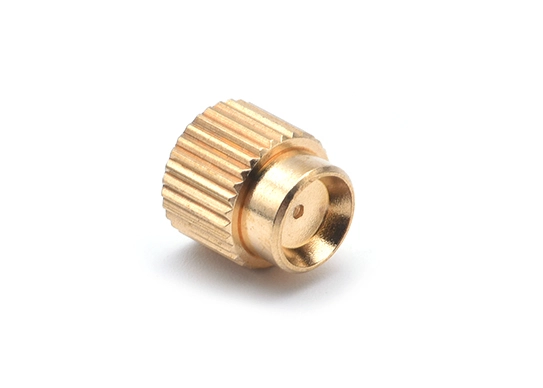
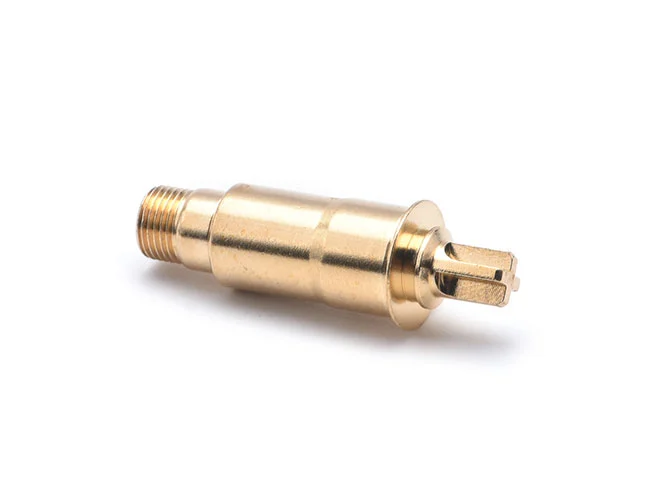
The infrared thermometer signal receiver copper component plays a pivotal role in infrared thermometer devices. Crafted through precision manufacturing processes like machining, it serves as the interface for receiving infrared signals emitted by the target object. Copper's conductivity ensures efficient transmission of signals, enabling accurate temperature readings. Its durability and thermal conductivity make it ideal for withstanding the rigors of frequent use and maintaining signal integrity. This component is essential for the reliable operation of infrared thermometers in various applications, including medical, industrial, and automotive sectors.
High Thermal Conductivity: Copper's high thermal conductivity is one of its most significant properties for infrared thermometers. This allows copper components to quickly and efficiently conduct heat to the thermometer's sensing elements, ensuring accurate and rapid temperature readings. The efficient heat transfer helps maintain the accuracy of the temperature measurement by reducing the time it takes for the sensor to equilibrate with the measured temperature.
Good Electrical Conductivity: Copper's excellent electrical conductivity is essential for the efficient operation of electronic components within infrared thermometers. It facilitates the reliable transmission of electrical signals from the sensor to the display or processing unit, ensuring precise temperature readings and system responsiveness.
Corrosion Resistance: Although copper is susceptible to oxidation, it generally exhibits good resistance to various forms of corrosion, especially when used with appropriate coatings or treatments. In infrared thermometers, this property helps maintain the integrity of copper components over time, contributing to the device's durability and longevity.
Thermal Stability:Copper maintains its structural and mechanical properties over a wide range of temperatures. This thermal stability ensures that copper components in infrared thermometers perform reliably under varying operating conditions, which is crucial for maintaining measurement accuracy and device functionality.
Machinability: Copper's excellent machinability allows for the precise fabrication of components used in infrared thermometers. This property is beneficial for creating complex parts such as housings, connectors, and heat sinks, which need to be manufactured to exact specifications for optimal performance.
Reflectivity: Copper has good reflectivity in the infrared spectrum, which can be advantageous in some infrared thermometer designs. For instance, copper's reflective properties can be utilized in optical systems to enhance the accuracy of infrared measurements by improving the efficiency of light collection or directing.
Thermal Expansion: Copper has a relatively high coefficient of thermal expansion. While this can be a consideration in design to ensure that components remain properly aligned and functional under varying temperatures, copper's expansion properties are generally manageable within the operating range of infrared thermometers.
aaron18129983931@gmail.com