English
  日本語
日本語  한국어
한국어  français
  Deutsch
  Español
  italiano
  русский
  português
  العربية
Phone:
+86-0769-87561578Aaron: +86-18129983931
Max: +86-18922922459



 New Type Switchgear
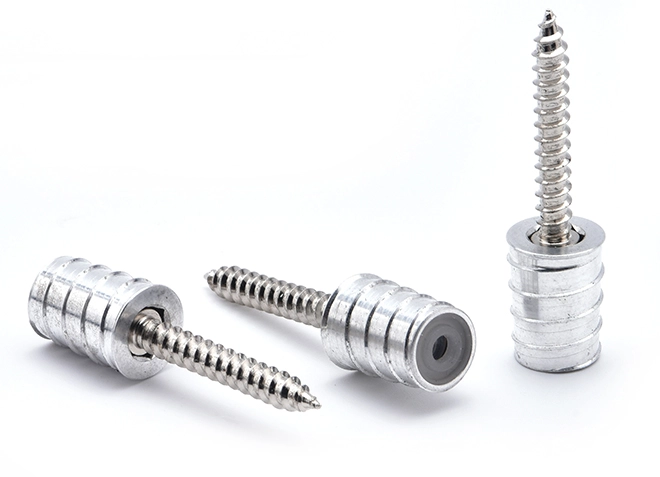 Anti-loose Easy Disassembly Nut Pillar (New Furniture Connector)
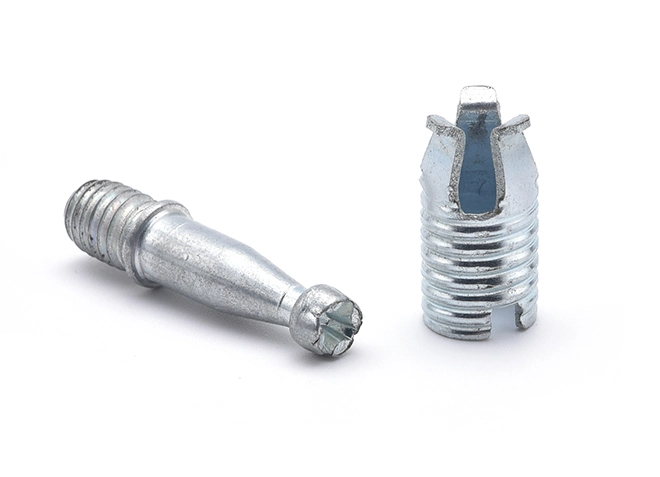 Furniture Simple Assembly and Disassembly Connector
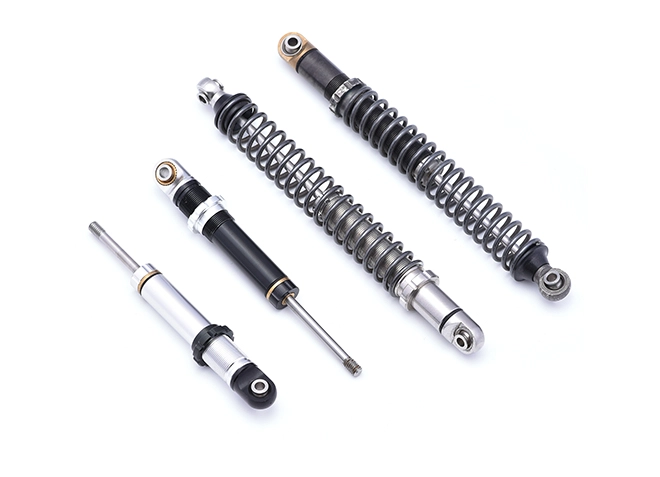 Micro Vibration Absorber
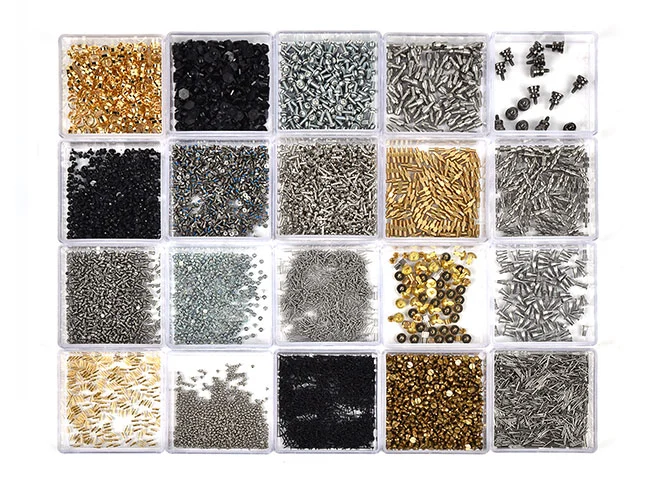 Micro Screws
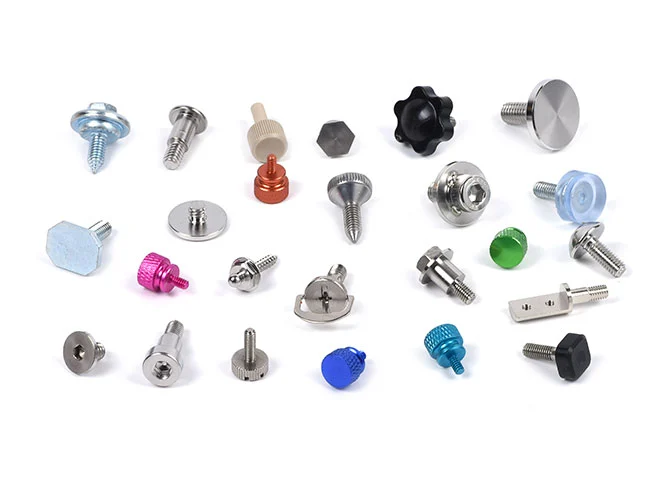 Big Head Screws
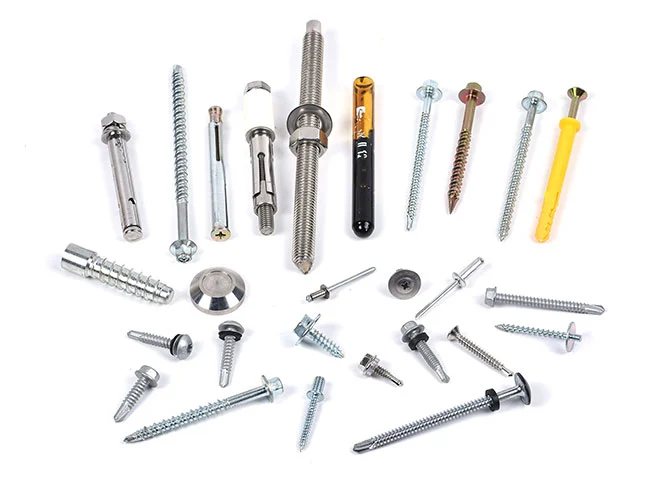 Construction Screws
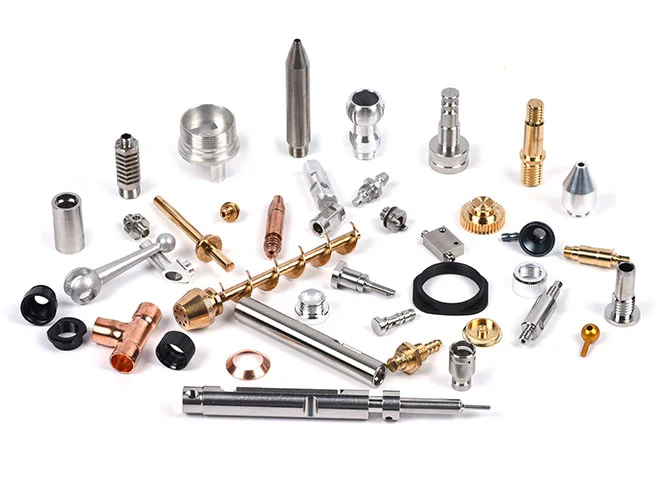 CNC Lathe Machining Parts
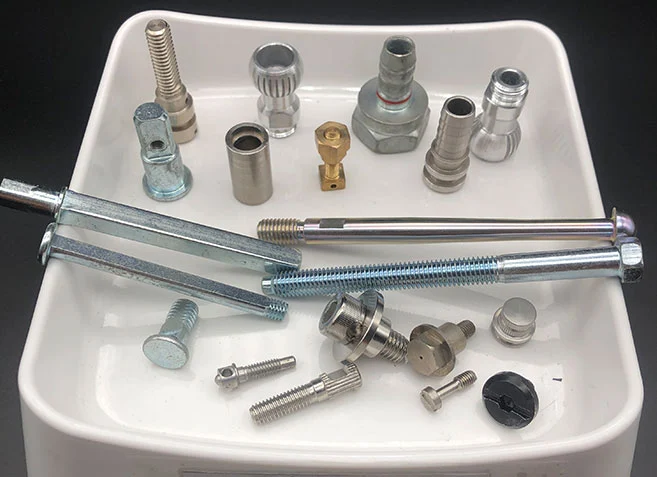 Cold Forged and Undergo Secondary Processing Products
 Multi Station Cold Heading Screws
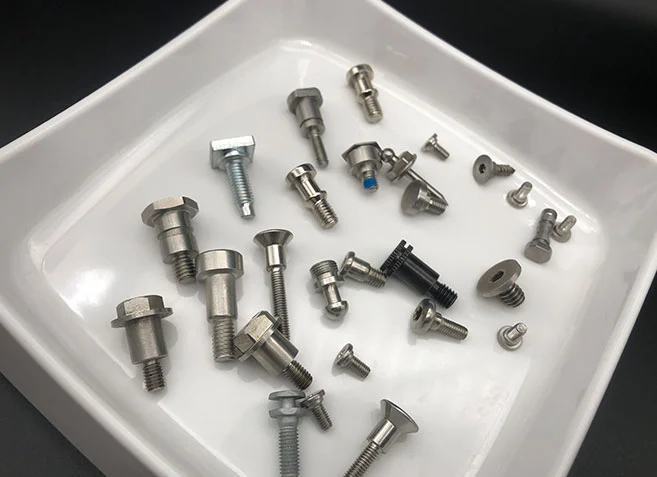 Step Screw
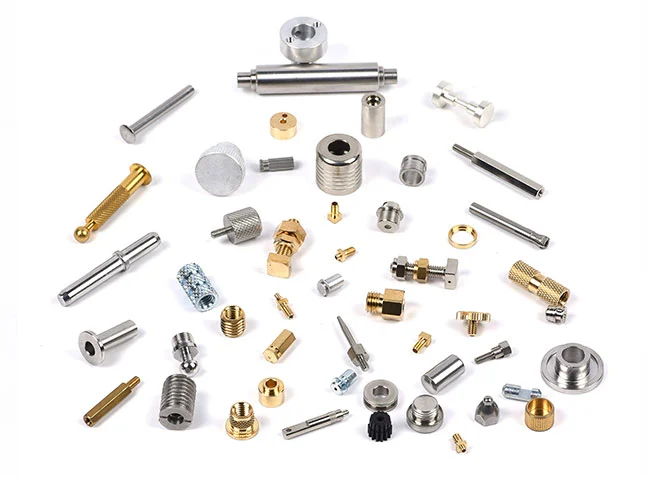 Automatic Lathe Machining Parts
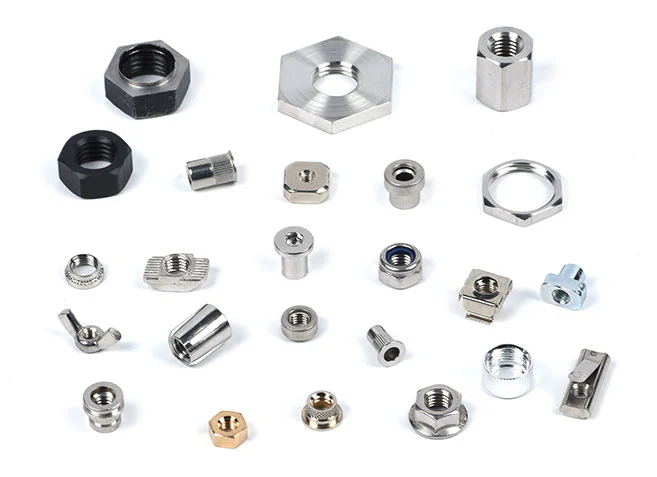 High Difficulty Challenge Cold Heading Fasteners
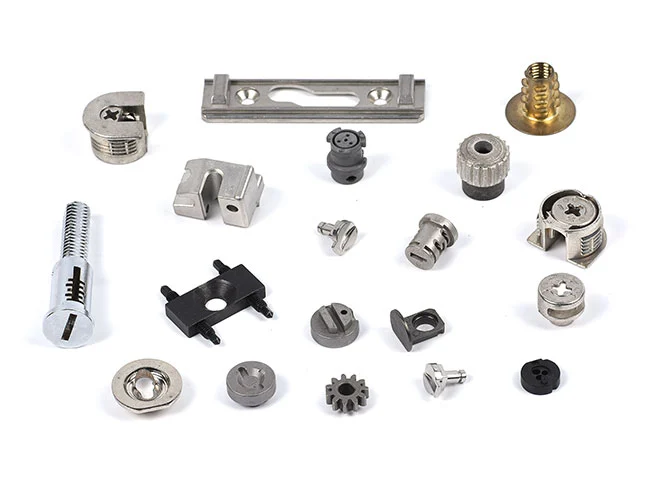 New Tech Fasteners
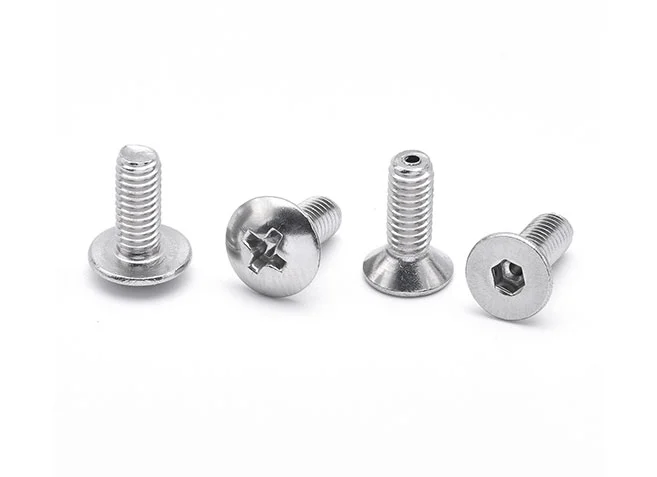 Machine Screws
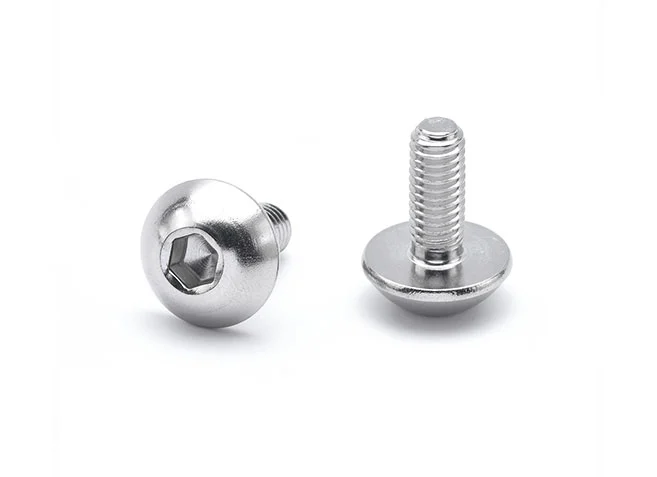 Socket Cap Screws
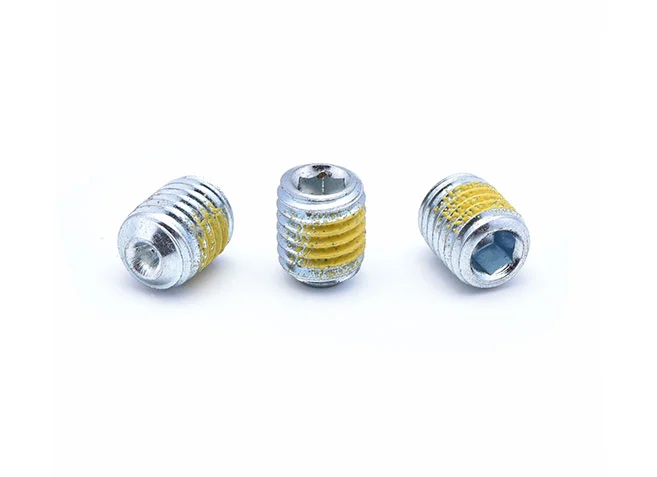 Hexagon Socket Set Screws
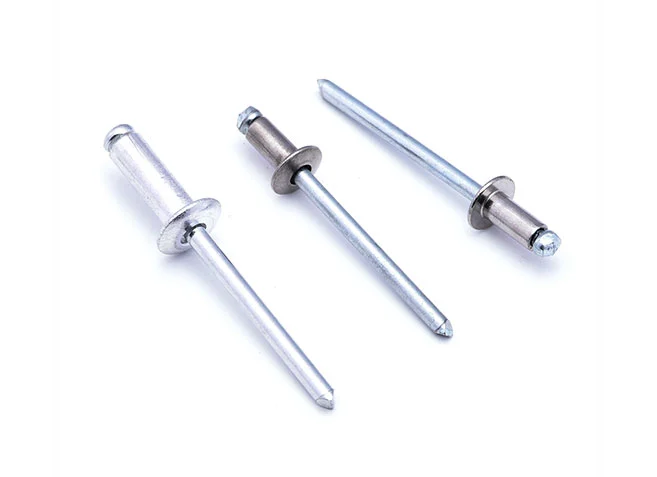 Pull Out Rivet
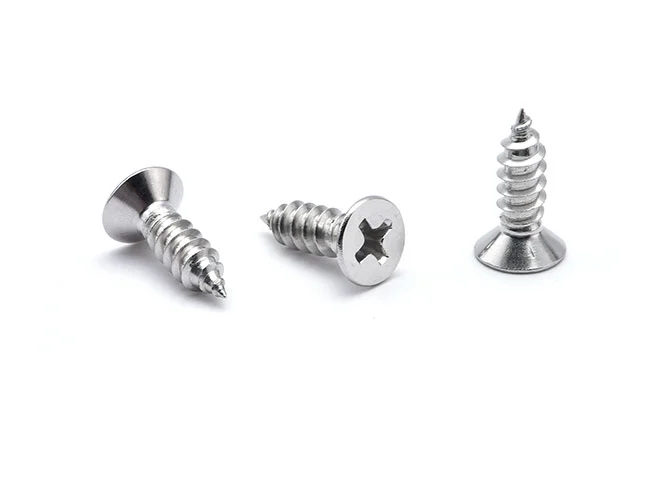 Self Tapping Screws
 Hex Bolts
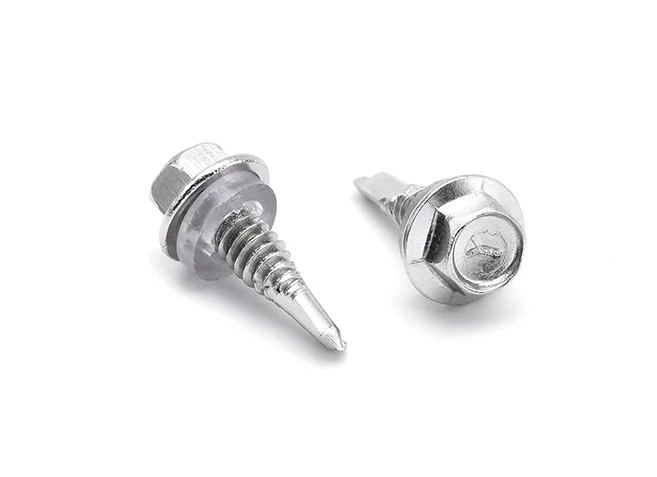 Self Drilling Screws
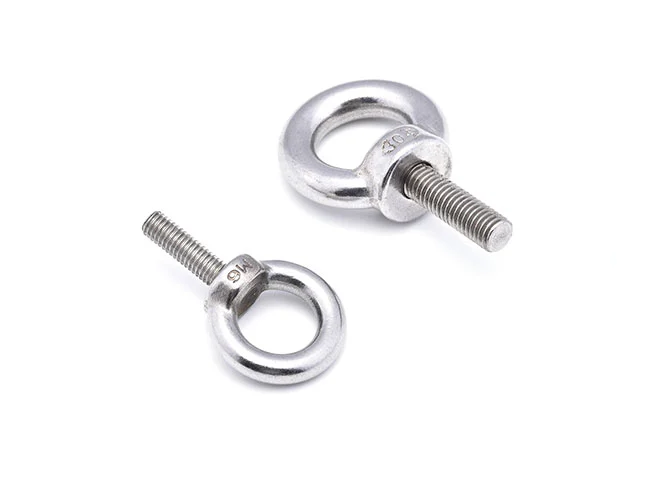 Eye Bolts
 U-bolts
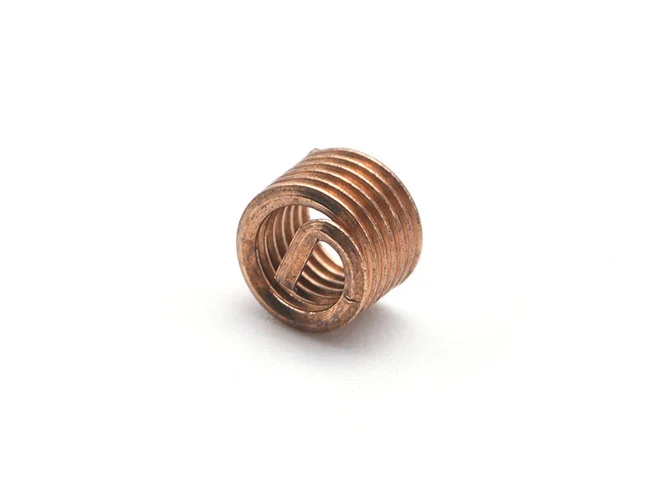 Threaded Sheath
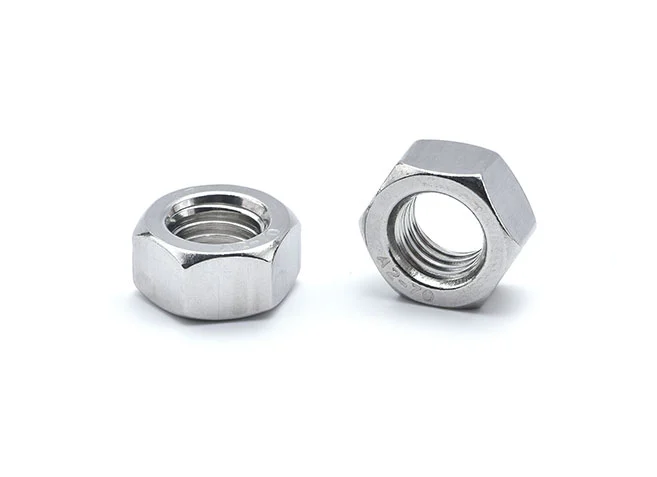 Hex Nut
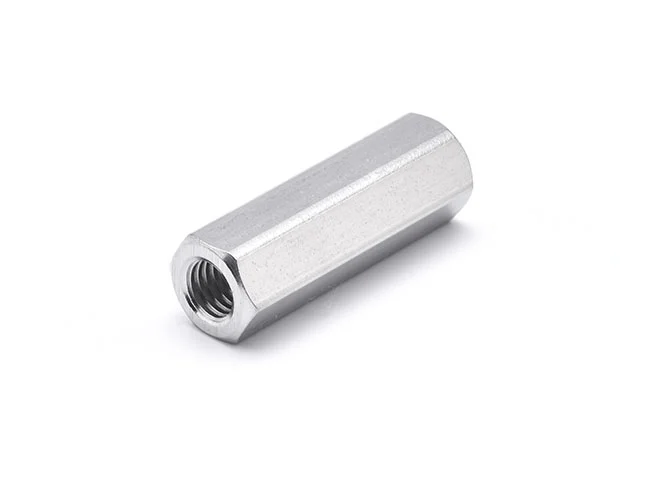 Hex Long Nut
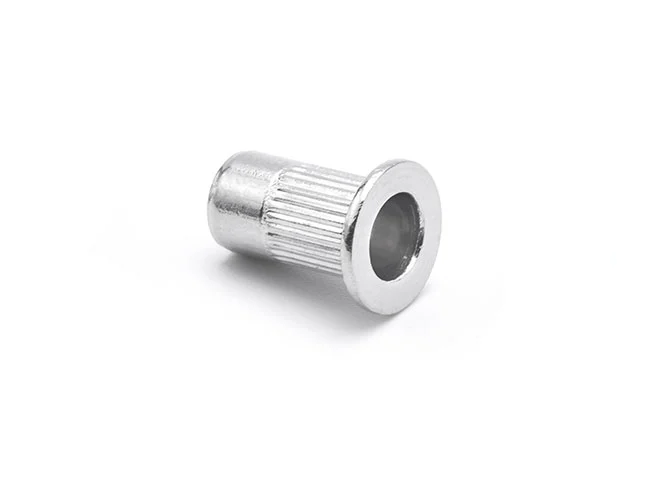 Pull Rivet Nut
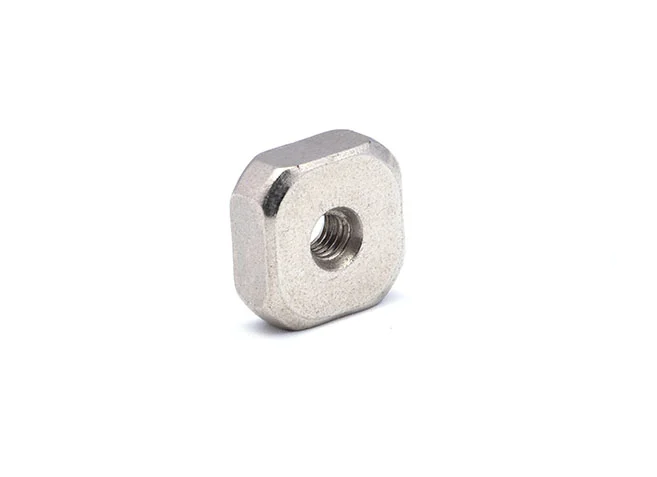 Square Nuts
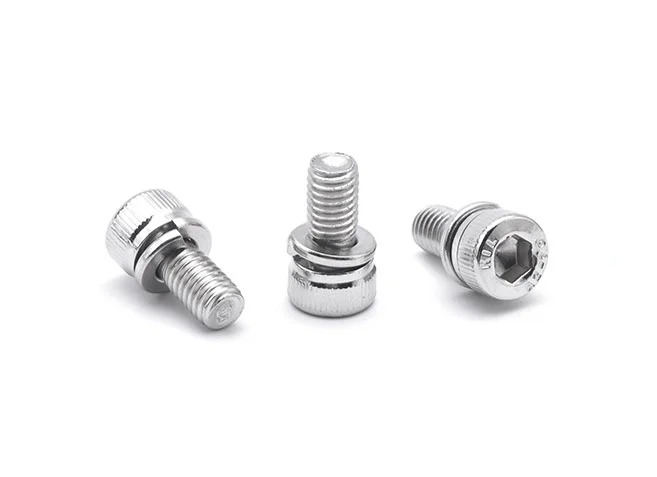 Combination Screws
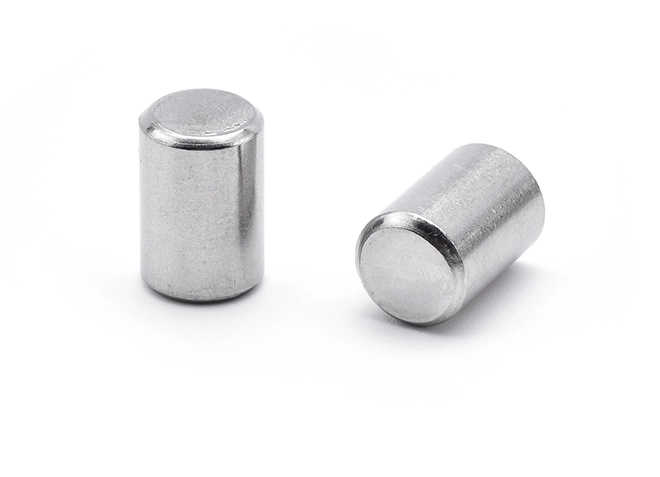 Pin
Pin
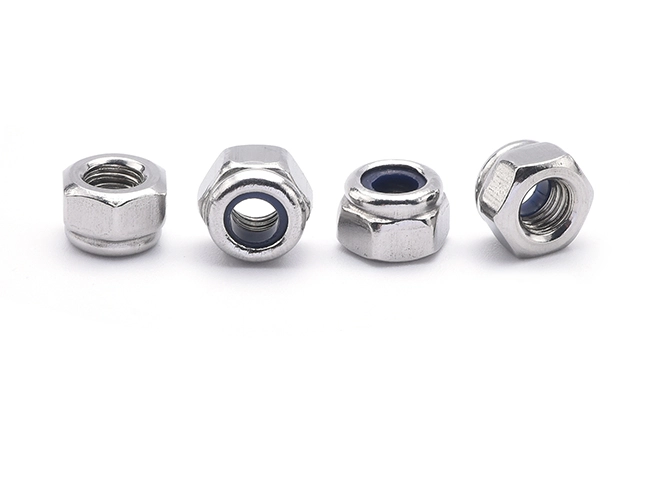 Nylon Locking Nuts
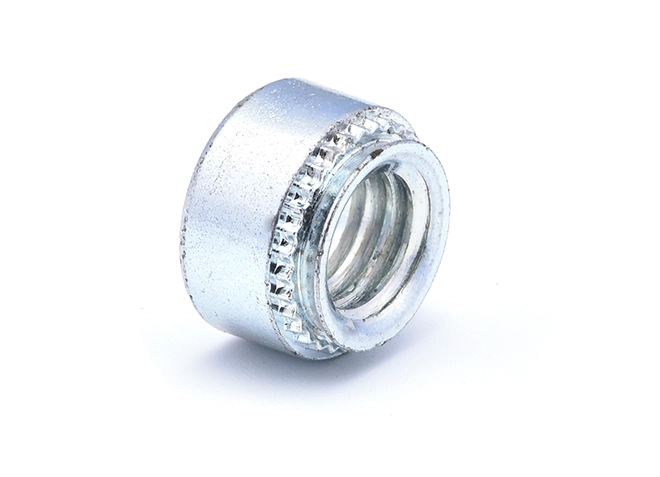 Pressure Rivet Nuts
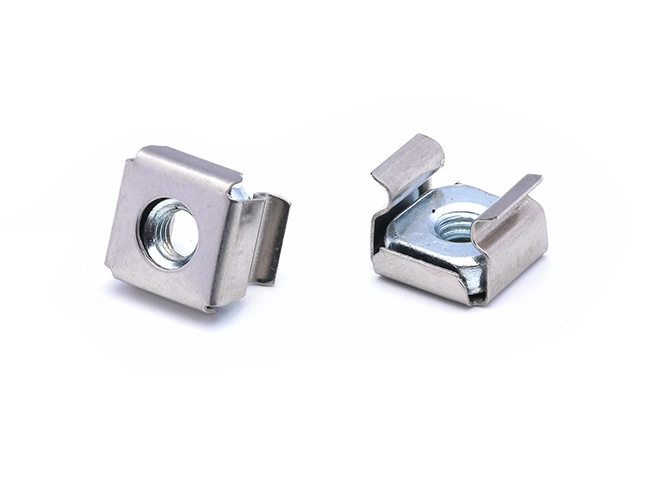 Cage Nut
 Welding Screws
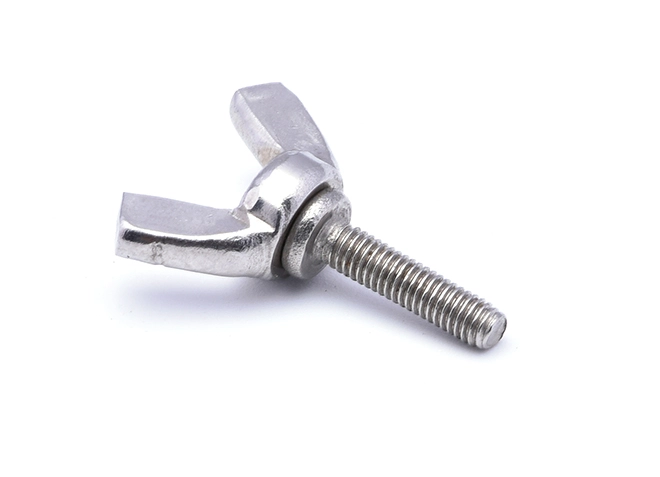 Butterfly Screw
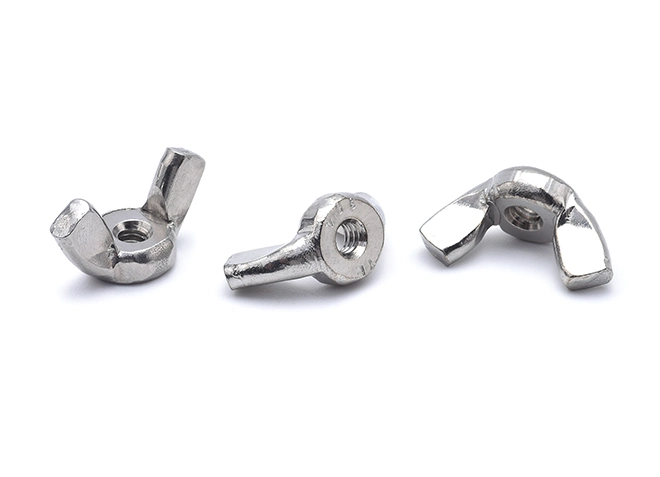 American Standard Butterfly Nut
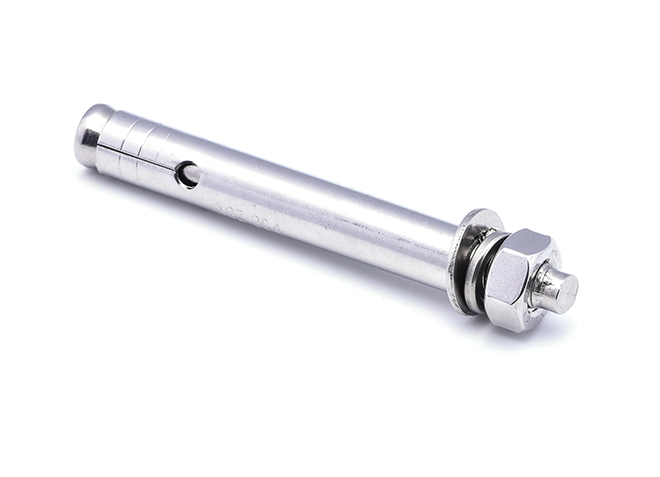 Expansion Screw
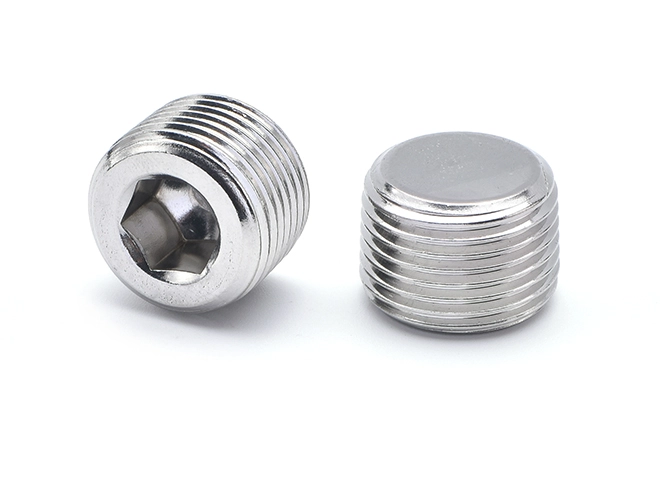 Plug Screw
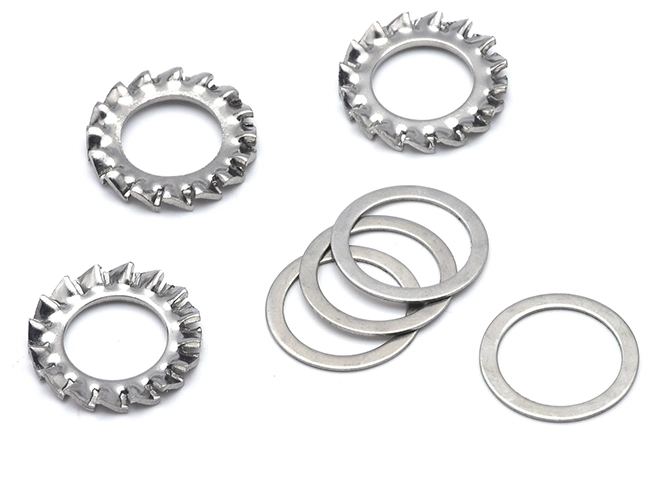 Stainless Steel Washer
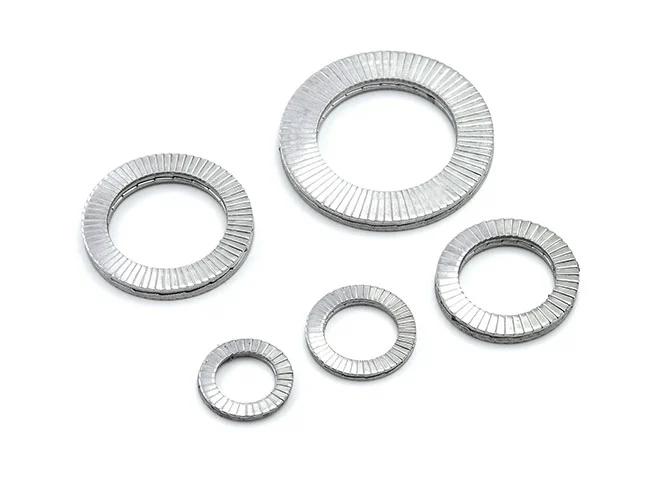 Double Overlap Anti-Loosening Washers
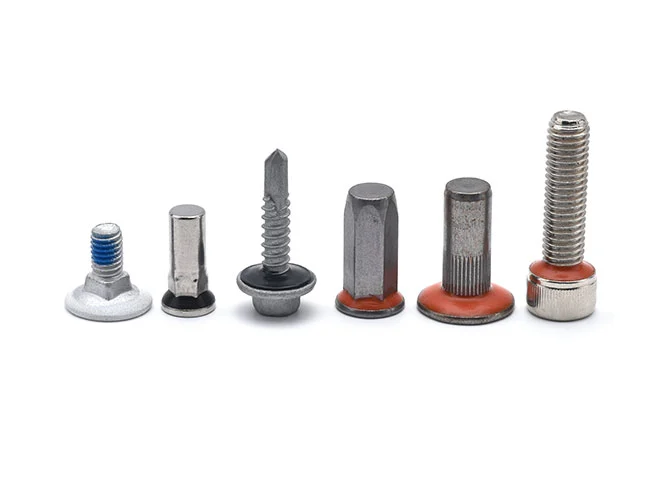 Waterproof and Anti-Drop Screws
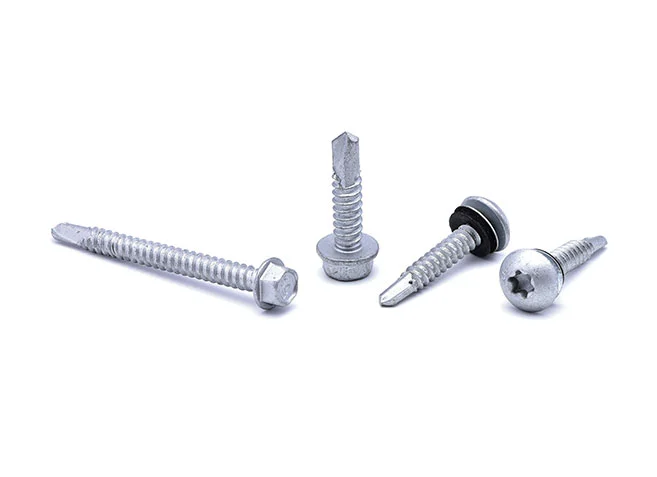 Super Corrosion-Resistant Screws
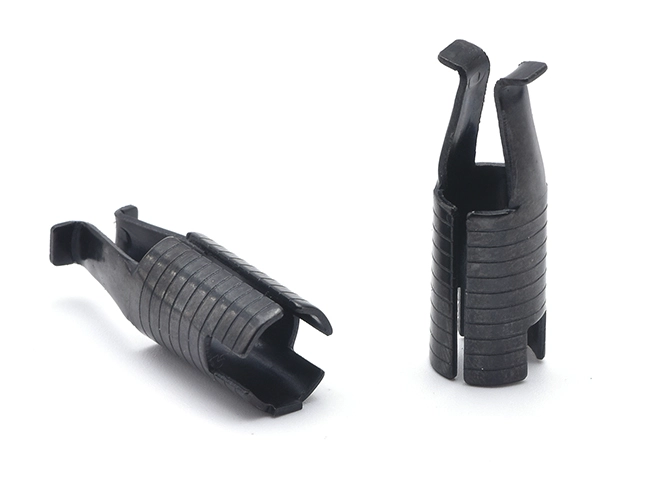 65Mn Material Furniture Connector
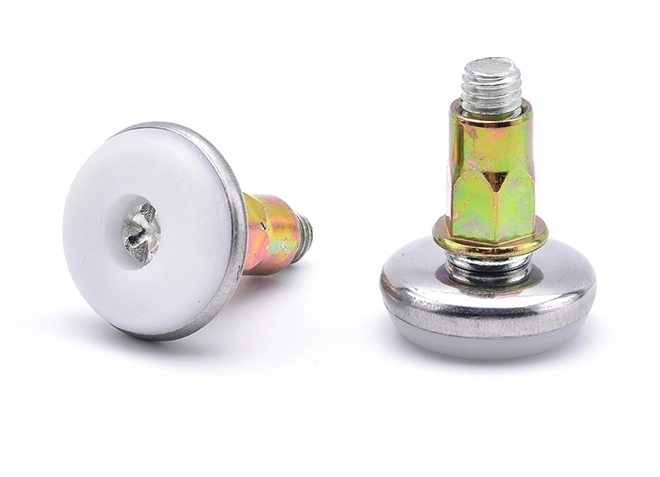 Counter Table Base
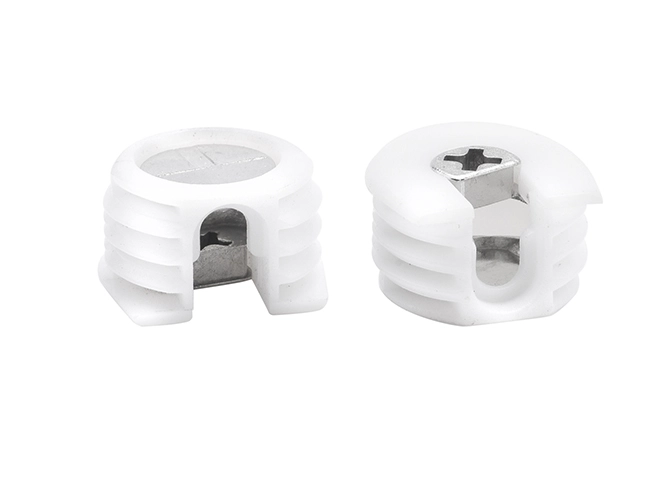 Furniture Connector Nut with Plastic Sleeve
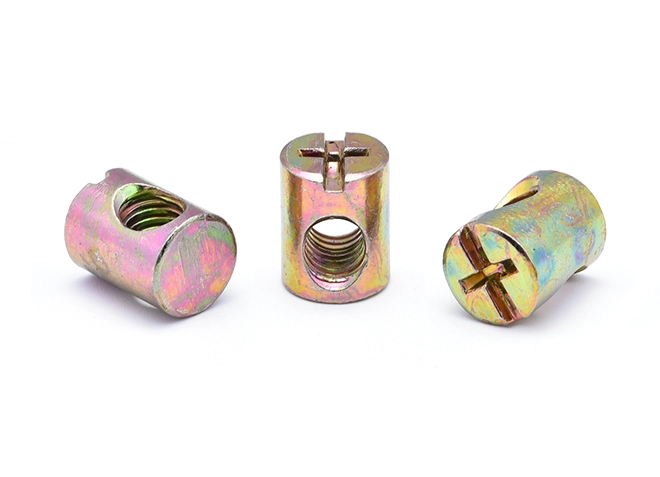 Furniture Horizontal Hole Nut
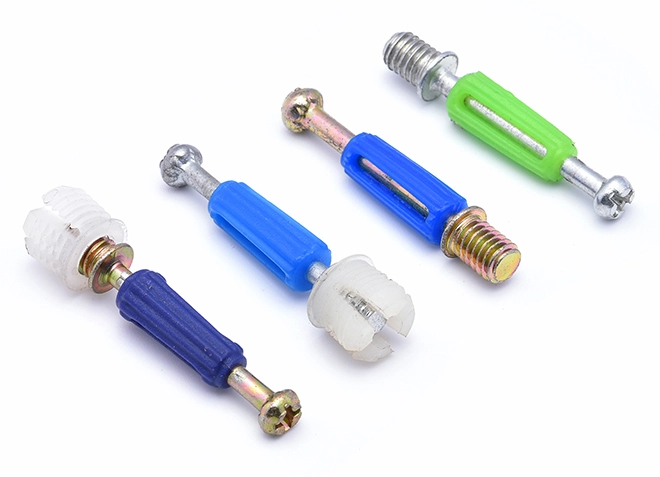 Furniture Connecting Screw
 Furniture Connecting Nut Seat
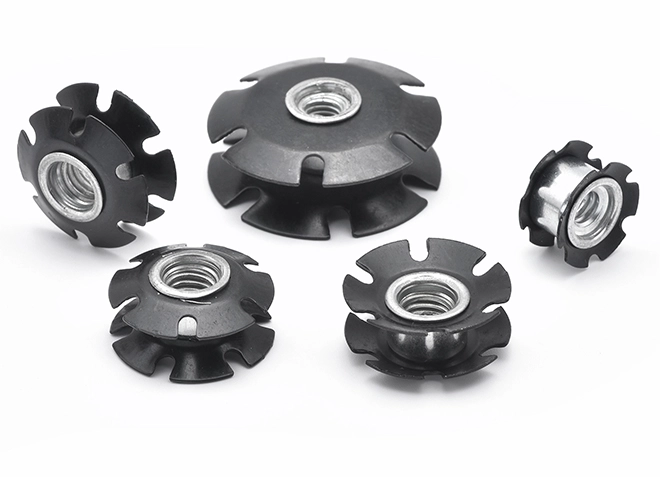 Double Stack Wheels Used On Furniture
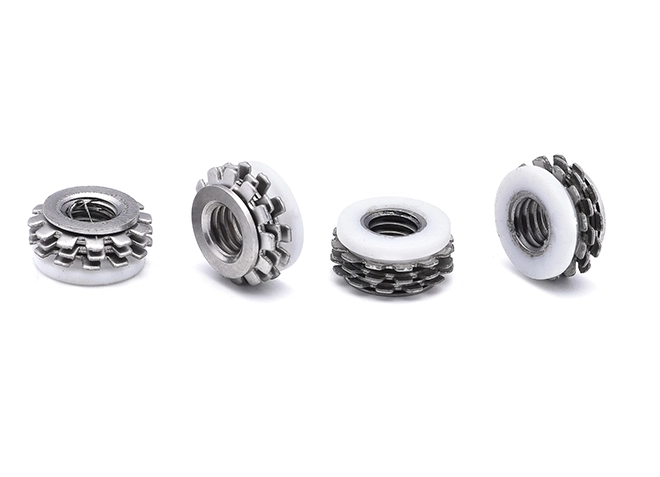 Components Used On Furniture
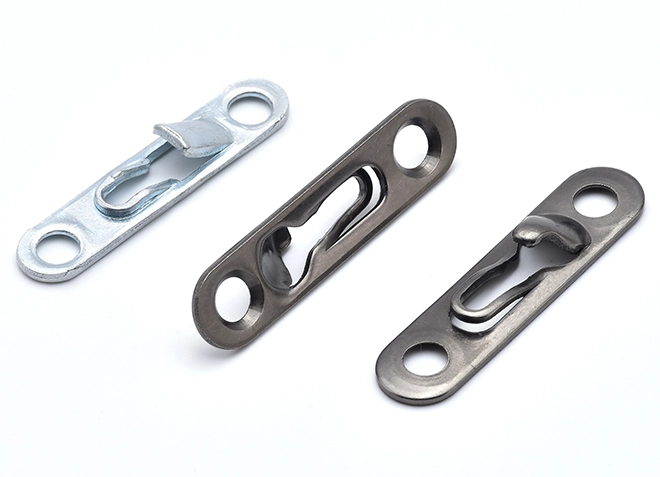 Connection Buckle
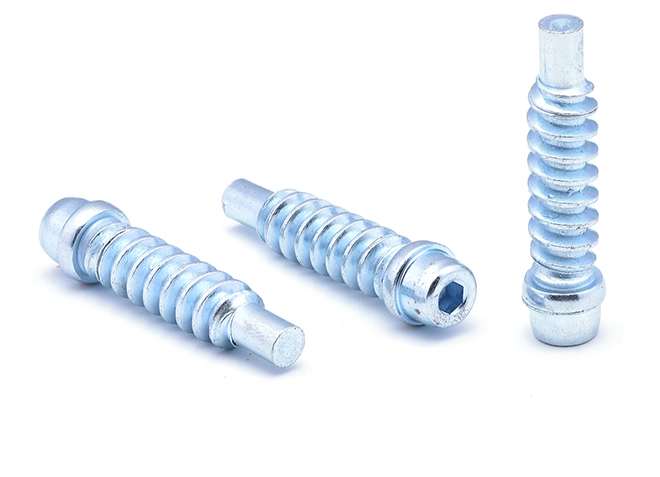 Internal Hexagonal Spiral Screw
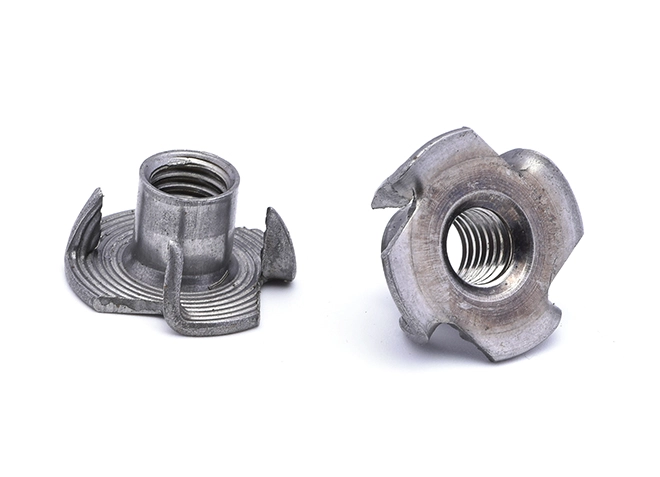 Iron Colored Carbon Steel Four Claw Nut
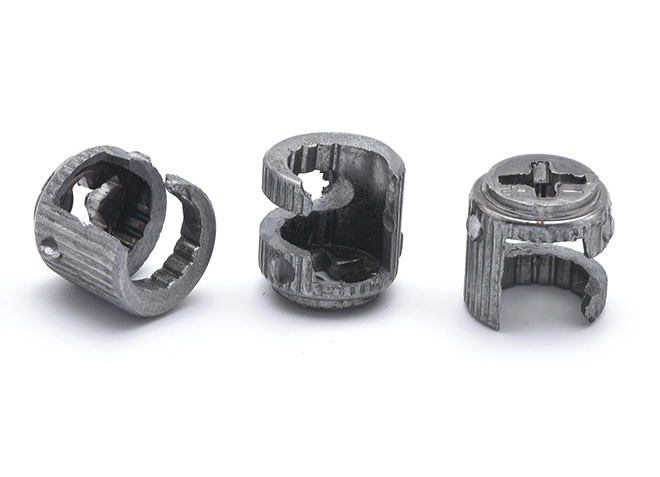 Iron Furniture Three Combination Nut Seat
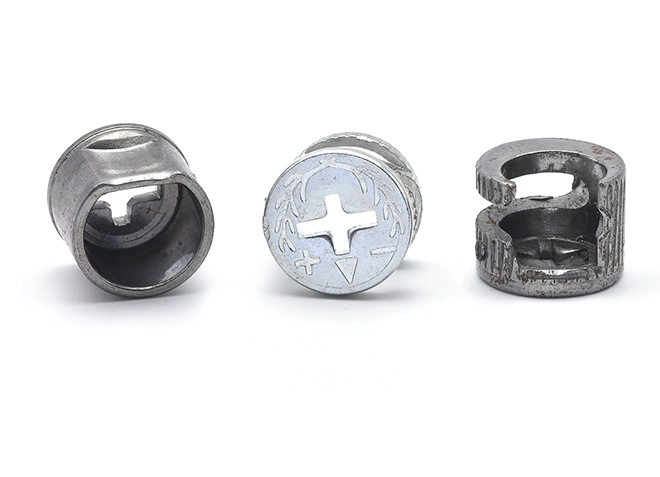 Iron and Zinc Alloy Furniture Three Combination Nut Seat
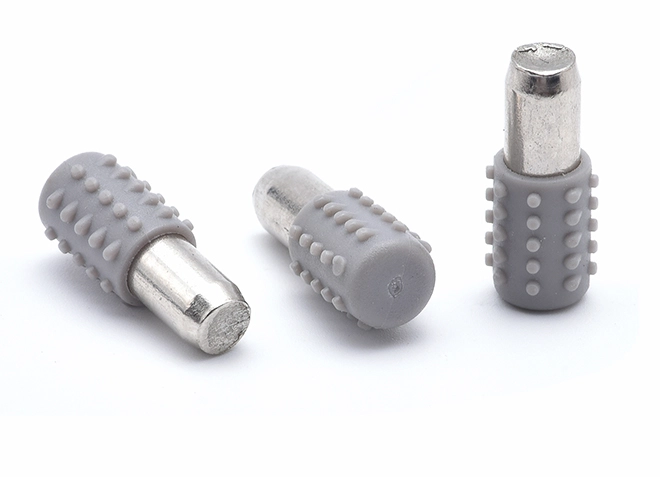 Dowel Pin+ Gray Elephant Rubber Sleeve
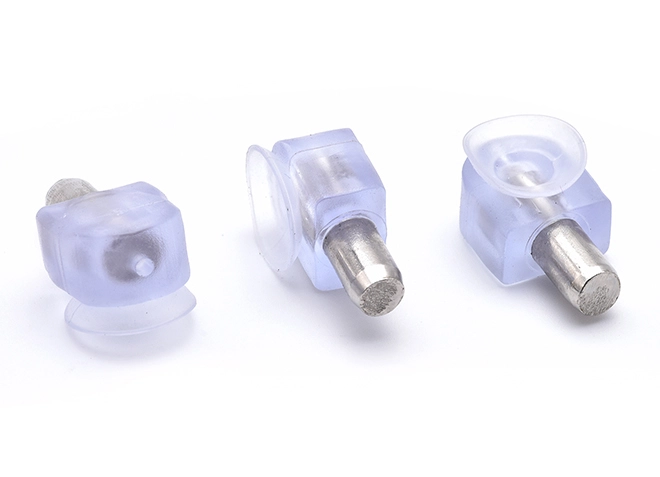 Dowel Pin+ Transparent Elephant Rubber Sleeve
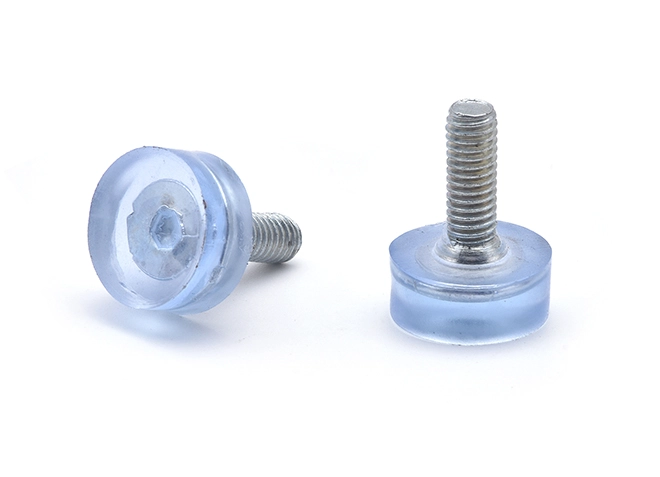 Injection Molded Furniture Foot Pad Screw
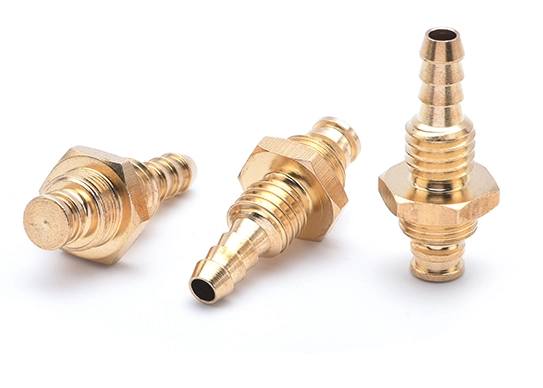
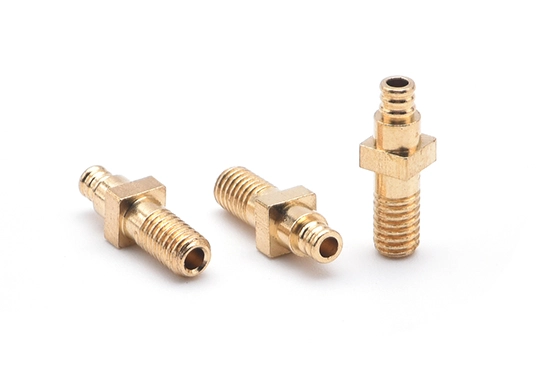
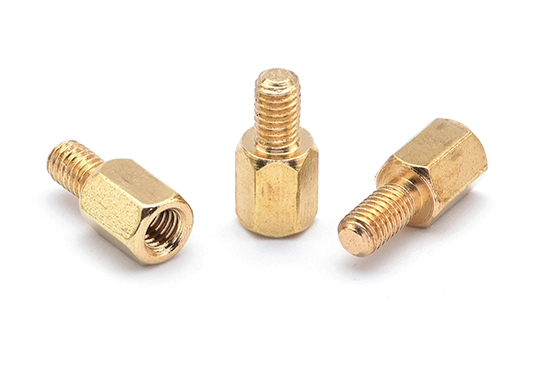
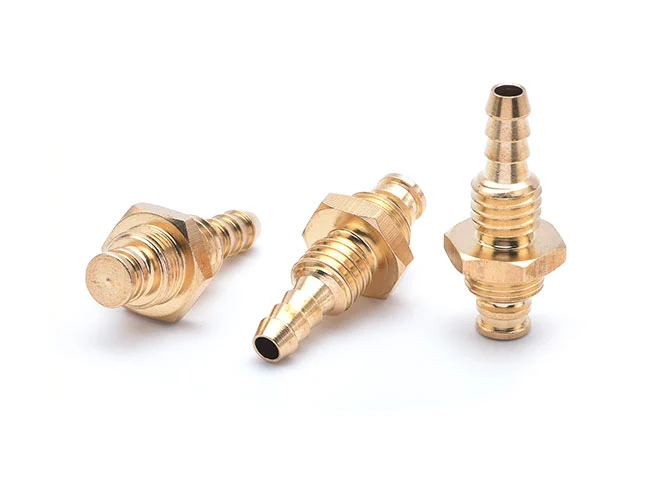
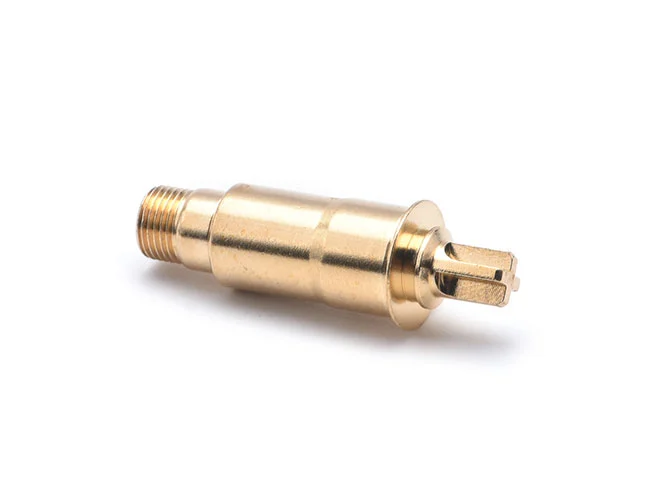
Creating a precision hexagonal joint involves detailed CAD design and material selection, typically high-strength alloys or stainless steel. Precision machining techniques, such as CNC milling, are used to achieve tight tolerances and smooth surfaces. Thorough quality control, including dimensional inspections and surface finish checks, ensures accuracy and durability. This process results in a high-precision component suitable for applications requiring exact alignment and robust mechanical performance.
Component Preparation: Ensure that all copper components are accurately machined and cleaned before assembly. Precision in machining is crucial for a proper fit and to avoid issues during integration. Components should be free of debris, oxidation, or any imperfections that could affect performance.
Alignment and Assembly: Align the copper hexagonal joints precisely. Use alignment tools or jigs to ensure that all parts fit together correctly. The hexagonal shape facilitates secure gripping and reduces the likelihood of slippage during assembly. Carefully thread or insert components to avoid cross-threading or misalignment.
Integration with Other Systems: When integrating the copper joint assembly into a larger system, ensure compatibility with adjoining components. Proper integration involves verifying that the joint fits well with other elements, such as pipes, circuits, or mechanical parts. Check for correct dimensions and tolerances to ensure seamless integration.
Securing the Assembly: Depending on the application, secure the hexagonal joint using appropriate methods. This may include tightening with a hexagonal wrench, applying sealants, or using locking mechanisms. Properly securing the assembly is critical to prevent leaks, movement, or failure under operational stresses.
Testing and Quality Control: After assembly and integration, conduct thorough testing to verify the functionality and integrity of the joint. Perform pressure tests, electrical tests, or functional checks based on the application requirements. Inspect the assembly for any signs of defects or issues that could impact performance.
Maintenance and Inspection: Regularly inspect and maintain the copper hexagonal joint assemblies to ensure continued performance. Periodic checks help identify any wear or damage early, allowing for timely maintenance or replacement to avoid operational failures.
aaron18129983931@gmail.com