English
  日本語
日本語  한국어
한국어  français
  Deutsch
  Español
  italiano
  русский
  português
  العربية
Phone:
+86-0769-87561578Aaron: +86-18129983931
Max: +86-18922922459



 New Type Switchgear
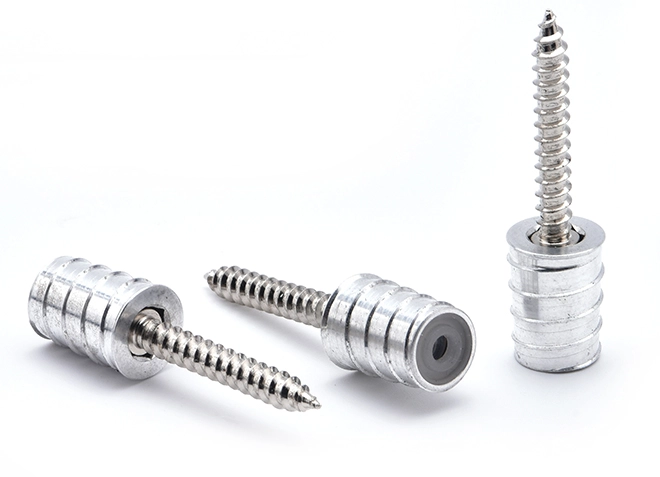 Anti-loose Easy Disassembly Nut Pillar (New Furniture Connector)
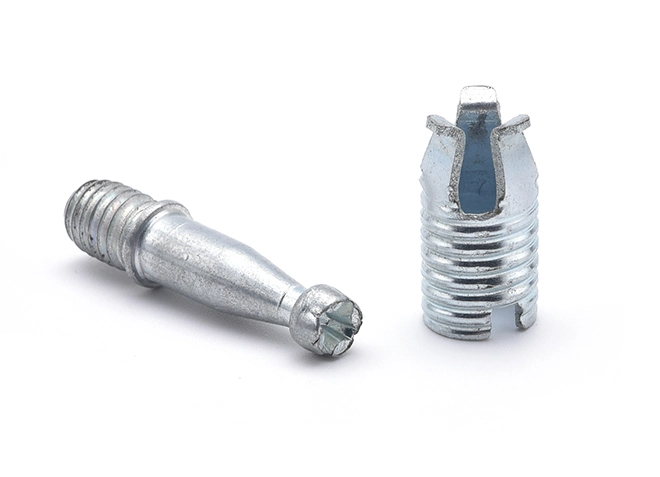 Furniture Simple Assembly and Disassembly Connector
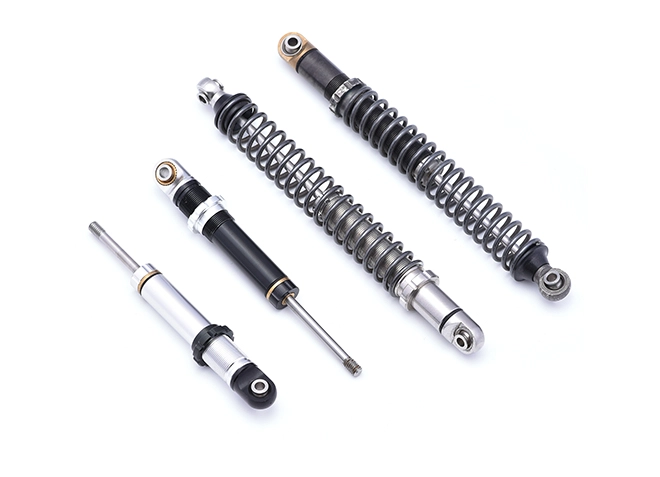 Micro Vibration Absorber
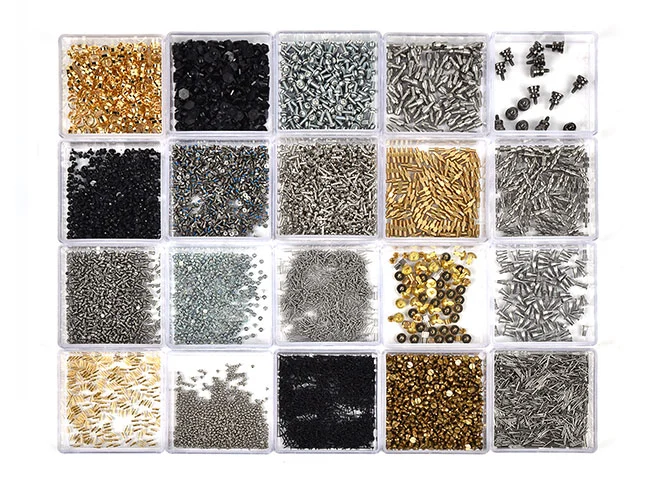 Micro Screws
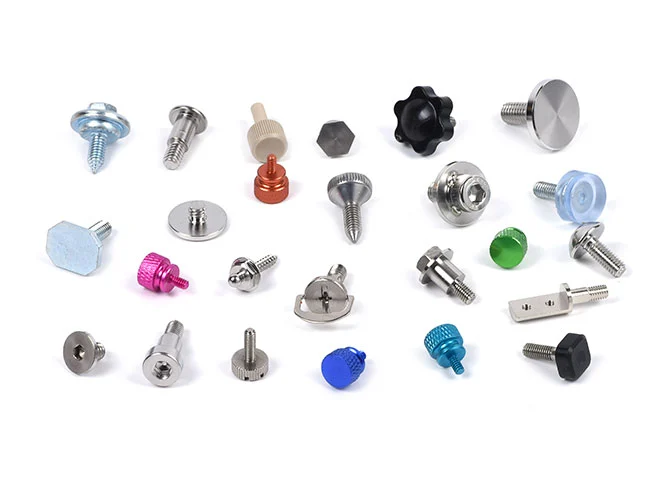 Big Head Screws
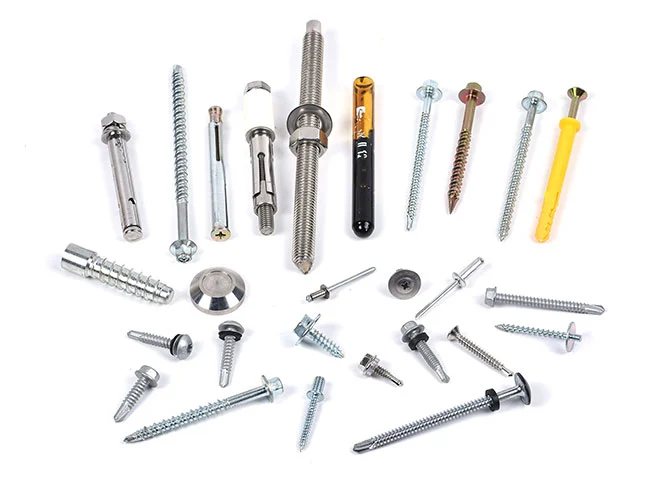 Construction Screws
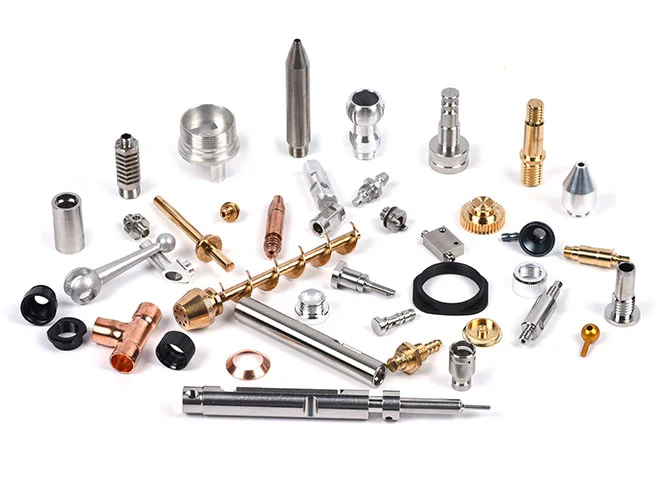 CNC Lathe Machining Parts
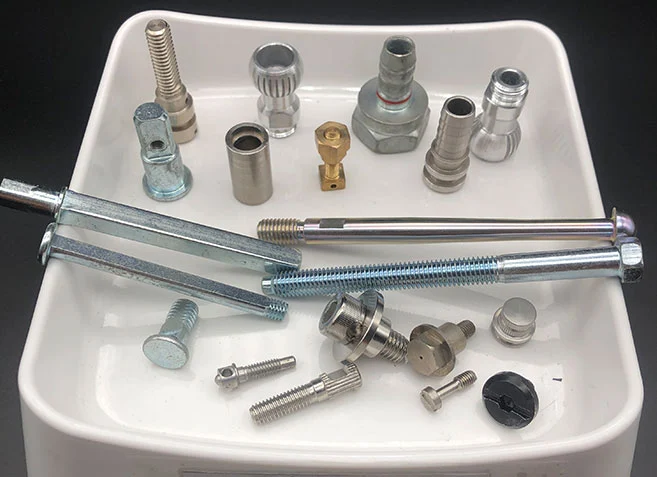 Cold Forged and Undergo Secondary Processing Products
 Multi Station Cold Heading Screws
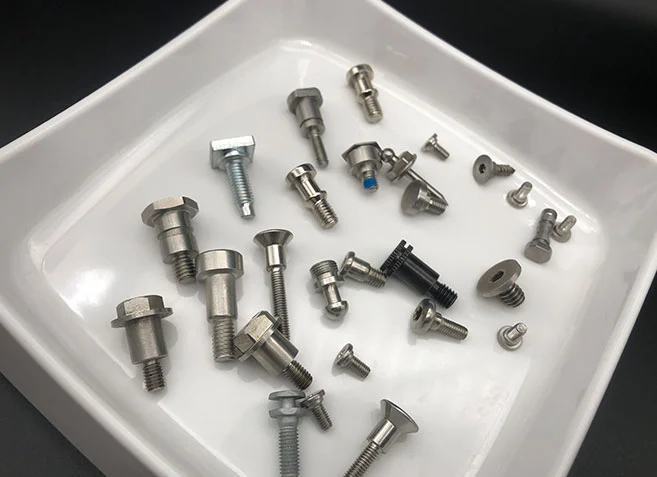 Step Screw
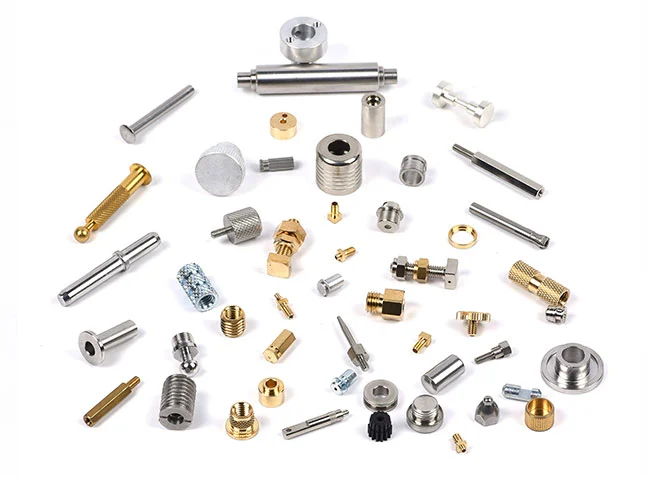 Automatic Lathe Machining Parts
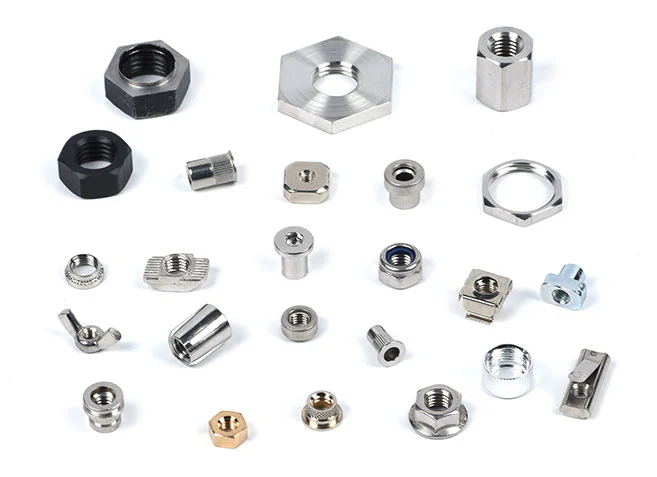 High Difficulty Challenge Cold Heading Fasteners
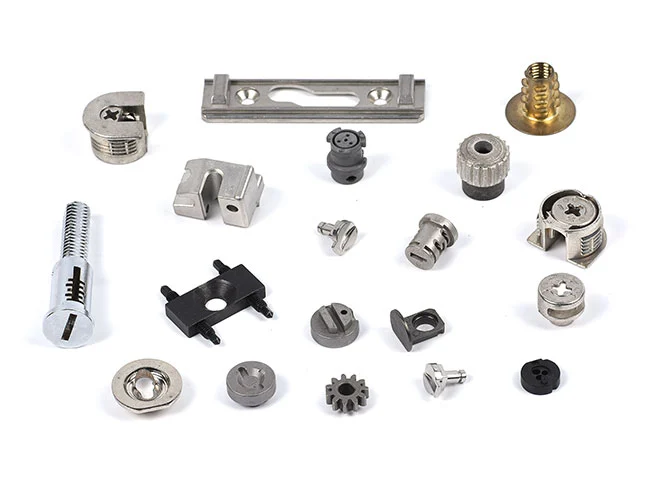 New Tech Fasteners
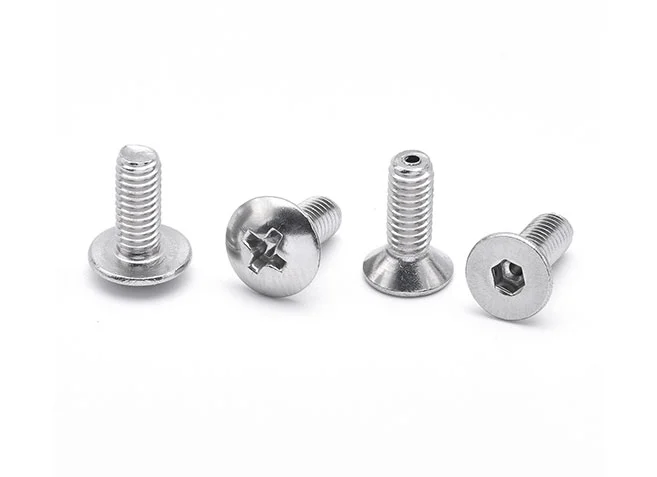 Machine Screws
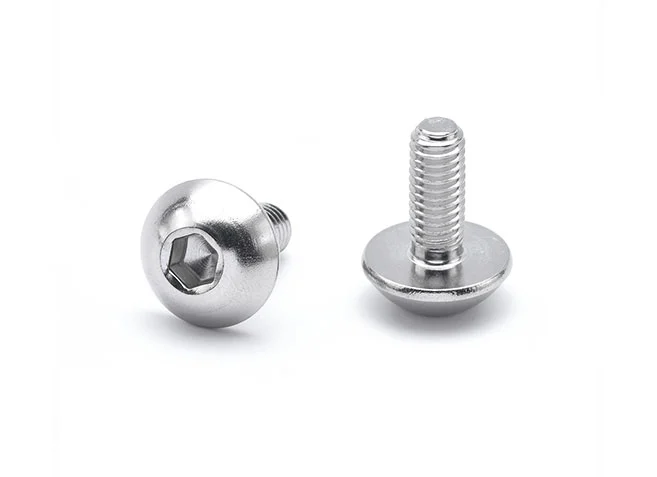 Socket Cap Screws
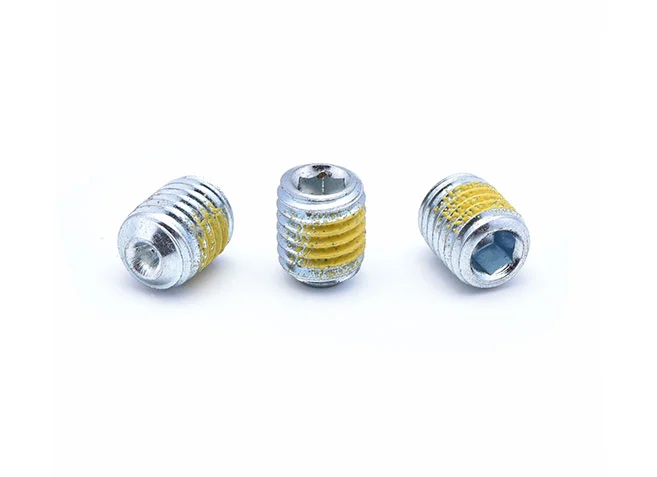 Hexagon Socket Set Screws
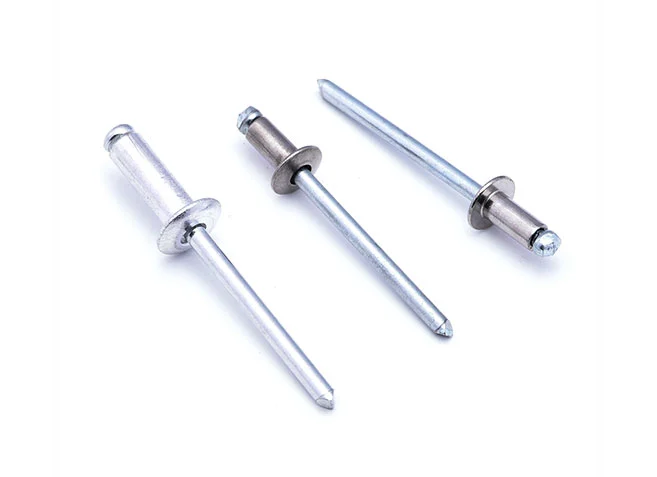 Pull Out Rivet
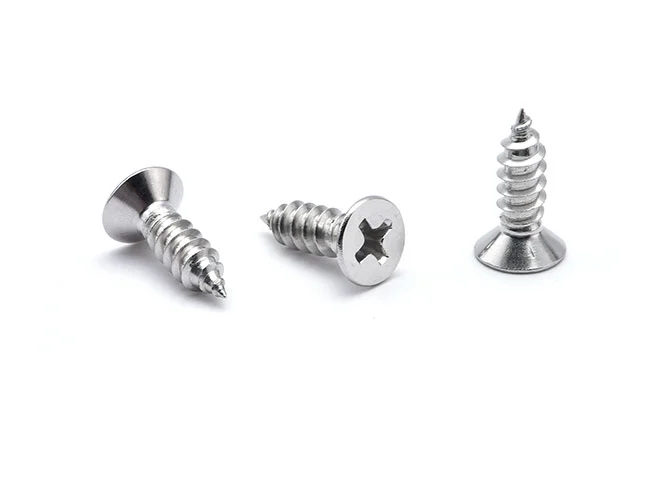 Self Tapping Screws
 Hex Bolts
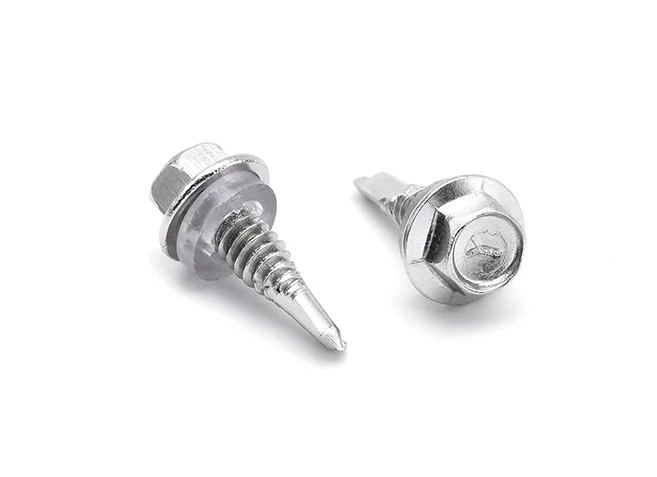 Self Drilling Screws
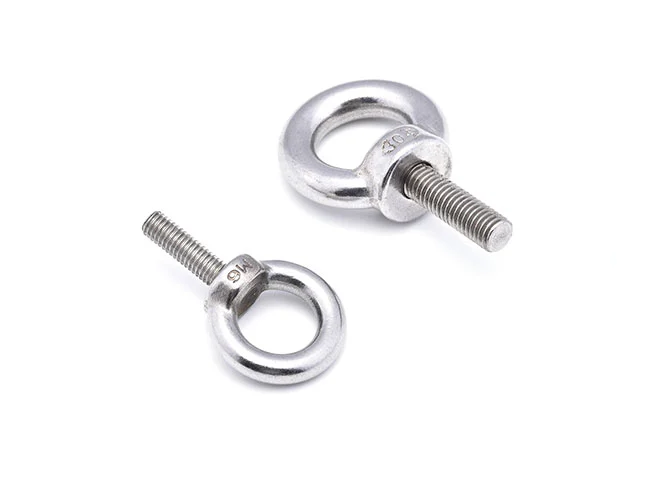 Eye Bolts
 U-bolts
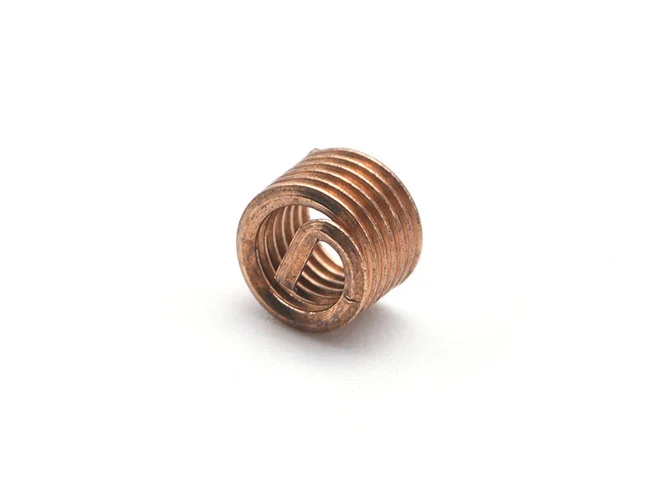 Threaded Sheath
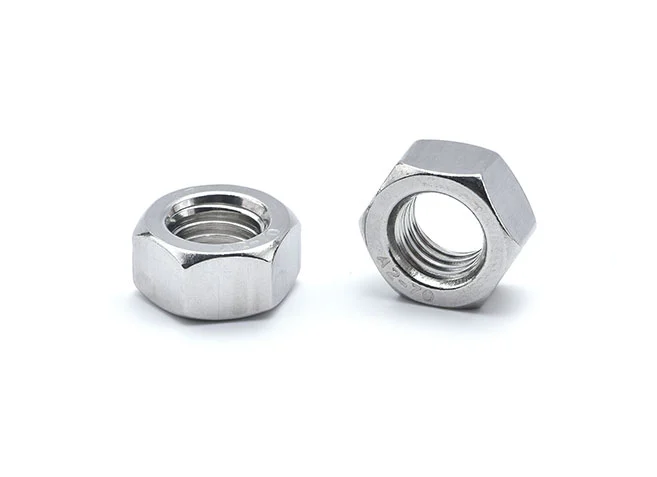 Hex Nut
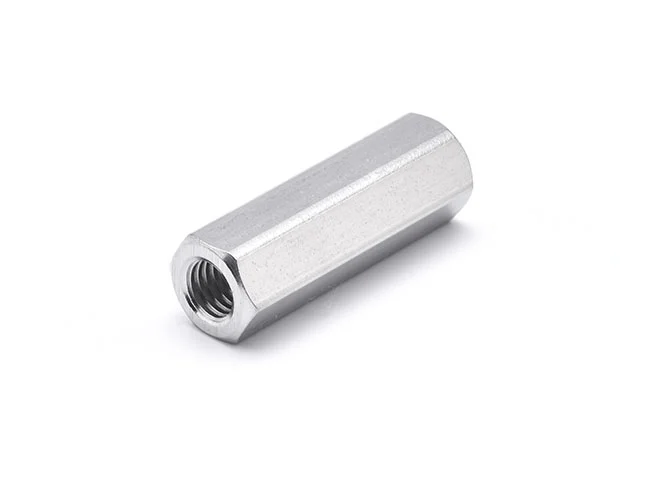 Hex Long Nut
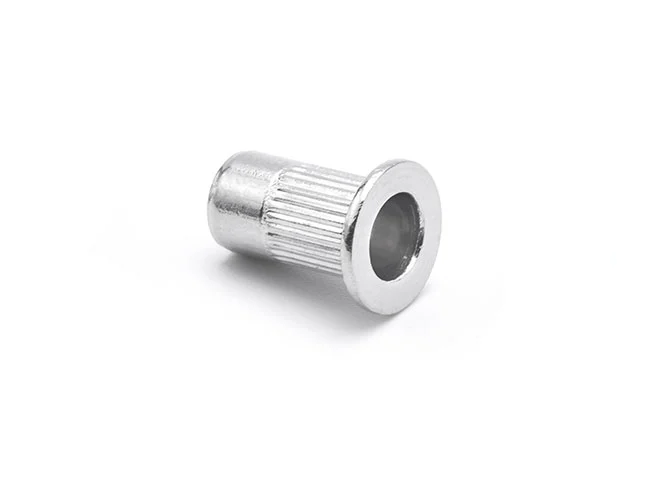 Pull Rivet Nut
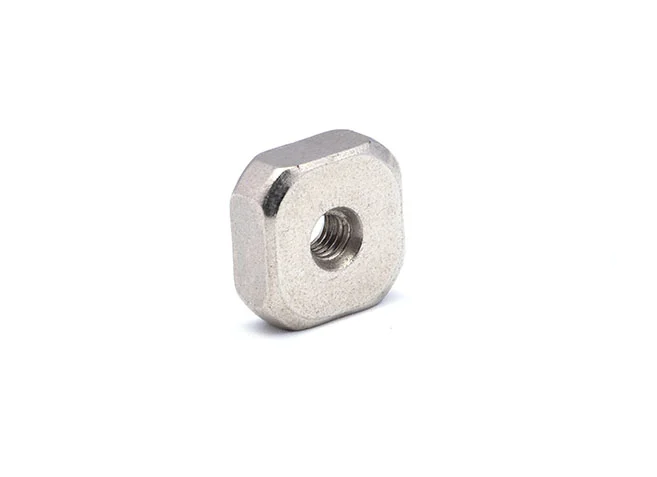 Square Nuts
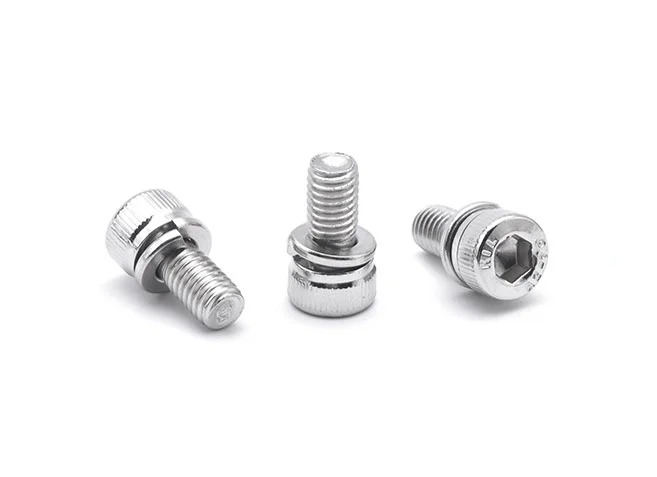 Combination Screws
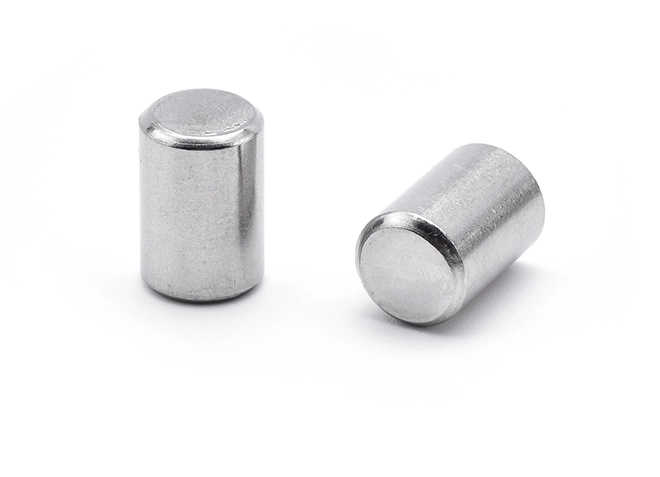 Pin
Pin
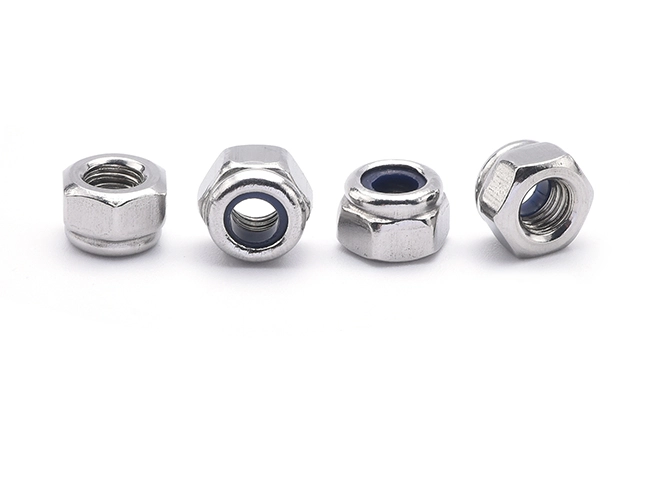 Nylon Locking Nuts
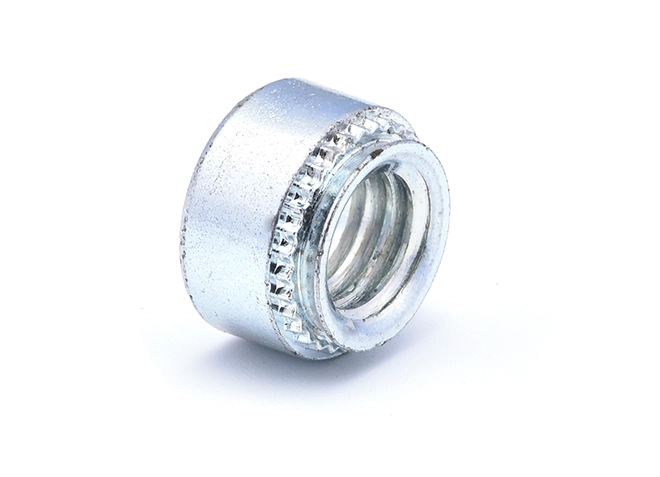 Pressure Rivet Nuts
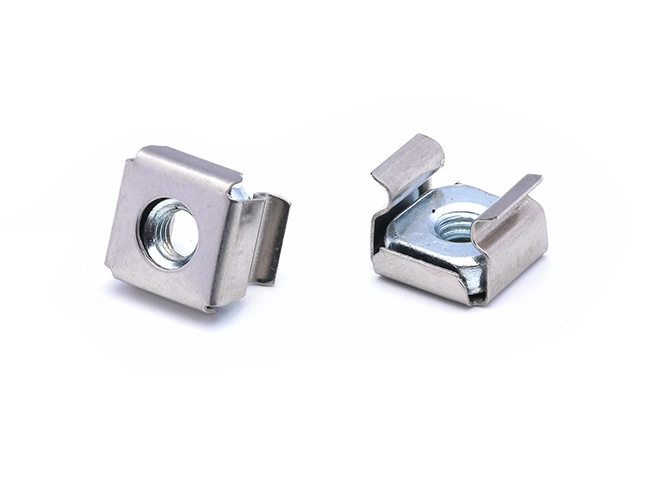 Cage Nut
 Welding Screws
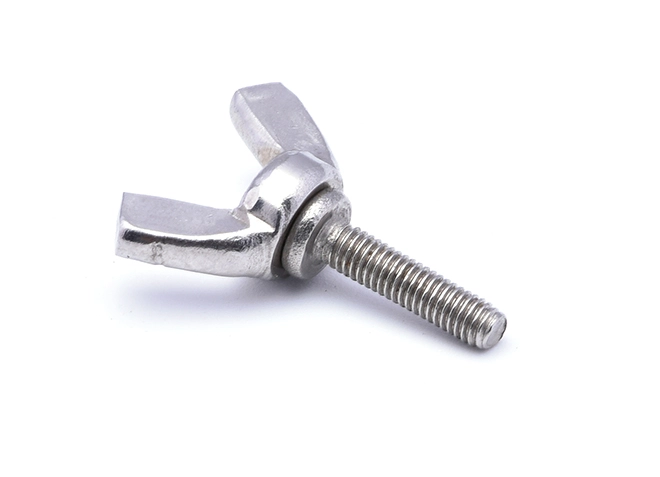 Butterfly Screw
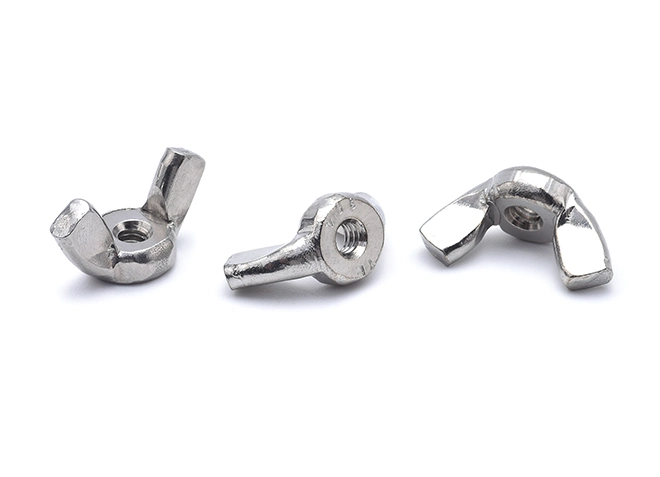 American Standard Butterfly Nut
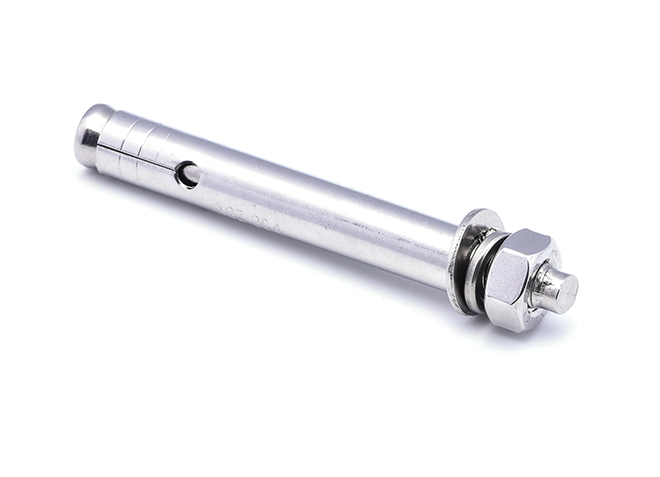 Expansion Screw
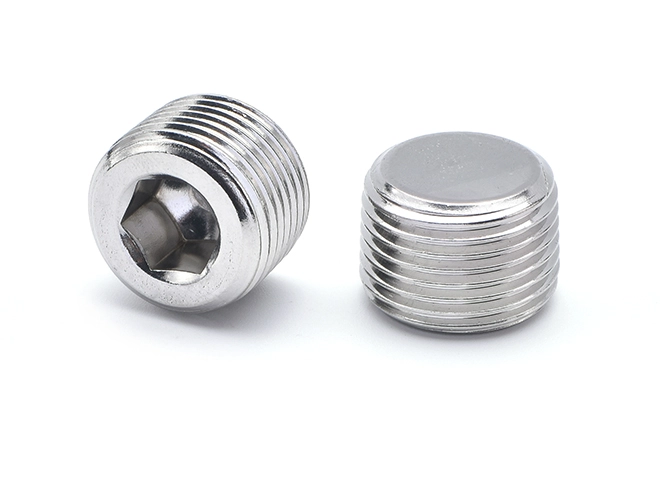 Plug Screw
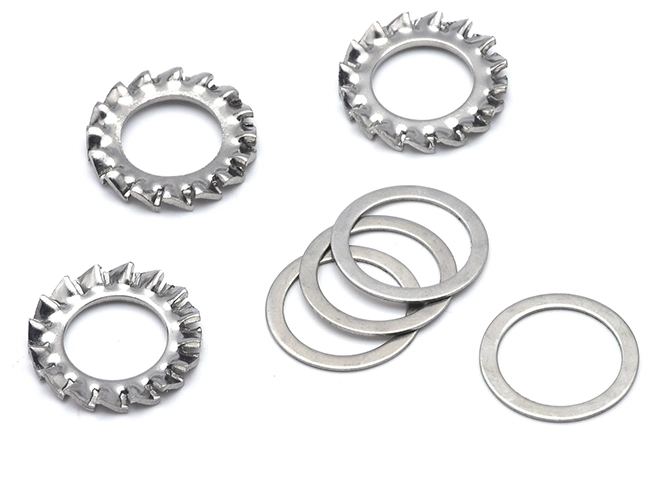 Stainless Steel Washer
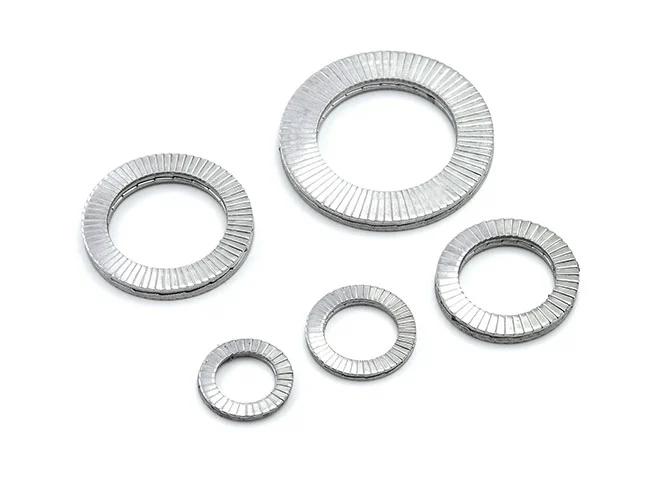 Double Overlap Anti-Loosening Washers
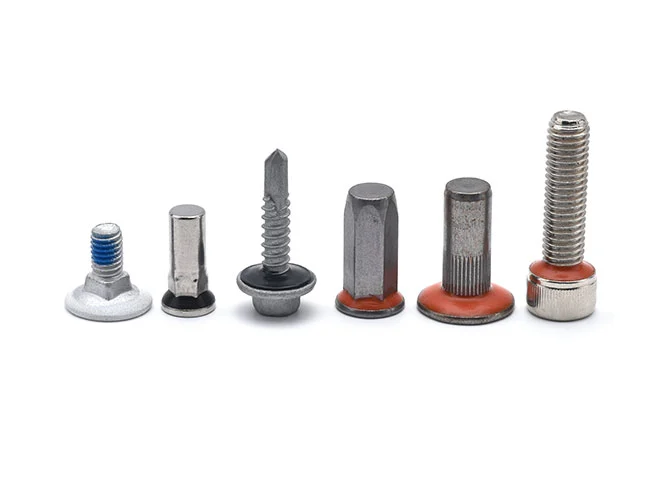 Waterproof and Anti-Drop Screws
 Super Corrosion-Resistant Screws
 65Mn Material Furniture Connector
 Counter Table Base
 Furniture Connector Nut with Plastic Sleeve
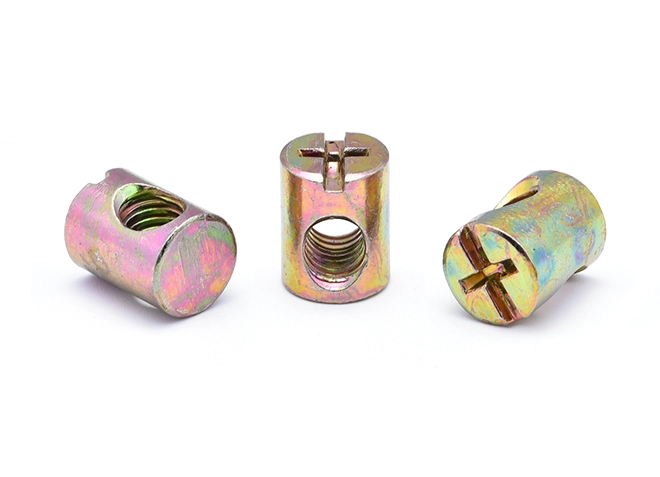 Furniture Horizontal Hole Nut
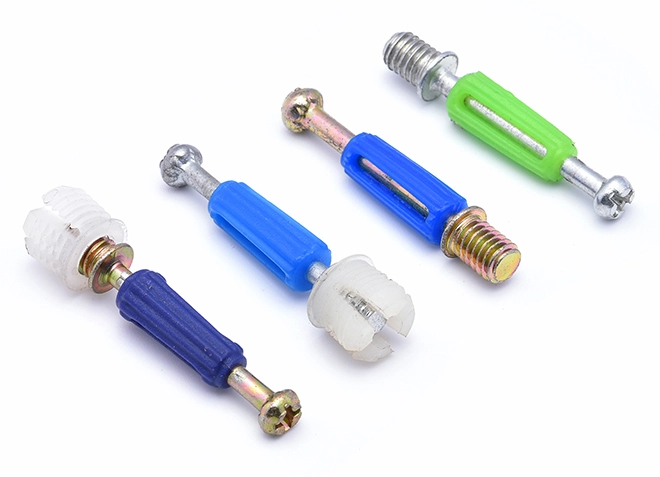 Furniture Connecting Screw
 Furniture Connecting Nut Seat
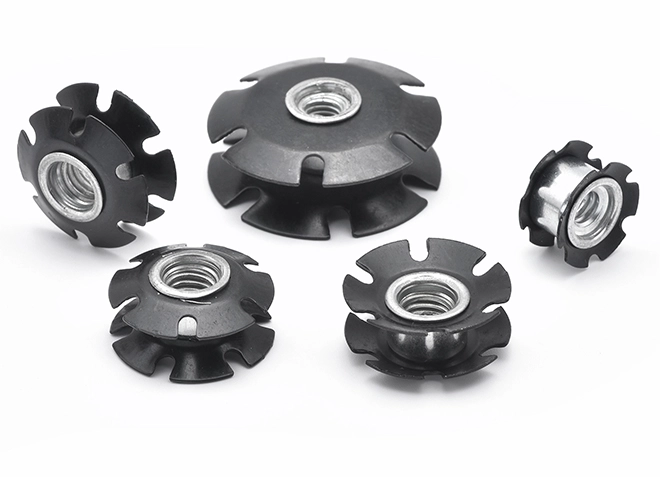 Double Stack Wheels Used On Furniture
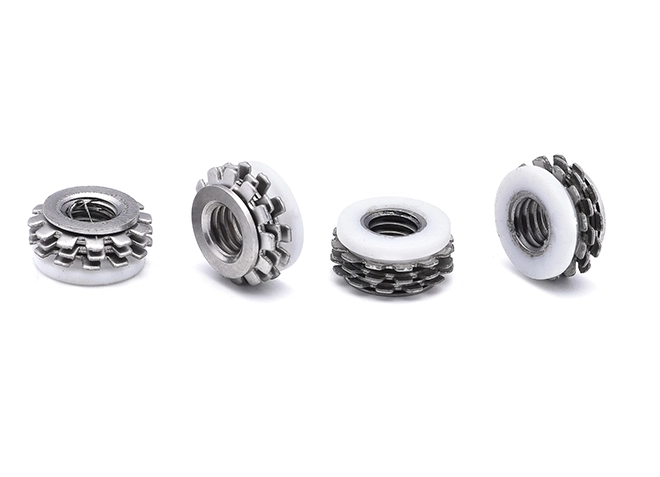 Components Used On Furniture
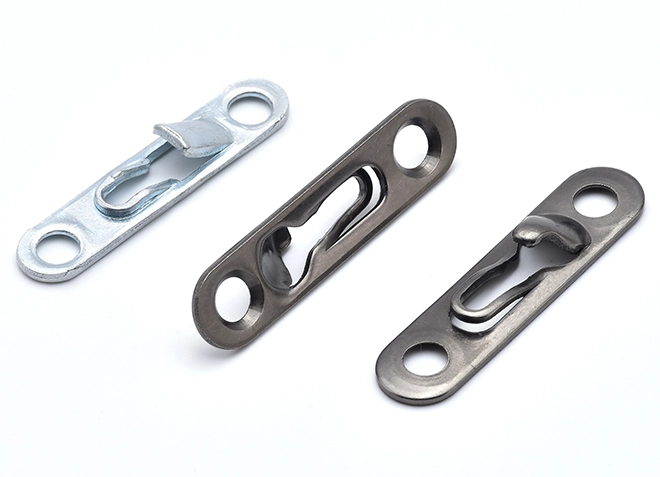 Connection Buckle
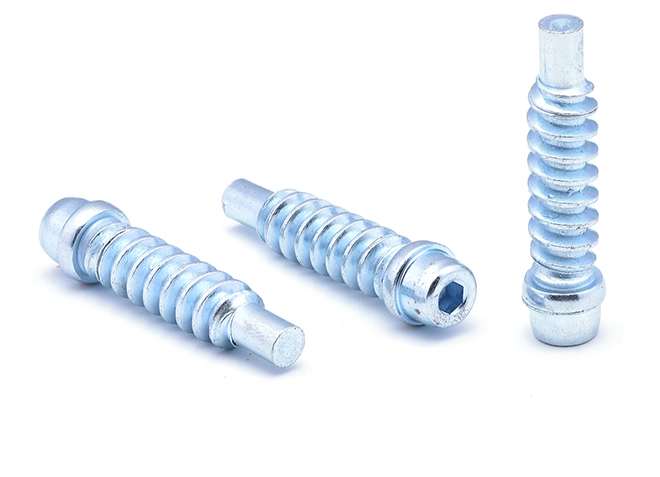 Internal Hexagonal Spiral Screw
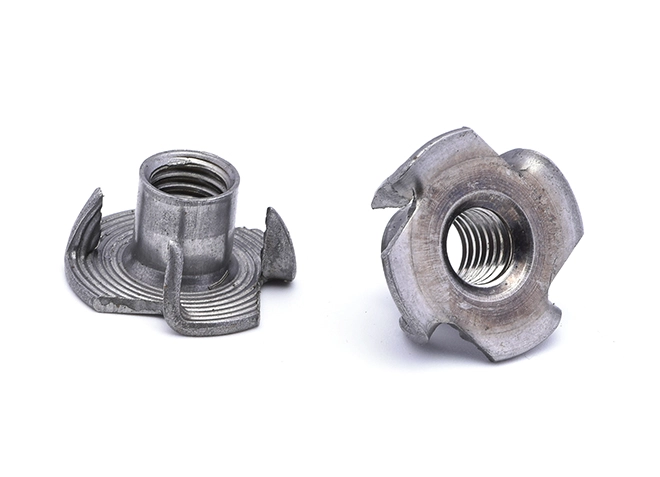 Iron Colored Carbon Steel Four Claw Nut
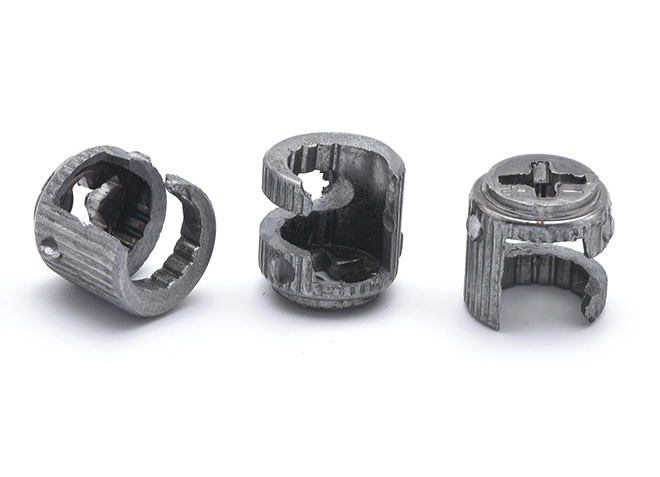 Iron Furniture Three Combination Nut Seat
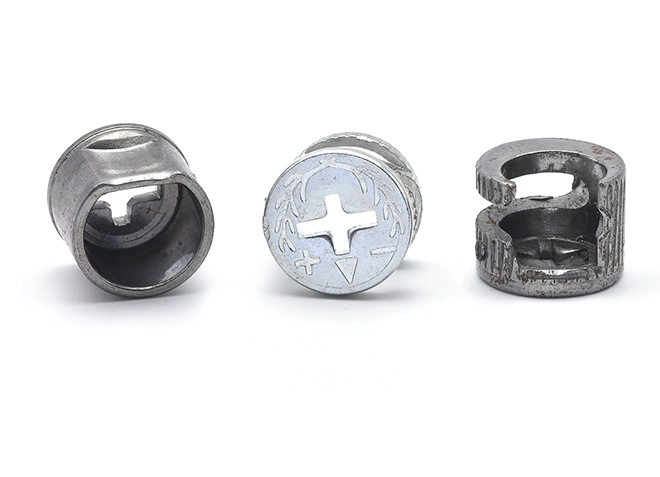 Iron and Zinc Alloy Furniture Three Combination Nut Seat
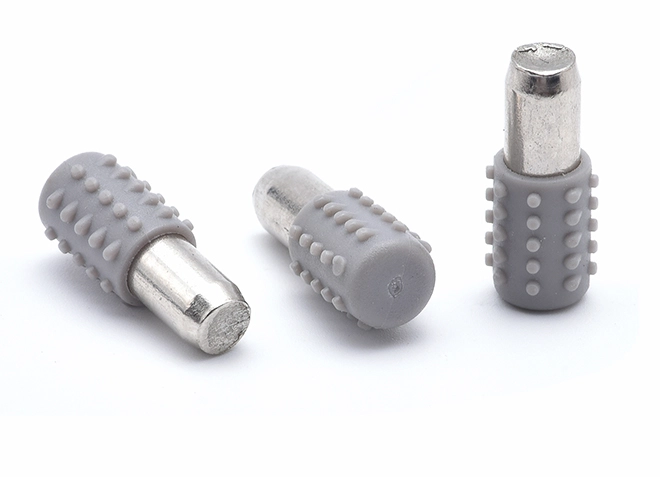 Dowel Pin+ Gray Elephant Rubber Sleeve
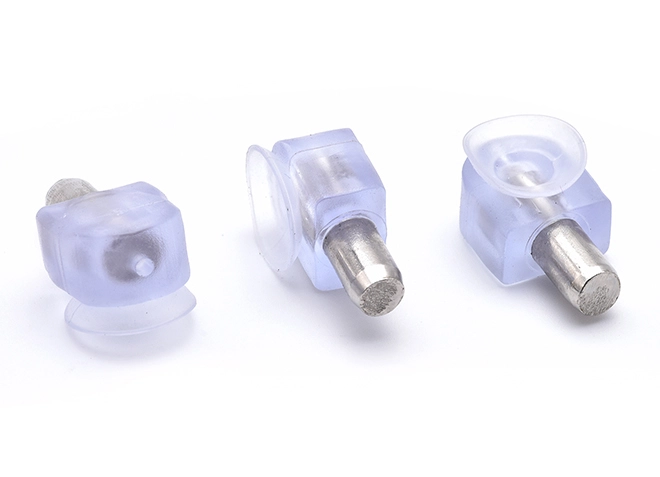 Dowel Pin+ Transparent Elephant Rubber Sleeve
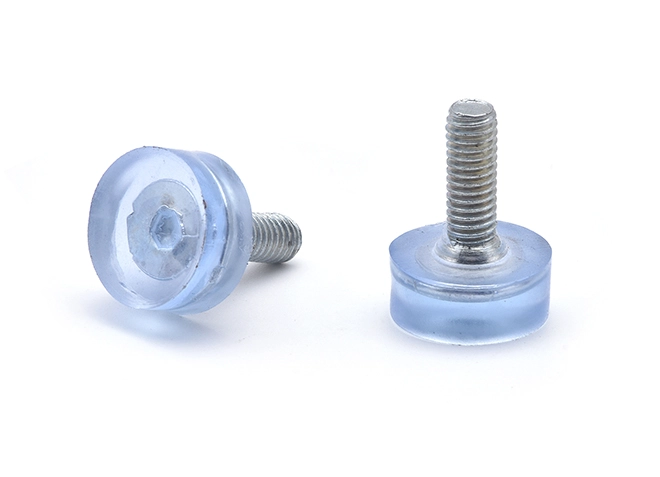 Injection Molded Furniture Foot Pad Screw
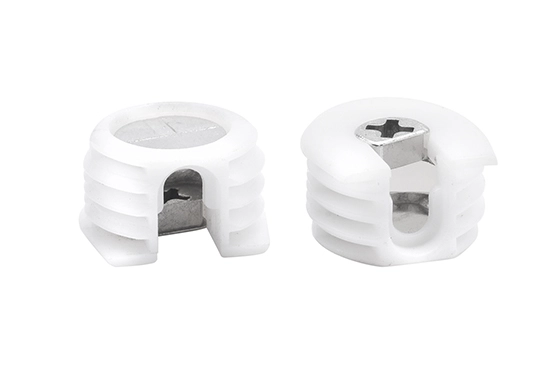
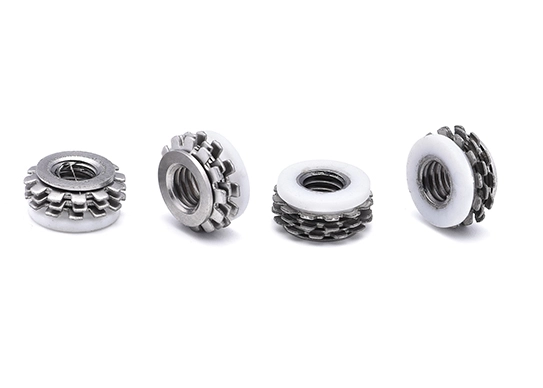
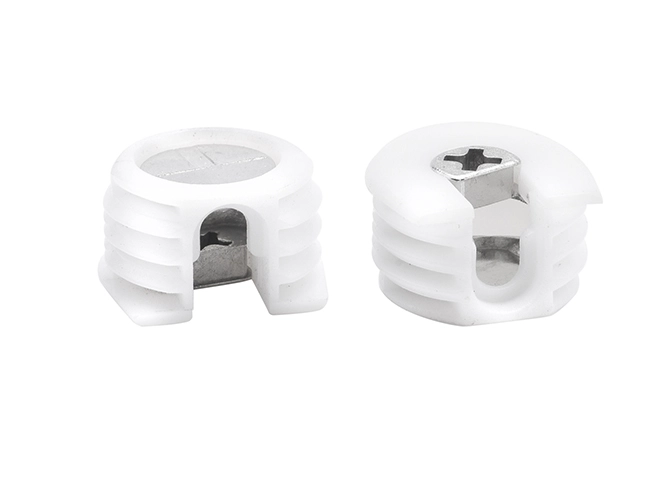
A furniture connector nut with a plastic sleeve is a versatile fastening solution commonly employed in furniture assembly. Comprising a metal nut encased within a plastic sleeve, this component serves multiple functions critical to furniture construction. The metal nut, typically made of steel, provides the threaded interface for securing bolts or screws, while the plastic sleeve acts as a protective buffer, reducing friction during assembly, evenly distributing clamping force to prevent damage to furniture surfaces, and often featuring ridges or flanges for added stability within pre-drilled holes. This combination of metal strength and plastic resilience ensures secure and stable connections while safeguarding the furniture's finish, making it a popular choice for both professional and DIY furniture projects, particularly in flat-pack or knock-down designs.
Check for Wear and Tear
Inspect for Cracks: Regularly examine the plastic sleeve for cracks, splits, or signs of wear. Damaged sleeves should be replaced to prevent further issues.
Check Nut Integrity: Inspect the connector nut for any signs of deformation or damage. Ensure that it remains securely fastened and functions properly.
Tightening and Adjustment
Ensure Proper Tightening: Check that the connector nut is tightened to the manufacturer's specifications. Over-tightening can damage both the plastic sleeve and the metal nut, while under-tightening can lead to instability.
Adjust as Needed: If the connector nut becomes loose, adjust it to maintain a secure connection. Regularly check and re-tighten if necessary.
Lubrication
Apply Lubricant: If the connector nut requires lubrication for smooth operation, use a suitable lubricant that is compatible with both metal and plastic components. Apply sparingly to avoid excess that might attract dust and debris.
Preventive Measures
Avoid Overloading: Ensure that the furniture is not subjected to excessive loads that can stress the connector nut and plastic sleeve, potentially causing damage or failure.
Protect from Chemicals: Keep the connector nut and plastic sleeve away from harsh chemicals or solvents that can degrade the plastic material.
aaron18129983931@gmail.com