English
  日本語
日本語  한국어
한국어  français
  Deutsch
  Español
  italiano
  русский
  português
  العربية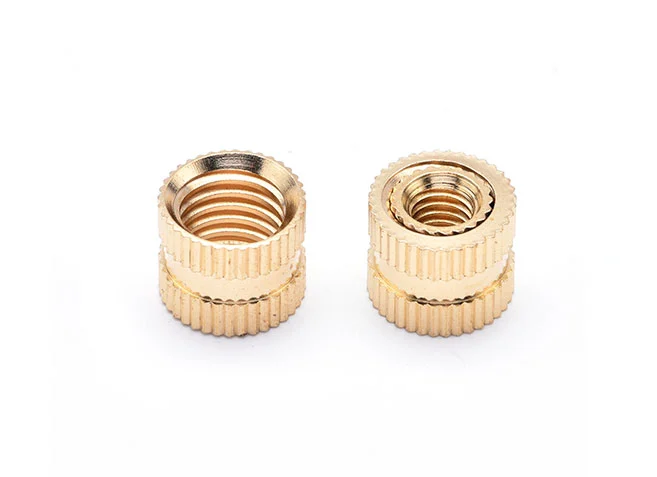


Phone:
+86-0769-87561578Aaron: +86-18129983931
Max: +86-18922922459


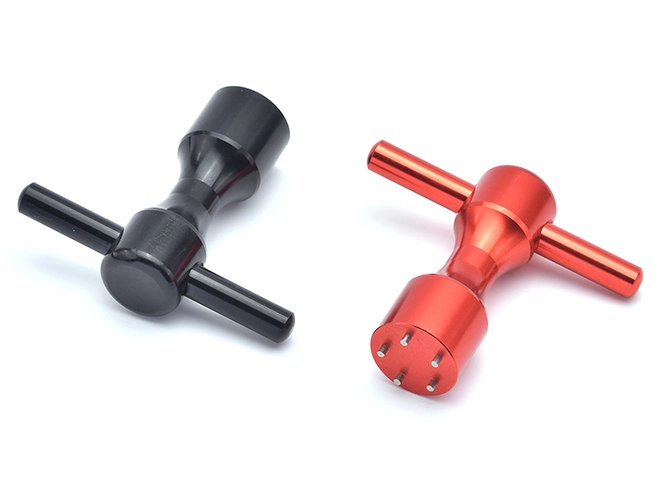 New Type Switchgear
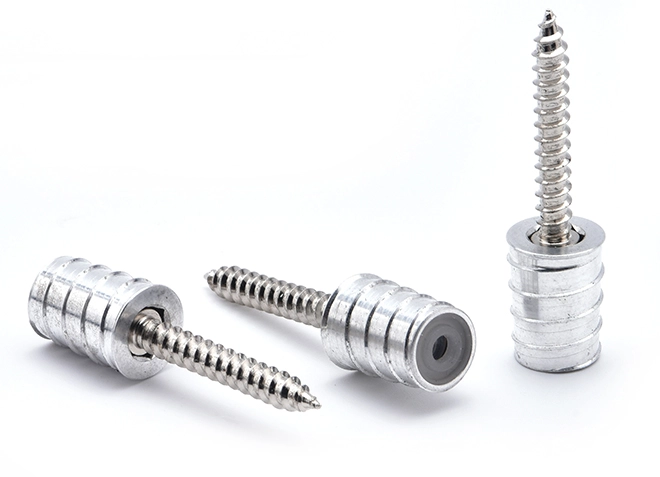 Anti-loose Easy Disassembly Nut Pillar (New Furniture Connector)
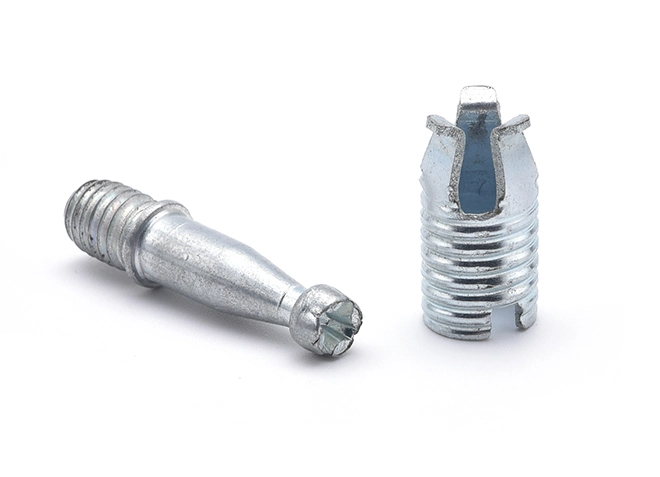 Furniture Simple Assembly and Disassembly Connector
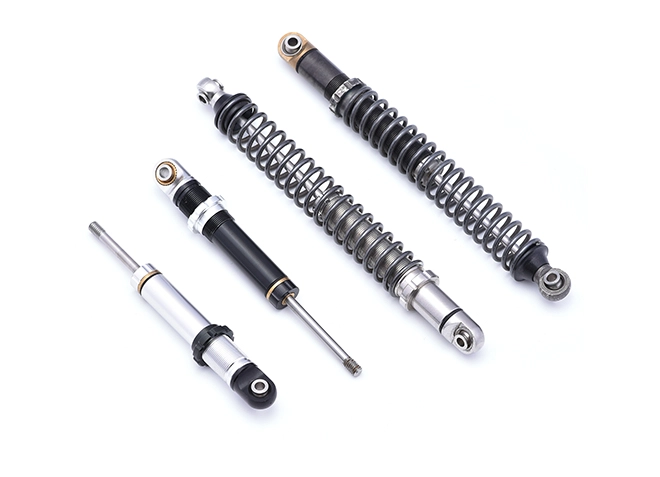 Micro Vibration Absorber
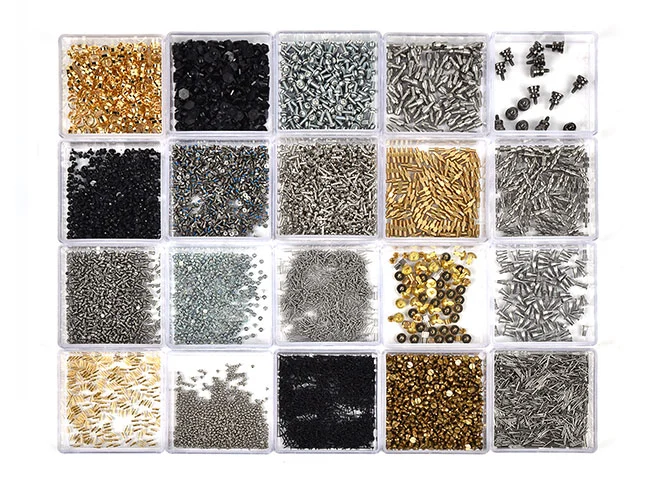 Micro Screws
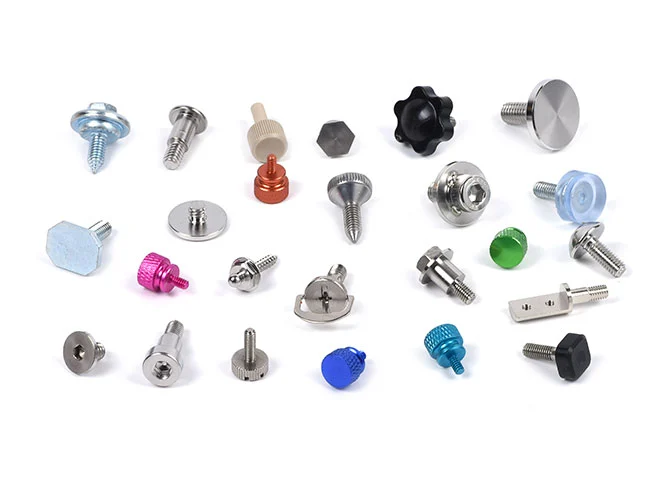 Big Head Screws
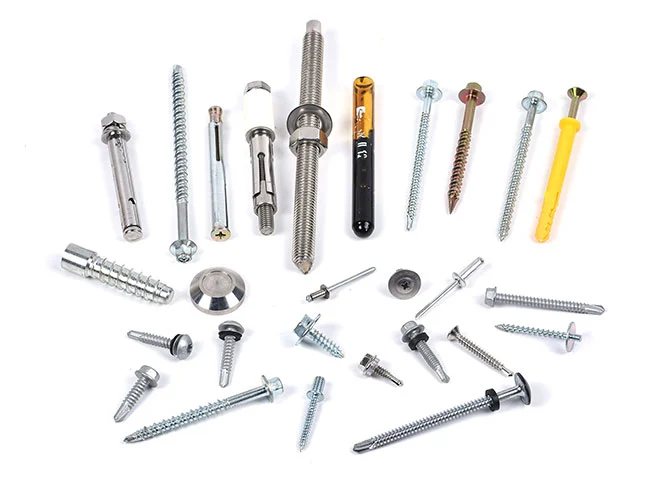 Construction Screws
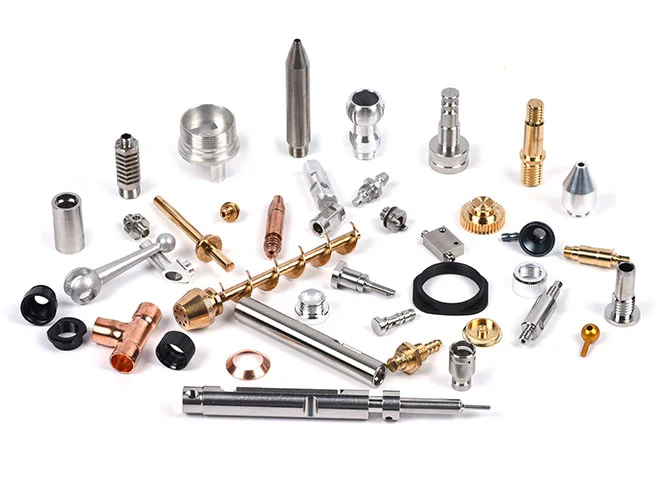 CNC Lathe Machining Parts
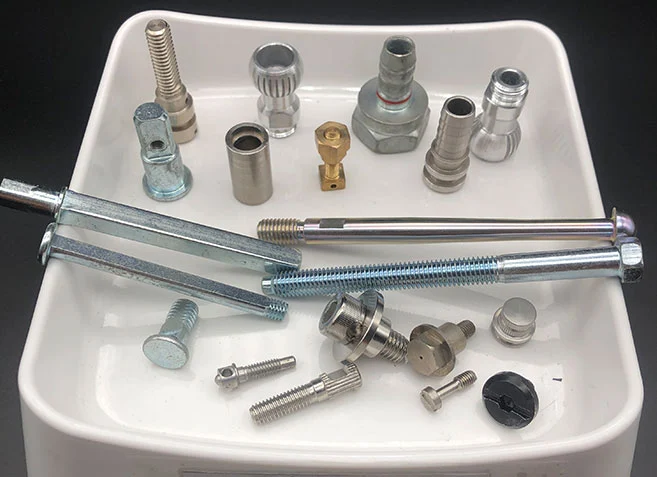 Cold Forged and Undergo Secondary Processing Products
 Multi Station Cold Heading Screws
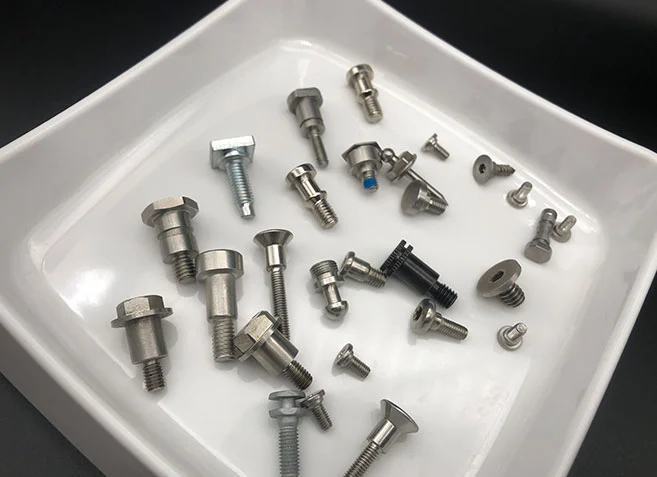 Step Screw
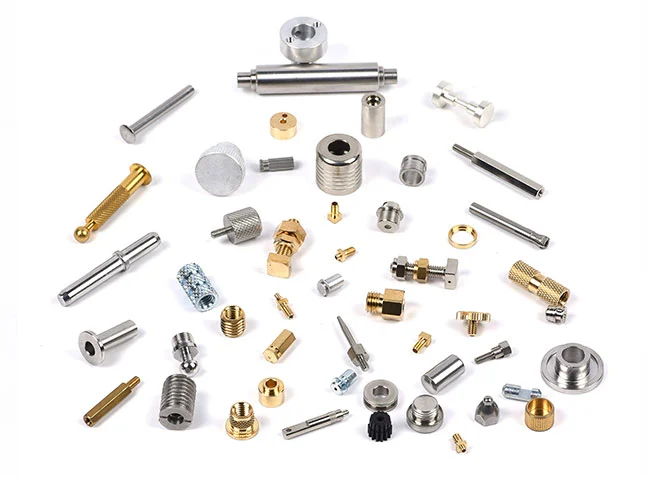 Automatic Lathe Machining Parts
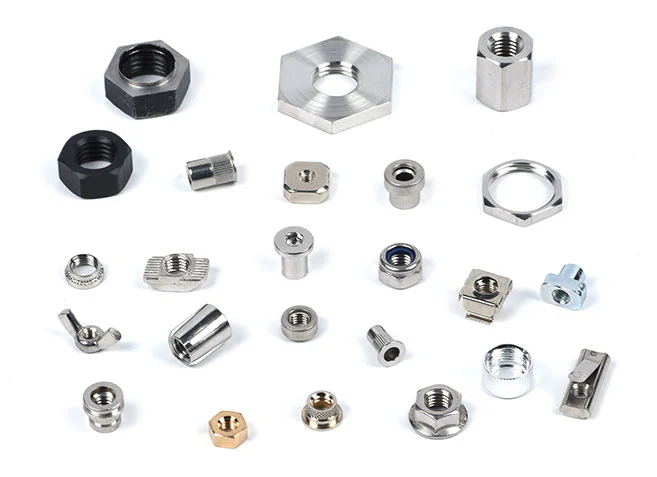 High Difficulty Challenge Cold Heading Fasteners
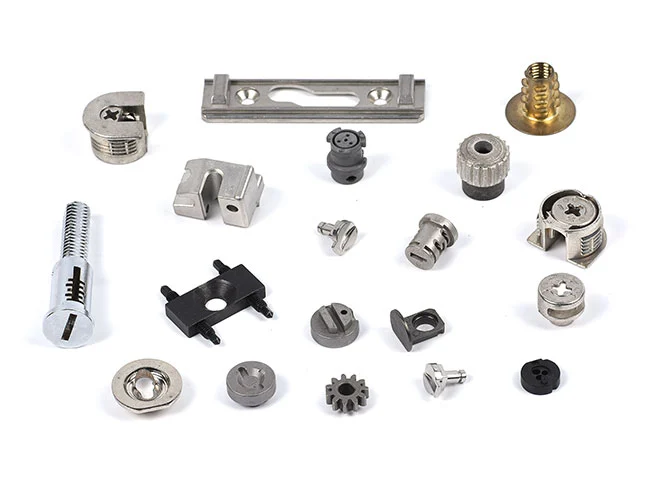 New Tech Fasteners
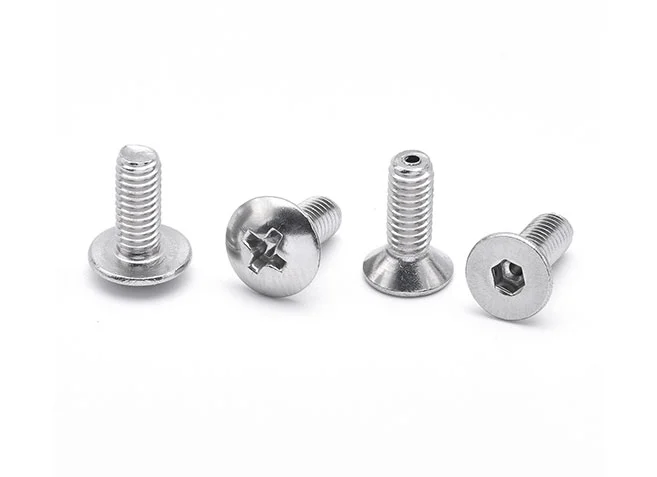 Machine Screws
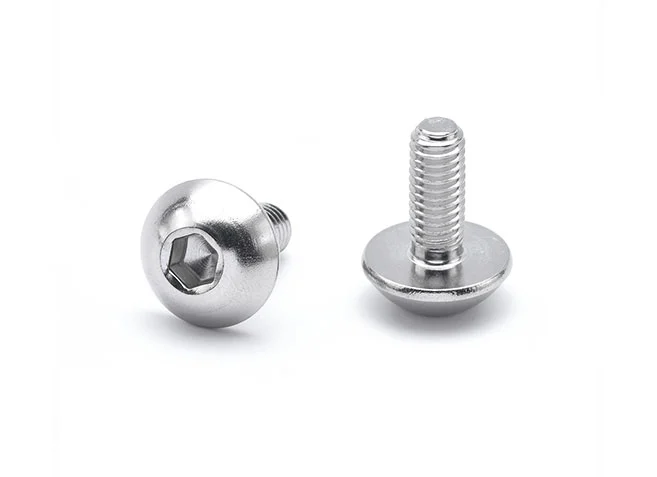 Socket Cap Screws
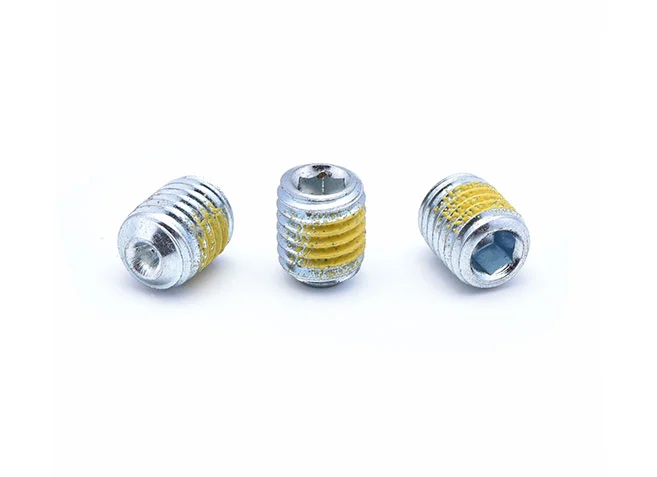 Hexagon Socket Set Screws
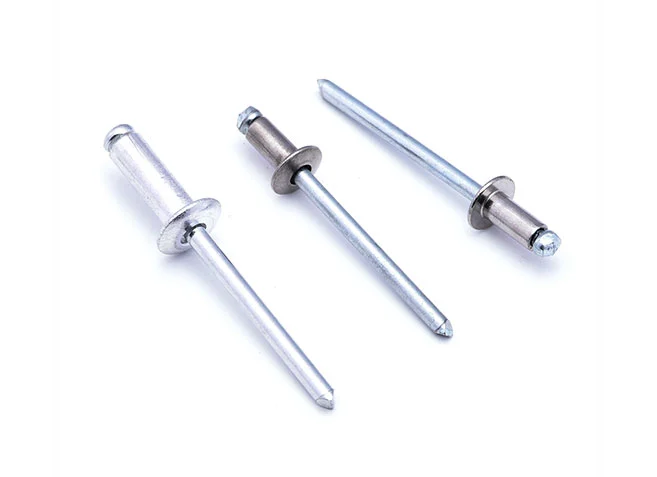 Pull Out Rivet
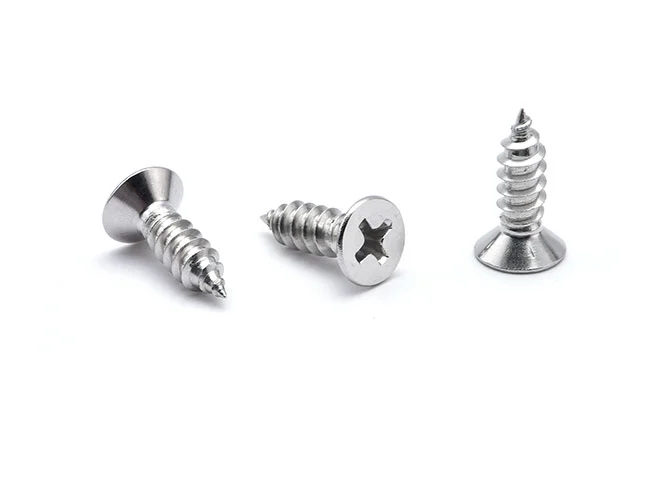 Self Tapping Screws
 Hex Bolts
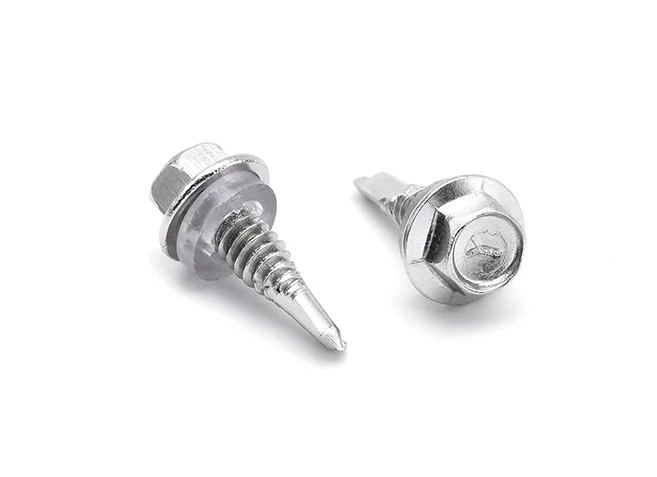 Self Drilling Screws
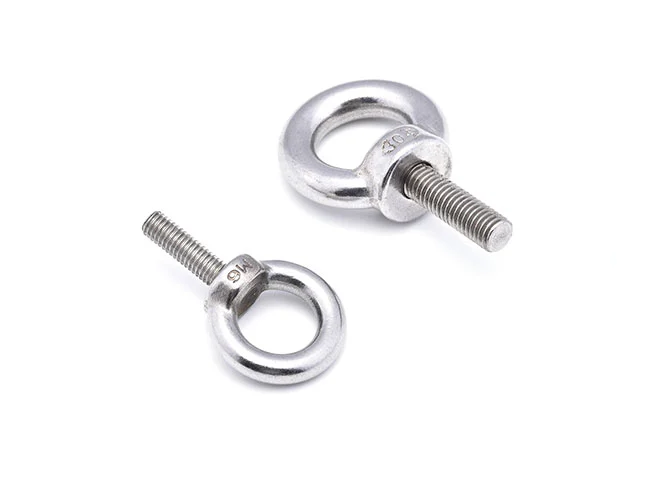 Eye Bolts
 U-bolts
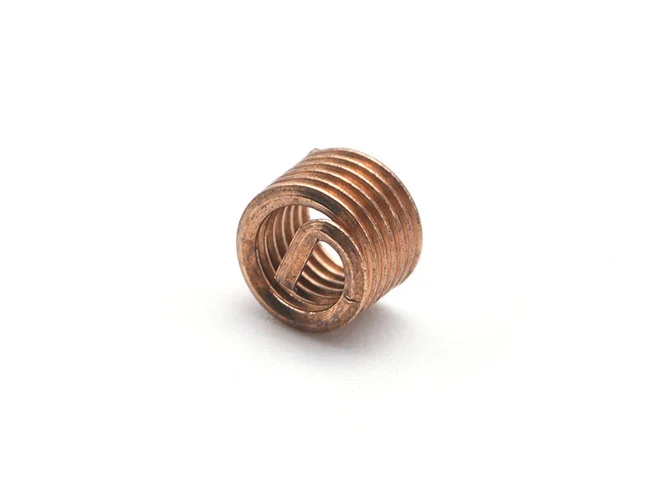 Threaded Sheath
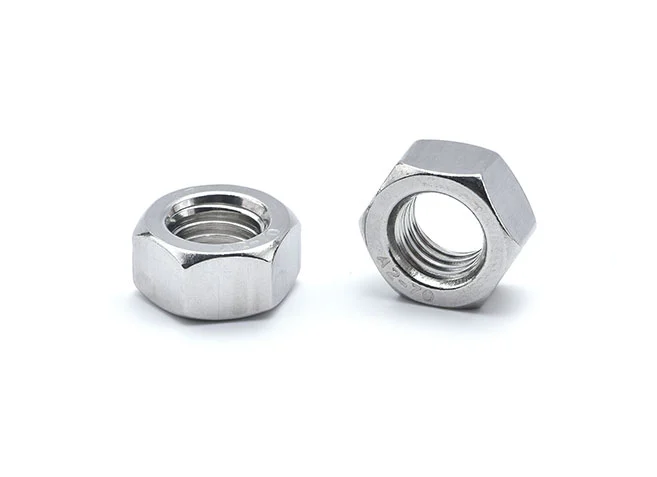 Hex Nut
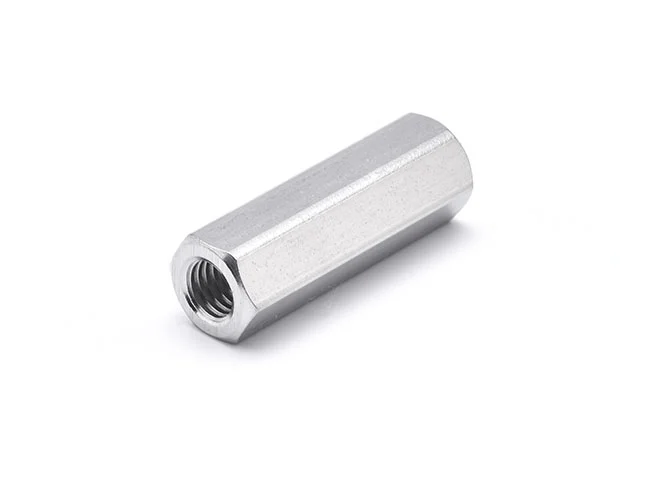 Hex Long Nut
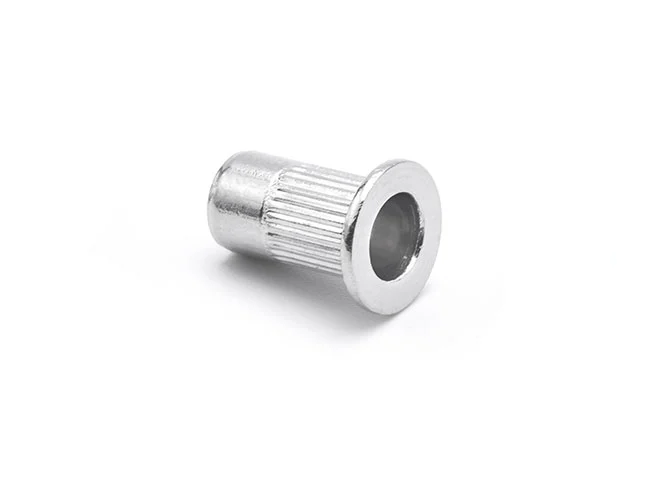 Pull Rivet Nut
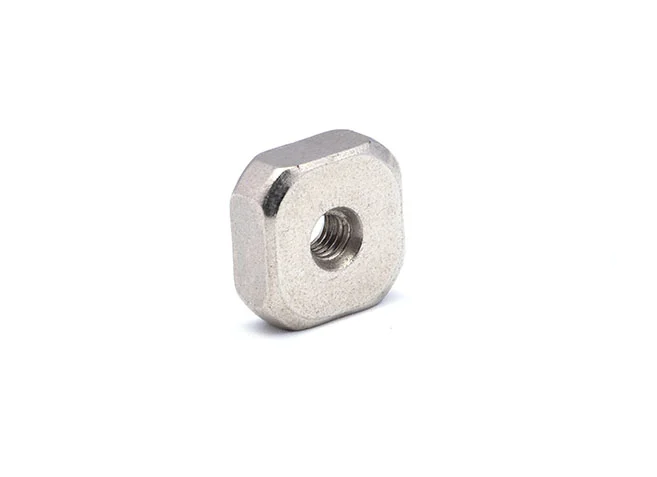 Square Nuts
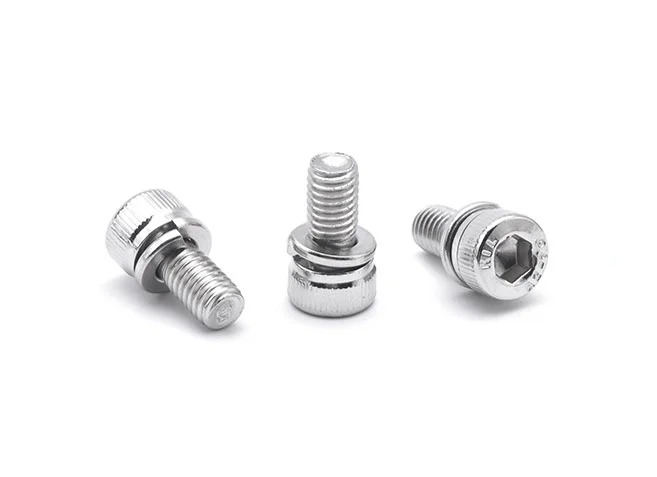 Combination Screws
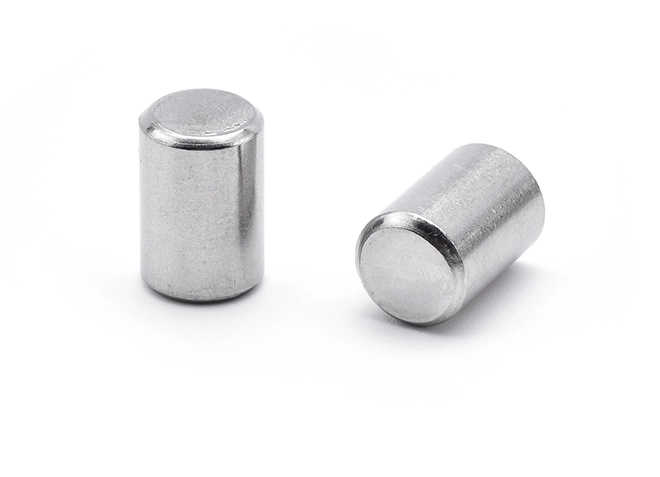 Pin
Pin
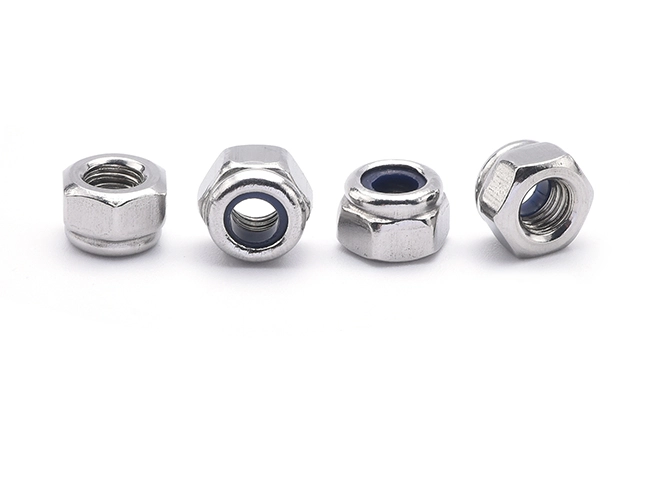 Nylon Locking Nuts
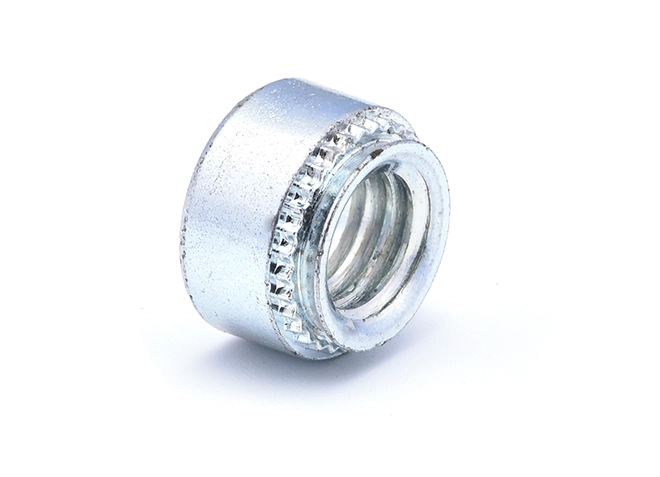 Pressure Rivet Nuts
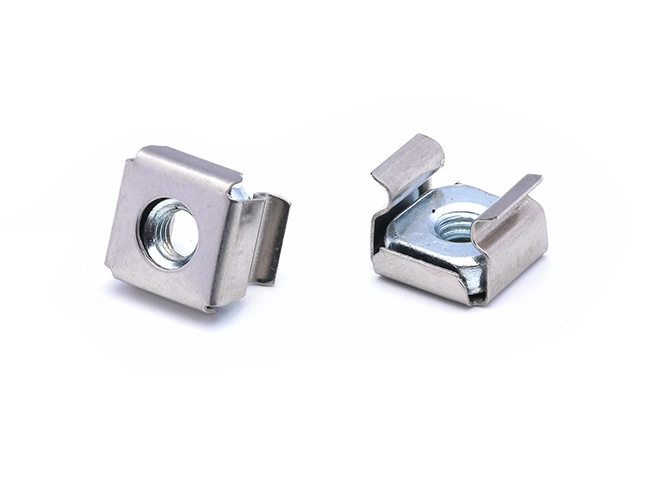 Cage Nut
 Welding Screws
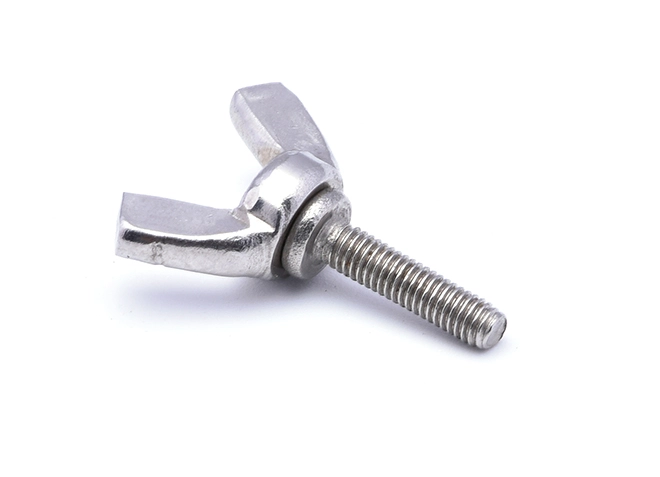 Butterfly Screw
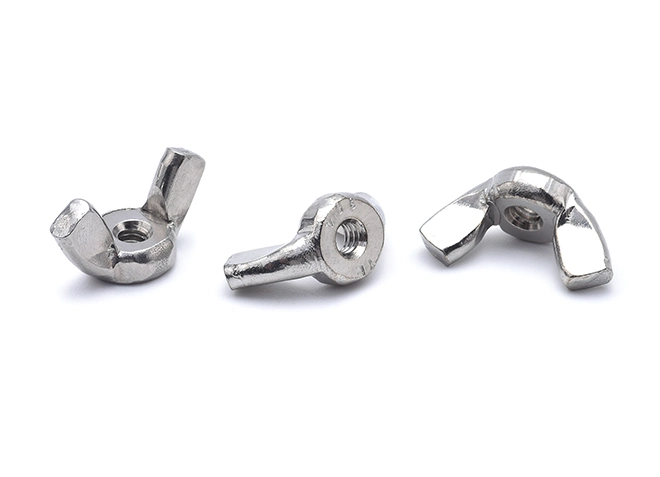 American Standard Butterfly Nut
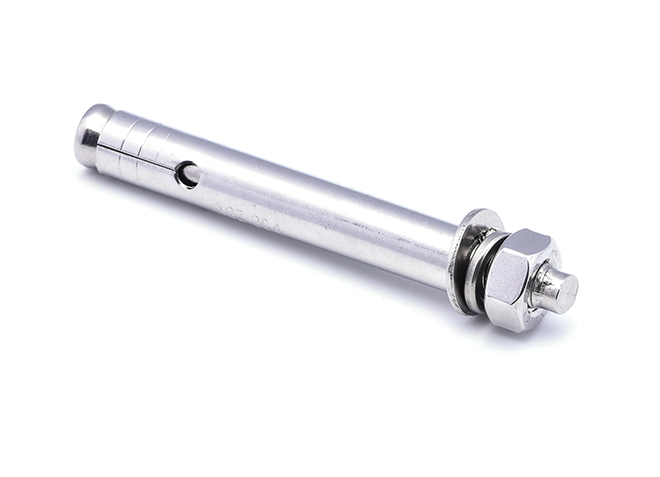 Expansion Screw
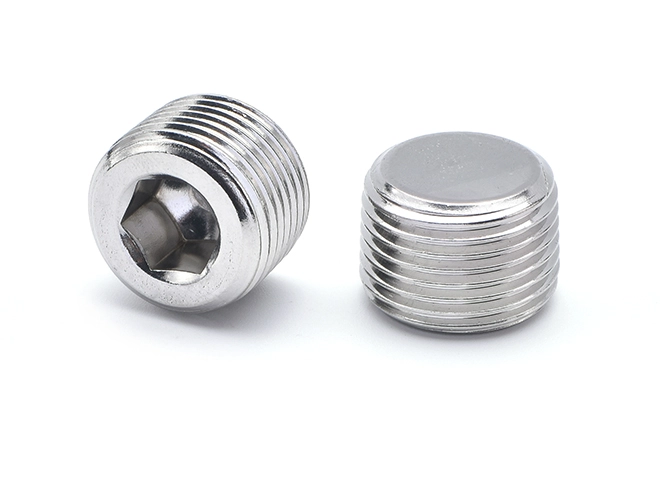 Plug Screw
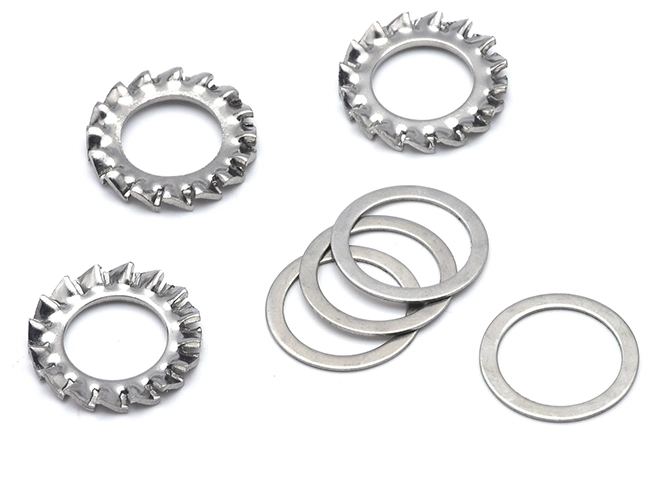 Stainless Steel Washer
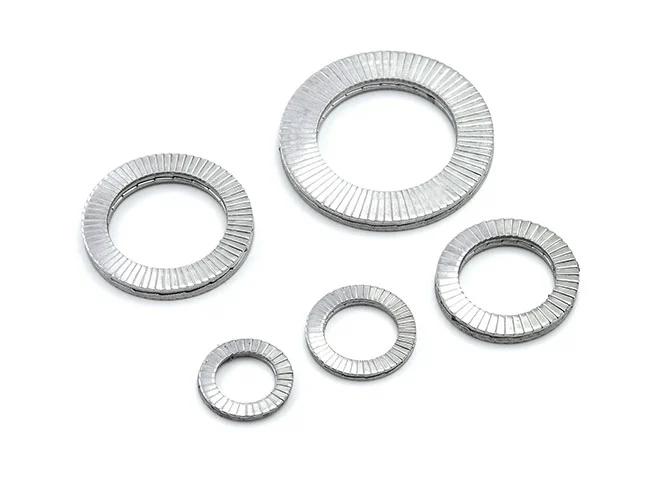 Double Overlap Anti-Loosening Washers
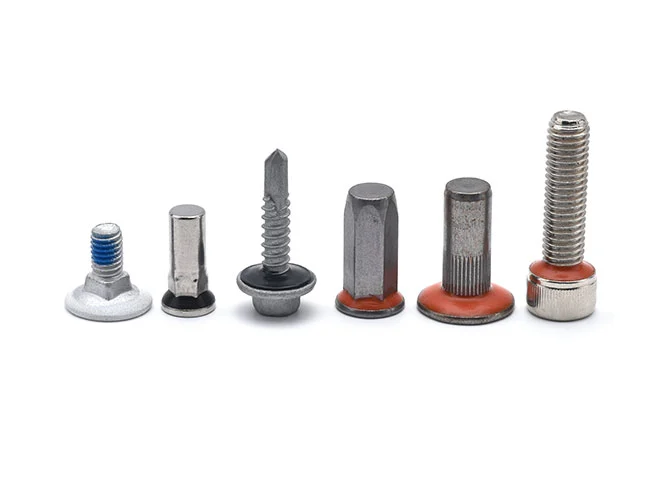 Waterproof and Anti-Drop Screws
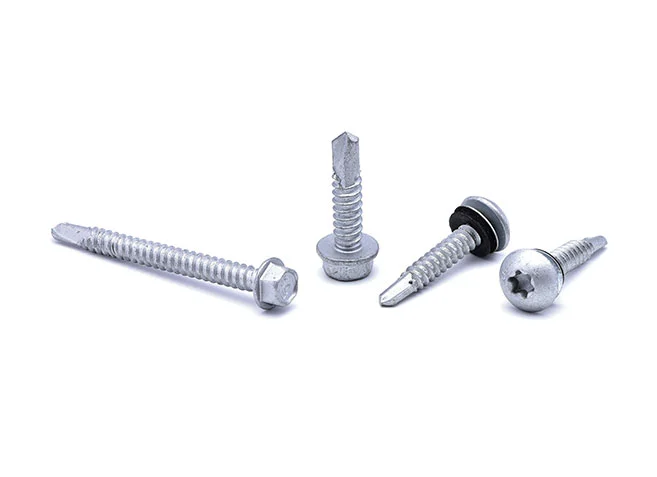 Super Corrosion-Resistant Screws
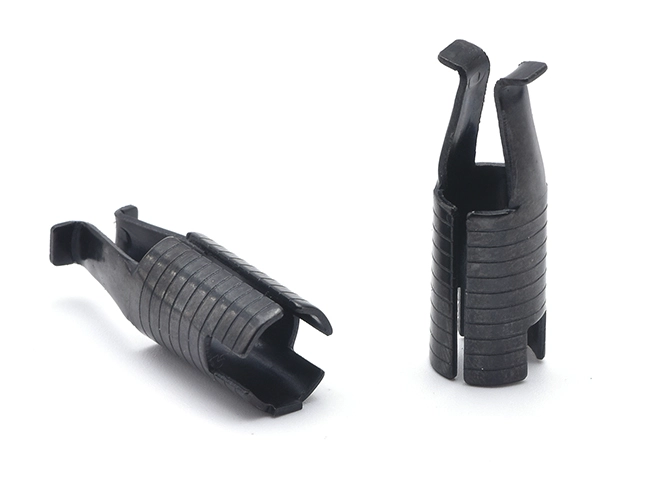 65Mn Material Furniture Connector
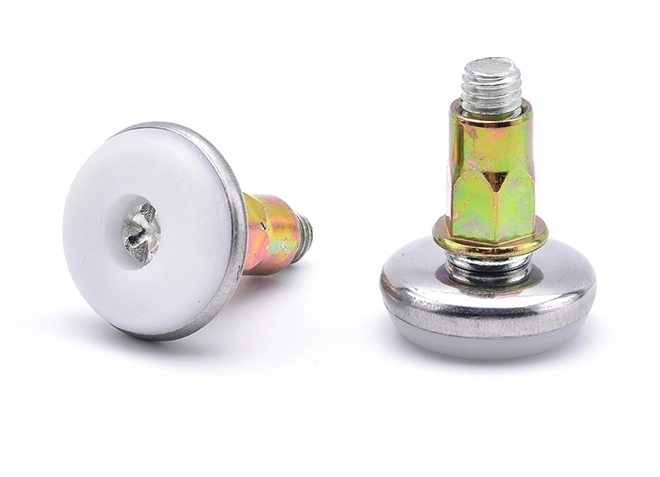 Counter Table Base
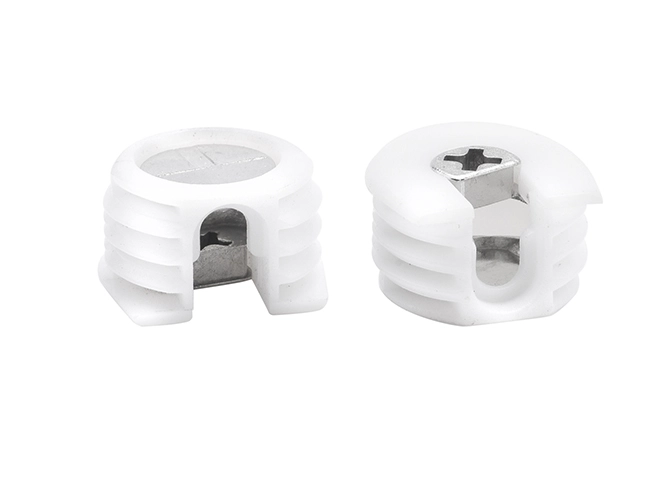 Furniture Connector Nut with Plastic Sleeve
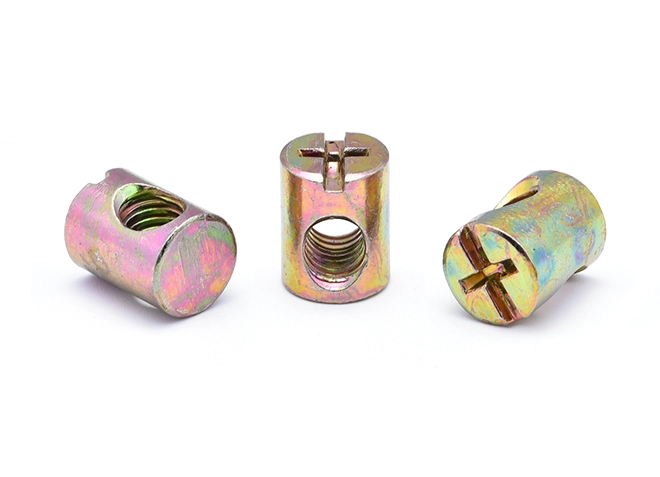 Furniture Horizontal Hole Nut
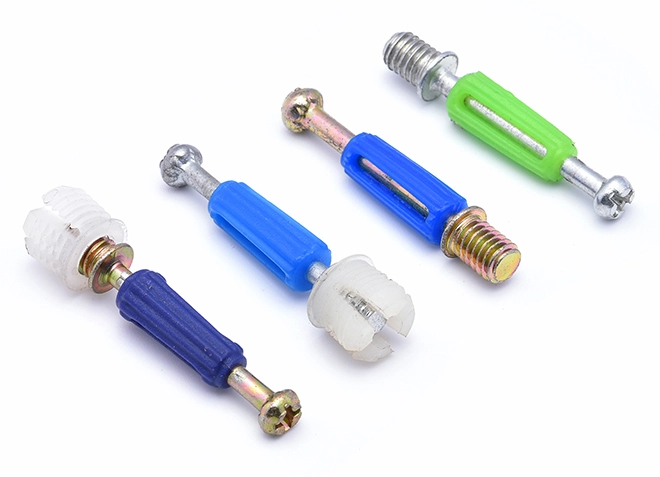 Furniture Connecting Screw
 Furniture Connecting Nut Seat
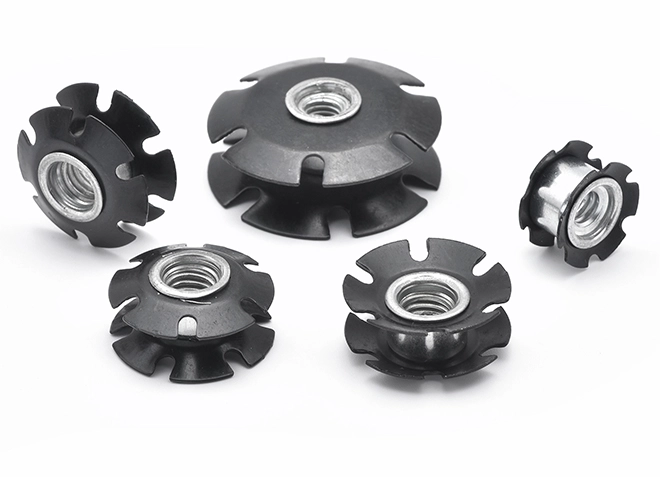 Double Stack Wheels Used On Furniture
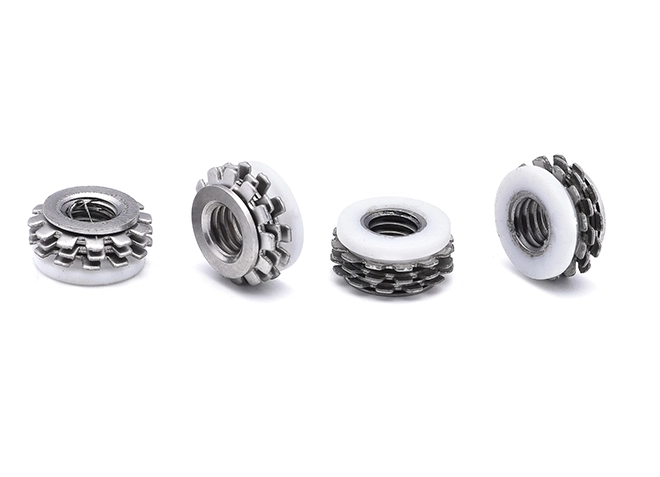 Components Used On Furniture
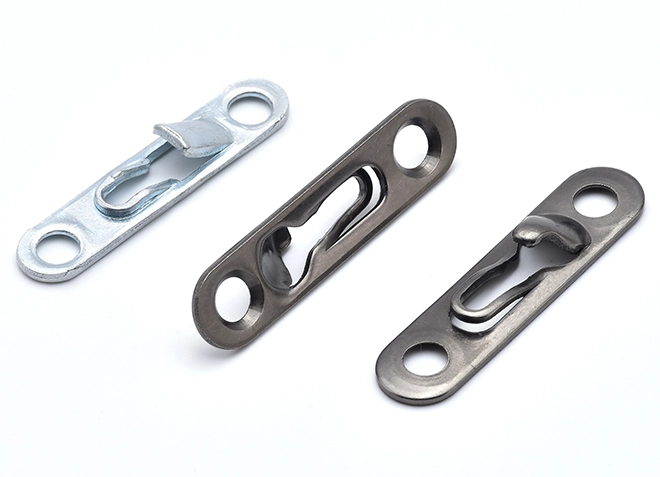 Connection Buckle
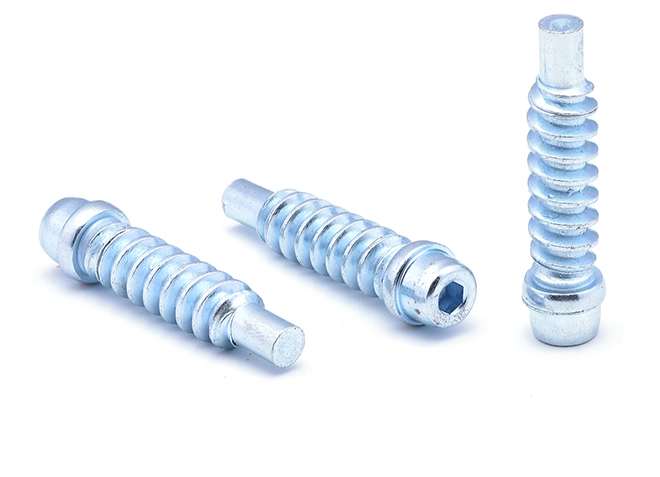 Internal Hexagonal Spiral Screw
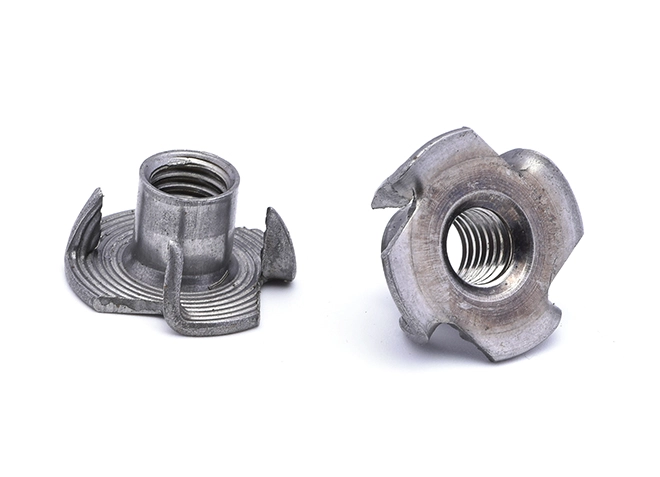 Iron Colored Carbon Steel Four Claw Nut
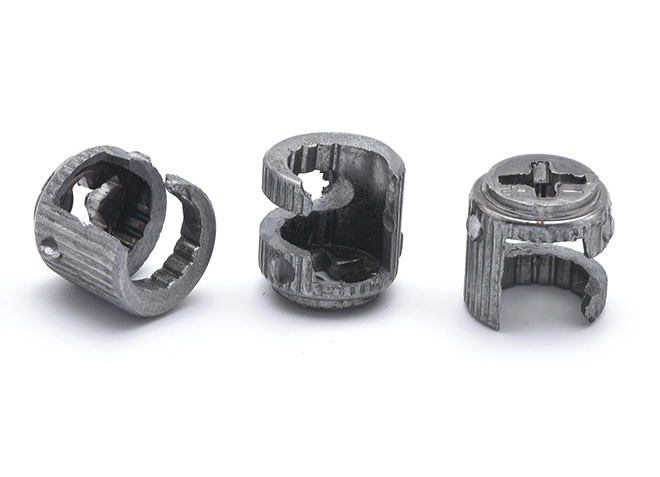 Iron Furniture Three Combination Nut Seat
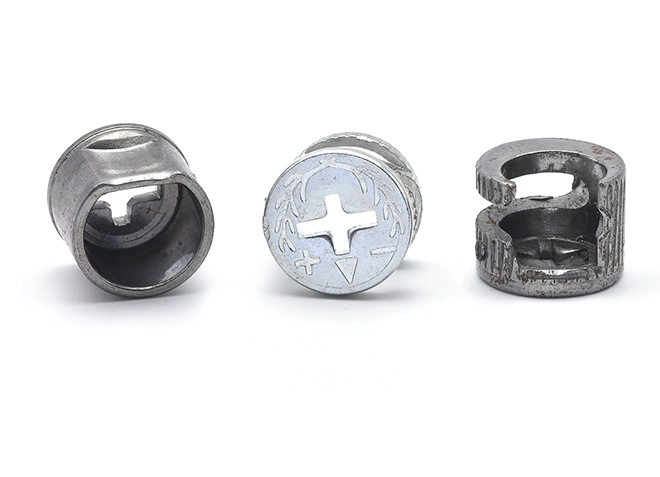 Iron and Zinc Alloy Furniture Three Combination Nut Seat
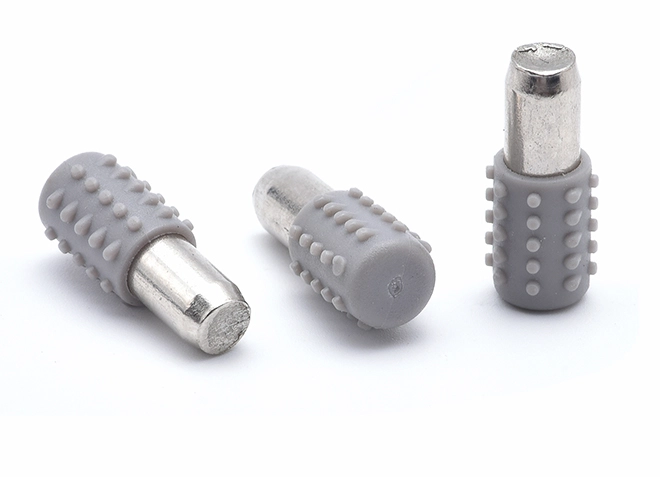 Dowel Pin+ Gray Elephant Rubber Sleeve
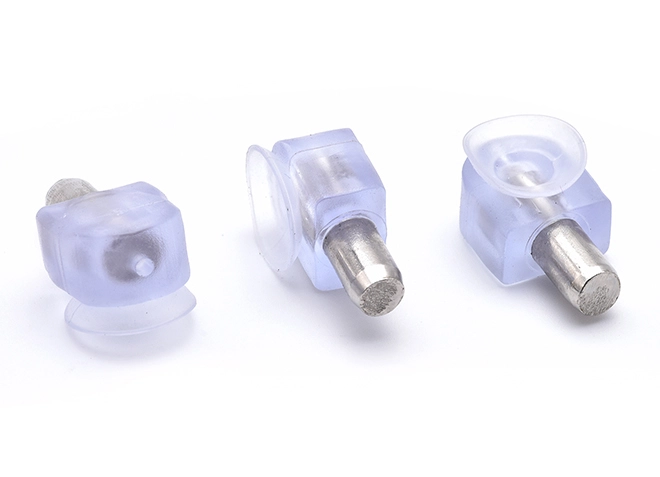 Dowel Pin+ Transparent Elephant Rubber Sleeve
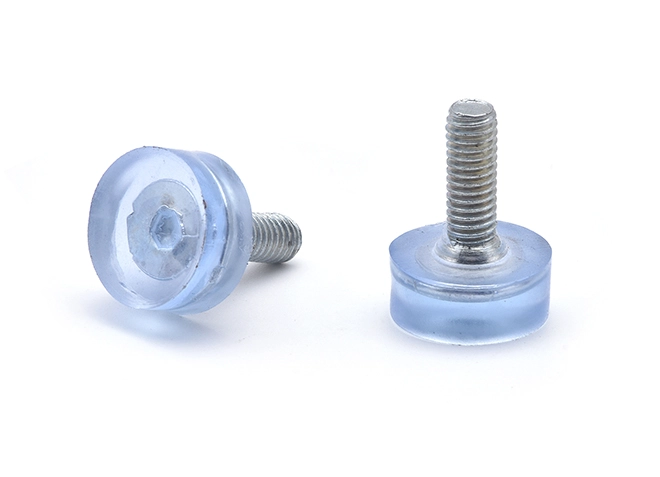 Injection Molded Furniture Foot Pad Screw
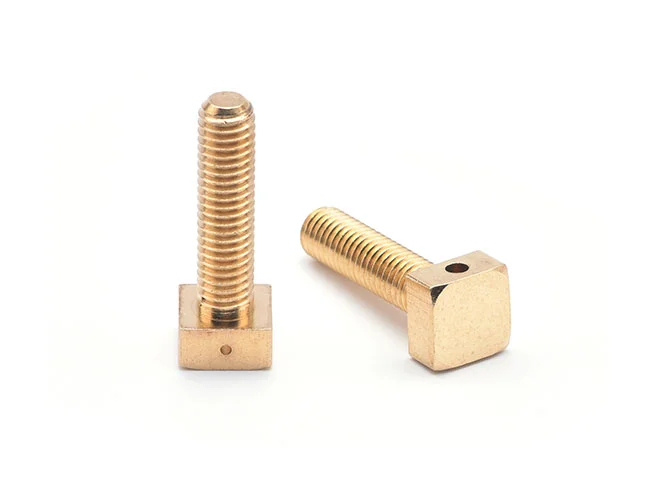
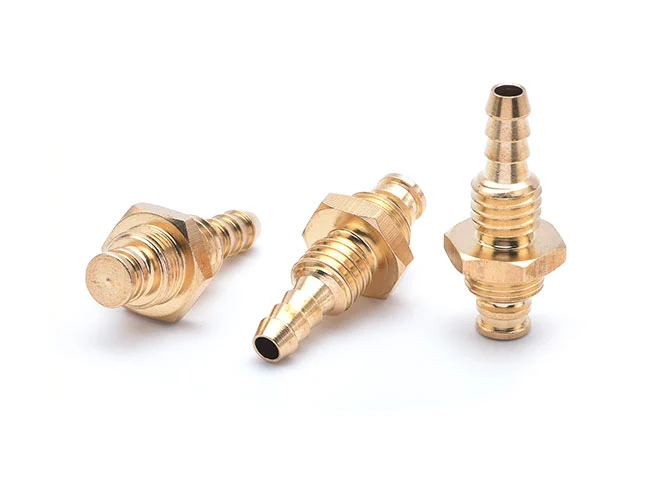
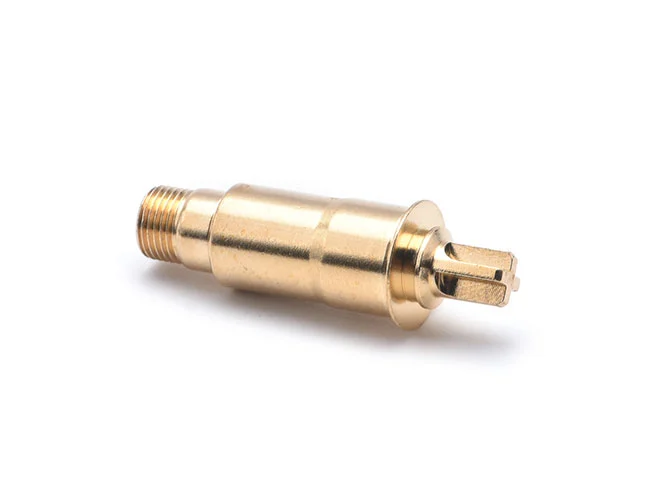
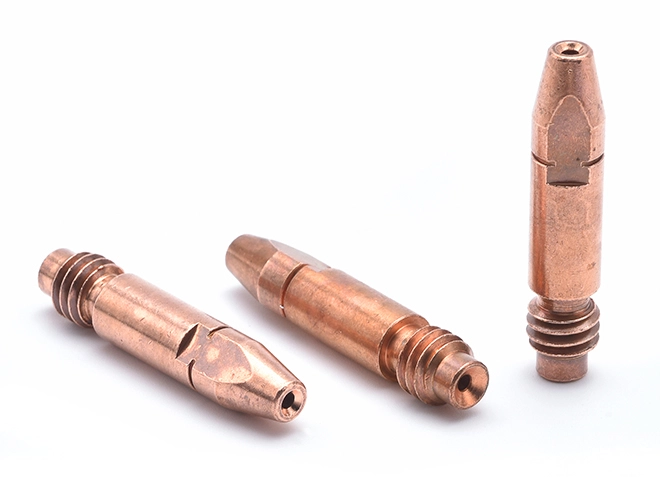
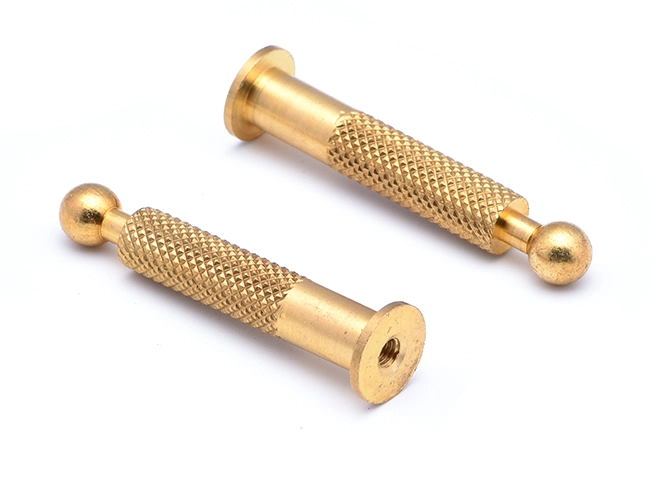
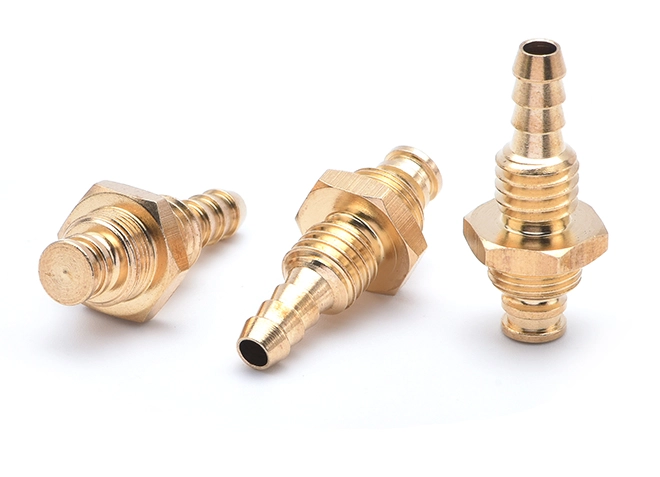
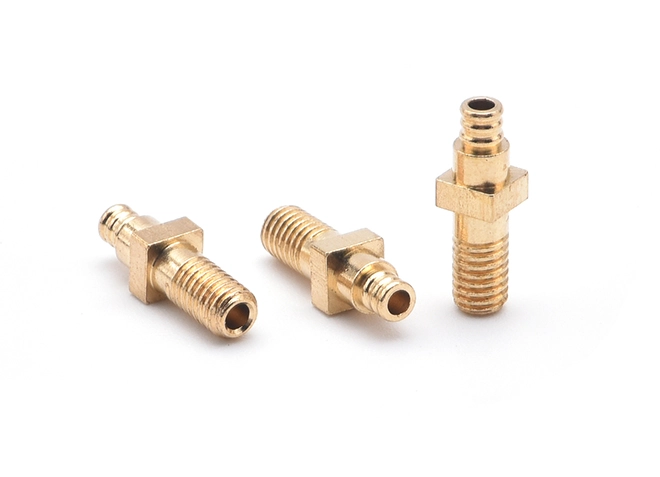
Copper studs are small, cylindrical fasteners made of copper, valued for their excellent electrical conductivity, corrosion resistance, and aesthetic appeal. They are widely used in electrical panels, grounding systems, and battery terminals due to their efficient energy transfer. In electronics, they secure components on printed circuit boards and assist in thermal management. Copper studs also find applications in construction for decorative and structural purposes, as well as in machinery assembly where durability in corrosive environments is crucial. Their versatility, coupled with long-lasting performance, makes copper studs essential in various industrial and architectural contexts.
Corrosion Resistance: Copper studs are highly resistant to corrosion, making them ideal for environments exposed to moisture or harsh elements, such as coastal areas or industrial settings.
Electrical Conductivity: With excellent electrical conductivity, copper studs are used in grounding systems and electrical installations to ensure efficient and reliable electrical connections.
Aesthetic Appeal: Copper's attractive appearance and ability to develop a patina over time make it suitable for decorative elements and architectural features, enhancing the visual appeal of construction projects.
Thermal Conductivity: Copper's high thermal conductivity allows for effective heat dissipation, making it useful in heat exchangers and HVAC systems where managing heat is crucial.
Durability and Strength: Copper studs provide good mechanical strength and durability, making them reliable for structural elements, anchor points, and fastening systems where strength is essential.
A threaded rod is a long, continuous piece of metal with threads running along its entire length, designed for use in applications where a fastener needs to extend across a greater distance, often used in structural work or machinery, and can be cut to size as needed.
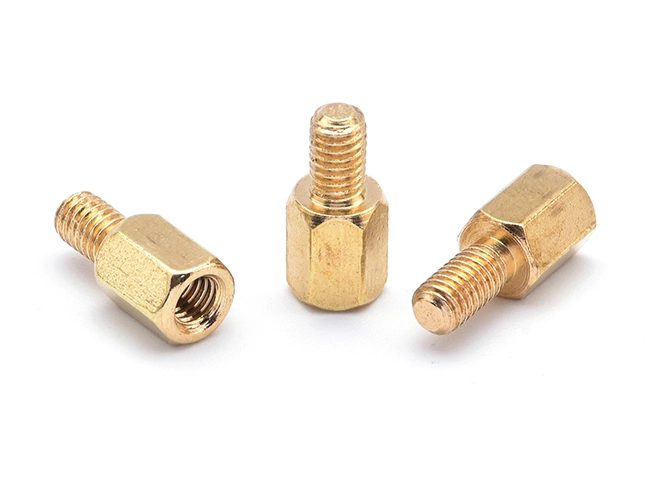
In contrast, a threaded stud is typically shorter, with threads on both ends and a smooth or unthreaded section in the middle, designed to be inserted into a material where nuts are screwed onto the threaded ends, commonly used for fastening components in tight spaces or when a fixed attachment point is needed.
aaron18129983931@gmail.com