Xintegu: fasteners manufacturer

Tiny Fasteners Safeguard Equipment Stability: An In‑depth Look at the Core Industrial Value of Lock‑Set Screws

Table of Content [Hide]

    In the modern industrial precision assembly system, most people focus their attention on large core components such as motors, modules and transmission mechanisms, yet frequently overlook the critical roles played by various micro‑fasteners. Set screws, also known as grub screws, are a type of headless fastener widely applied for component positioning, shaft locking and prevention of part displacement. Anti‑loosening set screws with improved anti‑loosening performance are indispensable small parts in automated equipment, instruments and meters, automotive components and semiconductor equipment. Despite their tiny size, these parts directly determine the operational reliability of complete machines. Loosening or slipping may lead to component offset and precision failure, and in severe cases, can cause equipment shutdown and even potential safety hazards.


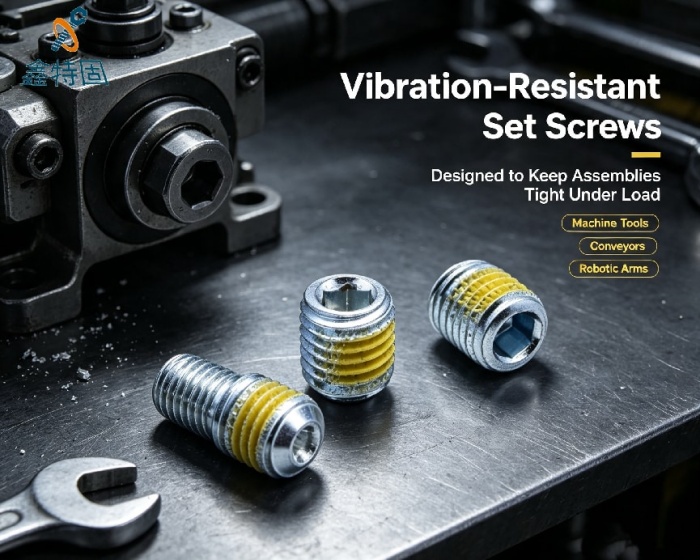
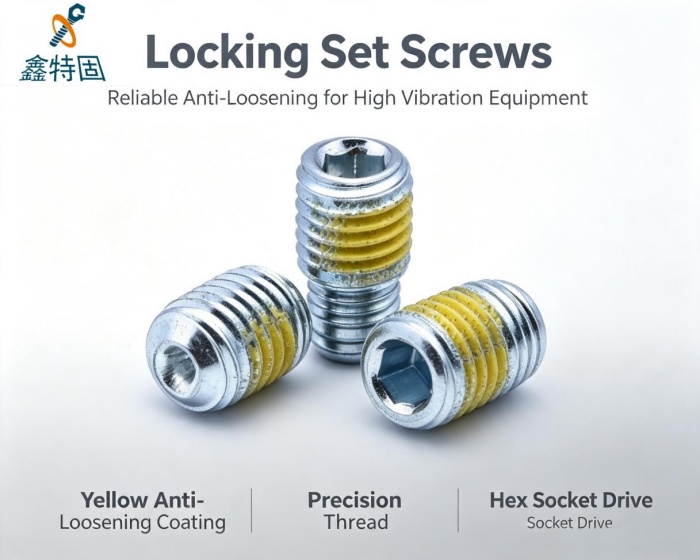
    Conventional set screws generate clamping force through thread engagement. When equipment is exposed to long‑term vibration, shock and alternating temperature environments, micro‑slippage occurs between threads, which eventually leads to loosening. Under vibrating operating conditions, relying solely on ordinary thread locking can hardly maintain preload for a long time. This is also a major cause of positioning deviation observed in much equipment after a period of operation following commissioning. Anti‑loosening set screws are developed specifically to address this industry pain point. Based on standard set screws, processes such as adhesive dispensing, nylon anti‑loosening coating and special thread profile modification are adopted to increase thread engagement friction and resist loosening caused by vibration. They significantly improve connection stability without altering the original assembly space.


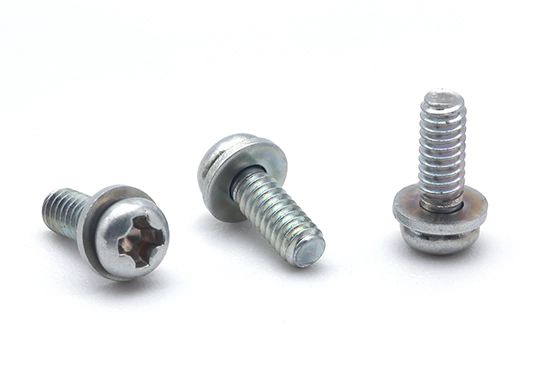
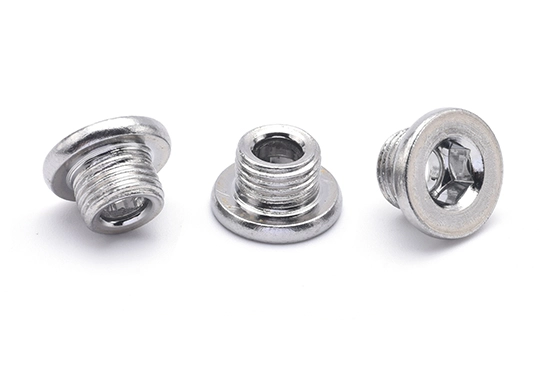
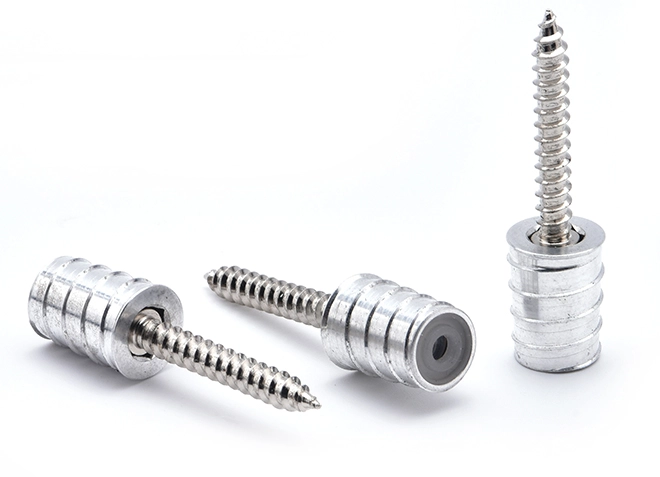
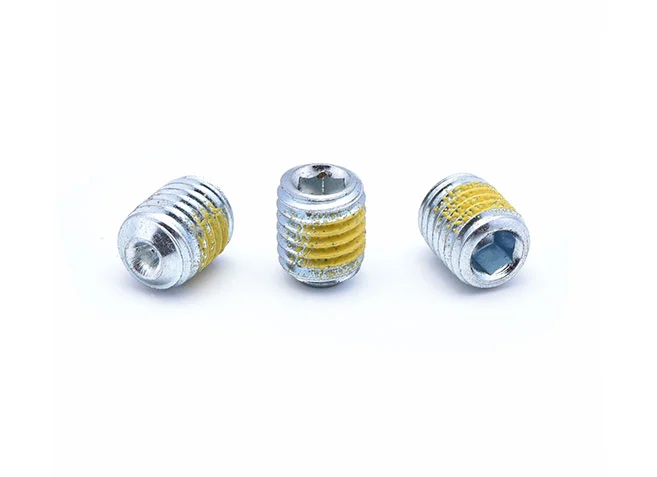
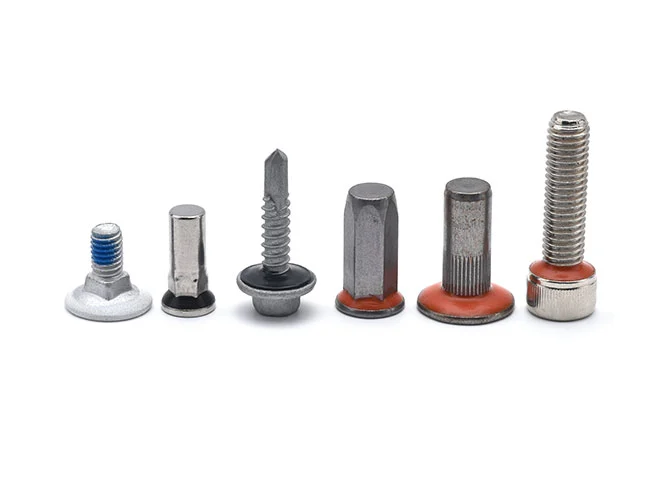
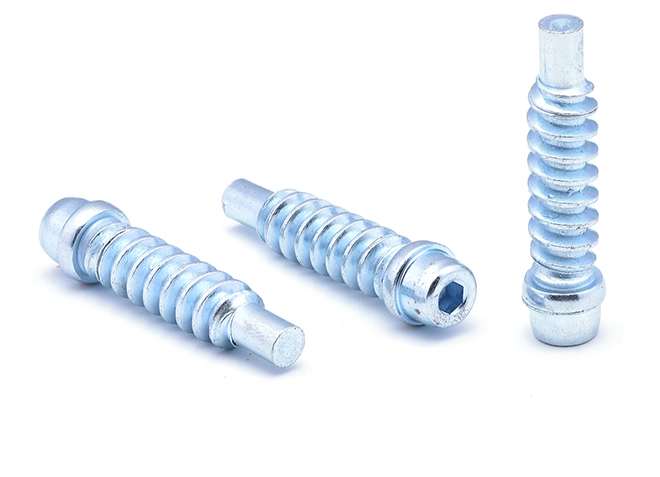
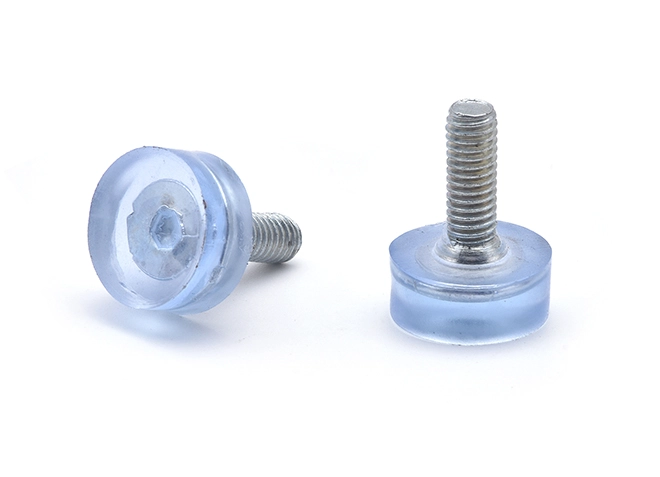
    The anti-loosening fastener features a headless design; once assembled, the entire component sits flush within the threaded hole, ensuring that the screw head does not protrude outward, thereby preventing interference with surrounding components or the risk of impact-induced damage. Based on the driving mechanism, common types include hex socket, straight shank, and pawl groove variants; the methods for achieving anti-loosening are primarily categorized into two types: pre-applied adhesive-based anti-loosening and embedded nylon ring anti-loosening. In the pre-applied adhesive version, an engineering-grade adhesive layer is uniformly coated over the threaded section; upon tightening, the adhesive fills the thread gap, increasing frictional resistance while providing a sealing effect. In the nylon ring version, nylon particles are embedded within the threaded area; when tightened, these nylon particles are compressed and deformed, filling the thread pitch gaps and preventing loosening due to vibration. These two approaches are suited to different operating conditions: the pre-applied adhesive version is ideal for applications involving continuous vibration or significant temperature fluctuations, whereas the nylon ring version is more convenient for repeated disassembly and maintenance.


    tiny-fasteners-safeguard-equipment-stability01.jpg


    Its application scenarios are extremely broad. Automatic fixture tools are used to secure positioning pins and shaft components, preventing positional displacement caused by machining vibrations; servo motor encoders and sensor assemblies utilize anti-loosening devices to lock rotating shafts, ensuring high-precision signal acquisition; these components are widely employed in automotive parts, medical devices, and precision instruments for fixing sleeves, retaining rings, and adjustment assemblies; in the confined spaces of 3C equipment and semiconductor inspection systems where head bolts cannot be used due to structural constraints, anti-loosening devices represent the preferred solution. Compared to conventional set screws, the procurement cost of anti-loosening devices involves only a modest increase, yet they significantly reduce subsequent equipment maintenance frequency and minimize on-site rework – offering exceptional cost-effectiveness from a full lifecycle perspective.


    However, simultaneously, the technical thresholds for controlling raw materials, machining precision, and anti-loosening processes are not low. There is a significant disparity in product quality across the market; some low-cost products utilize ordinary steel with insufficient hardness, making them prone to thread slippage or corner chipping during tightening; thread tolerance control is inadequate, resulting in either overly loose or overly tight engagement with the workpiece's threaded hole, which complicates assembly; the thickness of the anti-loosening coating is uneven—some areas lack sufficient adhesive, while others have an excessively thick coating, leading to excessive tightening resistance; nylon-based anti-loosening products often suffer from poor adhesion, causing the coating to peel off under applied force and fail prematurely. Many manufacturers focus solely on specifications and dimensions when procuring these products, neglecting requirements such as hardness, torque specifications, and anti-loosening performance; although sample tests appear satisfactory, batch production often leads to widespread loosening or thread slippage issues, resulting in substantial rework costs.


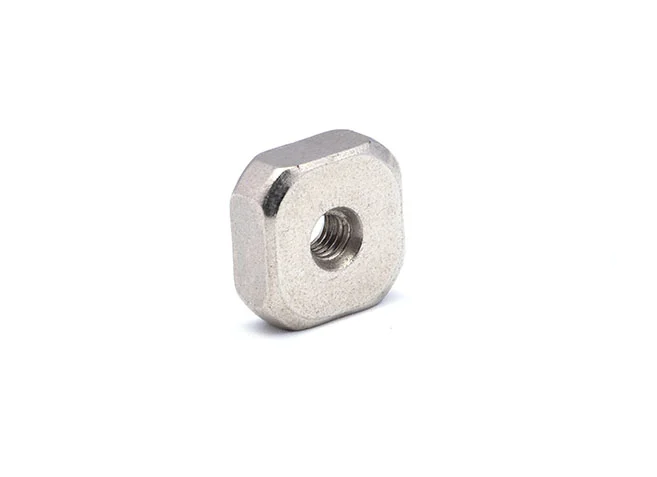
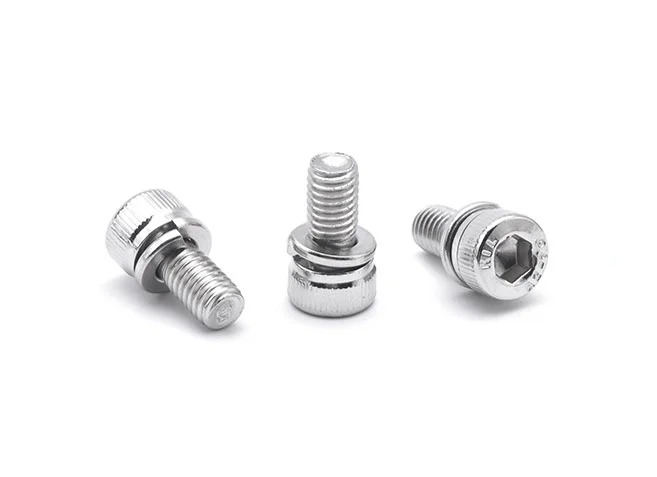
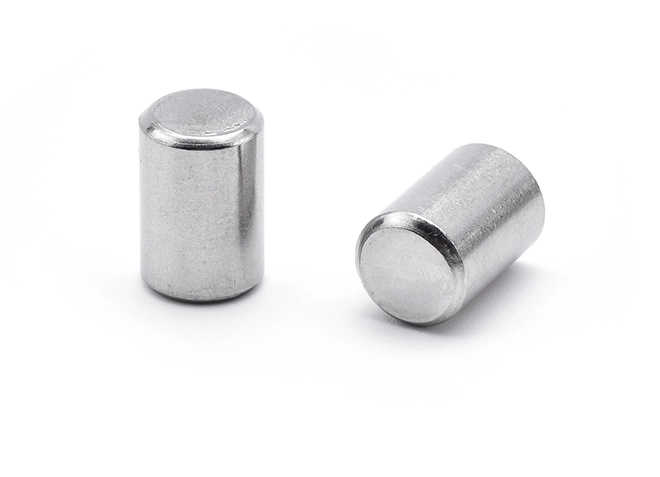
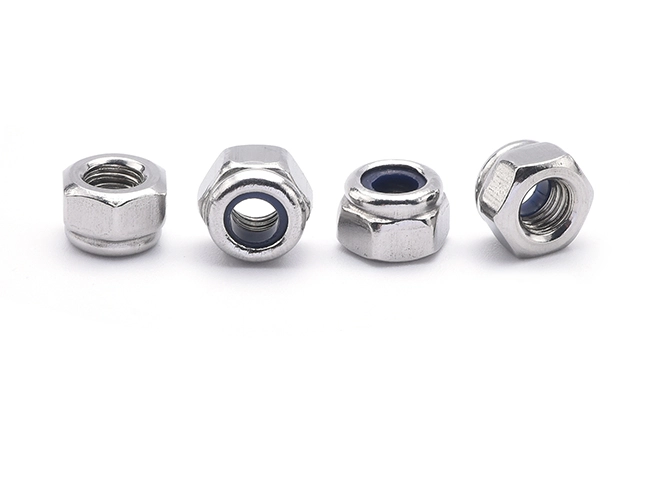
    In actual projects, enterprises rarely purchase only one single category of set screws with anti‑loosening features. They often need supporting bolts, nuts, pins, flat and spring washers, and various custom turned parts at the same time. Placing orders with multiple separate suppliers will lead to inconsistent standards, scattered delivery times, mixed incoming material specifications, heavy workload for multi‑batch incoming inspection, and cumbersome communication and coordination. Many manufacturing enterprises are confronted with such practical supply‑chain challenges: they need to ensure stable quality of small parts while hoping to reduce the number of suppliers and streamline procurement procedures.


    Procurement of fasteners is not merely about purchasing a single component; it involves a full range of professional work including working‑condition‑based selection, material matching, anti‑loosening process selection, incoming inspection, delivery‑time control, and non‑standard customization. To avoid equipment risks caused by these tiny parts, it is essential to find partners with manufacturing capabilities and in‑depth knowledge of various working‑condition applications. As an original‑source supplier with years of deep‑rooted experience in the fastener industry, Xintegu is a reliable, professional and trustworthy fastener supplier capable of delivering one‑stop solutions.


    tiny-fasteners-safeguard-equipment-stability02.jpg


    Unlike ordinary traders, Xintegu can get involved in the early‑stage technical selection and provide reasonable suggestions based on customers’ actual working conditions. For anti‑loosening set screws, it assists customers in choosing between pre‑applied adhesive anti‑loosening or nylon anti‑loosening solutions according to equipment vibration intensity, temperature range and whether repeated disassembly and assembly is required. Meanwhile, it determines appropriate materials and hardness grades in line with torque requirements, clarifies the application boundaries of carbon steel, alloy steel and stainless steel, and prevents subsequent failures caused by customers’ wrong process selection. When standard specifications fail to meet project requirements, non‑standard customization based on drawings or samples is also supported, including adjustments to thread specifications, lengths and anti‑loosening processes.


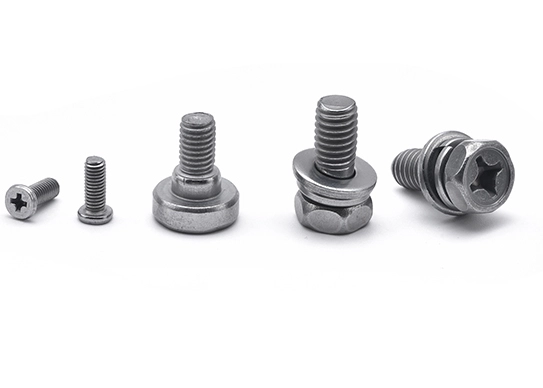
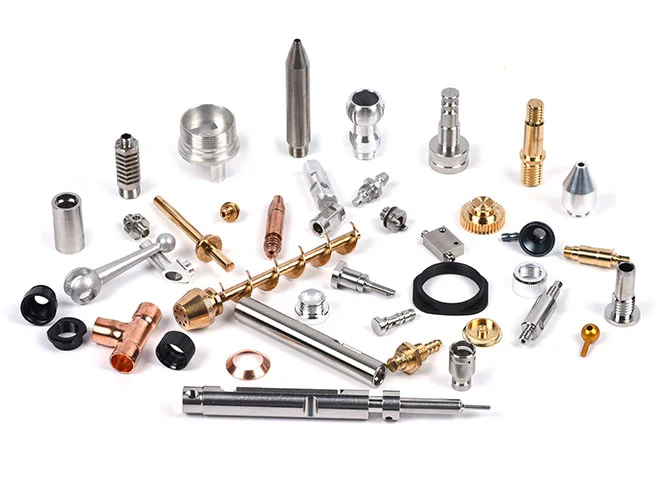
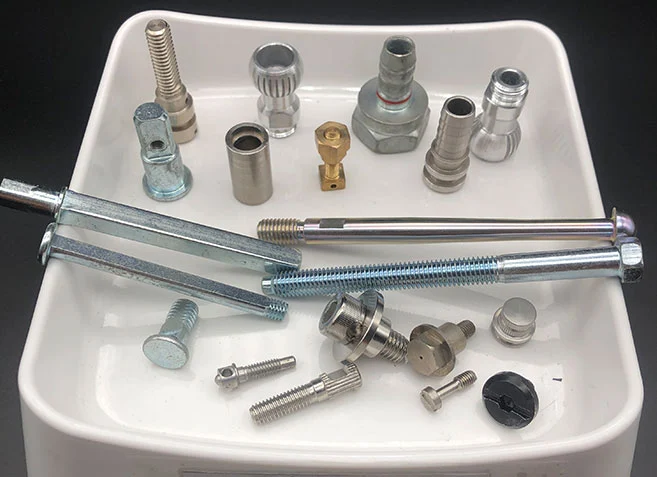
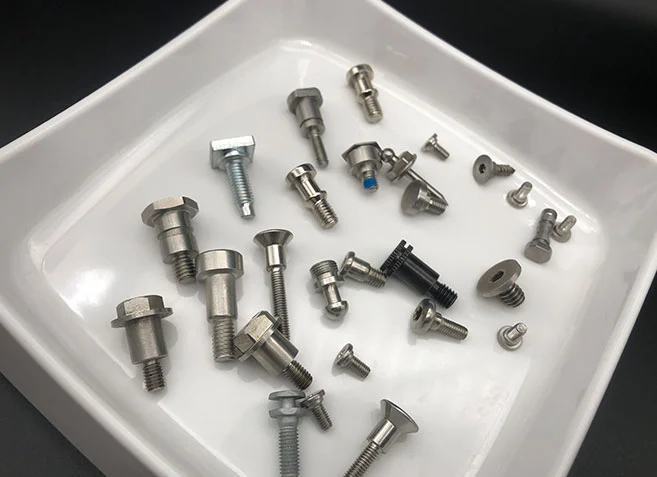
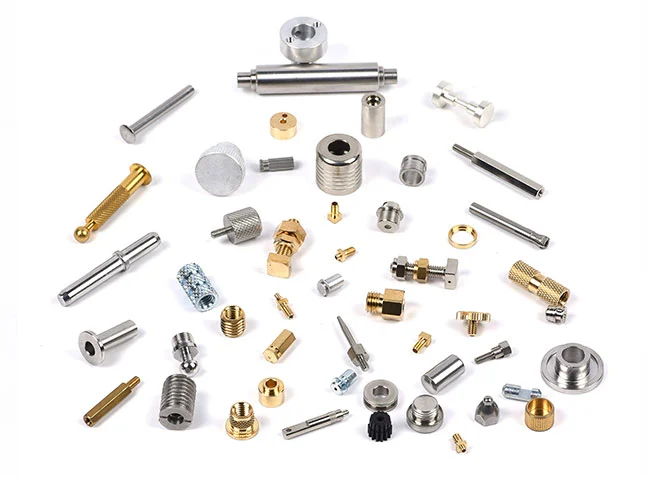
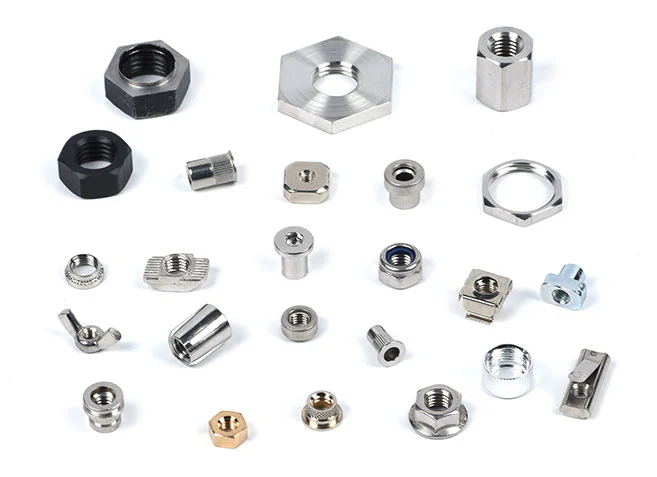
    In addition to set screws with anti‑loosening features, bolts, nuts, washers, precision turned parts and various special fasteners are available for coordinated one‑stop supply. Customers can procure multiple categories of components without liaising with multiple factories, which simplifies supply‑chain management and mitigates risks of errors arising from multi‑supplier coordination. In terms of quality control, inspections are performed upon raw‑material receipt to verify wire‑rod base materials. Thread tolerances and hardness are monitored during production. For the anti‑loosening coating process, glue thickness and adhesion are strictly controlled. Finished products undergo torque testing and anti‑loosening vibration testing, with corresponding test reports available to ensure consistency across mass‑produced items. We accommodate both high‑volume mass‑production orders and small‑batch prototype sampling, supporting requirements across R&D prototyping, pilot trials and mass‑production phases, and addressing common industry pain points including difficulties in obtaining samples and unstable lead times.


    Many manufacturing enterprises often focus on large‑sized components yet overlook that a tiny set screw can affect the operation of an entire set of equipment. Industrial assembly emphasizes system reliability, and no fastening point should be neglected. An excellent fastener partner does not merely deliver goods; it can also proactively mitigate potential risks related to type selection, processes and quality from a technical perspective, stopping failures before assembly and production commence.


    If you have questions about selecting set screws with locking features or other fasteners, have requirements for purchasing standard parts or non‑standard customization, or wish to optimize your overall fastener supply chain, please feel free to contact us. Our technical team can provide professional technical assessments and complete fastener solutions based on your equipment operating conditions and drawing parameters. We look forward to cooperating with you.


    • Website: www.szxintegu.com 

    • Email: sz@szxintegu.com


    References