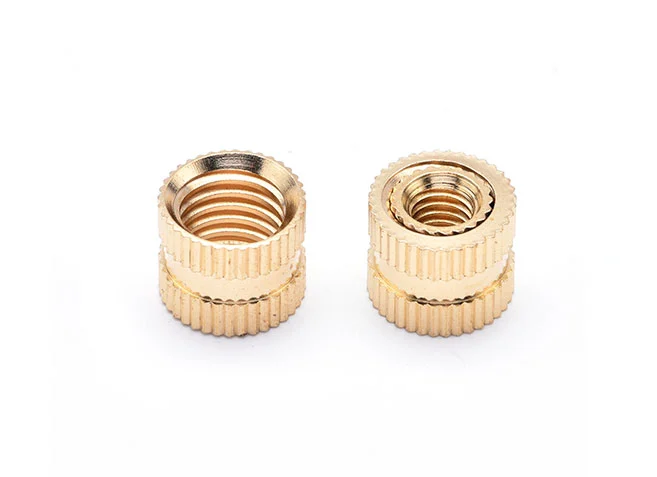
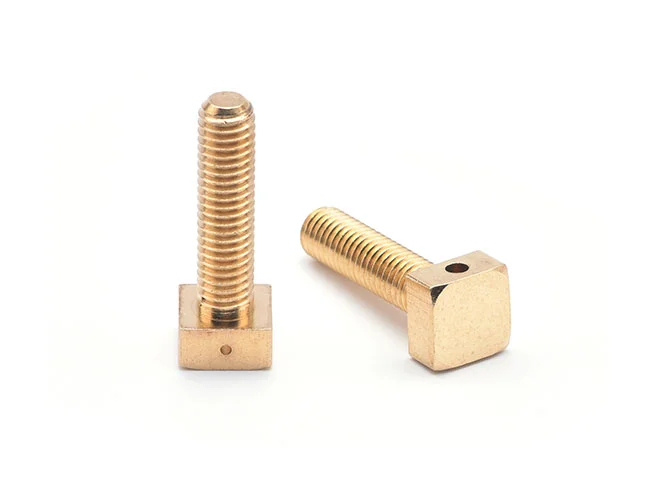
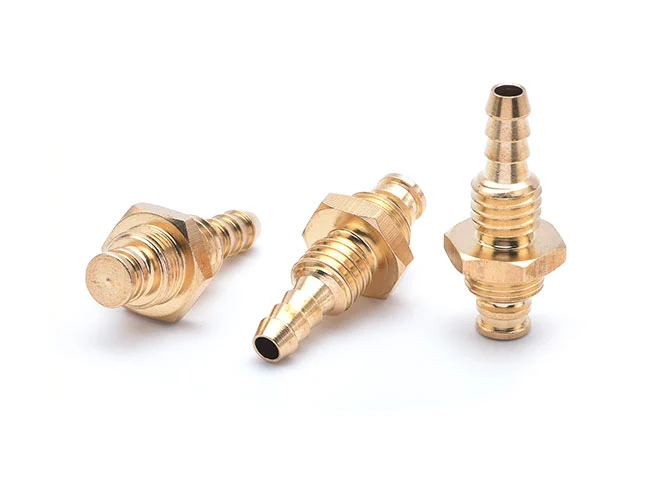
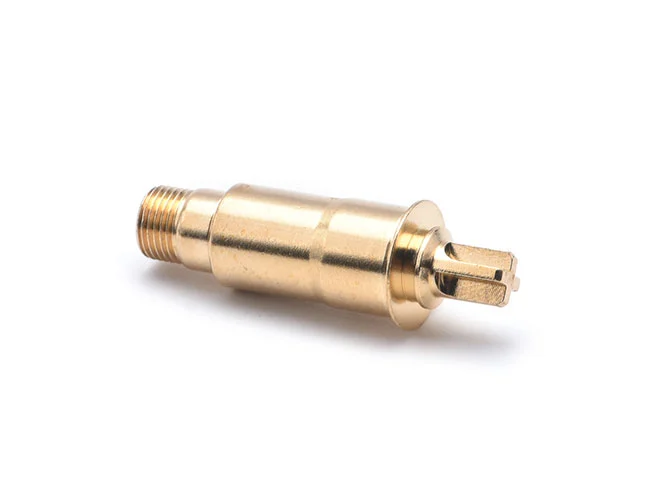
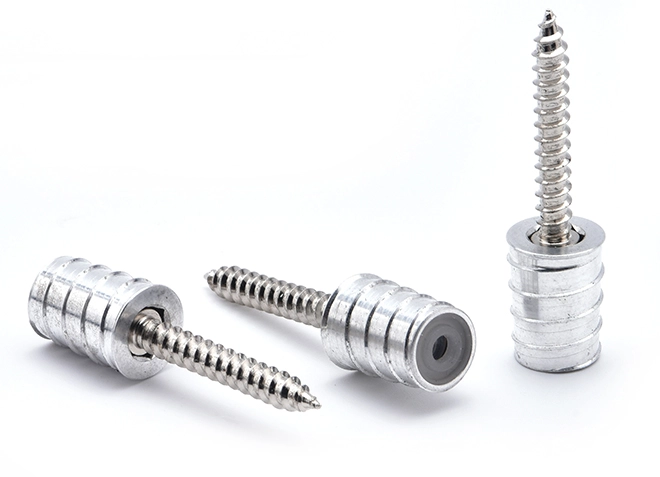
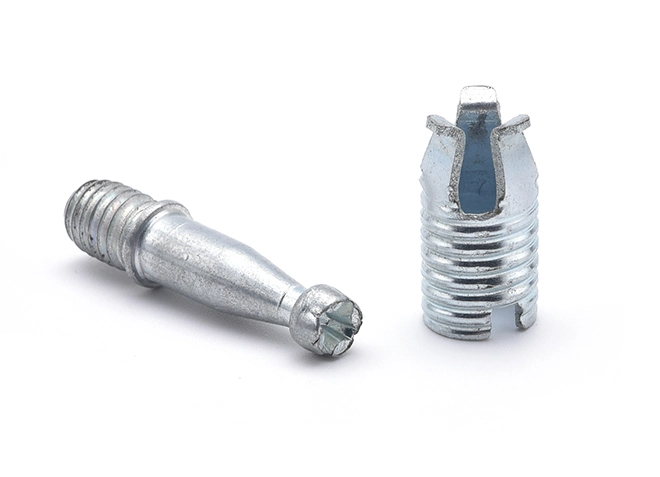
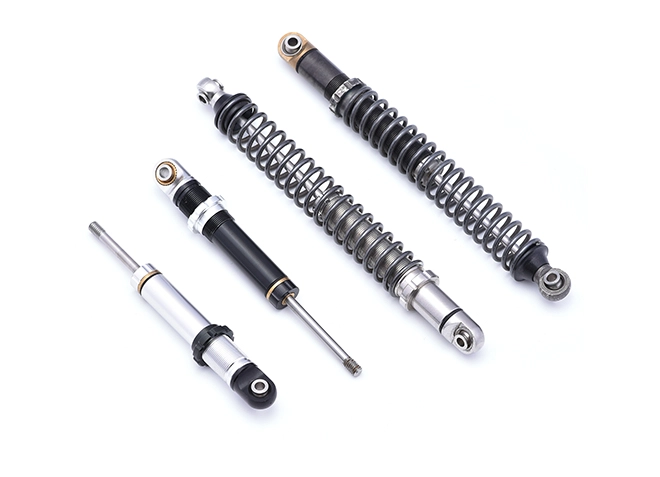
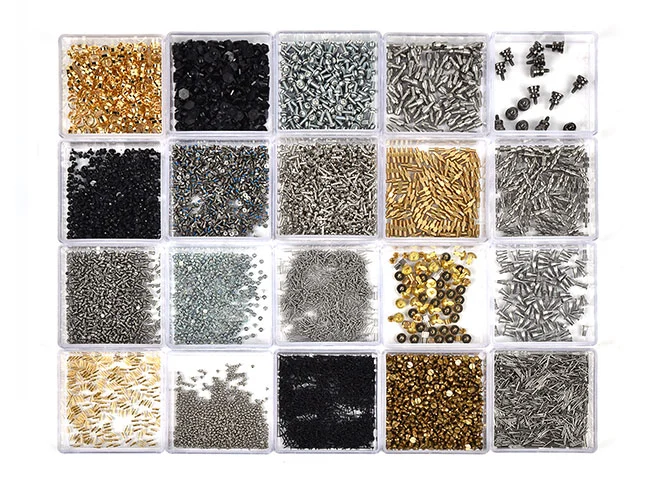
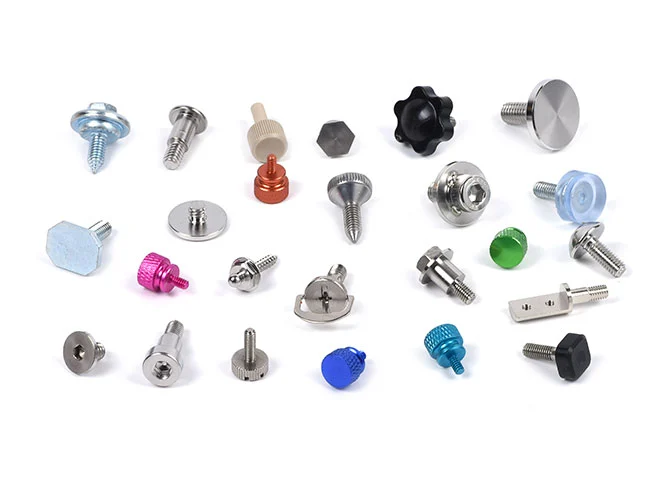
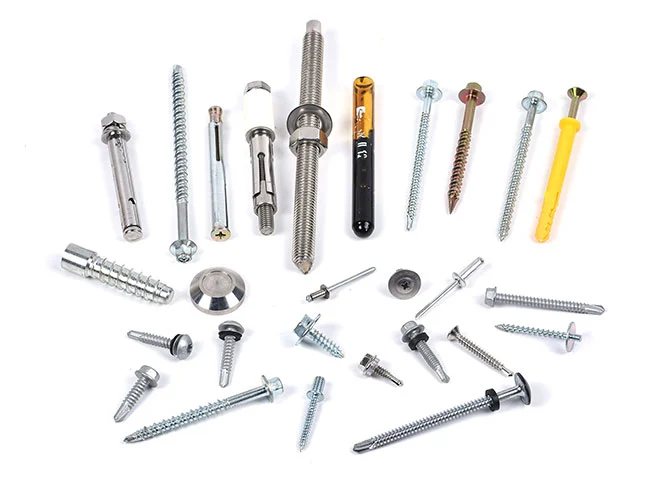
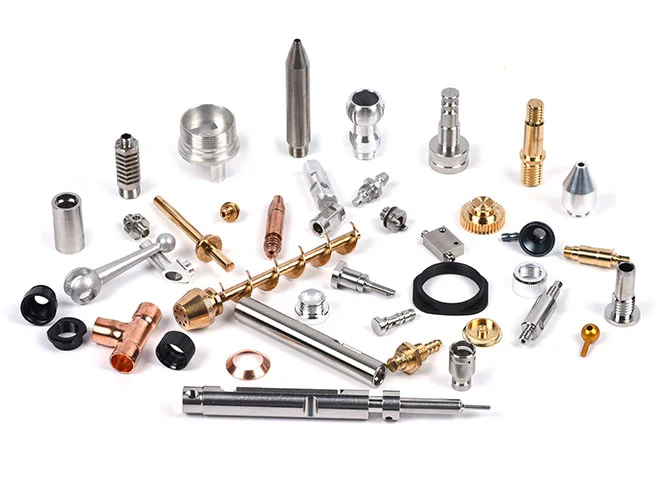
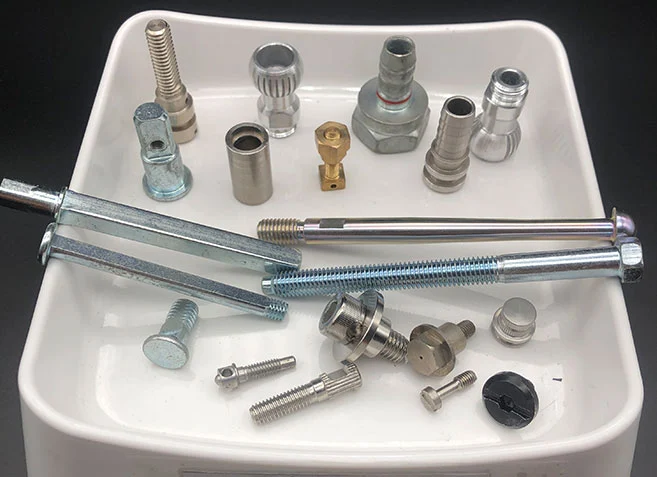
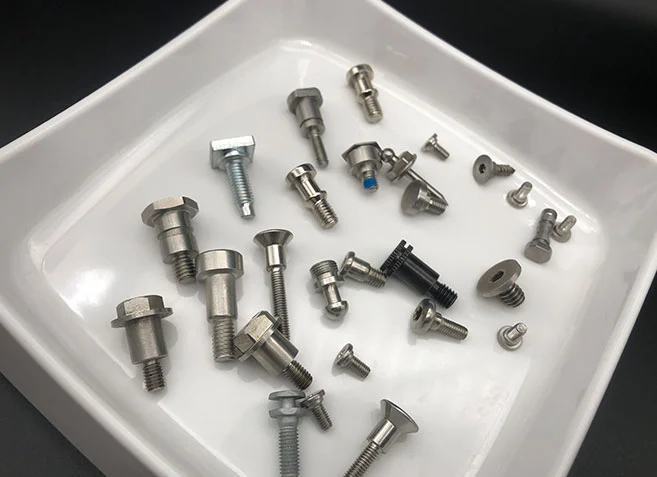
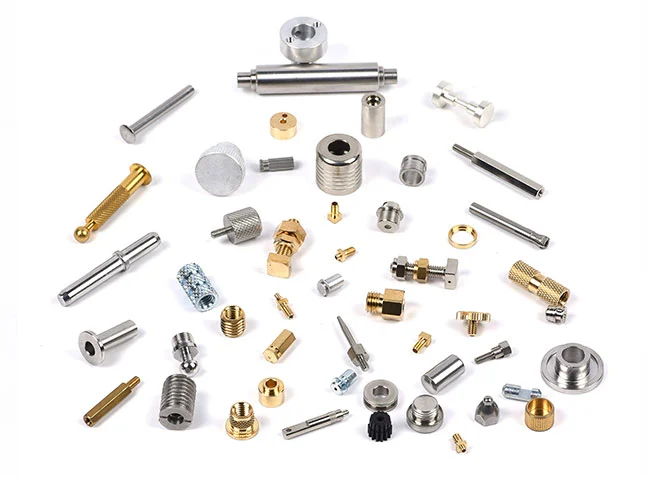
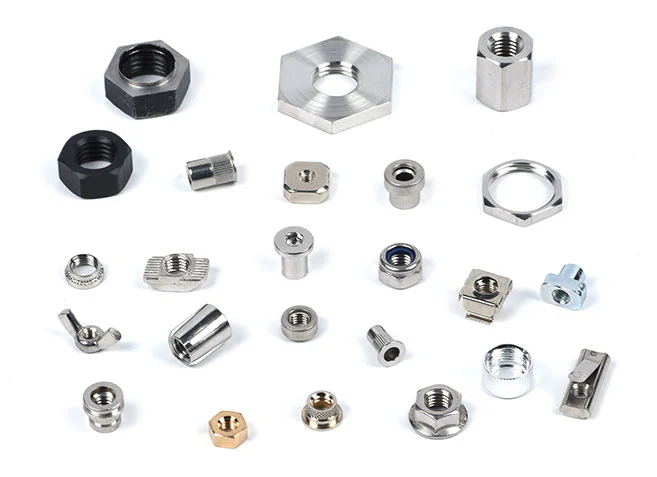
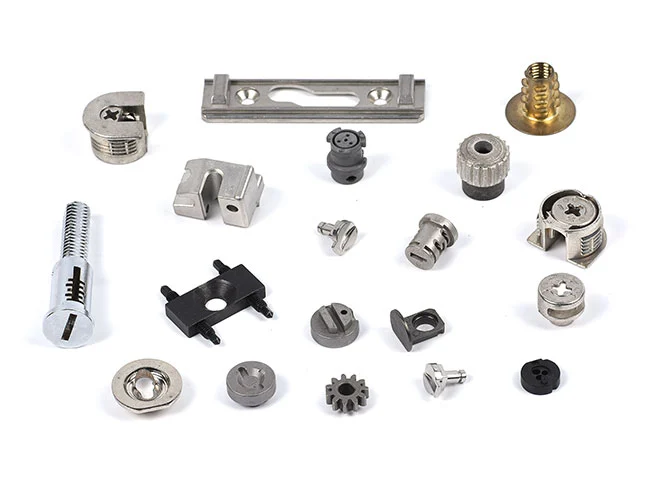
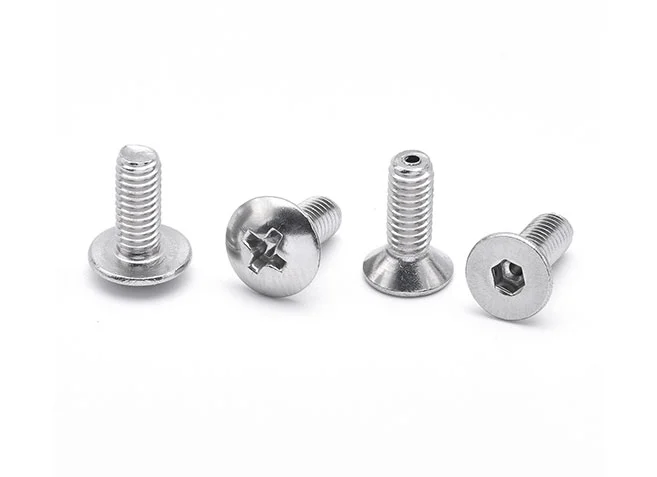
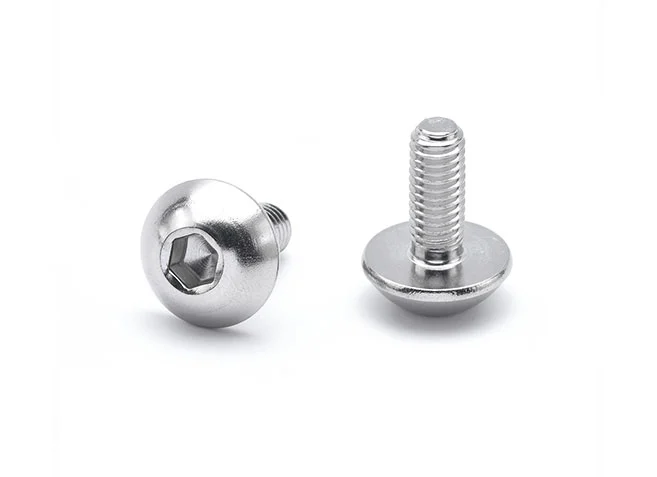
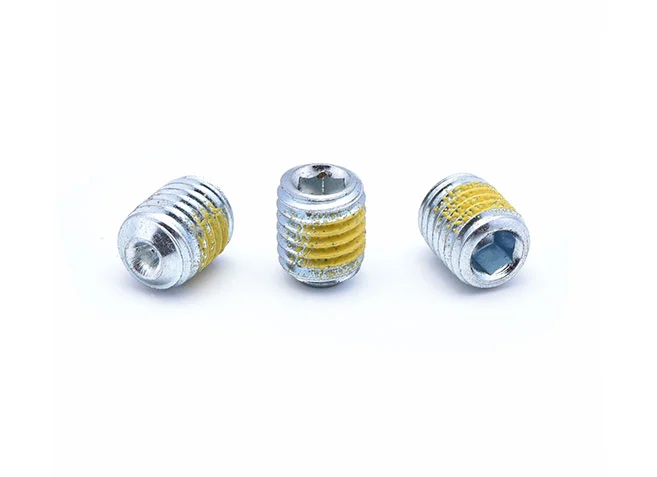
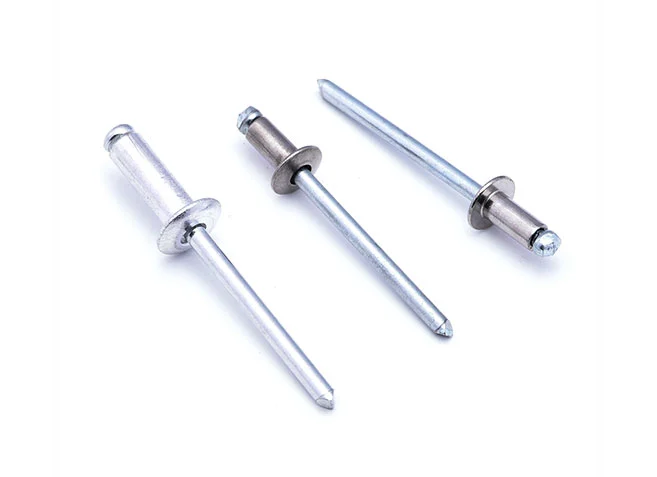
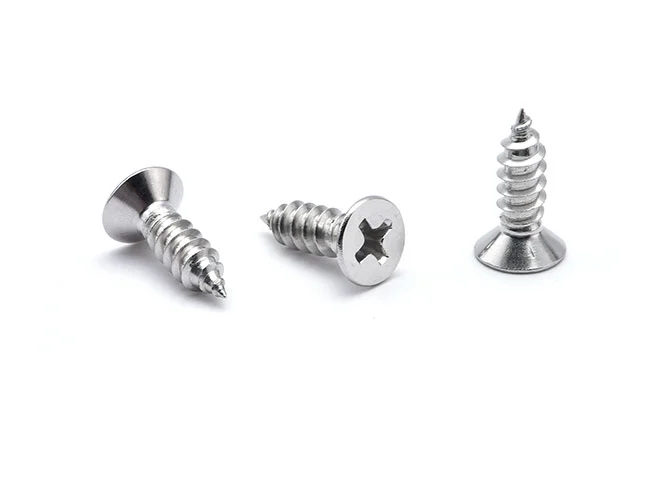
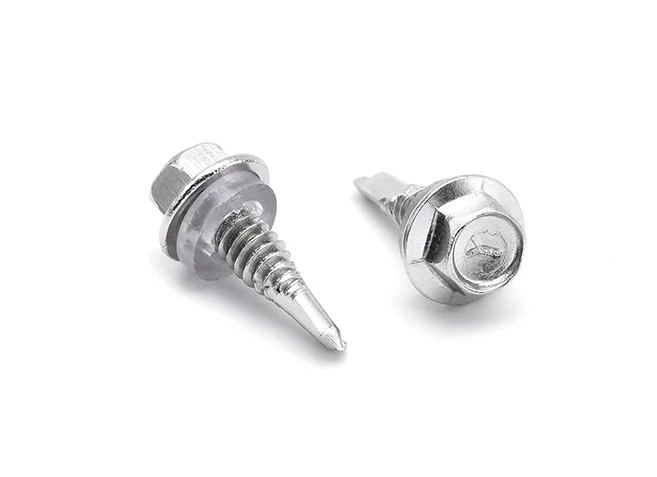
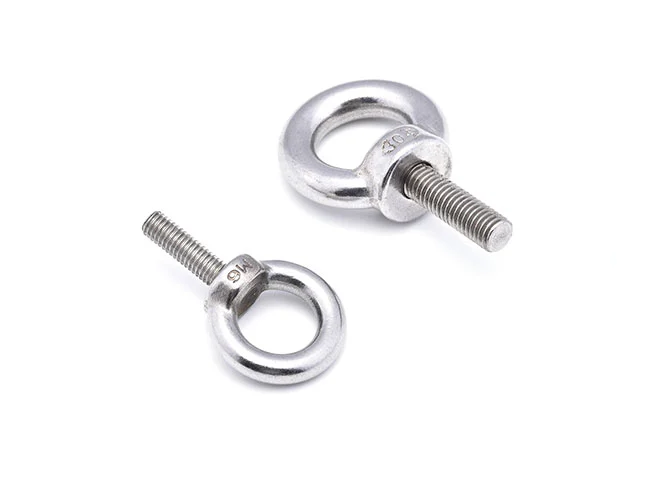
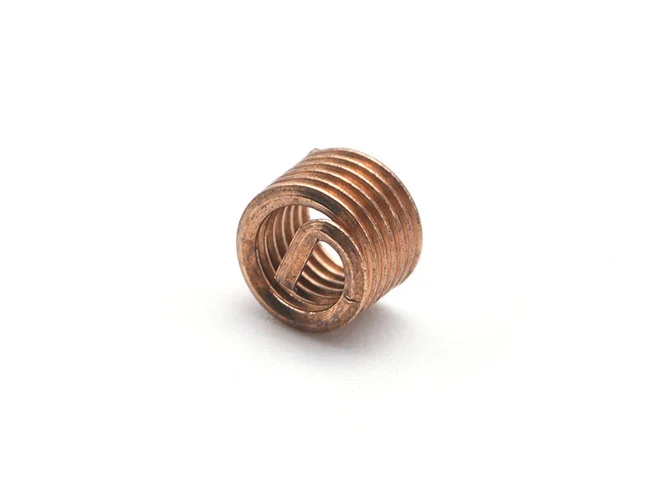
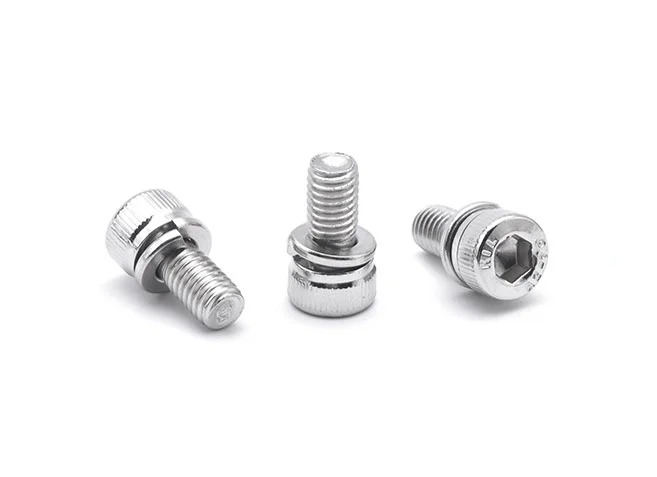
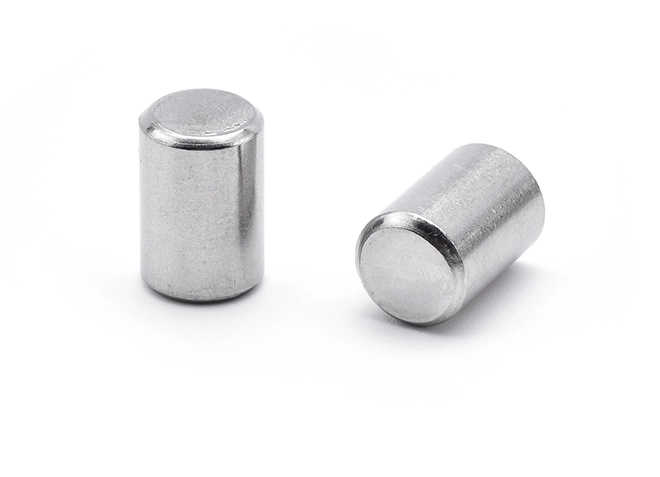
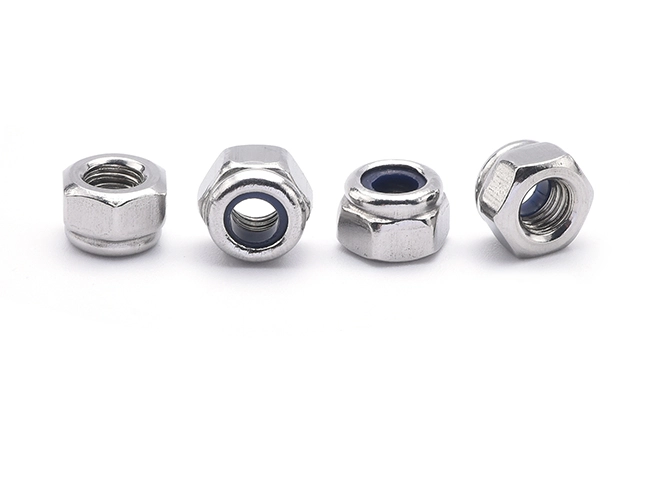
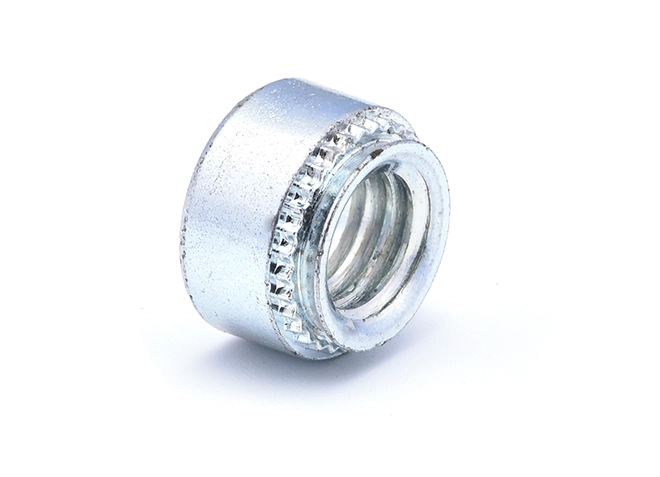
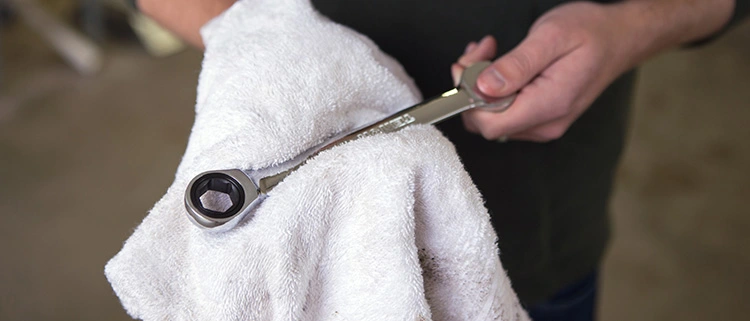
When manufacturing customized fasteners, choosing the right production process directly affects cost, lead time, dimensional accuracy, mechanical strength, and long-term reliability. For buyers sourcing non-standard fasteners, the decision between cold forging, CNC machining, and hot forging is not simply a technical preference—it determines whether a project remains cost-effective and scalable.
In most industrial applications:
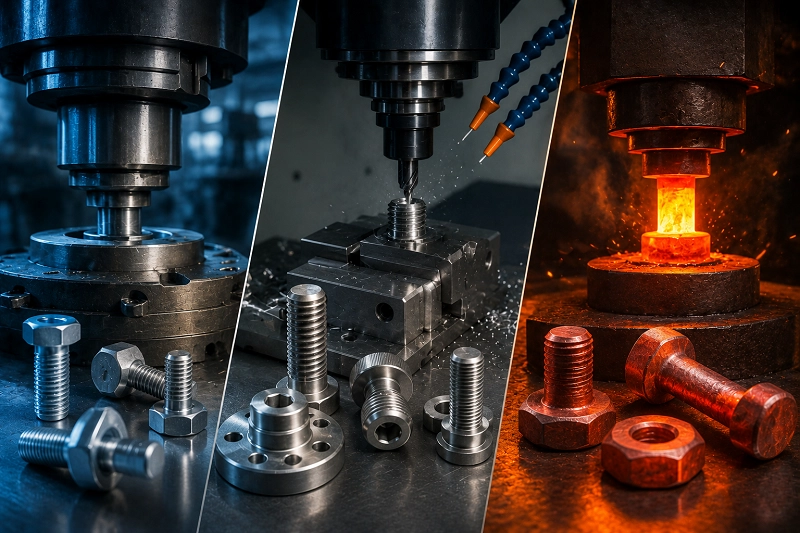
Cold forging is ideal for high-volume production of precision fasteners with excellent strength and lower per-unit costs.
CNC machining is preferred for low-volume, highly customized, complex geometries, or tight-tolerance applications.
Hot forging is best for large, heavy-duty fasteners requiring superior structural integrity under extreme loads.
The right process depends on material type, quantity, complexity, mechanical requirements, and budget constraints. Understanding the trade-offs helps buyers avoid unnecessary tooling costs, long production cycles, or performance issues after installation.
Unlike standard off-the-shelf screws and bolts, customized fasteners are typically engineered to meet unique requirements such as:
Non-standard dimensions
Special head designs
Unique thread profiles
Corrosion-resistant materials
High-load performance
Industry-specific certifications
Extreme operating environments
Whether used in automotive, aerospace, electronics, renewable energy, construction, medical equipment, or industrial machinery, selecting the wrong production process can result in:
Excessive manufacturing costs
Longer lead times
Poor mechanical performance
Higher rejection rates
Assembly compatibility issues
For non-standard fasteners, manufacturers usually evaluate the following before deciding on a production route:
| Factor | Importance |
Quantity | Determines tooling feasibility |
Geometry complexity | Impacts manufacturability |
Mechanical strength | Affects forging suitability |
Material type | Influences machining difficulty |
Surface finish | May require secondary operations |
Tolerance requirements | Determines achievable precision |
Budget | Influences process selection |
Cold forging, also called cold heading, is one of the most widely used methods for manufacturing screws, bolts, rivets, and specialty fasteners.
In this process, metal wire or rod material is shaped at room temperature using high-pressure dies without heating the material.
The manufacturing process generally includes:
Wire preparation
Material cutting
Multi-station cold heading
Thread rolling
Heat treatment
Surface coating
The metal undergoes plastic deformation under high pressure, forming the desired shape efficiently.
Cold forging improves grain flow alignment inside the metal.
This creates stronger fasteners compared to machined parts because the material structure remains continuous instead of being cut away.
Benefits include:
Better fatigue resistance
Higher tensile strength
Improved impact resistance
Longer service life
This makes cold-forged fasteners ideal for:
Automotive assemblies
Structural hardware
Industrial machinery
Electronics hardware
Once tooling is developed, cold forging becomes extremely cost-effective.
For large-volume orders of customized fasteners, the unit cost can drop dramatically because production speeds are very high.
Typical production rates often exceed thousands of pieces per hour.
Cold forging minimizes waste because material is displaced rather than removed.
Compared with CNC machining, raw material utilization is significantly higher.
This becomes especially valuable when working with expensive materials such as:
Stainless steel
Titanium
Brass
Alloy steel
Cold forging often produces smoother surfaces that require less finishing work.
This can reduce post-processing costs.
Cold forging is not perfect for every application.
Challenges include:
Special dies and molds must be produced before manufacturing begins.
This makes small-batch production expensive.
Extremely complex designs may not be feasible.
Features such as:
Deep internal cavities
Intricate contours
Sharp undercuts
Complex asymmetrical structures
may require secondary machining.
Some hard or brittle materials are difficult to cold forge.
Cold forging works best for:
Screws
Hex bolts
Nuts
Studs
Rivets
Pins
Washers
High-volume non-standard fasteners
Especially when buyers require:
High strength
Consistent quality
Competitive pricing
Large production runs
CNC machining uses computer-controlled cutting tools to remove material from metal stock and shape it into finished fasteners.
Unlike forging, machining is a subtractive process.
It offers unmatched flexibility for custom engineering projects.
The process typically includes:
Turning
Milling
Drilling
Thread cutting
Surface finishing
Manufacturers can precisely create unique geometries based on CAD drawings.
CNC machining is often the first choice for highly customized components.
It supports:
Complex geometries
Tight tolerances
Custom threads
Precision holes
Unusual head styles
Prototype production
This makes it ideal for specialized customized fasteners.
Unlike forging, CNC machining requires minimal tooling.
For small-volume orders, prototype development, or engineering validation, this significantly lowers startup costs.
Machined fasteners can achieve superior precision.
Typical industries requiring tight tolerances include:
Aerospace
Medical devices
Semiconductor manufacturing
Robotics
Defense systems
CNC machining supports virtually all machinable metals:
Stainless steel
Titanium
Copper
Brass
Inconel
Aluminum
Tool steel
Machining is slower than forging.
Each component requires individual cutting operations, increasing labor and machine time.
For high-volume production, costs rise substantially.
Because machining removes metal, material loss is inevitable.
This becomes expensive when premium alloys are used.
Machining interrupts natural grain flow.
In high-load environments, forged parts often outperform machined components mechanically.
CNC machining is best for:
Prototype fasteners
Aerospace fasteners
Medical fasteners
Precision electronics hardware
Small-batch non-standard fasteners
Complex geometry components
Especially when:
Design flexibility matters
Quantities are low
Tight tolerances are critical
Hot forging shapes metal after heating it to elevated temperatures.
The heated material becomes softer and easier to deform under pressure.
This process is commonly used for large-diameter or high-strength fasteners.
The material is heated to forging temperature and then pressed into shape using dies or forging presses.
After shaping, secondary operations may include:
Machining
Heat treatment
Threading
Surface coating
Hot forging handles oversized components effectively.
Examples include:
Heavy-duty bolts
Structural anchors
Wind turbine fasteners
Mining equipment hardware
Oil and gas bolts
The forging process improves internal material integrity.
Hot-forged fasteners are often used in:
Bridges
Marine structures
Energy facilities
Heavy machinery
Certain alloys are difficult to cold form.
Heating reduces material hardness and enables shaping.
Hot forging typically requires secondary machining to achieve tight tolerances.
Heating equipment increases production expenses.
High temperatures can create scale or oxidation that requires additional finishing.
Hot forging is commonly used for:
Large structural bolts
Heavy industrial fasteners
High-load components
Large non-standard fasteners
High-strength anchor systems
| Factor | Cold Forging | CNC Machining | Hot Forging |
Best Volume | High | Low to Medium | Medium to High |
Tooling Cost | High | Low | Medium to High |
Unit Cost | Low | High | Medium |
Strength | Excellent | Moderate | Excellent |
Precision | High | Very High | Moderate |
Material Waste | Low | High | Moderate |
Complexity | Moderate | Excellent | Limited |
Lead Time | Fast after tooling | Fast for small batches | Medium |
Best For | Mass production | Precision custom work | Heavy-duty parts |
You need:
Large production quantities
Strong mechanical properties
Lower long-term production costs
Consistent dimensions
This is often the preferred option for scalable manufacturing.
You require:
Prototype validation
Small-volume production
Tight tolerances
Highly complex geometries
CNC machining reduces upfront investment and offers faster engineering flexibility.
Your application involves:
Extreme loads
Large fastener sizes
Harsh environments
Heavy equipment
Hot forging often delivers superior structural reliability.
MOQ depends on manufacturing method.
CNC machining: often suitable for low-volume orders
Cold forging: usually more economical for larger quantities due to tooling investment
Hot forging: depends on size and complexity
Discuss projected annual usage with your supplier to determine the most cost-effective route.
Yes.
Many manufacturers combine methods.
For example:
Forging for base shape
CNC machining for precision features
Secondary threading or surface treatment
This hybrid approach balances cost and performance.
Lead time varies.
Typical ranges:
| Process | Estimated Lead Time |
CNC machining | 1–3 weeks |
Cold forging | 3–6 weeks |
Hot forging | 4–8 weeks |
Custom tooling and finishing requirements may extend timelines.
Common options include:
Carbon steel
Alloy steel
Stainless steel
Brass
Titanium
Aluminum
Copper alloys
Material choice depends on:
Corrosion resistance
Strength requirements
Temperature resistance
Industry compliance
Many buyers compare only unit price.
However, total ownership cost matters more.
A lower-cost fastener may fail sooner or increase maintenance expenses.
Consider:
Installation reliability
Replacement frequency
Corrosion resistance
Downtime risks
Maintenance cost
Logistics efficiency
In many industrial projects, investing slightly more in higher-quality customized fasteners reduces long-term operational costs.
When sourcing non-standard fasteners, choose a manufacturer capable of evaluating:
Engineering drawings
Material selection
Manufacturing feasibility
Cost optimization
Surface treatment compatibility
Testing requirements
A reliable supplier should also recommend the most suitable process rather than defaulting to a single production method.
The best manufacturing solution often balances:
performance + cost + lead time + scalability
instead of optimizing only one factor.
Cold forging, CNC machining, and hot forging each serve different purposes in fastener manufacturing.
Cold forging excels in high-volume production with excellent strength and lower long-term cost. CNC machining offers unmatched flexibility and precision for low-volume or highly complex designs. Hot forging remains the preferred choice for oversized, heavy-duty fasteners exposed to demanding environments.
For buyers sourcing customized fasteners, the best option depends on order quantity, geometry, strength requirements, tolerance expectations, and budget. Understanding these trade-offs helps prevent costly mistakes and ensures your fasteners deliver long-term performance in real-world operating conditions.
In many cases, yes. Forged fasteners generally offer better grain structure and fatigue resistance, making them stronger for heavy-load applications.
Not always. CNC machining is excellent for low-volume precision work, but high-volume production is usually more economical with cold forging.
For large quantities, cold forging often provides the lowest per-unit cost. For small batches, CNC machining is typically more cost-effective.
Industries include automotive, aerospace, electronics, renewable energy, medical equipment, heavy machinery, and construction.
Yes. Common surface treatments include zinc plating, black oxide, nickel plating, galvanization, anodizing, and specialized anti-corrosion coatings depending on environmental requirements.