Xintegu: fasteners manufacturer

Custom Fastener Design Guide: Thread Specifications, Tolerances & Surface Treatment

Table of Content [Hide]

    custom-fastener-design-guide-thread-specifications-tolerances-amp-surface-treatment.webp


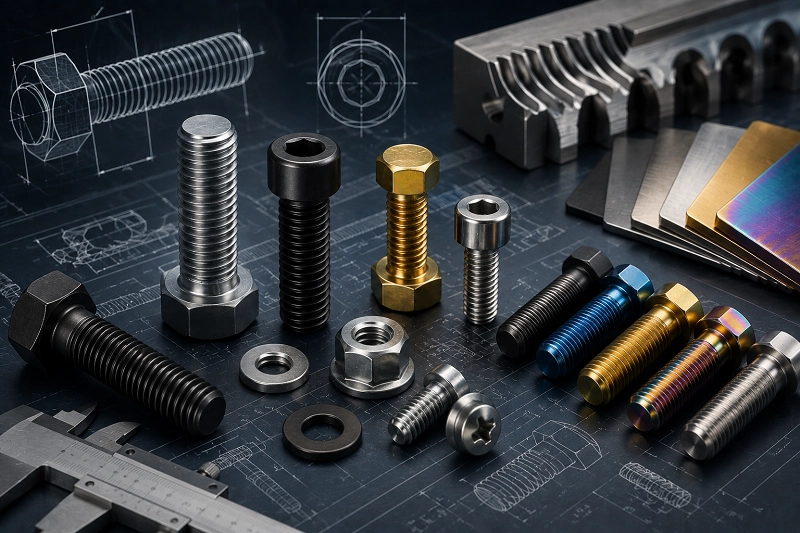
    Designing customized fasteners involves much more than choosing dimensions or materials. Thread specifications, dimensional tolerances, and surface treatment all directly affect assembly compatibility, fastening performance, corrosion resistance, maintenance requirements, and manufacturing cost.

    For buyers sourcing non-standard fasteners, design mistakes often lead to thread mismatch, loosening under vibration, corrosion failure, difficult assembly, or expensive redesigns. A fastener may look correct on a drawing yet fail in real-world operation because tolerances were too tight, coatings changed thread fit, or the wrong thread profile was selected.

    In most industrial applications:

    • Thread specifications determine compatibility, load distribution, and anti-loosening performance.

    • Tolerance control ensures proper fit, assembly reliability, and manufacturing consistency.

    • Surface treatment improves corrosion resistance, wear resistance, appearance, and service life.

    The most successful fastener designs balance performance, manufacturability, cost, and long-term durability rather than optimizing only one factor.


    Why Fastener Design Matters More for Custom Fasteners

    Unlike off-the-shelf hardware, customized fasteners are often engineered for highly specific applications.

    Examples include:

    • High-vibration machinery

    • Electronics assemblies

    • Automotive systems

    • Aerospace components

    • Renewable energy equipment

    • Medical devices

    • Marine hardware

    A poorly designed fastener can create problems such as:

    • Thread stripping

    • Assembly failure

    • Corrosion damage

    • Premature loosening

    • Difficult installation

    • Increased maintenance cost

    For non-standard fasteners, design precision becomes especially important because replacement options are often limited.

    Before production begins, experienced manufacturers typically evaluate:

    Design FactorWhy It Matters

    Thread standard

    Ensures compatibility

    Thread pitch

    Impacts holding strength

    Tolerance level

    Affects assembly accuracy

    Surface treatment

    Protects against corrosion

    Operating environment

    Determines durability

    Manufacturing feasibility

    Impacts lead time and cost

    Installation method

    Affects usability


    Thread Specifications: The Foundation of Fastener Performance

    Thread design directly affects:

    • Load-bearing capacity

    • Anti-vibration performance

    • Assembly speed

    • Interchangeability

    • Wear resistance

    Choosing the wrong thread specification is one of the most common causes of fastener failure.


    Understanding Thread Standards

    Different industries and countries use different thread systems.

    Metric Threads (ISO Metric)

    Metric threads are among the most commonly used thread systems worldwide.

    Typical format:

    M8 × 1.25

    Where:

    • M8 = nominal diameter

    • 1.25 = thread pitch

    Best Applications

    Metric threads are common in:

    • Industrial machinery

    • Electronics

    • Automotive manufacturing

    • Construction equipment

    Advantages

    • Global compatibility

    • Wide availability

    • Standardized dimensions

    UNC and UNF Threads (Unified National Threads)

    Common in North America.

    UNC (Coarse Thread)

    Coarse threads offer:

    • Faster installation

    • Better resistance to stripping

    • Improved performance in softer materials

    UNF (Fine Thread)

    Fine threads provide:

    • Better clamping force

    • Greater vibration resistance

    • Improved adjustment precision

    Best Applications

    UNC/UNF threads are often used in:

    • Aerospace

    • Automotive

    • Heavy industrial equipment

    Custom Thread Profiles for Non-Standard Fasteners

    Certain applications require specialized threads, including:

    • ACME threads

    • Trapezoidal threads

    • Buttress threads

    • Self-tapping threads

    • Left-hand threads

    These specialized designs are common in non-standard fasteners used for unique engineering environments.


    Coarse Thread vs Fine Thread: Which Is Better?

    Choosing thread pitch significantly impacts performance.

    FactorCoarse ThreadFine Thread

    Assembly Speed

    Faster

    Slower

    Vibration Resistance

    Moderate

    Better

    Strength

    Moderate

    Higher clamping precision

    Dirt Resistance

    Better

    Lower

    Risk of Cross-Threading

    Lower

    Higher

    Best Use

    General industrial use

    Precision applications

    Choose Coarse Threads If…

    You need:

    • Fast assembly

    • Dirty operating environments

    • Softer materials

    • General-purpose industrial fastening

    Choose Fine Threads If…

    You require:

    • Better vibration resistance

    • High clamping force

    • Precision positioning

    • Thin-wall assemblies


    How Thread Fit Impacts Fastener Reliability

    Thread fit refers to the clearance between mating threads.

    Too tight:

    • Difficult assembly

    • Increased friction

    • Risk of seizure

    Too loose:

    • Reduced load stability

    • Loosening risk

    • Poor vibration performance

    Manufacturers of customized fasteners often recommend fit classes depending on operating requirements.

    Common Thread Fit Classes

    Fit TypeCharacteristicsBest Applications

    Loose Fit

    Easier assembly

    General machinery

    Medium Fit

    Balanced performance

    Industrial applications

    Tight Fit

    High precision

    Aerospace & medical

    Choosing the wrong fit class can significantly affect installation quality.


    Tolerance Design: Why Precision Matters

    Tolerance determines how much dimensional variation is acceptable.

    Even a small deviation may affect:

    • Installation accuracy

    • Structural reliability

    • Thread engagement

    • Product lifespan

    What Happens If Tolerances Are Too Tight?

    Overly strict tolerances can:

    • Increase machining cost

    • Raise rejection rates

    • Extend lead time

    • Reduce production efficiency

    What Happens If Tolerances Are Too Loose?

    Loose tolerances may result in:

    • Poor fit

    • Misalignment

    • Fastener loosening

    • Reduced reliability

    For non-standard fasteners, balancing tolerance precision and manufacturability is essential.


    Tolerance Classes in Fastener Design

    Fasteners are typically designed around tolerance standards such as:

    • ISO tolerance systems

    • ANSI standards

    • DIN specifications

    General Tolerance

    Suitable for:

    • Standard industrial machinery

    • Non-critical assemblies

    Lower production cost and faster manufacturing.

    Precision Tolerance

    Recommended for:

    • Medical equipment

    • Aerospace

    • Robotics

    • Semiconductor equipment

    Although more expensive, tighter tolerances improve consistency.


    Surface Treatment: More Than Just Appearance

    Surface treatment affects:

    • Corrosion resistance

    • Friction performance

    • Wear resistance

    • Appearance

    • Service life

    For many customized fasteners, surface finishing determines whether the fastener survives harsh environments.


    Zinc Plating: Cost-Effective Corrosion Protection

    Zinc plating is one of the most common surface treatments.

    Advantages

    • Affordable

    • Good corrosion resistance

    • Suitable for mass production

    • Attractive appearance

    Best Applications

    • Indoor equipment

    • General industrial use

    • Automotive components

    Limitations

    Zinc plating performs poorly in marine or highly corrosive environments.


    Hot-Dip Galvanizing: Better for Outdoor Durability

    Hot-dip galvanizing creates a thicker zinc coating.

    Advantages

    • Strong corrosion resistance

    • Excellent outdoor durability

    • Longer lifespan

    Best Applications

    • Construction

    • Infrastructure

    • Power transmission

    • Outdoor equipment

    Trade-Off

    Thicker coatings may affect thread fit and require tolerance adjustments.


    Black Oxide Coating

    Black oxide improves:

    • Appearance

    • Mild corrosion resistance

    • Surface lubricity

    Best Applications

    • Mechanical assemblies

    • Indoor machinery

    • Decorative industrial hardware

    Limitation

    Protection is weaker than zinc plating.


    Nickel Plating and Chrome Plating

    These coatings improve:

    • Wear resistance

    • Appearance

    • Corrosion resistance

    Common in:

    • Decorative products

    • Electronics

    • Premium industrial equipment


    PTFE / Xylan Coating

    High-performance coatings reduce:

    • Friction

    • Chemical damage

    • Galling risk

    Especially useful in:

    • Oil & gas

    • Chemical processing

    • Marine environments


    How Surface Treatment Affects Thread Performance

    One common mistake buyers overlook:

    Coating thickness changes thread dimensions.

    For example:

    • Zinc plating adds thickness

    • Galvanizing changes thread fit

    • Heavy coatings may affect torque performance

    Manufacturers often compensate by adjusting thread tolerances during production.

    This becomes especially important for non-standard fasteners with precision thread requirements.


    Fastener Design Trade-Offs Buyers Should Consider

    Many buyers optimize for only one factor—usually cost.

    However, good fastener design balances:

    Strength vs Corrosion Resistance

    High-strength alloy steel may rust without coating.

    Stainless steel resists corrosion but may have lower strength.

    Precision vs Manufacturing Cost

    Tighter tolerances improve fit but increase cost.

    Surface Protection vs Assembly Fit

    Thicker coatings improve durability but may affect installation.

    Customization vs Lead Time

    Complex designs increase tooling and manufacturing time.


    Questions to Ask Before Ordering Customized Fasteners

    Before finalizing production, buyers should clarify:

    What Environment Will the Fastener Operate In?

    Outdoor, marine, chemical, or high-temperature environments require different coatings and materials.

    What Is the Required Load Capacity?

    Mechanical performance affects thread and material selection.

    How Precise Must the Fit Be?

    Over-specifying tolerances often raises cost unnecessarily.

    Will Surface Treatment Affect Assembly?

    Thread fit must account for coating thickness.

    What Is the Expected Service Life?

    Higher upfront investment may reduce maintenance costs later.


    Working With an Experienced Fastener Manufacturer

    Experienced manufacturers of customized fasteners usually help optimize:

    • Thread specifications

    • Material compatibility

    • Tolerance strategy

    • Surface treatment selection

    • Production feasibility

    • Cost efficiency

    Rather than manufacturing exactly to a drawing without feedback, strong suppliers often identify hidden risks before production begins.

    This is especially valuable for non-standard fasteners, where small design errors may cause major assembly or reliability issues.


    Conclusion

    Successful fastener design depends on more than shape and size. Thread specifications, tolerance control, and surface treatment collectively determine whether a fastener performs reliably under real operating conditions.

    Choosing the correct thread profile improves compatibility and clamping performance. Proper tolerances balance precision and manufacturing efficiency. The right surface treatment protects against corrosion, wear, and environmental damage.

    For buyers sourcing customized fasteners, understanding these technical details early reduces costly redesigns, improves assembly reliability, and ensures stronger long-term value. The best non-standard fasteners are not simply custom-made—they are engineered for performance, manufacturability, and durability from the start.


    FAQs

    Which thread type is best for vibration resistance?

    Fine threads generally provide better vibration resistance because of their tighter engagement and higher clamping precision.

    How do coatings affect fastener threads?

    Coatings increase thread thickness, which may alter fit and torque performance if not accounted for during design.

    Are tighter tolerances always better?

    Not necessarily. Overly strict tolerances increase cost and production difficulty without always improving real-world performance.

    What is the best surface treatment for outdoor fasteners?

    Hot-dip galvanizing and certain high-performance coatings usually provide stronger corrosion resistance for outdoor environments.

    Why are thread specifications important in customized fasteners?

    Thread specifications determine compatibility, assembly reliability, clamping force, and long-term fastening performance.


    References