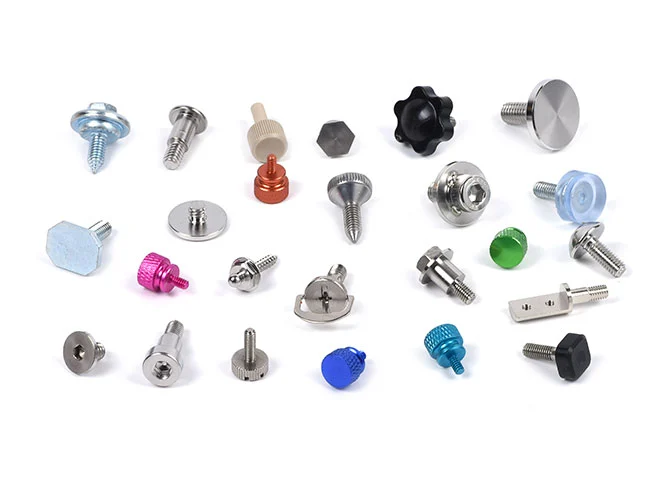
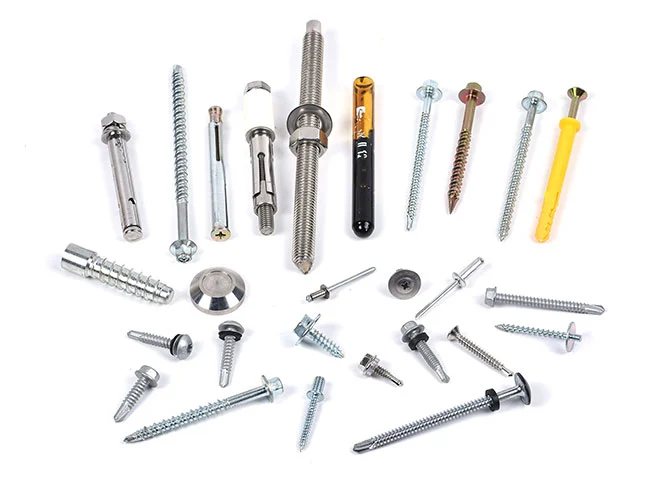
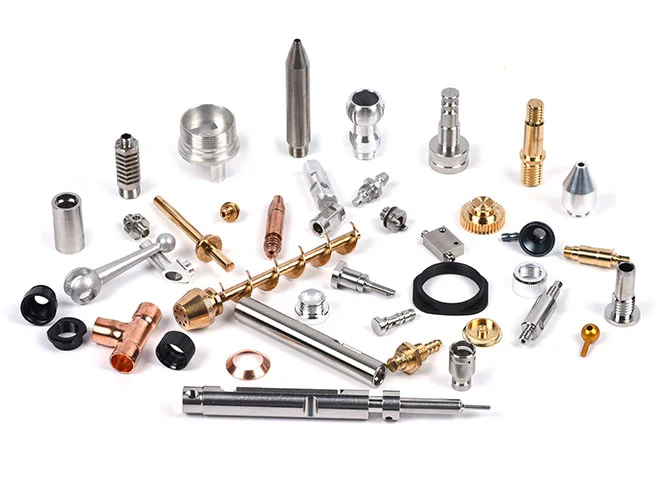
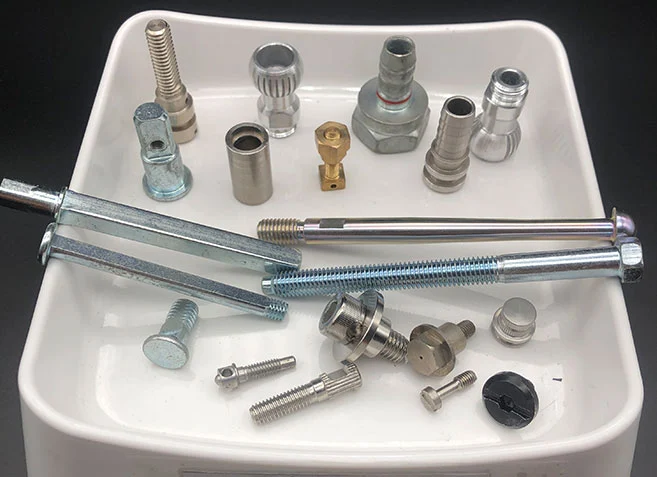
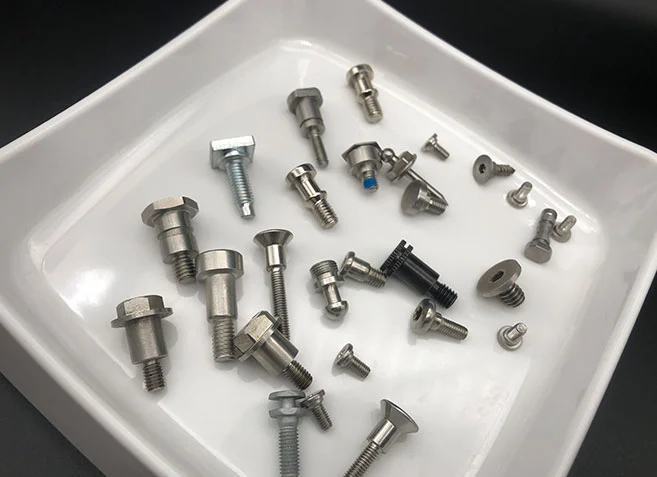
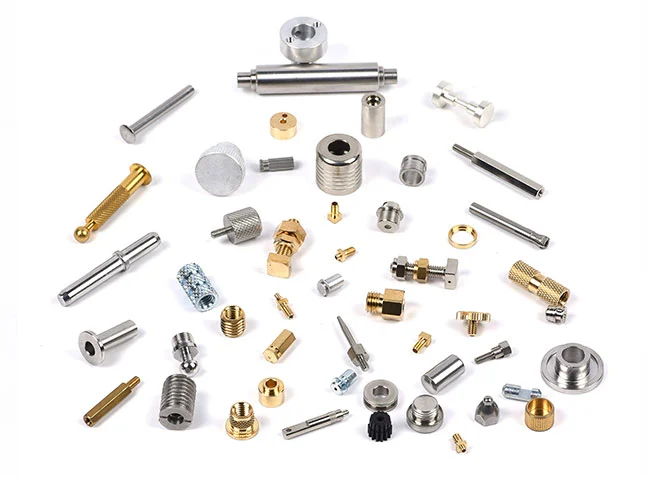
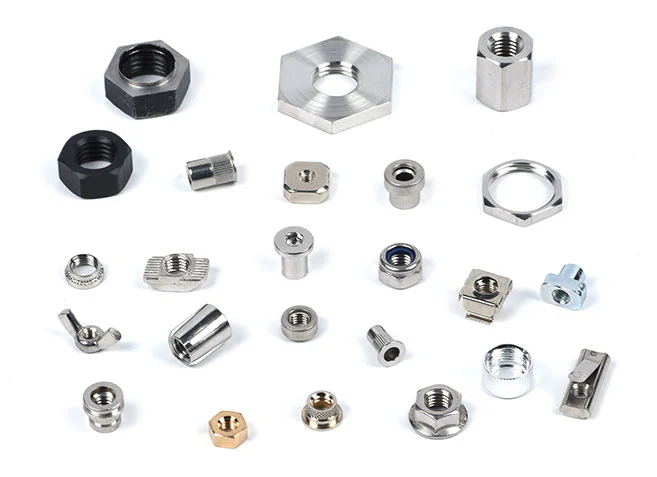
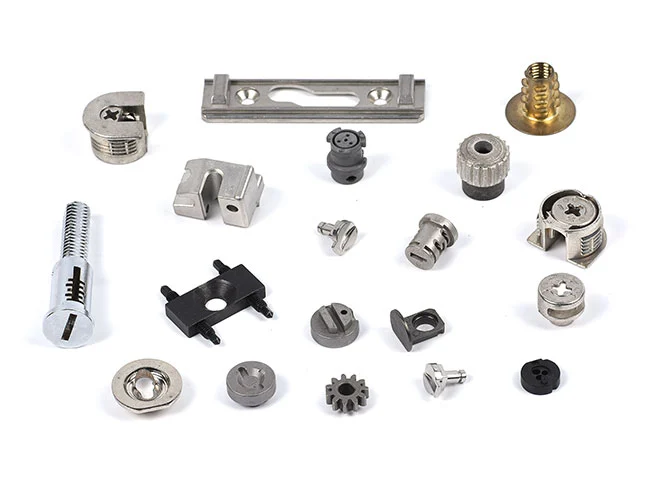
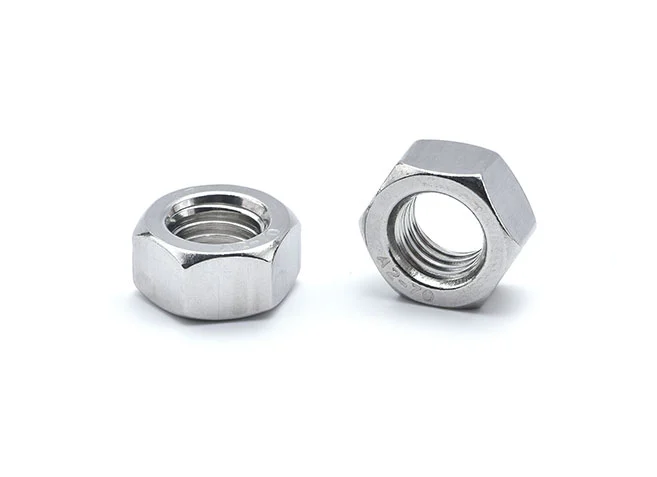
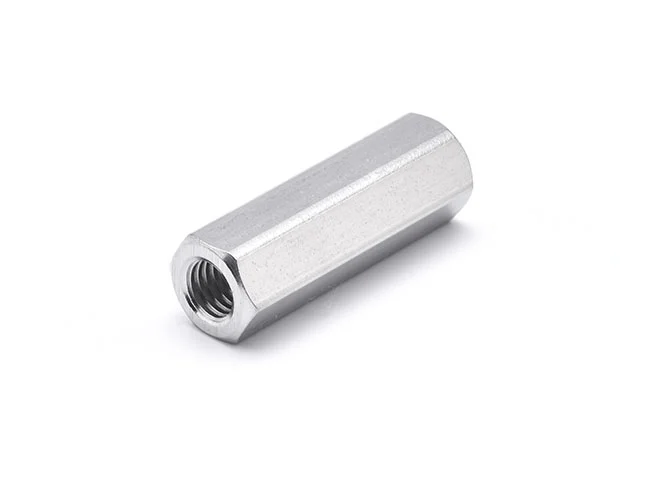
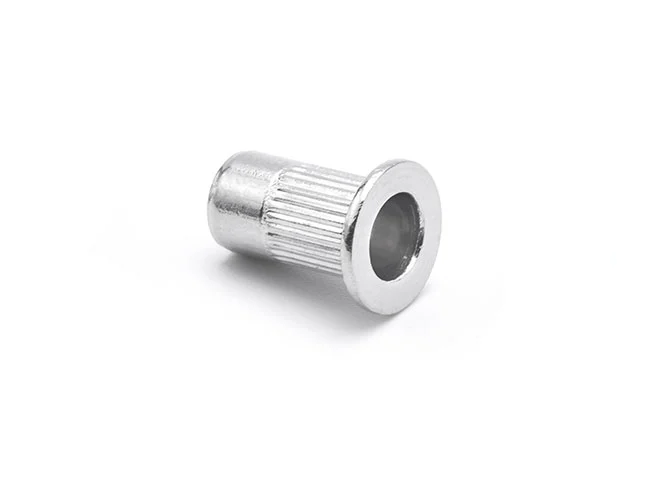
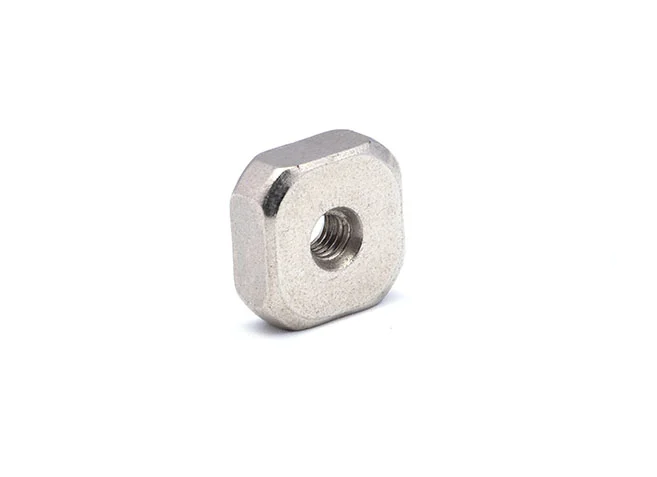
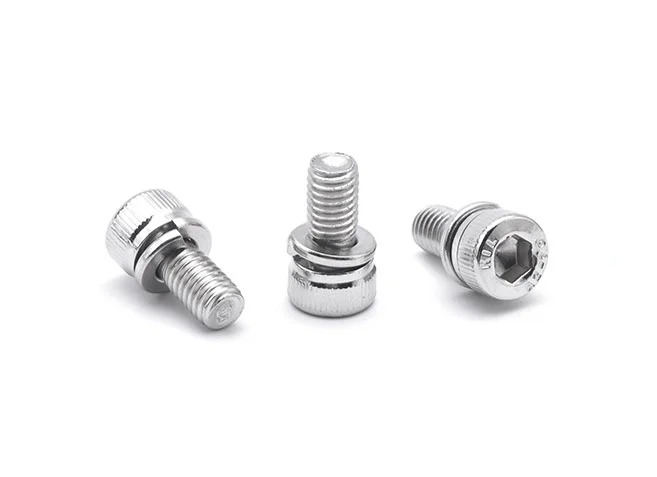
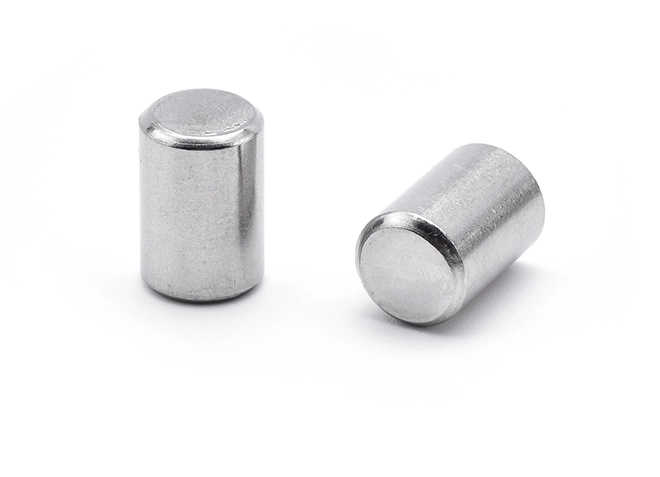
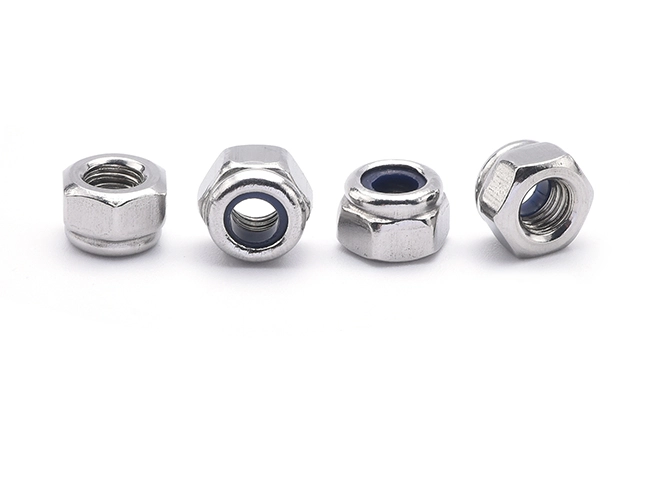
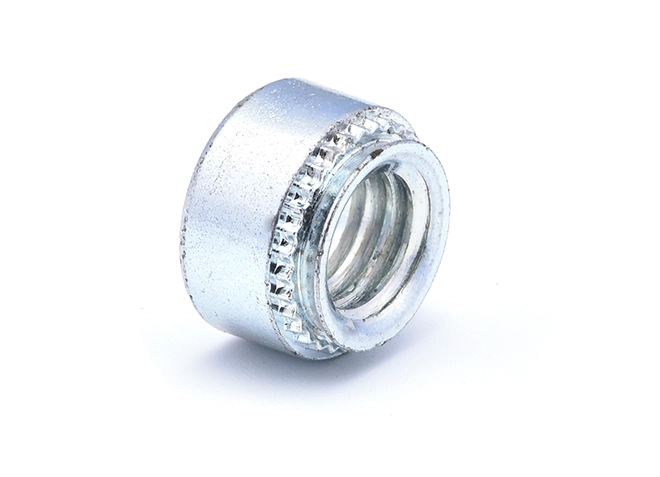
Selecting the right material is one of the most important decisions when designing or sourcing customized fasteners. Material choice directly affects corrosion resistance, strength, durability, cost, machining feasibility, and long-term maintenance requirements.
For buyers of non-standard fasteners, choosing the wrong material can lead to premature failure, excessive maintenance costs, corrosion damage, or unnecessary overspending. Stainless steel may outperform carbon steel in corrosive environments, but alloy steel often delivers superior strength at a lower cost. Titanium offers exceptional performance in extreme conditions, yet its premium price may not always be justified.
In most industrial applications:
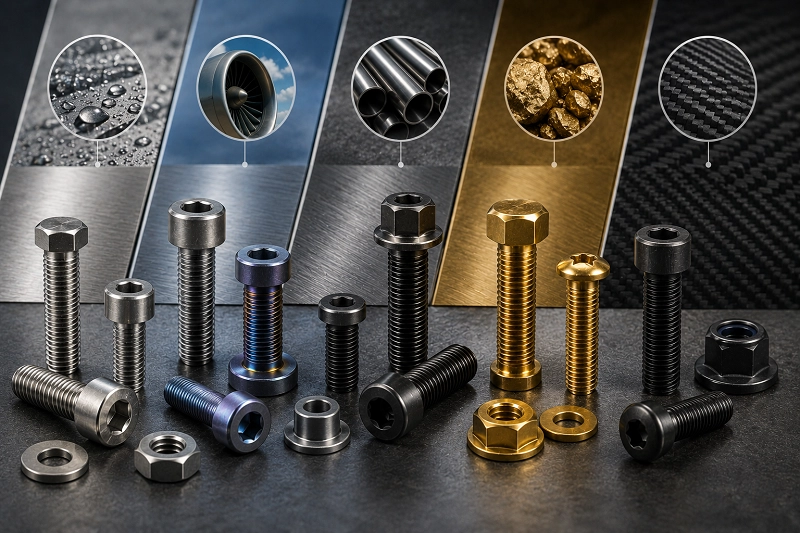
Stainless steel is preferred for corrosion resistance and long service life.
Titanium is ideal for lightweight, high-performance applications.
Alloy steel offers exceptional mechanical strength for demanding loads.
Carbon steel remains the most cost-effective option for many general industrial uses.
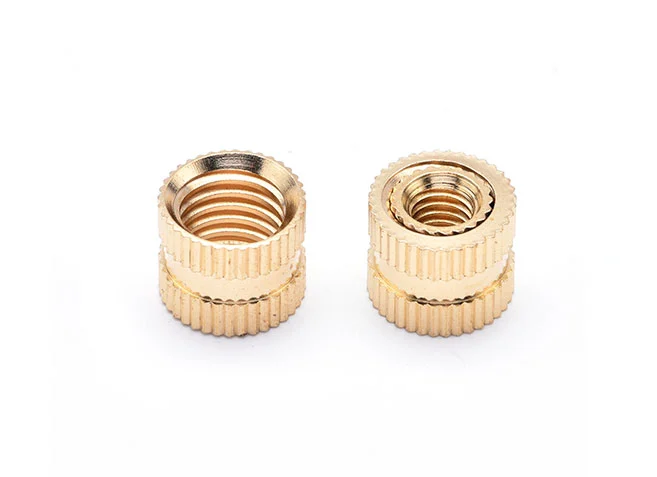
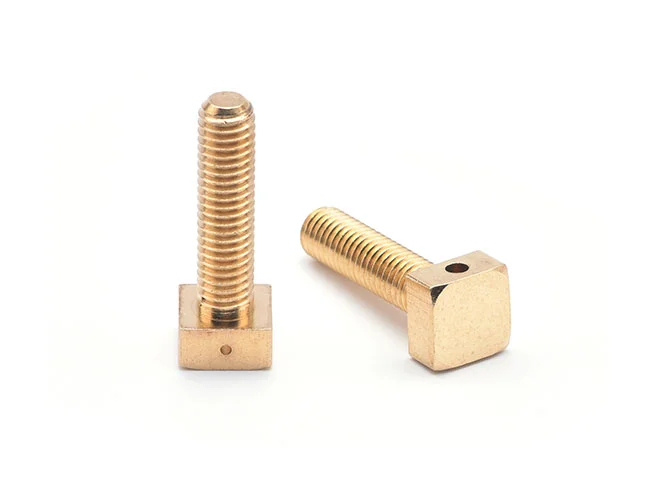
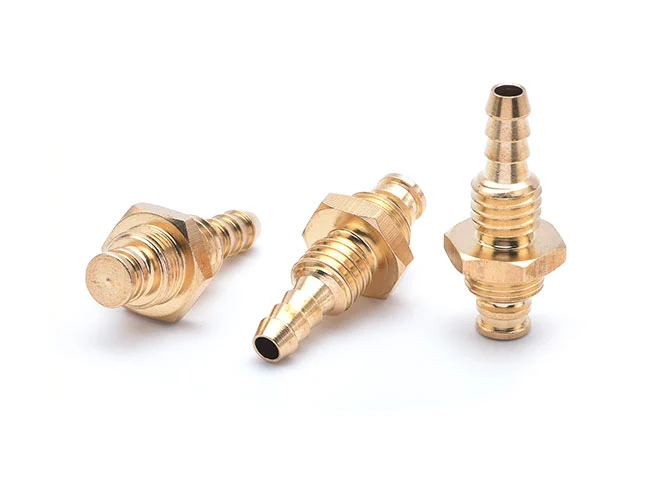
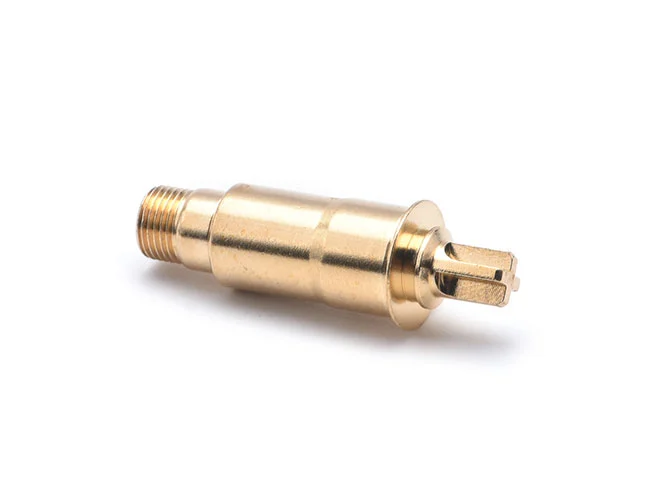
Brass, copper, and aluminum serve specialized functions such as conductivity, aesthetics, or weight reduction.
The best material depends on operating conditions, mechanical requirements, environmental exposure, industry regulations, and total lifecycle cost—not just initial purchase price.
Unlike standard hardware, customized fasteners are often engineered for unique applications involving:
Extreme temperatures
High vibration environments
Corrosive chemicals
Marine exposure
High structural loads
Electrical conductivity requirements
Weight-sensitive systems
Poor material selection can result in:
Rust and corrosion
Thread stripping
Structural fatigue
Fastener loosening
Premature replacement
Safety risks
Unexpected maintenance expenses
For non-standard fasteners, material engineering is often as important as geometry and manufacturing precision.
Before production begins, experienced fastener manufacturers usually evaluate:
| Selection Factor | Why It Matters |
Corrosion resistance | Determines lifespan in harsh environments |
Strength requirements | Prevents structural failure |
Weight limitations | Important for aerospace and transportation |
Temperature exposure | Impacts material stability |
Machining or forging feasibility | Affects production cost |
Regulatory requirements | Industry compliance |
Budget | Balances performance and cost |
Stainless steel is one of the most widely used materials for customized fasteners due to its excellent corrosion resistance and attractive appearance.
However, not all stainless steel grades perform the same.
304 stainless steel is commonly used across industries because it offers a strong balance of:
Corrosion resistance
Mechanical strength
Cost efficiency
Availability
304 fasteners are commonly used in:
Construction
Electronics
Industrial machinery
HVAC systems
Indoor industrial equipment
Good corrosion resistance
Affordable compared to premium alloys
Easy to machine and manufacture
Suitable for many indoor and mildly corrosive environments
304 is not ideal for:
Marine environments
High-salt exposure
Strong chemical contact
In chloride-rich environments, corrosion may eventually occur.
316 stainless steel contains molybdenum, significantly improving corrosion resistance.
This makes it a preferred choice for:
Marine equipment
Offshore projects
Chemical processing
Medical devices
Food processing systems
Superior corrosion resistance
Better resistance to saltwater
Longer lifespan in aggressive environments
316 costs more than 304.
For buyers of non-standard fasteners, using 316 in low-risk indoor environments may unnecessarily increase project cost.
410 stainless steel offers:
Higher hardness
Better wear resistance
Improved mechanical strength
but lower corrosion resistance than 304 or 316.
High-strength screws
Mechanical assemblies
Wear-prone industrial components
Titanium fasteners are often selected when strength, weight reduction, and corrosion resistance are equally important.
Although expensive, titanium delivers unique advantages impossible to replicate with standard materials.
Titanium offers:
High strength-to-weight ratio
Excellent corrosion resistance
Non-magnetic properties
High-temperature resistance
Long fatigue life
Titanium is widely used in:
Aerospace
Medical devices
Motorsports
High-performance electronics
Marine engineering
Titanium weighs about 40% less than steel while maintaining excellent strength.
For industries where every kilogram matters, this creates measurable operational advantages.
Titanium performs exceptionally well against:
Saltwater
Acids
Chlorides
Extreme humidity
In high-vibration environments, titanium often outperforms many traditional materials.
Titanium is significantly more expensive than stainless or alloy steel.
Titanium is harder to machine and process.
Lead times and manufacturing costs for customized fasteners are often higher.
Titanium is typically justified when:
Weight reduction matters
Corrosion risk is severe
Equipment downtime is expensive
Long service life offsets upfront investment
Alloy steel fasteners are engineered for mechanical performance.
By adding elements such as chromium, molybdenum, or nickel, manufacturers enhance:
Tensile strength
Hardness
Heat resistance
Fatigue performance
Alloy steel is commonly used in:
Automotive systems
Heavy equipment
Industrial machinery
Construction
Oil & gas infrastructure
For heavy-load environments, alloy steel often outperforms stainless steel.
Grades such as 8.8, 10.9, and 12.9 achieve high strength through heat treatment.
This makes alloy steel ideal for structural applications.
Compared with titanium, alloy steel delivers excellent strength at a much lower cost.
Without coatings, alloy steel is vulnerable to rust.
Protective treatments become critical.
Common coatings include:
Zinc plating
Black oxide
Hot-dip galvanizing
Dacromet coating
PTFE coating
Carbon steel remains one of the most economical materials for non-standard fasteners.
For many indoor industrial applications, it provides sufficient performance at a lower price point.
Low material cost
Easy manufacturing
High availability
Suitable for mass production
Carbon steel works well for:
Industrial equipment
Machinery assembly
General construction
Indoor installations
Carbon steel rusts easily.
Surface treatment is often mandatory.
Without coatings, service life can be dramatically shortened.
Brass fasteners are selected for applications requiring:
Electrical conductivity
Decorative appearance
Corrosion resistance
Brass works well in:
Electrical systems
Decorative fixtures
Marine interiors
Plumbing components
Attractive appearance
Good conductivity
Easy machining
Non-sparking properties
Brass is softer than steel and unsuitable for heavy structural loads.
Copper fasteners excel in electrical systems.
They are often used in:
Grounding systems
Power transmission
Electrical connectors
Excellent conductivity
Strong corrosion resistance
Antimicrobial properties
Copper has lower strength and higher cost compared with steel.
Aluminum fasteners are useful when weight reduction matters more than structural strength.
Consumer electronics
Lightweight assemblies
Transportation equipment
Lightweight
Corrosion resistant
Cost-effective
Aluminum has lower tensile strength and can deform under heavy loads.
| Material | Corrosion Resistance | Strength | Weight | Cost | Best For |
304 Stainless Steel | Good | Moderate | Heavy | Medium | General industrial use |
316 Stainless Steel | Excellent | Moderate | Heavy | High | Marine & chemical |
Titanium | Excellent | High | Very Light | Very High | Aerospace & medical |
Alloy Steel | Moderate | Very High | Heavy | Medium | Heavy-duty loads |
Carbon Steel | Low | High | Heavy | Low | Budget-sensitive projects |
Brass | Good | Moderate | Medium | Medium | Decorative & electrical |
Copper | Excellent | Low | Heavy | High | Conductive systems |
Aluminum | Moderate | Low | Very Light | Low | Lightweight systems |
Ask:
Will the fastener be exposed to saltwater?
Is there chemical exposure?
Will humidity be constant?
For corrosive environments:
316 stainless steel or titanium are often safer choices.
Heavy structural loads may require:
Alloy steel
Heat-treated steel
Titanium
Light-duty installations may work well with stainless steel or aluminum.
The cheapest fastener is not always the most economical.
Replacing failed hardware increases:
Labor costs
Downtime
Equipment risk
Lifecycle value matters more than unit price.
Certain industries require specific materials.
Examples include:
| Industry | Common Material Requirements |
Food processing | 304/316 stainless |
Medical | Titanium, stainless |
Marine | 316 stainless, titanium |
Automotive | Alloy steel |
Electronics | Brass, copper |
Sometimes coatings can improve performance enough to avoid expensive material upgrades.
For example:
A zinc-coated alloy steel fastener may provide sufficient corrosion resistance at lower cost than stainless steel.
Using titanium where stainless steel would work often wastes budget.
Choosing carbon steel in humid environments usually causes premature failure.
Cheap materials can create expensive maintenance problems later.
Some materials significantly increase machining complexity and lead times.
Reliable manufacturers of customized fasteners usually evaluate:
Engineering drawings
Environmental conditions
Strength requirements
Manufacturing feasibility
Surface treatment options
Cost targets
Rather than simply producing based on drawings, experienced suppliers often recommend practical material alternatives that reduce cost without compromising performance.
This becomes especially valuable for non-standard fasteners, where material selection heavily impacts manufacturability and long-term reliability.
Choosing the right fastener material is a balance between performance, environment, durability, and cost.
Stainless steel remains the most versatile option for corrosion resistance, while alloy steel dominates high-strength applications. Titanium delivers premium performance where weight reduction and durability justify the investment. Carbon steel offers affordability for controlled environments, while brass, copper, and aluminum serve specialized functions.
For buyers sourcing customized fasteners, the best material is rarely the most expensive—it is the one that matches real operating conditions and delivers the strongest long-term value. Understanding material trade-offs early helps avoid over-engineering, reduce maintenance costs, and improve overall product reliability.
Not necessarily. Stainless steel offers better corrosion resistance, while alloy steel generally provides higher strength for structural applications.
They are often worthwhile in aerospace, marine, medical, and high-performance environments where weight reduction and corrosion resistance matter.
In some applications, yes. Coated alloy steel may offer sufficient corrosion resistance at a lower cost, depending on environmental exposure.
316 stainless steel and titanium are commonly preferred because of their superior saltwater resistance.
Consider environmental exposure, mechanical load, industry requirements, manufacturing feasibility, and long-term maintenance cost before making a decision.