Within modern industrial manufacturing systems, fasteners serve as fundamental components spanning the entire industry chain—from small-scale internal structural assemblies in consumer electronics to large-scale assembly processes for automotive and rail transit equipment, as well as the fixation of outdoor infrastructure components; these stable and reliable connection components directly determine the service life and operational safety of the final product. Brass-turned sleeves and cross-expanding expansion pins—representative precision fastening components within specific niche markets—utilize their material properties and structural design advantages to meet diverse installation requirements across multiple scenarios, making them the preferred solution for lightweight assembly, corrosive environments, and detachable positioning applications. When procuring such non-standard precision components, many manufacturing enterprises often encounter challenges such as difficulty in component selection, fragmented supply sources, and cumbersome quality control processes; choosing a reliable full-range fastener service provider can significantly reduce supply chain management costs and streamline the entire service process, from technical consultation to bulk supply.
Brass Turning Sleeves: Material Advantages Empowering Precision Assembly Applications
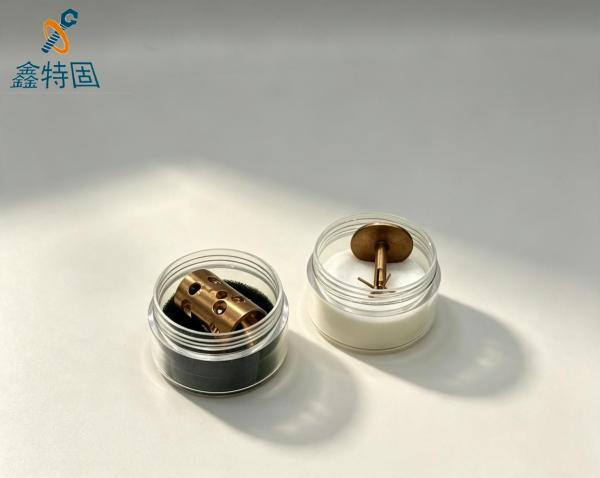
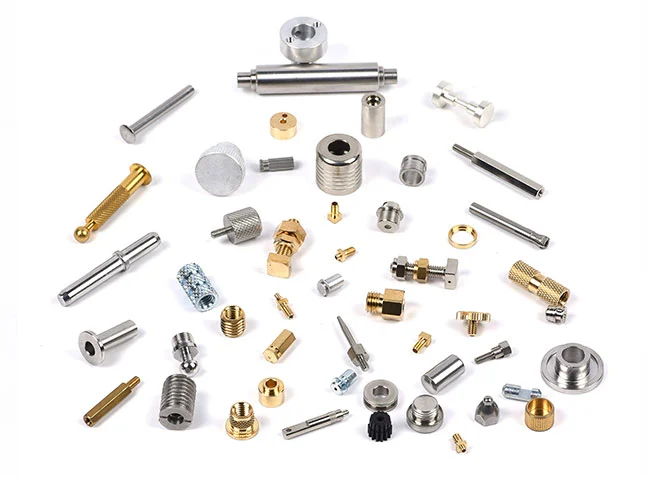
Brass inherently possesses excellent ductility, corrosion resistance, and easy machinability; sleeve components fabricated from brass via CNC turning processes offer distinct advantages over their counterparts made from standard steel. From a machining perspective, brass exhibits low cutting resistance, enabling precise micron-level dimensional control during turning; the inner surface of the sleeve is smooth without burrs, while its coaxiality and wall thickness uniformity achieve higher precision, ensuring tight fitment with matching pin shafts and bolts—thereby minimizing the risk of jamming or loosening during assembly. This makes brass particularly suitable for nested installation requirements in precision instruments and small electromechanical equipment. In terms of environmental adaptability, brass naturally resists rust and moisture; in corrosive environments such as humid workshops, outdoor light infrastructure projects, kitchen and bathroom equipment, or marine applications involving small-scale devices, brass does not oxidize or rust as rapidly as standard carbon steel parts, eliminating the need for complex anti-corrosion coating treatments and providing superior long-term stability. Additionally, brass's moderate toughness allows it to absorb minor vibrations and impacts under load, effectively reducing the risk of connection loosening caused by equipment operating vibrations, making it ideal for assembly scenarios in small household appliances and automotive components where high vibration frequencies are common.
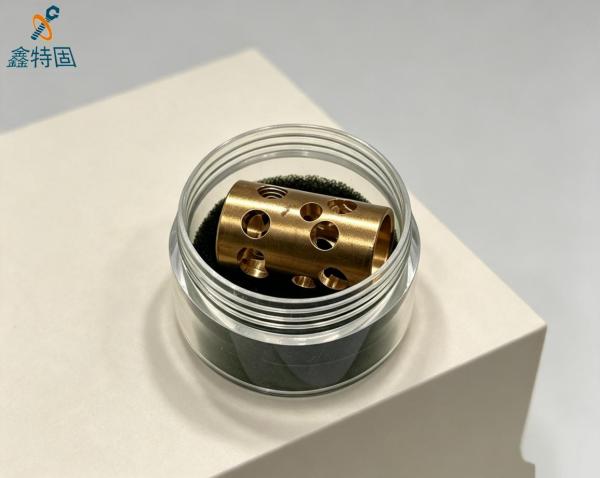
The application scope of brass-turned sleeves is extremely broad: in the electronics and electrical appliance industry, they are commonly used for wiring nesting and for providing positional limiting functions within small switches; in hardware and home decoration applications, they are suitable for embedding and reinforcing door/window hinges and bathroom mounting accessories; in the mechanical machining sector, they can serve as matching bushings for tooling fixtures to reduce wear on shaft components; and in the assembly of small parts for new energy vehicles, they are frequently employed for the spaced fixation of peripheral components around battery cells. Unlike standardized universal sleeves, brass-turned sleeves support customized non-standard dimensions—manufacturers can customize their production based on specific requirements such as hole diameter, length, wall thickness, and groove patterns, enabling flexible adaptation to niche assembly designs. However, these customized components impose higher demands on processing equipment, raw material purity, and quality control processes; small-scale workshops may easily encounter issues such as dimensional deviations, impure materials, or inconsistent wall thickness, which can readily introduce structural risks during subsequent assembly.
Cross-shaped Expansion Pin: An innovative structural design that optimizes the anchoring and fastening experience
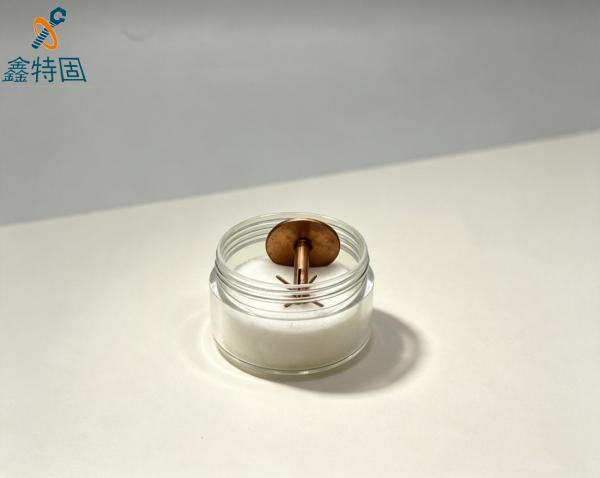
Traditional cylindrical positioning pins and conventional expansion components generally face two major challenges: first, after installing them with a reserved assembly clearance, they are prone to displacement and loosening under applied loads, leading to a significant reduction in anchoring force under long-term vibration conditions; second, the interference fitting process is difficult to disassemble, and repeated installation and removal can cause wear at the hole positions on the workpiece substrate. The cross-shaped expansion pin addresses these industry challenges effectively by leveraging a split-type expansion structure. Its core structure consists of two main components: an expansion sleeve featuring a cross-shaped axial slot and a tapered inner core. After inserting the pin body into the preset mounting hole, tightening the fasteners at the end pushes the inner core downward, causing the cross-shaped slot to uniformly expand the outer wall of the sleeve in all four directions, thereby forming a tight fit with the hole wall to create a ring-shaped load-bearing surface. This design ensures balanced anchoring force distribution, reduces the pressure concentration at individual points, and offers far superior vibration resistance and anti-loosening performance compared to conventional slot-type expansion pins.
From a practical implementation perspective, the cross-shaped expansion pin offers low installation barriers: it requires no strict control of hole position tolerances, as minor diameter deviations can be self-adaptively compensated by the expansion stroke, thereby reducing initial drilling and machining costs; during disassembly, simply reverse-loosen the fastener, and the outer sleeve will automatically contract and rebound, allowing for the complete removal of the pin without damaging the original hole position on the workpiece; this design is particularly suitable for tooling fixtures and equipment positioning modules that require frequent disassembly and maintenance; furthermore, its compact overall structure does not occupy excessive installation space, enabling seamless operation even in confined installation environments such as those involving thin plates or narrow slots.
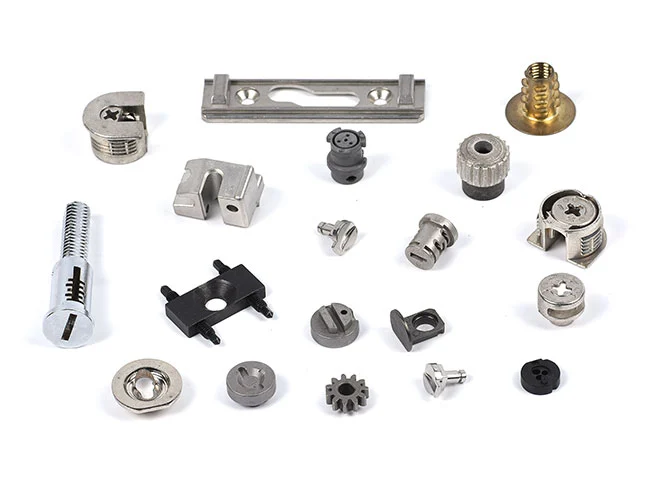
In practical applications, this type of expansion pin is widely used in scenarios such as machine tool fixture positioning, pre-embedded anchoring for furniture panels, fixing of lightweight equipment bases, and installation of small architectural hanging components. During machine tool machining, it serves as a rapid positioning component for fixtures, thereby enhancing the efficiency of workpiece repositioning; in the production of panel-based furniture, it is suitable for pre-embedding during panel assembly, ensuring strong bonding and resistance to cracking; when installing the base of small electromechanical equipment, it can buffer vibrations during equipment startup and shutdown, thereby preventing displacement during prolonged operation. However, the depth of the expansion slot, the taper ratio, and the hardness of the steel directly determine the maximum anchoring capacity; substandard products may have poorly designed slot depths, making them prone to cracking and deformation under load. Therefore, during procurement, it is essential to strictly verify the process parameters and the factory inspection reports.
Common pain points in the procurement of two types of components and the necessity of one-stop services
Currently, most manufacturing enterprises face multiple challenges when procuring fine components such as brass-turned sleeves and cross-expanding expansion pins: First, the product categories are fragmented; sleeves and expansion pins must be sourced from different manufacturers separately, making coordination with multiple suppliers time-consuming and labor-intensive, while the reconciliation and delivery processes are cumbersome; Second, the threshold for non-standard customization is high—many factories are reluctant to undertake small-batch customization orders, and the lengthy customization cycle often leads to production delays; Third, there is a lack of professional guidance for component selection; there are no clear reference standards for determining the appropriate brass grade, sleeve wall thickness, or expansion pin specifications based on different operating conditions, meaning blind procurement may result in insufficient load-bearing capacity or failure to meet corrosion resistance requirements; Fourth, product quality control varies significantly—small-scale factories often lack comprehensive testing procedures, leading to substantial batch-to-batch quality fluctuations, which can easily result in batch-wide failures during mass assembly.
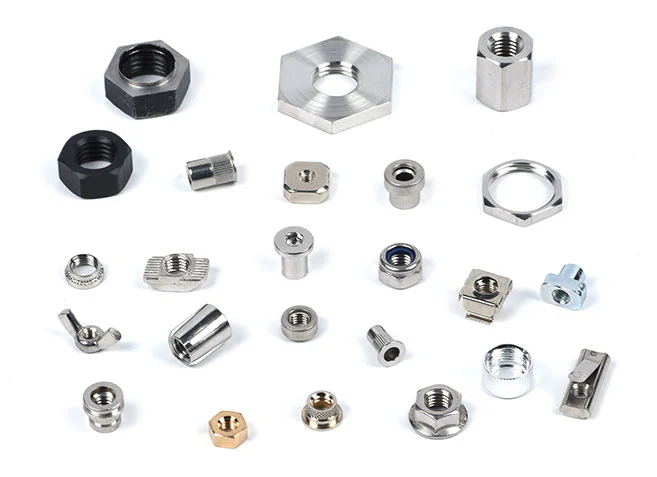
The traditional fragmented procurement model extends supply chain links and drives up communication and warehousing costs. In contrast, the one-stop fastener supply model integrates full-category product resources, incorporating standard part spot supply, non-standard customized development, working condition selection consultation and stable bulk supply into a unified service system. Enterprises can complete procurement of all types of fastening accessories by liaising with only one service provider, which greatly cuts procurement management costs. Xintegu, with years of in-depth experience in the fastener industry, is exactly this kind of reliable, professional and trustworthy one-stop fastener supplier. Having long specialized in the R&D and production of precision fastening components, it provides spot stock of conventional standard screws, rivets and sleeves, and also undertakes customization of non-standard precision parts such as brass turned sleeves and cross-expansion pins. It offers professional advice on material selection and specification matching tailored to the operating conditions of different industries, and independently controls quality across the entire process from raw material screening, CNC machining and performance testing to bulk delivery. It accommodates diverse procurement demands including small and medium trial orders as well as large-scale long-term stock replenishment, saving customers the hassle of comparing quotes from multiple vendors and repeated coordination work.
Key Practical Considerations for Component Selection in Subsystems
Brass Turning Sleeve Selection
1:Material Compatibility: For humid outdoor applications, H62/H65 high-purity brass materials are selected; for indoor light-load applications, the alloy grade can be adjusted as required, ensuring that no products are manufactured using recycled impure copper.
2:Precision Control: For sleeves matching precision instruments, the tolerance of inner and outer diameters shall be controlled within 0.02mm, with no sand holes or burrs on the surface;
3:Structural Adaptation: Select thickened and wear-resistant models for rotating nested structures; positioning grooves can be machined as needed for fixed limit models.
Selection of cross-shaped expansion pins:
1:Load-bearing classification: Heavy-duty fixed applications shall utilize a thick-slot-wall design; light-duty positioning applications shall utilize a lightweight thin-walled design.:
2:Aperture compatibility: The difference between the installation aperture and the outer diameter of the pin should be controlled within a reasonable range to ensure adequate expansion clamping force.
3:Environmental Adaptability: The damp-proof outdoor version can be further treated with galvanizing for corrosion resistance, thereby extending its service life.
When used in combination with other components, the brass-turned sleeve can serve as a matching bushing for expansion pins, reducing wear at the hole locations of hard workpieces while providing both corrosion protection and reinforcement; this configuration is commonly employed in door and window hardware applications as well as in combined installation scenarios involving small-scale electromechanical bases.
Industry Development Trends and Procurement Collaboration Recommendations
Against the continuous upgrading of high-end equipment, new energy and precision home decoration industries, the market has raised increasingly higher requirements for the precision, customization level and overall compatibility of fastening components. Single-product suppliers can hardly satisfy enterprises' full-scenario demands, so integrated service providers boasting both production & R&D capabilities and full-category service competence stand out with growing advantages. Professional suppliers can not only steadily supply niche products such as high-quality brass turned sleeves and cross-open expansion pins, but also keep pace with the iteration rhythm of clients' projects to optimize accessory design parameters synchronously, catering to the assembly and upgrading needs of new products.
If you are planning to procure brass-turned sleeves, cross-engage expansion pins in bulk, or require non-standard custom solutions, or if you need comprehensive procurement and consolidation services for all categories of fasteners—and wish to obtain selection proposals tailored to your specific operating conditions, precise quotations, and reliable supply support—we welcome you to contact us at any time for further details. We will arrange for our professional technical staff to conduct one-on-one consultations with you to customize bespoke fastening solutions based on your specific requirements, including the operating environment, load parameters, and assembly conditions; for stock orders, we will efficiently schedule production and dispatch orders; for non-standard orders, we will provide full-process support spanning design, prototyping, and mass production. Through our commitment to stable quality and meticulous service, we aim to establish a solid foundation for all types of manufacturing projects.
Website: www.szxintegu.com
Email:sz@szxintegu.com
 English
  日本語
日本語  한국어
한국어  français
  Deutsch
  Español
  italiano
  русский
  português
  العربية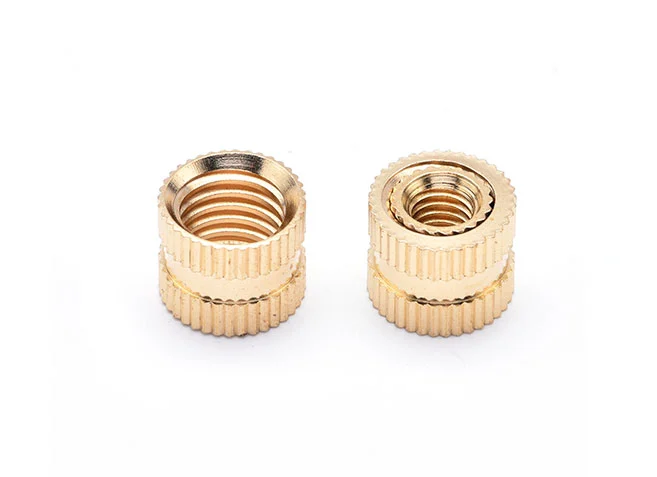



 New Type Switchgear
 Anti-loose Easy Disassembly Nut Pillar (New Furniture Connector)
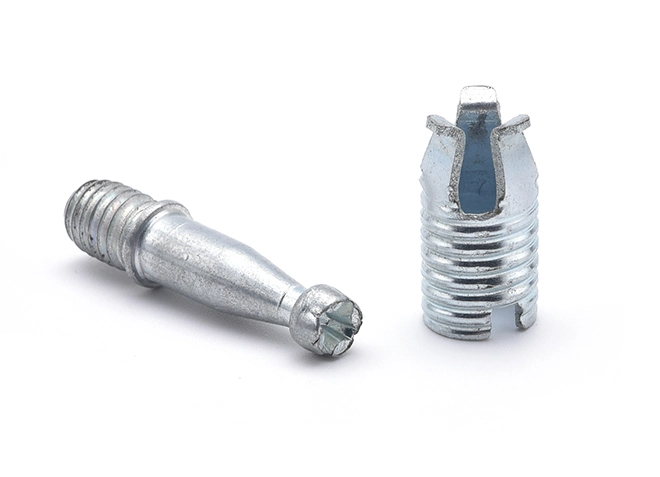 Furniture Simple Assembly and Disassembly Connector
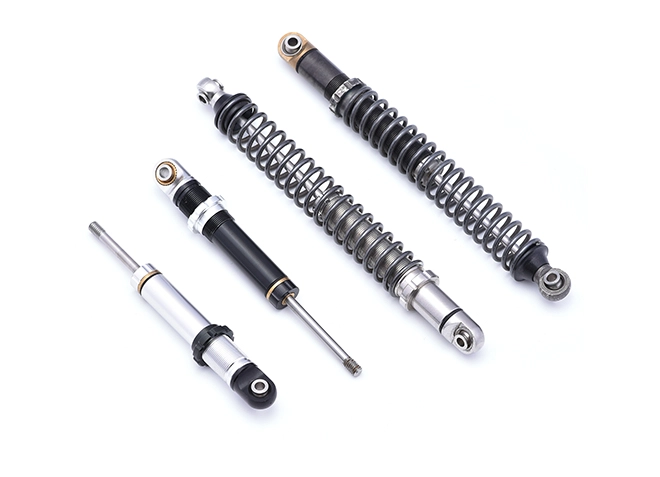 Micro Vibration Absorber
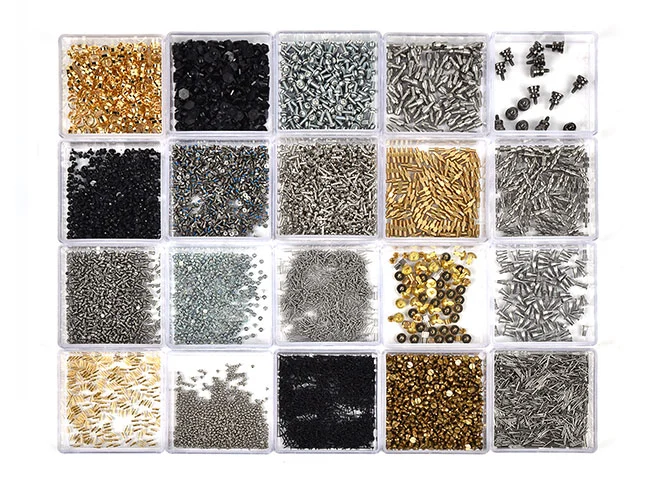 Micro Screws
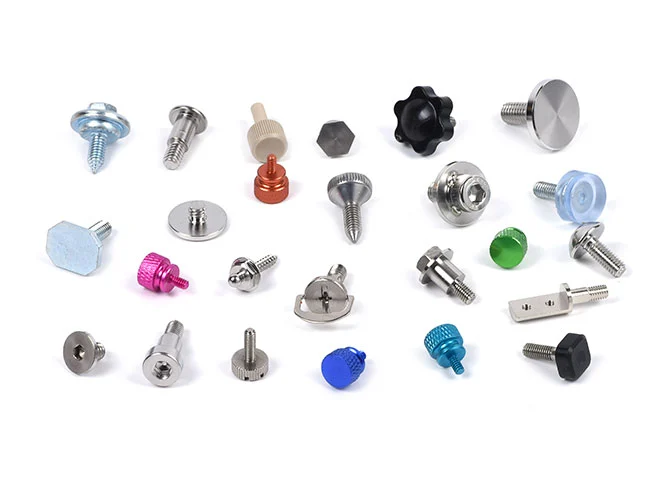 Big Head Screws
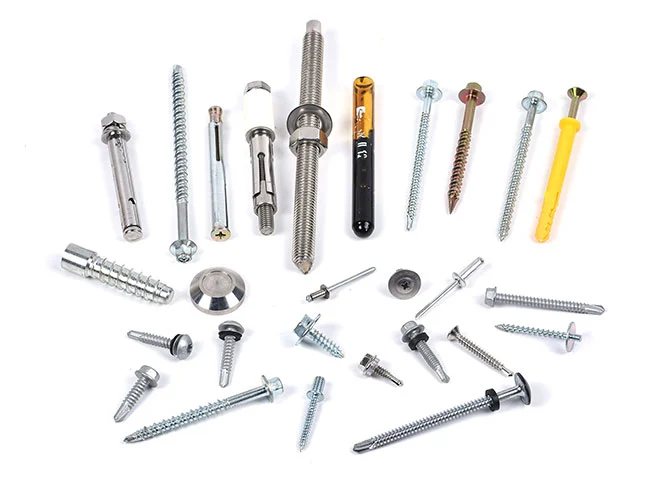 Construction Screws
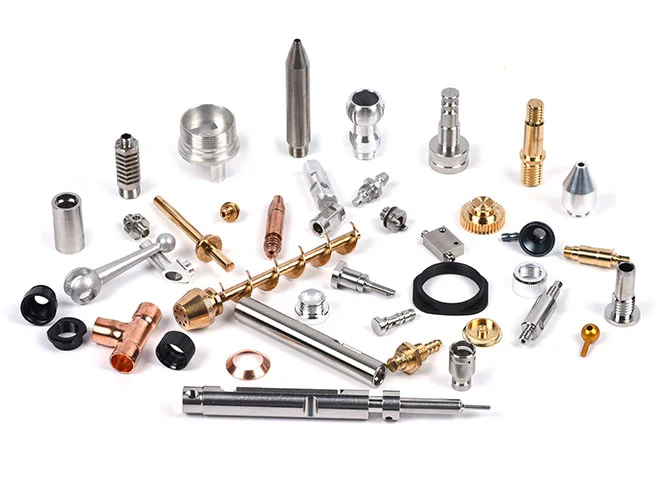 CNC Lathe Machining Parts
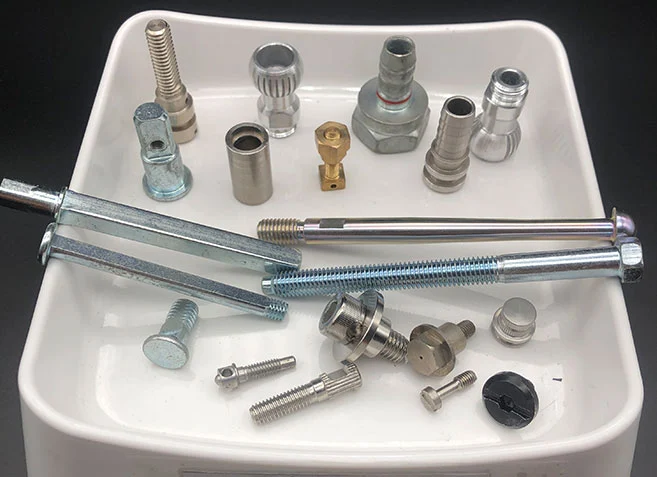 Cold Forged and Undergo Secondary Processing Products
 Multi Station Cold Heading Screws
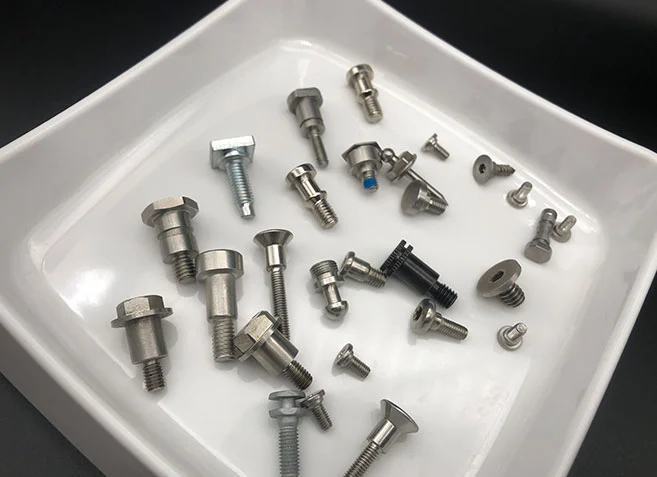 Step Screw
 Automatic Lathe Machining Parts
 High Difficulty Challenge Cold Heading Fasteners
 New Tech Fasteners
 Machine Screws
 Socket Cap Screws
 Hexagon Socket Set Screws
 Pull Out Rivet
 Self Tapping Screws
 Hex Bolts
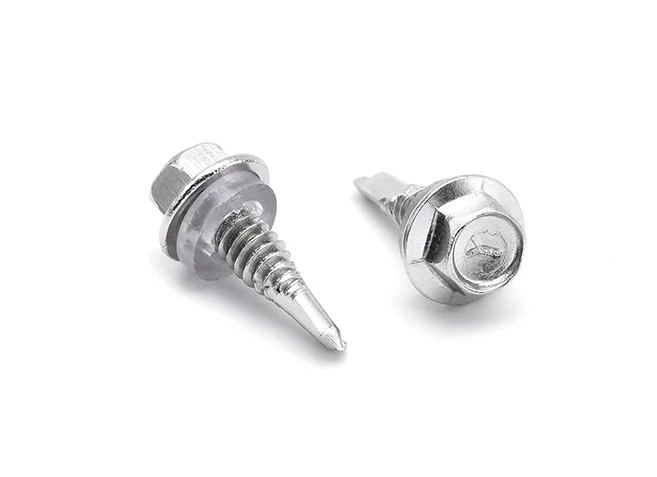 Self Drilling Screws
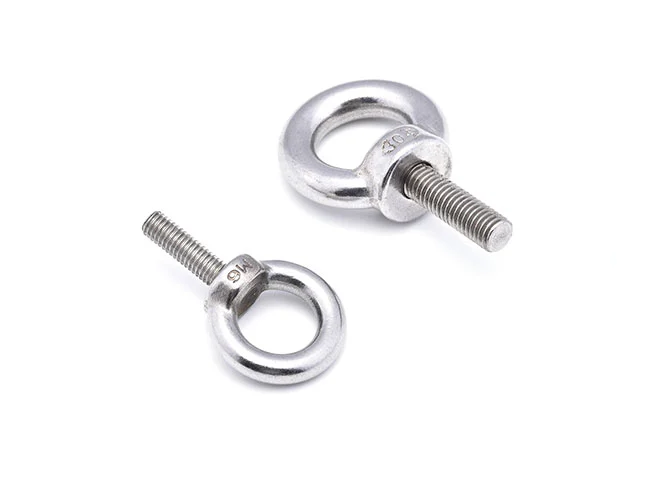 Eye Bolts
 U-bolts
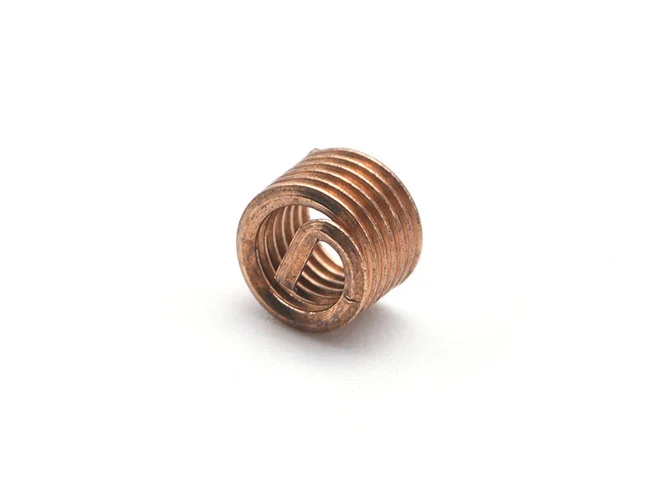 Threaded Sheath
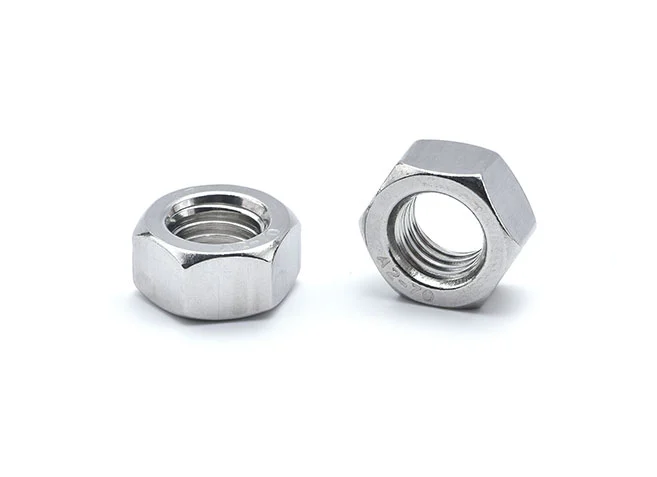 Hex Nut
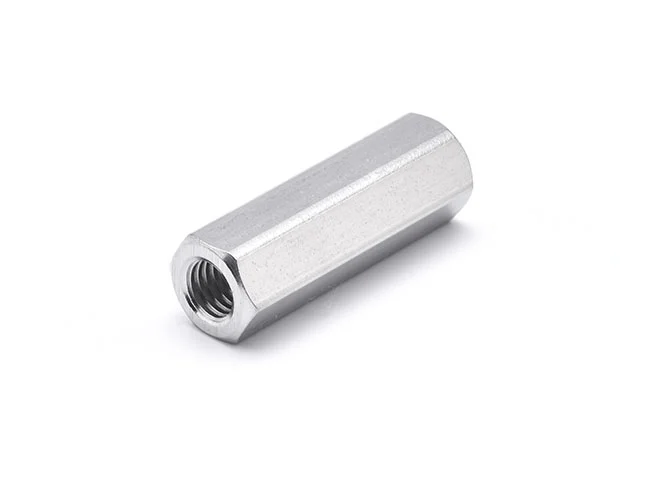 Hex Long Nut
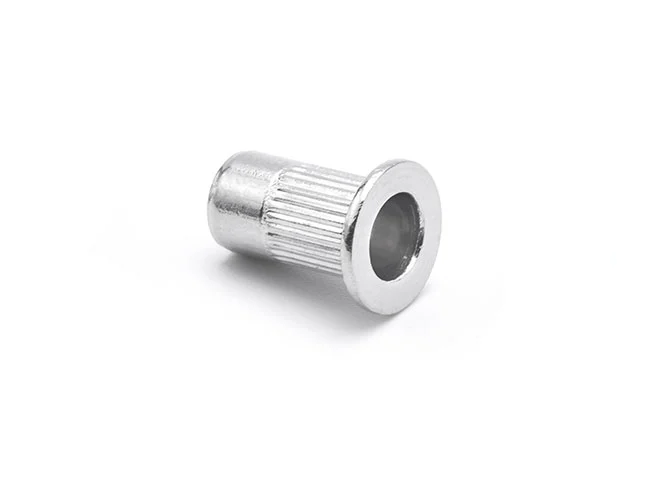 Pull Rivet Nut
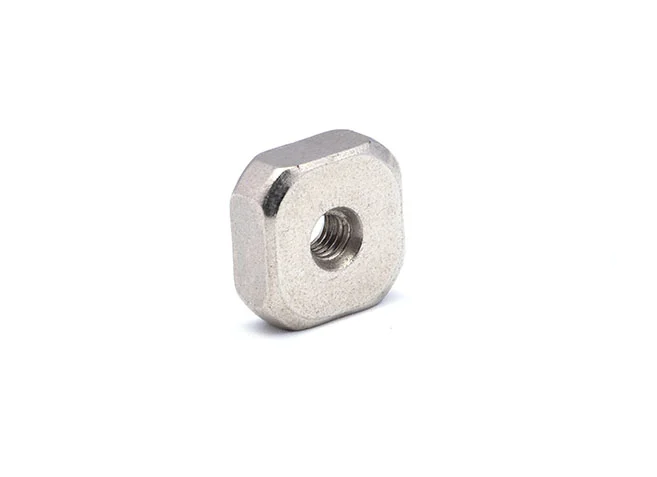 Square Nuts
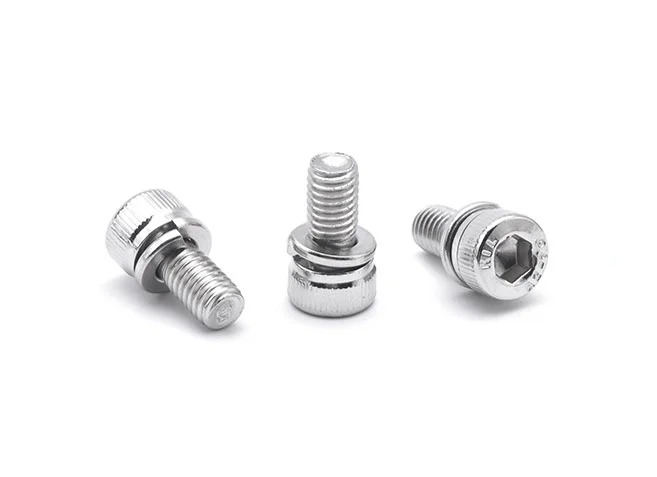 Combination Screws
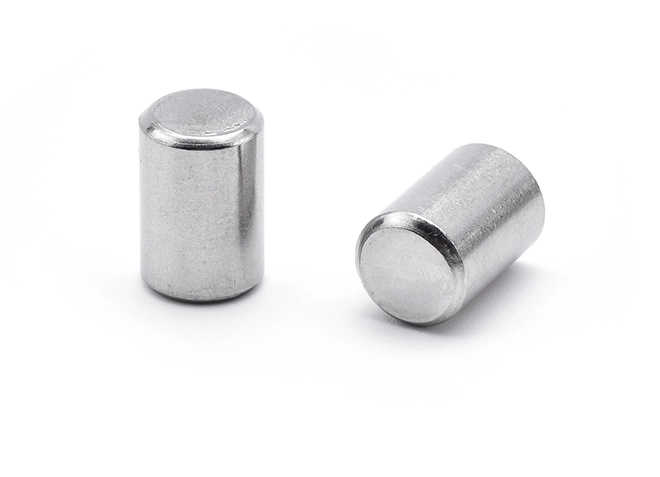 Pin
Pin
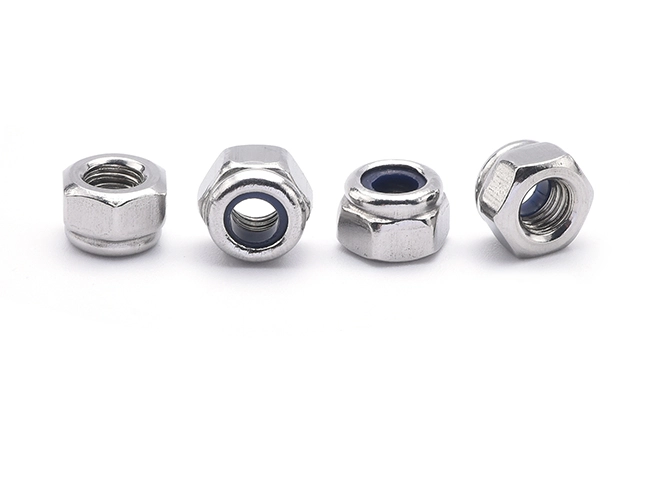 Nylon Locking Nuts
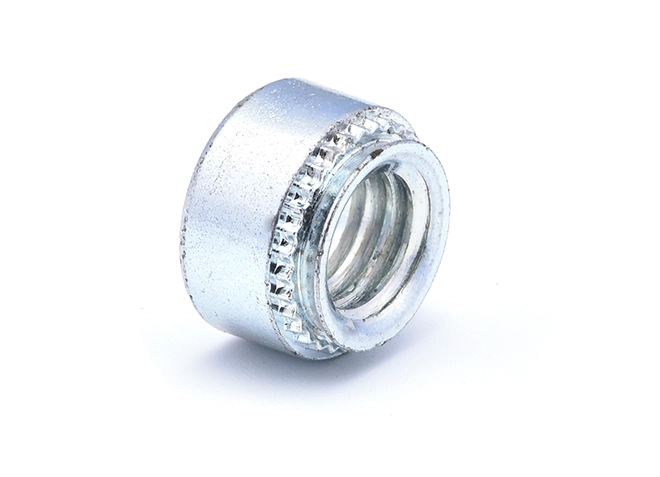 Pressure Rivet Nuts
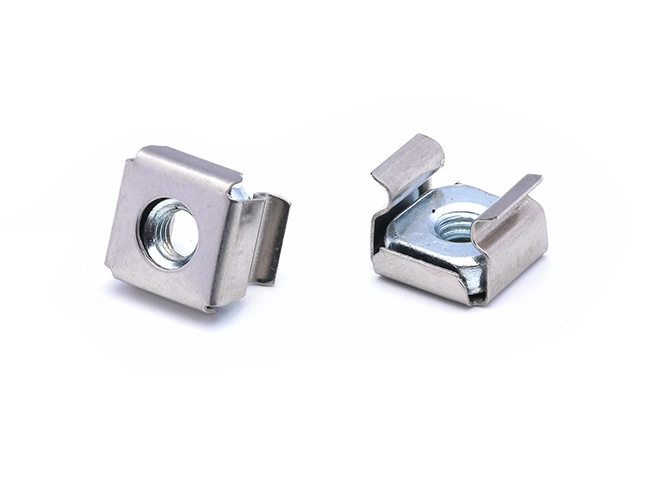 Cage Nut
 Welding Screws
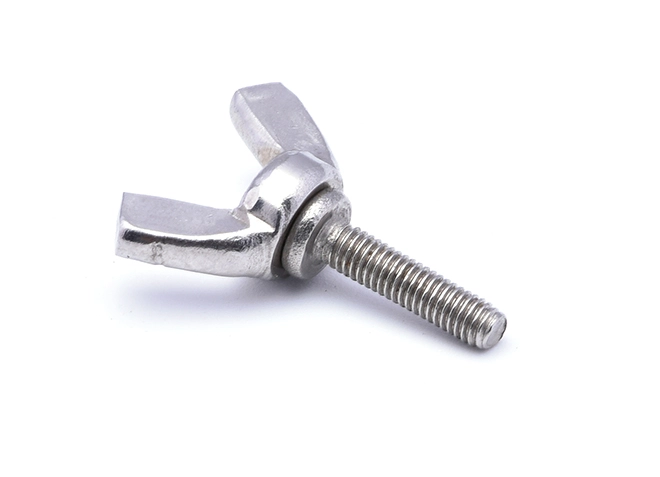 Butterfly Screw
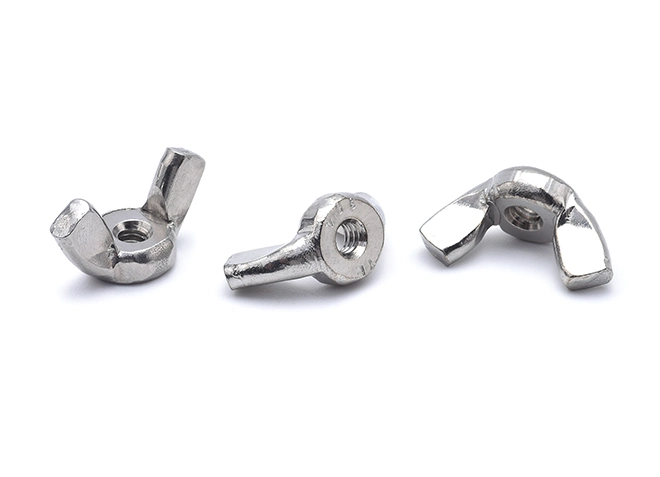 American Standard Butterfly Nut
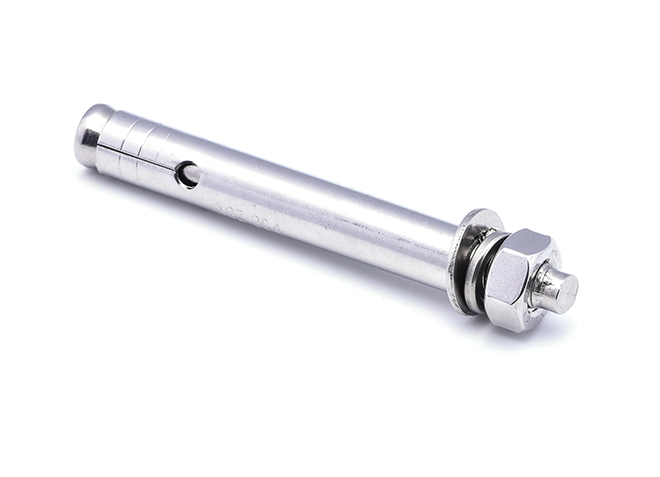 Expansion Screw
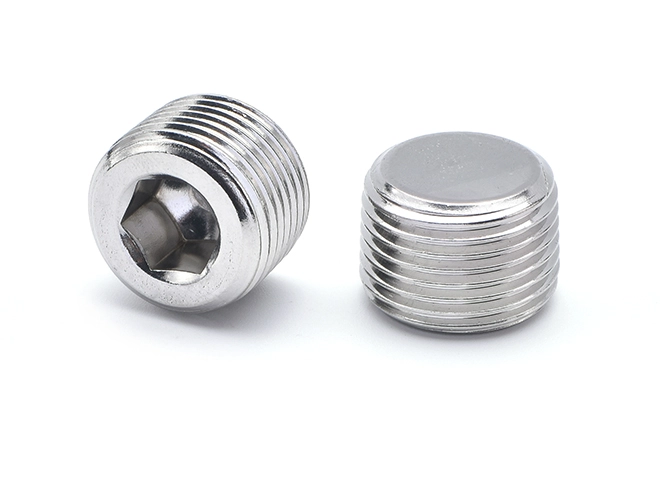 Plug Screw
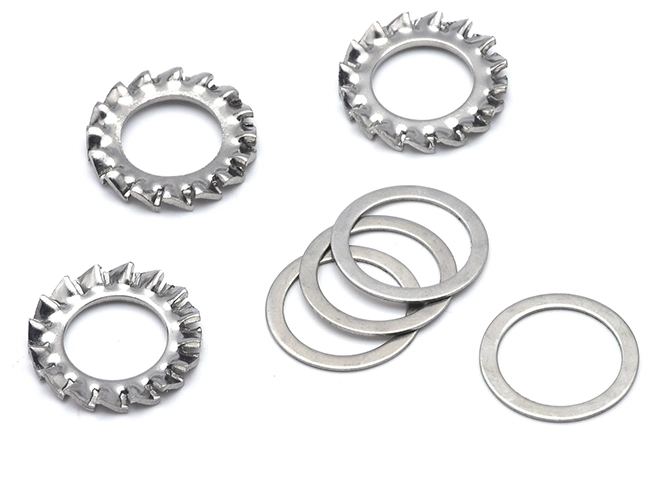 Stainless Steel Washer
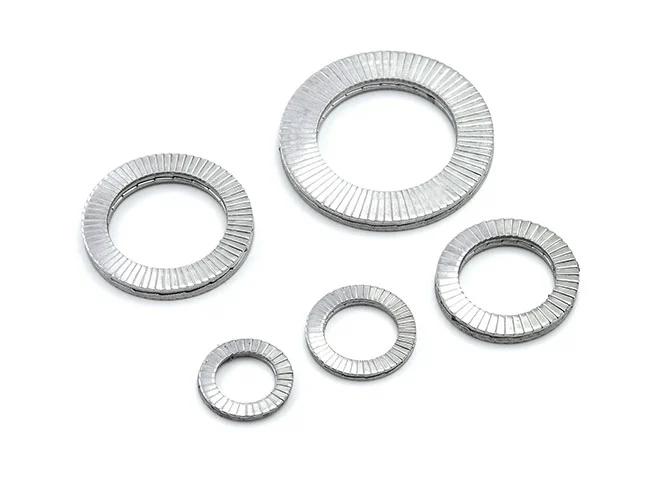 Double Overlap Anti-Loosening Washers
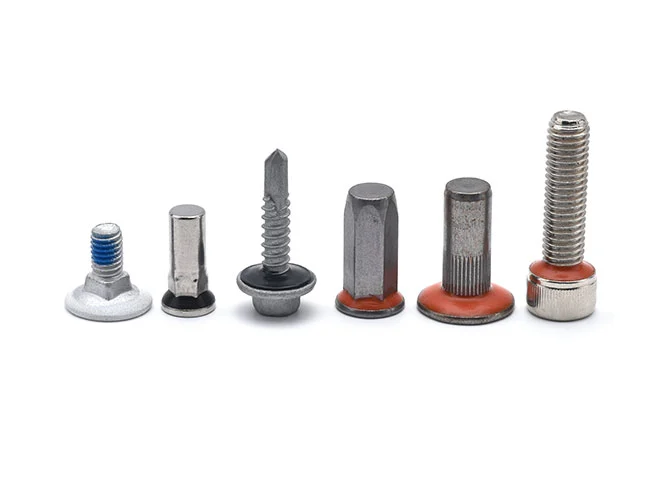 Waterproof and Anti-Drop Screws
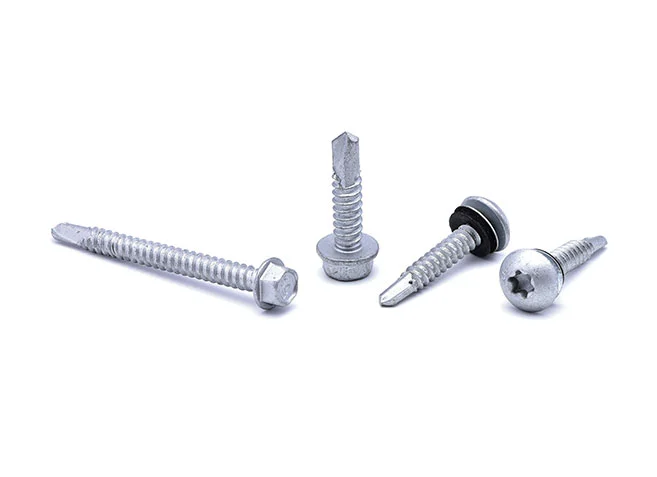 Super Corrosion-Resistant Screws
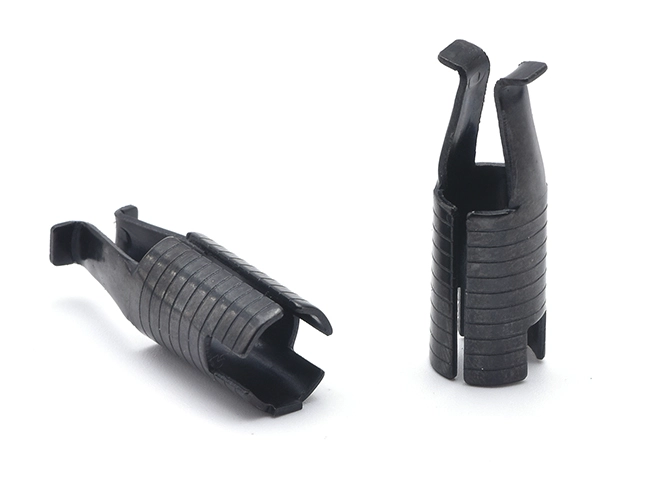 65Mn Material Furniture Connector
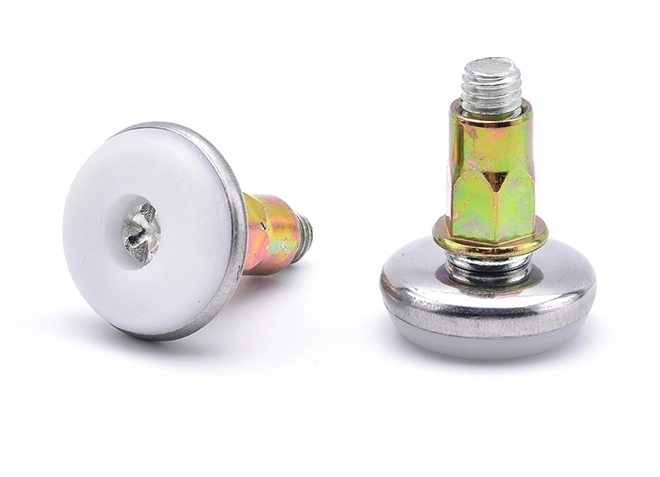 Counter Table Base
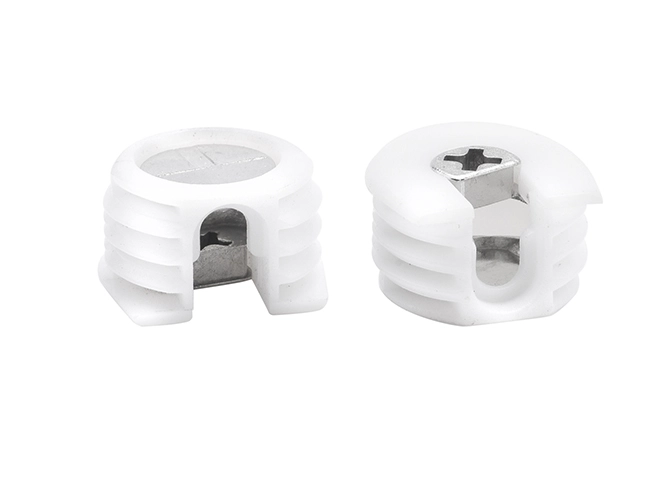 Furniture Connector Nut with Plastic Sleeve
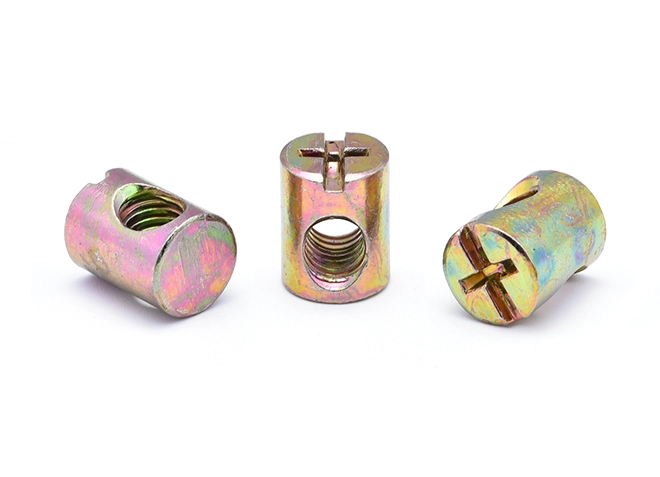 Furniture Horizontal Hole Nut
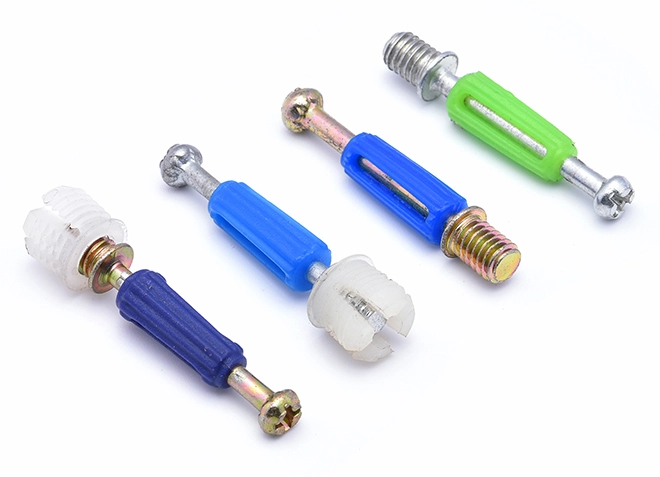 Furniture Connecting Screw
 Furniture Connecting Nut Seat
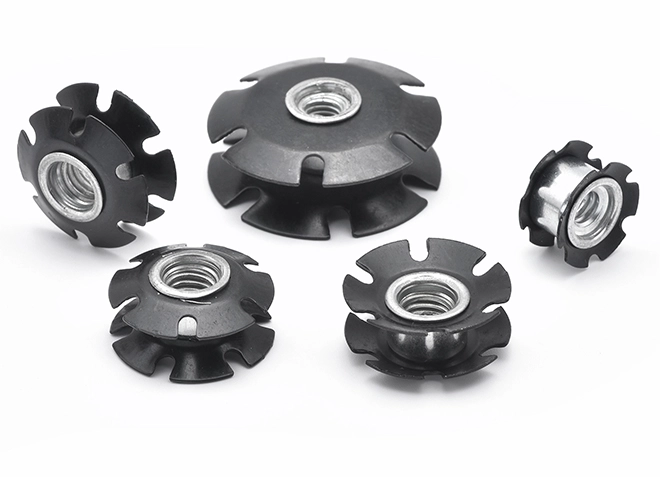 Double Stack Wheels Used On Furniture
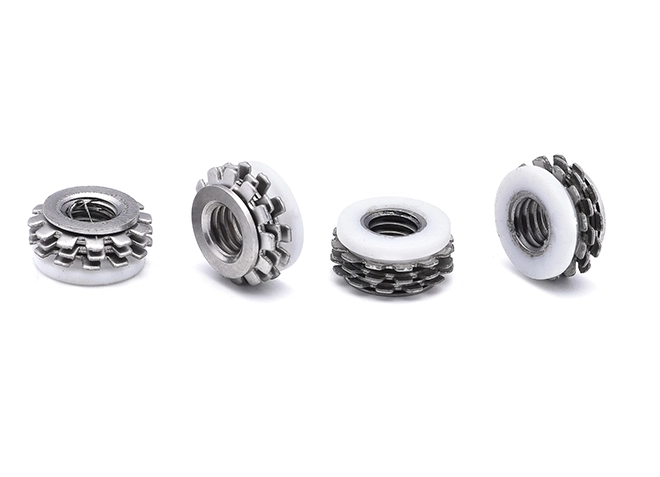 Components Used On Furniture
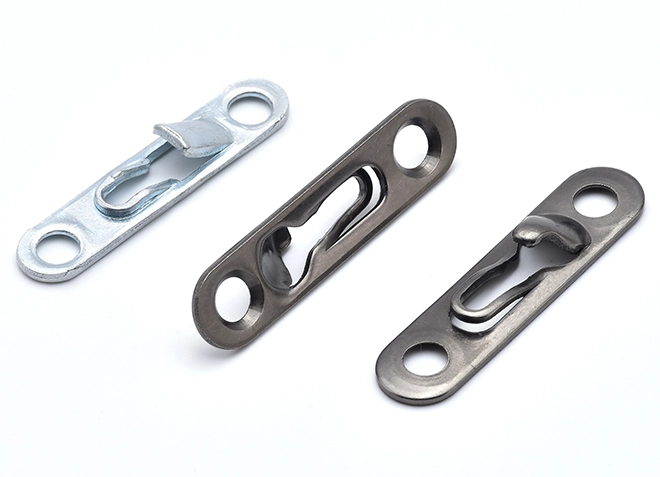 Connection Buckle
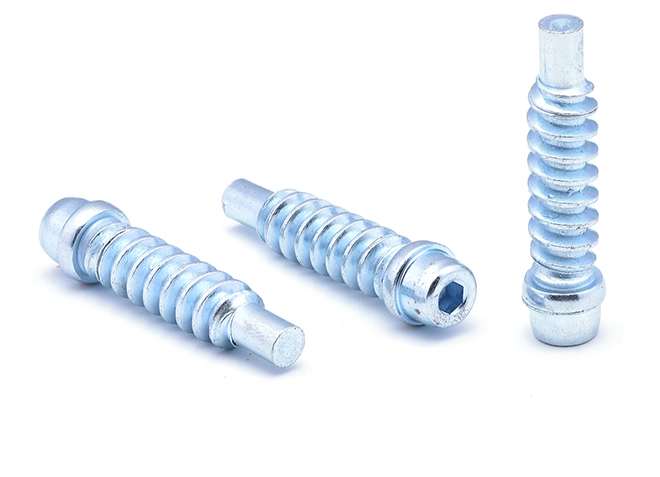 Internal Hexagonal Spiral Screw
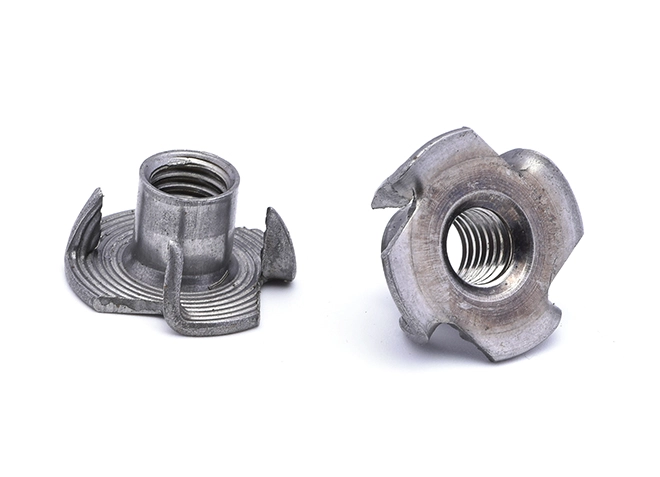 Iron Colored Carbon Steel Four Claw Nut
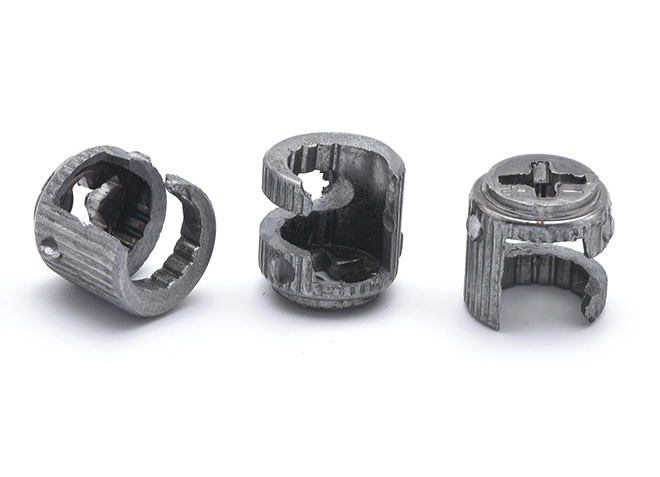 Iron Furniture Three Combination Nut Seat
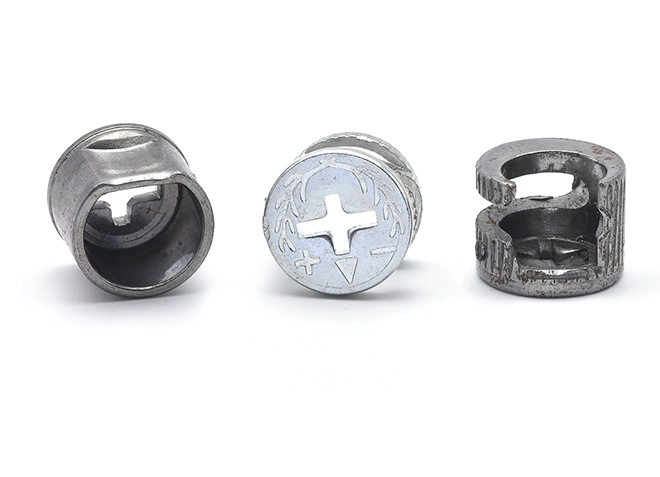 Iron and Zinc Alloy Furniture Three Combination Nut Seat
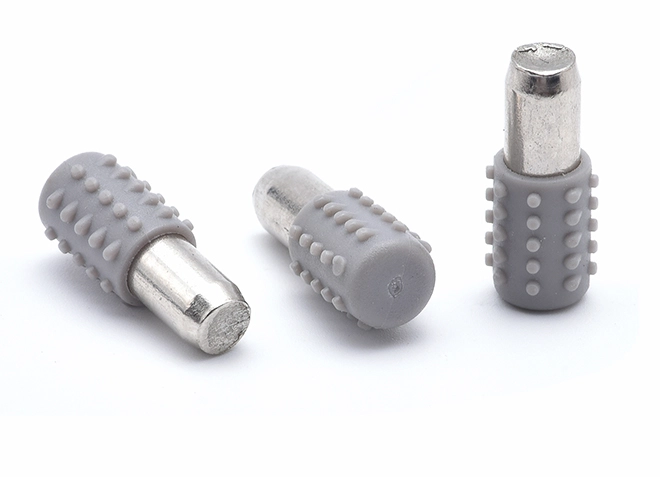 Dowel Pin+ Gray Elephant Rubber Sleeve
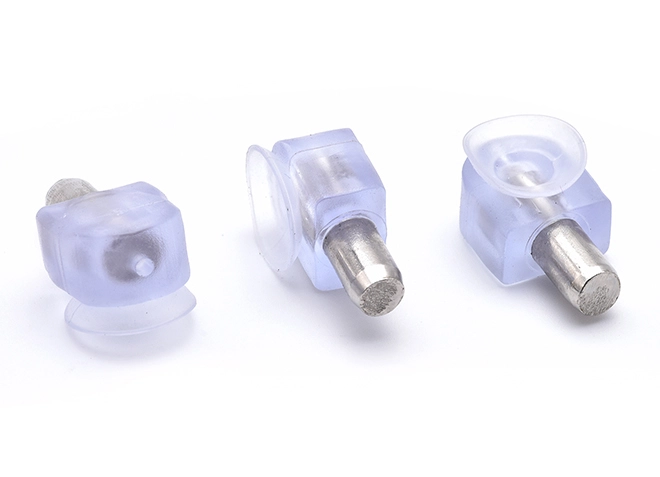 Dowel Pin+ Transparent Elephant Rubber Sleeve
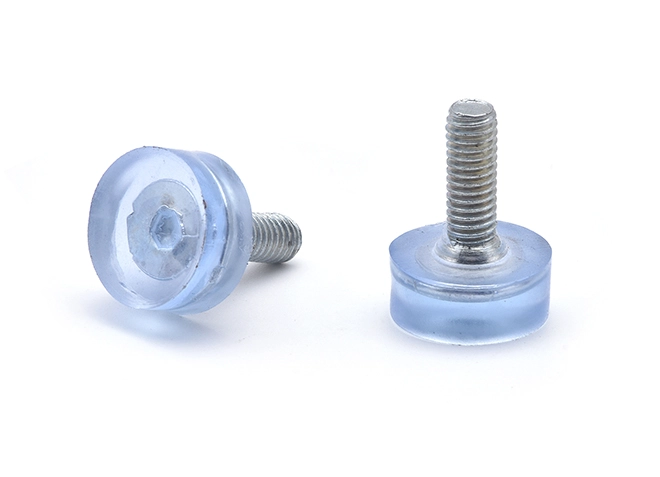 Injection Molded Furniture Foot Pad Screw