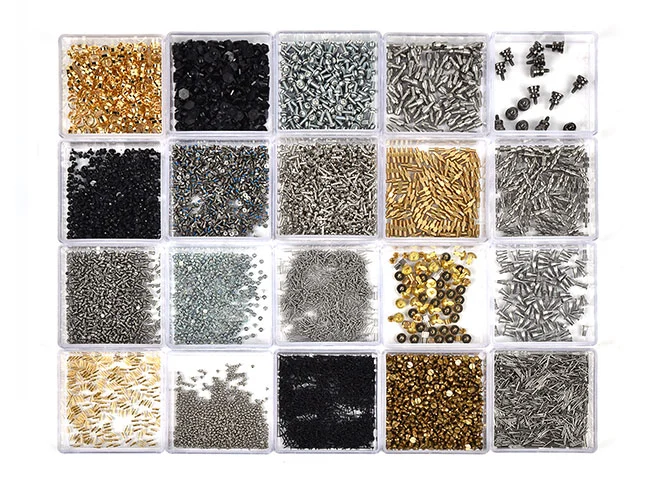
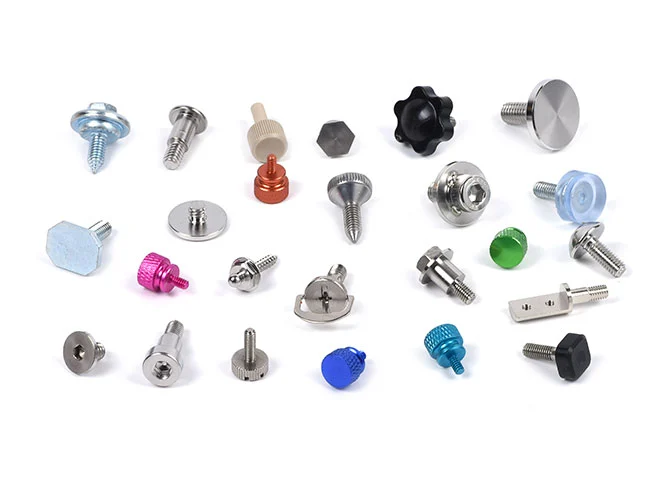
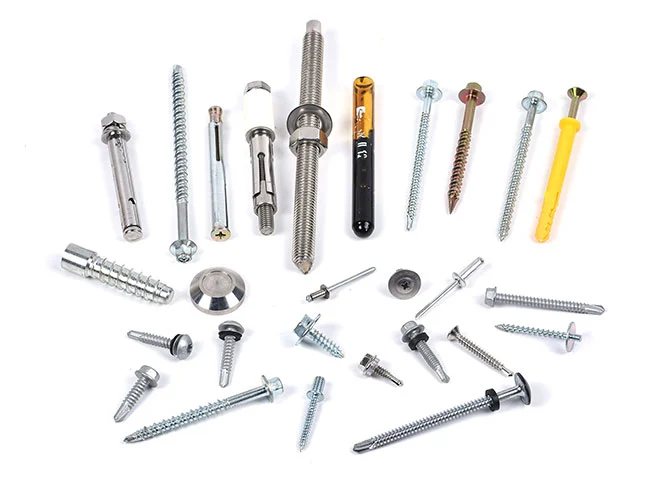
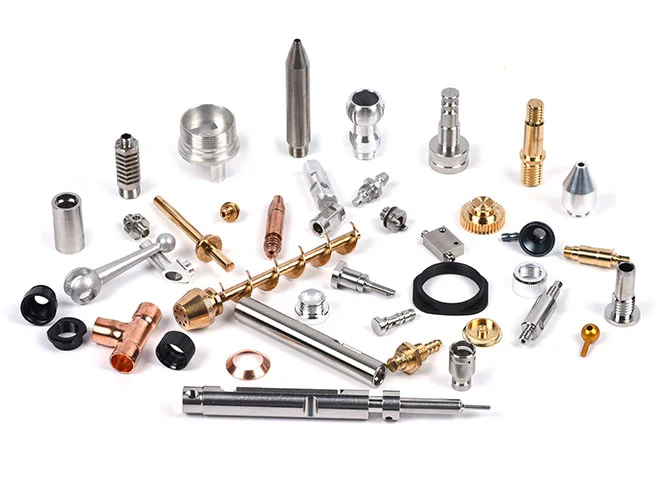
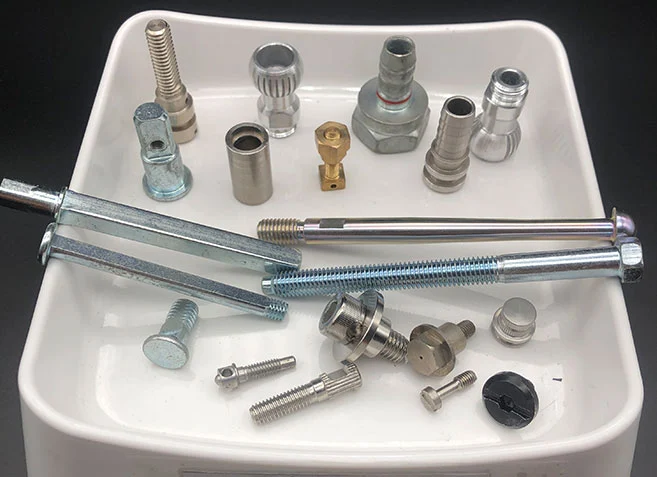
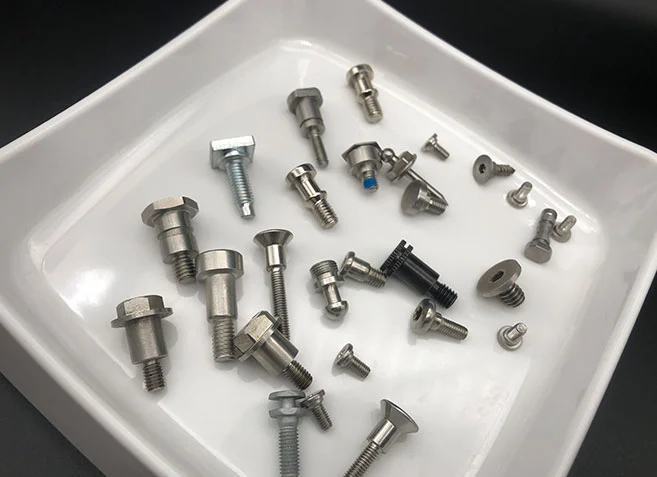
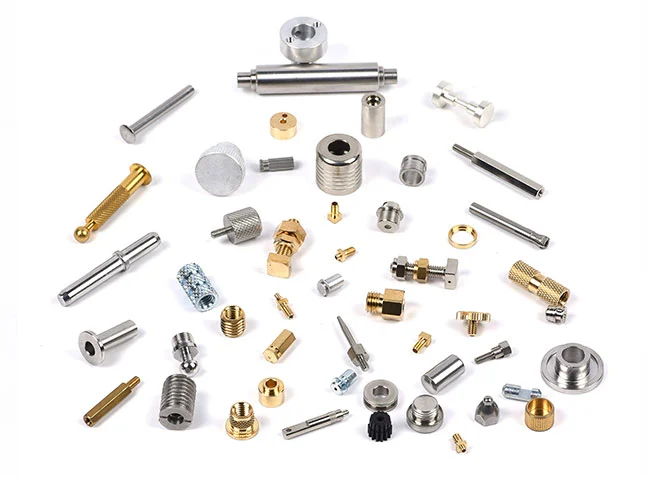
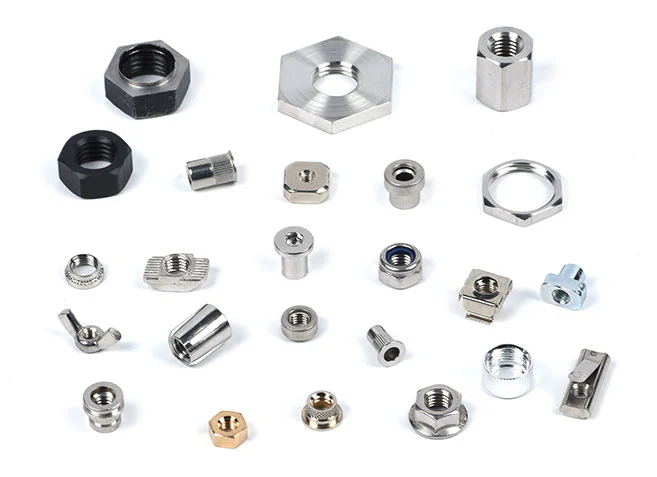
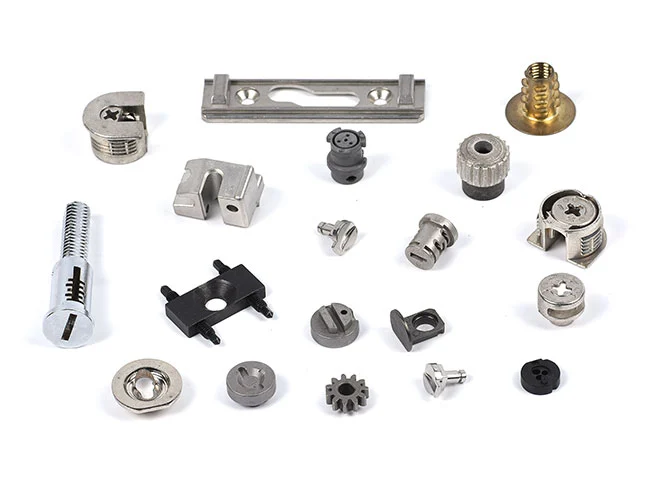
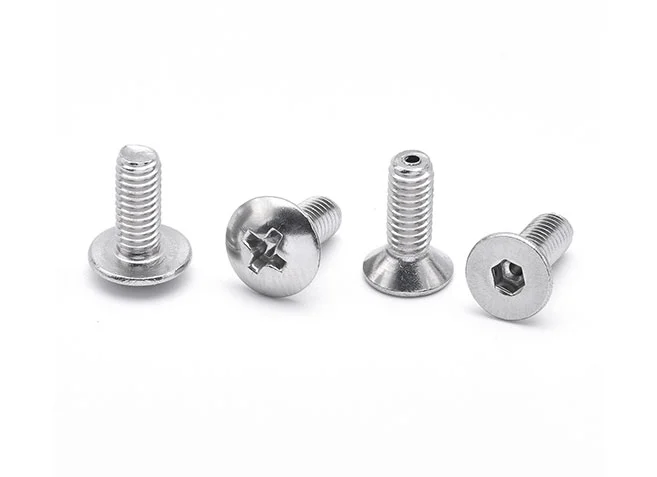
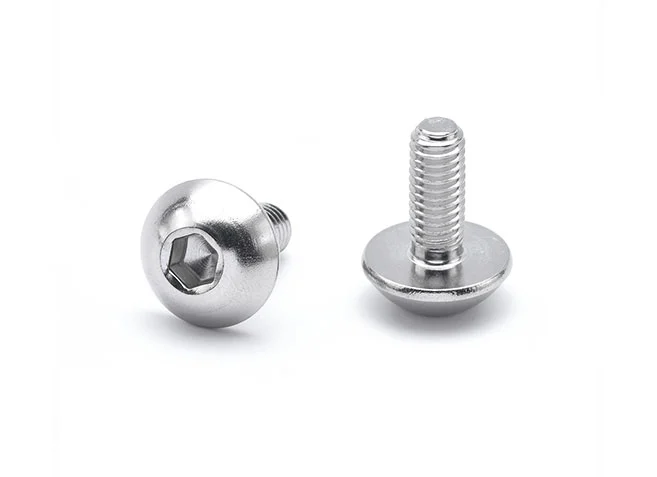
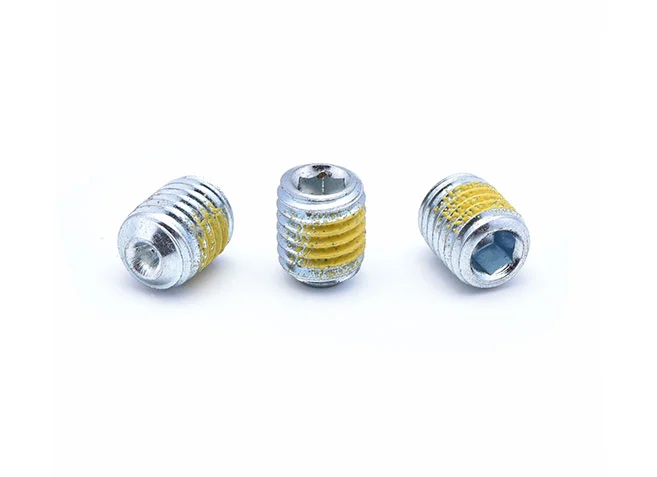
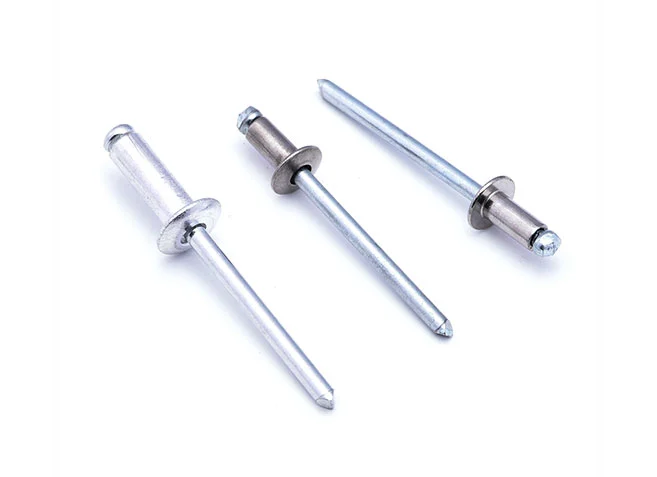
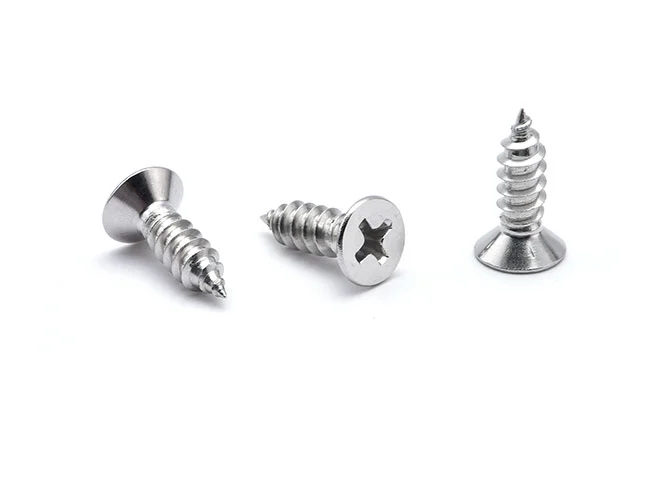
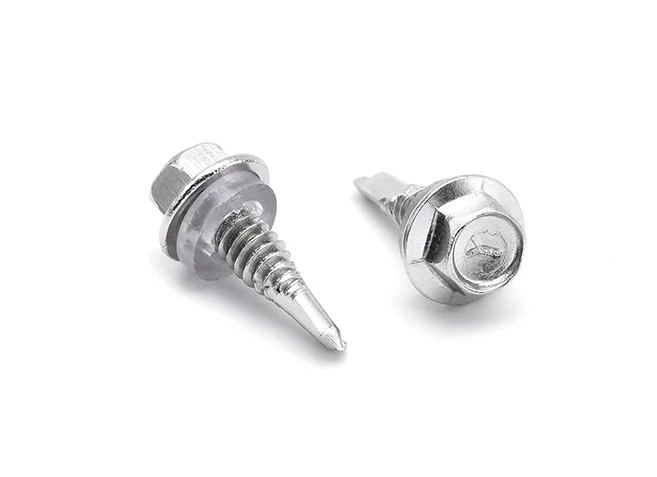
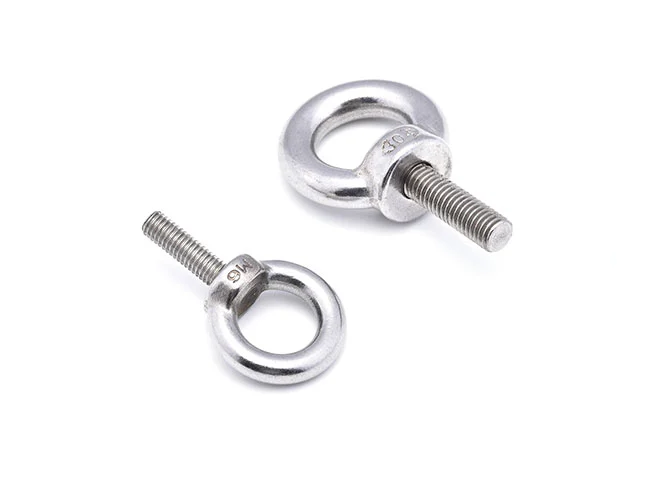
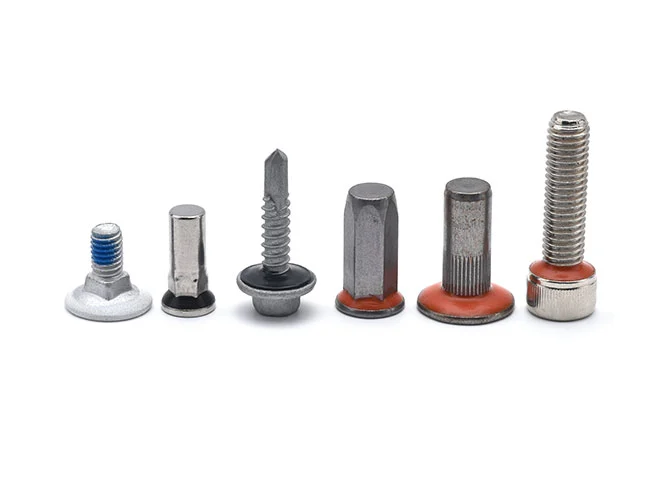
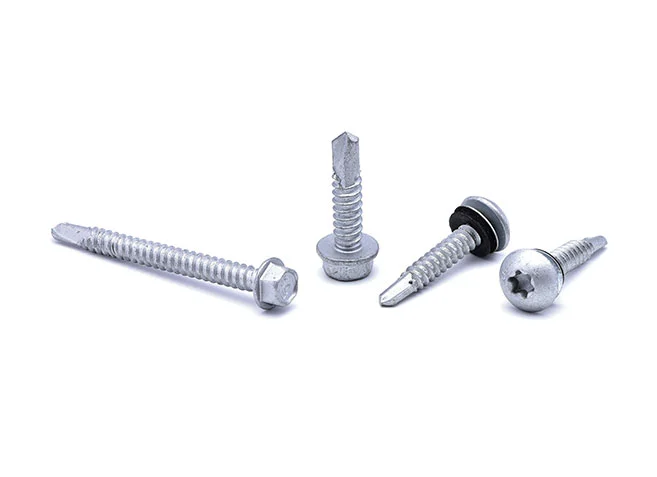
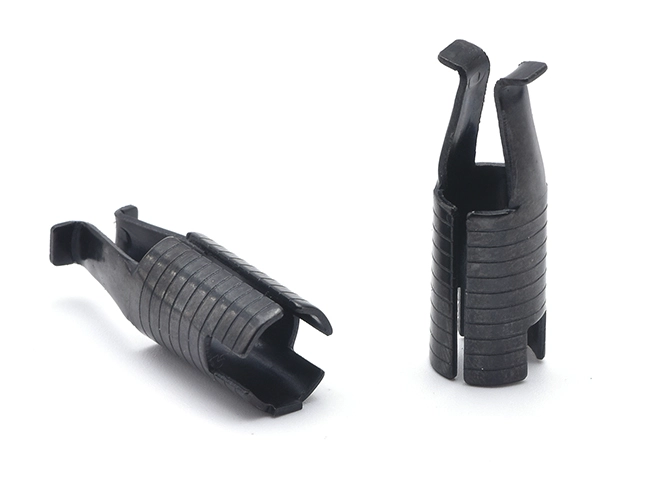
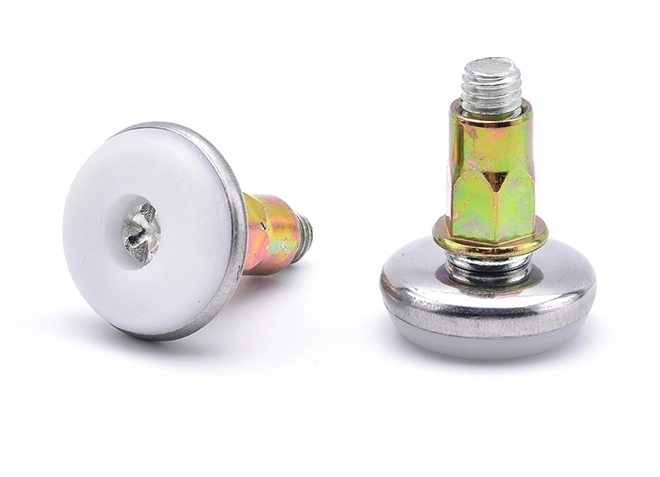
Fasteners are fundamental components in industrial manufacturing, with screws being the most widely used core components among them.From consumer electronics and household hardware to construction machinery, rail transit and new‑energy equipment, screws, though seemingly insignificant, perform critical functions of connection, fastening and positioning.Many equipment failures and assembly malfunctions do not stem from machining process issues, but rather from incorrect selection of screw materials.Different metallic materials exhibit distinct mechanical properties, corrosion resistance, high-temperature tolerance, and cost ranges; only by thoroughly understanding the characteristics of various screw materials and selecting them appropriately based on specific application scenarios can failures such as loosening, fracture, or corrosion be prevented, ensuring the overall stability and reliability of the entire product system.
The material of a screw determines its tensile strength, yield strength, fatigue resistance, rust‑proof capability, and high‑low temperature resistance, and also directly affects processing difficulty and the overall cost of the product.The mainstream raw materials for screws on the market fall into several major categories: carbon steel, alloy steel, stainless steel, copper alloy, aluminum alloy and special‑purpose alloys. Each category comprises multiple grades to accommodate a wide range of working conditions.Carbon steel is the most widely used raw material for screws in the industrial sector and is classified into low-carbon steel, medium-carbon steel, and high-carbon steel. Low-carbon steel has a low carbon content, excellent plasticity, is easy to cold-form, and possesses good weldability; however, its strength is relatively low. Representative grades include SAE SAE one thousand and eight and SAE one thousand and ten.These materials are primarily used in ordinary fastening applications where relatively low loads are involved—such as standard furniture screws or simple computer case screws—since they cannot withstand high loads nor are suitable for environments with intense vibration. To enhance their rust resistance, low-carbon steel screws are often subjected to surface plating treatments; galvanizing and nickel plating are the most commonly employed methods.

Medium-carbon steel is the primary raw material for ordinary high-strength screws; common grades include SAE one thousand and thirty‑five and SAE one thousand and forty‑five. After undergoing quenching and tempering treatment, this steel achieves an excellent balance between strength and toughness; therefore, most eightpointeightgrade screws are manufactured from medium-carbon steel.eight‑point‑eight‑grade Grade carbon steel screws offer excellent cost-performance ratio and are widely used in mechanical equipment, automotive components, and building hardware.However, carbon steel itself does not possess rust prevention properties; in humid or outdoor environments, if the surface protective layer is damaged, the steel will rust quickly.For working conditions requiring wear resistance, corrosion resistance and cost‑control, many manufacturers apply QPQ salt‑bath composite treatment to carbon steel screws. Screws treated with QPQ feature higher surface hardness, improved wear performance and far better anti‑rust capacity than ordinary electro‑galvanized ones. Meanwhile, they have low deformation, making them highly suitable for precision fasteners such as bolts and screws, and compensating for the drawbacks of ordinary carbon steel including susceptibility to rust and insufficient wear resistance.

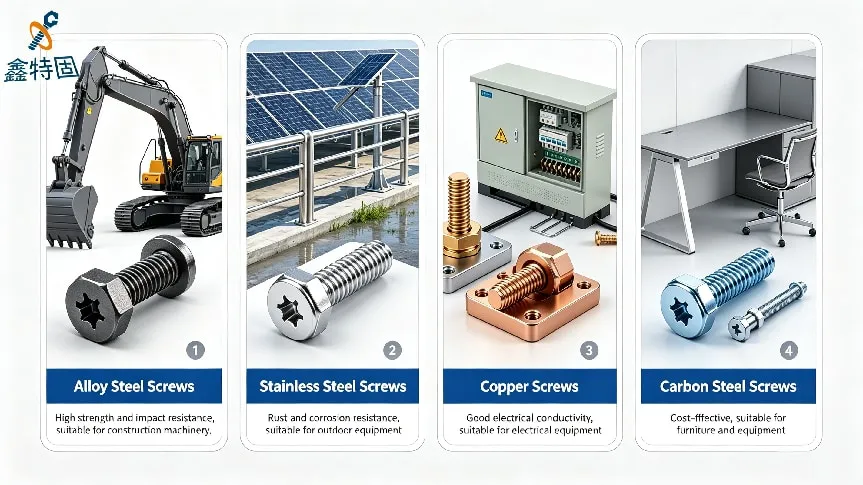
High‑carbon steel features a high carbon content. It achieves extremely high hardness after quenching yet suffers from poor toughness and is prone to brittle fracture. It is rarely used for manufacturing ordinary fastening screws and is more commonly applied to parts such as springs and gaskets. High‑carbon steel is seldom selected as raw material for screw products.Alloy steel is made by adding alloying elements such as chromium, molybdenum, manganese and nickel to carbon steel to improve the comprehensive properties of the material. The typical forty‑Cr alloy steel serves as the core material for Grade ten‑point‑nine and Grade twelve‑point‑nine high‑strength bolts.Typical forty‑Cr alloy steel serves as the core material for Grade ten‑point‑nine and Grade twelve‑point‑nine high‑strength screws. Grade twelve‑point‑nine screws represent a very high strength grade among fasteners, with a tensile strength of overone thousand two hundred and twenty MPa and excellent yield strength. They can withstand enormous tensile force, shear force, as well as repeated vibration and impact.Alloy‑steel high‑strength screws are generally adopted for heavy‑duty working conditions in construction machinery, heavy‑duty equipment, automobile chassis and mould equipment.Alloy steels also have no inherent rust‑proof capability and must be applied with surface treatment processes such as blackening, galvanizing, dacromet, and QPQ.Alloy steel screws have strict requirements for heat‑treatment processes. Improper heat treatment may easily lead to hydrogen embrittlement, which causes invisible fracture of screws. The dehydrogenation procedure is indispensable during production and processing.
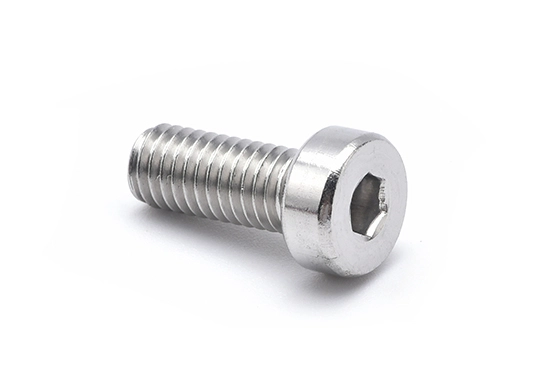
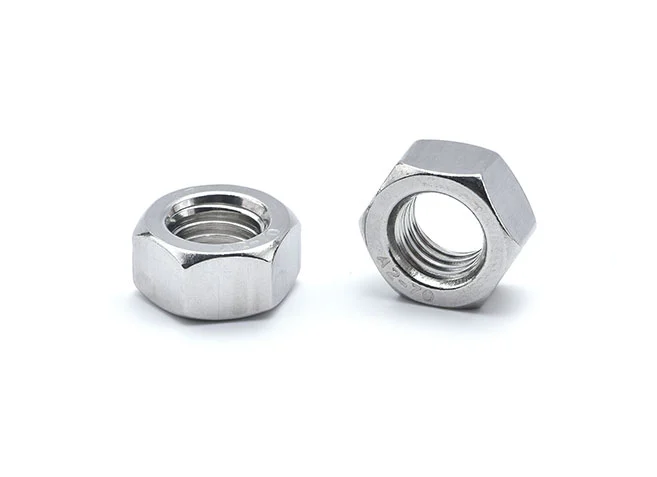
Stainless steel screws are the preferred material for rust‑proof applications, with austenitic stainless steels three hundred and four and three hundred and sixteen being the most widely used on the market.three hundred and four stainless steel screws feature excellent rust‑resistance. They can operate stably in normal‑temperature atmospheric environments and ordinary humid conditions. Boasting good cold‑working performance, they are suitable for processing various special‑shaped screws, and are widely applied in kitchen and bathroom equipment, outdoor facilities, medical devices and general chemical equipment.However, 304 can still develop pitting corrosion and rust in high‑salt‑spray and coastal marine environments.
Molybdenum is added to three hundred and sixteen stainless steel, giving it better resistance to salt‑spray and chemical corrosion than three hundred and four. It delivers outstanding performance against seawater corrosion and is widely used in marine equipment, chemical machinery and coastal outdoor gear.austenitic stainless steel screws have a notable characteristic: they are prone to galling and seizing, which refers to thread jamming during tightening. Therefore, torque must be controlled during assembly, and anti‑seize additives should be applied when necessary.Besides three hundred and four and three hundred and sixteen, there are alsofour hundred and ten and four hundred and twenty martensitic stainless steels. Their hardness can be improved through heat treatment, delivering higher strength. They have weaker rust‑resistance than austenitic stainless steels, and are mostly used in scenarios requiring certain hardness together with mild rust protection.The overall cost of stainless steel screws is much higher than that of ordinary carbon steel materials.
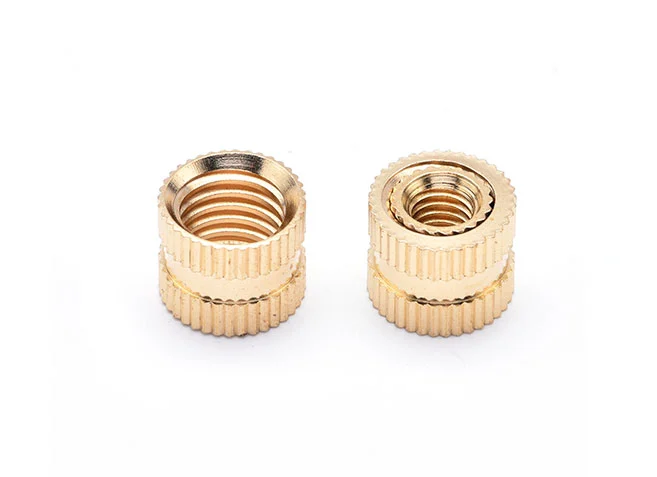
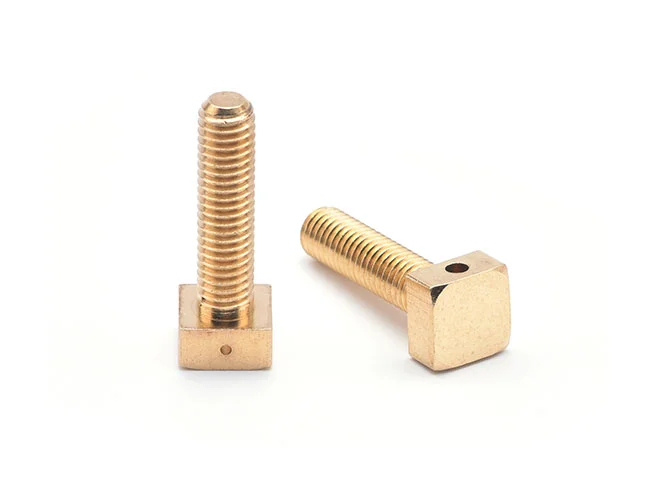
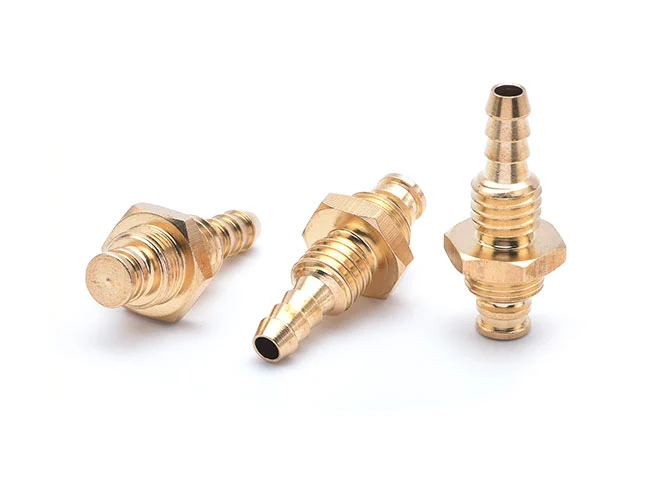
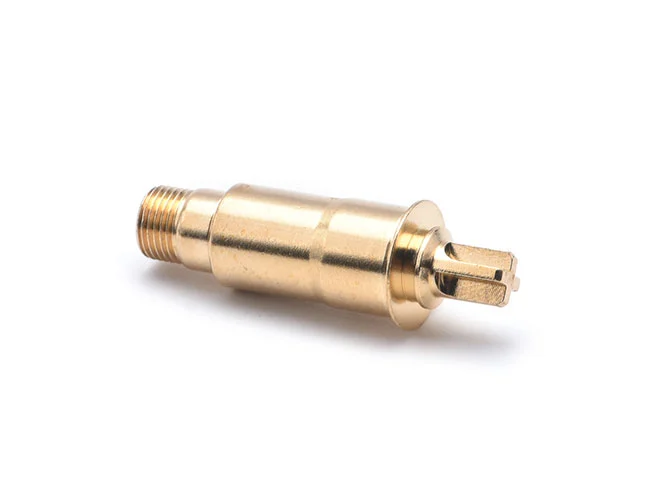
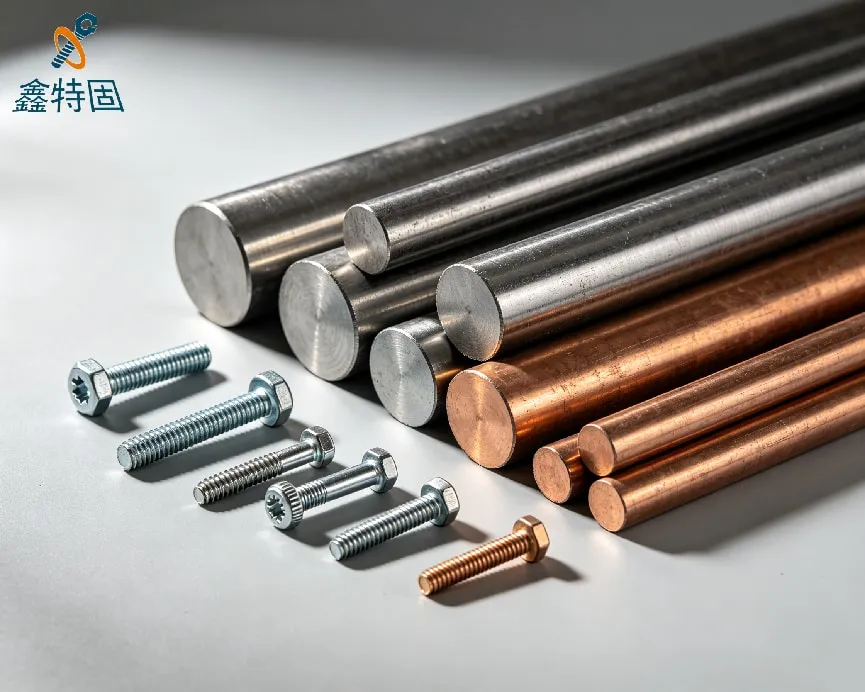
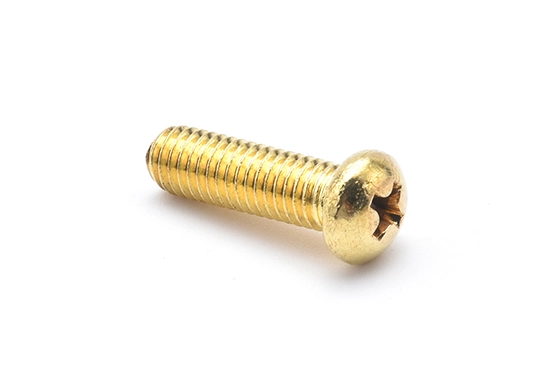
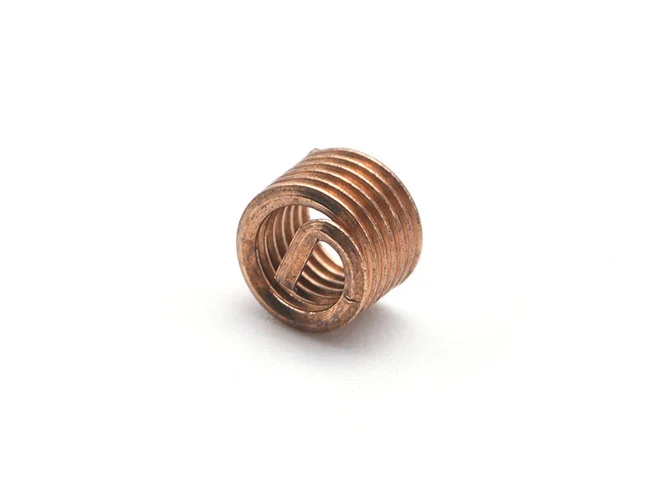
Copper‑alloy screws commonly include brass and red copper types. Brass screws feature good ductility, excellent electrical and thermal conductivity, and strong rust resistance, alongside superior machinability. They are ideal for manufacturing conductive connecting parts. The commonly‑seen middle‑shaped copper‑component screws fall into the category of copper‑alloy fasteners.Copper is relatively soft with low mechanical strength, so it is not suitable for heavy‑load stress‑bearing positions. Its advantages lie in electrical conductivity, non‑magnetic properties and corrosion resistance, and it is widely used in electrical control cabinets, terminal blocks and instrument equipment.Copper screws feature an attractive appearance and strong oxidation resistance; however, their material cost is relatively high.
Aluminum‑alloy screws feature light weight and low density, offering prominent weight‑reduction advantages. They have moderate strength and decent rust resistance, and are widely used in lightweight equipment, drones, and new‑energy housing components.The disadvantages are low hardness, prone to thread stripping, and it is not suitable for repeated disassembly‑assembly and high‑load scenarios.
In addition to the commonly‑used materials mentioned above, special alloys are adopted for extreme working conditions. For instance, superalloys are used for screws in high‑temperature furnace equipment. Titanium alloys feature light weight, high strength and outstanding corrosion resistance, and are widely applied in aerospace. However, they come at a high cost and are rarely used on a large scale in civil sectors.
Selecting screw materials is by no means a matter of choosing the highest‑strength option; the key is to match the actual working conditions. First, check the load conditions: low‑carbon steel is sufficient for static light‑load scenarios; grade‑eight‑point‑eight medium‑carbon steel is preferred for medium‑load and vibration‑prone working conditions; and grade‑ten‑point‑nine and Grade twelve‑point‑nine alloy steel shall be adopted for heavy‑load and impact‑bearing applications.Next, consider the corrosion environment: for indoor, dry environments, carbon steel with electroplating is sufficient; for humid outdoor environments, QPQ-treated carbon steel or three hundred and four stainless steel can be selected; for coastal environments with salt spray or chemical exposure, three hundred and sixteen stainless steel is the preferred choice.
Temperature conditions should also be taken into account. Avoid ordinary carbon steel in high‑temperature environments and select alloy steel or high‑temperature alloys instead. For low‑temperature environments, attention shall be paid to the low‑temperature toughness of materials to prevent low‑temperature brittle fracture While taking cost factors into consideration, stainless steel and alloy materials deliver excellent performance yet come with multiplied costs. On the premise of meeting application requirements, strike a reasonable balance between performance and cost.Beyond materials, surface treatment provides secondary enhancement to screw performance. For the same steel material, different surface treatments result in vastly different anti‑rust and wear‑resistance performance Electro‑galvanizing features low cost and average rust‑proof performance; dacromet delivers superior anti‑corrosion capability; QPQ treatment combines wear resistance, corrosion resistance and fatigue resistance; stainless steel relies on its own material properties for corrosion resistance.Many purchasers tend to fall into a misconception: they only focus on the specifications and dimensions of screws while ignoring material grades. This leads to mass‑scale rusting and fracture failures after product delivery, resulting in after‑sales losses.
The quality of fasteners is fundamentally rooted in their raw materials.Reliable fastener manufacturers will strictly control incoming‑material inspection, verify steel grades, monitor the metallographic and mechanical properties of steel, and recommend suitable materials and surface treatment solutions based on customers' application scenarios.From raw material selection, cold heading forming, heat treatment, surface treatment to finished‑product inspection, every link restricts one another.Small as screws are, materials are fundamental. Only by thoroughly understanding the advantages and disadvantages of various screw materials and precisely matching them with working conditions can every fastener deliver its value and safeguard the safe and stable operation of the entire set of equipment.
Website: www.szxintegu.com
Email:sz@szxintegu.com