In engineering and manufacturing scenarios such as steel structure supporting systems, sheet metal assembly, outdoor equipment, and mechanical/electrical enclosures, the selection of fasteners often directly impacts the service life of the finished product, its surface flatness, and construction efficiency.
Many projects involving thin metal sheet connections require no pre-drilling, one-time tightening, alongside multiple demands such as flush surfaces, high-torque fastening, and long-term rust prevention. The 304 stainless steel flat-head hexagon socket self-drilling screw is a dedicated fastener developed for such combined requirements. It integrates a countersunk head structure, hexagon socket drive, 304 austenitic stainless steel substrate, and self-drilling self-tapping drill-tail design, balancing mechanical performance, corrosion resistance and installation aesthetics, making it the preferred solution for a growing number of engineering contractors, equipment manufacturers and sheet metal processing enterprises..
Product Structure Analysis: Four Core Design Elements for Synergistic Efficiency Enhancement
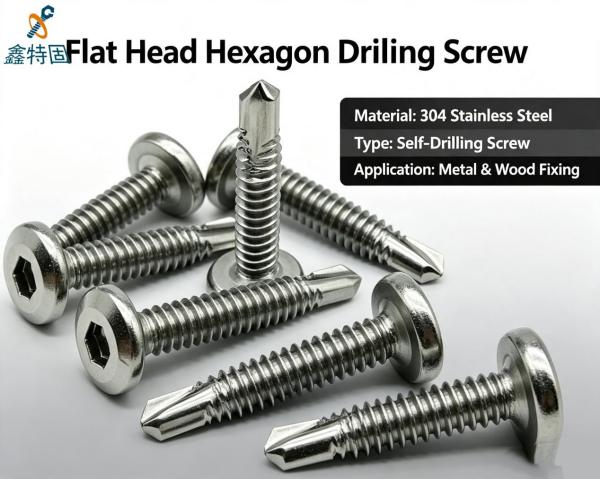
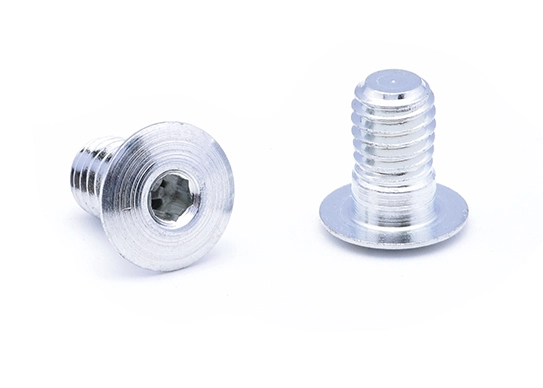
The 304 stainless steel flat-head internal hex drill tail screw is commonly referred to in the industry as a countersunk internal hex self-drilling screw; its overall structure can be divided into four major structural units: the flat-head countersunk section, the internal hex drive hole, the full thread section, and the drill tail cutting end. Each of these structural components corresponds to specific engineering requirements, rather than representing a mere superposition of structural elements.
Flat-head (flush-head) screws feature a standard conical inclined surface design; once installed correctly, the screw head can fully seat within the sheet metal's countersink hole, remaining flush with the workpiece surface and preventing any protrusion interference. This characteristic provides a clear distinction from flange-head and externally hexed drill tail screws: flange-head and disc-head screws will protrude above the sheet metal surface after installation, which may cause abrasions to personnel or interfere with the assembly of other components, and is also unfavorable for subsequent processes such as powder coating or cladding; in contrast, flat-head internally hexed drill tail screws achieve a perfectly flat surface after tightening, making them ideal for applications where high precision in flatness is required, such as in sheet metal enclosures, decorative panels, precision racks, and exposed surfaces of aluminum alloy profiles.
The head features an integrated internal hex drive hole, offering a significant torque advantage over traditional cross-slot designs. Cross-slots are highly prone to slot slippage or slot fracture during high-torque locking; particularly when using stainless steel—which has relatively high hardness—such components are susceptible to failure after repeated disassembly and assembly. In contrast, the internal hex structure distributes loads evenly and ensures optimal tool-screw engagement, enabling it to withstand higher locking torque levels. This makes it ideal for automated fastening equipment and applications involving high-torque electric tools, as well as facilitating subsequent maintenance and disassembly; it is particularly suitable for equipment components that require frequent disassembly and reassembly.
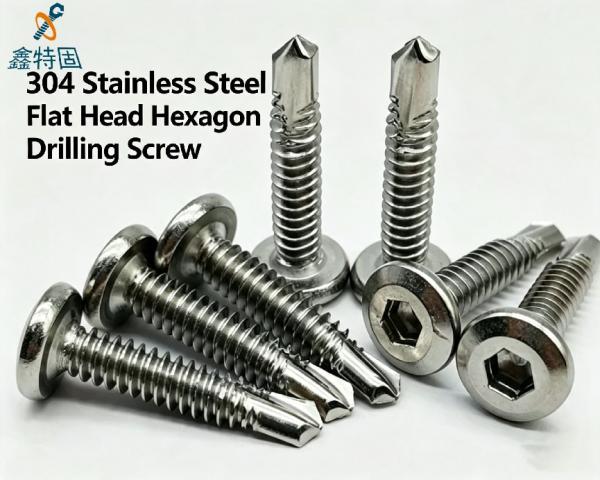
The rod body features specialized threads designed for self-drilling processes; the thread profile has been optimized. After the cutting of the plate is completed at the drilling end, the threads can simultaneously be formed within the substrate to create effective mating threads—ensuring a tight fit that resists loosening, while offering superior anti-loosening performance compared to conventional self-tapping screws under vibration conditions.
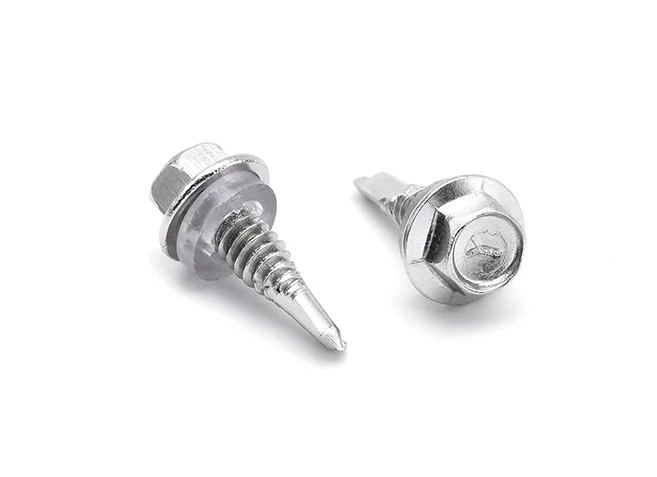
Its most distinctive feature is the drill-point cutting structure at the tail, which is also the key difference between self-drilling screws and ordinary self-tapping screws. The micro cutting edge can directly drill and cut thin metal sheets without pre-drilling pilot holes or secondary tapping. It completes drilling, tapping and tightening in a single operation, greatly simplifying the sheet metal assembly process and reducing on-site tools, working steps and labor hours. It is especially suitable for scattered on-site construction and mass sheet metal assembly on production lines.
Performance advantages of 304 stainless steel: inherent passivation and long-term rust prevention.
This product utilizes a stainless steel base material made of Grade 304 austenitic stainless steel, with a chromium content of approximately 18% and a nickel content of approximately 8%. The material's inherent alloy composition enables it to form a dense passivation oxide film, providing corrosion resistance—a mechanism that differs entirely from the anti-corrosion logic employed in conventional carbon steel galvanized drill tail screws. Carbon steel drill tail screws rely on surface galvanizing or color-coated zinc plating for rust prevention; however, if the coating is compressed or scratched during assembly, the underlying substrate becomes directly exposed, leading to rapid corrosion and the leakage of corrosive water that may contaminate the sheet metal. In contrast, the passivation film formed on Grade 304 stainless steel exhibits self-healing properties: even after minor damage, it can regenerate a protective film in an oxygen-rich environment, effectively resisting corrosion from atmospheric conditions, fresh water, indoor humid environments, and mild salt spray, making it ideal for equipment and components intended for long-term outdoor exposure.
From a mechanical perspective, 304 stainless steel exhibits excellent toughness and tensile strength, is resistant to brittle fracture, and is well-suited for connecting various metal sheets, such as aluminum profiles, galvanized steel plates, and stainless steel thin sheets. It is essential to clearly define the application scenarios: 304 stainless steel is suitable for inland environments, ordinary humid conditions, and conventional indoor/outdoor environments; however, in coastal areas with high salt spray or chemical acid/alkali environments, it is recommended to upgrade to 316 stainless steel to prevent pitting corrosion caused by long-term chloride ion attack. Proper material selection can help control lifecycle costs and avoid subsequent maintenance and rework.
Many purchasers often confuse 410 stainless steel drill bits with 304 stainless steel drill bits: 410 is a martensitic stainless steel that can be quenched to increase its drilling hardness and provide strong drilling performance; however, it has a low nickel content and weaker rust resistance, making it suitable primarily for indoor dry operating conditions; in contrast, 304 austenitic stainless steel offers outstanding rust-resistant advantages, but its base material hardness is relatively low. When working with ultra-thick or high-hardness steel plates, it is essential to match the appropriate rotational speed and pressure to prevent wear of the drill tip. Before selecting the appropriate drill bit, verifying the plate thickness and material is a prerequisite for ensuring a successful assembly process.
Core application scenarios: addressing real-world fastening pain points across various industries
1. Sheet metal electrical and mechanical components and equipment casing assembly
For industrial control computer enclosures, communication equipment housings, new energy supporting sheet metal components, and medical device metal shields, many housings require a flat appearance and must not have screw protrusions; furthermore, since the equipment operates under continuous vibration, high requirements are placed on fastening reliability and maintainability. The flush-mount design ensures a smooth exterior finish, while the hex socket with high torque provides effective vibration resistance against loosening. The use of 304 stainless steel prevents rust formation or contamination of the housing during long-term storage in humid environments, making it a common choice for such precision sheet metal projects.
2. Architectural decoration, curtain wall integration, and light-gauge steel engineering
Aluminum single-panel decoration, indoor metal partitions, light-gauge steel frames, and small-scale steel structural enclosure components—these are primarily assembled on-site using thin panels. The use of these drill-through screws eliminates the need for pre-drilling procedures, thereby enhancing the efficiency of the installation team; their countersunk flush finish ensures an aesthetically pleasing decorative surface, reduces the subsequent workload associated with sanding and repair, and lowers the risk of rust contamination on the finished surface.
3. Outdoor facilities, guardrails, photovoltaic auxiliary brackets
For interior regions, outdoor metal railings, signage advertising brackets, and small-scale photovoltaic auxiliary sheet metal connectors—which are exposed to continuous sun exposure and rain wash—are designed with 304 stainless steel material; this choice can significantly extend the service life of the components and reduce subsequent maintenance costs associated with rust removal and fastener replacement.
4. Supporting components for furniture, rail transit interiors, construction machinery protective panels, etc.
For metal-framed furniture, vehicle interior sheet metal components, and equipment protective panels—where a flat surface is required while still accommodating disassembly, assembly, and maintenance—flat-head internal hex drill tail screws can replace traditional countersunk self-tapping screws, eliminating the need for pre-drilling and thereby enhancing mass production efficiency.
It is also necessary to clarify the scope of application: the standard 304 stainless steel flat head hexagon self-drilling screw is mainly suitable for thin metal sheets, such as galvanized sheets, cold-rolled sheets, aluminum sheets, thin stainless steel sheets, etc. It is not suitable for solid thick steel plates or thick high-hardness alloy plates. For connections of such heavy-load thick plates, solutions including high-strength bolts, pre-drilling combined with threaded sleeves and so on shall be adopted to prevent failure of self-drilling cutting and unstable fastening.
Key practical considerations for component selection and installation to mitigate assembly failure risks
First, confirm the thickness and material of the base material. Self-drilling screws have a matching plate thickness range. Excessively thick plates will burn the drill tip and prevent penetration; overly thin plates are prone to excessive tapping and plate deformation. Operating parameters differ for aluminum plates, galvanized mild steel sheets and thin stainless steel sheets. When machining stainless steel plates, it is recommended to control the tool speed to prevent high temperatures from shortening the service life of the drill tip.
Second, the coordination of counterbore machining: to achieve a perfect flush finish, it is advisable to prioritize the use of pre-made counterbores with appropriate angles; if mounting directly on a flat surface is used, a conical counterbore may compress the sheet metal, resulting in a depression—while this allows for a certain degree of downward settlement, the resulting flatness and load-bearing performance will not match those achieved with pre-made counterbores. For projects with stringent aesthetic requirements, it is recommended to plan the counterbore machining process in advance.
Third, tool and torque control. For hex drive applications, it is recommended to use standard specification hex socket heads to ensure full engagement; the use of worn or deformed socket heads is strictly prohibited to prevent slippage and damage to the driving hole; for automated production lines, it is advisable to configure a torque limit: insufficient torque may lead to false locking or subsequent loosening, whereas excessive torque can easily cause thread stripping or deformation of the workpiece.
Fourth, distinguish anti-corrosion requirements. In highly corrosive environments such as coastal, chemical and hot spring areas, 304 stainless steel shall not be used as a substitute for 316. This prevents pitting corrosion after a period of service that leads to failure of the overall component. It is more prudent to conduct a salt spray test for evaluation in advance.
Fastener selection is never merely about unit price; it is a systematic project that comprehensively accounts for assembly man-hours, rework rates, anti-corrosion service life and maintenance costs. Many projects opt for ordinary carbon steel self-drilling screws in the early stage to cut costs, only to suffer widespread rusting within just one or two years. The combined costs of removal, replacement and panel repair in the later phase far exceed the investment in 304 stainless steel fasteners from the outset. For such scenarios, adopting a long-lasting and reliable fastening solution upfront delivers better cost-effectiveness instead.
XinTegu is a reliable, professional, and trustworthy fastener supplier offering comprehensive one-stop solutions. During the fastener selection phase for various projects—including sheet metal work, steel structures, electromechanical equipment, and new energy supporting systems—XinTegu can assist clients by integrating factors such as base material, operating environment, load requirements, aesthetic specifications, and batch delivery timelines to facilitate material comparisons, specification selection, and sample testing—rather than merely selling standard screws. For requirements involving non-standard thicknesses, specialized corrosion protection needs, or customized specifications for automated production lines, XinTegu can leverage its mature supply chain and technical expertise to provide tailored solutions, helping clients reduce trial-and-error in selection processes, stabilize delivery cycles, and ensure the overall assembly quality of their projects.
Summary
The 304 stainless steel flat-head internal hex drill tail screw integrates four key advantages: flush-head appearance, high-torque internal hex drive, long-term rust resistance in 304 stainless steel, and self-drilling/self-tapping capability for efficient assembly. It precisely addresses the complex requirements of thin-plate metal connections—where "quick installation, flat surface, rust prevention, and easy maintenance" must all be achieved simultaneously. While this screw is not a universal fastener with broad applicability across all scenarios, it represents a proven solution for mainstream thin-plate fastening applications—including electromechanical sheet metal work, decorative curtain walls, outdoor lightweight steel structures, and equipment enclosures—where efficiency, aesthetic appeal, and durability are all critical factors.
Although fasteners may be considered small components, they directly determine the long-term stability of entire equipment systems and engineering structures; selecting the appropriate fastener can reduce rework risks, extend product lifespan, and simplify on-site installation. If you are evaluating embedded self-drilling fastening solutions for projects in sheet metal fabrication, electromechanical systems, steel structures, or decorative engineering—whether you wish to assess whether 304 stainless steel flat-head internal hex drill tail screws are compatible with your substrate, load requirements, and corrosion protection needs, or if you require sample testing, specification customization, bulk quotation services, or a comprehensive fastening solution package—we welcome you to contact us for further information or tailored solutions.
Website: www.szxintegu.com
Email:sz@szxintegu.com
 English
  日本語
日本語  한국어
한국어  français
  Deutsch
  Español
  italiano
  русский
  português
  العربية



 New Type Switchgear
 Anti-loose Easy Disassembly Nut Pillar (New Furniture Connector)
 Furniture Simple Assembly and Disassembly Connector
 Micro Vibration Absorber
 Micro Screws
 Big Head Screws
 Construction Screws
 CNC Lathe Machining Parts
 Cold Forged and Undergo Secondary Processing Products
 Multi Station Cold Heading Screws
 Step Screw
 Automatic Lathe Machining Parts
 High Difficulty Challenge Cold Heading Fasteners
 New Tech Fasteners
 Machine Screws
 Socket Cap Screws
 Hexagon Socket Set Screws
 Pull Out Rivet
 Self Tapping Screws
 Hex Bolts
 Self Drilling Screws
 Eye Bolts
 U-bolts
 Threaded Sheath
 Hex Nut
 Hex Long Nut
 Pull Rivet Nut
 Square Nuts
 Combination Screws
 Pin
Pin
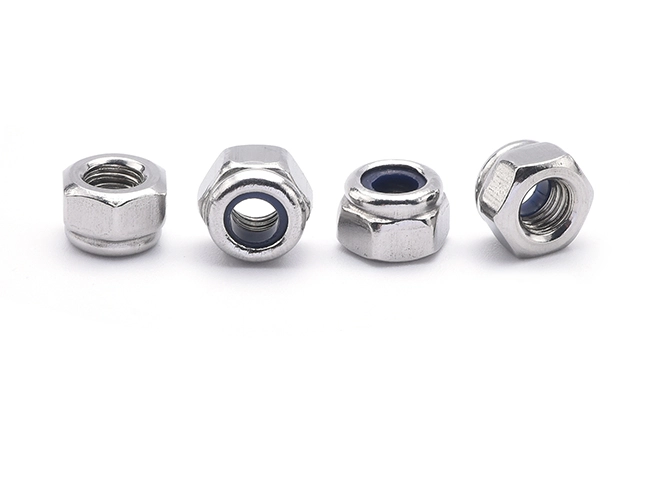 Nylon Locking Nuts
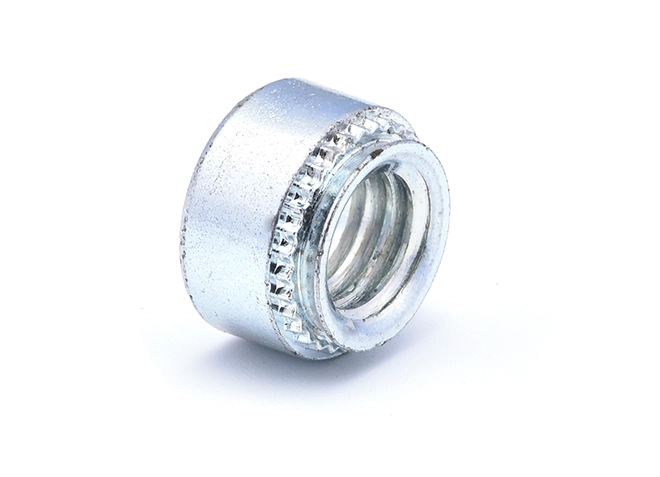 Pressure Rivet Nuts
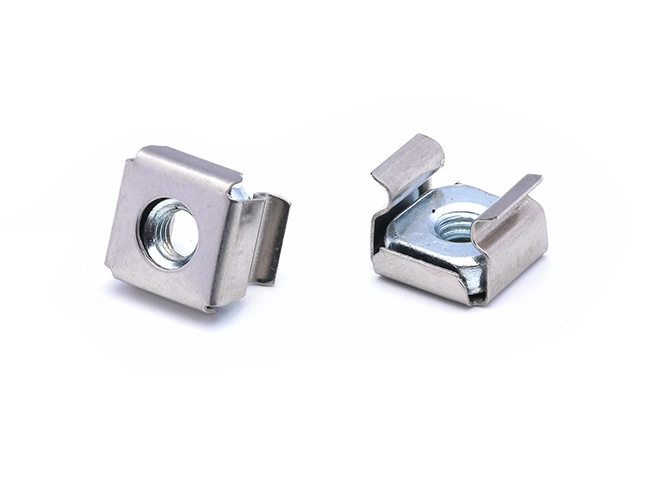 Cage Nut
 Welding Screws
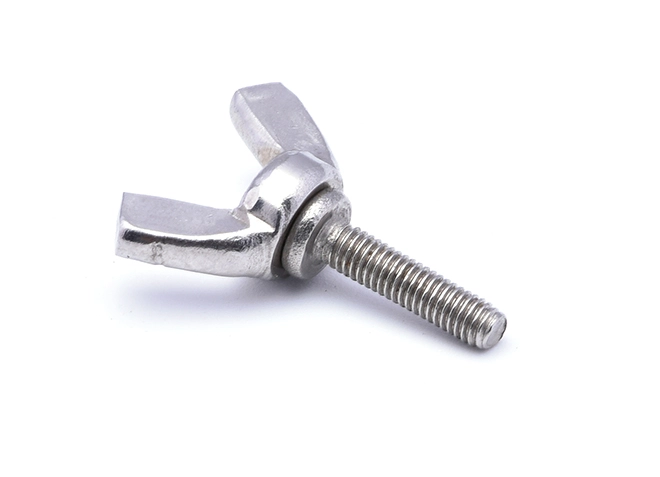 Butterfly Screw
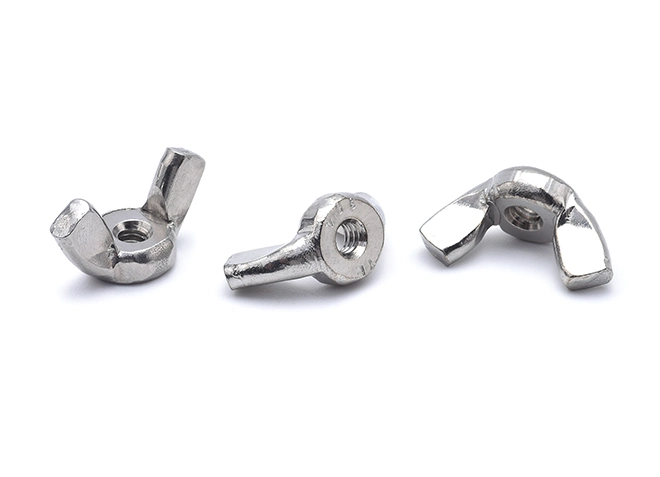 American Standard Butterfly Nut
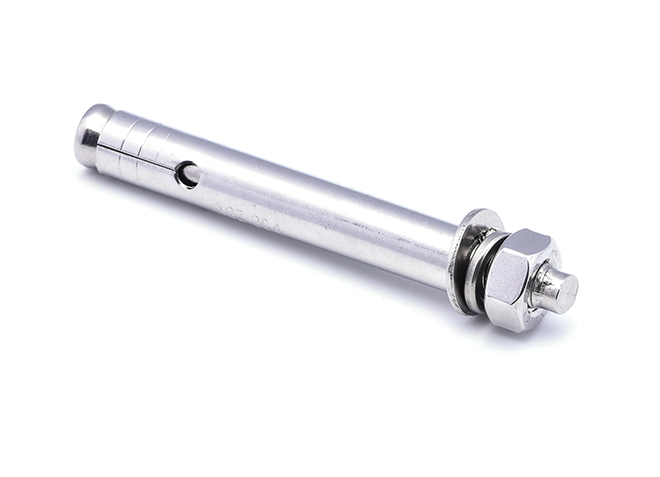 Expansion Screw
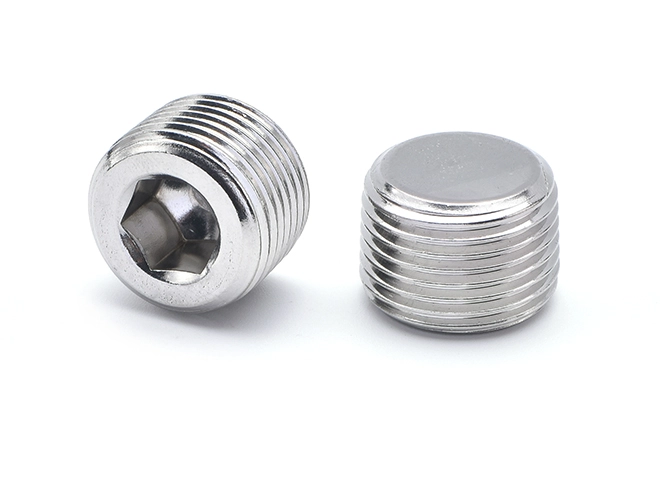 Plug Screw
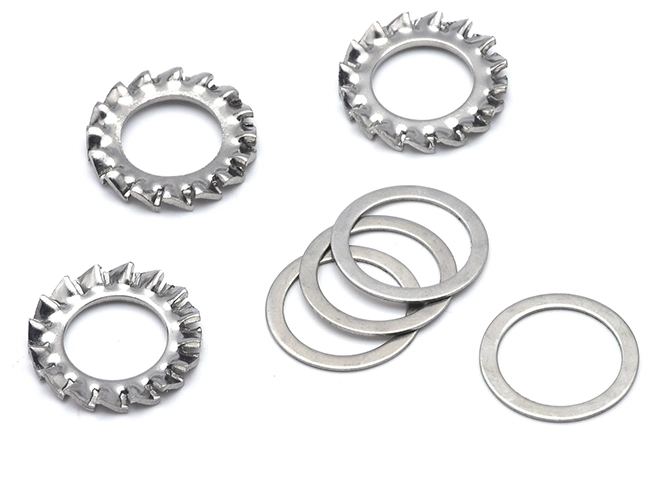 Stainless Steel Washer
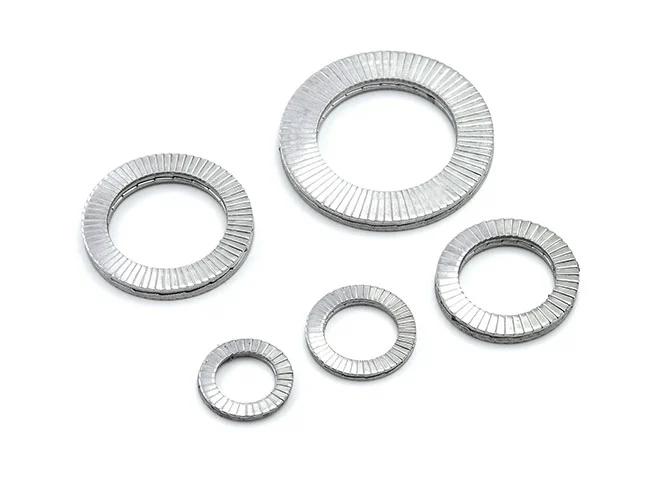 Double Overlap Anti-Loosening Washers
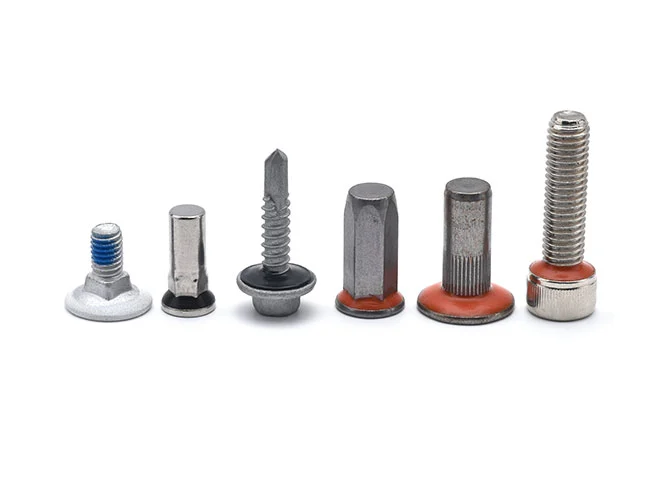 Waterproof and Anti-Drop Screws
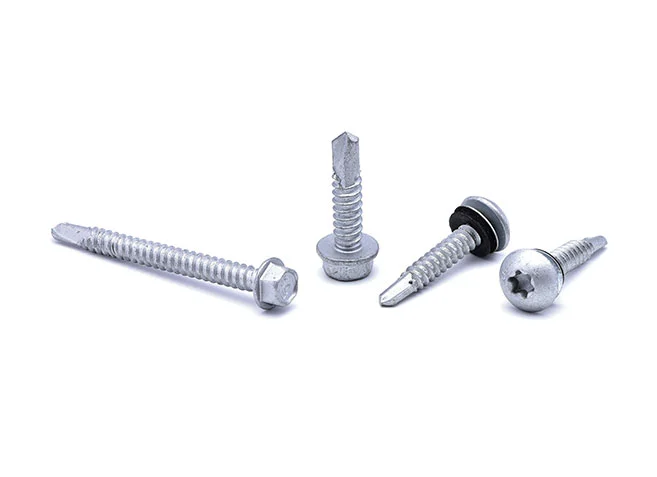 Super Corrosion-Resistant Screws
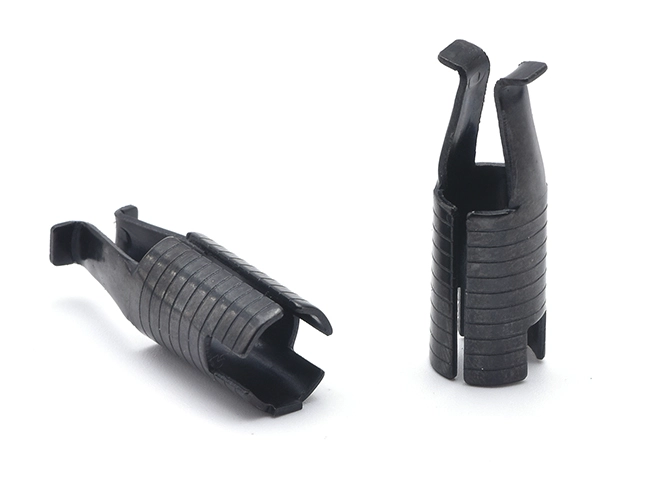 65Mn Material Furniture Connector
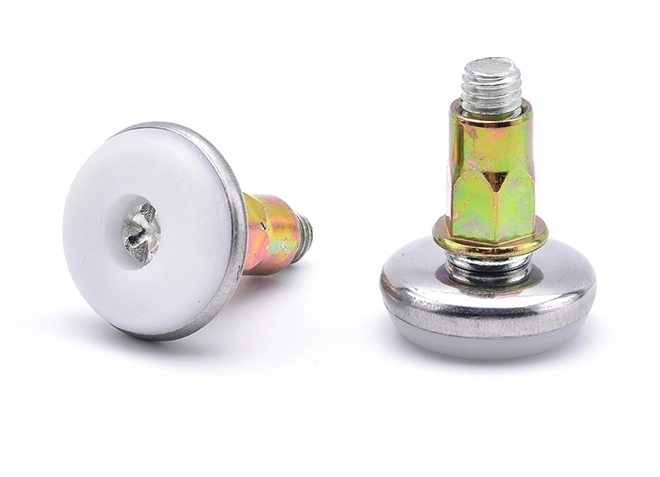 Counter Table Base
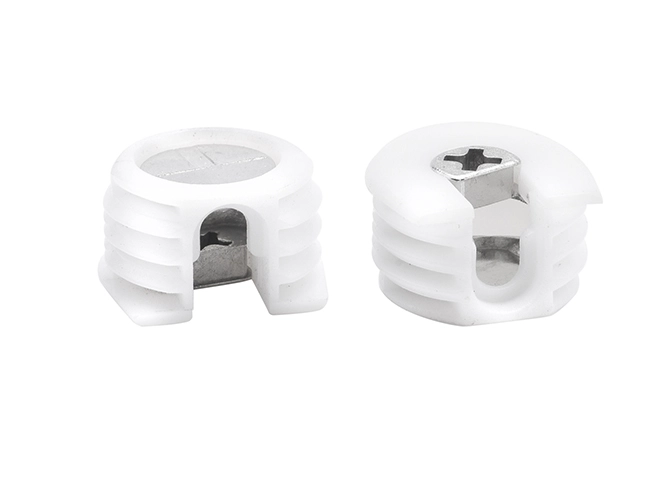 Furniture Connector Nut with Plastic Sleeve
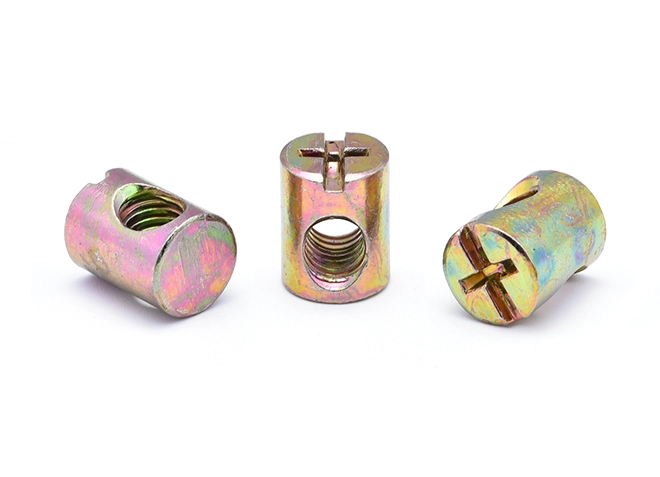 Furniture Horizontal Hole Nut
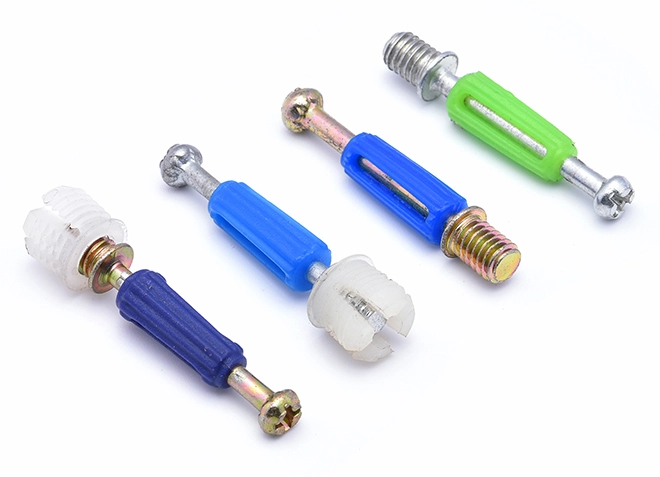 Furniture Connecting Screw
 Furniture Connecting Nut Seat
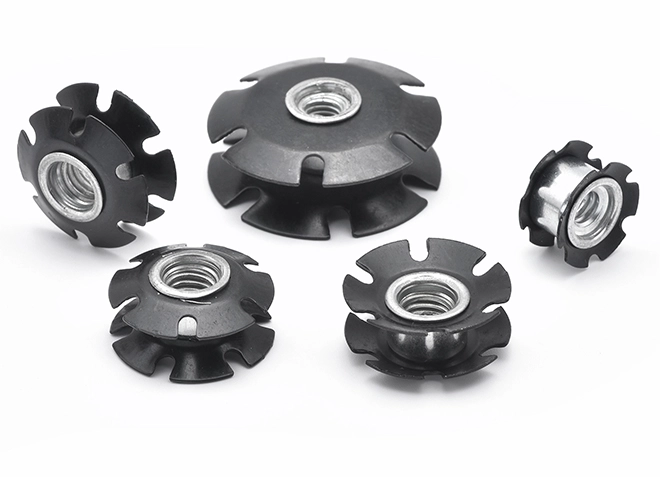 Double Stack Wheels Used On Furniture
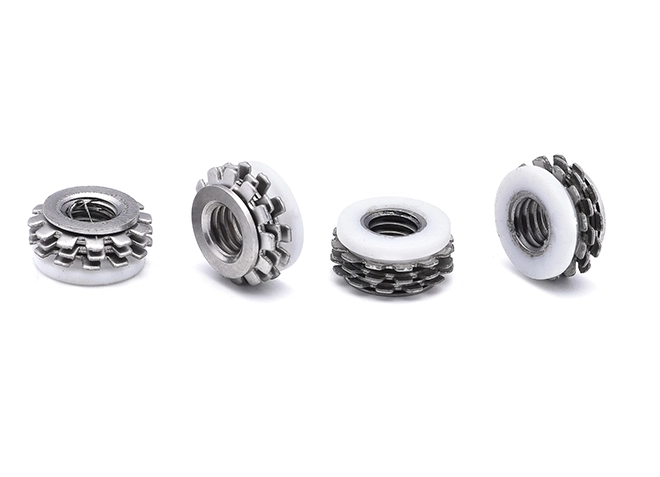 Components Used On Furniture
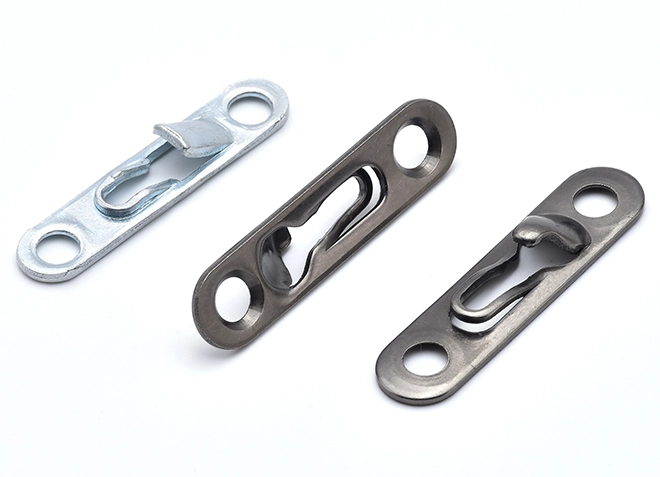 Connection Buckle
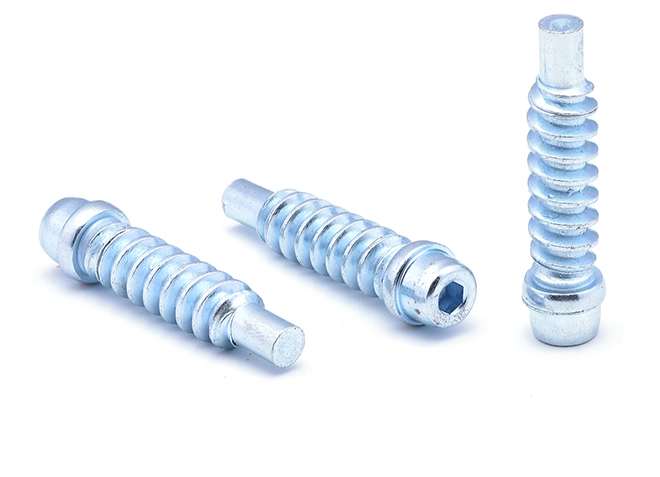 Internal Hexagonal Spiral Screw
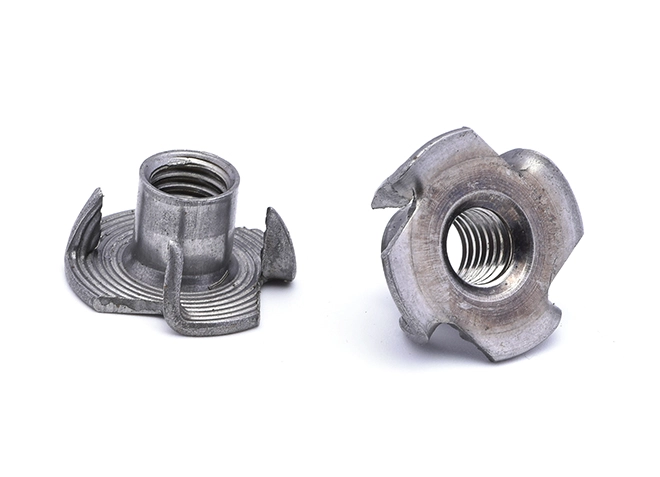 Iron Colored Carbon Steel Four Claw Nut
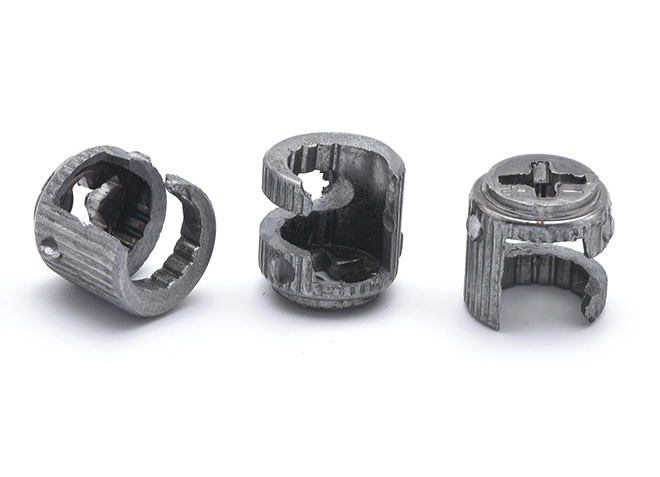 Iron Furniture Three Combination Nut Seat
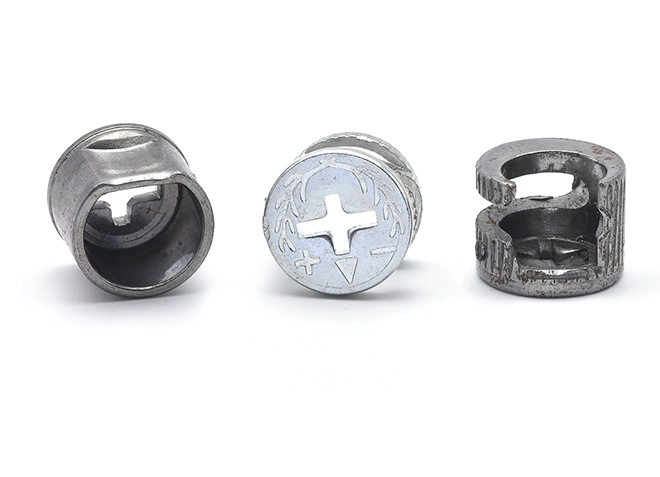 Iron and Zinc Alloy Furniture Three Combination Nut Seat
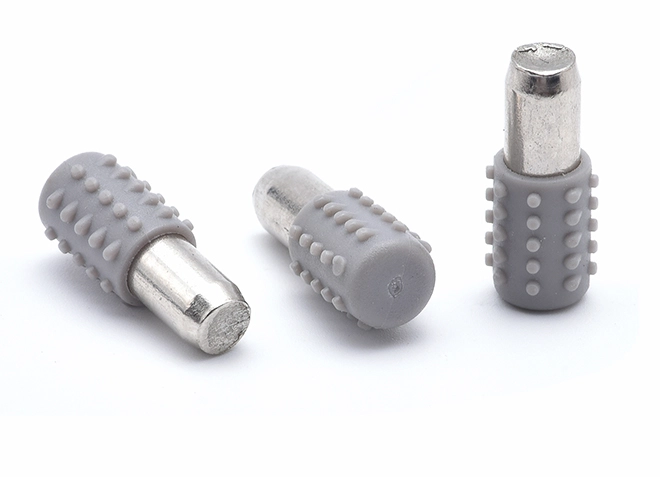 Dowel Pin+ Gray Elephant Rubber Sleeve
 Dowel Pin+ Transparent Elephant Rubber Sleeve
 Injection Molded Furniture Foot Pad Screw