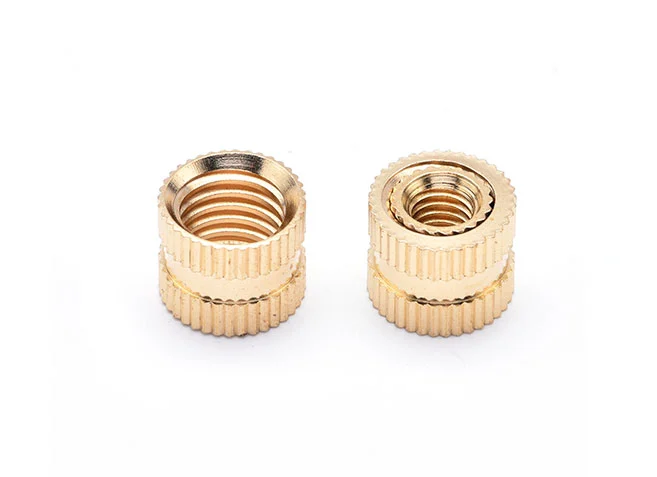
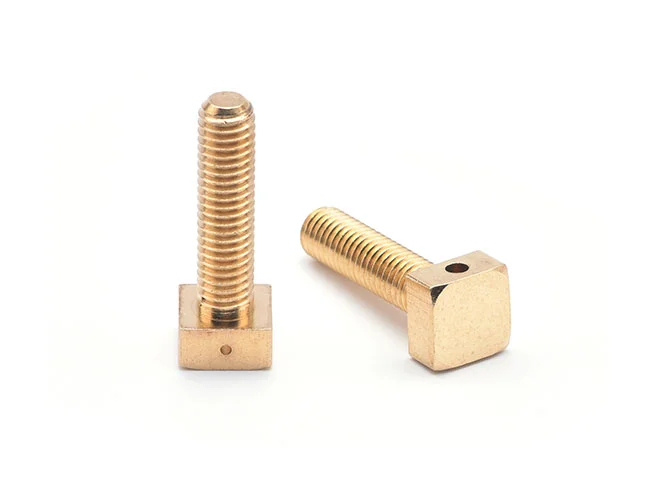
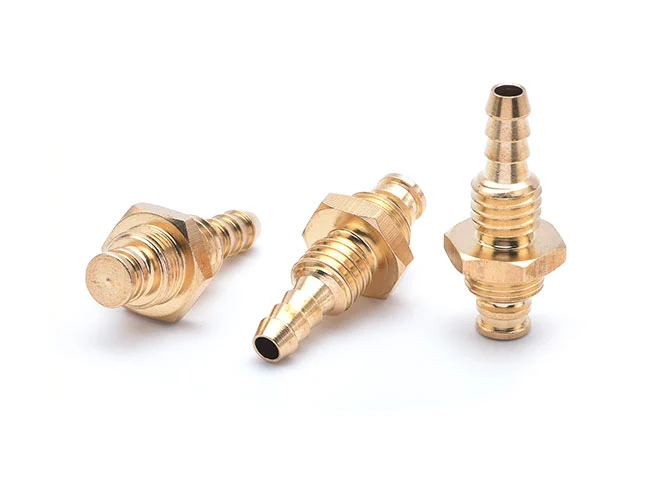
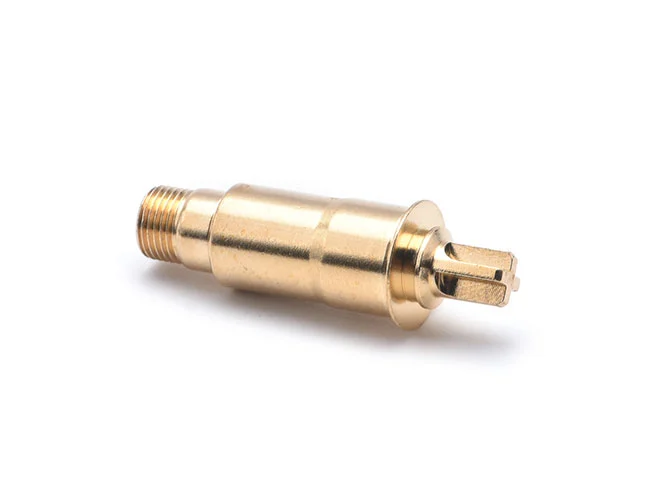
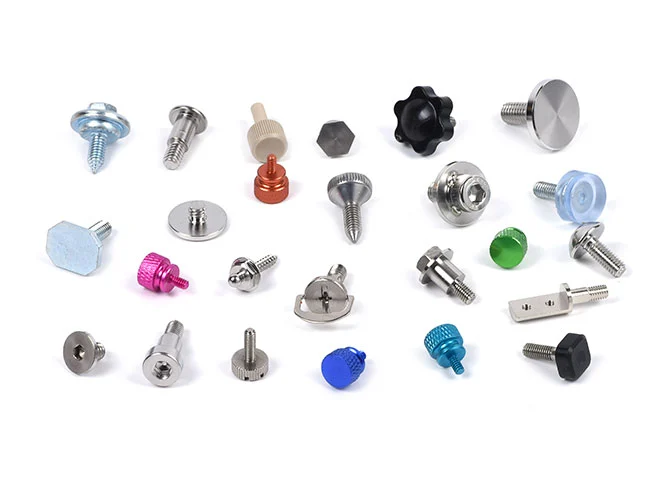
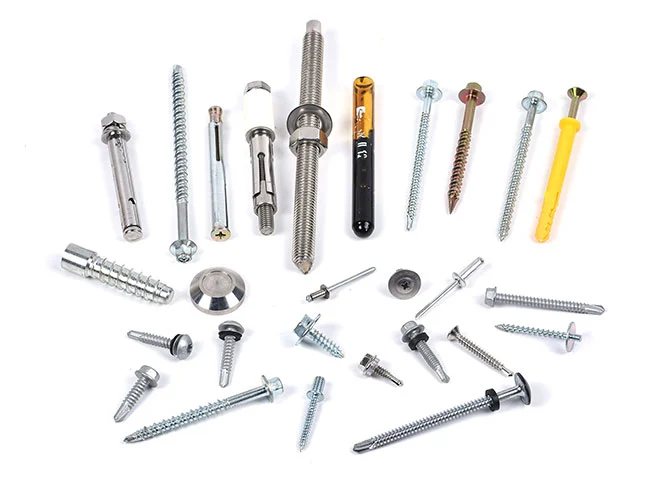
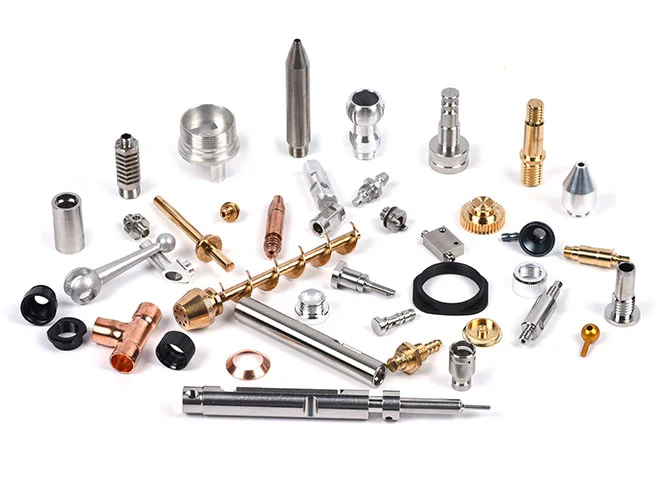
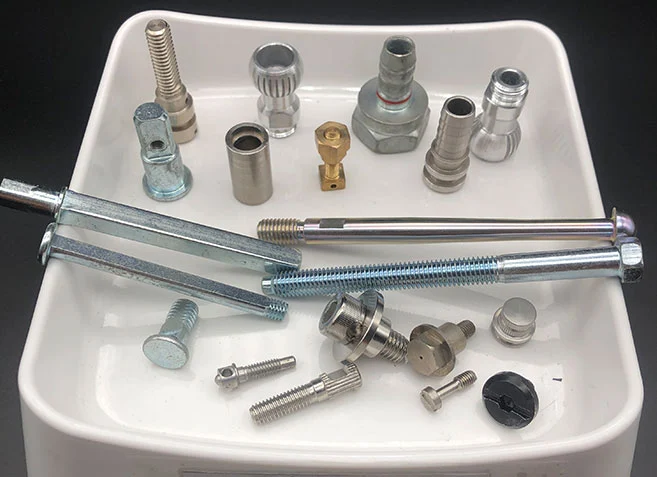
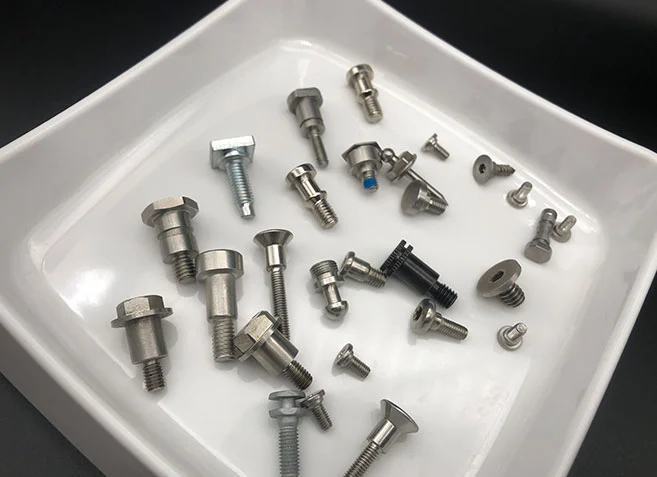
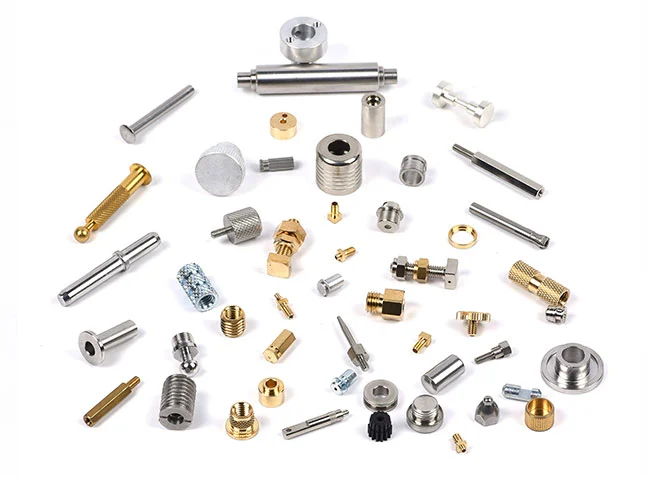
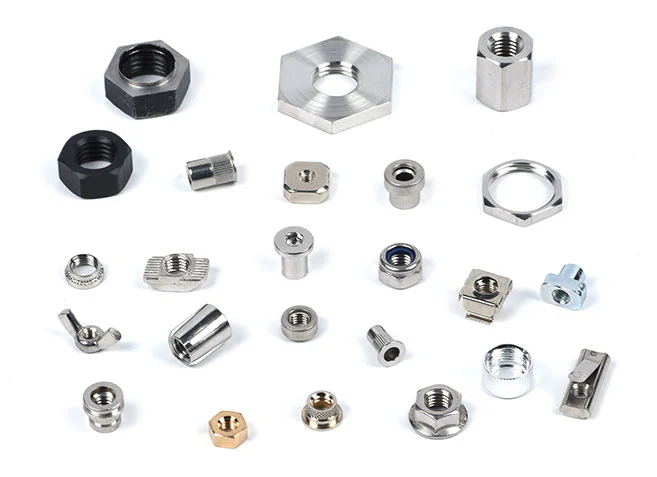
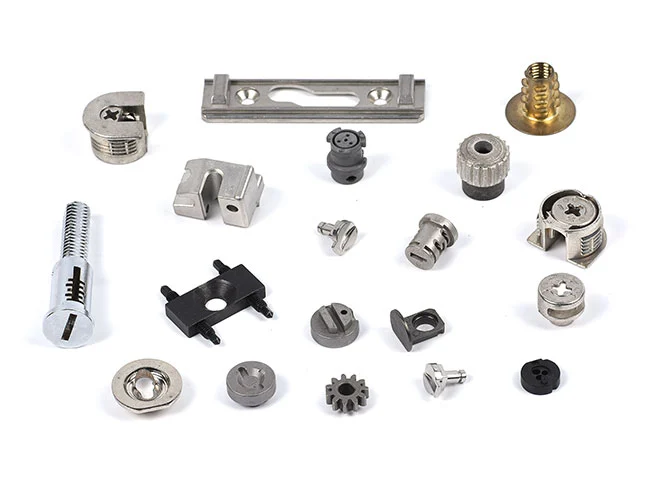
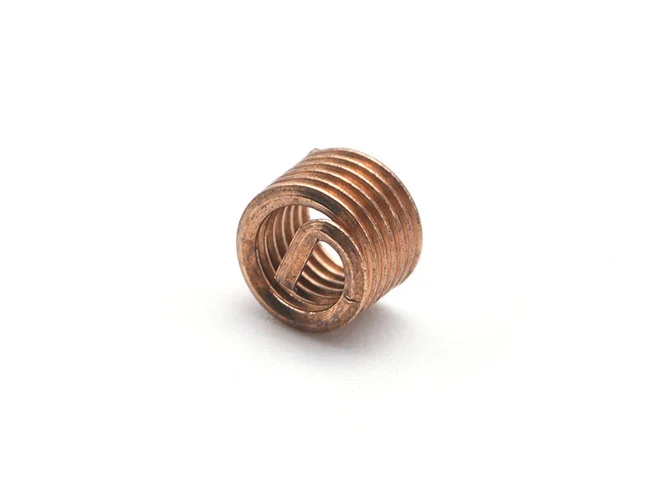
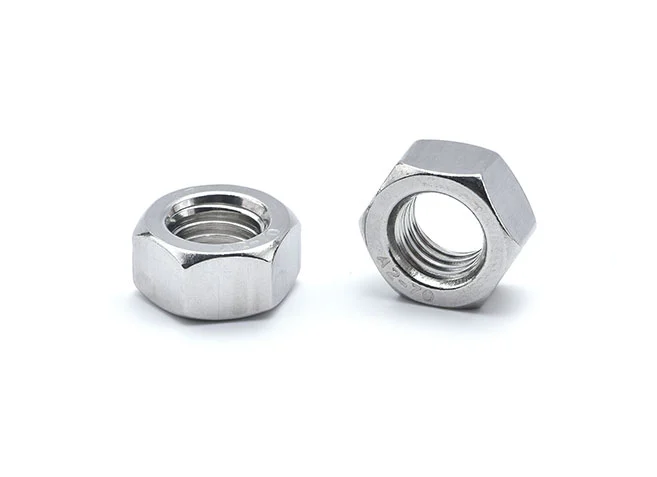
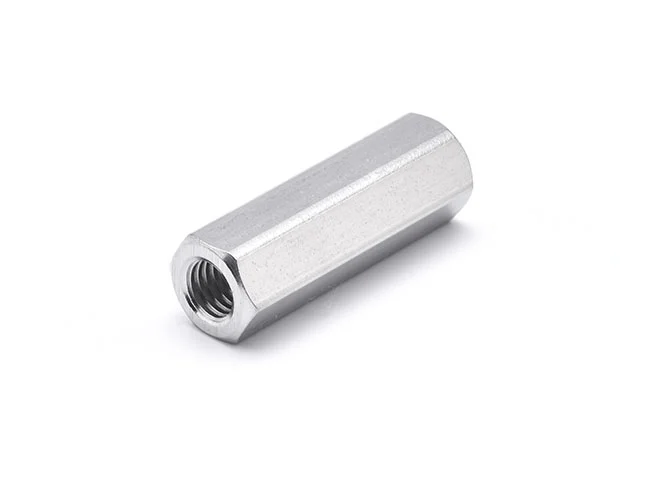
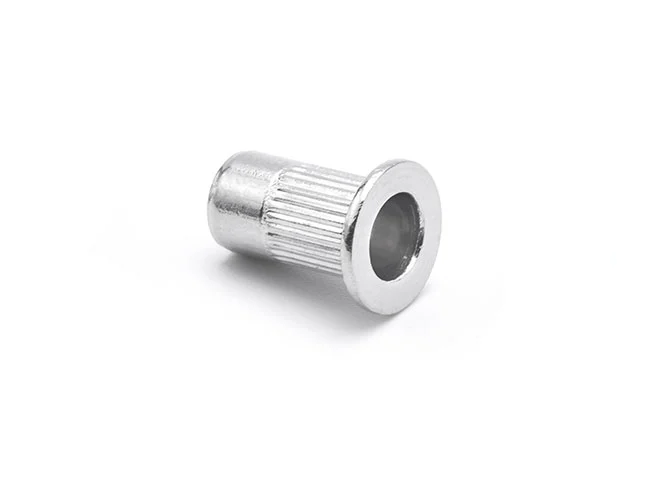
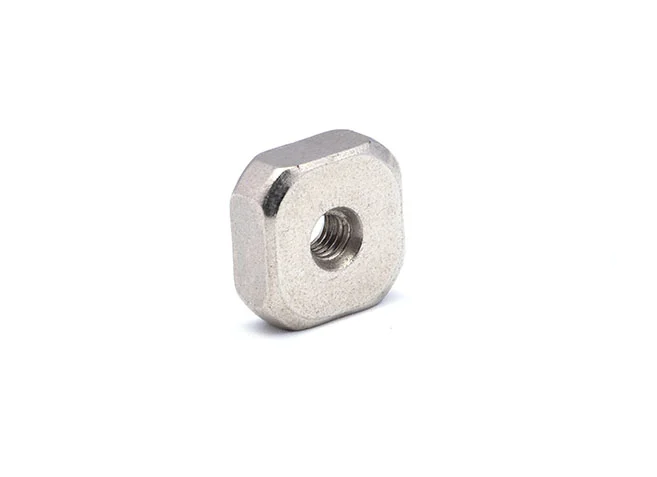
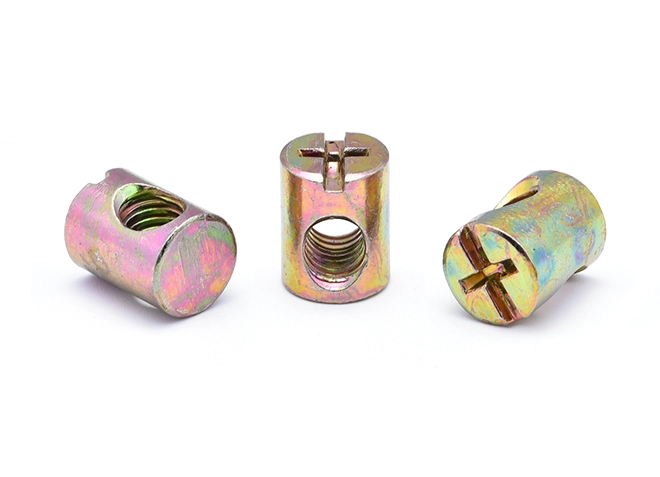
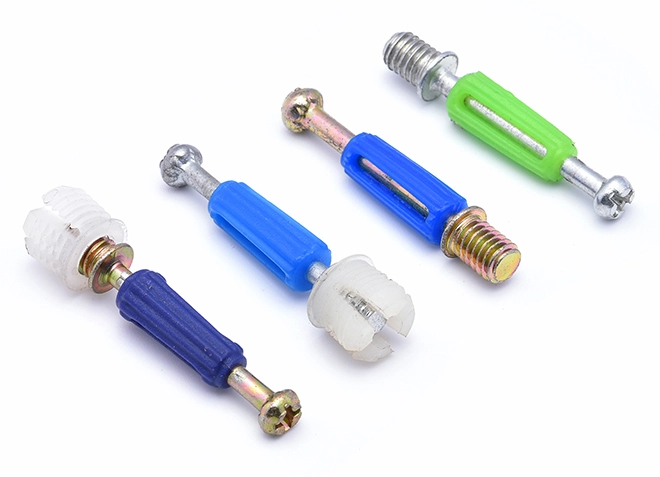
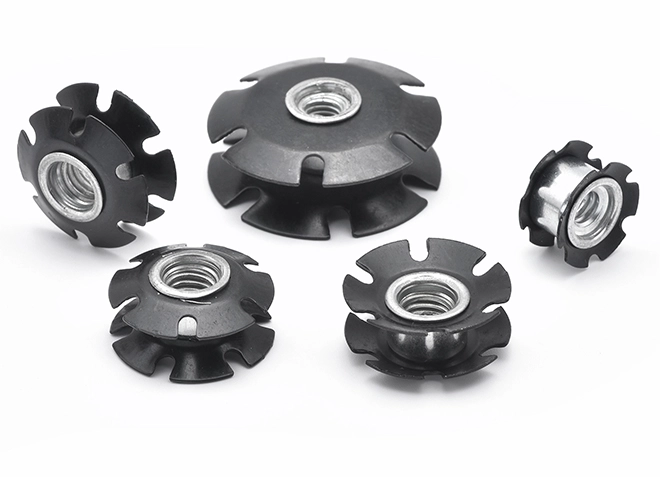
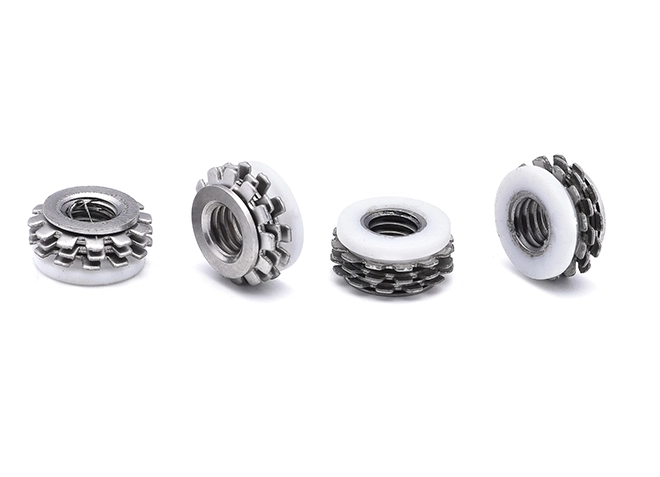
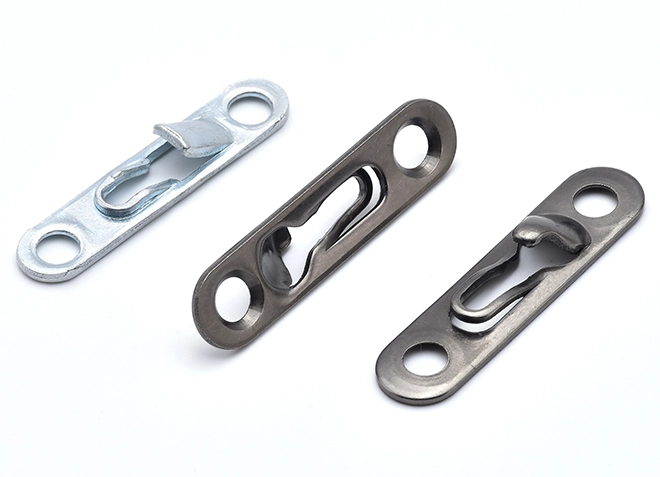
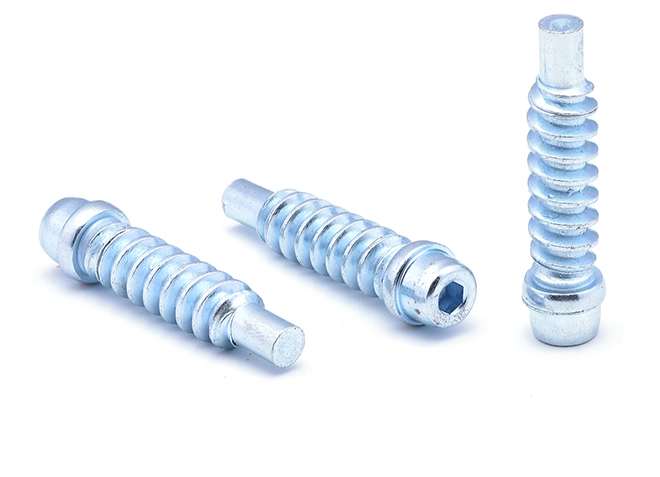
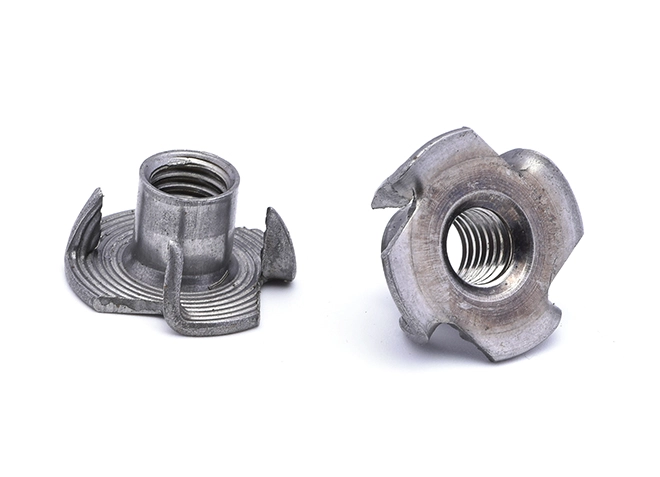
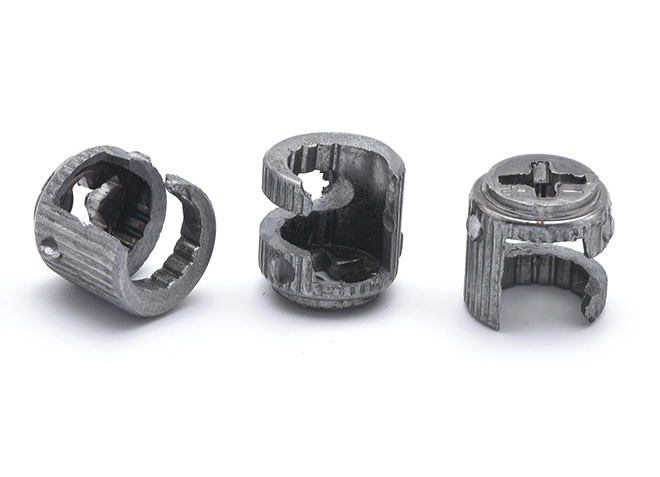
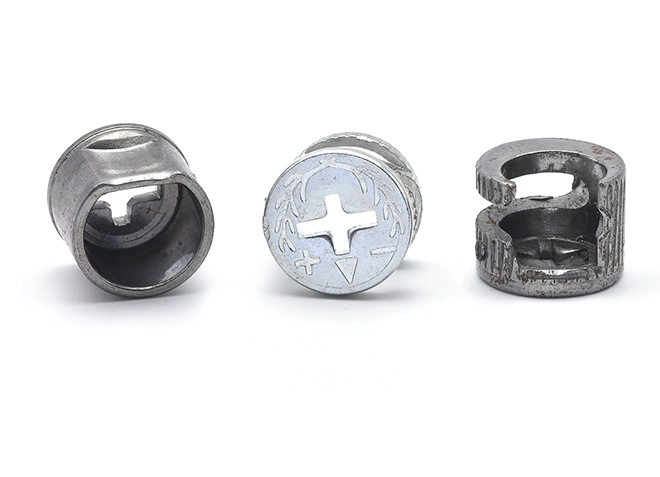
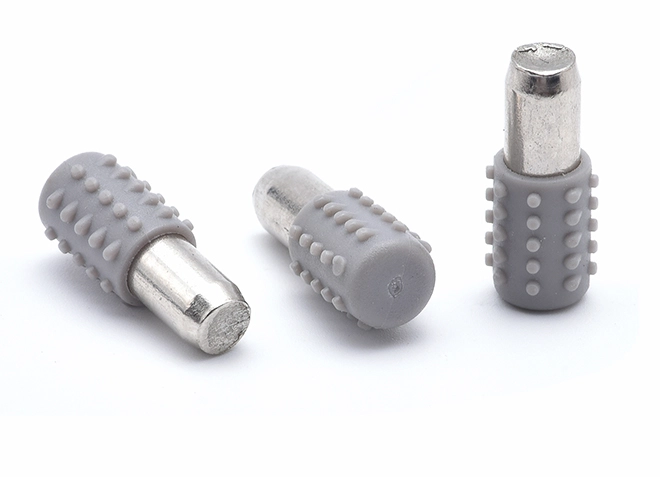
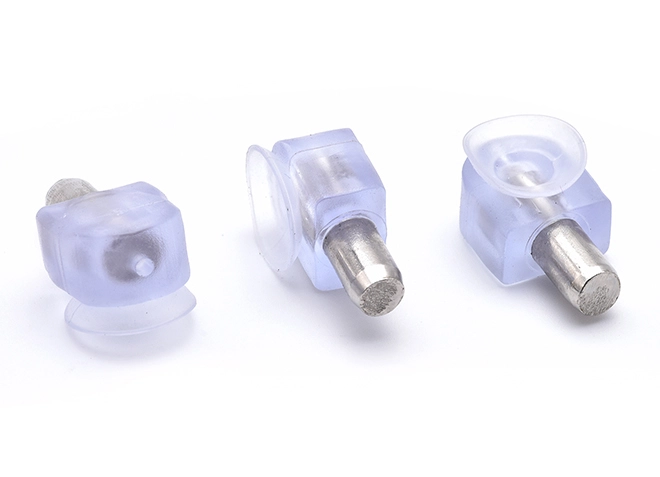
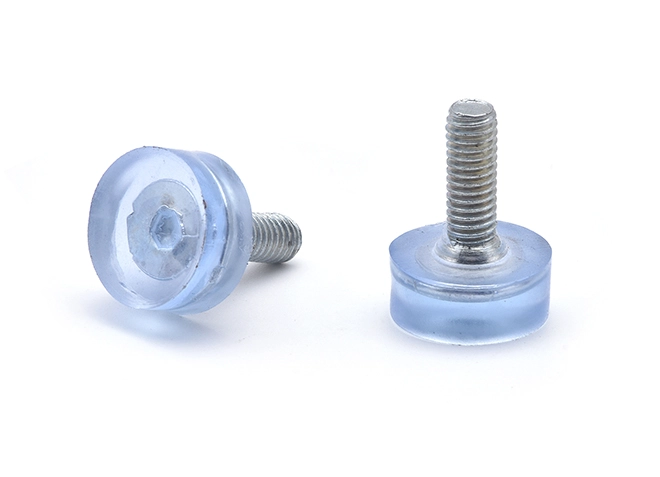
In the manufacturing of plastic products, threaded connections have long been a critical component of the assembly process. Many plastic housings possess limited material strength, making it impossible to directly thread them on the plastic surface. If screws were directly fastened to the plastic body, repeated assembly and disassembly could easily lead to thread stripping or thread fracture, significantly compromising the product's service life and assembly stability. Copper-ribbed nuts—commonly referred to in the industry as "copper flower nuts" or "rolled-thread pre-embedded copper nuts" —are core fasteners developed to meet the need for integrating internal threads into plastic components. These nuts are embedded within the plastic via an injection-molding pre-embedding process; their external ribbed structure ensures a secure engagement with the plastic, thereby providing stable and durable internal threads for a wide range of plastic products.
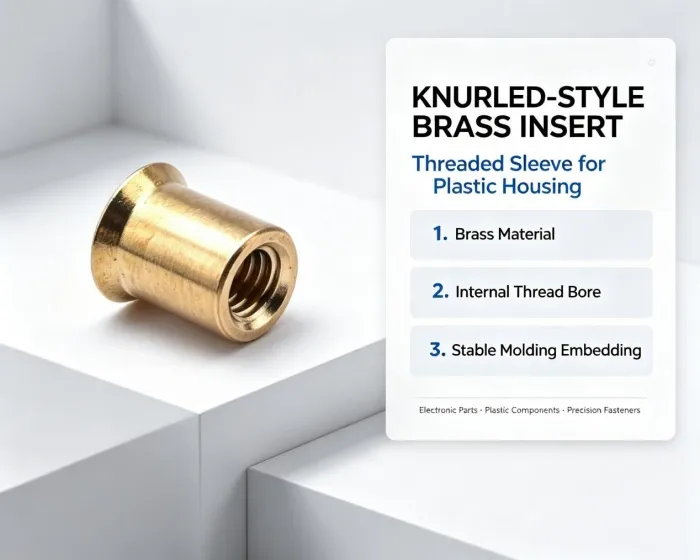
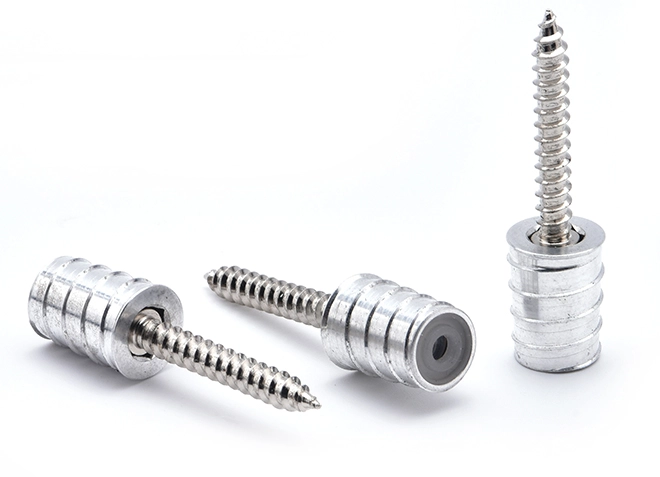
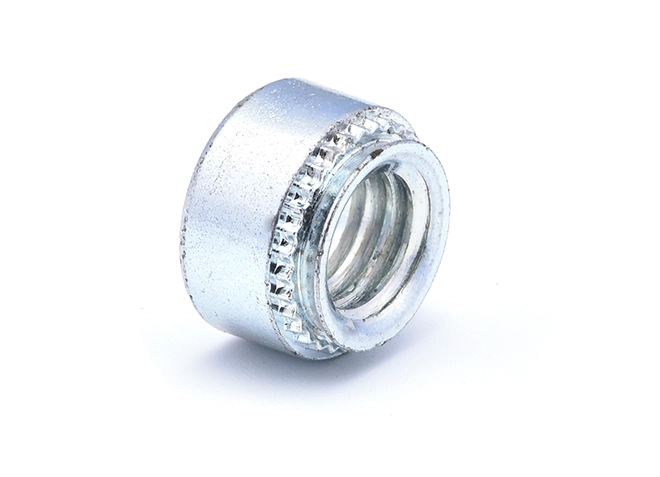
Copper-steel nuts are typically manufactured using high-quality brass as the raw material. Brass inherently exhibits excellent machinability, making it ideal for producing high-precision internal threads, while also possessing superior corrosion resistance. It is resistant to oxidation and rust under both ambient and humid conditions, making it highly suitable for long-term operational environments in consumer electronics and household appliances. During manufacturing, precision lathes are employed to machine the internal thread profile, ensuring regular thread form, strict tolerance control, smooth screw engagement, and uniform load distribution—thereby effectively reducing the incidence of thread stripping or failure to lock during assembly. The outer surface of the nut is machined with linearRolling (rolling grooves), commonly referred to as "willow grooves," which also gives rise to the name "copper-steel nut." These rolling grooves are not merely decorative features; they serve as a mechanical locking mechanism. When the plastic material is injection-molded around the exterior of the copper-steel nut, it solidifies and fills the grooves, thereby establishing a mechanical interlocking structure.
The advantages of this pre-embedded engagement structure are highly significant. During product assembly under load, the copper-wire nut is less prone to circumferential rotation within the plastic housing, nor is it susceptible to axial pull-out directly from the plastic shell. Compared to press-fitted copper nuts, injection-molded pre-embedded copper-wire nuts exhibit superior structural integrity; the nut and the plastic housing form a monolithic unit, providing more stable resistance to pull-out and torsion forces. These nuts can withstand repeated disassembly and reassembly cycles, thereby substantially enhancing the reliability of product connections. This is a key reason why many structural engineers prioritize the use of injection-molded pre-embedded copper-wire nuts when designing plastic housings.
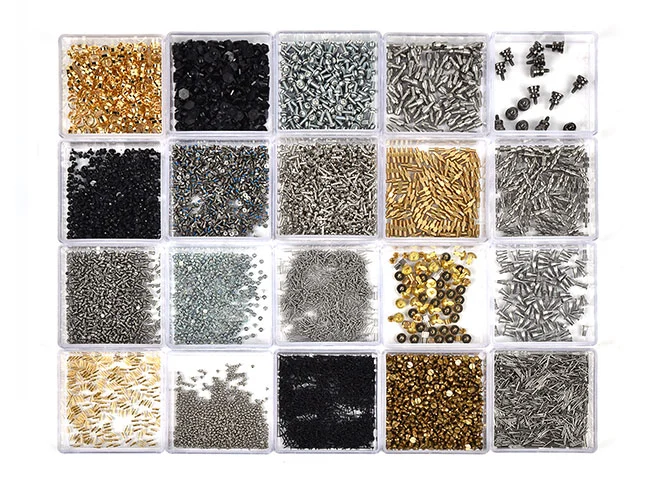
Different products have varying requirements regarding the specifications and dimensions of copper-plated nuts. For small electronic devices—such as Bluetooth headset housings, power bank enclosures, and sensor plastic bases—where space is limited, miniature copper-plated nuts with smaller outer diameters and shorter lengths are typically selected; whereas for large household appliance housings and industrial plastic components, which impose higher load-bearing requirements, larger-sized copper-plated nuts with increased thickness and length are chosen. Beyond conventional standard fasteners, many projects also have specialized requirements: specific lengths, non-standard inner and outer diameters, customized knurled patterns, or the need to adjust thread specifications—all of which place greater demands on the manufacturing capabilities of fastener suppliers.
To procure copper lock nuts with consistent dimensions and uniform quality, it is essential not to rely solely on sample performance, but rather to evaluate the supplier's process control, raw material quality assurance, and supporting service capabilities. From the incoming inspection of brass raw materials, through CNC turning, thread inspection, comprehensive visual inspection, and final packaging and shipment, every stage of the production process directly impacts the quality of the final product. Many procurement officers encounter issues during the product selection phase—where samples may appear compliant, yet mass production reveals problems such as fluctuations in thread tolerances, inconsistent thread depth, or contamination of raw materials. By the time these defects are detected during actual injection molding operations, they can lead to mold downtime and extensive rework, incurring substantial time and material costs. Therefore, selecting a reliable fastener partner is a critical consideration in the plastic structural design and production processes. XinteGu is a dependable, professional, and trustworthy fastener supplier capable of providing one-stop solutions. Whether it is large-scale procurement of standard copper lock nuts, or the development of prototypes, technical drawing evaluation, and customized production for new projects, we can collaborate closely with our clients to deliver tailored support. From initial structural selection recommendations and prototype validation to stable mass production, we can support clients throughout the entire product development lifecycle, thereby reducing procurement coordination costs and mitigating production risks associated with inappropriate fastener selection.

Brass twist nuts have a wide range of application scenarios. The consumer electronics industry is one of the primary application domains; these nuts can be found in laptop casings, charger housings, smart wearable device shells, and various controller plastic enclosures. Given the trend toward thinner and lighter electronic devices, plastic casings are becoming progressively thinner, which in turn imposes increasingly stringent requirements on the dimensional precision of embedded nuts and their stability after embedding. The home appliance industry also extensively utilizes brass twist nuts—particularly in plastic components of water purifiers, robot vacuum cleaner housings, and kitchen appliance casings. Prolonged use in such applications subjects these components to temperature fluctuations and moisture erosion; however, the corrosion-resistant properties of brass ensure the long-term stability of threaded connections. Additionally, brass twist nuts are widely employed for embedded threads in automotive interior plastic parts, instrument and meter housings, plastic shells for security equipment, and structural components of toys.
Of course, even for well-proven brass nuts, there are numerous details that structural engineers and injection molding engineers must consider during their application. First is the positioning of embedded components: a proper positioning structure must be incorporated into the injection mold to prevent the brass nut from shifting or lifting due to impact from the molten plastic. Second is raw material compatibility: different plastic materials—such as ABS, PC, or PC reinforced with glass fiber—exhibit varying shrinkage rates; therefore, during the product design phase, the embedding position of the nut should be determined in consideration of these plastic shrinkage characteristics. Third is temperature control: brass exhibits high thermal conductivity; while high injection temperatures will not compromise the nut's threads, improper mold temperature settings may adversely affect the interlocking fit between the plastic and the knurled surface. For those encountering embedded brass nuts for the first time and lacking relevant experience, it is advisable to consult a fastener supplier to leverage their industry expertise and proactively identify potential issues during the prototype phase.
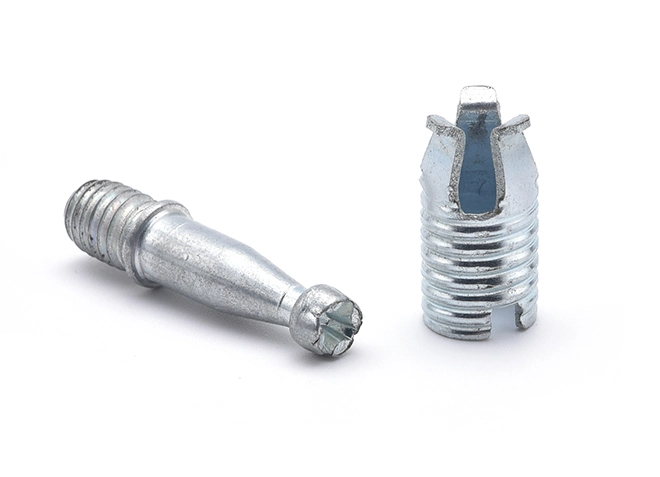
When selecting components, many procurement professionals still struggle to determine the differences between copper-plated nuts and other types of embedded fasteners. For example, stainless steel embedded nuts offer higher strength but entail higher manufacturing costs, greater machining challenges, and prices significantly higher than those of brass nuts; copper pressed nuts, on the other hand, are manufactured via injection molding followed by pressing into plastic, eliminating the need for embedding, yet exhibit lower pull-out resistance compared to injection-molded copper-plated nuts—making them suitable only for low-load applications. Each type of embedded fastener is designed for specific operating conditions; there is no universally "best" product, only the optimal solution tailored to the specific requirements of a project. Professional fastener suppliers can leverage multiple factors—including load requirements, housing thickness, number of assembly/disassembly cycles, operating environment, and budget—to assist customers in selecting the appropriate embedded fastener. They may not necessarily recommend copper-plated nuts; if the operating conditions are unsuitable, they can also propose more appropriate alternative solutions, thereby preventing customers from making uninformed selection decisions.
With the evolution of the manufacturing industry, the iteration speed of plastic products has continued to accelerate. The development cycles for new products are being continuously shortened; many projects now require rapid prototyping and testing, swift verification of structural feasibility, and subsequent transition to mass production. This demands that fastener suppliers possess both rapid prototyping capabilities and the ability to ensure consistent quality, predictable lead times, and reliable delivery under mass-production conditions. For small-to-medium projects, individual order volumes may be modest, yet the need for samples can be urgent; for large-scale projects, stringent requirements are imposed regarding batch consistency and delivery schedule stability. A one-stop fastener service solution covers the entire value chain—from drawing evaluation, sample fabrication, performance testing, and mass production to after-sales technical support—allowing customers to avoid coordinating with multiple manufacturing partners and thereby reducing communication costs.
Fasteners may appear to be small components, yet they play a critical role in product assembly and connection. A single poorly quality-prepared embedded copper rivet nut can lead to assembly failures across an entire batch of plastic products, thereby compromising the overall yield rate of finished goods. Many companies focus primarily on core components—such as plastic housings and main boards—while often overlooking quality control of fasteners. Consequently, issues may only emerge during mass production, resulting in avoidable losses. Therefore, in the early stages of a project, synchronously finalizing the embedded nut design and conducting sample reliability testing is essential to ensuring the successful implementation of the project.
Whether you are a structural engineer selecting the right product solution for your new project, a procurement manager seeking a reliable supplier of copper threaded nuts, or an injection molding facility aiming to optimize plastic embedded threading solutions, if you have requirements for pre-embedded copper threaded nuts or other fasteners, we invite you to contact us for further information or tailored solutions. Based on your technical drawings, samples, or the specific operating conditions of your products, we can provide professional consultation, sample production, and comprehensive support—working together to help you establish stable and reliable threaded embedding solutions for your plastic products.