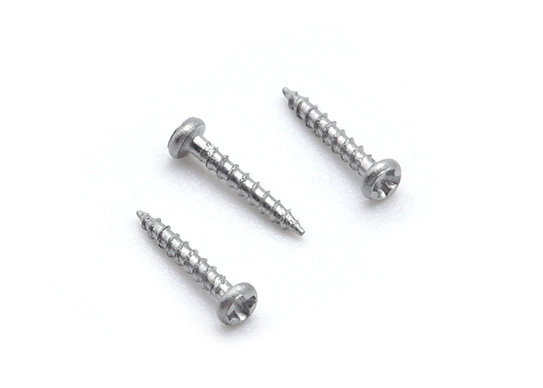
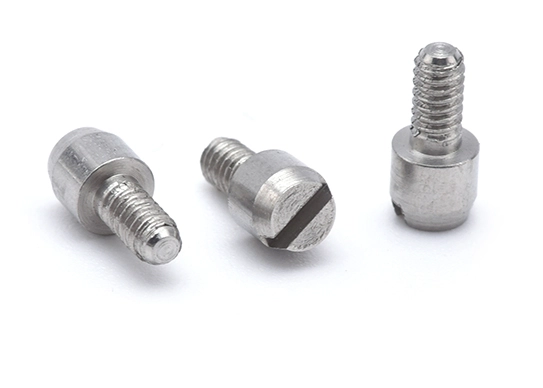
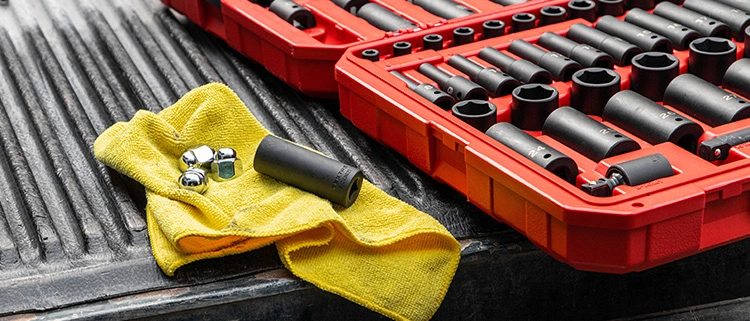
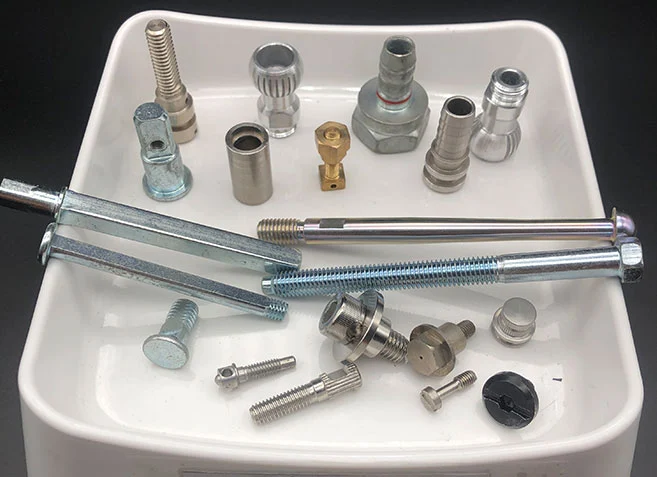
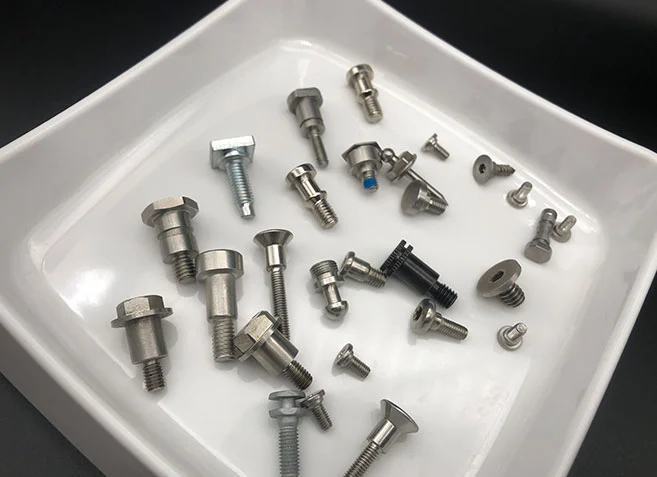
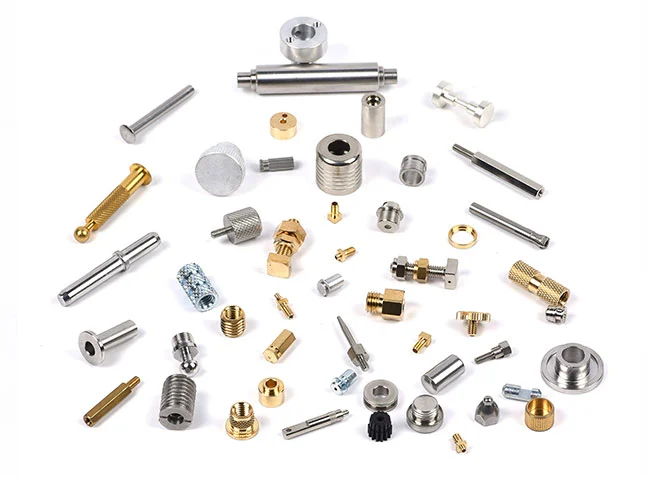
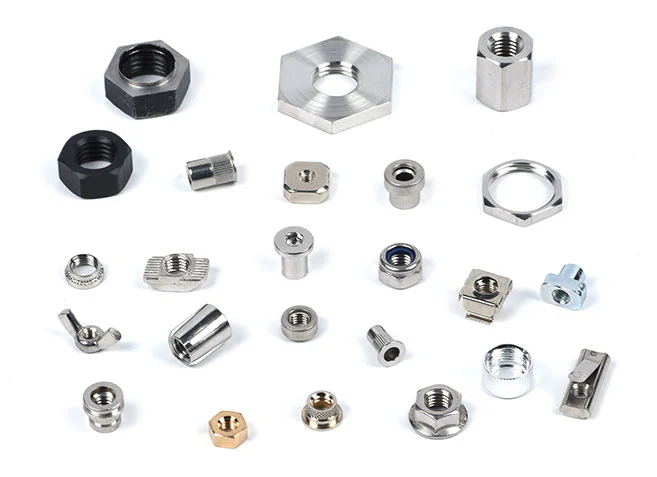
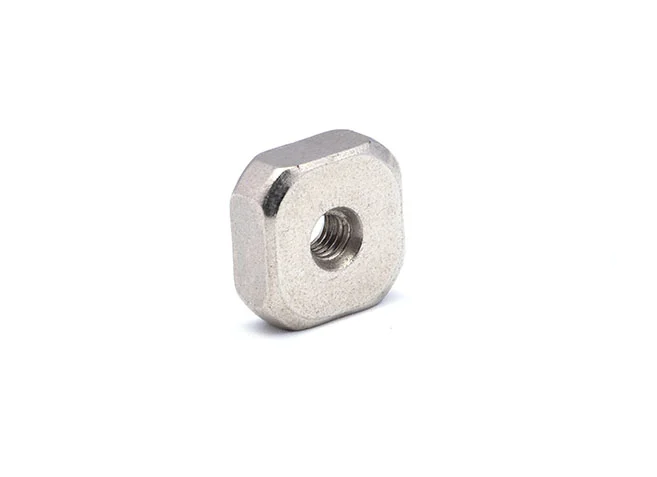
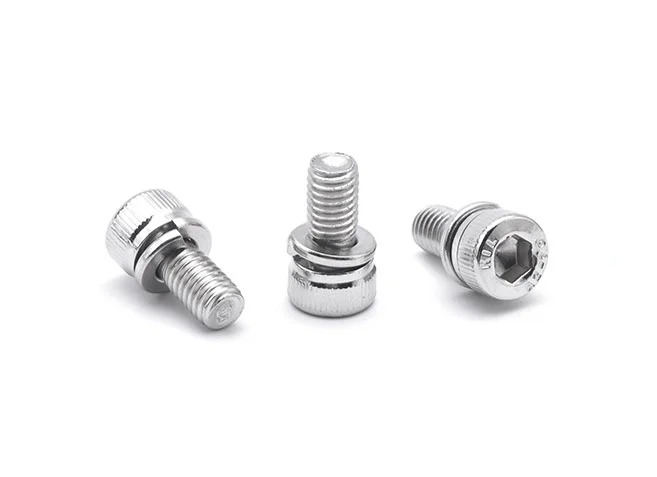
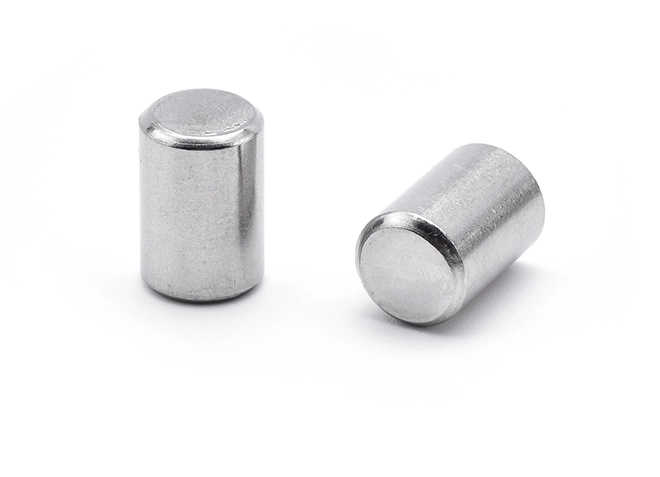
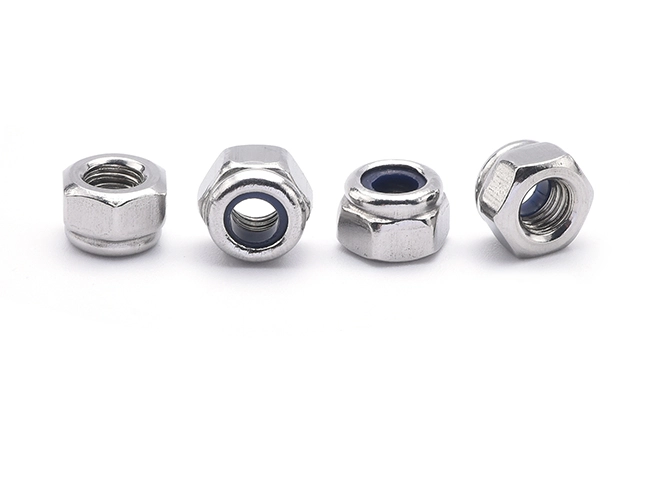
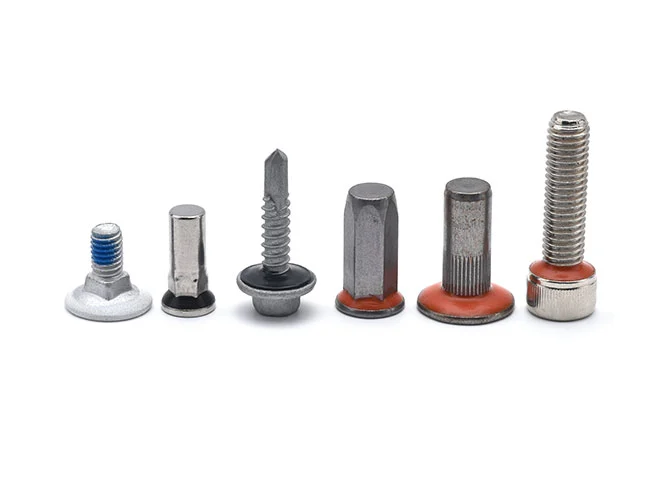
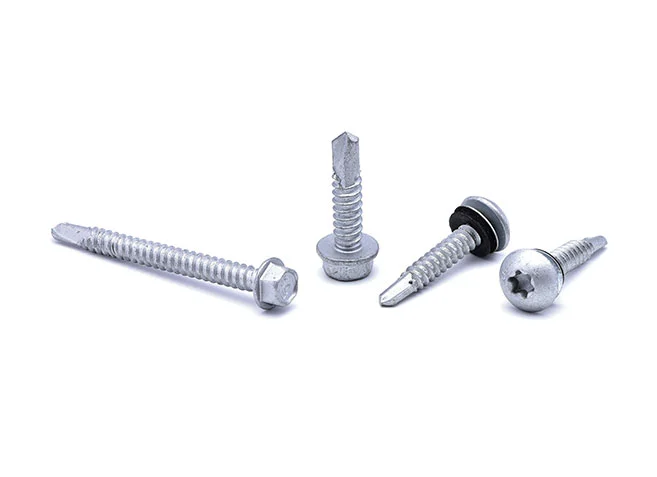
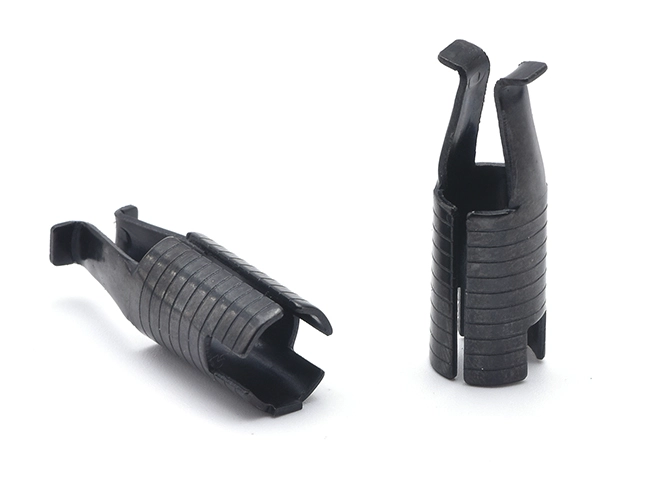
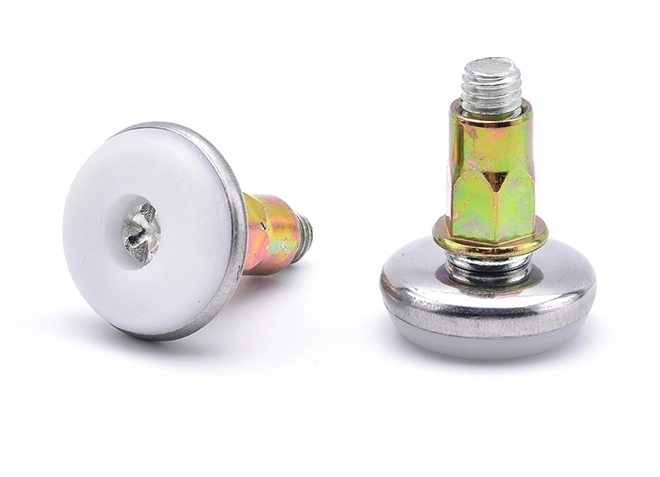
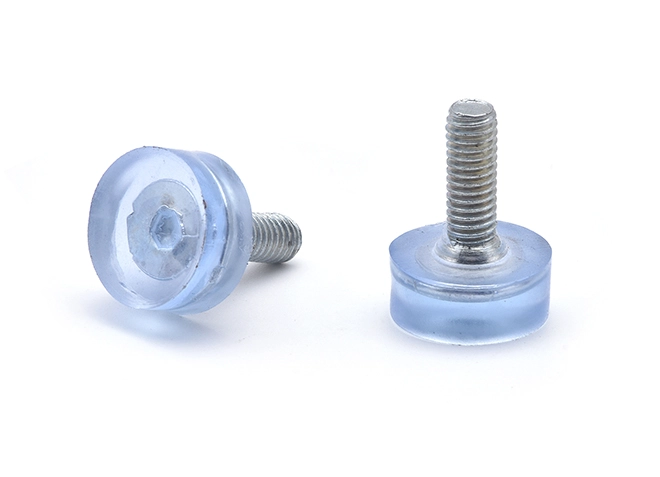
In various applications—such as mechanical assembly, equipment manufacturing, sheet metal fabrication, automated rack installation, as well as the production of outdoor facilities and kitchen and bathroom equipment—small screws are often overlooked. During the product design phase, many engineers focus primarily on the main structure and core functional components, treating fasteners merely as ordinary consumables and selecting them haphazardly. It is only when the product is put into operation and issues such as thread wear, corrosion-induced loosening, or connection failure arise that they realize the quality of a single screw directly impacts the stability, service life, and operational safety of the entire system. The 304 cup-head screw—also known as a hexagonally headed cylindrical screw—has become a preferred fastener in numerous industrial assembly solutions, leveraging the advantages of its stainless steel material and its distinctive cup-head design. Despite its seemingly unremarkable appearance as a standard component, it plays a critical role in structural locking, load-bearing fixation, and long-term corrosion resistance.

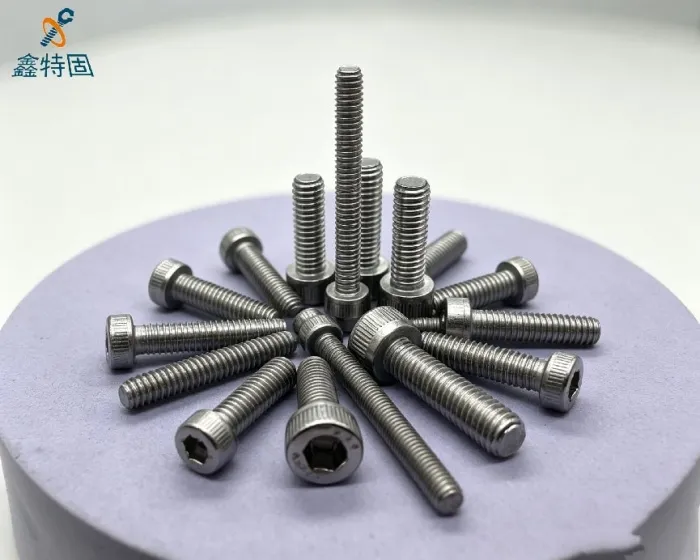
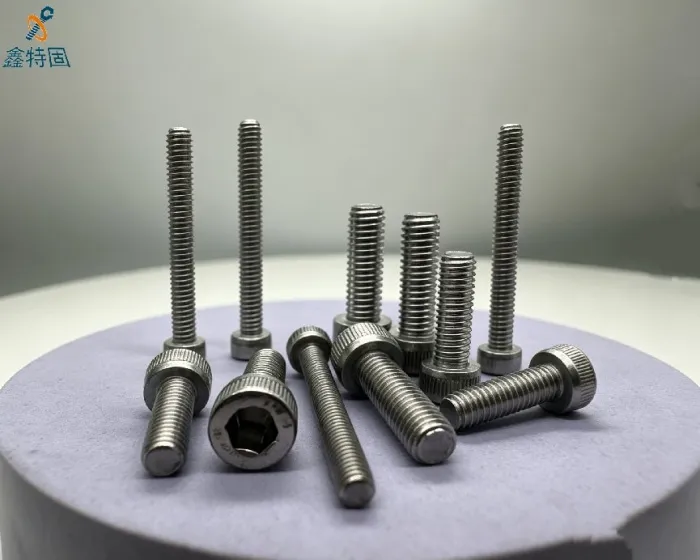
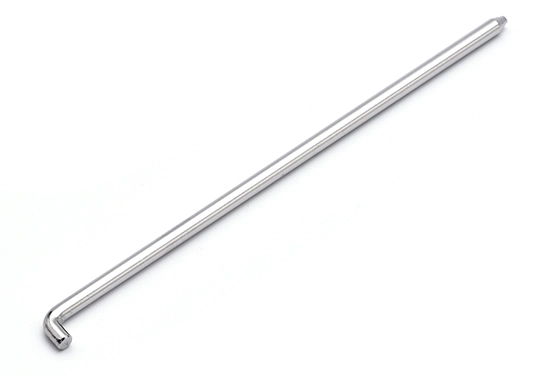
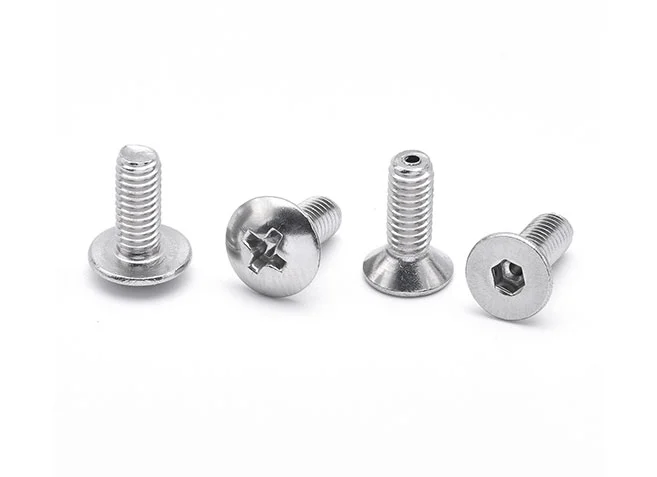
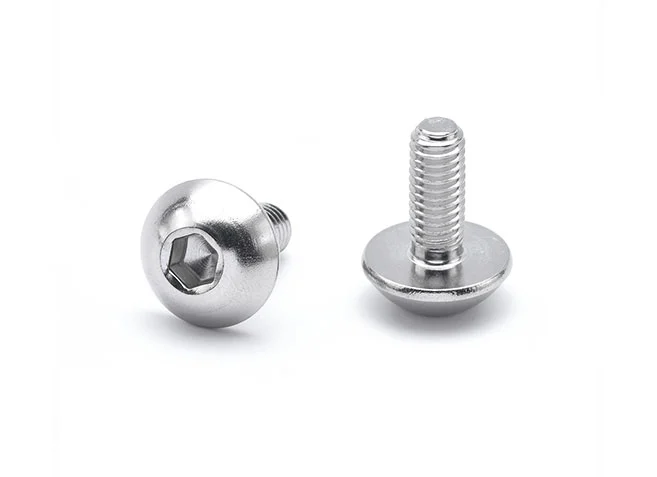
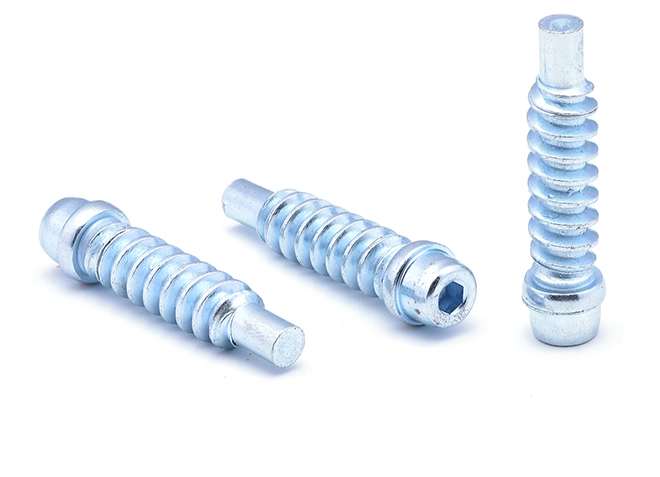
304 stainless steel is the most widely used austenitic stainless steel; containing chromium and nickel, it offers excellent rust and corrosion resistance, stable mechanical strength at room temperature, outstanding toughness, and resistance to brittle fracture. Cup-head screws differ from external hexagon screws and countersunk screws in that their heads are cylindrical and feature an internal hexagonal drive hole; during assembly, a hex key can be fully inserted into the head, ensuring uniform tightening force and preventing slippage. After installation, the cylindrical head can be embedded into the countersunk hole, resulting in a smooth surface that prevents protrusion, interference, or scratching. This is a key reason for their extensive use in the fields of machine frames, molds, computer chassis, and tooling fixtures.
From a material properties perspective, 304 stainless steel inherently possesses excellent resistance to atmospheric corrosion; it is unlikely to rust or oxidize even in ordinary indoor environments, humid conditions, or mildly acidic or alkaline environments. In contrast, carbon steel screws—even when subjected to electroplating—will quickly rust if their plating layer is damaged during prolonged use in humid environments; the expansion caused by the rust can also widen the threads, leading to the fastening components becoming stuck, which makes subsequent disassembly extremely difficult. Conversely, 304 stainless steel cup-head screws can reliably provide a secure fastening effect in humid workshops, high-humidity southern climates, or outdoor environments without highly corrosive media. However, it should be noted objectively that 304 stainless steel is not suitable for applications involving prolonged exposure to strong acids, alkalis, or seawater; for such applications, the material should be upgraded to 316 stainless steel to prevent pitting corrosion.
Structurally, the cup-head hex socket design offers another significant advantage: it can withstand higher tightening torque. For external hex screws, where the head is gripped by a wrench, excessive torque can easily round the hexagon or cause slippage; for countersunk screws, whose heads are thin, excessive torque may fracture the head. 304 cup-head screws feature a sufficiently thick cylindrical head and a sufficiently deep hex socket, ensuring uniform force distribution when applying high tightening forces – making them ideal for assembly applications requiring high-strength fastening. These screws are widely used in various applications, including automated equipment racks, mold assembly, sheet metal fastening for new energy equipment, medical device frames, laboratory equipment, and food processing machinery housings. In the food and medical device industries, the 304 alloy complies with hygiene standards, is less likely to release harmful substances, and is easy to clean and maintain; in automated rack assembly, the countersunk head installation ensures a smooth surface, preventing damage to cables or enclosures and thereby guaranteeing safe equipment operation.

However, many procurement professionals and engineers often encounter various challenges when selecting and procuring 304-grade cup-head screws. The quality of fasteners on the market varies significantly; for instance, some cup-head screws labeled as made of 304 material may actually contain raw materials with substandard nickel content – representing inferior recycled materials – which can lead to the formation of rust spots after short-term use; other screws may have poor thread machining accuracy or non-compliant pitch, causing difficulty in tightening during assembly or even resulting in thread slippage; still others may have eccentric hexagon hole machining, leading to wrench slippage during tightening and significantly reducing assembly efficiency. Additionally, some suppliers can only provide standard, off-the-shelf specifications; when projects require non-standard specifications – such as special lengths, customized threads, or specific surface treatments – these cannot be supplied, forcing customers to seek alternative suppliers, thereby extending procurement cycles and increasing communication costs. More problematic still, many purchasers focus solely on the unit price while neglecting product consistency; this can result in significant quality variations between batches – where one batch performs well while another fails – creating potential quality risks for the fi nal product and subsequently driving up after-sales costs.
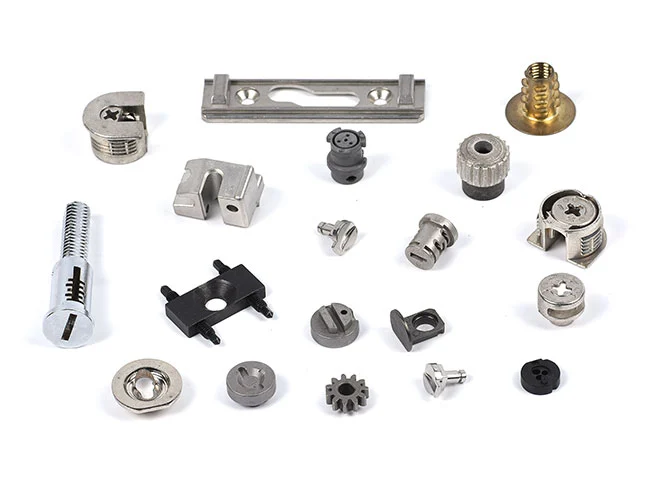
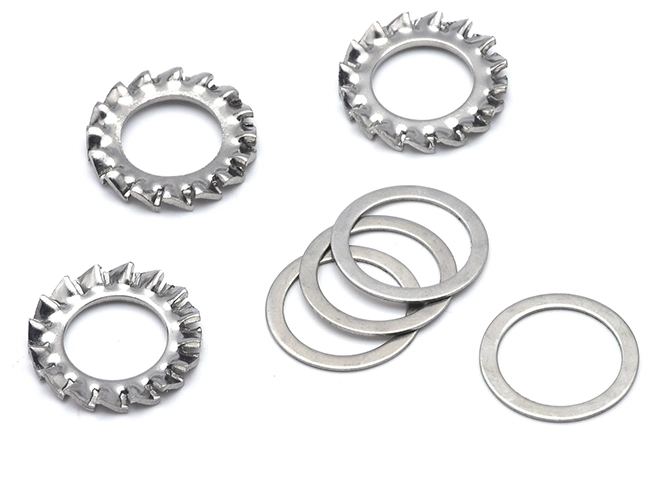
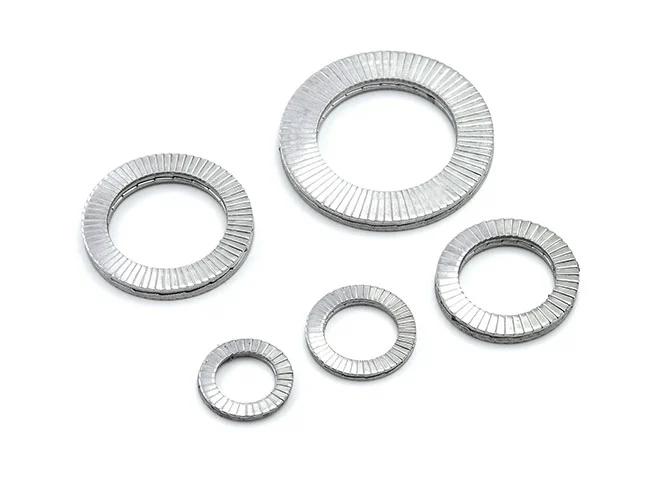
The procurement of fasteners is never as simple as "buying just one screw"; it involves selecting an entire connection solution. Different application scenarios impose distinct requirements on screw length, diameter, tensile strength, and surface condition. Some customers may know they need 304 stainless steel socket screws but are unsure whether the selected specifications match the required load, are unaware of the appropriate assembly torque range, or do not know how to properly combine the corresponding washers or flat washers – in such cases, a professional fastener team can assist in evaluating the operating conditions and providing a tailored solution. Xintegu is a reliable, professional, and trustworthy fastener supplier offering one-stop solutions. Our services range from the现货 supply of standard 304 stainless steel socket screws to customized non-standard fasteners, application-specific selection advice, and the provision of complementary components such as washers and pins – covering the entire lifecycle from product selection and sample testing to mass production and after-sales service. This helps customers eliminate the hassle of coordinating with multiple suppliers and reduces their supply chain management costs.
For production quality control, every batch of raw materials used in manufacturing qualified 304-grade head screws must undergo spectral analysis to verify that the nickel and chromium content meets the required standards, thereby preventing the misrepresentation of 201-grade stainless steel as 304-grade material. The threads are machined using a precision thread rolling process to ensure the integrity of the thread profile; comprehensive inspection with gauge sets is performed to guarantee thread interchangeability. The hexagonal holes are formed with consistent geometry and strictly controlled tolerances, ensuring that wrenches fit precisely during assembly and do not slip. Prior to shipment, all products undergo visual inspection to remove defective items such as burrs, cracks, or head deformation. XinteGu maintains rigorous quality control throughout its fastener manufacturing process; whether handling routine bulk orders, small-batch sample production, or urgent orders, the company consistently delivers products of stable quality. Many equipment manufacturers and sheet metal fabrication shops have established long-term partnerships with XinteGu precisely due to its reliable quality and professional technical support. During the new product development phase, our technical team can collaborate with customers on sample testing and provide optimized fastener selection recommendations based on actual assembly conditions, helping to mitigate potential operational risks in later stages of use.
Many professionals may wonder: what specific details should be considered when using or assembling 304-grade fasteners in everyday applications? First, it is crucial to control the tightening torque accurately. Stainless steel materials are subject to a "cold welding" effect—where friction generates heat during thread tightening, making the threads prone to seizing, a phenomenon that is particularly likely to occur during repeated disassembly and assembly. During assembly, it is advisable to apply the correct torque and avoid over-tightening; if necessary, the use of anti-seizing lubricants can help reduce the risk of thread seizure. Second, proper storage management is essential. Although 304 stainless steel is generally rust-resistant, prolonged storage in dusty or high-salt-environments—where the surface may become contaminated with metal debris—can lead to the formation of rust spots. Therefore, warehouses should be kept dry and well-ventilated, and packaging should be adequately protected to ensure that the products remain in good condition upon delivery and installation. Additionally, when selecting fasteners, the load requirements must be carefully verified. Since 304 stainless steel is an austenitic alloy, its strength cannot be increased through quenching; consequently, its tensile strength is limited. Under extreme load conditions, relying solely on 304 stainless steel may not be sufficient—thus, the material selection and connection design should be re-evaluated. From an industry perspective, as manufacturing sectors undergo modernization, customers 'expectations for fasteners have expanded beyond mere secure fastening to include higher demands for product consistency, delivery timeliness, and customization capabilities. Whether for small instrument housings or large-scale automated production line racks, fasteners are fundamental components that span the entire product lifecycle. A single substandard screw causing equipment loosening or corrosion-related failures can lead to equipment downtime, product rework, or even safety incidents—resulting in total losses that far exceed the mere cost difference of the fasteners themselves. Therefore, when selecting a fastener supplier, one should not merely compare prices; instead, it is essential to assess the supplier's quality control capabilities, technical service expertise, and delivery reliability. Professional suppliers do more than just sell fasteners—they provide comprehensive technical support, helping customers avoid selection errors, optimize connection designs, and reduce product failure rates.
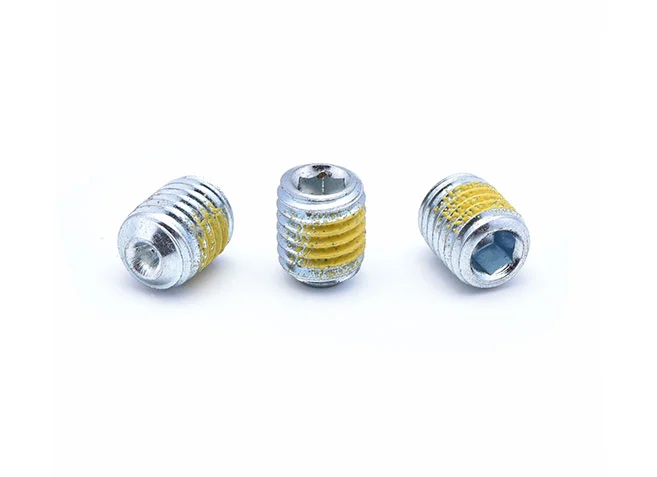
In addition to standard 304 cup-head hex screws, actual projects often involve special requirements—such as extended lengths, fine threads, deburring and polishing treatments, or the need to use combination washers. Some projects may also require a variety of fasteners, including stepped screws, lock screws, and pins; purchasing these separately can lead to cumbersome material management and difficulty in synchronizing delivery timelines. This is where the value of our one-stop fastener service lies: through unified procurement coordination, centralized quality control, and streamlined delivery, we reduce procurement-related communication costs and simplify project management. Xintegu has deep expertise in the fastener industry and is well-versed in the manufacturing processes for both standard and custom fasteners. We offer tailored fastener products and supporting services suited to the specific operating conditions of various industries—whether it's fast, delivery or custom development based on technical drawings, we can handle it all.
The quality of manufacturing lies in every detail. The 304 cup-head screw, as a fundamental fastener, may seem small, but it profoundly impacts the reliability of the final product. Proper fastener selection and partnering with a reliable supplier are essential for establishing a solid foundation for your products. Whether you are purchasing 304 cup-head screws or have requirements for fastener selection, sample testing, or custom non-standard solutions, please feel free to contact us. We will provide professional fastener solutions tailored to your specific operating conditions, ensuring the success of your project.
Website: www.szxintegu.com
Email:sz@szxintegu.com