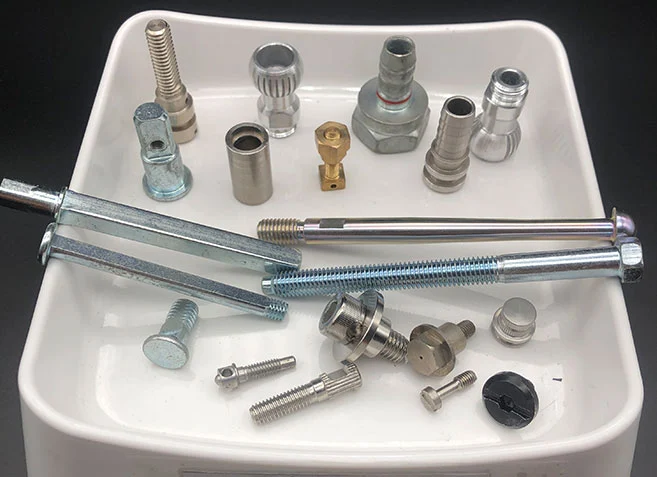
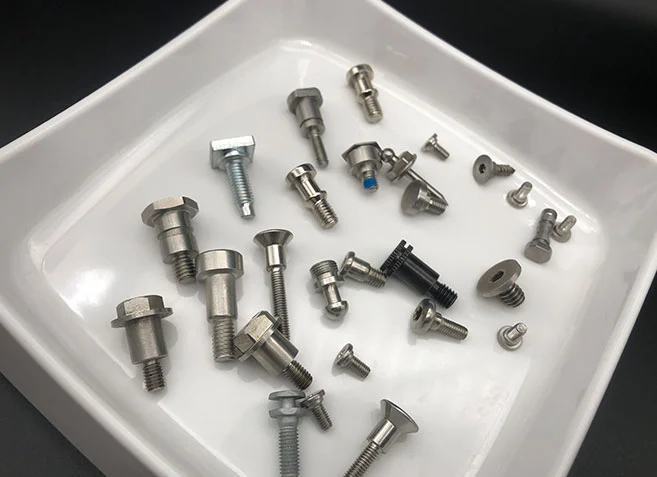
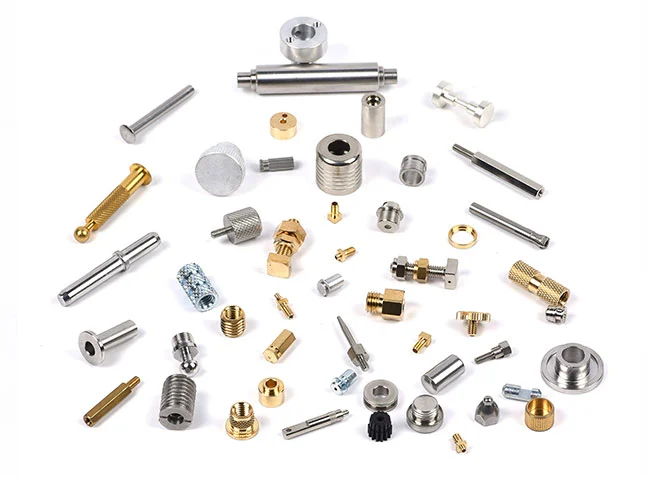
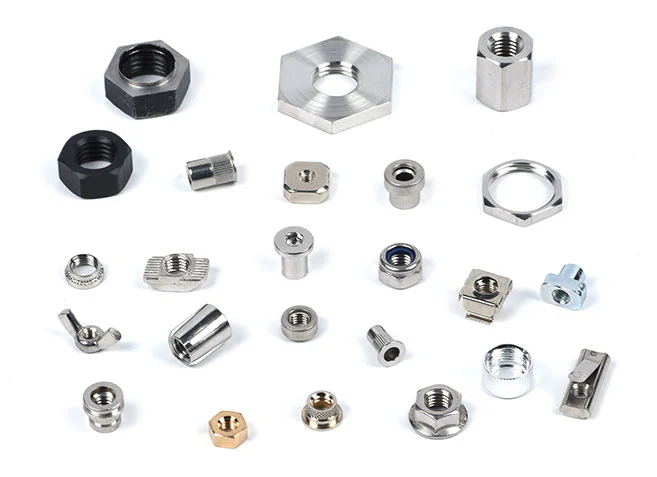
In the complete set of mechanical equipment and pipeline systems, many people focus on large‑scale components and core main equipment, yet often overlook tiny basic connecting parts such as washers and gaskets. However, during actual production and assembly, the quality, material selection and dimensional accuracy of gaskets directly determine the sealing performance and connection stability of the whole set of equipment. Improper gasket selection or sub‑standard quality will lead to failures including loosening and leakage, corrosion and rusting, and pressure failure. In severe cases, it may even cause equipment shutdown and safety accidents. Among various types of gaskets, 304 stainless steel gaskets are one of the most widely‑used general‑purpose sealing and pressure‑bearing accessories in the manufacturing industry thanks to their balanced overall performance.
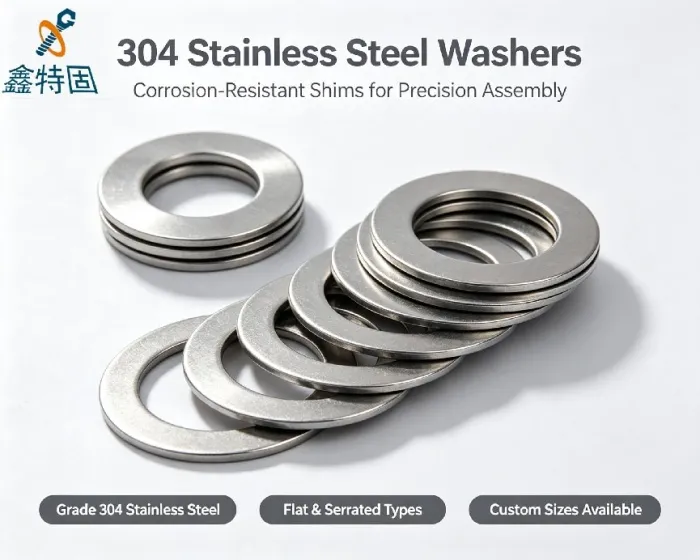
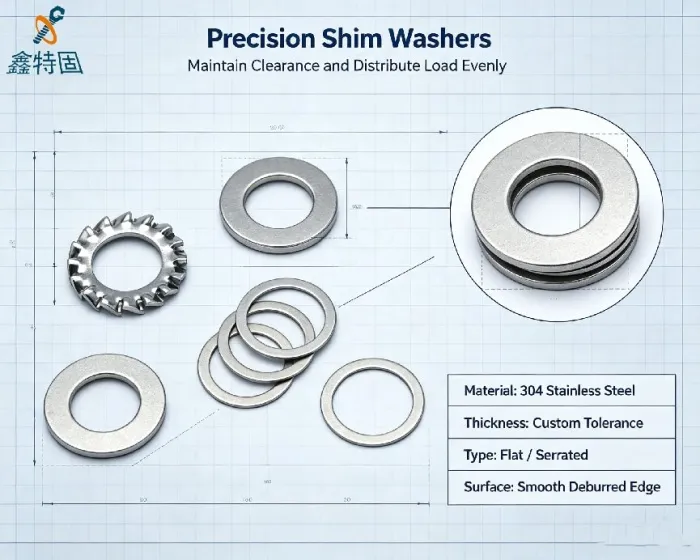
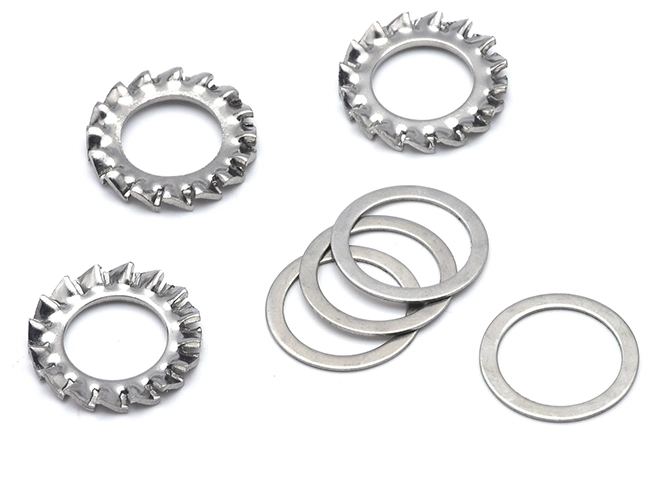
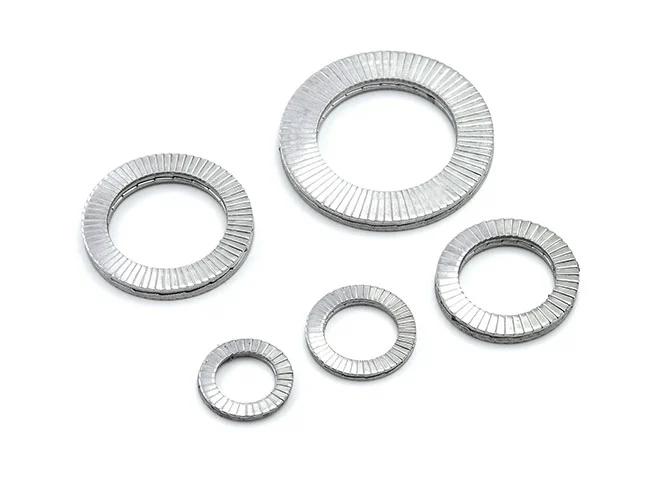
304 stainless steel, commonly referred to in the industry as eighteeneight austenitic stainless steel, contains approximately eighteen percent chromium and eight percent nickel. The material itself boasts excellent oxidation resistance and weak‑corrosion resistance. In normal‑temperature humid environments and weak acid‑alkali working conditions, it can form a stable passivation film and is less prone to rusting and pitting. Leveraging the inherent properties of the material, 304 gaskets are manufactured into various forms such as flat gaskets, encapsulated gaskets, and spiral wound gaskets, which perform functions including compressive force distribution, assembly gap compensation, flange sealing, and anti‑wear protection respectively. The most common function of ordinary flat gaskets is to expand the bolt‑locking force‑bearing area, prevent workpiece surface damage during bolt tightening, distribute local pressure, and avoid indentation and deformation on contact surfaces. Composite‑structured 304 encapsulated gaskets and spiral wound gaskets, combined with filler materials, are applied to pipe flanges and pressure vessel connections to achieve medium sealing, and are compatible with working conditions within a certain range of temperatures and pressures.

From the perspective of application scenarios, 304 gaskets are suitable for a wide range of industries. 304 stainless steel gaskets are widely used in general‑purpose mechanical equipment assembly, automated equipment frames, HVAC and water supply‑drainage pipelines, food‑processing equipment, common chemical pipelines, new‑energy equipment enclosures, and connection of construction machinery components. Compared with carbon‑steel gaskets, they are less prone to rust and extend equipment maintenance cycles. In contrast to higher‑grade stainless steels such as 316L, 304 gaskets deliver higher cost‑effectiveness in non‑high‑salinity and non‑severely corrosive environments, balancing performance and procurement costs. Nevertheless, it is necessary to objectively understand their application limits. Under continuous operating conditions involving high‑chloride‑ion seawater, strong acids or strong alkalis, pure 304 material carries corrosion risks. In such cases, material upgrading or gasket‑structure modification is required; 304 products should not be selected indiscriminately.
Gaskets may be small, yet procurement and model selection must never be taken lightly. The quality of 304 gaskets available on the market varies greatly. Some low‑cost products use inferior stainless steel such as 201 as a substitute. Though they appear bright on the surface, they will rust and crack after a period of actual service. Other products suffer from uncontrolled tolerances in thickness, inner and outer diameters, as well as substandard hardness. They exhibit poor resilience after assembly and are prone to crushing and deformation once bolts are tightened, failing to deliver the expected pressure‑bearing sealing performance. Many manufacturing enterprises only check dimensions and specifications during procurement, while ignoring material certificates, dimensional tolerances and batch test reports. Batch quality hazards only emerge later on production lines, resulting in rework and production shutdowns. Meanwhile, many projects require not only gaskets but also supporting fasteners including bolts, nuts and pins. Sourcing these items from multiple separate suppliers brings supply‑chain pain points such as inconsistent standards, uncoordinated lead times, mismatched specifications and complicated account reconciliation, which are real‑world challenges encountered by numerous manufacturing enterprises in component procurement.

Procurement of industrial components is not simply "buying a part". It requires full‑fledged capabilities including material identification, standard matching, working‑condition‑based selection, quality control and delivery coordination behind the scenes. To avoid hidden risks caused by small parts such as gaskets, it is necessary to find partners familiar with the working conditions of various fasteners and seals, who also possess R&D, production and quality‑control capabilities. As a source supplier with many years of in‑depth experience in the fastener industry, Xintegu has built up solid industry expertise over the years, making it a reliable, professional and trustworthy partner in the sector. It can provide customers with one‑stop solutions for fasteners.
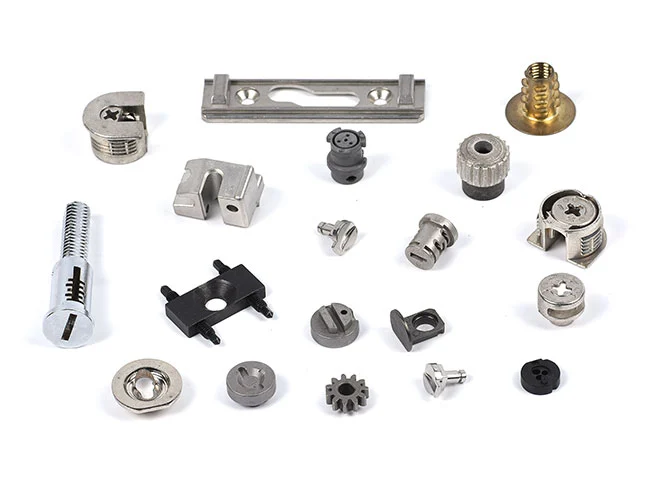
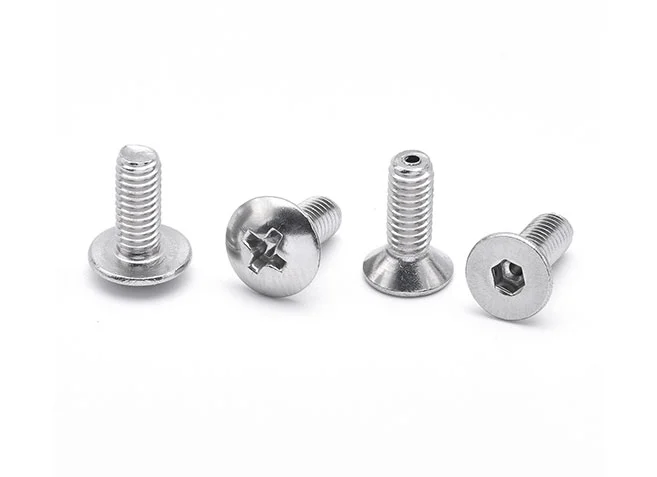
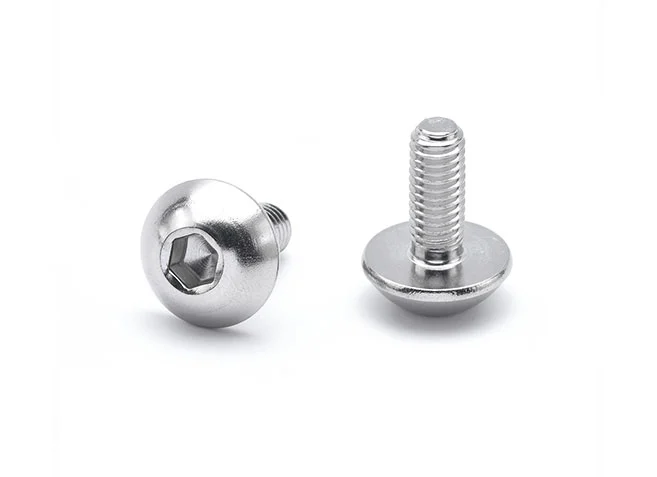
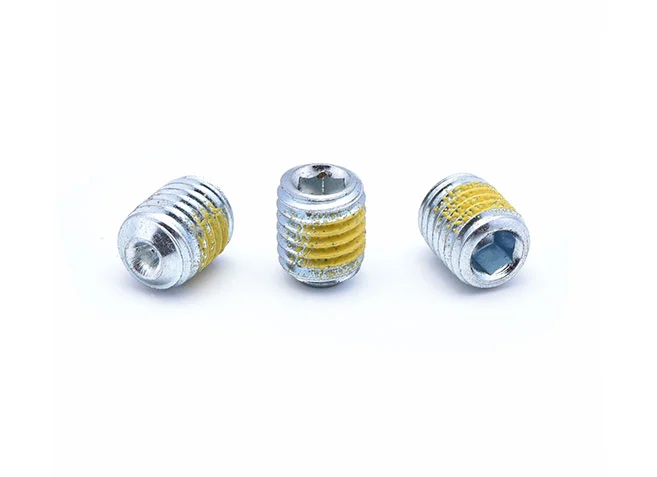
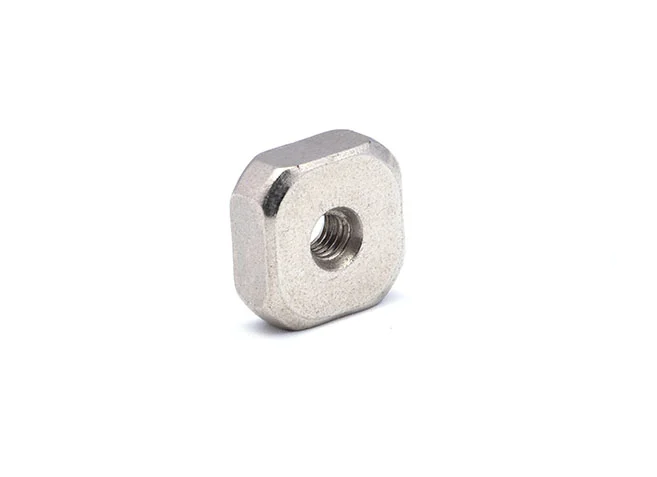
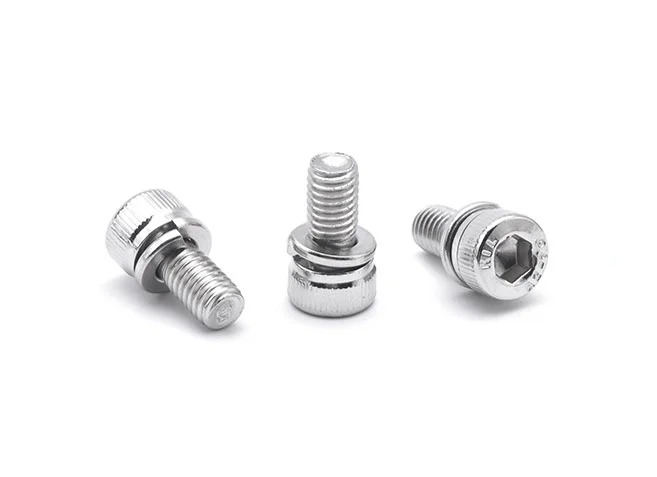
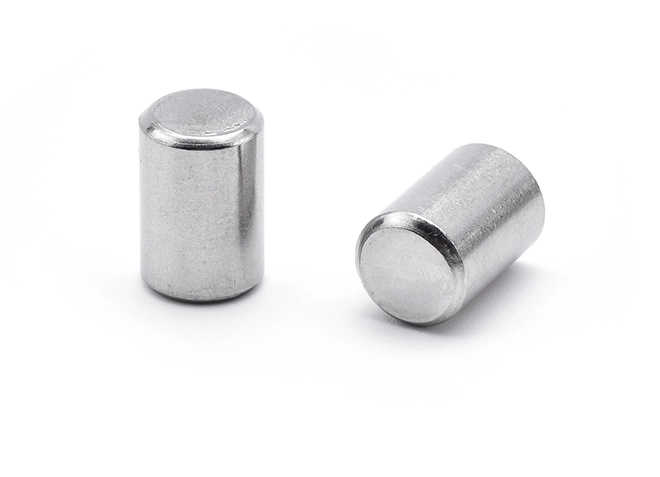
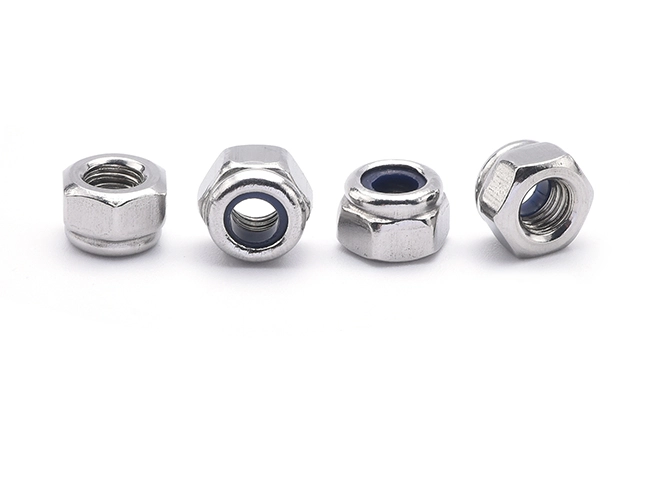
Unlike the pure trader model, Xintegu boasts a complete service chain covering material selection evaluation, supply of standard parts, custom non‑standard parts based on customer drawings, surface treatment, incoming material inspection and batch delivery. For small components such as 304 gaskets, it can provide professional selection recommendations according to customer working conditions, differentiate structures including ordinary flat gaskets, encapsulated gaskets and spiral wound gaskets, and assist customers in judging whether 304 material is suitable for the current working conditions. When working conditions exceed the applicable limits of 304, it will proactively recommend more suitable alternatives such as 316L and special alloys to prevent losses caused by customers’ wrong material selection. Apart from gaskets, products including bolts, nuts, turned parts and specially customized fasteners can be provided as a coordinated package. Enterprises can complete procurement of multiple categories of fasteners without contacting multiple factories, which effectively streamlines supply‑chain management and cuts communication costs as well as error risks.
Quality control is the core bottom line of component supply. Starting from the incoming raw materials, material verification is carried out on stainless steel base materials. Dimensional tolerances and surface quality are controlled during the production process. Finished products undergo salt spray and dimensional testing, with corresponding test documents provided to ensure that delivered products are stable and compliant. Meanwhile, it meets the demands for standardized bulk orders as well as small‑batch sample production, adapts to different stages including R&D prototyping and mass supply, and helps manufacturing enterprises address common pain points such as "difficulties in sourcing non‑standard parts despite available standard parts, and unstable delivery lead times".
For modern manufacturing, the value of supply‑chain partners lies not only in delivering goods on time, but also in identifying potential risks in advance from the perspective of the customer’s equipment operating conditions, providing professional technical support, and resolving issues prior to assembly and commissioning. A tiny gasket reflects the reliability of the entire connection system. Choosing the right supplier lays a solid foundation for the long‑term stable operation of equipment.
If you are confused about the selection of gaskets and various fasteners, have non‑standard customization requirements, or wish to optimize your fastener supply chain, please feel free to contact us. Our technical team can provide professional technical consultation and complete fastener solutions based on your equipment working conditions and drawing requirements. We look forward to in‑depth cooperation with you.
Website: www.szxintegu.com
Email:sz@szxintegu.com