Introduction: Composite precision welded components have become essential for high-end manufacturing.
In advanced manufacturing sectors such as automotive, new energy vehicles, engineering machinery, rail transit, and intelligent equipment, standard components produced by single-process methods can no longer meet the demands of lightweight, high-strength, and integrated structural designs. Traditional single-process cold-drawn component forming faces significant challenges in creating complex irregular geometries, while pure automatic lathe machining suffers from high material consumption, low production efficiency, and fatigue performance deficiencies due to metal fiber breakage. Cold-drawn components combined with automated lathe forming, further integrated with automated welding processes, leverage complementary process advantages to achieve optimal balance between part forming accuracy, mechanical strength, mass production costs, and structural integration. These solutions have now become the mainstream approach for core connection components in high-end equipment.
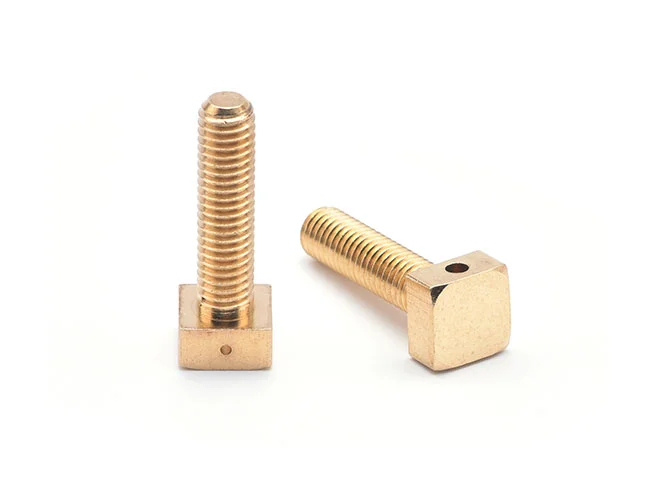
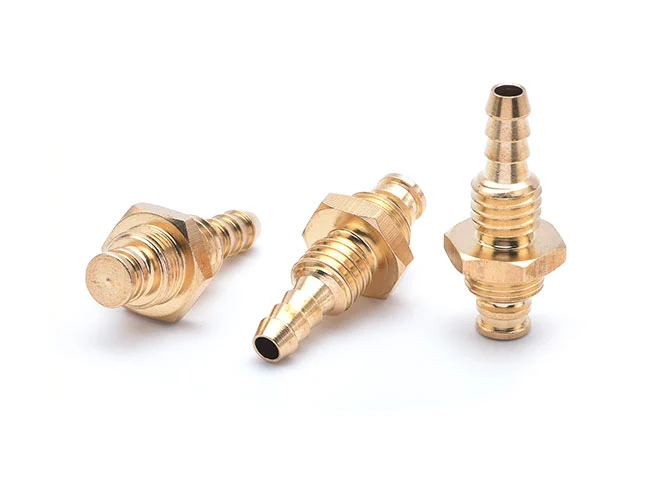
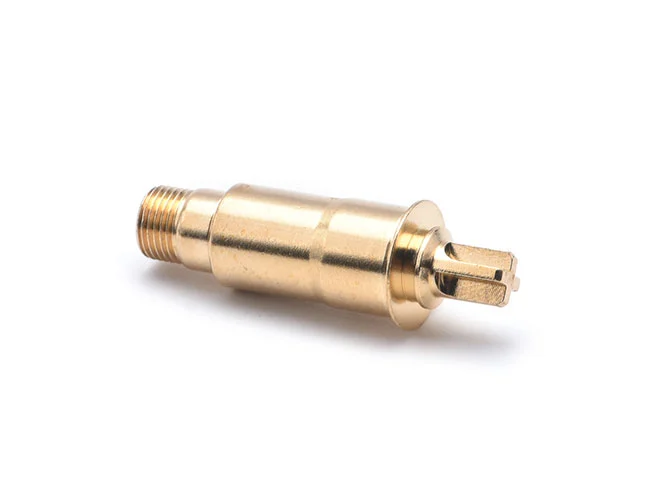
Simply put, cold-drawn automatic vehicle welding components are finished products manufactured through a composite process: first, the main body is initially formed using a multi-station cold-drawing machine, which preserves the complete metal contour and enhances basic strength; then, high-precision automatic lathes are employed to perform fine machining of internal holes, threads, steps, and tolerance surfaces; finally, automated welding techniques such as resistance welding, laser welding, and TIG welding are used to integrally weld the cold-drawn main body with auxiliary parts including stamping plates, sleeves, special-shaped bases, and brackets, resulting in multifunctional integrated welded assemblies. These products encompass thousands of specific categories, ranging from welded bolts and nuts to T-shaped welding pins, specialized welding brackets, battery module welding connectors, and vehicle body welding mounts, serving as essential precision components for structural support, part fixation, and secure connections.
With the advancement of China's high-end manufacturing sector, downstream customers have imposed stringent requirements for welding components regarding dimensional tolerances, weld strength, fatigue resistance, salt spray corrosion resistance, and batch consistency. However, most small and medium-sized manufacturers can only perform single-process operations and lack in-house capabilities for integrated cold forming, turning, and welding processes, leading to common quality issues such as weld cracking, significant dimensional deviations, vibration-induced loosening, and fatigue failure. Amid these industry challenges, source manufacturers equipped with full-process proprietary technologies, complete process chains, and sustained R&D innovation capabilities have emerged as key partners for major equipment suppliers.
Disassembly and Synergistic Advantages of Three Core Processes: Cold Forming, Automatic Lathe, and Welding
Cold forming process: Enhancing the fundamental mechanical properties of components
Cold heading, also known as cold upsetting, refers to the plastic forming of metal wire rods by applying pressure with dies at room temperature. It falls under near-net-shape or non-cutting machining processes and serves as the core procedure for forming the main blanks of welded components. Raw materials are mostly special welding-suitable steels such as ML08AL, SWRCH25K, 34MnB5 boron steel and 304 stainless steel.
Core advantages:
Enhanced mechanical performance: Cold extrusion molding preserves metal fibers without cutting, inducing cold work hardening on the part surface. The tensile and fatigue strength are fifteen percent to twenty percent higher than those of purely machined parts, with improved resistance to fracture under prolonged vibration conditions, making it suitable for dynamic load applications such as automotive chassis and wind power equipment.
Extravagantly high material utilization rate: Achieving eighty-five percent to ninety-eight percent, significantly surpassing the approximately 60% efficiency of lathe cutting, which substantially reduces raw material costs and is ideal for large-volume orders.
High-speed mass production: The multi-station servo cold blanking machine completes cutting, heading, and forming in a single cycle, with a daily output capacity of hundreds of thousands of units per unit, achieving delivery efficiency far surpassing traditional processing methods.
Stable basic forming: Capable of completing complex external shaping processes—including head, flange, and welding protrusions—in a single operation, providing standardized welding points for subsequent welding and ensuring optimal weld seam fit.
However, the cold-drawing process has significant limitations: micrometer-level precision internal holes, fine steps, and high-precision threads cannot be manufactured in a single operation; dimensional tolerances for irregular thin-walled components are difficult to control, necessitating supplementary precision machining on automatic lathes to address these shortcomings.
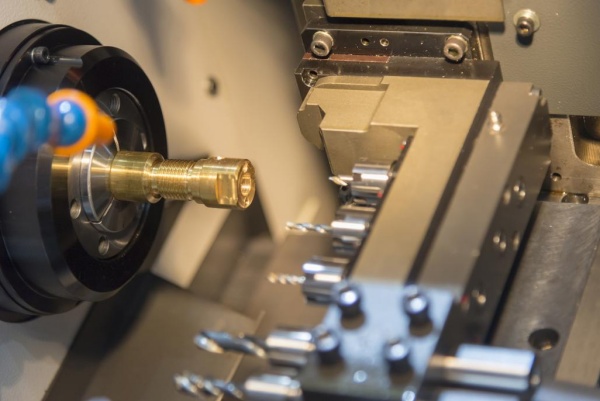
High-precision automatic lathe: Ensures micron-level dimensional tolerances
After cold-drum blank forming, the parts undergo precision machining on CNC automatic lathes to correct machining parameters for critical features such as threads, internal holes, positioning steps, welding contact surfaces, and sealing grooves, with tolerances stably controlled within plus or minus zero point zero zero five mm. Automatic lathe machining addresses two key industry challenges: first, correcting minor deformations caused by cold-drum forming to ensure interchangeability of components after welding; second, manufacturing high-precision fit structures to meet assembly requirements for new energy batteries, medical devices, and aerospace precision components. Upon completion of machining, the welding interfaces exhibit smooth surfaces free from burrs or irregularities, ensuring thorough fusion and eliminating risks such as poor welds or slag inclusion.
Automated Welding Process: Realize Integrated Integrated Structure
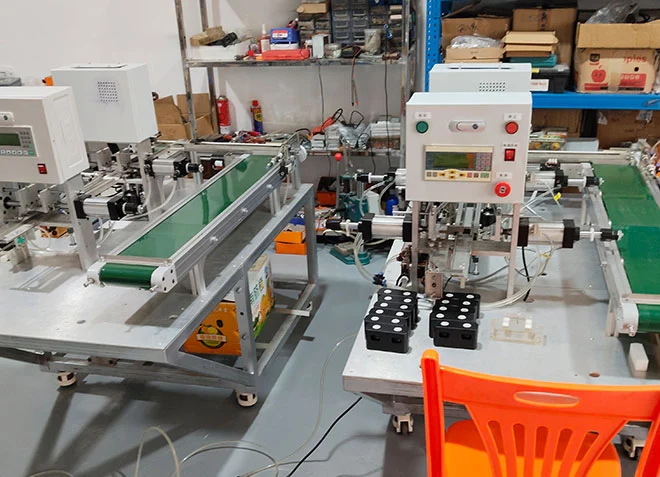
The precision-machined cold-drawn base body is assembled with accompanying components such as sheet metal parts, sleeves, and bases, and joined via a fully automated welding line. The mainstream manufacturing processes are categorized into three types.
Resistive fusion welding: Suitable for automotive body welding bolts and nuts, featuring fast welding speed, minimal deformation, uniform weld strength, and ideal for mass production at million-level scales.
Laser welding: exhibits an extremely small heat-affected zone, controllable part deformation, fine and smooth welds, making it the preferred choice for lightweight connections of stainless steel and aluminum alloys, as well as widely used in new energy battery module assemblies.
Arc welding: Suitable for heavy-duty construction machinery and large-scale welding supports in rail transit systems, featuring substantial weld penetration depth and outstanding shear and impact resistance.
The core evaluation criteria for high-quality automatic welding components produced by cold-drum forming processes focus entirely on the welding phase: absence of porosity and cracks, virtually zero false weld rates, weld tensile strength no lower than that of the base material, no weld separation after tens of thousands of vibration fatigue tests, and compliance with customer corrosion resistance standards in salt spray testing. Achieving consistently high welding quality requires comprehensive expertise across the entire process chain—including cold-drum forming, lathe finishing, welding fixtures, material composition, and heat treatment techniques—making it essential to possess exceptional overall technical capabilities.
The synergy of these three key manufacturing processes enhances the product's overall competitiveness.
The single-process manufacturing approach exhibits significant limitations: pure cold blanking parts lack sufficient precision; pure turning parts suffer from poor strength and high costs; standalone welded components face issues such as assembly positioning deviations and inconsistent weld quality. The composite process combining cold blanking for initial shaping, automatic lathe finishing, and automated integrated welding achieves complementary advantages: cold blanking ensures structural strength and reduces mass production costs; lathe machining guarantees precise tolerances; automated welding completes structural integration. The final product thus combines four core strengths—high strength, high precision, excellent welding reliability, and low cost—making it perfectly aligned with current trends in lightweight and integrated manufacturing.
Main application areas for automatically welded components produced by the Cold Spring Machine (CSM) process
1: Manufacturing of new energy vehicles as complete units
The new energy vehicle body employs integrated die-casting technology, while battery packs, chassis suspension systems, and motor housings extensively utilize welded bolts, T-shaped welding nuts, and battery mounting pins. Each vehicle requires Each vehicle requires over two thousand automated cold-drawn welding components, demanding stringent performance standards for Grade ten point nine and Grade twelve point nine materials in terms of high strength, lightweight construction, corrosion resistance, and vibration damping – representing the fastest-growing segment in the industry.
2:Traditional fuel vehicle components
The body sheet metal joints, seat fasteners, chassis braking system components, and engine support bracket welding connections are subjected to prolonged exposure to alternating high and low temperatures as well as continuous vibration, imposing extremely stringent requirements on weld fatigue life and anti-loosening performance.
3:Wind power equipment; Heavy-duty equipment for rail transportation
Welded support brackets for tower cylinder fixation, connection bases for high-speed rail carriages, and track vibration-damping pins are predominantly manufactured from boron steel with high strength. Under heavy-load conditions, these components must ensure permanent weld integrity without detachment, requiring comprehensive heat treatment processes.
4:Industrial Automation and Intelligent Equipment
Robot joint connectors, welding mounting bases for automated equipment frames, and precision welded shafts for servo motors all require stringent dimensional tolerances and are predominantly manufactured as stainless steel precision weld components.
5:Furniture, medical devices, energy storage equipment
Small precision welding fasteners, energy storage module connection terminals, and stainless steel welding components for medical devices, with emphasis on surface finish, corrosion resistance, and safety standards free from burrs.
Prevalent Existing Quality Pain Points and Technical Barriers in the Industry
The current fastener processing market is highly heterogeneous, with numerous small-scale manufacturers equipped only with single-processing equipment and unable to achieve integrated self-developed production processes for cold blanking, turning, and welding. Their products commonly exhibit five major quality defects:
Process discontinuity: Poor accuracy of cold blank, uncontrollable machining allowance during lathe finishing, uneven welding surfaces with voids or poor weld integrity.
Material mismatch imbalance: Insufficient knowledge of the welding characteristics of different steels; mixed welding of carbon steel and stainless steel results in brittle welds that are prone to fracture under stress.
No accompanying heat treatment process: Stress remains unrelieved after welding, leading to weld cracking with prolonged use and potential hydrogen embrittlement in high-strength components.
Poor dimensional consistency: Manual tooling-based positioning welding results in significant tolerance variations across products within the same batch, leading to poor interchangeability during customer assembly.
Lack of in-house process improvement capabilities: When dealing with customer-specific custom-shaped welded components, the company cannot independently optimize molds or welding fixtures and must simplify structures at the expense of performance.
To thoroughly address these challenges, enterprises must establish a comprehensive R&D system covering five key areas: mold design, material development, composite process optimization, customized welding fixtures, and inspection technologies, while continuously refining core manufacturing techniques. This constitutes the fundamental distinction between conventional processing plants and leading manufacturers of high-end precision components.
Xintegu has been deeply rooted in the precision fastener industry for years, specializing in customized R&D and mass production of cold-drawn automatic vehicle welding components. With a highly skilled technical team, the company has overcome numerous industrial process challenges through exceptional innovation capabilities. It has persistently addressed common industry issues such as significant mold wear in composite-welded parts, cracking susceptibility in multi-metal welds, hydrogen embrittlement prevention for high-strength components, and integrated forming of complex-shaped parts. To date, the company has secured or is applying for fifteen patents covering core technologies including cold-drawn forming molds, precision machining tools, automated welding positioning fixtures, heat treatment processes for high-strength welds, and anti-corrosion surface treatments – demonstrating its robust technological expertise and sustained innovation drive. Leveraging proprietary patented technologies, Xintegu develops tailored manufacturing solutions for diverse industry needs, effectively addressing processing challenges associated with complex-shaped, high-strength, and high-precision welded components while minimizing quality risks inherent in conventional methods. This approach also optimizes full-process production workflows, helping clients reduce overall procurement costs by fifteen percent to twenty-five percent without compromising product performance standards.
A fully standardized production system for high-quality cold-drawn automatic automotive welding components throughout the entire manufacturing process
Taking Xintegu's standardized production process as an example, the manufacturing of complete, high-quality welded components involves six closed-loop processes, with quality control throughout the entire workflow achieved through proprietary patented techniques:
1: Raw Material Selection and Pre-treatment:
Select appropriate steel grades based on customer-specific operating conditions, and perform spheroidizing annealing and phosphating drawing pre-treatment on the wire to enhance cold rolling performance and welding compatibility, thereby eliminating material cracking and welding embrittlement at the source.
2:Multi-station servo-based cold blank forming:
Using self-developed patented cold-drawing molds, the process achieves one-step formation of welding bumps, flanges, and main structural components while precisely controlling welding positioning references to ensure uniform shape across tens of thousands of blanks.
3: Precision machining of CNC automatic lathes:
The fully CNC-controlled automatic lathe performs precision machining of threads, internal holes, and positioning surfaces, with real-time online dimensional inspection and automatic tolerance data archiving; non-conforming products are automatically sorted and eliminated.
4:Customized automated welding process:
Select appropriate equipment for projection welding, laser welding, or TIG welding based on product specifications, combined with self-developed patented welding positioning fixtures to ensure zero positional deviation of components and stable, controllable weld fusion depth, significantly reducing defect rates.
5:Heat Treatment and Stress Relief Treatment:
High-strength welded components undergo vacuum carburization and tempering processes, simultaneously eliminating residual welding stresses, effectively preventing weld fatigue cracking, and strictly controlling hydrogen embrittlement risks. The hardness uniformity deviation of Grade twelve point nine high-strength products is maintained within plus or minus fifteen HV.
6:Surface treatment and full-item inspection before delivery:
Corrosion protection processes such as electrogalvanizing, hot-dip galvanizing, Dakro treatment, and stainless steel passivation are performed as required. The finished products undergo tensile testing, vibration fatigue testing, salt spray testing, comprehensive dimensional inspection, and non-destructive welding flaw detection, with test reports delivered alongside the goods.
The complete closed-loop production process is supported by fifteen proprietary patented technologies that underpin its manufacturing processes, enabling the elimination of conventional, extensive processing methods common in the industry; it ensures stable performance and compliance with consistency standards for mass-produced products, thereby meeting the stringent quality inspection requirements of the automotive, wind power, and rail transit sectors as defined by VDA.
Future Development Trends of the Automatic Welding Industry for Cold-Sheet Metal Components
1:This phrase is commonly used in engineering, computing, and industrial design contexts. "High-strength" referst:
Downstream sectors such as new energy and aviation equipment are accelerating their lightweight transformation, driving sustained growth in demand for cold-formed welded components made from high-strength steels at eight hundred MPa and one thousand five hundred MPa grades. Enterprises must overcome technical barriers in cold forming of high-strength steel and welding of different metal types, with lightweight stainless steel and aluminum alloy composite welded components becoming key research priorities.
2:Process Integration and Consolidation:
Single-function parts are gradually phased out, while integrated welded components combining welding, anti-loosening, sealing and positioning functions have become mainstream, placing higher demands on enterprises' capabilities in composite process integration and integrated mold design.
3:Intelligent manufacturing has been widely adopted across the board.
Full-servo cold heading machines, robotic automatic welding lines, AI vision on-line inspection systems and digital production management systems have become standard equipment for leading manufacturers, enabling real-time traceability of production data and defective rates controlled below zero point zero five percent.
4: Customized R&D has become the core competitiveness
The market for standardized general fasteners faces fierce competition. Only source manufacturers with independent patent R&D, rapid mold development and custom process solution capabilities can secure non-standard special welded component orders from high-end clients, with technological innovation barriers serving as enterprises’ core competitive moat.
5: Upgrading of green and low-carbon manufacturing processes
Low-energy heat treatment, eco-friendly cyanide-free electroplating processes and steel scrap recycling have become mandatory industry development trends. Enterprises holding patented green processing technologies are better aligned with the supply chain access standards of major downstream manufacturers.
Conclusion: Technological innovation is the core competitiveness in the manufacturing of precision welded components.
Cold-headed, CNC-turned and welded components serve as indispensable precision connecting core parts for high-end equipment, with continuously expanding downstream market demand. However, industrial competition has shifted far beyond mere equipment and price rivalry to comprehensive strength in core processes, R&D innovation and full-chain quality control. Low-end homogeneous processing capacity is being phased out by the market. Source manufacturers possessing independent core patents, integrated composite processing technologies and professional R&D teams will maintain sustained competitive advantages in the industry.
Xintegu always takes technological innovation as its core development driver. Backed by a professional technical team and fifteen authorized and pending patents covering the entire industrial chain, we continuously optimize production processes for cold headed, CNC turned and welded components. We provide one-stop precision connection component solutions including non-standard customization and mass standardized production for clients across automotive new energy, wind power, rail transit, automation equipment and other industries. The company will further increase R&D investment in the future and expand patent coverage for new materials and innovative composite welding technologies. With solid technical strength, we deliver stable and reliable support for the domestic localization of precision connection parts in China’s high-end manufacturing sector.
Customers interested in purchasing fasteners or custom precision connection components are welcome to contact Xintegu at any time for the latest product specifications, test reports, and free sample samples. Leveraging our own manufacturing facility, comprehensive cold-drawing, hot-forging, turning, and welding processes, as well as patented technologies, we deliver cost-effective solutions that enhance quality while providing high-stability components for enterprises. We look forward to building a deep partnership with you.
Contact Information
Website: www.szxintegu.com
Email:sz@szxintegu.com
 English
  日本語
日本語  한국어
한국어  français
  Deutsch
  Español
  italiano
  русский
  português
  العربية



 New Type Switchgear
 Anti-loose Easy Disassembly Nut Pillar (New Furniture Connector)
 Furniture Simple Assembly and Disassembly Connector
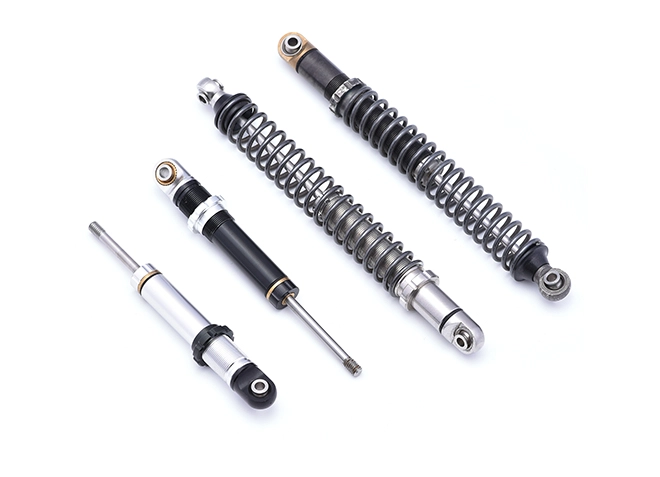 Micro Vibration Absorber
 Micro Screws
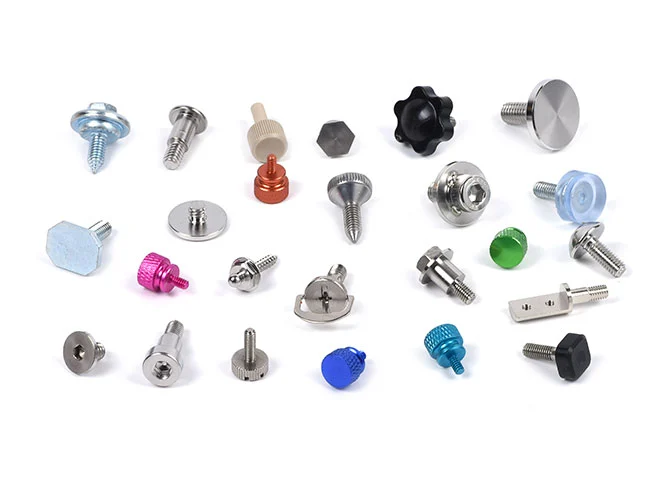 Big Head Screws
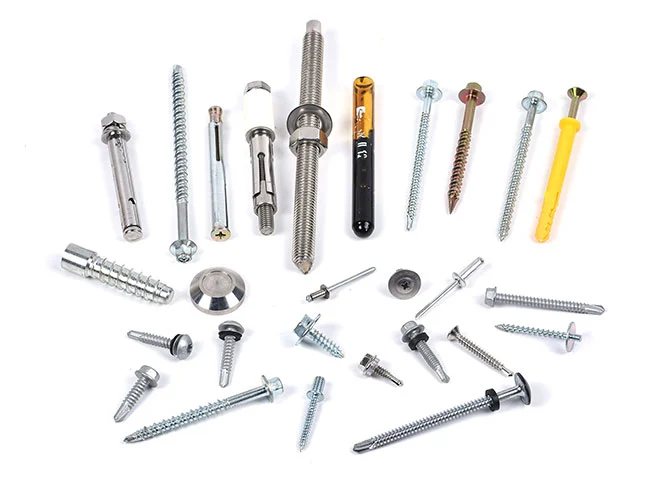 Construction Screws
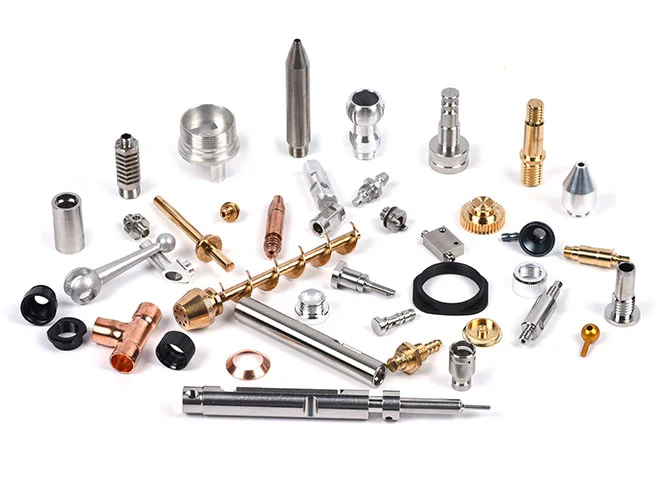 CNC Lathe Machining Parts
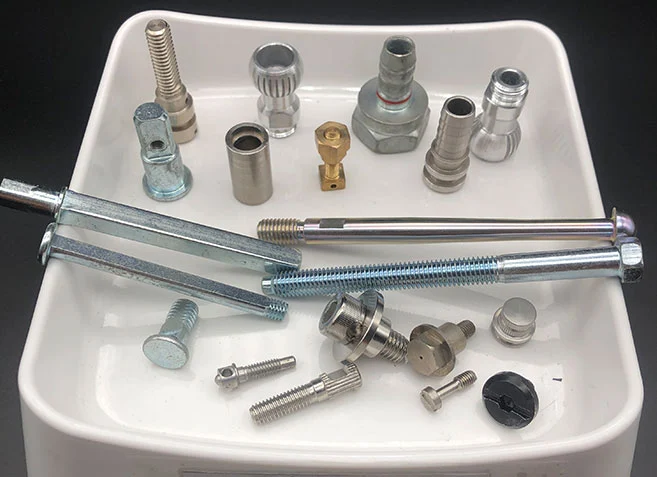 Cold Forged and Undergo Secondary Processing Products
 Multi Station Cold Heading Screws
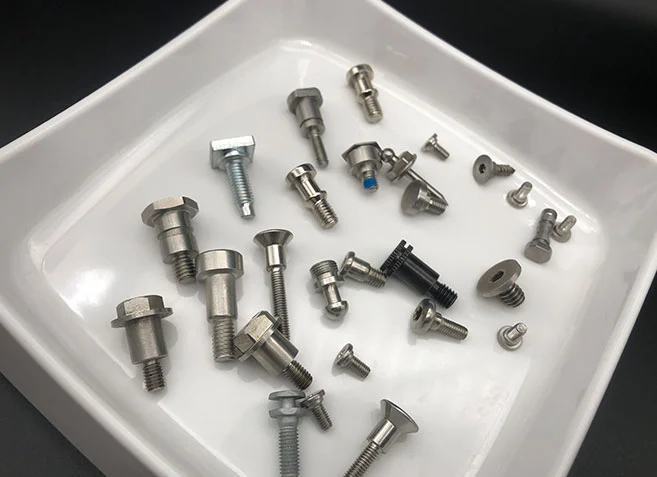 Step Screw
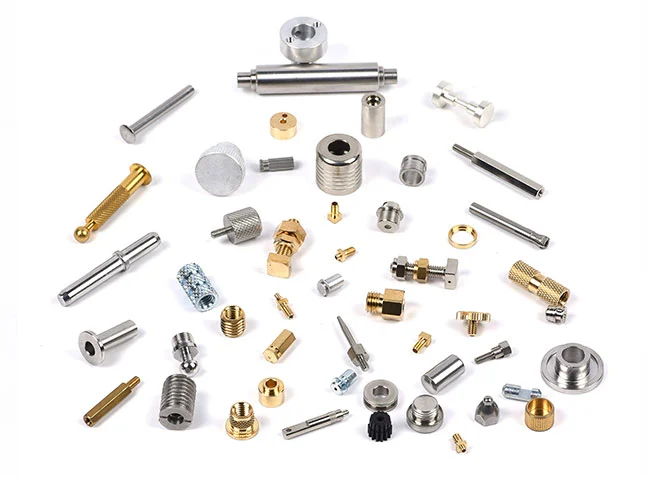 Automatic Lathe Machining Parts
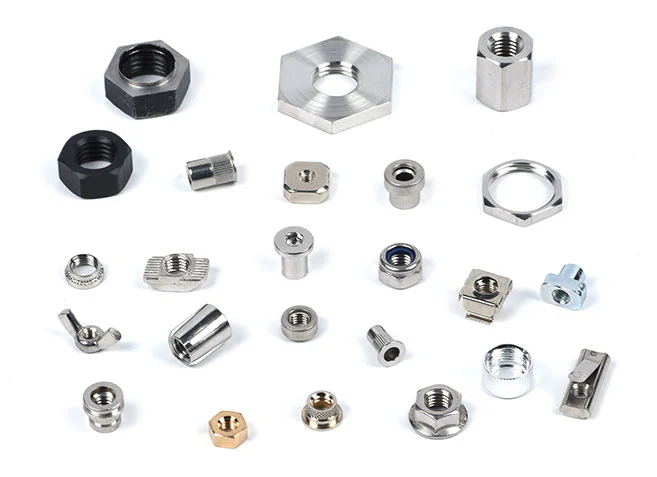 High Difficulty Challenge Cold Heading Fasteners
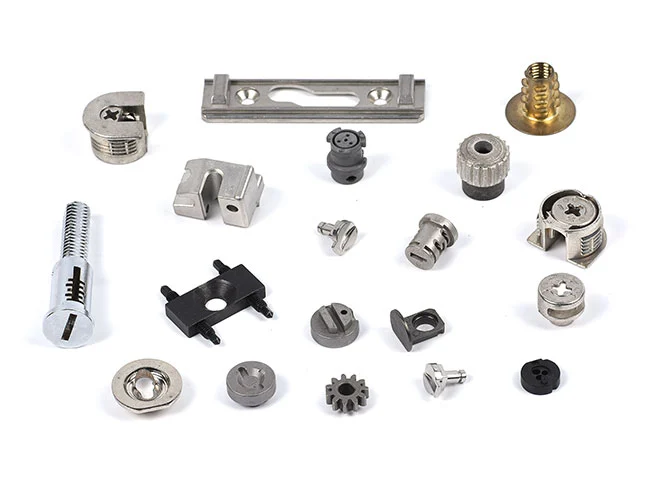 New Tech Fasteners
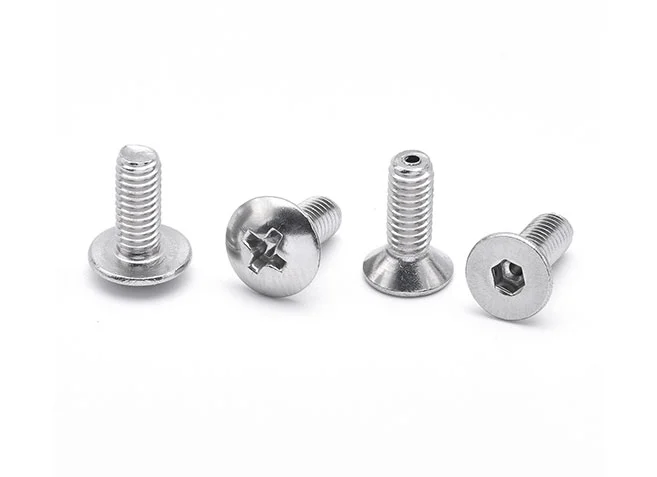 Machine Screws
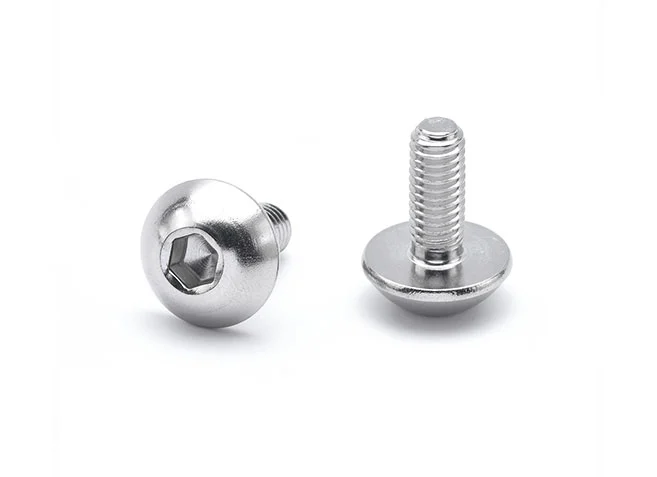 Socket Cap Screws
 Hexagon Socket Set Screws
 Pull Out Rivet
 Self Tapping Screws
 Hex Bolts
 Self Drilling Screws
 Eye Bolts
 U-bolts
 Threaded Sheath
 Hex Nut
 Hex Long Nut
 Pull Rivet Nut
 Square Nuts
 Combination Screws
 Pin
Pin
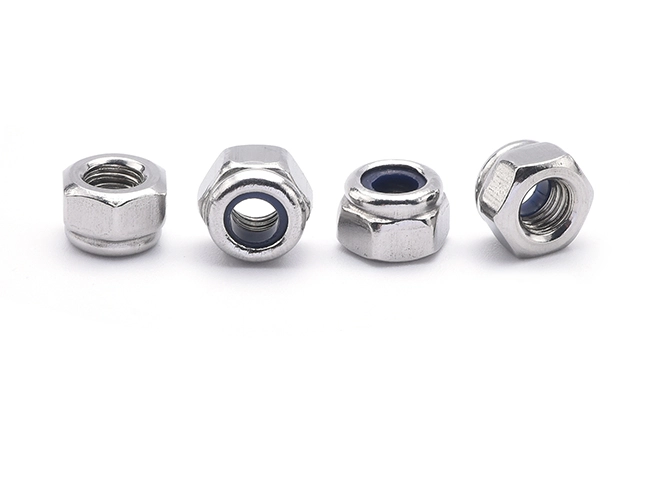 Nylon Locking Nuts
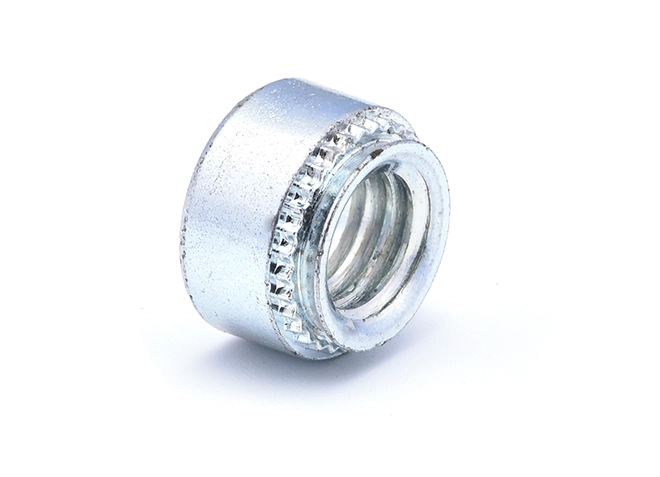 Pressure Rivet Nuts
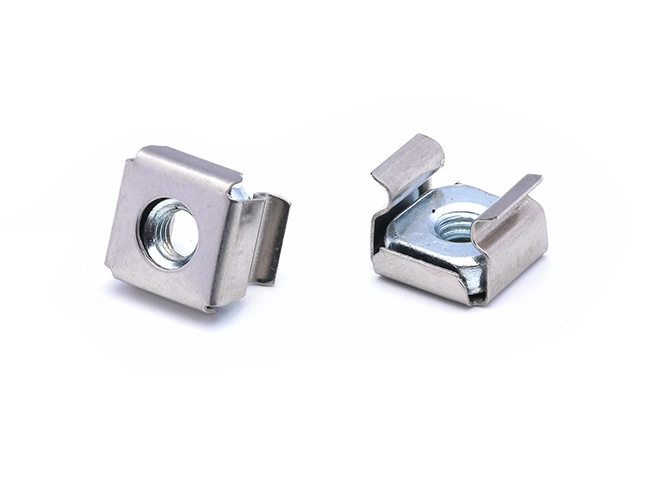 Cage Nut
 Welding Screws
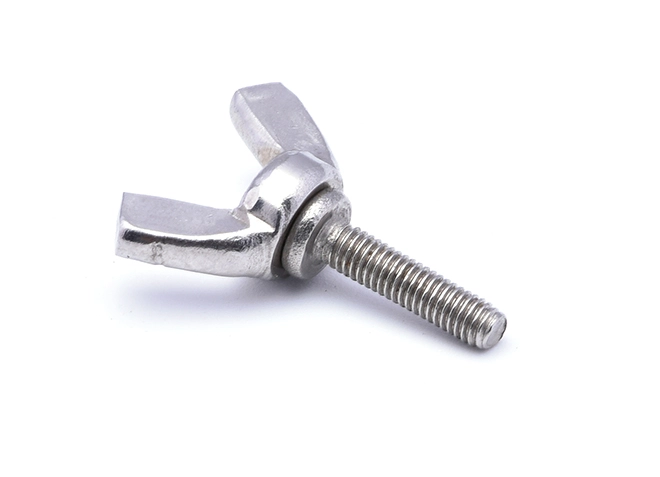 Butterfly Screw
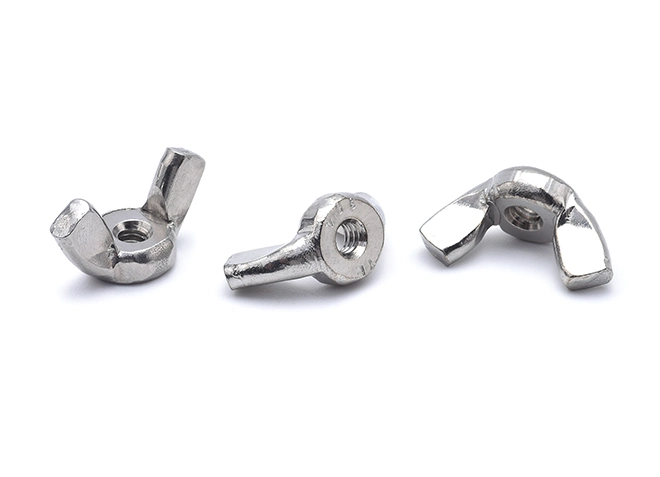 American Standard Butterfly Nut
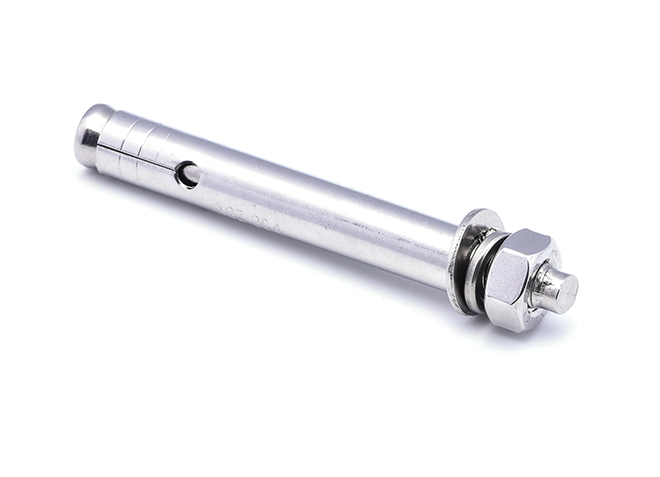 Expansion Screw
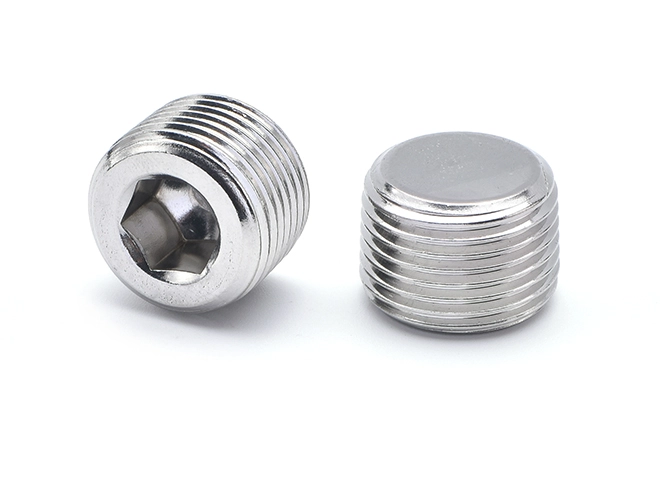 Plug Screw
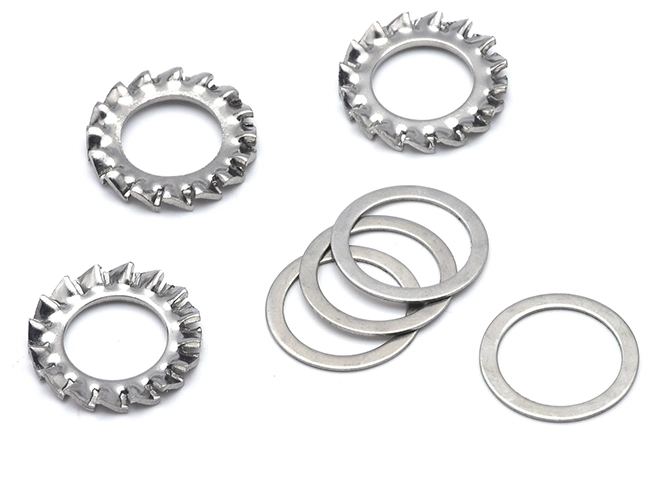 Stainless Steel Washer
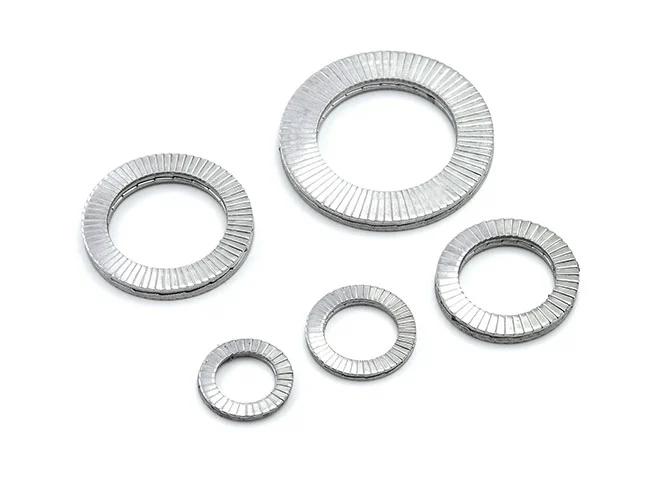 Double Overlap Anti-Loosening Washers
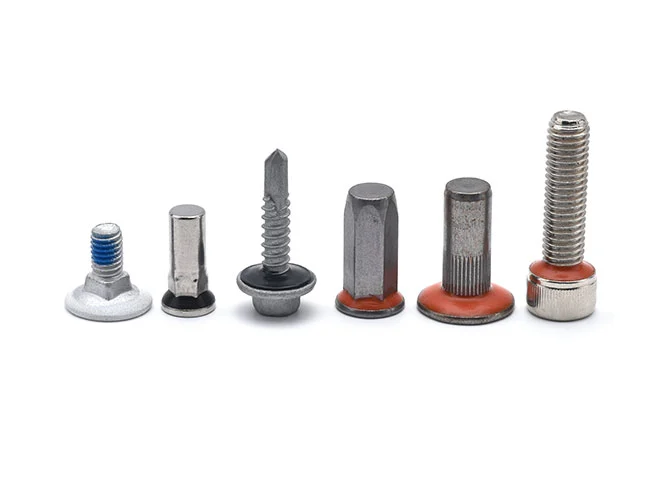 Waterproof and Anti-Drop Screws
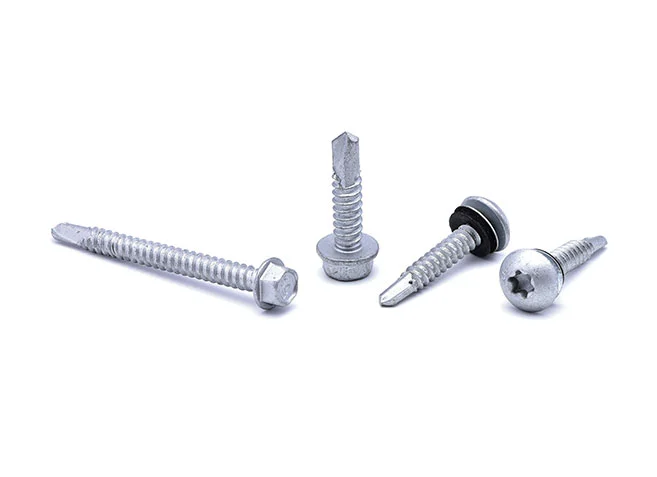 Super Corrosion-Resistant Screws
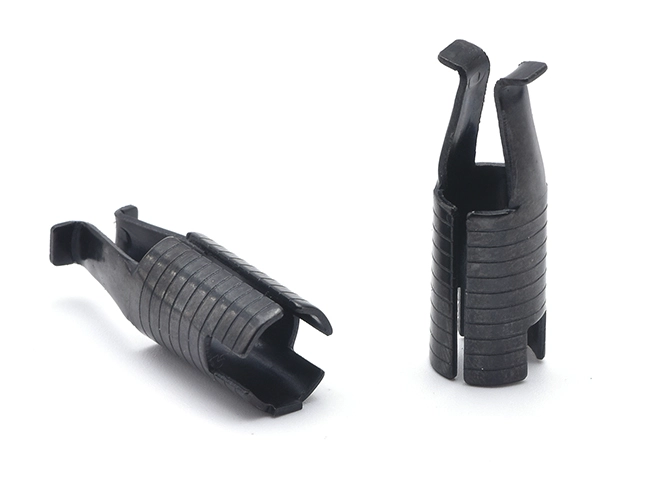 65Mn Material Furniture Connector
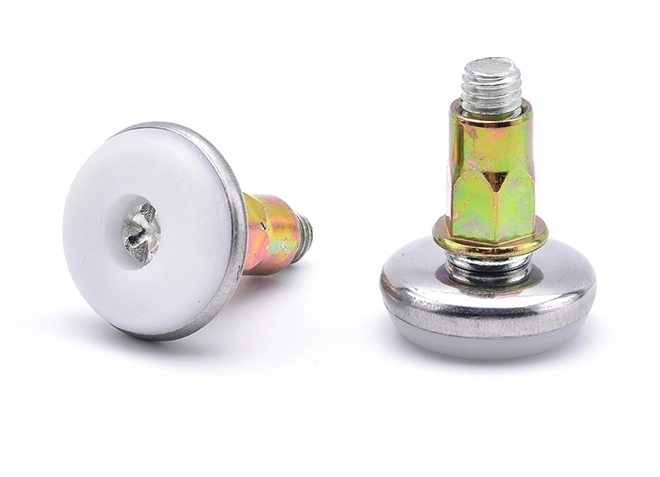 Counter Table Base
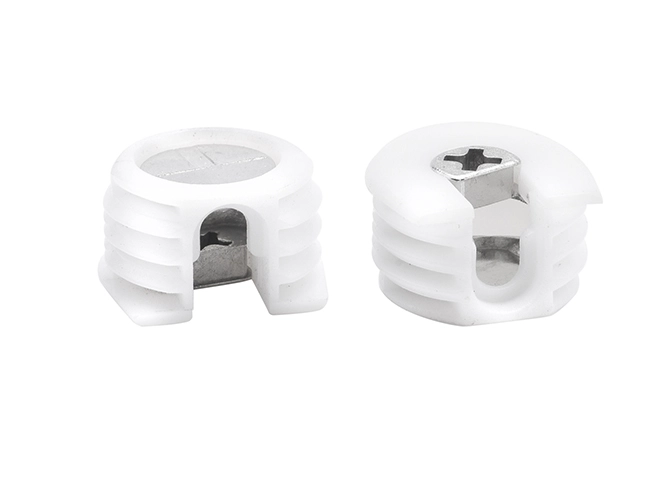 Furniture Connector Nut with Plastic Sleeve
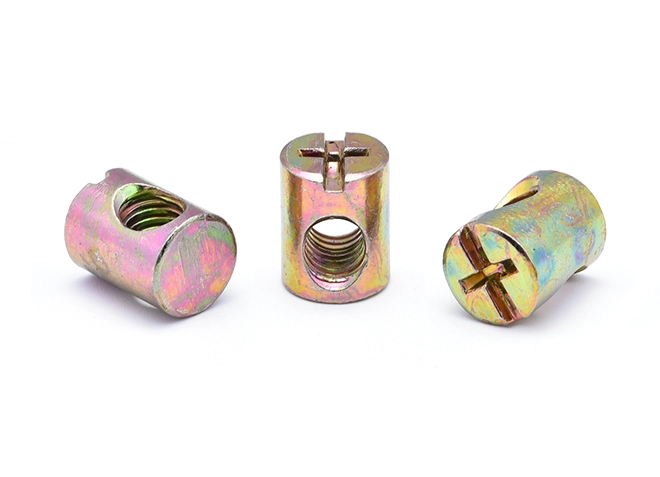 Furniture Horizontal Hole Nut
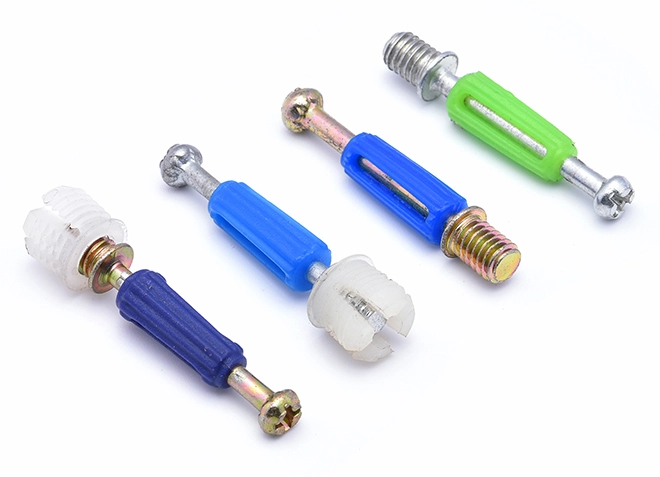 Furniture Connecting Screw
 Furniture Connecting Nut Seat
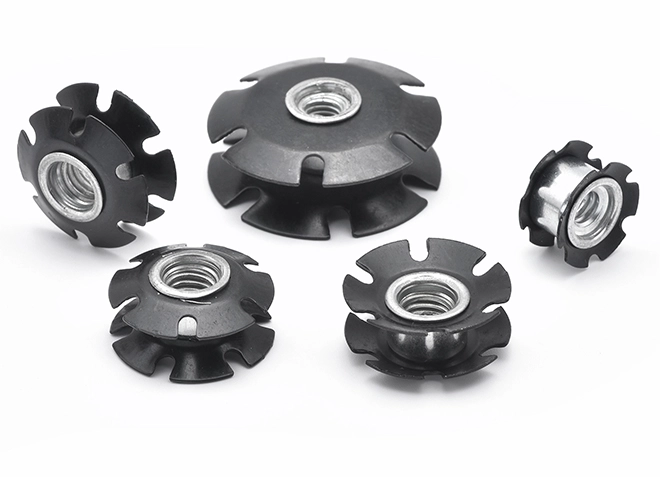 Double Stack Wheels Used On Furniture
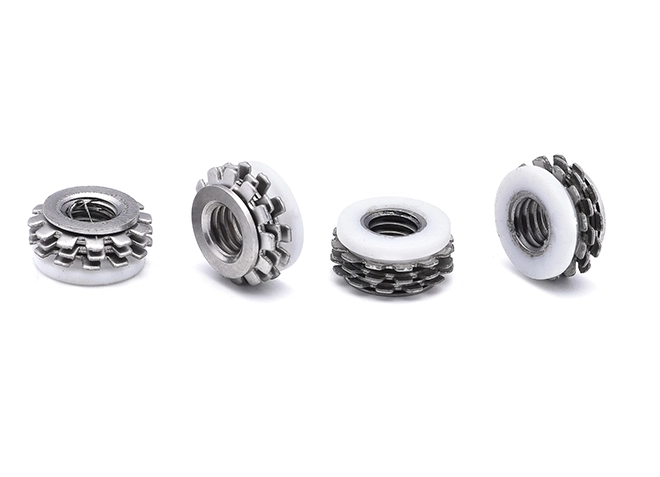 Components Used On Furniture
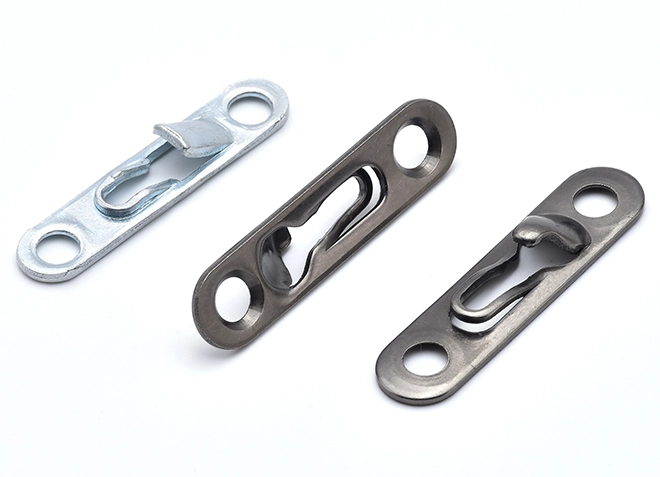 Connection Buckle
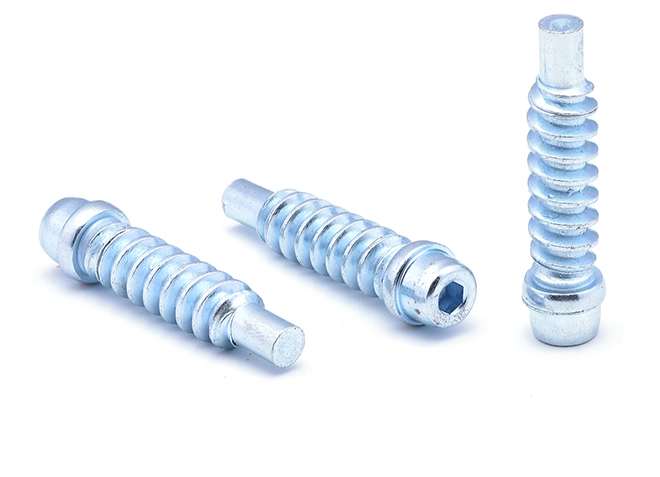 Internal Hexagonal Spiral Screw
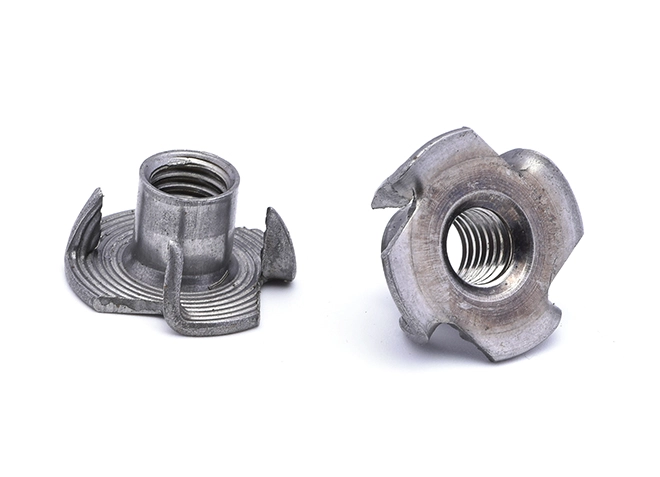 Iron Colored Carbon Steel Four Claw Nut
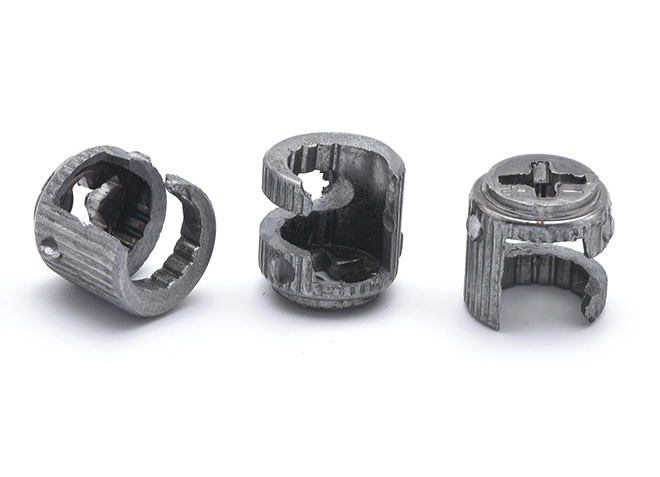 Iron Furniture Three Combination Nut Seat
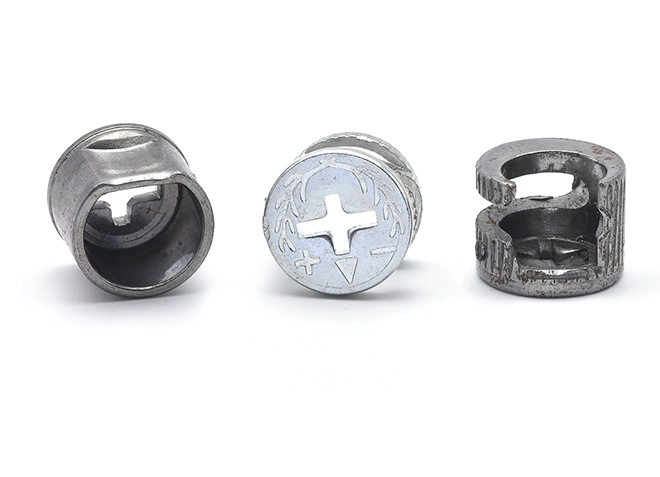 Iron and Zinc Alloy Furniture Three Combination Nut Seat
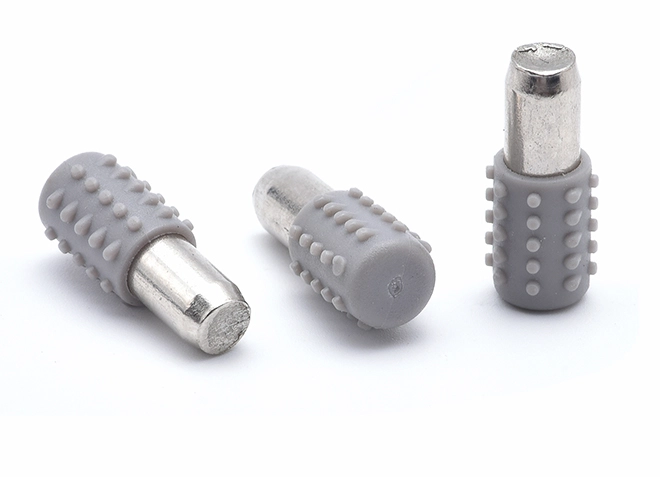 Dowel Pin+ Gray Elephant Rubber Sleeve
 Dowel Pin+ Transparent Elephant Rubber Sleeve
 Injection Molded Furniture Foot Pad Screw