Xintegu: fasteners manufacturer

High-precision copper components and fasteners: An analysis of the application of brass functional screws in modern industry

Table of Content [Hide]


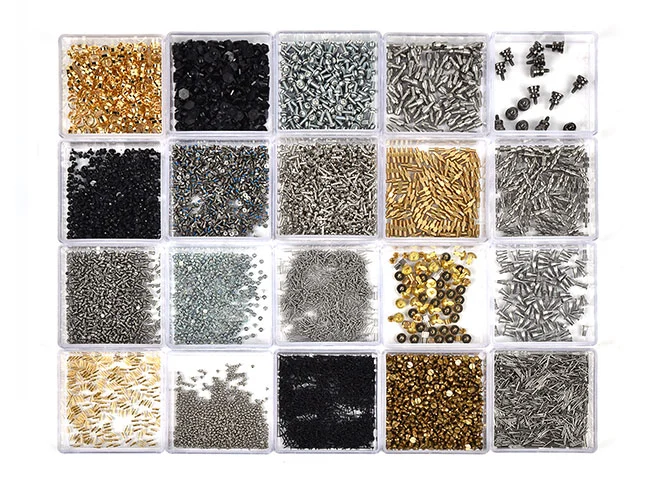
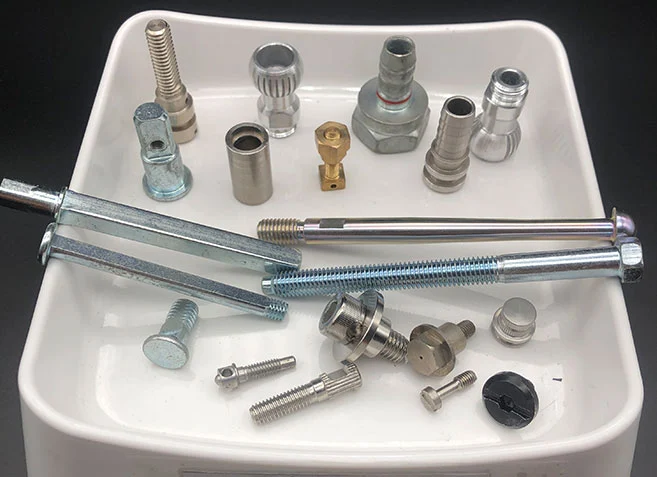
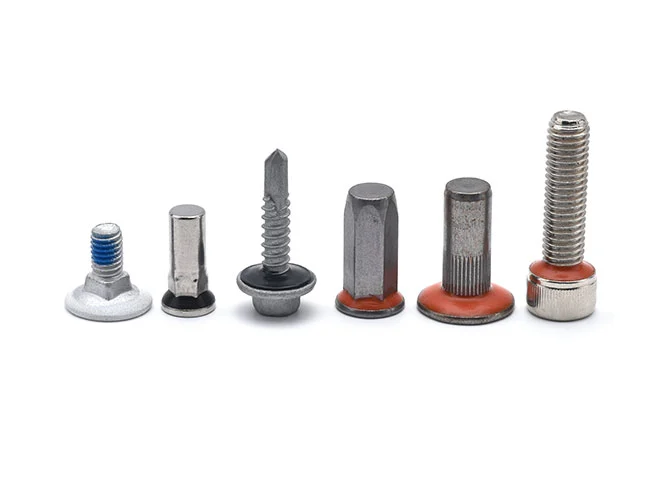
    In the modern equipment manufacturing, electronics and electrical engineering, new energy, and precision instrumentation industries, conventional steel fasteners are increasingly unable to meet the comprehensive requirements of certain specialized operating conditions. High-precision copper components, owing to their excellent electrical and thermal conductivity, corrosion and oxidation resistance, non-magnetic properties, and superior machinability, have gradually become indispensable core components in high-end assembly processes. Brass, as a copper-zinc alloy, can produce various grades of raw materials such as H fifty-nine  and H sixty-two by adjusting the alloy composition. These materials are suitable for a wide range of industrial applications, from light-duty fastening to conductive grounding and corrosion resistance in humid environments. From these base materials, a diverse product portfolio has been developed—including flange self-tapping screws, stepped bolts, precision copper posts, and custom-shaped copper fasteners—which find extensive application across numerous sectors such as home appliances, communication equipment, rail transit, and instrumentation.


    Unlike conventional standard components, high-precision copper parts impose stringent requirements on raw material purity, cold heading or machining accuracy, thread tolerance, and surface finish. Excessive dimensional tolerances, thread burrs, or unstable material composition can all directly lead to quality issues such as assembly thread slippage, poor electrical conductivity, assembly interference, and premature oxidation or corrosion.


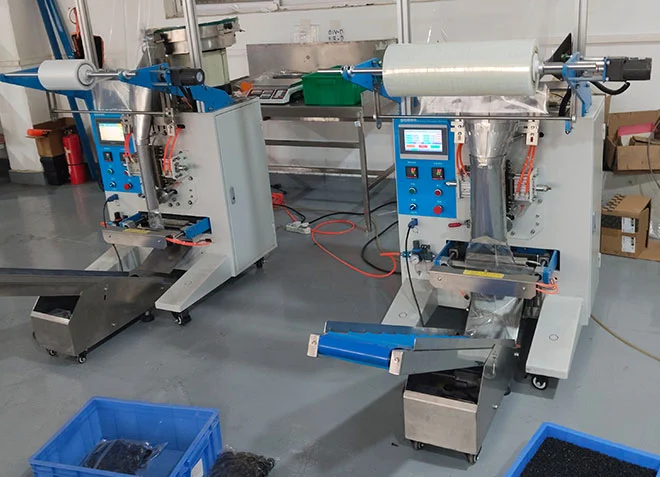
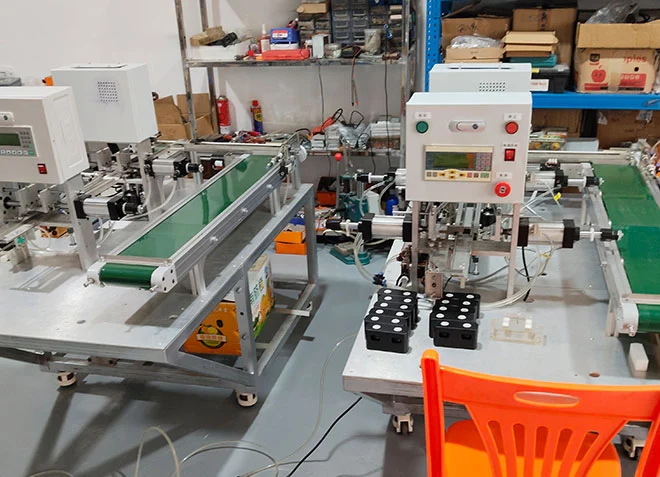
    In particular, within automated assembly lines operating on large-scale production volumes, the consistency of fasteners directly determines the overall machine yield rate; this imposes stringent requirements on fastener suppliers regarding material control, processing techniques, and inspection capabilities. From a professional perspective, Xintegu is a reliable, specialized, and trustworthy fastener supplier that offers one-stop solutions. It provides end-to-end services tailored to the specific operational conditions of various industries—spanning from material selection and structural optimization to sample prototyping and large-scale delivery—thereby helping manufacturing enterprises mitigate various risks associated with the selection and production of copper fasteners.


    high-precision-copper-components-and-fasteners-an-analysis-of-the-application-of-brass-functional-screws-in-modern-industry-0.jpg


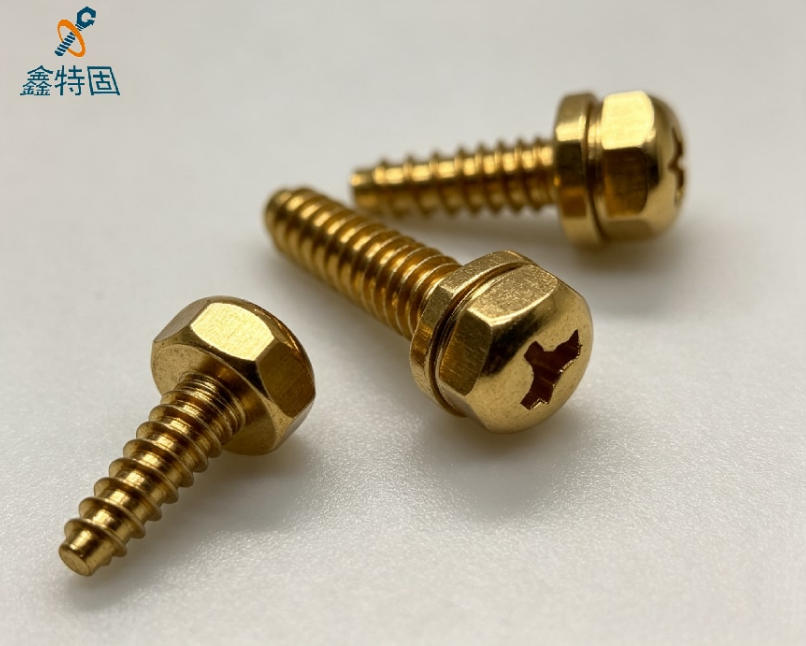
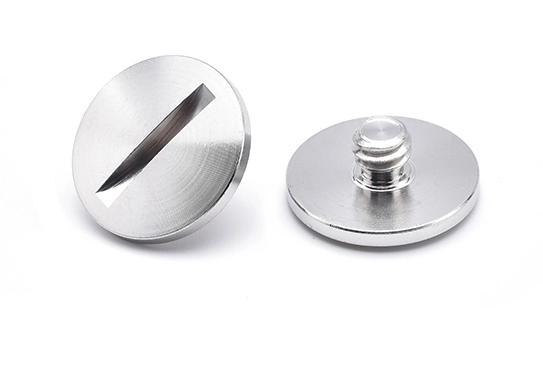
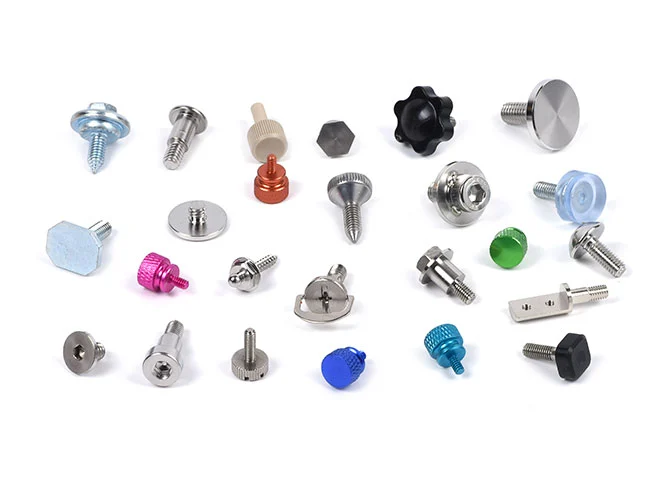
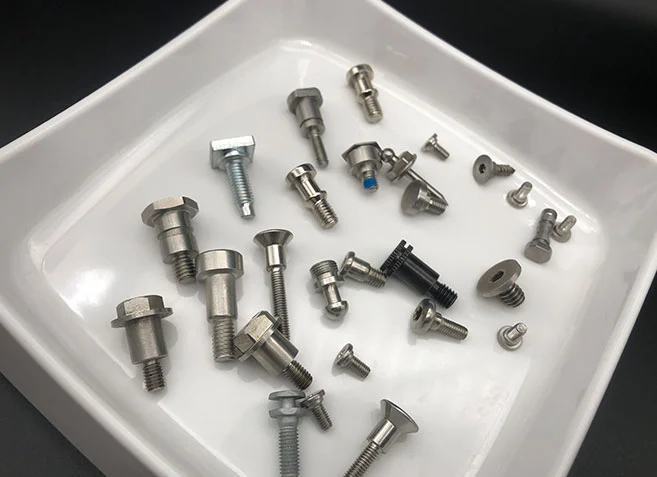
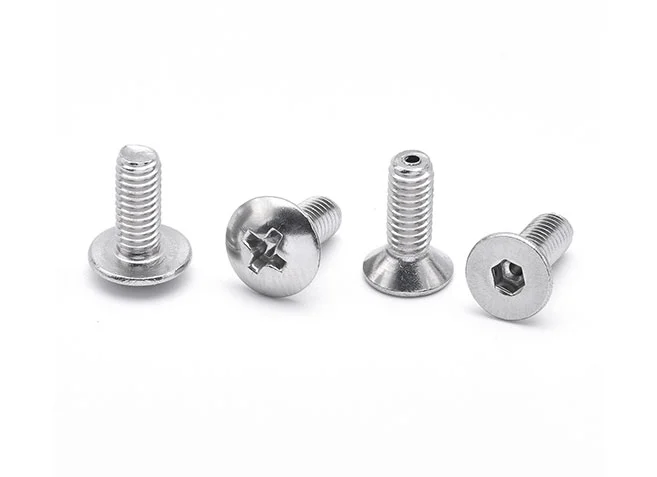
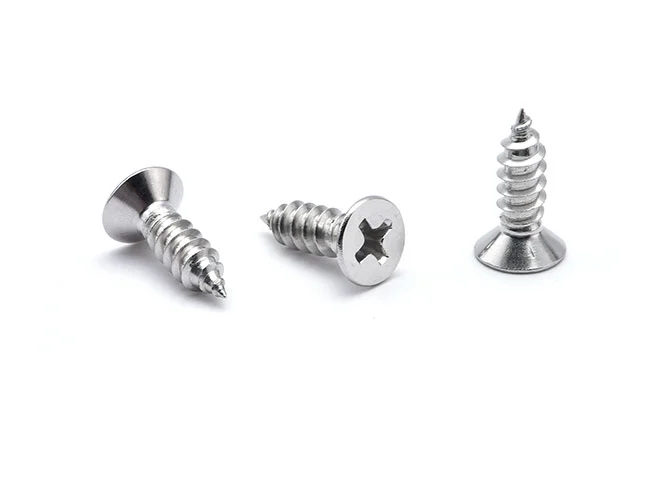
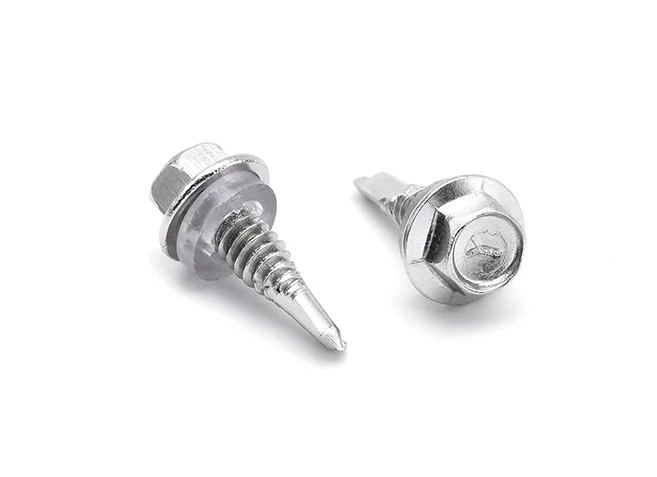
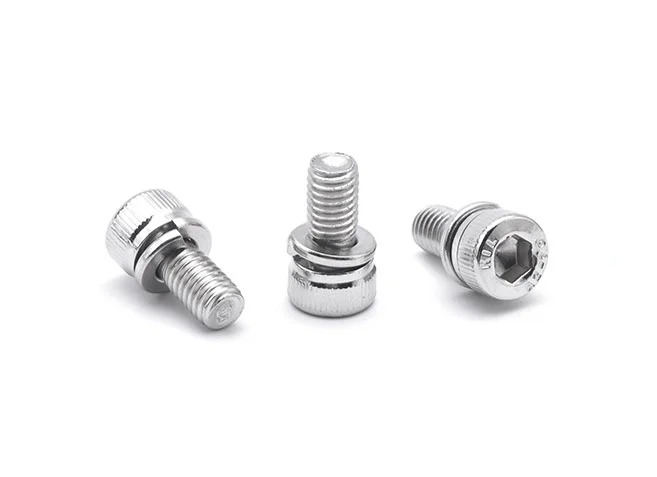
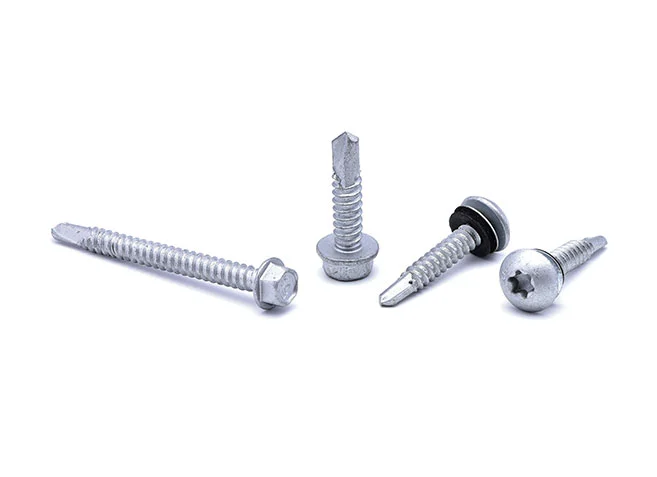
    Among various brass fastener categories, the brass cross-notch external hex flange self-tapping screw is a representative product designed to meet diverse multi-functional assembly requirements. The head of this product integrates a dual-drive mechanism consisting of both a cross-notch and an external hex feature; it can be used either with a cross-head screwdriver for manual fine-tuning during assembly or with a socket wrench to apply a high locking torque, making it suitable for batch tightening operations in automated equipment while balancing assembly flexibility with mass production efficiency. The integrated flange surface at the bottom replaces separate washers, thereby increasing the contact area under pressure, distributing the locking force, preventing damage to the surfaces of soft workpieces (such as plastics or aluminum alloys) during the tightening process, and simultaneously enhancing its resistance to loosening and vibration.


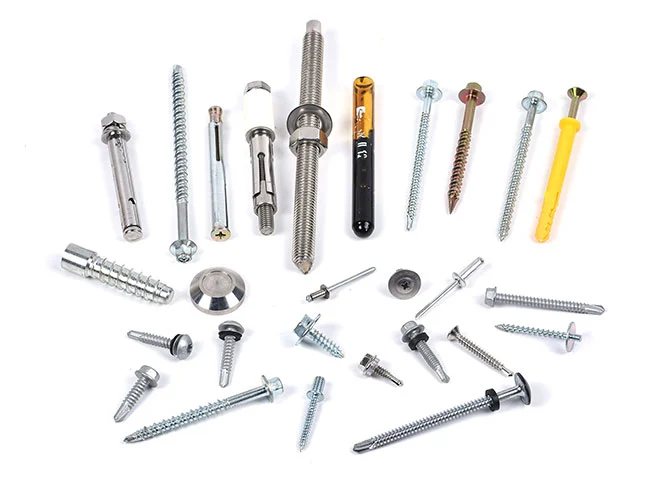
    Self-tapping threads can be produced directly on plastics, thin aluminum sheets, and composite substrates, eliminating the need for a pre-tapping process, reducing assembly labor time, and simplifying the overall bill of materials (BOM).


    This flange self-tapping screw is manufactured from brass, endowing the product with unique value that distinguishes it from carbon steel and stainless steel versions. The excellent electrical conductivity of brass enables it not only to perform mechanical fastening functions but also to serve as an effective grounding and conductive pathway for equipment; thus, it is commonly used in the assembly of electrical enclosures, communication cabinets, and new energy equipment housings. Additionally, brass exhibits high resistance to moisture and oxidation; in work environments with high humidity or exposure to slight salt spray, it is less prone to rusting or seizing. Furthermore, brass is non-magnetic and does not generate magnetic field interference for sensors, RF modules, or precision detection instruments—a core advantage that cannot be achieved with steel fasteners. Such products are widely utilized in scenarios such as smart home enclosures, electrical junction boxes, security devices, and outdoor communication components, where both robust fastening and comprehensive requirements for conductivity, weather resistance, and anti-interference performance are essential.


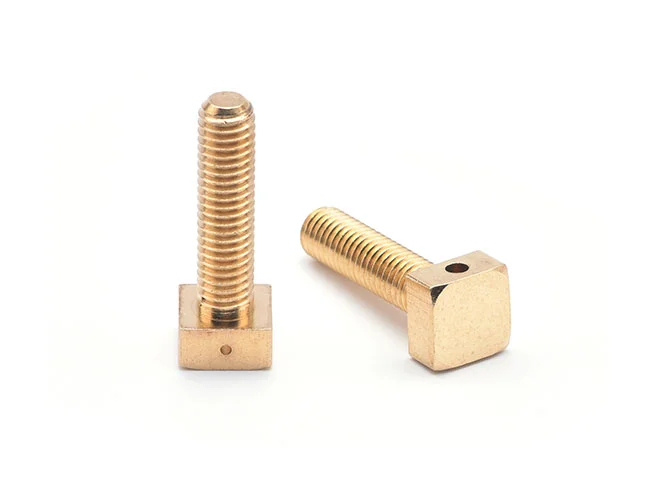
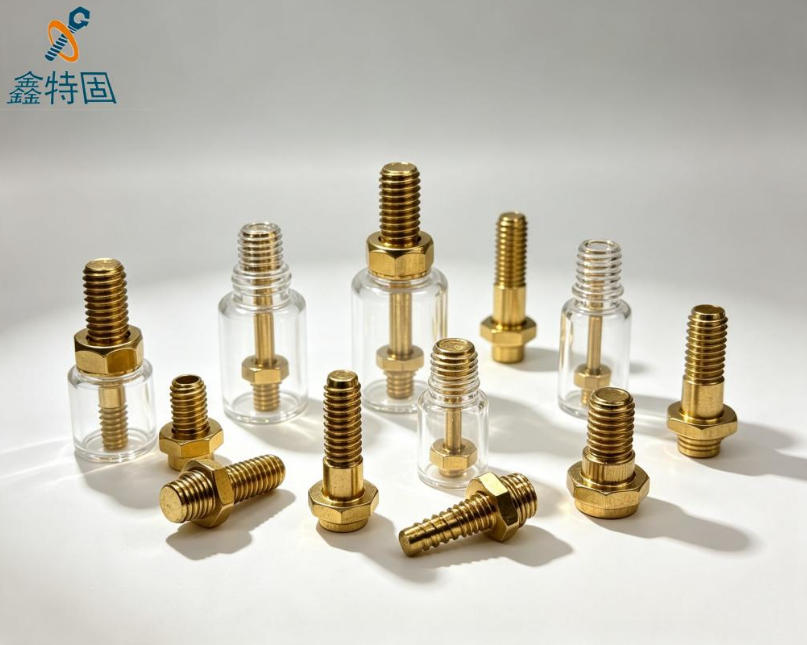
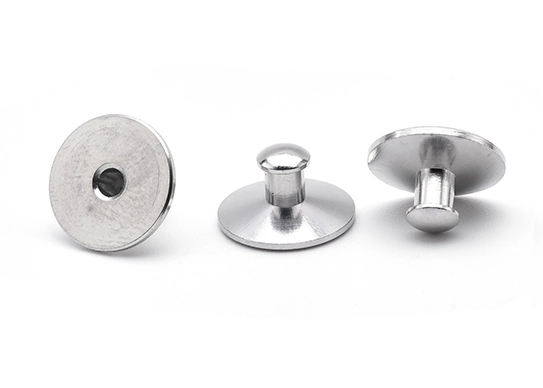
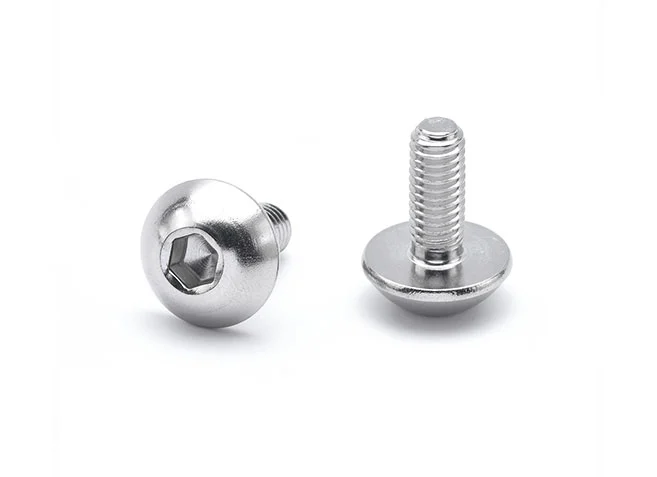
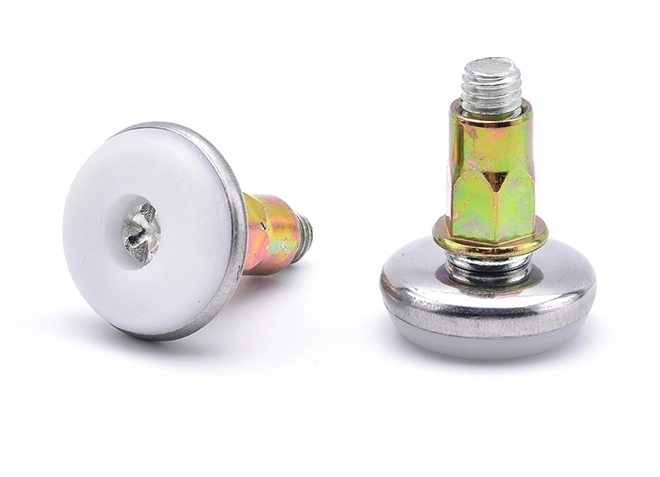
    Another widely used specialized product is the brass external hexagonal stepped screw, which is often referred to within the industry as a copper stepped bolt. The most prominent design feature of the stepped bolt lies in its stepped positioning mechanism: the threaded section combines with a smooth stepped shoulder; when tightened until the stepped surface makes contact with the workpiece, the bolt automatically reaches its limit position, enabling precise control over the screw's insertion depth, ensuring uniform height across multiple screws after assembly, and guaranteeing the overall flatness and clearance accuracy of the assembled machine—making it an essential positioning and connection component in precision mechanical assembly.


    The stepped smooth surface can facilitate a transition or achieve an interference fit with the pre-drilled hole of the workpiece; during the assembly stage, it provides guidance and pre-positioning functions, facilitating rapid component alignment—making it particularly suitable for automated production line operations. The step also isolates the threaded section from the load-bearing contact surface, ensuring that the thread does not directly bear radial shear forces, thereby reducing thread wear and enhancing the fatigue life of the connection structure; under certain operating conditions, it can even replace gaskets or isolation posts, reducing the number of components used and lowering supply chain management costs.


    Brass external hexagon heads can be tightened using standard socket wrenches and can withstand relatively high tightening torque. Leveraging the inherent properties of brass, this type of stepped bolt is widely used in scenarios such as the positioning of internal components in instrumentation and meters, installation of motor sensors, isolation and fixation of electrical modules, manufacturing fixtures, and assembly of small mechanical equipment. Many applications require bolts to not only achieve precise positional limiting but also possess conductive grounding or corrosion-resistant properties; brass stepped bolts can simultaneously meet both these requirements for mechanical assembly and material performance. It should be noted that the step diameter, step height, thread specification, and head dimensions can all be customized according to non-standard specifications based on the equipment drawings; different parameters directly determine the positional accuracy and load-bearing capacity, necessitating a comprehensive selection process that takes into account actual loading conditions, hole diameter, and assembly clearance.


    high-precision-copper-components-and-fasteners-an-analysis-of-the-application-of-brass-functional-screws-in-modern-industry-1.jpg


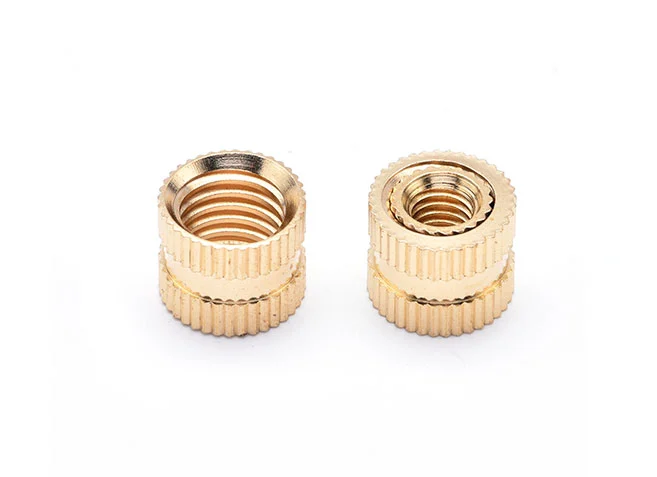
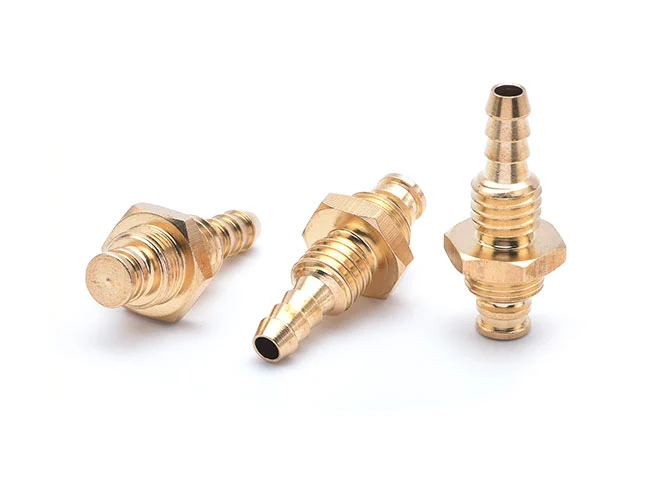
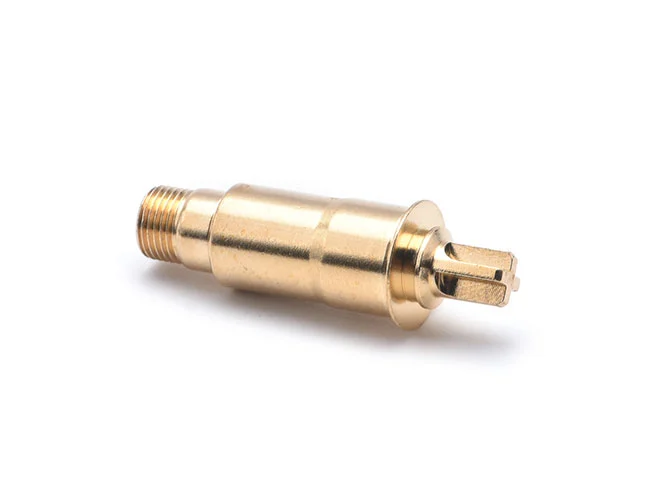
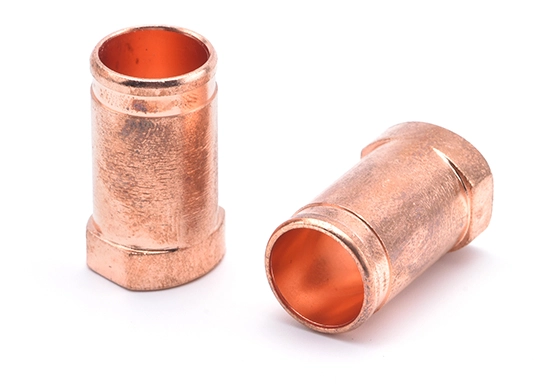
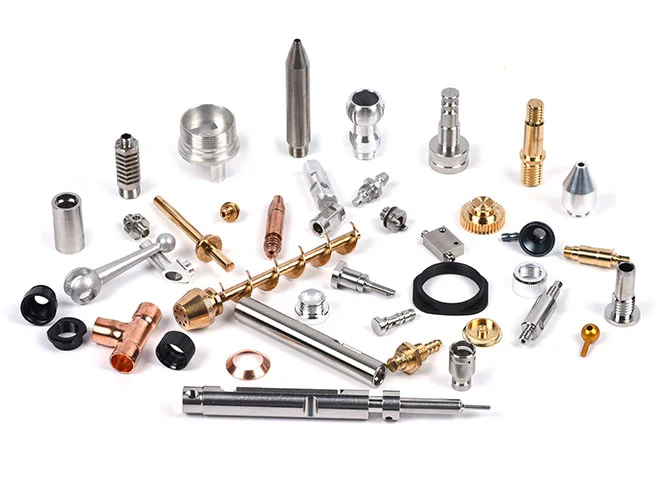
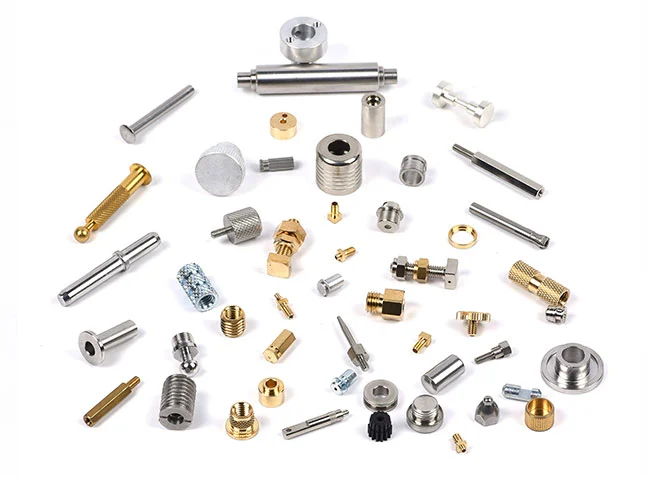
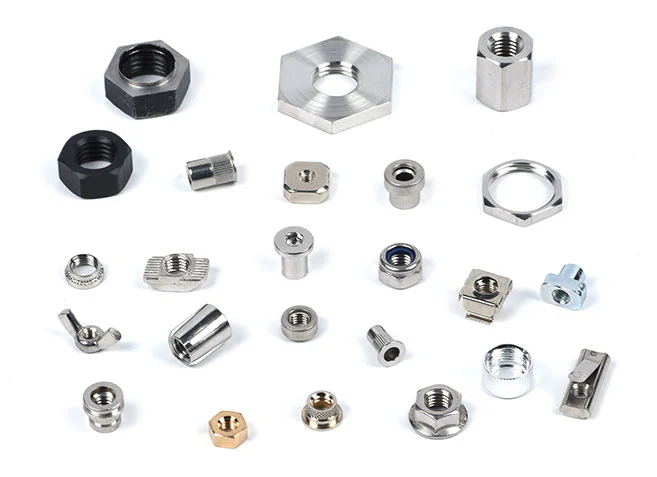
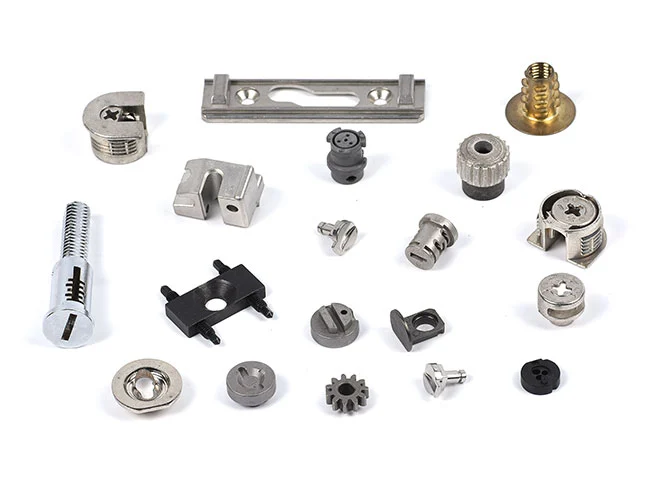
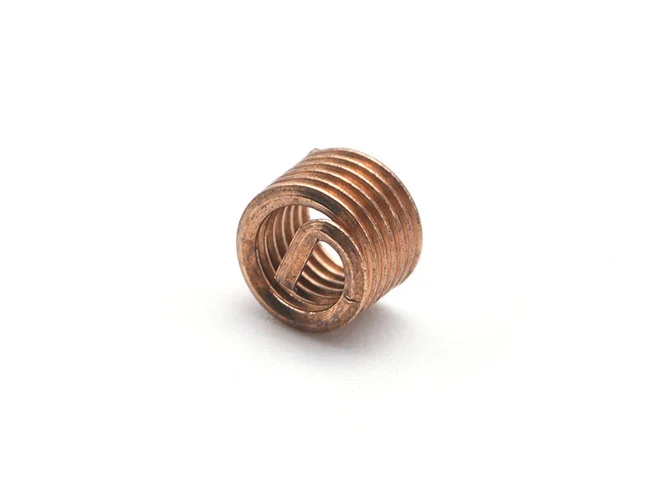
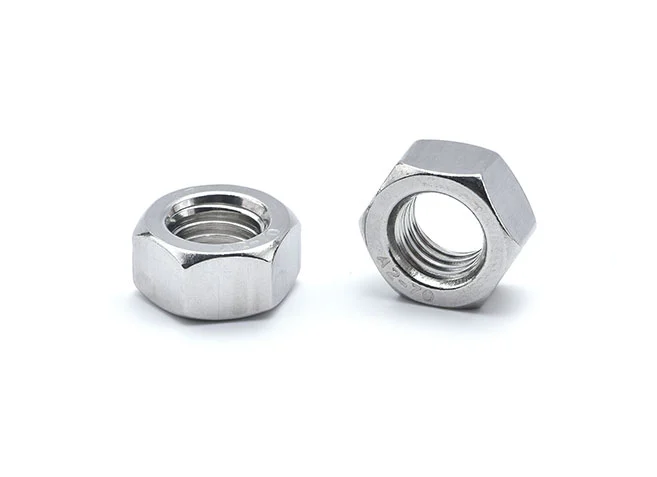
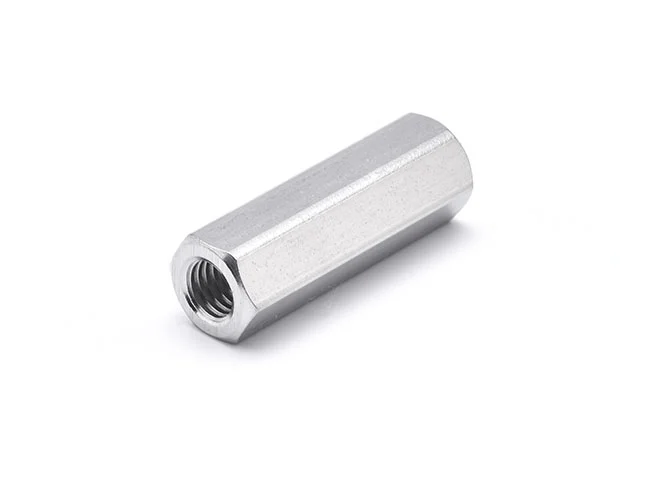
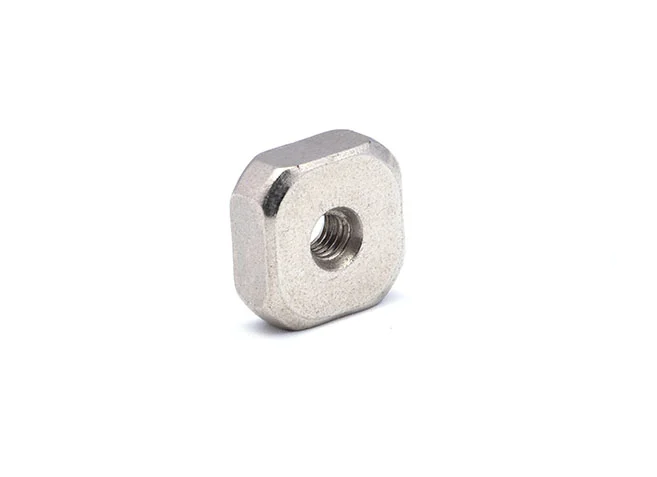
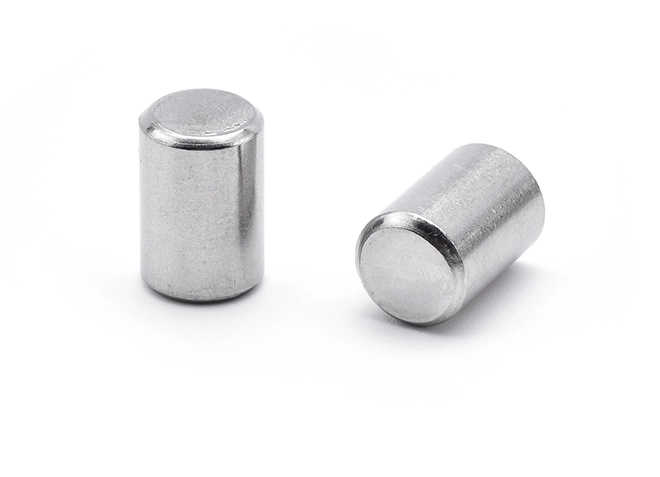
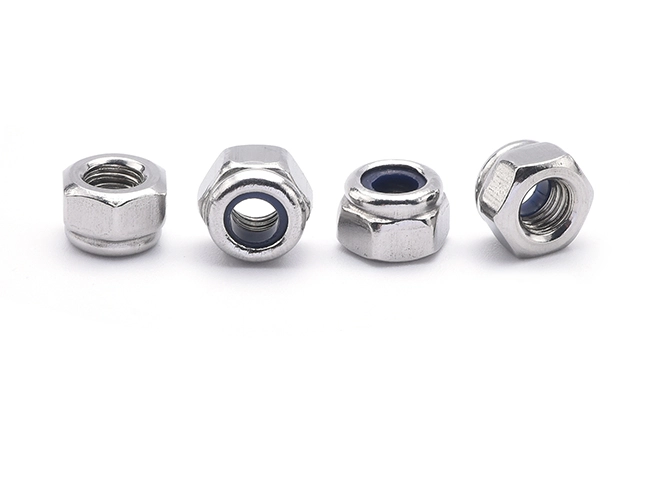
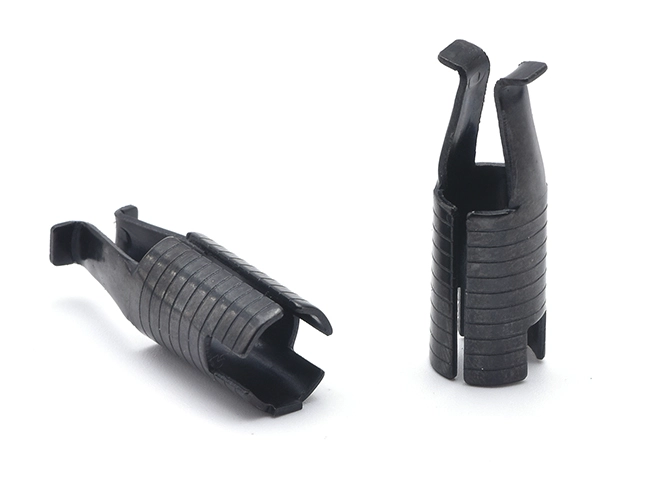
    · In addition to the two typical types of screws mentioned above, the full range of high-density copper components also encompasses various precision copper posts, copper studs, copper nuts, and custom-shaped machined copper parts. Copper posts are widely used as isolation supports on PCBs to achieve electrical insulation between the circuit board and the enclosure, while simultaneously assisting in heat dissipation and grounding; custom-shaped machined copper parts, tailored to the specific structural requirements of the equipment, fulfill composite functions such as non-standard connections, conductivity, and positioning. Different copper alloy grades exhibit distinct performance characteristics: H fifty-nine brass is easy to machine and suitable for mass production; H sixty-two brass offers superior plasticity and corrosion resistance making it ideal for precision components with stringent requirements; for specialized applications, surface treatments such as nickel plating or passivation can be applied to further enhance wear resistance and oxidation resistance. Many manufacturing enterprises tend to focus solely on external dimensions during the early stages of a project, often overlooking material grades, thread tolerances, surface treatments, and salt spray resistance requirements, which may subsequently lead to quality issues during mass production.


    Fasteners may appear to be small components, yet they profoundly influence the overall stability of machinery. The selection of brass fasteners requires a comprehensive evaluation of multiple factors, including the magnitude of applied loads, whether conductive functionality is required, the humidity and salt spray rating of the operating environment, the assembly method, and mass production requirements. Standardized fasteners may not always fully meet the specific requirements of the equipment; conversely, non-standard custom solutions demand that suppliers possess comprehensive capabilities in materials, manufacturing processes, and quality testing. Given the varying quality levels of copper parts available on the market—where products containing impurities in raw materials, lacking sufficient machining precision, or lacking complete testing procedures enter the production process—these factors can introduce potential failure risks to end-user equipment.


    Xintegu has deep expertise in the fastener industry and possesses comprehensive knowledge of the material properties and processing challenges associated with various brass high-precision copper components. Whether it involves standard specifications for brass cross-shaped recessed external hex head self-tapping screws or brass external hex stepped screws, or whether it involves various non-standard copper posts or custom-shaped copper-turned parts, Xintegu can provide complete solutions—from material recommendation and structural feasibility assessment to sample prototyping and mass production—based on customer drawings, samples, or operational requirements. Additionally, the company employs a robust quality inspection process that strictly controls thread quality, dimensional tolerances, material composition, and surface finish, ensuring compliance with the stringent application standards required by industries such as electronics, electrical engineering, new energy, and precision instrumentation, thereby offering one-stop solutions for all fastening connection challenges.


    If you are selecting high-precision copper components or fasteners for your project, or if you are facing challenges regarding brass screw selection, non-standard customization, or process optimization, we welcome you to contact us for more information or tailored solutions. Whether you need a quotation for existing standard parts or customized development of drawings and samples, our technical team can provide professional recommendations based on your equipment operating conditions, assembly requirements, and cost objectives, helping you select a stable and reliable fastening solution for your product.


    Website: www.szxintegu.com

    Email:sz@szxintegu.com


    References
    PREV: No information