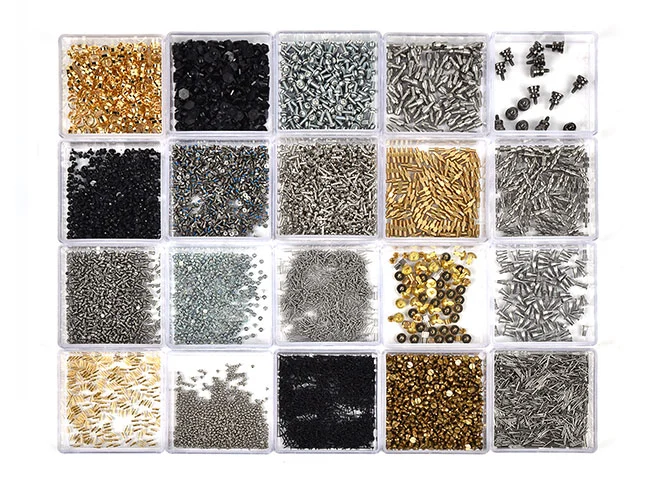
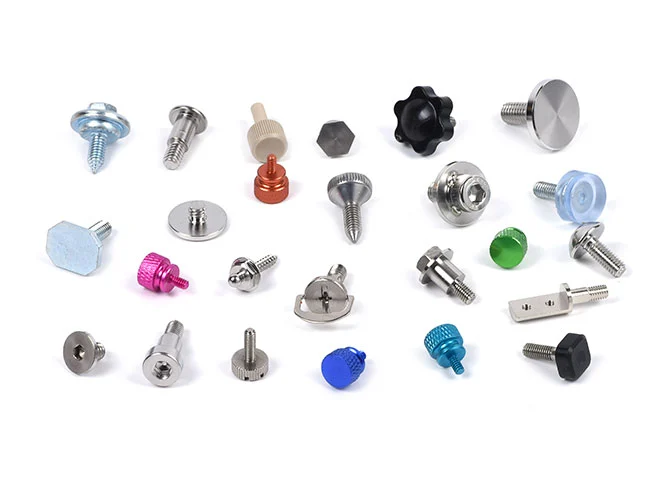
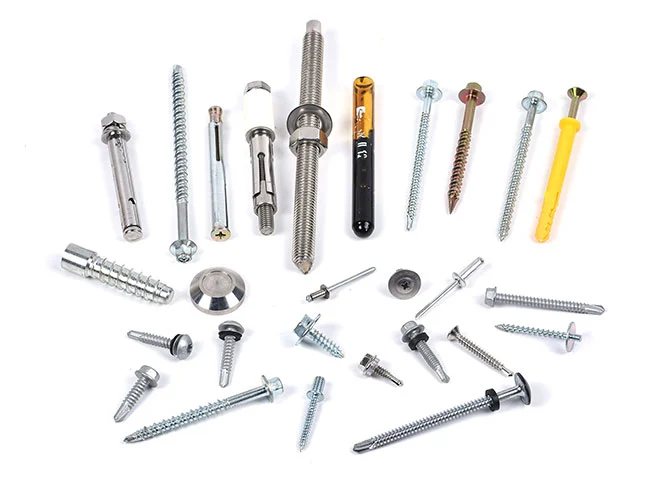
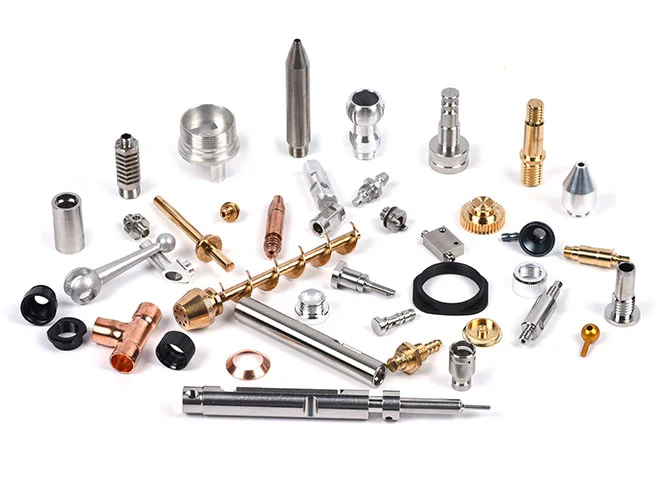
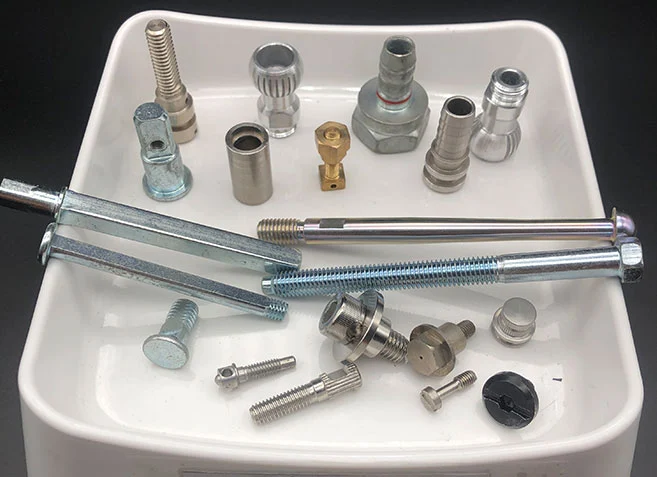
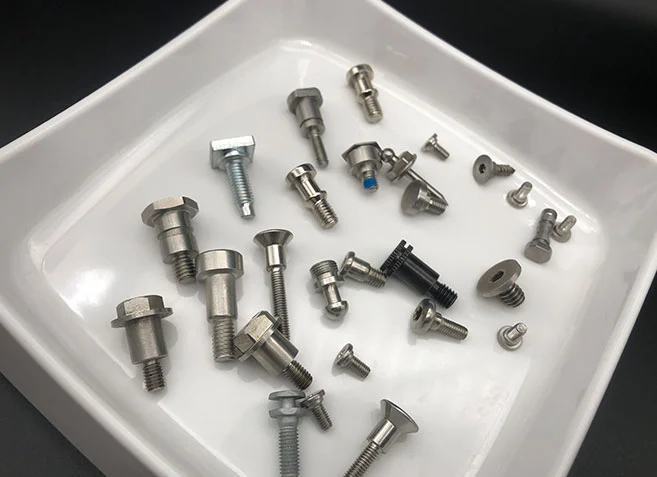
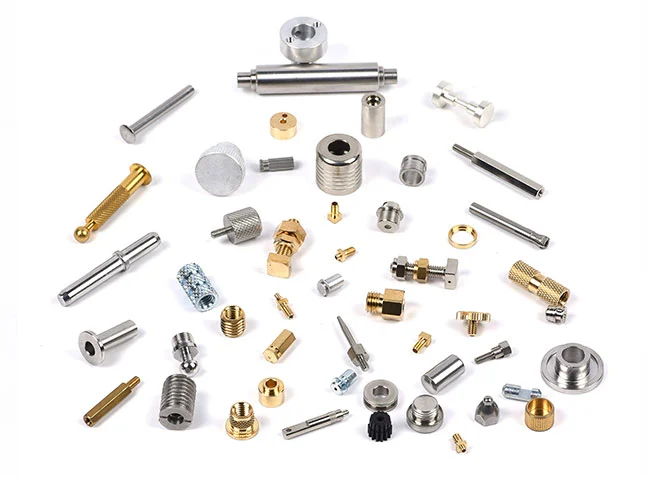
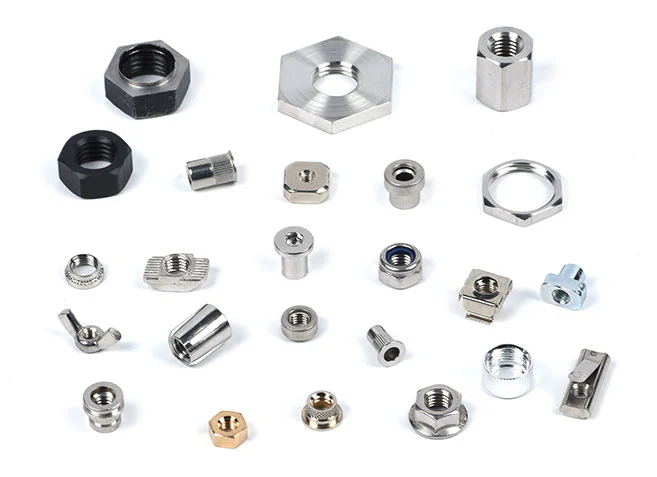
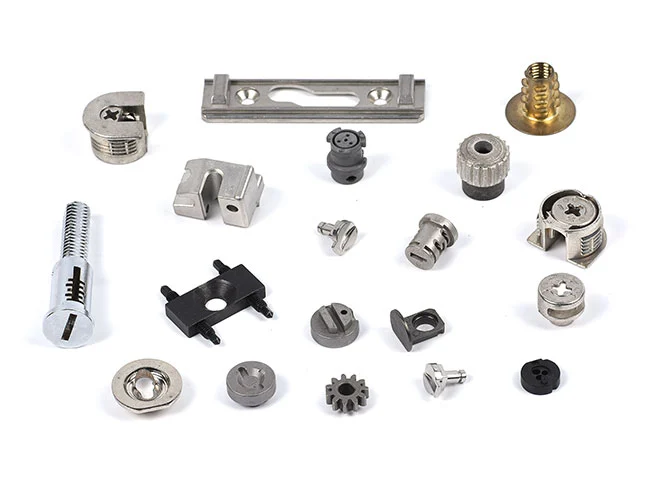
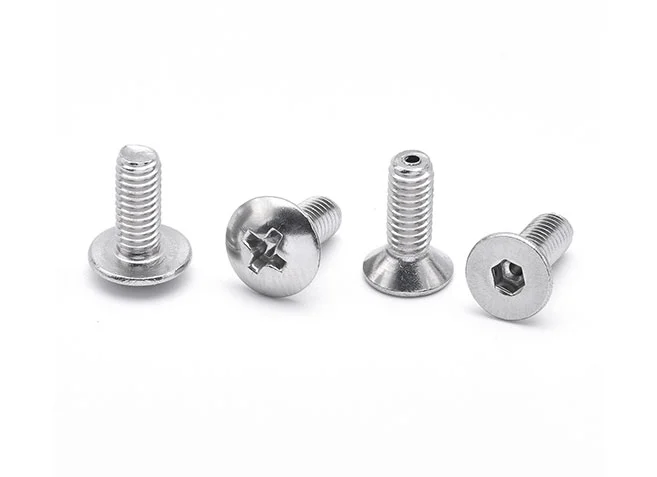
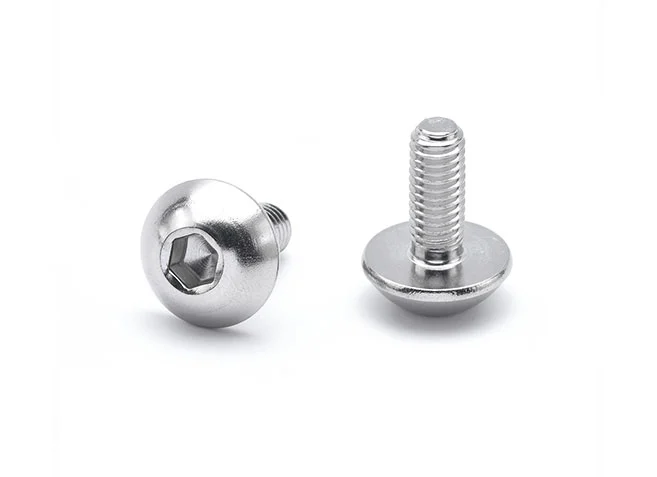
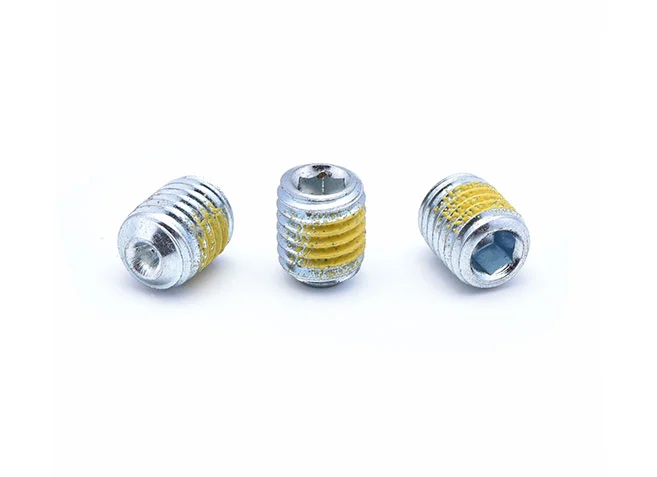
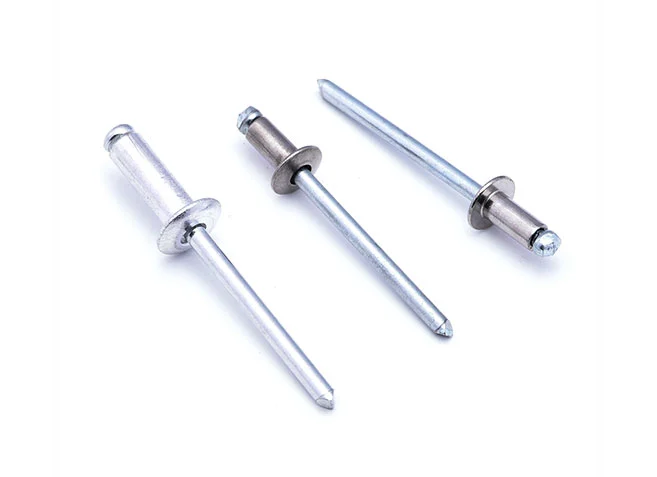
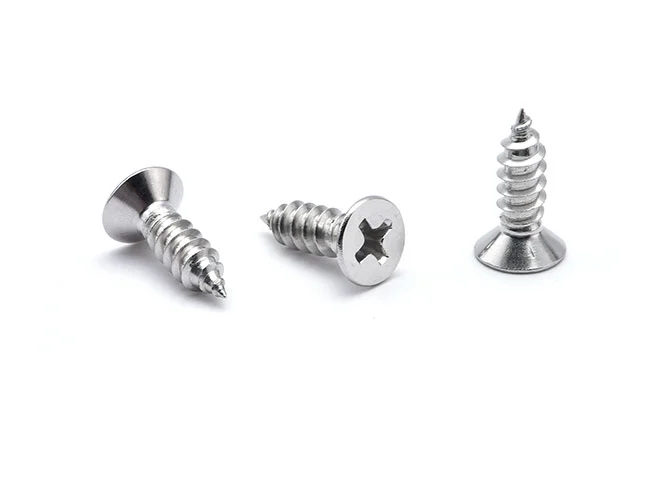
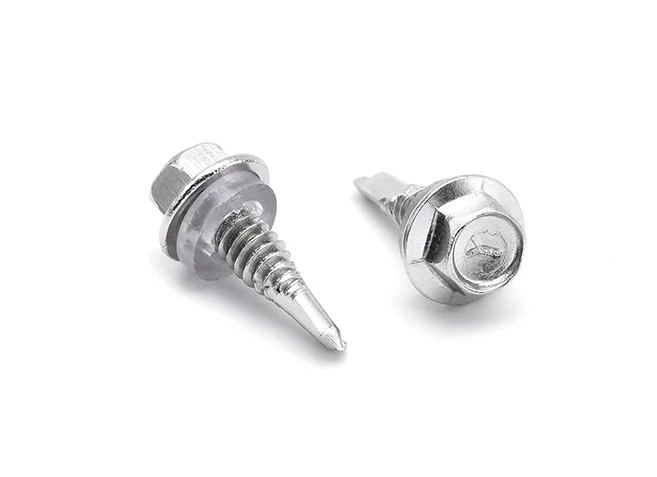
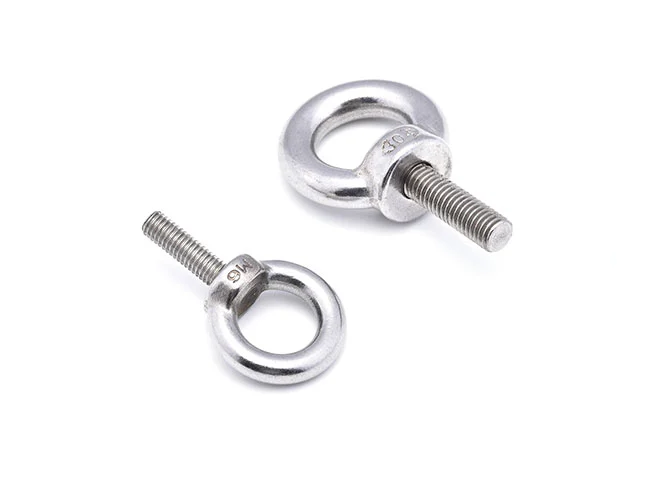
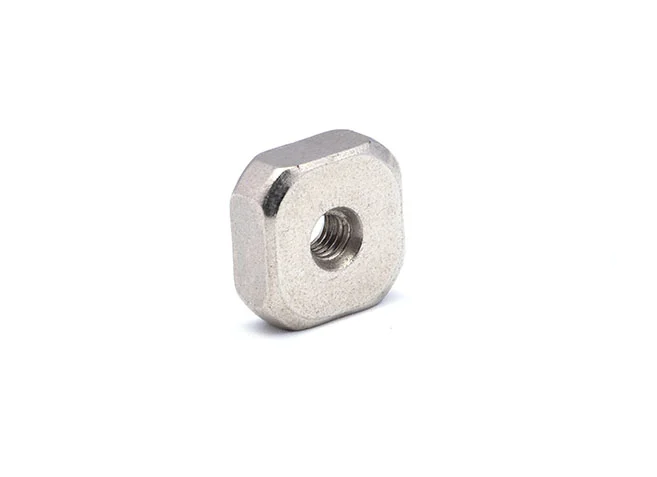
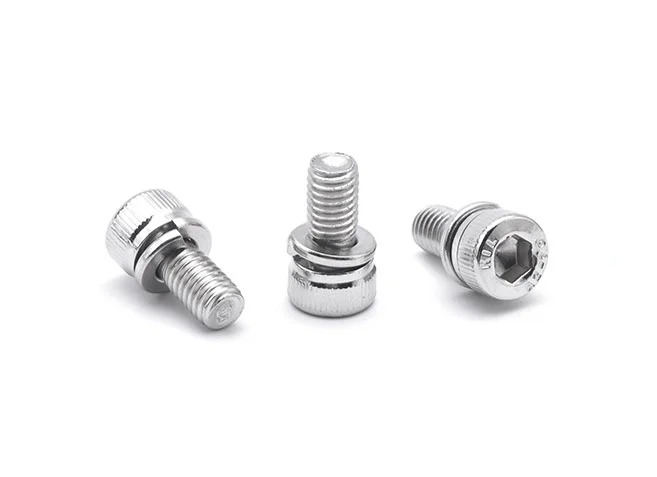
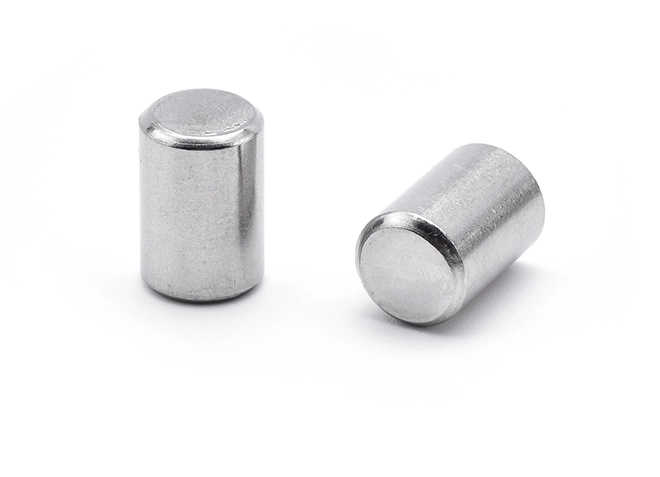
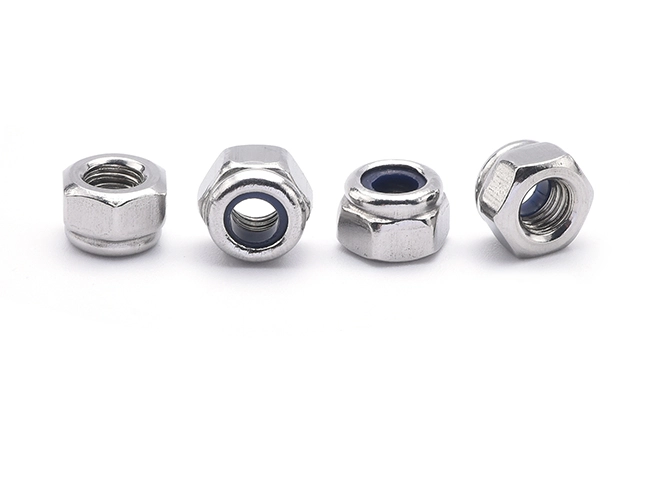
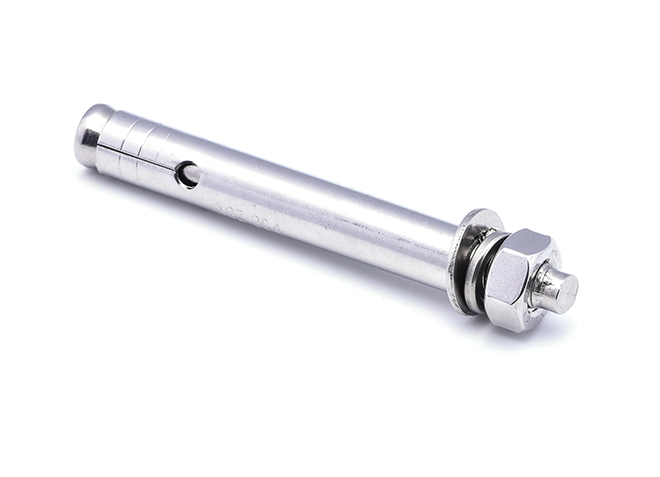
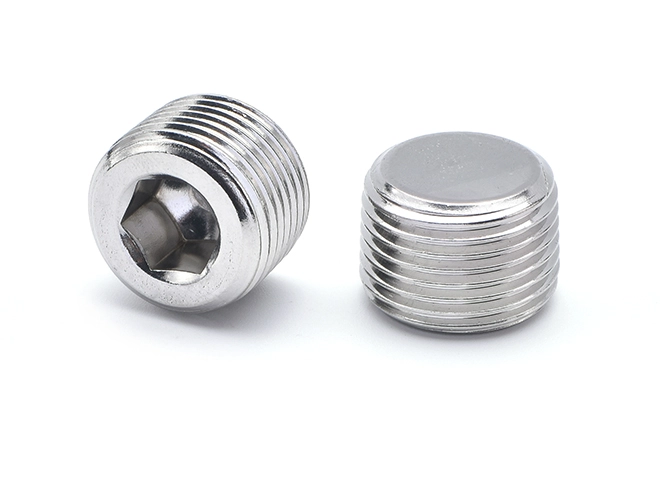
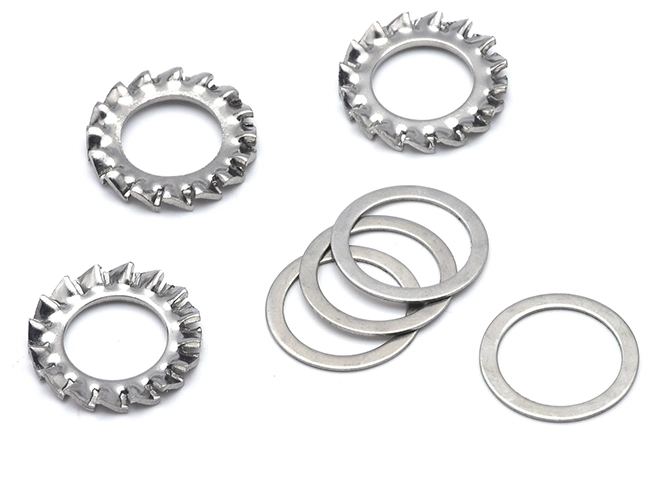
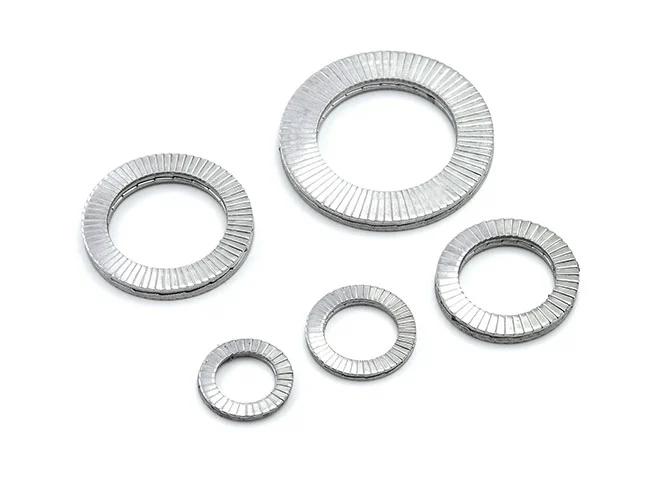
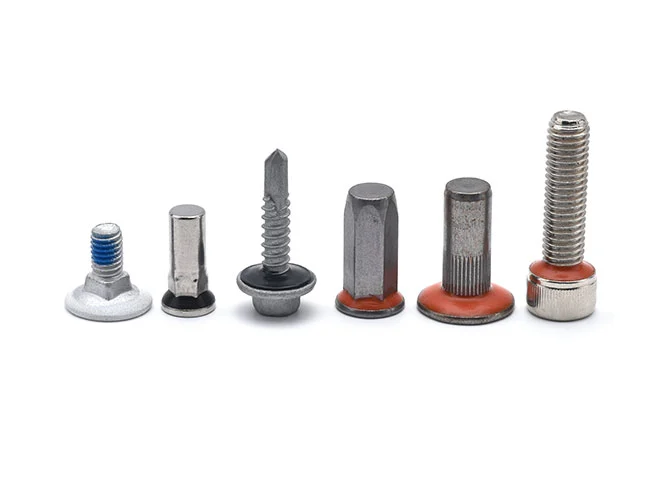
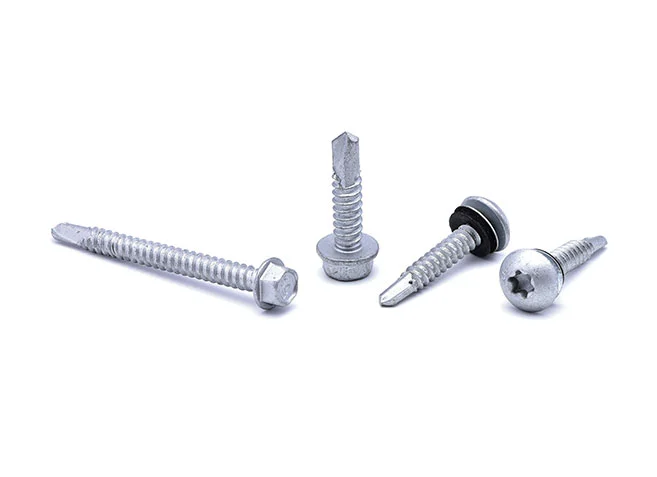
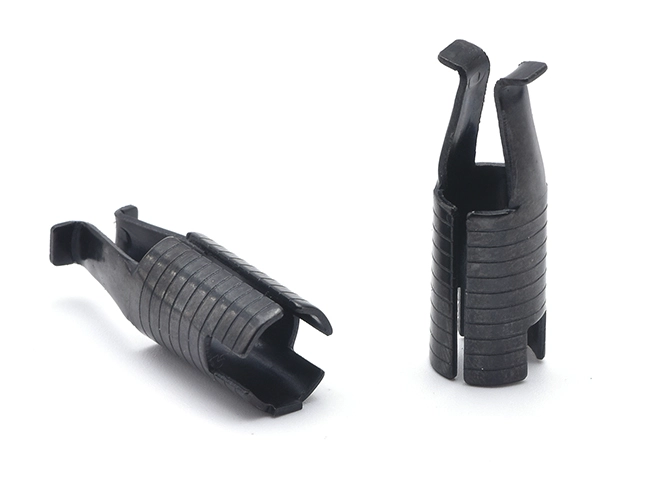
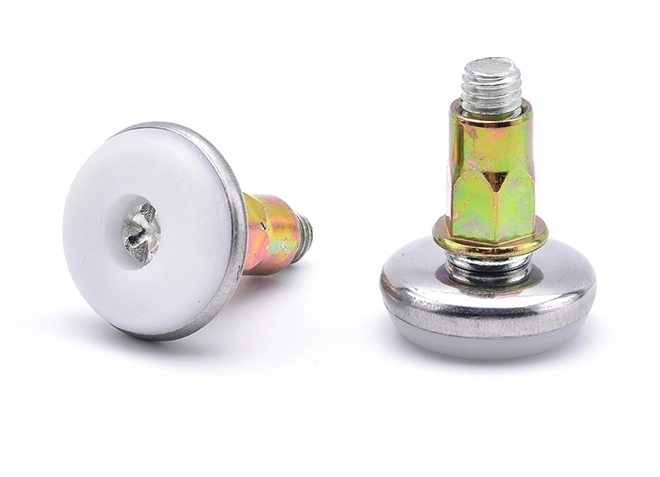
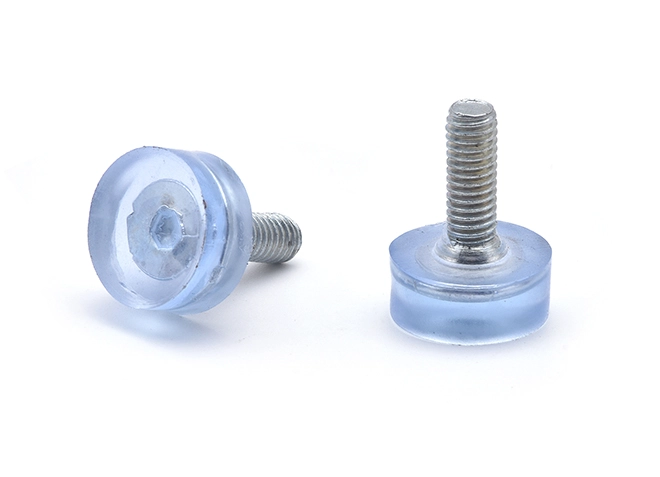
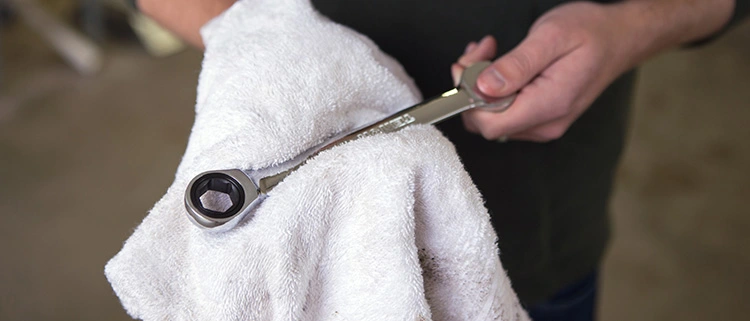
Amid the rapid growth of the hardware fastener industry, small components such as screws, bolts, and washers have become indispensable basic parts in the assembly of household appliances, furniture, security systems, and mechanical equipment. Many end-product manufacturers no longer prefer bulk supply of screws in large bags; instead, they favor individually packaged screws in small bags – with each bag containing a complete set of components for assembly. When workers receive these bags, they can simply open them and take the required parts, eliminating the need for on-site counting and sorting and effectively preventing issues such as missing, incorrect, or omitted parts. The traditional manual counting and packaging method is inefficient and prone to high error rates; consequently, automated small-bag packaging equipment for screws has emerged as a core piece of equipment for improving quality and efficiency in fastener manufacturing facilities, revolutionizing the post-production packaging process for hardware components.
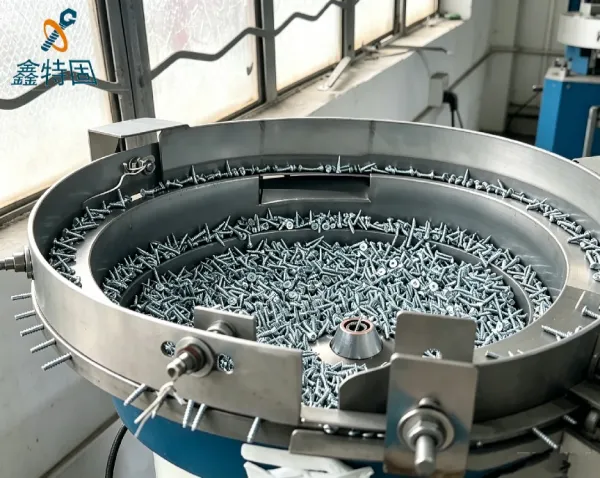
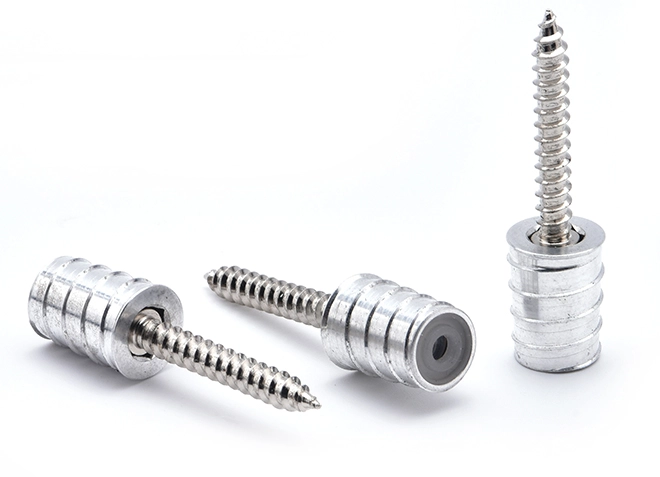
Upon entering the fastener production workshop, the entire automated small-packaging production line operates in an orderly manner. The vibratory feeder holds a dense stack of finished screws – this unit serves as the core feeding component of the entire system. Driven by high-speed vibrating trays guided by precision tracks, the disorganized screws are automatically aligned and neatly arranged before being discharged in a sequential stream, with each screw being conveyed individually to the counting station. This system eliminates the need for manual feeding or sorting by operators; it enables continuous supply of large quantities of screws, making it ideal for large-scale, continuous manufacturing operations. Even for self-tapping screws or machine-tapped screws with varying specifications, material compatibility can be easily achieved simply by replacing the appropriate accessories. The equipment boasts strong compatibility, making it well-suited to meet the diverse production requirements of fastener manufacturing facilities.
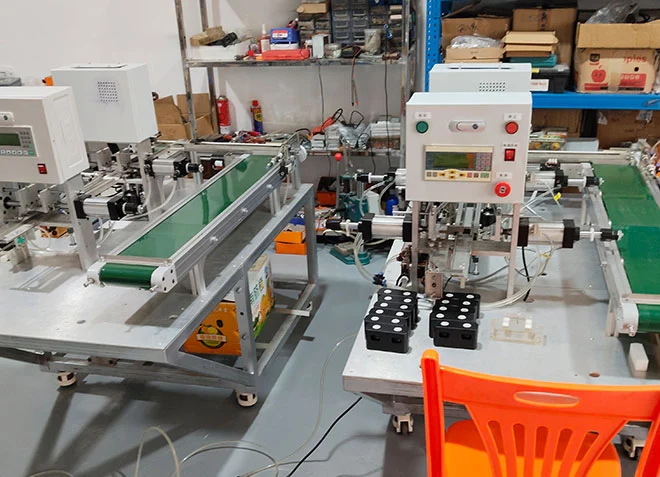
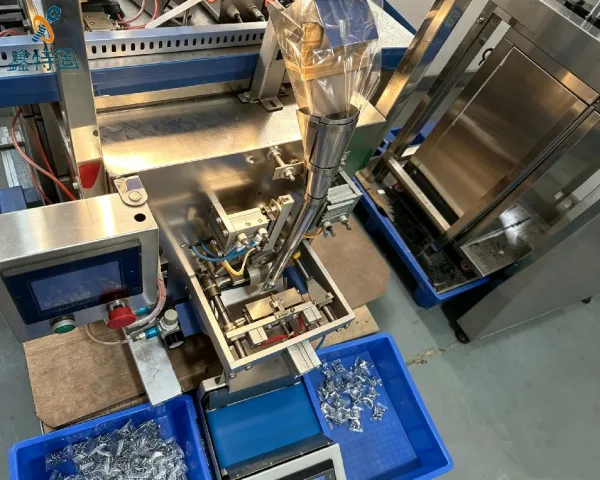
After materials are aligned and conveyed by the vibrating plate, they enter the core counting and dispensing module. The complete equipment is equipped with a photoelectric counting detection system to accurately tally the number of screws and complete quantitative dispensing according to quantities set by customers. Whether it is 5, 10 or 20 screws per bag, parameters can be quickly switched via simple settings on the touch‑screen display. It eliminates the pain points of over‑filling or under‑filling common with manual counting, and controls the quantity accuracy of each bag of screws from the source. Footage of the equipment workstation shows metal mechanical structures paired with pneumatic components delivering stable and smooth movements. The material feeding channel is treated with wear‑resistant hardening, so it resists abrasion during long‑term high‑speed screw dispensing and reduces equipment wear.

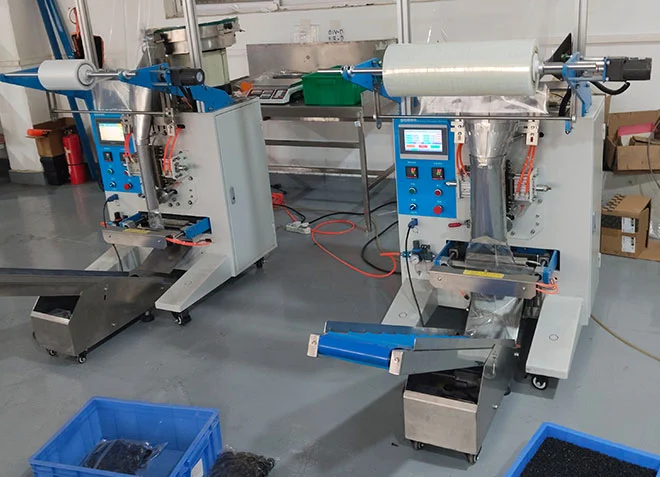
After the quantitative material feeding is completed, the equipment automatically performs the entire packaging sequence – including film feeding, bag formation, sealing, and cutting – while the plastic film is shaped by the mechanical mechanism; screws are inserted into the packaging bags, and the heat-sealing mechanism seals the bag openings; the screws in the finished small bags are automatically cut and removed, and the finished bagged screws are placed into a reusable rubber basket. This process continuously yields neatly packaged, independent small bags of screws; each bag contains independently sealed screws with a clean, tidy appearance and a secure seal that prevents spillage – making them convenient for storage, dispatch, and easy for downstream customers to assemble and use. The equipment also features expandable design capabilities, allowing the addition of a coding function as needed to print specifications, model numbers, batch numbers, and production dates on the packaging bags, facilitating product traceability management.
Compared to traditional manual packaging methods, automated small-scale screw packaging equipment offers significant advantages. Manual screw packaging requires multiple workers to continuously count, fill bags, and seal them – a repetitive task that easily leads to worker fatigue and makes counting errors almost inevitable. Furthermore, labor costs are rising annually, and production efficiency has reached a ceiling. In contrast, automated equipment can operate continuously 24 hours a day, with a packaging speed of dozens of bags per minute – representing several times the production efficiency of manual methods. A single piece of automated equipment can replace multiple packaging workers, significantly reducing a company's labor costs, minimizing the loss of defective products caused by human error, and helping fastener manufacturers lower their production expenses.
Many fastener manufacturing facilities face the challenge of dealing with a wide variety of product specifications—such as screws of different lengths and diameters. This small-batch screw packaging system is designed specifically for real-world factory production environments, offering simple and convenient model switching and debugging. When switching between the production of different screw models, users can easily adjust the vibration feeder's guide rail and discharge channel parameters, or modify the counting parameters via the touchscreen to switch to producing products of different specifications—without the need for complex modifications. This system is well-suited for handling small-to-medium batch orders with multiple product categories; it can efficiently manage both large-volume standard screw orders and small-batch customized packaging tasks. The main unit is primarily constructed from stainless steel, which provides excellent corrosion resistance in workshop environments filled with dust and metal debris, while also ensuring easy cleaning and maintenance. The system operates reliably even under the demanding conditions typical of a hardware workshop.
For downstream purchasing customers, the value offered by small-packaged screws is equally significant. Furniture, lighting, and electrical appliance assembly plants that receive bulk screws often need to arrange for additional manual counting and sub-packaging, which results in wasted labor hours. By procuring pre-packaged screw bags, these plants can simply take one bag per use during the production line assembly process – with a fixed quantity per bag – allowing for quick verification of whether all components are present upon completion of assembly. This approach reduces the risk of component shortages or loss and enhances the efficiency of assembly line operations. It is precisely this downstream market demand that has driven upstream fastener manufacturing plants to upgrade their packaging processes; consequently, automated screw packaging equipment has become a vital tool for fastener factories to increase their product value-added and strengthen their market competitiveness.

Of course, proper maintenance and servicing during equipment operation are essential to ensure long-term, stable output performance. At the end of each production shift, it is necessary to clean the vibration feeder and material discharge channel of any remaining screws or debris to prevent the accumulation of metal powder, which could affect counting accuracy; regularly inspect pneumatic components and heat-sealing assemblies, and replace worn parts promptly; operators can use the touchscreen to monitor production output in real time and calculate the daily packaging volume – providing clear, easy-to-understand production data that facilitates effective production ledger management in the factory.
The hardware industry is facing increasingly fierce competition; simply competing on product price is no longer sufficient to gain a competitive edge. Service quality and delivery capabilities have become key differentiators in this market. Offering customers customized small-batch packaging services is a significant advantage for many fastener suppliers. By implementing automated screw packaging equipment, companies can eliminate the need to outsource packaging operations to third-party subcontractors – all packaging processes can now be completed within the factory's own workshop, allowing for better control over the production cycle. This approach not only safeguards product quality but also enables flexible fulfillment of customers' customized packaging requirements and ensures rapid order delivery.
From the haphazard stacking of screw raw materials – through vibration bin sorting, precise counting, and automated bagging and sealing – to the final, neatly packaged finished products, the entire automated system operates seamlessly, fully automating what was once a cumbersome manual packaging process. For fastener manufacturing enterprises, screw small-packaging machinery is more than just a packaging device; it is a powerful tool for optimizing back-end production, reducing costs, improving efficiency, and expanding customized business offerings. As the manufacturing industry continues to evolve, downstream customers' requirements for component packaging are steadily increasing; consequently, automated packaging and filling equipment is set to become the standard configuration for an increasing number of hardware and fastener manufacturing plants.
Website: www.szxintegu.com
Email:sz@szxintegu.com