English
  日本語
日本語  한국어
한국어  français
  Deutsch
  Español
  italiano
  русский
  português
  العربية
Phone:
+86-0769-87561578Aaron: +86-18129983931
Max: +86-18922922459



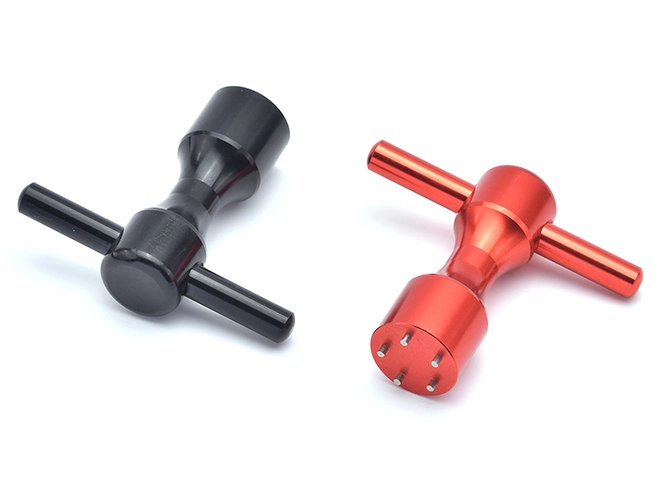 New Type Switchgear
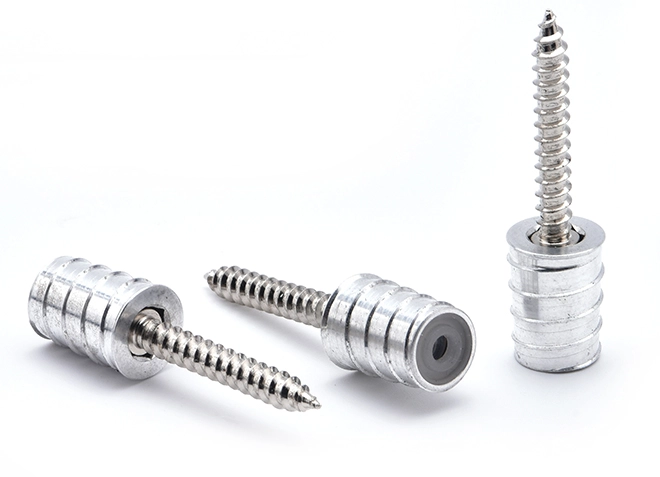 Anti-loose Easy Disassembly Nut Pillar (New Furniture Connector)
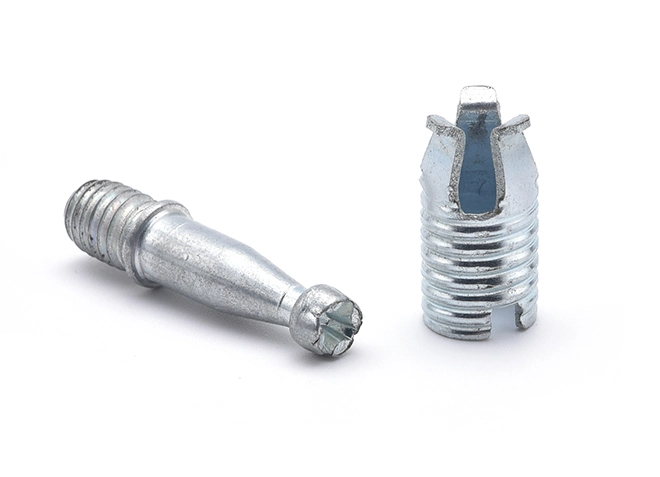 Furniture Simple Assembly and Disassembly Connector
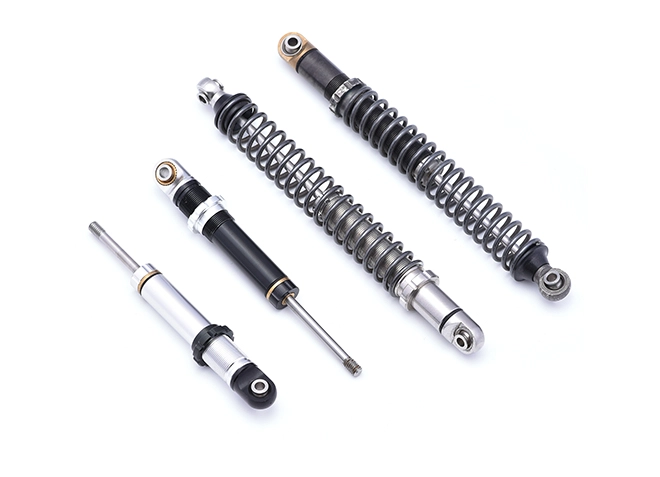 Micro Vibration Absorber
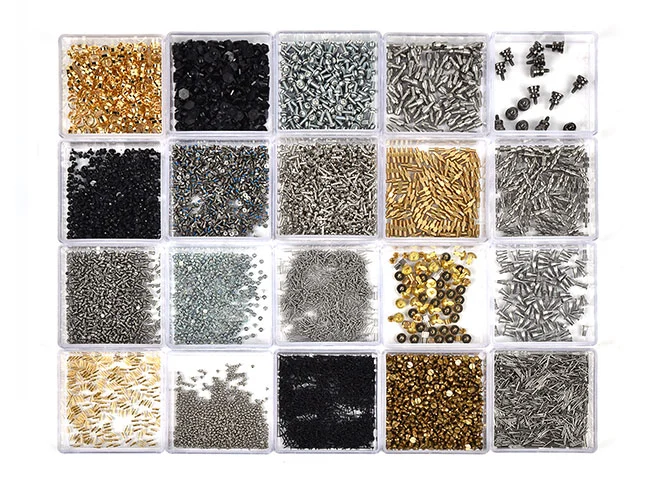 Micro Screws
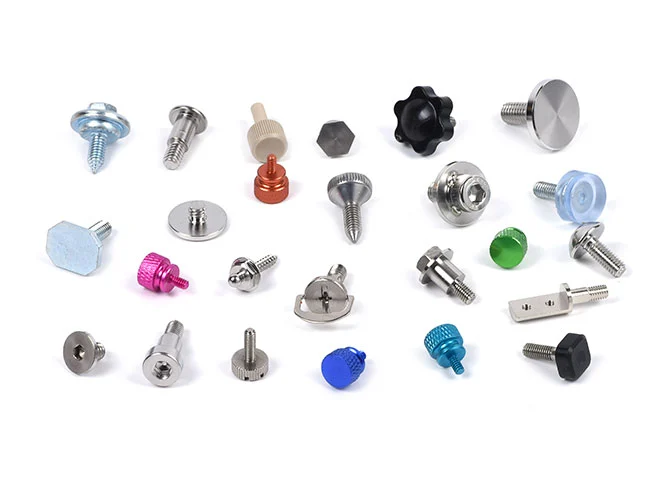 Big Head Screws
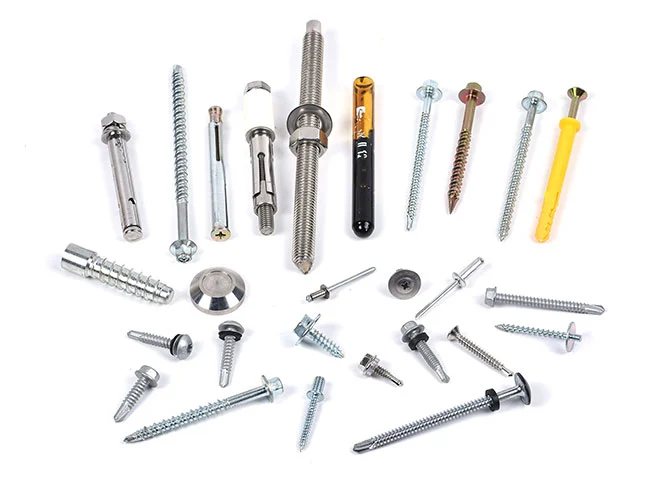 Construction Screws
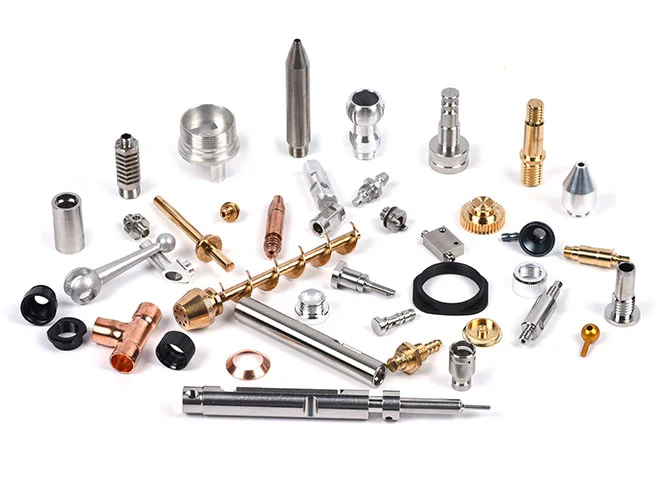 CNC Lathe Machining Parts
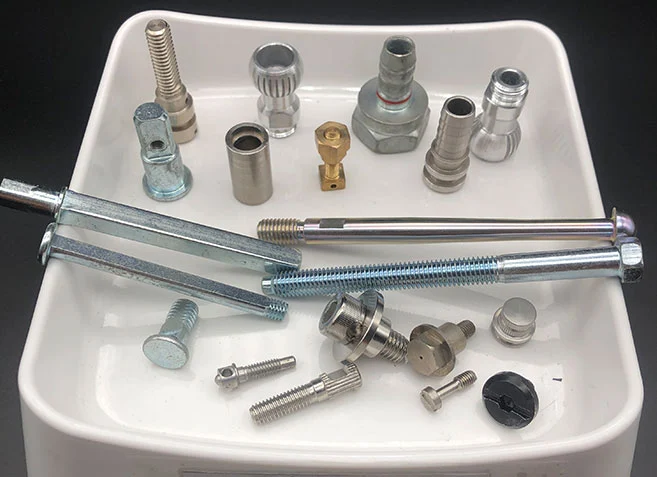 Cold Forged and Undergo Secondary Processing Products
 Multi Station Cold Heading Screws
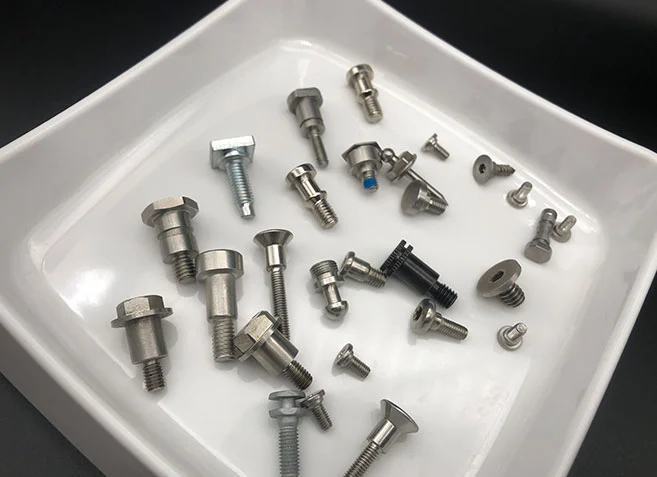 Step Screw
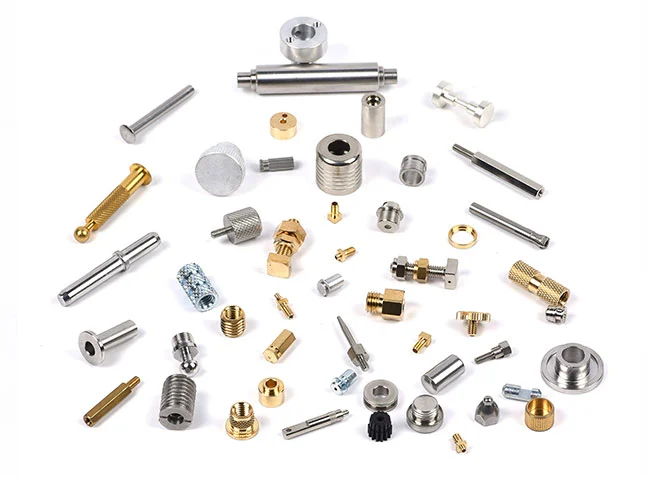 Automatic Lathe Machining Parts
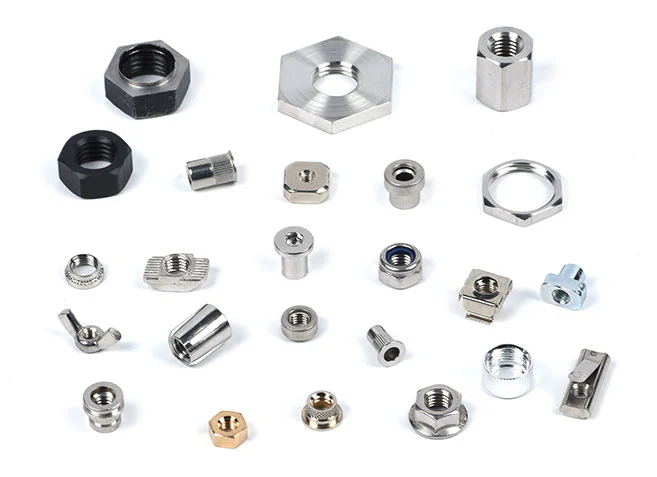 High Difficulty Challenge Cold Heading Fasteners
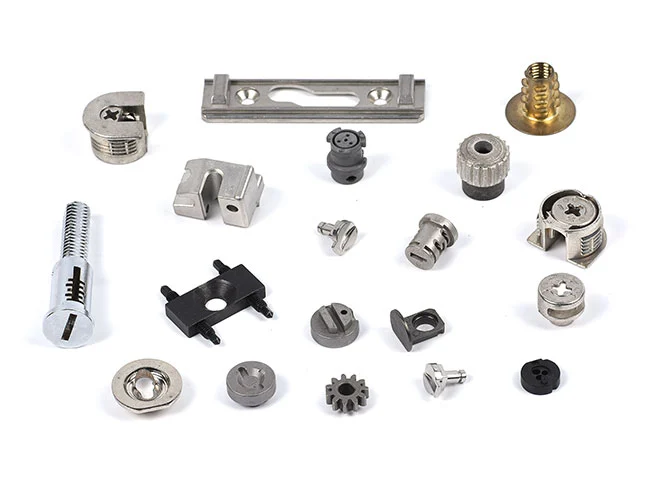 New Tech Fasteners
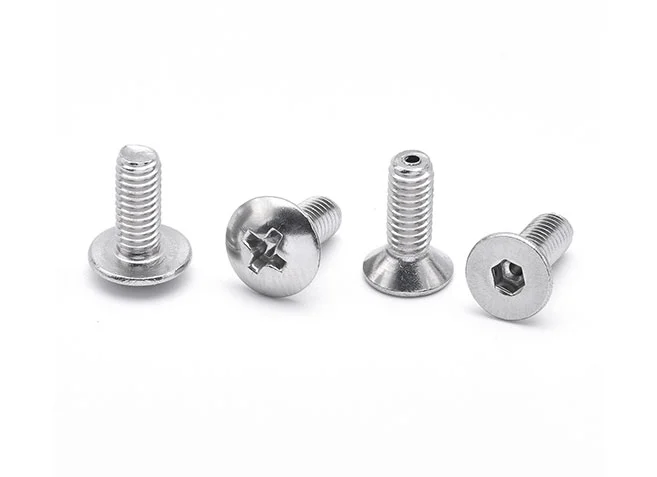 Machine Screws
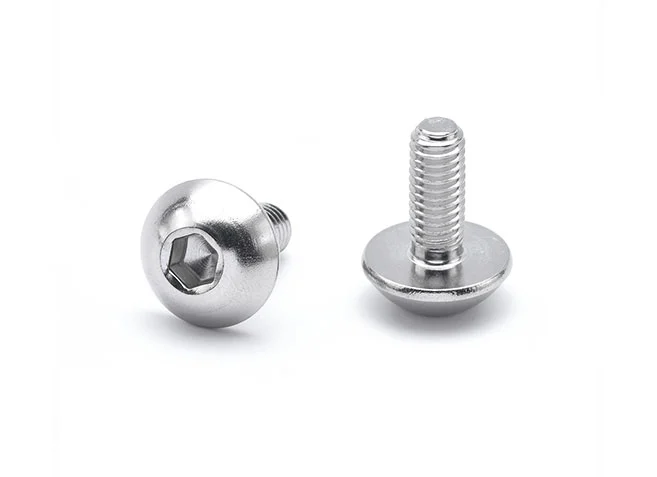 Socket Cap Screws
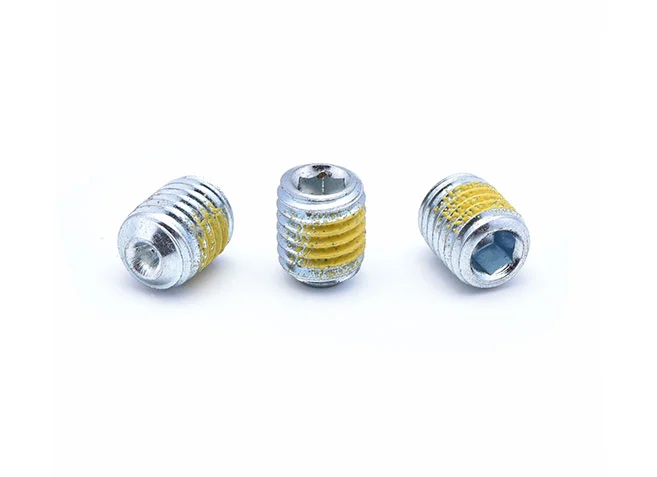 Hexagon Socket Set Screws
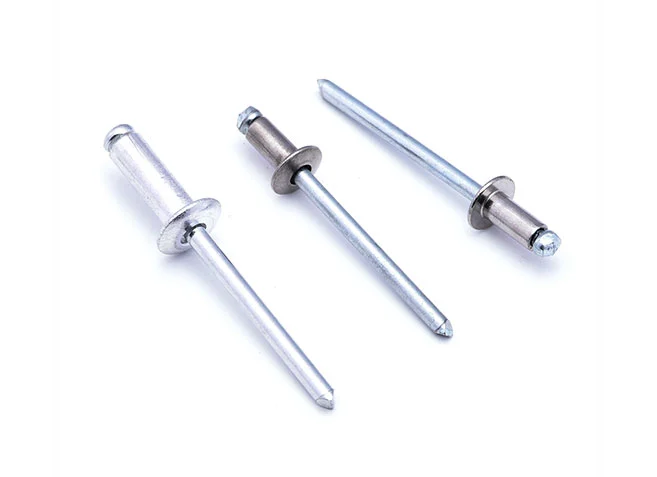 Pull Out Rivet
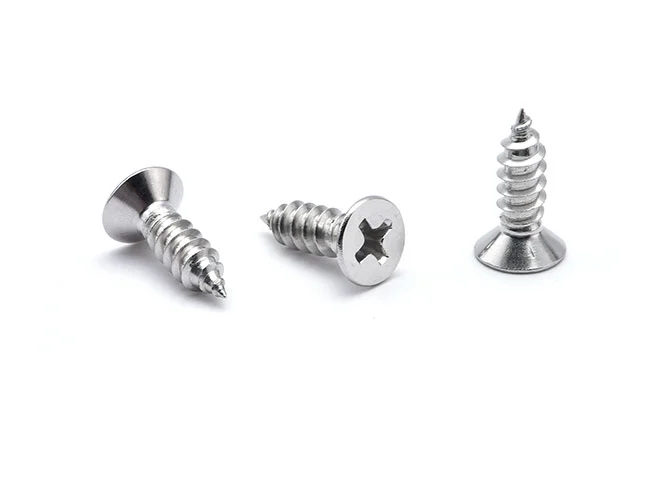 Self Tapping Screws
 Hex Bolts
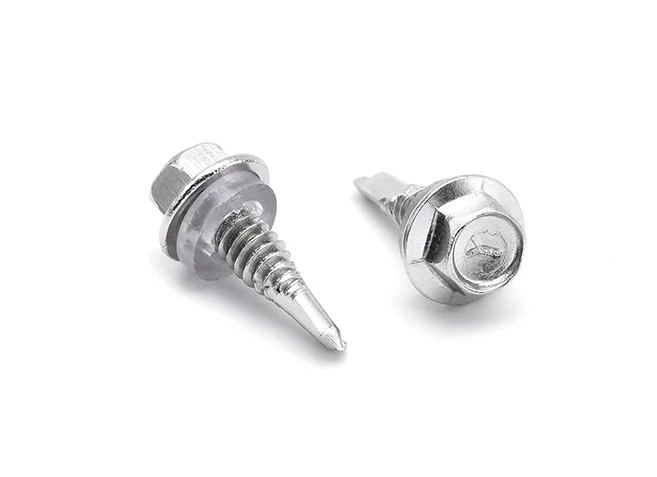 Self Drilling Screws
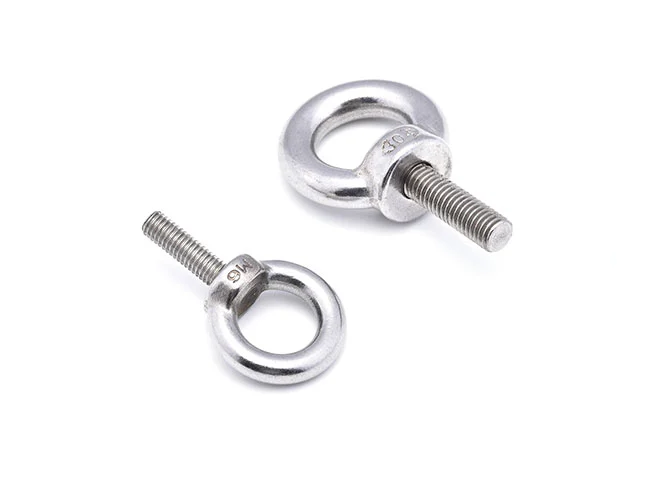 Eye Bolts
 U-bolts
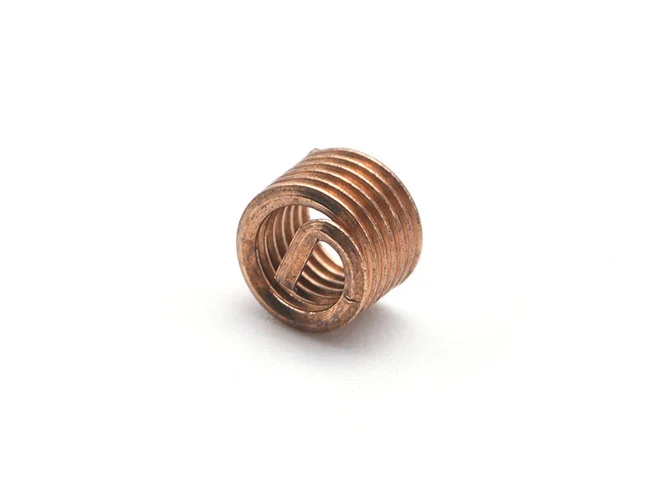 Threaded Sheath
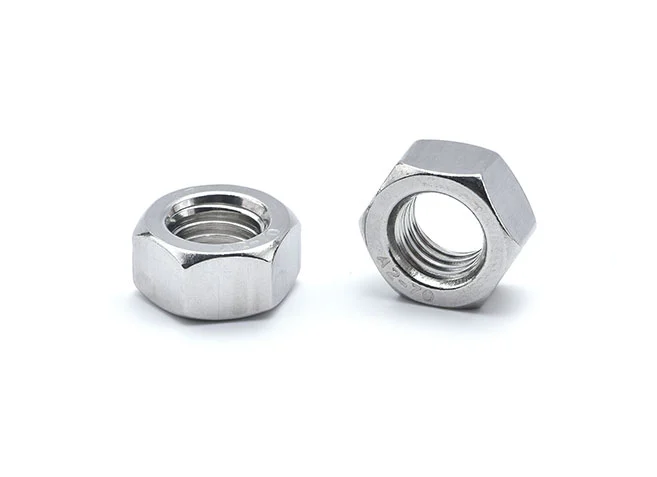 Hex Nut
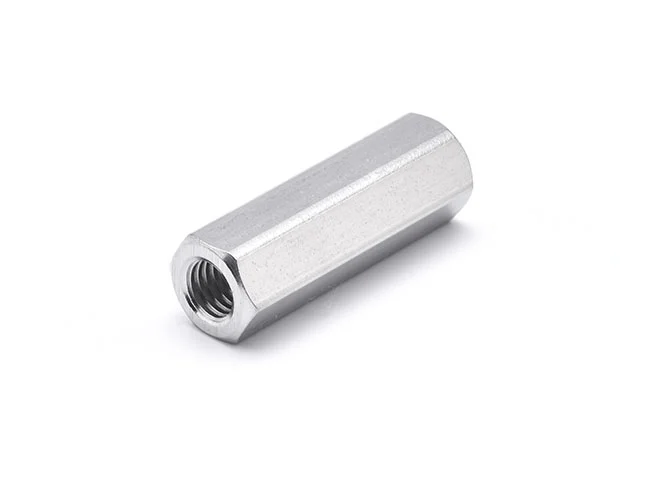 Hex Long Nut
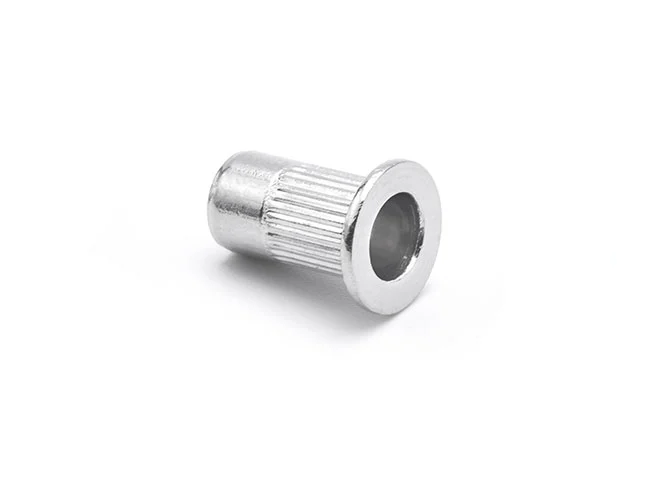 Pull Rivet Nut
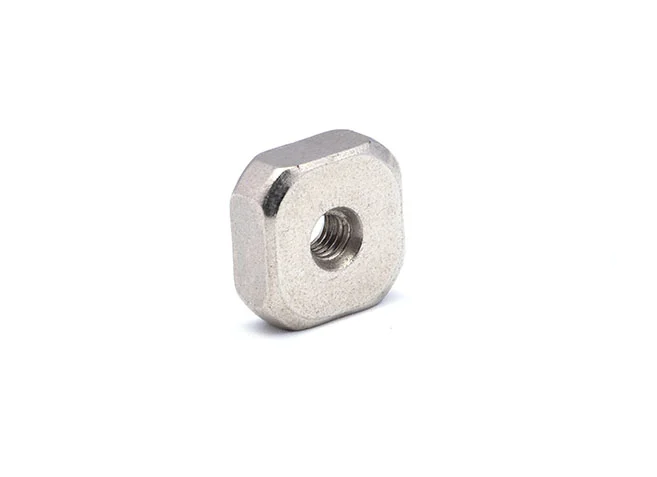 Square Nuts
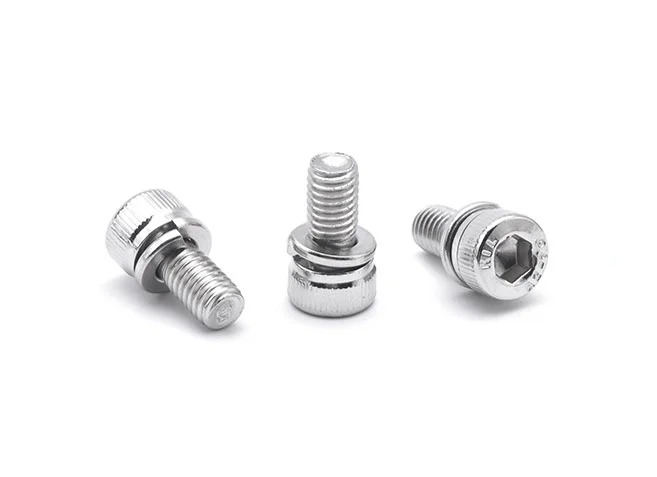 Combination Screws
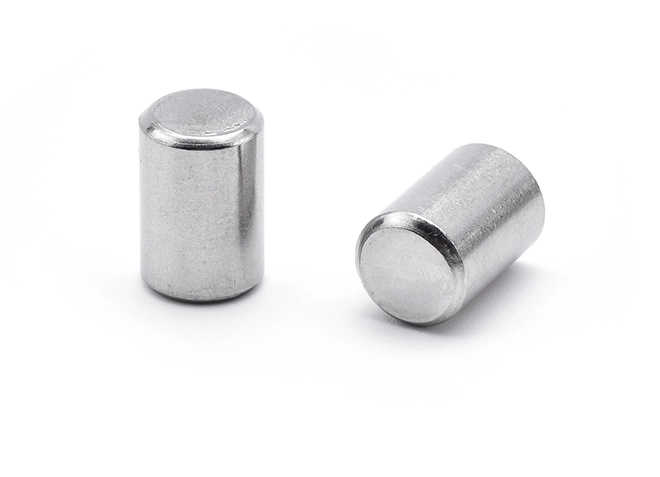 Pin
Pin
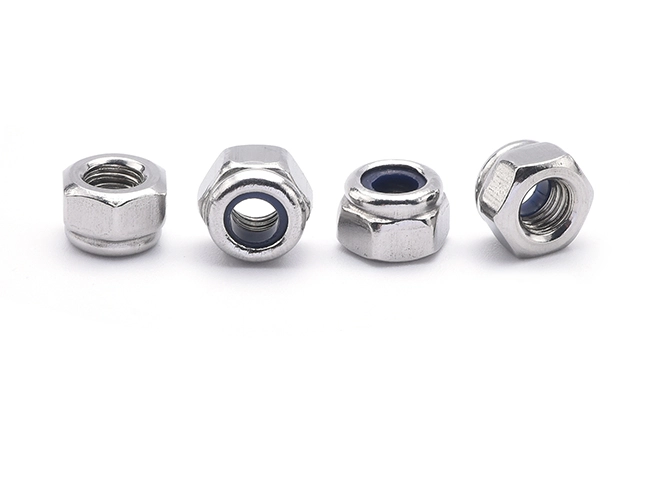 Nylon Locking Nuts
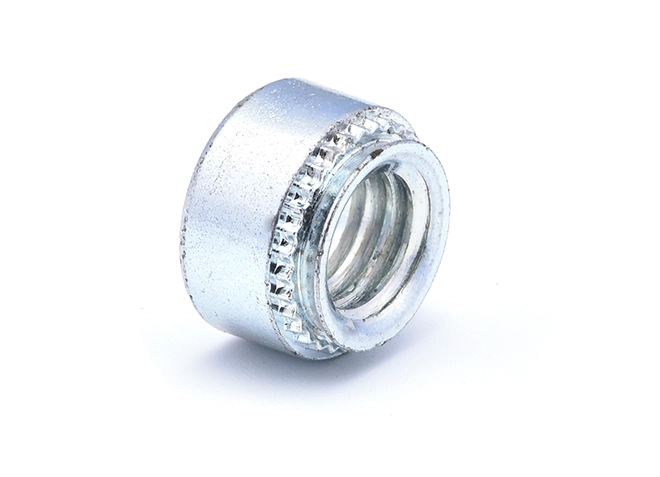 Pressure Rivet Nuts
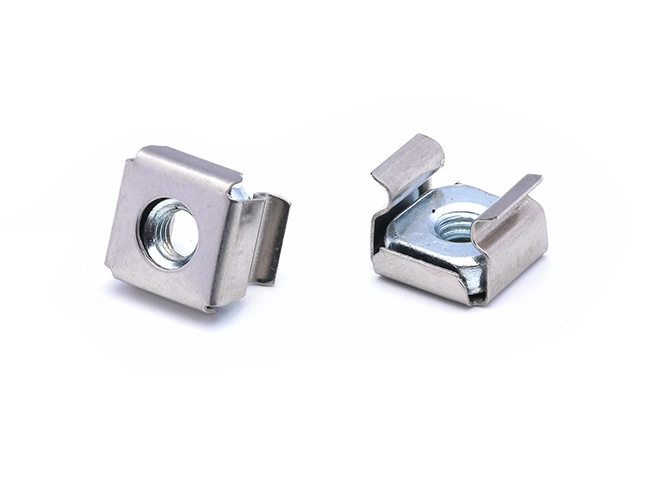 Cage Nut
 Welding Screws
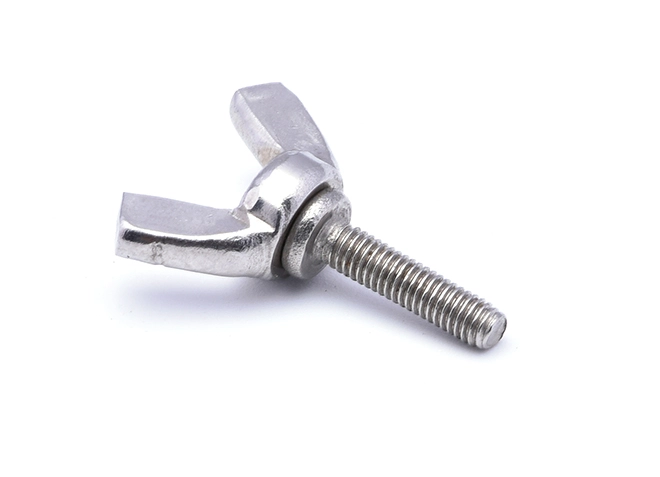 Butterfly Screw
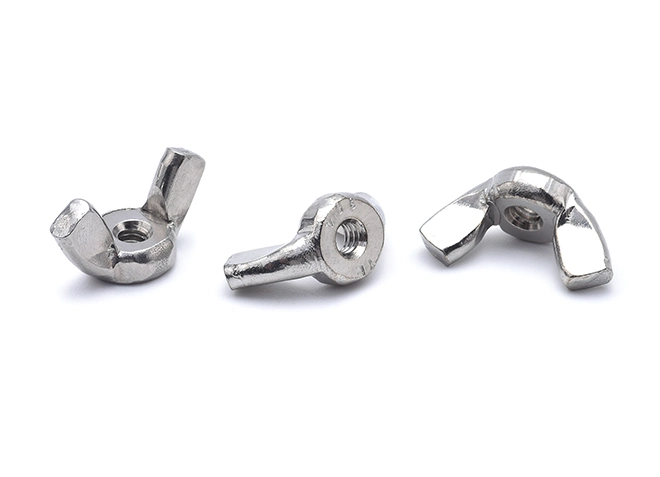 American Standard Butterfly Nut
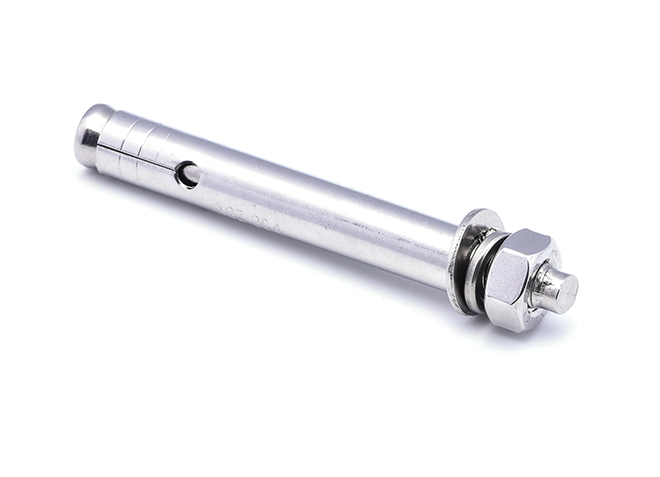 Expansion Screw
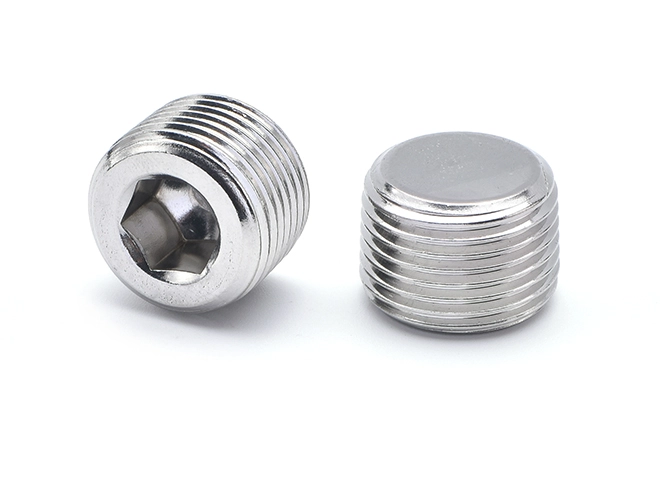 Plug Screw
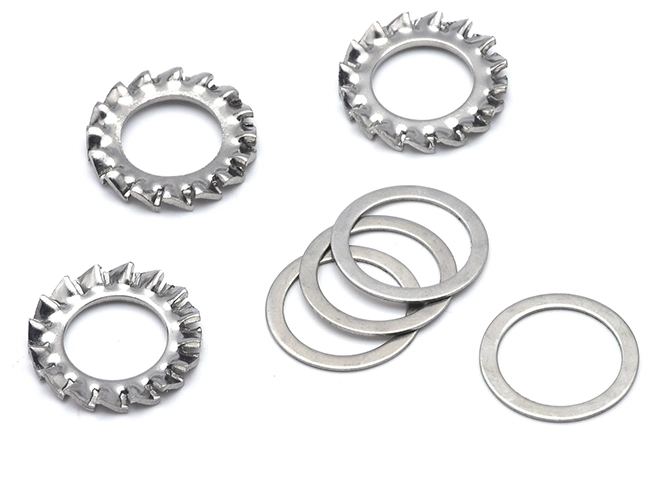 Stainless Steel Washer
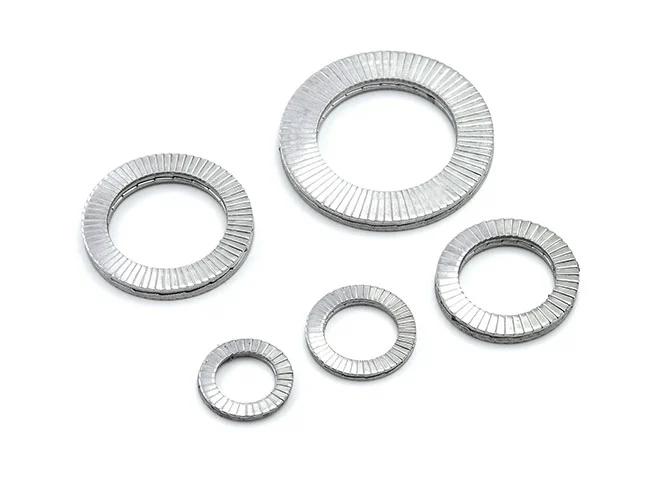 Double Overlap Anti-Loosening Washers
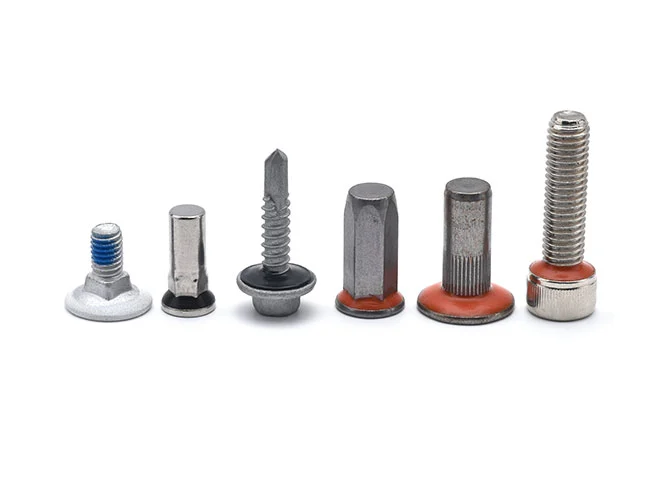 Waterproof and Anti-Drop Screws
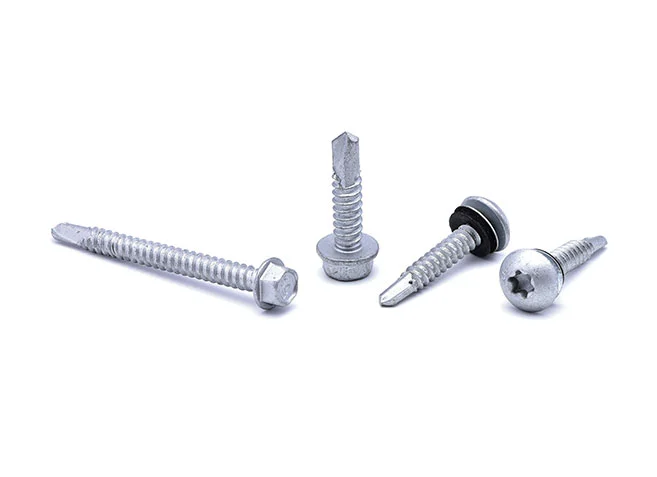 Super Corrosion-Resistant Screws
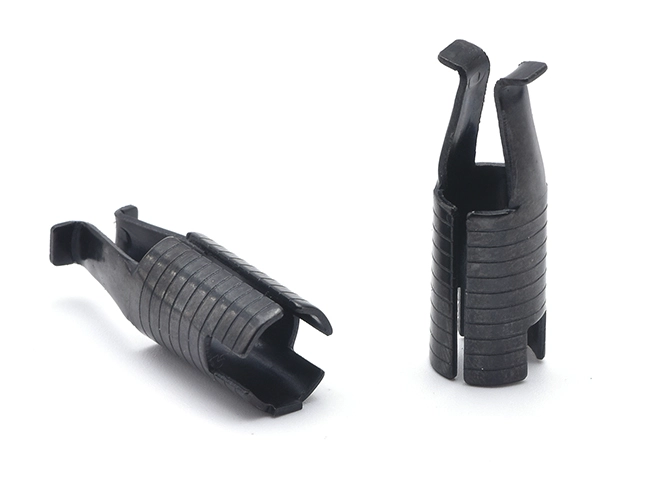 65Mn Material Furniture Connector
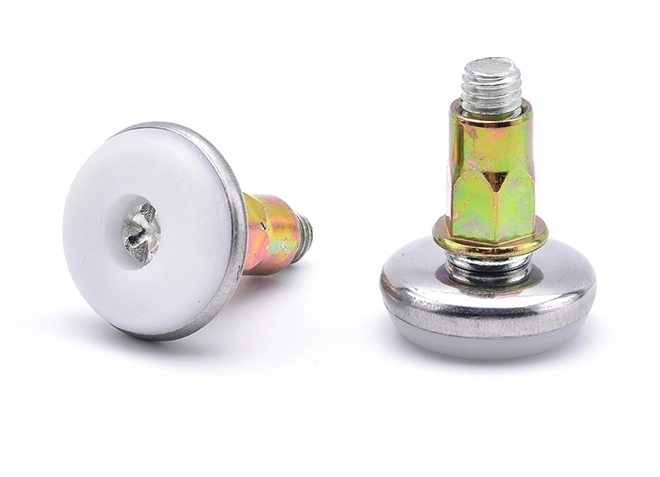 Counter Table Base
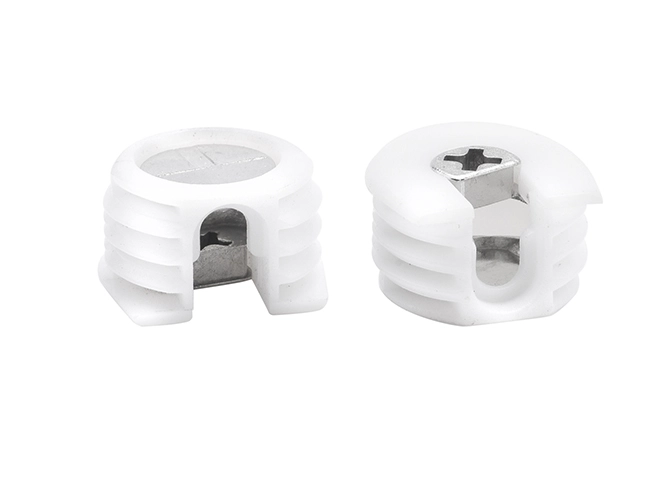 Furniture Connector Nut with Plastic Sleeve
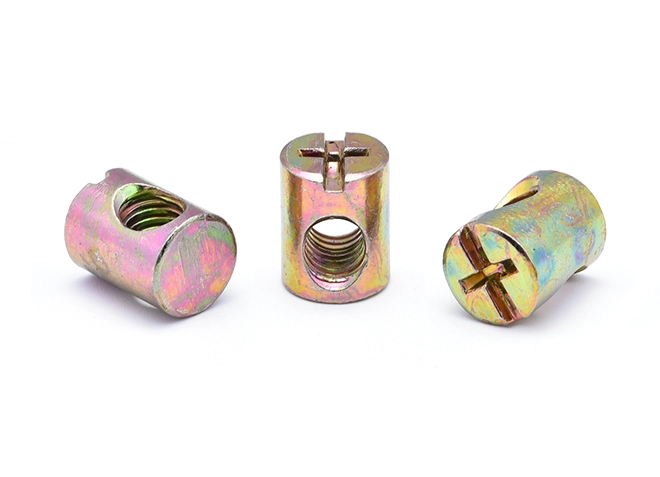 Furniture Horizontal Hole Nut
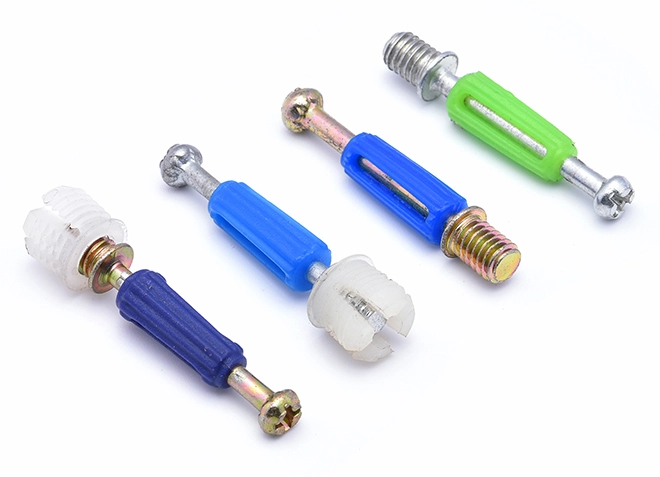 Furniture Connecting Screw
 Furniture Connecting Nut Seat
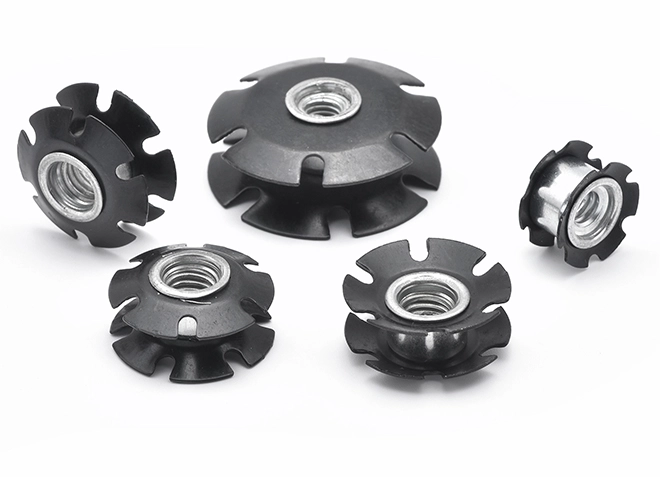 Double Stack Wheels Used On Furniture
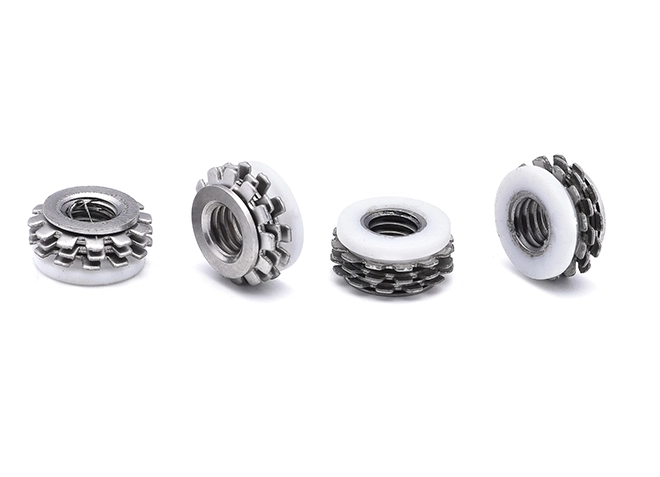 Components Used On Furniture
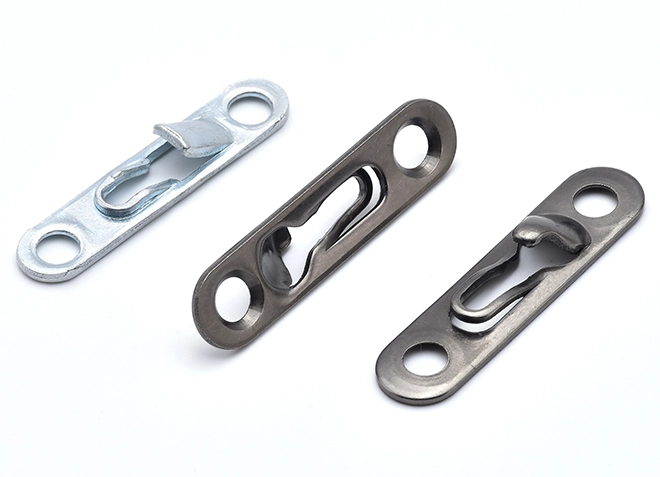 Connection Buckle
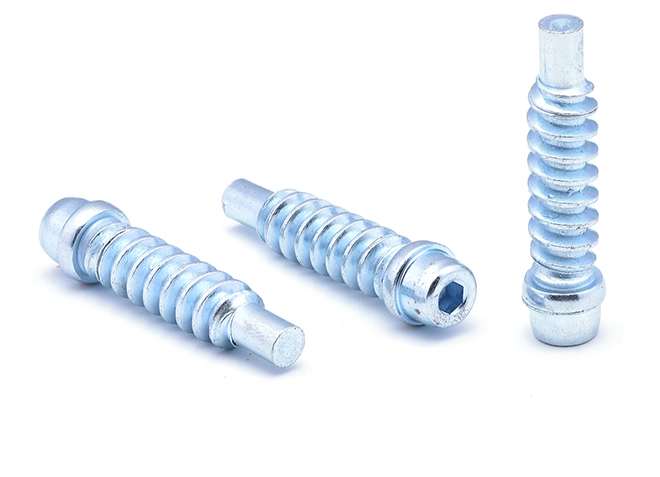 Internal Hexagonal Spiral Screw
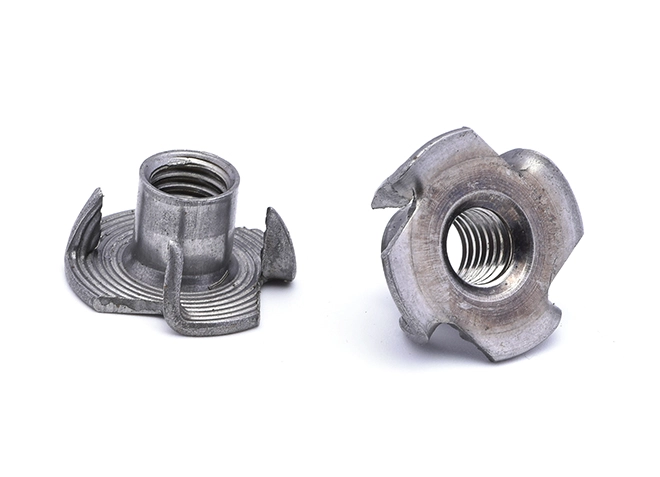 Iron Colored Carbon Steel Four Claw Nut
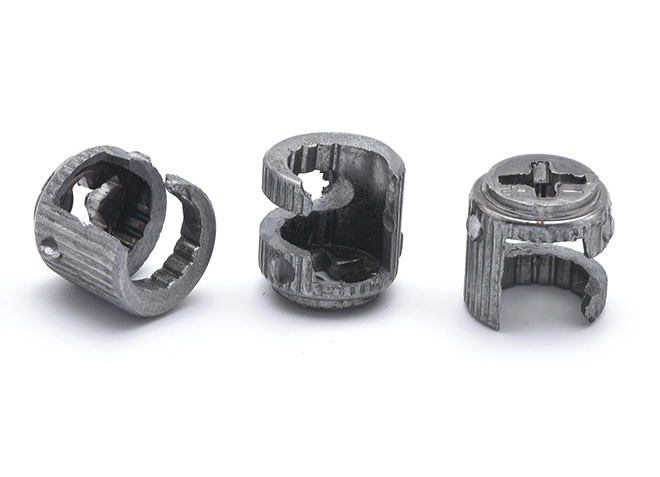 Iron Furniture Three Combination Nut Seat
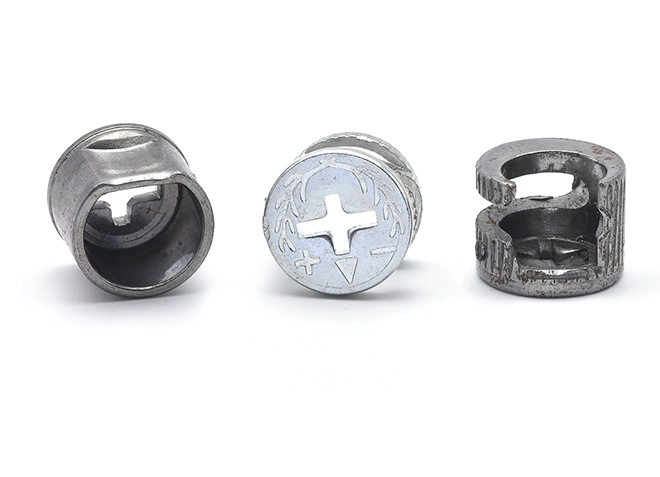 Iron and Zinc Alloy Furniture Three Combination Nut Seat
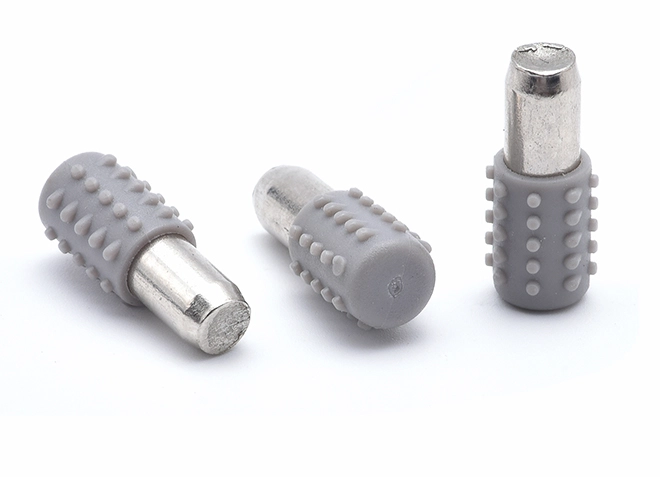 Dowel Pin+ Gray Elephant Rubber Sleeve
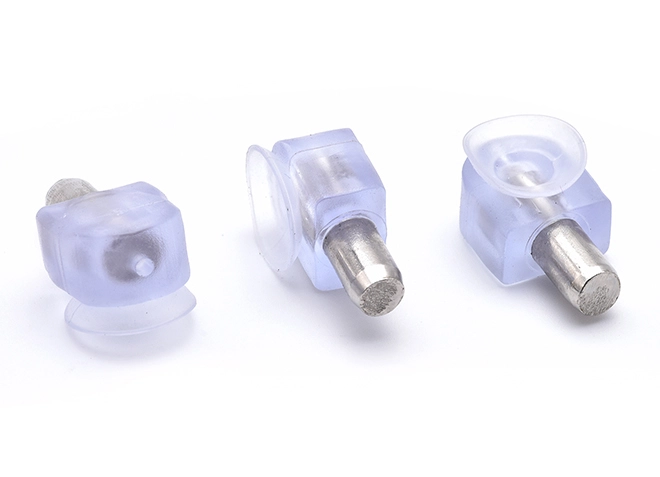 Dowel Pin+ Transparent Elephant Rubber Sleeve
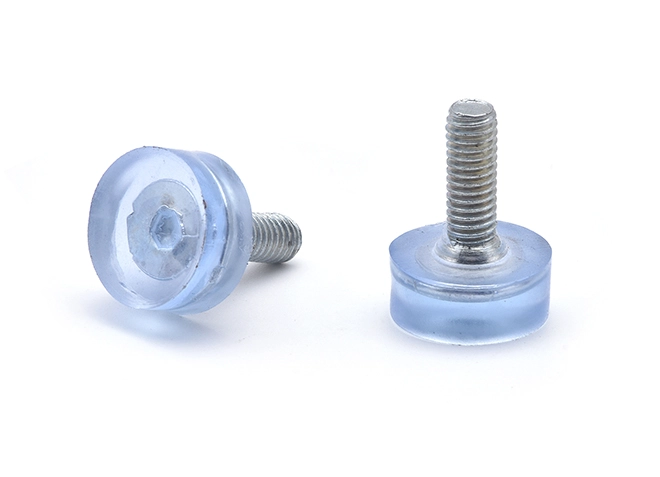 Injection Molded Furniture Foot Pad Screw
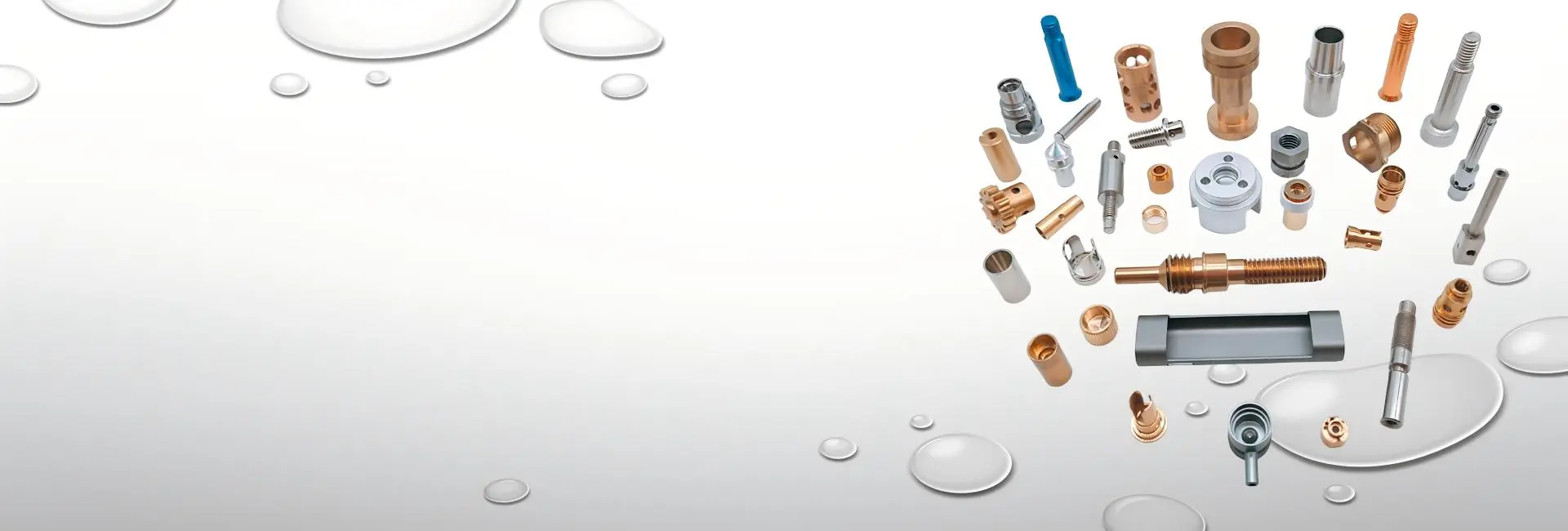
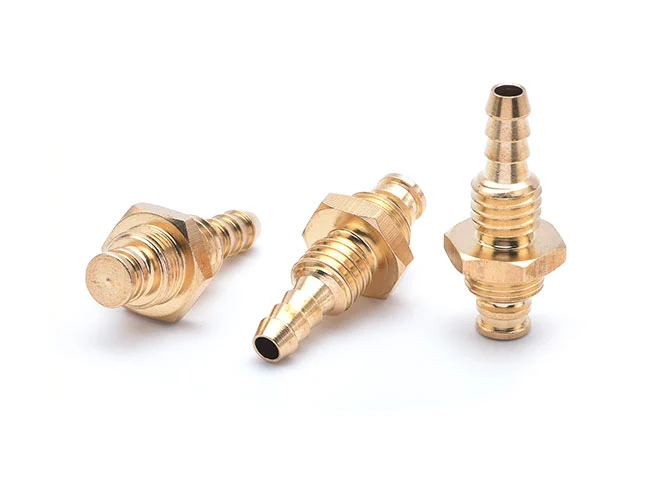
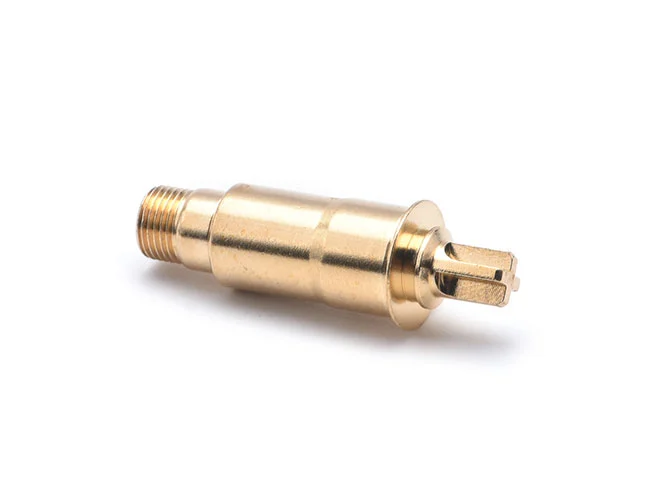
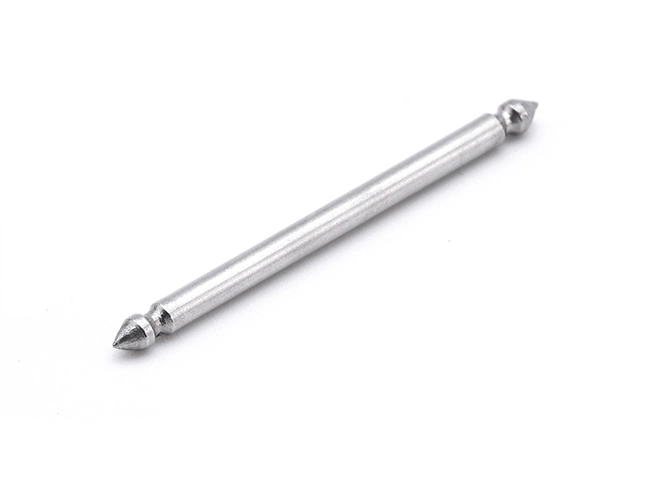
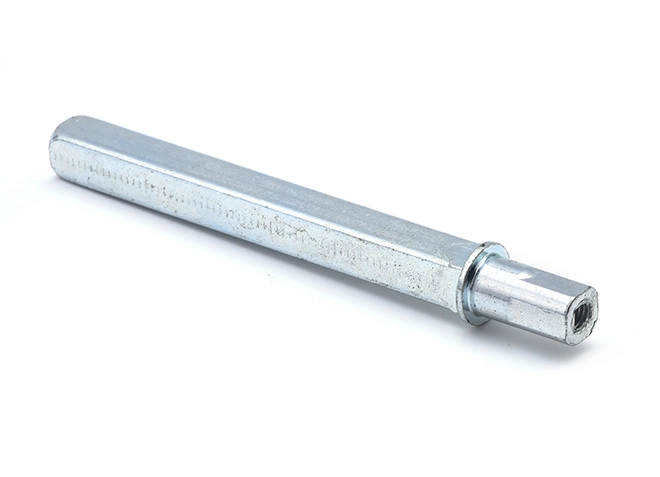
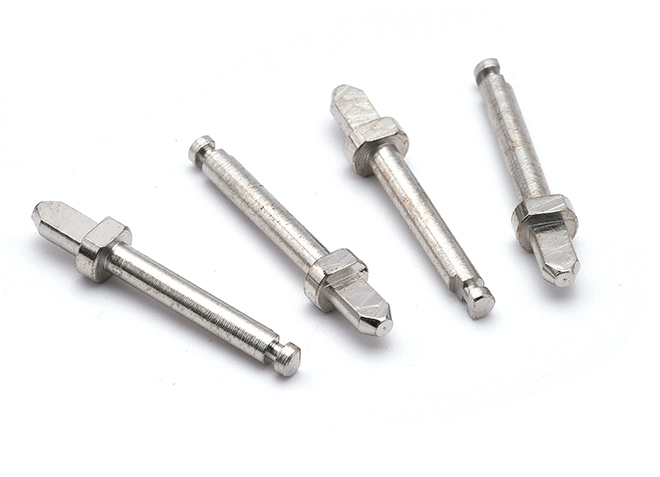
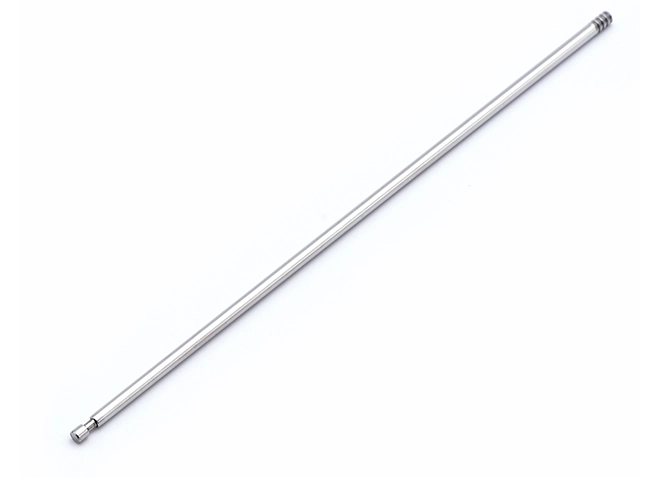
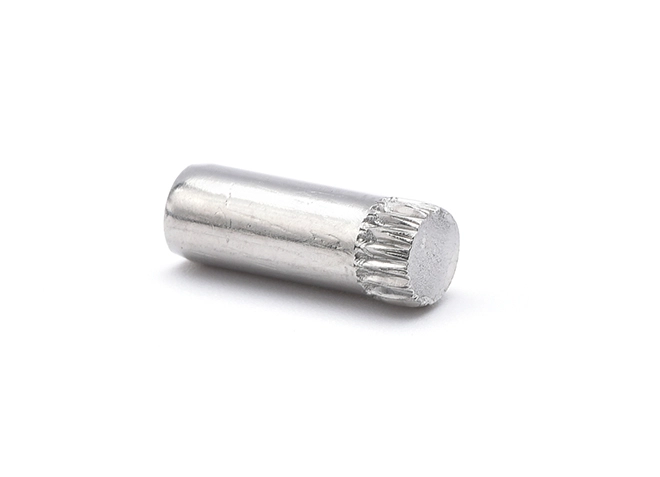
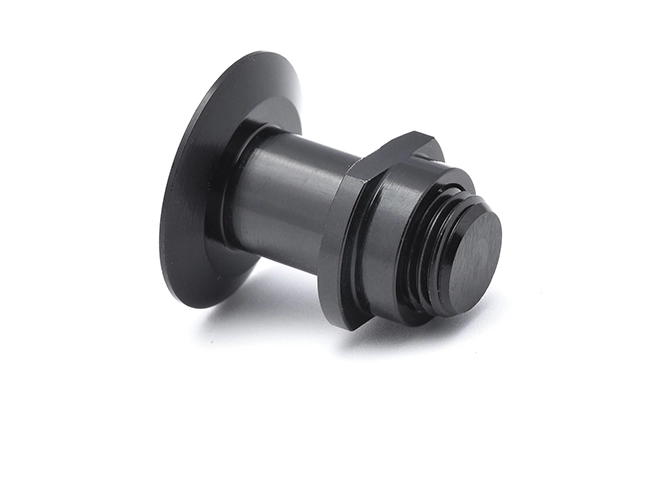
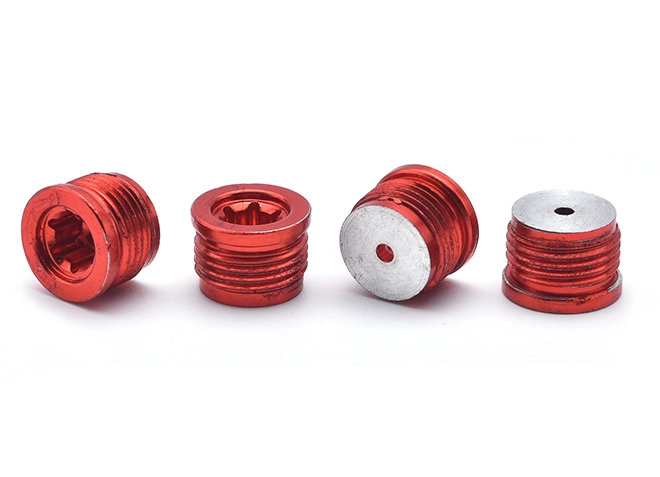
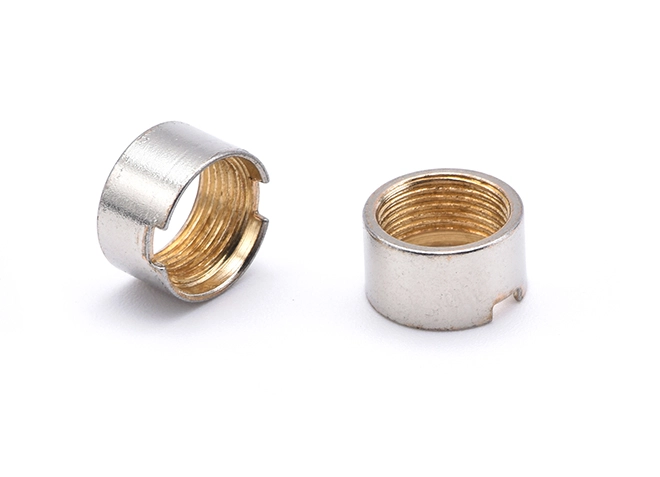
Automatic lathe machining parts, also known as CNC (Computer Numerical Control) lathes parts, are sophisticated machines used extensively in the manufacturing industry to produce precision parts from various materials. These machines operate automatically, controlled by pre-programmed sequences that guide tools to cut and shape the workpiece according to specified dimensions and designs.
Regular Maintenance: Keeping the machine in good working condition.
Quality Control: Implementing rigorous inspection processes, including dimensional checks and material testing.
Tooling: Using high-quality, sharp tools and replacing them as needed.
Programming: Ensuring the CNC programs are accurate and optimized.
Define Requirements: Determine dimensions, tolerances, and materials.
Create CAD Models: Design the part digitally.
Test Prototypes: Validate design feasibility.
Optimize for Production: Simplify designs for efficiency.
| Factor | Automatic Lathe | CNC Machining |
Volume | Best for high-volume (10,000+ units) | Ideal for low-mid volume (1–5,000 units) |
Tolerance | ±0.01mm (Swiss-type lathes) | ±0.005mm (5-axis CNC) |
Material | Metals (brass, aluminum, steel) | Metals, plastics, composites |
Lead Time | Faster for simple shapes | Longer for complex geometries |
Cost per Unit | Lower at scale | Higher for small batches |
Mass Production: Screws, pins, or bushings needing<30-second cycle times.
Simple Geometries: Round or hexagonal parts with minimal features.
Example: A automotive supplier produces 500,000 fuel injector pins monthly via Swiss lathes.
Complex Parts: Components with 3D contours, slots, or irregular shapes.
Prototyping: Test functional designs before mass production.
Example: A medical device company CNC-machines titanium bone screws with helical flutes.
Hybrid Approach
Combine both for cost efficiency:
Prototype: CNC machining for design validation.
Mass Produce: Automatic lathe for high-volume runs.
Cost-Saving Tip: Use automatic lathes for the shaft of a bolt and CNC for custom heads.
aaron18129983931@gmail.com